Water Reducing Admixture Type
Water Reducing Admixture Types: Choosing PCE for Stronger Concrete Mixes
Tang Zhi Technology (Hebei) Co., Ltd. – Your reliable source for polycarboxylate-based water reducers. Proven in precast plants and high-rise pours worldwide.
Table of Contents
Understanding Water Reducing Admixtures in Concrete Production
Procurement managers in ready-mix plants or precast factories often face the same headache: balancing workability with final strength. Too much water weakens the mix. Cut it back, and pumps clog or pours stiffen up. That's where water reducing admixtures come in. These chemicals disperse cement particles, letting you drop water content by 5-30% without losing slump.
We've shipped tons of this stuff from our Hebei plant to sites across the US and Europe. Operators tell us it shaves hours off finishing time. But not all types perform the same. Lignosulfonates from the old days work okay for low-spec jobs. For high-strength pours, though? Polycarboxylate ethers – PCE for short – are the go-to. They hold slump longer and boost compressive strength way more reliably.
Take a typical Type A normal reducer. It might cut water 5-12%. Fine for sidewalks. But push to Type F high-range, and you're looking at 25%+ reductions. Our PCE hits that consistently, even in hot weather or with fly ash blends. Factories using it report fewer rejections on cube tests.
Standards matter here. ASTM C494 covers these – Type A for standard, D for delayed set, F for high-range. We test every batch against those. Importers need to know: cheaper imports flake out on consistency. We've seen batches vary slump by 50mm between drums. Stick with audited suppliers.
Why the shift to PCE? Concrete's evolving. UHPC for bridges, self-compacting for tunnels. Traditional naphthalene sulfonates yellow under UV or slump too fast in pumps. PCE stays stable, reduces efflorescence too. One precast guy in Texas said it cut his water-cement ratio from 0.45 to 0.32 without vibrators seizing.
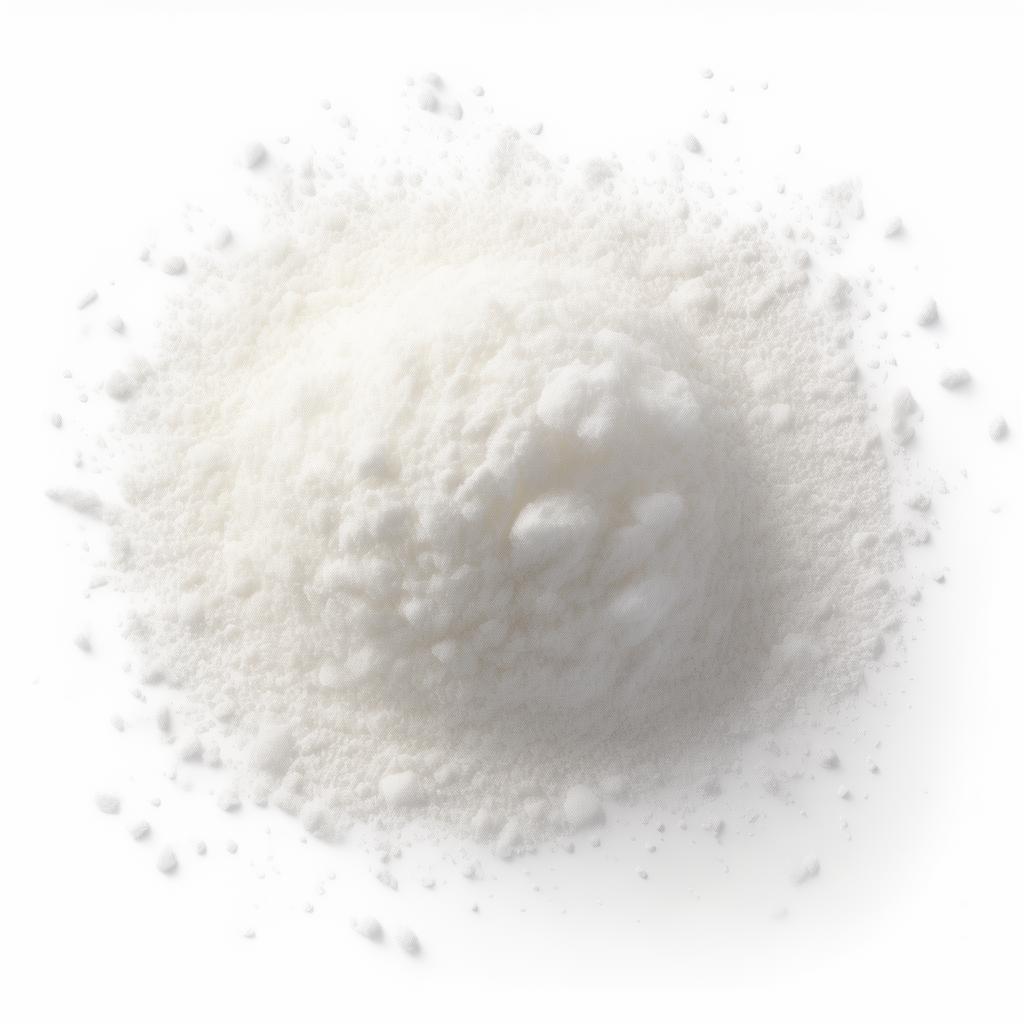
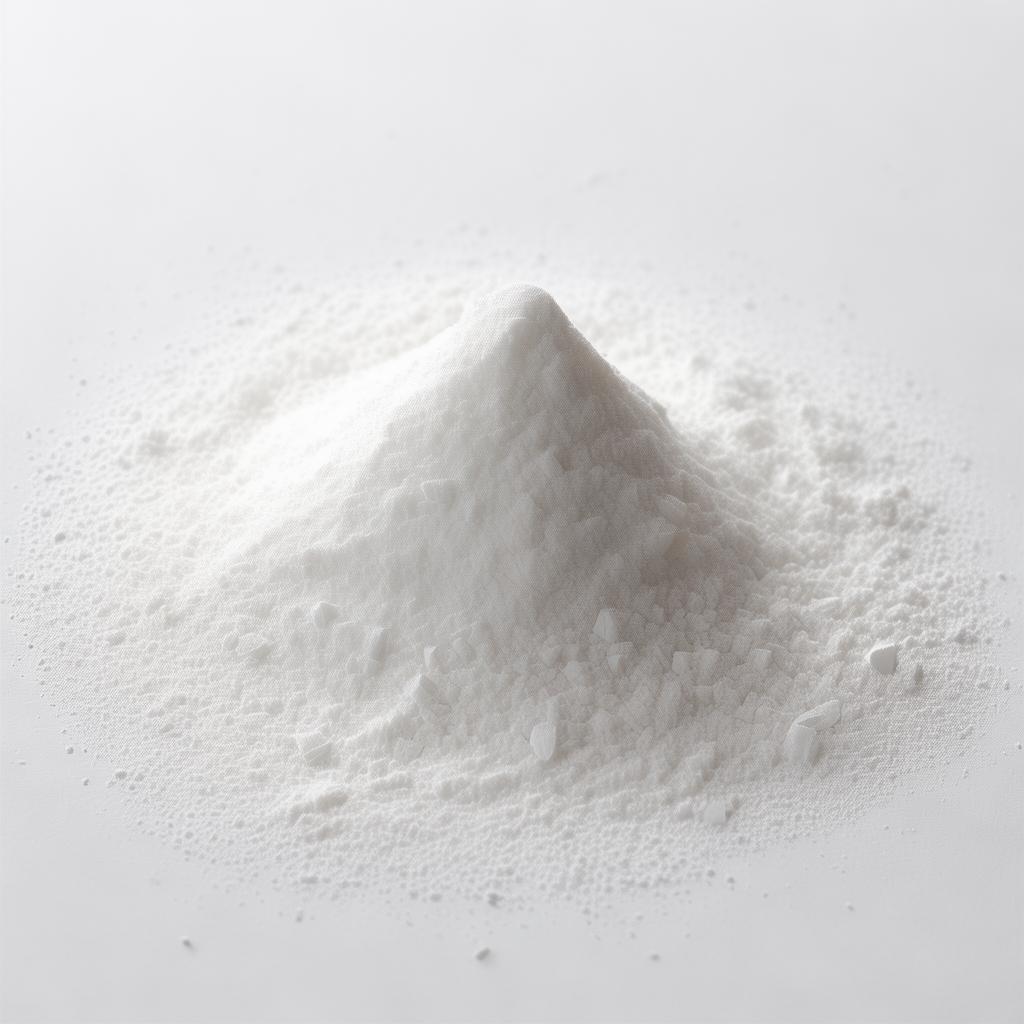
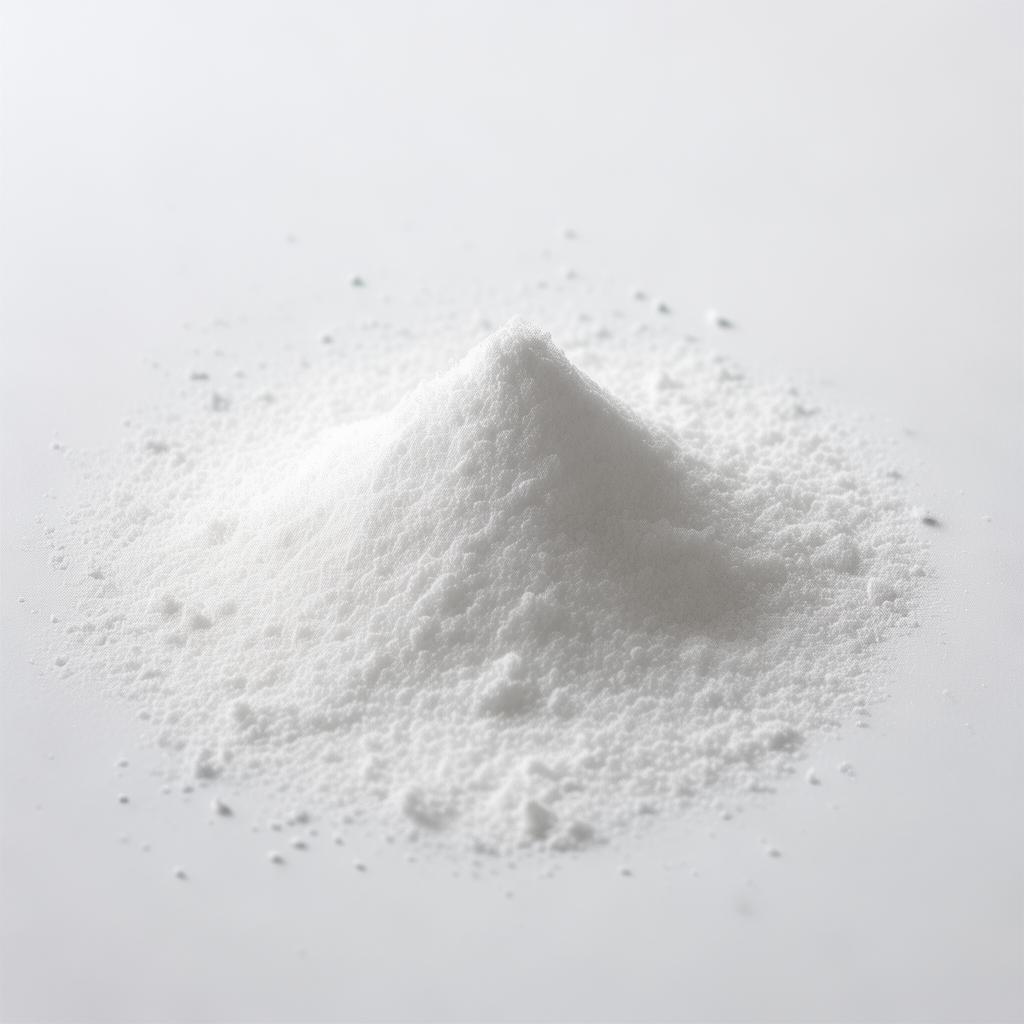
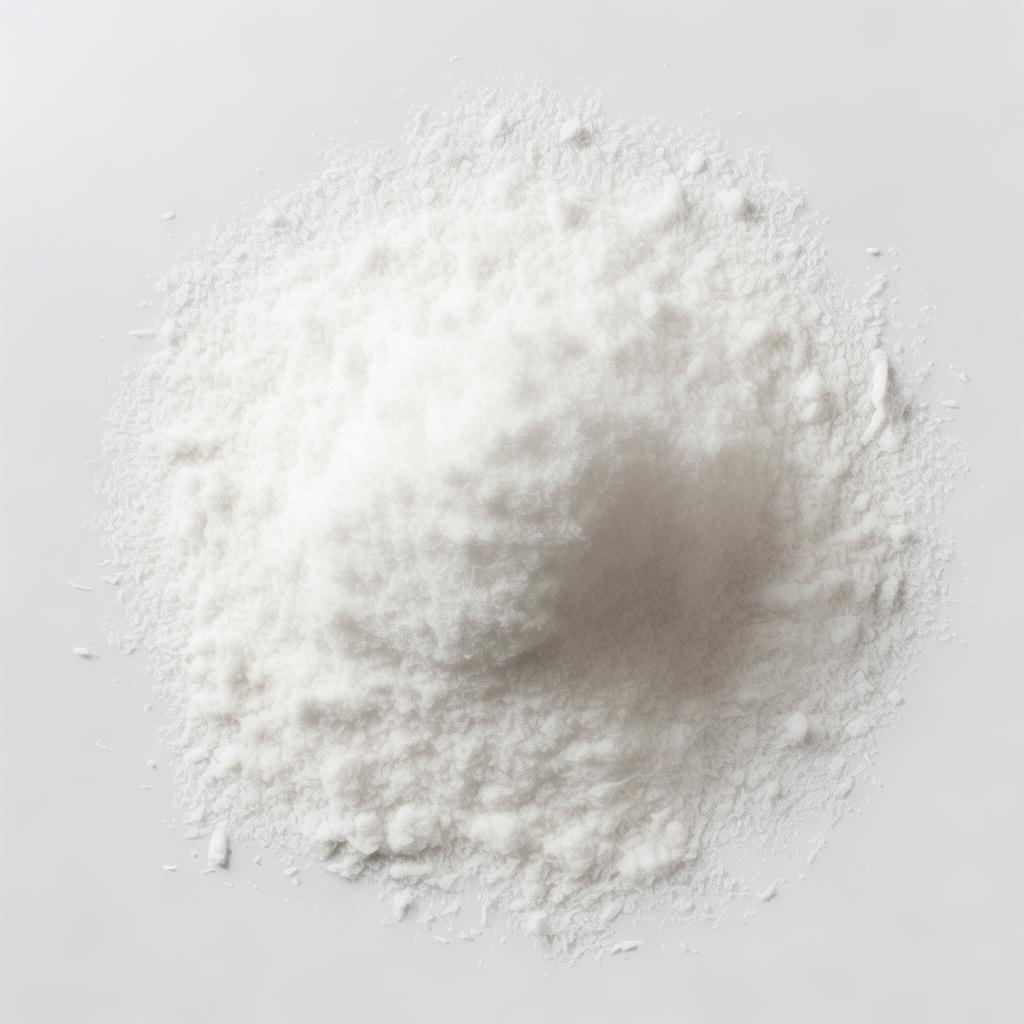
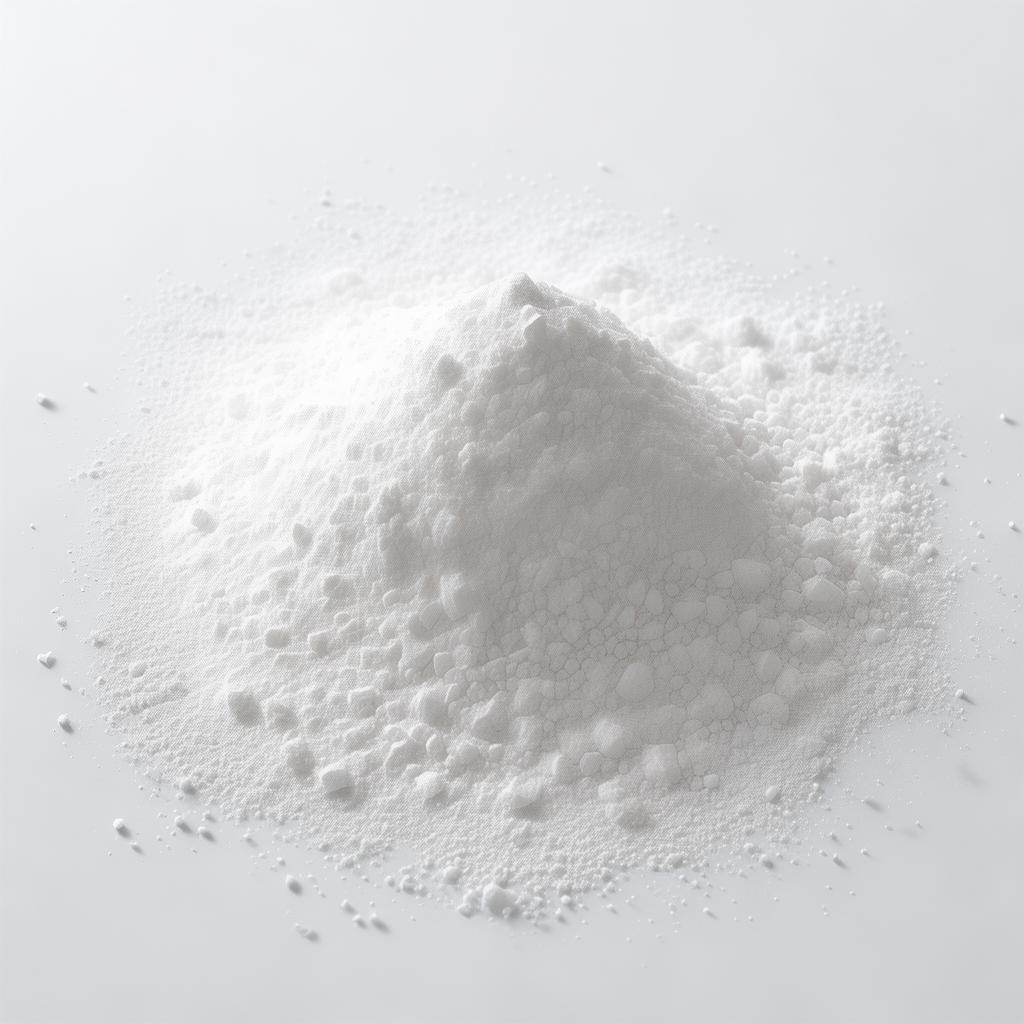
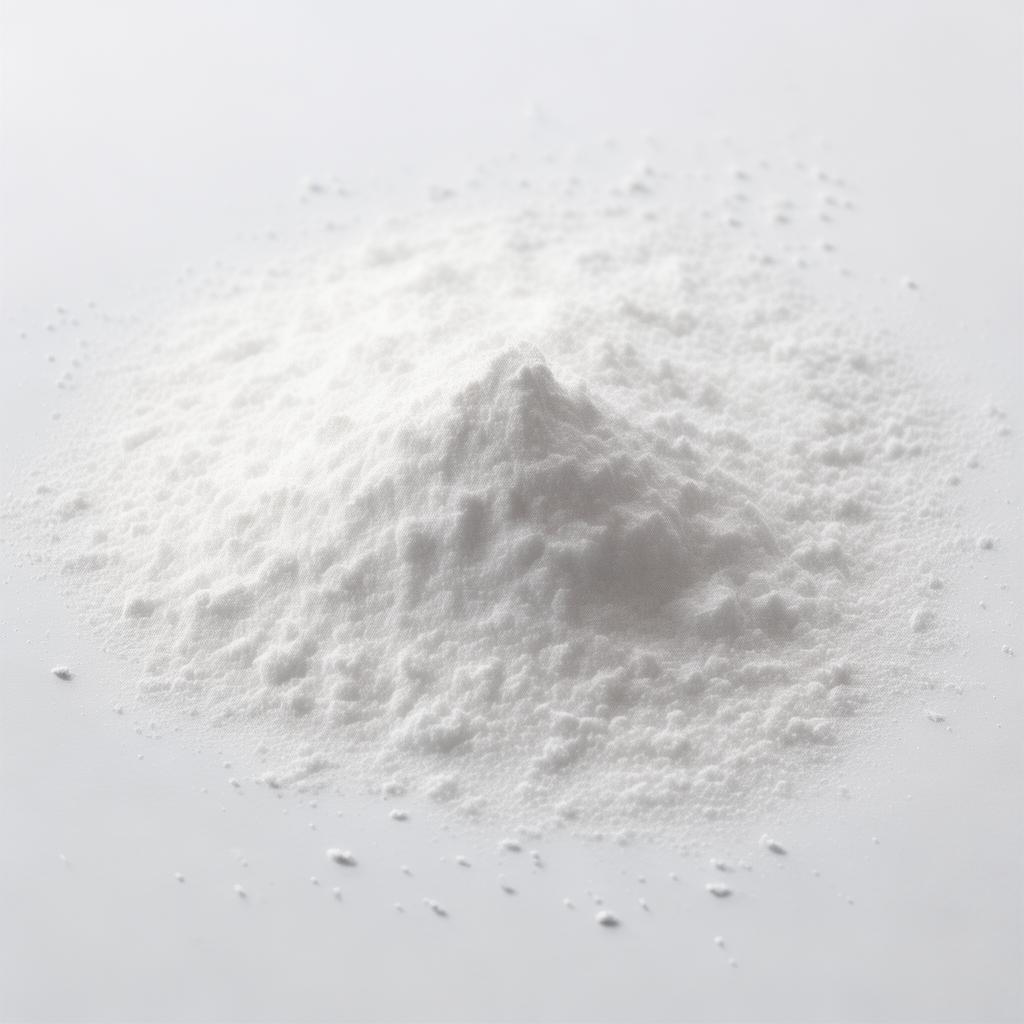
Production-wise, PCE comes as a powder or liquid. Powders store easier for bulk export – no freezing issues in containers. Our line in Jinzhou churns out 10,000 tons yearly, mostly PCE variants tuned for different cements. Portland Type I, slag blends, you name it.
Buyers ask about compatibility. PCE plays nice with most accelerators or retarders. But overdosing? Early strength dips. We spec 0.2-2% by cement weight. Trial mixes first, always. Skip that, and you're troubleshooting on-site.
In cross-border trade, logistics bite. Drums leak, customs hold for VOC tests. Our PCE meets REACH and low-chloride specs, so no delays at Long Beach or Rotterdam. We've optimized palletizing – 1-ton IBCs fit 20ft containers perfectly, 22 per load.
This isn't hype. Walk our 140,000 sqm factory, see the comb polymer reactors humming. We've dialed in narrow polydispersity for better flow. Results? Clients hit 60MPa at 28 days easier. Procurement teams love the data sheets – real curves from slump cone tests.
Deeper dive: Water reducers work via steric hindrance. PCE's comb-like chains push particles apart, no coagulation. Lignins rely on charge, which salts neutralize. Hot climates kill them. PCE? Holds through 35C pours.
Cost angle. PCE runs 20-30% pricier upfront. But lifecycle? Less cement needed, faster cycles. A Dubai tower project saved 15% on materials switching from naphthalene. Numbers like that draw in ops directors.
Regulations tighten too. EU limits sulfonates for runoff. US precast specs favor PCE for LEED points. We're ahead – our PCE is 100% comb-based, no naphthalene traces.
Enough background. You've got mixes to spec. Let's break down types properly.
Breaking Down Water Reducing Admixture Types
| Type (ASTM C494) | Key Chemistry | Water Reduction | Best For |
|---|---|---|---|
| Type A | Lignosulfonate, gluconate | 5-12% | Standard slabs, low-cost jobs |
| Type D | Lignosulfonate + retarder | 8-15% | Hot weather, mass pours |
| Type F | PCE, naphthalene, melamine | 25-40% | High-strength, SCC, precast |
| Our PCE (Type F/G) | Polycarboxylate ether | 30-35% | All premium applications |
type of water reducing admixture water reducing admixture example application of water reducing admixtures
PCE edges out others in retention. Naphthalene bleeds off after 60 minutes. Our tests show PCE holding 200mm slump at 2 hours.
Market Trends Pushing PCE Adoption
Concrete volumes climb – infrastructure bills in the US, Belt and Road overseas. But sustainability rules squeeze. Lower water means less cement, smaller carbon footprint. PCE fits perfect.
Suppliers consolidate. Small blenders can't match our scale. Precast factories consolidate too, demanding bulk PCE at stable prices. We've locked in US importers with 3-month forwards.
Asia dominates production. Hebei's clusters give us edge – raw monomers steps away. Lead times? 15 days to LA port.
Volatility hits old types. Lignin prices swing with pulp mills. PCE? Steady polymer feedstocks.
Key Features of Tang Zhi PCE Water Reducers
- High slump retention – ideal for long hauls.
- Low air entrainment – cleaner finishes.
- Compatible with silica fume or metakaolin.
- pH neutral, no corrosion on rebar.
- Custom viscosities for pump or roller-compacted.
Our edge? In-house labs tweak side chains for specific cements. OPC, SRPC – all covered.
Operators note less segregation in vibrated pours. One batch cut bleeding by half versus standard F types.
Request dosage trials.Applications Across Concrete Projects
Precast beams in Florida factories. Tunnel linings in NYC. High-rises in Dubai. PCE handles them.
- Ready-mix: Maintains flow for 90min deliveries.
- Precast: Zero-slump to high-flow in one mix.
- Mass concrete: Reduces heat of hydration cracks.
- Marine: Low chloride, sulfate resistant.
Warning: High-early cements need lower doses. Test locally.
Detailed Technical Specifications
| Property | Specification | Test Method |
|---|---|---|
| Appearance | Light yellow liquid | Visual |
| Solid Content | 40% ±1 | Oven dry |
| pH (20% sol) | 6-8 | GB 8076 |
| Chloride | <0.1% | ASTM C494 |
| Water Reduction | ≥30% | GB 8076 |
Full TDS on request. Matches or beats Sika/BASF benchmarks.
Installation and Dosage Insights
Dose at mixer: 200-2000ml/100kg cement. Start low. Aggregate first, then 70% water, PCE last. Overmix shears chains.
Hot tips: Chill PCE in summer. Pair with retarders for mega-pours. Field tests beat lab assumptions.
Common pitfall: Old tanks crust up. Flush weekly.
Logistics from Hebei to Your Door
140,000 sqm plant, rail to Tianjin port. 20ft FCL: 20 tons liquid. Temps stable, no segregation.
- Lead time: 10-20 days USA.
- Packing: 200L drums, 1000L IBCs.
- Incoterms: FOB/CIF flexible.
Customs smooth – full docs, COA per batch. No holds yet.
Procurement Guide for Bulk Buyers
Check: Chloride under 0.2%, retention graphs, third-party tests. Avoid rock-bottom prices – skimps on purity.
- Request samples (free 20kg).
- Trial in your mix design.
- Audit factory (virtual tours ok).
- Negotiate MOQ/volume discounts.
OEM labeling available. Private label your PCE line.
Certifications and Factory Strength
ISO 9001, ISO 14001 certified. REACH compliant. Halal/Kosher options.
Factory: 90,000 sqm buildings, automated reactors. Annual 40k tons cellulose + PCE. Export to 50+ countries.
Contact: +86-15032625168 | admin@tangzhicellulose.com
Frequently Asked Questions
What's the shelf life of PCE?
12 months in sealed drums. Store cool, dry.
Compatible with fly ash?
Yes, enhances late strength. Optimal at 20-30% replacement.
Minimum order?
1 FCL. Samples free.
Custom formulations?
For SRPC or UHPC, yes. MOQ applies.
Client Feedback
Mike R., Precast Manager, Texas USA: "Switched to Tang Zhi PCE last year. Slump holds better than our old supplier. Cut water 28%, strength up 8MPa. Solid partner."
Ana L., Procurement Dir., Florida: "Fast shipping, no customs drama. Trials nailed our SCC recipe. Pricing beats domestic by 15%. Will reorder."
John K., Ops Engineer, Canada: "Good retention in cold mixes. Low air, no issues with finish. Factory tour impressed – real scale."
Sarah T., Importer, UK: "REACH compliant, docs perfect. Dosage spot-on for our silos. Reliable for repeat business."
Ready to Optimize Your Mixes?
Talk specs with our engineers. Free samples for qualified buyers.
About the Author
Li Wei, Export Director at Tang Zhi Technology (Hebei) Co., Ltd. 15 years in admixtures, from lab dev to global sales. Handled 500+ tons to US precast firms. Based in Shijiazhuang.
Addr: Room 2308, Dongsheng Plaza 2, No. 508 Zhongshan East Road, Chang’an District, Shijiazhuang, Hebei, China
Email: admin@tangzhicellulose.com | Whatsapp: +86 15032625168