What Does Hpmc Stand For
What Does HPMC Stand For? Hydroxypropyl Methylcellulose Explained
Your guide to HPMC full form, industrial uses, and sourcing from reliable factories.
Quick Answer: HPMC Stands For Hydroxypropyl Methylcellulose
hpmc stands for what is hpmc hpmc meaning
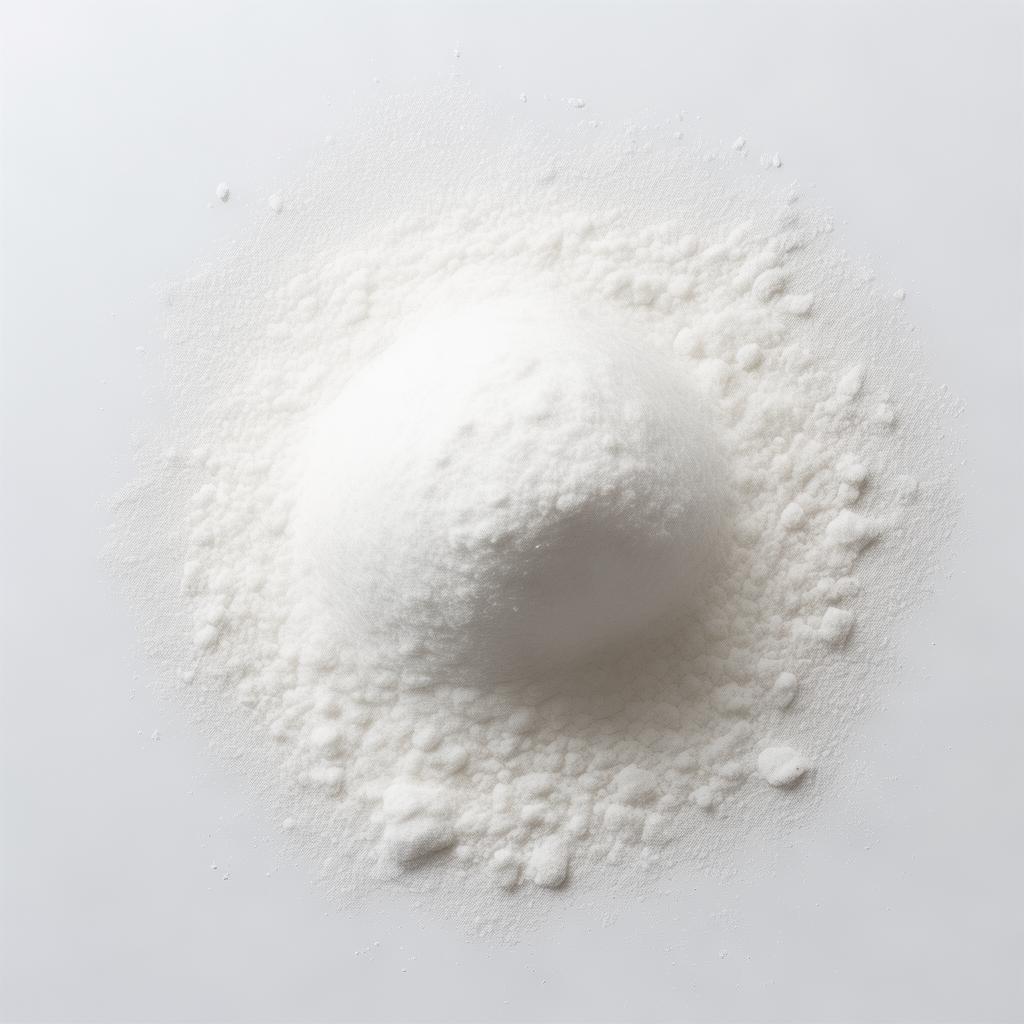
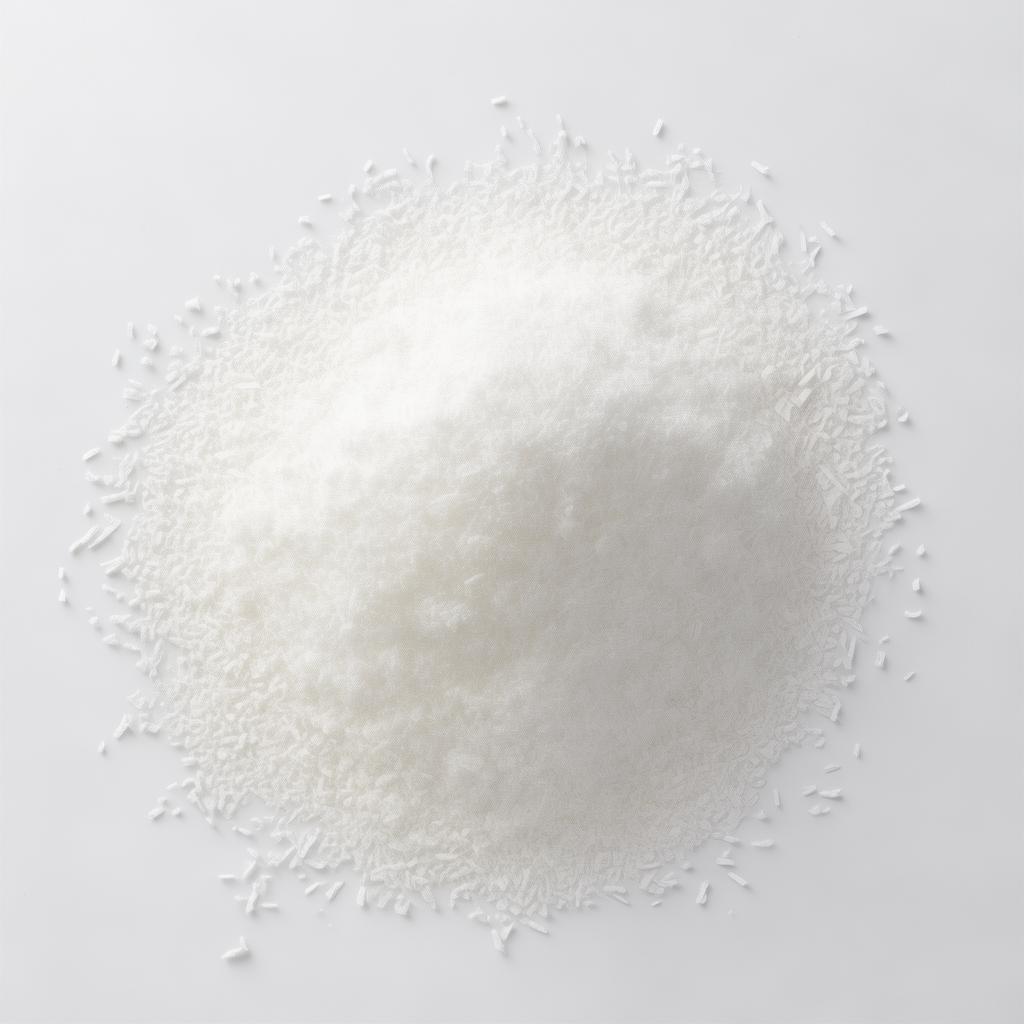
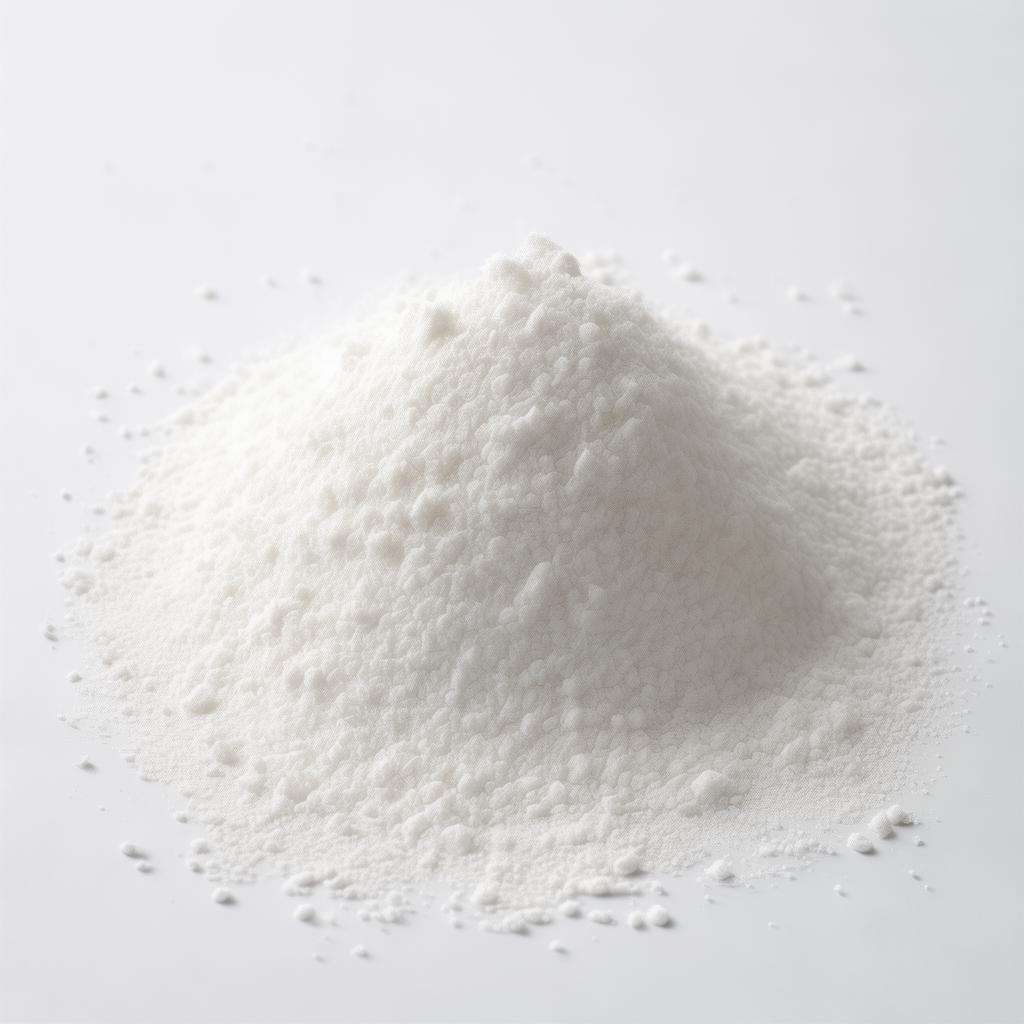
Right off the bat, if you're punching "what does HPMC stand for" into Google, you're after the basics. HPMC is short for Hydroxypropyl Methylcellulose. It's a versatile cellulose derivative that pops up everywhere in manufacturing—from dry-mix mortars to pharma coatings. We've shipped tons of it to U.S. importers over the years, and buyers always start here.
In our factory in Hebei, we produce pharmaceutical-grade and construction-grade HPMC daily. Think of it as the workhorse that holds plasters together or stabilizes paints. Not some lab curiosity; it's a staple for procurement managers dealing with formulations that need reliable thickening and water retention.
Why the acronym? Cellulose ethers like HPMC get abbreviated because their full chemical names are a mouthful. Hydroxypropyl comes from the propyl groups added to boost solubility; methyl from the methylation process. Simple as that, but the real value hits when you see it in action on job sites or production lines.
Table of Contents
A Deeper Look: How HPMC is Made and Why It Matters
Producing HPMC isn't rocket science, but it takes precision. We start with purified cotton linter or wood pulp cellulose. Alkalization with sodium hydroxide swells the fibers. Then, etherification using methyl chloride and propylene oxide grafts those hydroxypropyl and methyl groups onto the cellulose chain. Purification via washing and drying follows. At Tang Zhi Technology, our lines handle this continuously, hitting viscosities from 5 to 200,000 cps.
One thing importers overlook: the degree of substitution (DS). For HPMC, methoxyl DS runs 19-32%, hydroxypropyl 4-12%. This tweaks solubility and gel temperature. Low DS? Faster dissolution but less stability in high-heat mixes. We've adjusted batches for U.S. clients facing Midwest summers where mortars slump without the right profile.
Properties set it apart. Water retention tops 140% in standard tests—critical for tile adhesives that can't dry out mid-install. Film-forming keeps surfaces breathable yet protected. Thermal gelation around 50-90°C suits extrusion processes. And it's non-ionic, so compatible across pH ranges. No wonder procurement teams spec it for everything from EIFS to pharma.
Compared to methylcellulose (MC), HPMC dissolves clearer and handles electrolytes better. Vs. HEC, it gels on heating, aiding spray plasters. We've run side-by-side tests in our lab; HPMC cuts water demand by 20-30% in some formulations. Not hype—straight from mixing trials.
Regulatory side: USP/EP grades for pharma carry heavy metal limits under 10ppm. Food-grade hits FCC specs. Our REACH compliance eases EU shipments, though U.S. buyers focus on FDA indirect approvals for coatings.
Common pitfall: cheap imports with inconsistent particle size. Leads to fisheyes in paints or lumping in mortars. Always check sieve analysis—90% through 100 mesh minimum.
Where HPMC Shines: Real-World Applications
Construction eats up 70% of our output. In tile adhesives, 0.2-0.5% HPMC prevents slipping during wall installs. Contractors tell us it extends open time to 20-30 minutes, slashing rework. Gypsum plasters? 0.3-0.5% for sag resistance on ceilings.
Thicker stuff for masonry mortars. High-viscosity grades (100,000 cps) hold bricks in humid conditions. EIFS systems rely on it for crack-bridging. We've supplied for projects mimicking U.S. stadium facades—durable, weather-tight.
Outside building: detergents use low-viscosity for viscosity control without residue. Paints and coatings leverage suspension power. Pharma? Sustained-release tablets or eye drops—our pharma HPMC meets Type 2910 specs for that.
Food applications: glazes, ice creams as stabilizer. Though less volume, margins are tight, so buyers negotiate hard. Personal care: shampoos, where it thickens without stickiness.
One scenario we've seen repeatedly: importers reformulating oil-based paints to waterborne. HPMC bridges rheology gaps seamlessly. Saves reformulation headaches.
- Cement renders: Improves adhesion on concrete.
- Self-leveling compounds: Flow without bleeding.
- Joint fillers: Crack resistance post-dry.
- Sprays: Anti-drip during application.
Logistics note: Bulk bags hold shape thanks to its powder flow. No clumping in transit across the Pacific.
Procurement Guide: How to Source HPMC Without Regrets
As an export manager shipping to North America for a decade, I've fielded calls from panicked buyers. "My mortar sags." "Paint separates." Usually traces to wrong grade or poor quality. Start with needs: viscosity for rheology, purity for end-use.
Ask for: Brookfield viscosity data at 2% solution, 20°C. Moisture under 5%. Ash content low. Request samples—test in-house. Compare gel temp if thermal processing matters.
Supplier red flags: No factory tour option. Vague certs. Lead times over 30 days for standards. We stock common grades, ship LCL from Tianjin in 15-20 days to LA.
Pricing realism: $2.5-4.5/kg FOB for construction grades. Pharma doubles that. MOQ 1 ton negotiable for trials. Factor duties—Section 301 adds 25% on Chinese cellulose ethers.
OEM twist: Customize DS or colorants. Our lines handle it. D/O/DM partners tweak for specific formulations.
- Verify ISO 9001, Kosher/Halal if needed.
- Confirm REACH/SVHC compliance.
- Test batch consistency.
- Secure payment terms (30% TT advance).
Pro tip: Blend with RDP for enhanced flexibility in adhesives. We've optimized ratios for U.S. brands.
HPMC Grades: Technical Specs Comparison
| Grade | Viscosity (cps) | Methoxyl (%) | Hydroxypropyl (%) | Applications |
|---|---|---|---|---|
| HEMC K4M | 3,000-5,600 | 28-30 | 7-12 | Tablet coatings |
| HEMC E5 | 4-7 | 28-30 | 7-12 | Eye drops |
| Construction HPMC 100k | 80,000-120,000 | 19-24 | 4-12 | Masonry mortars |
| Pharma HPMC K15M | 12,000-18,000 | 19-24 | 4-12 | Controlled release |
All grades from Tang Zhi meet USP/EP/USP standards. Custom viscosities available.
Why Trust Tang Zhi Technology Factory?
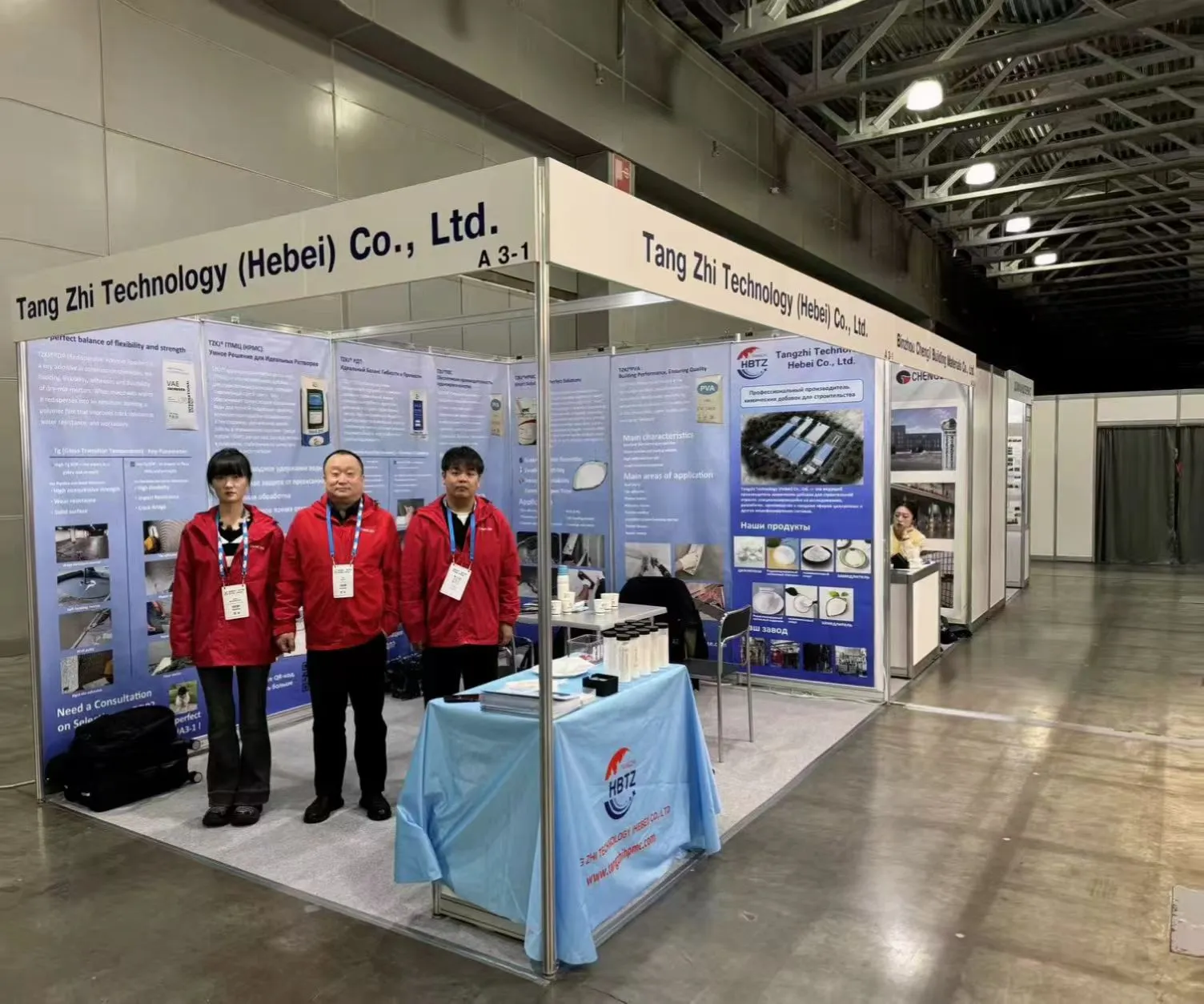
140,000 sqm site in Jinzhou, Hebei. 90,000 sqm buildings. Automated lines churn 40,000+ tons/year HPMC alone. We export 60% output—USA takes 25%. Certifications: ISO 9001, ISO 14001, Halal, Kosher. Pharma grades audited to GMP principles.
Export muscle: Monthly 20ft containers to West Coast. Incoterms flexible—FOB/CIF/DDP. We've handled L/C for first-timers.
Team knows procurement pains. Engineers tweak formulations weekly. No stockouts on top grades.
ISO 9001 | REACH | Halal | Kosher | FDA Compliant
FAQ: HPMC Basics for Buyers
What is the full form of HPMC?
Hydroxypropyl Methylcellulose. Cellulose modified with methyl and hydroxypropyl ethers.
Is HPMC safe for food contact?
Yes, FCC-grade is approved. Used in icings, sauces.
How to store HPMC powder?
Cool, dry. Avoid >60% humidity. Shelf life 24 months.
What's the MOQ for USA import?
1 ton trial. Scales to full pallet.
HPMC vs. RDP—which for adhesives?
HPMC for water retention; RDP for flexibility. Often both.
Buyer Reviews: Real Feedback
John Ramirez, Procurement Mgr, Texas Drywall Co.
"Switched to Tang Zhi HPMC for our plasters. No more sagging on verticals. Lead time beat expectations—15 days door-to-door."
Sarah Lee, Ops Director, Midwest Coatings Inc.
"Pharma grade tested clean. Viscosity spot-on for our matrix. Good value vs. Dow."
Mike Chen, Importer, Cali Supplies
"Handled our custom viscosity request fast. Samples free, quality consistent across tons."
David Patel, Project Engineer, Northeast Builders
"Tile adhesive open time doubled. Cut waste 20%. Reliable partner."
Ready to Source HPMC?
Contact our team for factory pricing, samples, or specs.
Phone/WhatsApp: +86-15032625168
Email: admin@tangzhicellulose.com
Addr: Room 2308, Dongsheng Plaza 2, No. 508 Zhongshan East Road, Chang’an District, Shijiazhuang, Hebei, China
Or request shipping plan to USA ports – we optimize for your needs.
Written by Li Wei, Export Director at Tang Zhi Technology (Hebei) Co., Ltd.
15+ years in cellulose exports to USA markets.