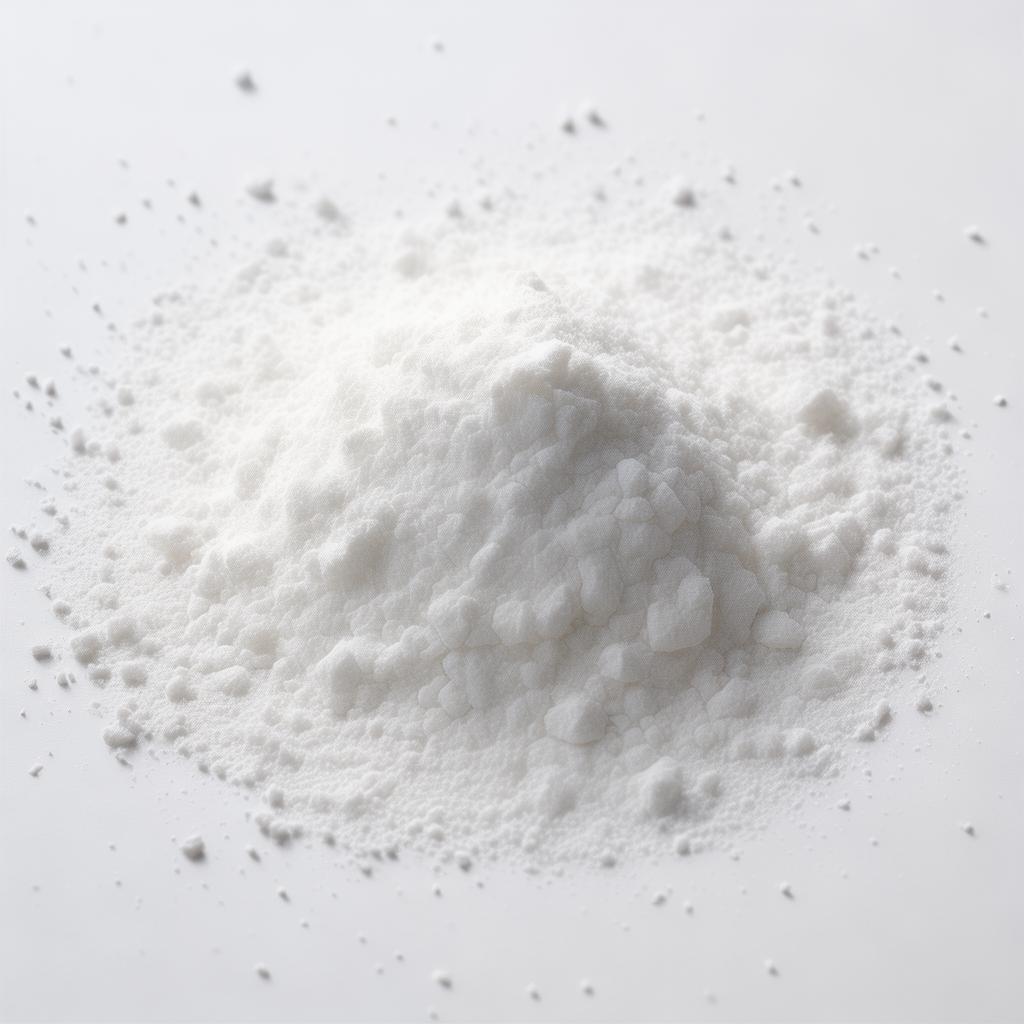
What Is Polyvinyl Acetate Used For
What Is Polyvinyl Acetate Used For? Industrial Uses, Applications & Bulk Sourcing Guide
Discover PVA's role in adhesives, construction, textiles, and more—from factory specs to procurement tips for importers and manufacturers.
Get Factory Quote TodayOn This Page
- 1. Understanding Polyvinyl Acetate Basics
- 2. Key Industrial Applications
- 3. Technical Specifications & Grades
- 4. Buyer Guide: Sourcing PVA for Your Operations
- 5. Common Challenges in PVA Procurement
- 6. Real-World Case Examples
- 7. Maintenance & Handling Insights
- 8. Factory Capabilities at Tang Zhi Technology
- 9. Frequently Asked Questions
- 10. Next Steps for Bulk Orders
Understanding Polyvinyl Acetate Basics
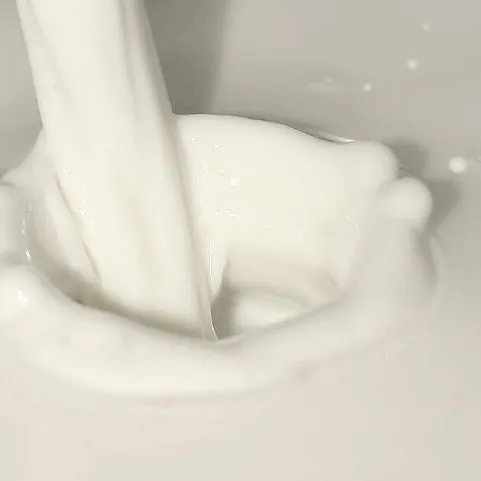
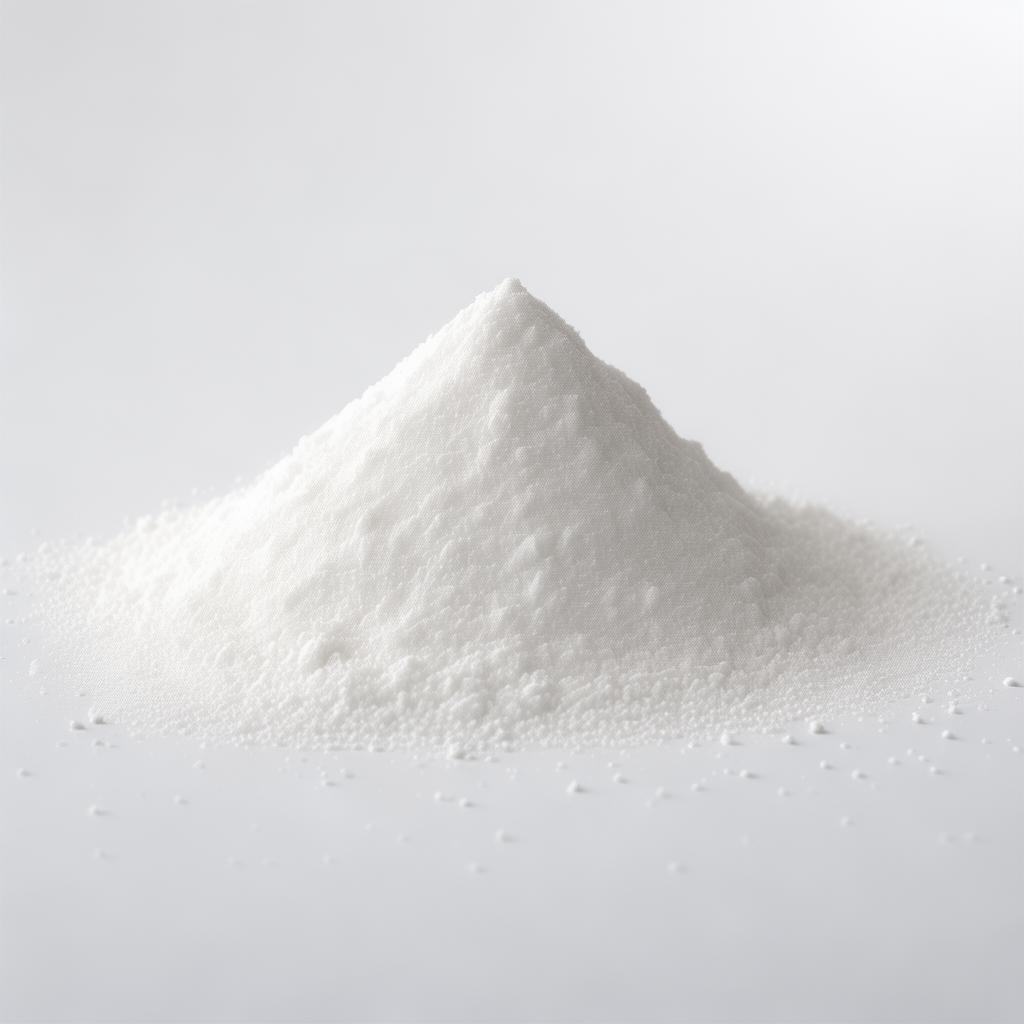
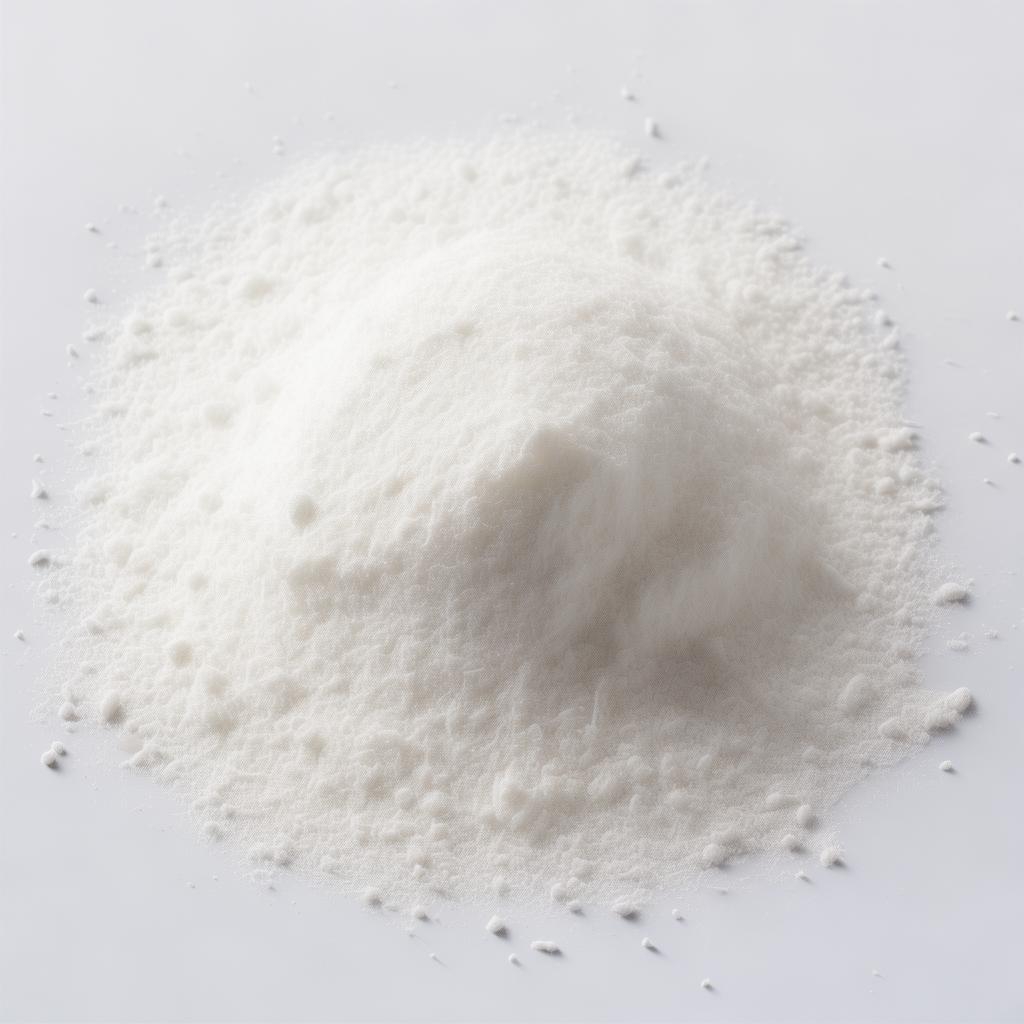
Polyvinyl acetate—PVA to those of us in manufacturing—starts as a simple vinyl acetate monomer polymerized into a versatile resin. We've handled tons of it over the years at our Hebei facility, and it never ceases to surprise with its adaptability. Picture a clear, sticky emulsion that dries to a tough, flexible film. That's PVA in action.
Back in the 1930s, it hit the market as a game-changer for adhesives. Fast forward, and it's everywhere in industrial lines. Not the same PVA as water-soluble film, mind you—that's polyvinyl alcohol, a hydrolyzed version. Our PVA is the acetate form, emulsion-based, perfect for binding without cracking under stress.
From a procurement angle, buyers often overlook viscosity grades. Get that wrong, and your adhesive mix turns runny or too thick. We've seen importers chase cheap spot-market deals, only to face batch inconsistencies. Stick to suppliers with tight QC, like ISO-tested lines.
Chemically, it's (C4H6O2)n, with ester groups giving it that adhesive punch. Soluble in organic solvents, but water disperses the emulsion form nicely. Heat it above 150°C, and decomposition kicks in—something to watch during storage in hot climates like Southeast Asia.
In our factory, we run it through automated reactors, controlling polymerization for custom viscosities. Annual output? Over 10,000 tons from our PVA lines alone, blended with RDP-VAE for hybrid powders. Importers from the US hit us up for consistent FOB pricing, especially with lead times under 20 days.
Why does this matter for your search? If you're a purchasing manager googling "what is polyvinyl acetate used for," you're likely sizing up suppliers. Beyond adhesives, it thickens paints, sizes textiles, binds paper. But let's drill down.
One operational note: PVA emulsions stabilize with surfactants. Cheap ones foam excessively during mixing. We've switched to non-ionic types, cutting defoamer needs by half in customer trials. Small tweak, big savings on the plant floor.
Entity-wise, think ASTM D2374 for testing, or REACH compliance for EU shipments. We pack in 1-ton IBCs or 200kg drums, optimized for 20ft containers—fits 20 tons easy.
This isn't textbook stuff. It's from years shipping to Vietnam woodworkers and US paint blenders. PVA's flexibility shines in high-humidity apps, where rigid binders fail.
Key Industrial Applications of PVA
Adhesives top the list. Wood glue? That's PVA emulsion, 50% solids, crosslinking with aluminum acetate for water resistance. Cabinet makers swear by it—sets fast, sands smooth. We've supplied runs for IKEA subcontractors, holding up in flat-pack stress tests.
Paints and coatings next. As a binder in latex paints, it coalesces into films resisting scrubbing. Interior emulsions use 5-15% PVA for opacity. Exterior? UV-stabilized grades prevent chalking. Procurement tip: Match glass transition temp (Tg) to climate—low Tg for flexibility in freezes.
Textiles demand PVA for warp sizing. Cotton yarns coated with 8-12% solution slash breakage by 30% on high-speed looms. Desizes cleanly with hot water. Indian mills buy our medium-viscosity grades bulk, shipping via Qingdao port.
Paper industry uses it for surface sizing and coating. Improves ink holdout, reduces picking. Non-wovens bind fibers in diapers, wipes—our customers report better web strength versus starch alone.
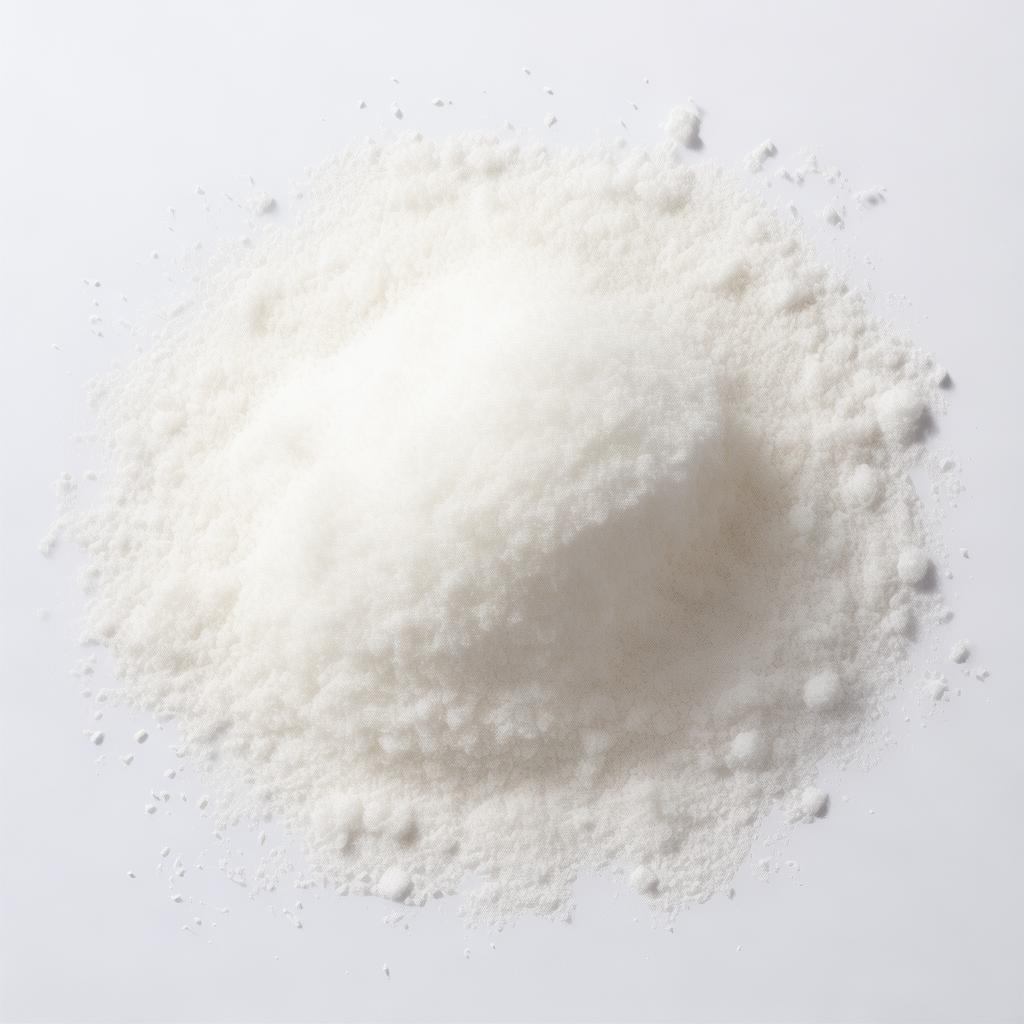
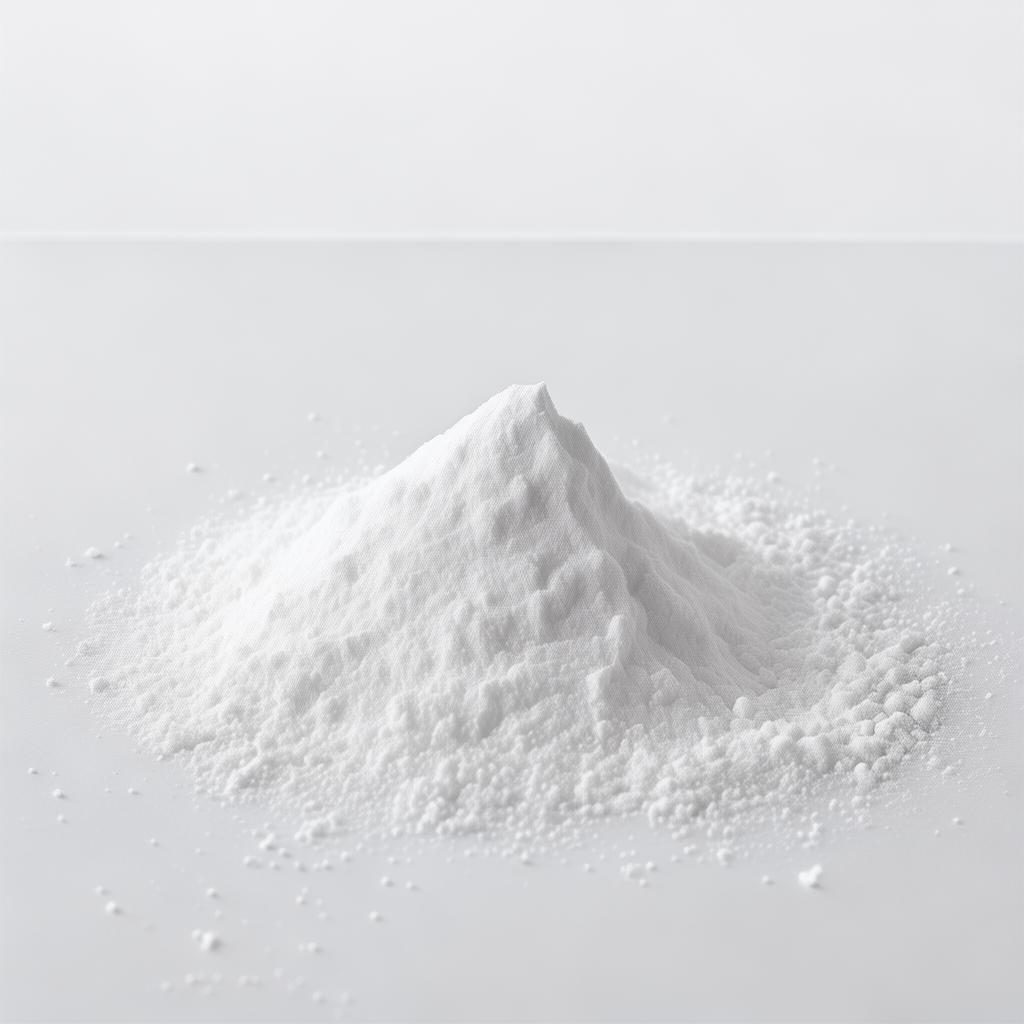
Construction mortar modifiers. Dispersed as powder (spray-dried emulsion), boosts adhesion to tiles, flexibility in plasters. Pairs with HPMC for rheology. US contractors mix it into thin-sets, cutting crack risks on slabs.
Less obvious: inks, as thickeners; detergents, for encapsulation; even medical adhesives. We've done ODM runs for pharma-grade, low-VOC versions.
- Woodworking: D3/D4 glues, gap-filling.
- Packaging: Carton sealing, hot-melt blends.
- Automotive: Headliner binders.
- Electronics: Conformal coatings.
Each app tweaks formulation. A paint guy needs low odor; textile buyer wants shear stability.
Technical Specifications & Grades
Our PVA lineup covers bases. Here's a snapshot from recent PDS:
Custom blends available. All RoHS, REACH compliant. pH 4-6, no plasticizer by default.
Buyer Guide: Sourcing PVA for Your Operations
Procurement directors know the drill: sample first. Request 1kg jars via WhatsApp—we ship DHL next day. Test viscosity on Brookfield, check film on drawdown.
Volume? MOQ 1 ton. FOB Tianjin $1.8-2.5/kg depending grade. L/C or T/T fine. Lead time 15-25 days.
Compare ethylene-vinyl acetate (EVA). PVA cleaner dry, EVA hotter bond. Acrylics tougher water resist, but pricier. Table below:
| Property | PVA | EVA | Acrylic |
|---|---|---|---|
| Cost/kg | Low | Medium | High |
| Water Resist | Medium | Good | Excellent |
| Flexibility | High | High | Medium |
polyvinyl acetate is used in polyvinyl acetate use polyvinyl acetate
Risks: Yellowing in light—add stabilizers. Freezer storage? Emulsions separate; agitate.
Logistics: 20ft holds 18MT emulsion. Palletize drums for stability.
Common Challenges in PVA Procurement & Solutions
Batch variation kills mixes. We've QC'd with NIR spectrometers—consistency key. Offshore buyers gripe about hidden fees; our quotes CIF inclusive.
Humidity thickens emulsions. Store below 35°C. One US importer learned: vent containers properly.
Regulatory: FDA for indirect food contact, EINECS listed.
Real-World Case Examples
Midwest Paint Blender: Switched to our PVA-50, cut dry time 20%. "Stable viscosity through summer," says ops manager.
"Consistent batches mean fewer reformulations. Delivery on time, every container full."
— John Reyes, Procurement Lead, Ohio USA
Vietnam Textile Mill: PVA-05 for sizing, loom efficiency up. "No more yarn snaps," per owner.
Maintenance & Handling Insights
Mix gently to avoid air. Shelf life 12 months cool/dark. Cleanup? Warm soapy water.
In mortars, overdosage weakens; 2-5% optimal.
Factory Capabilities at Tang Zhi Technology (Hebei) Co., Ltd
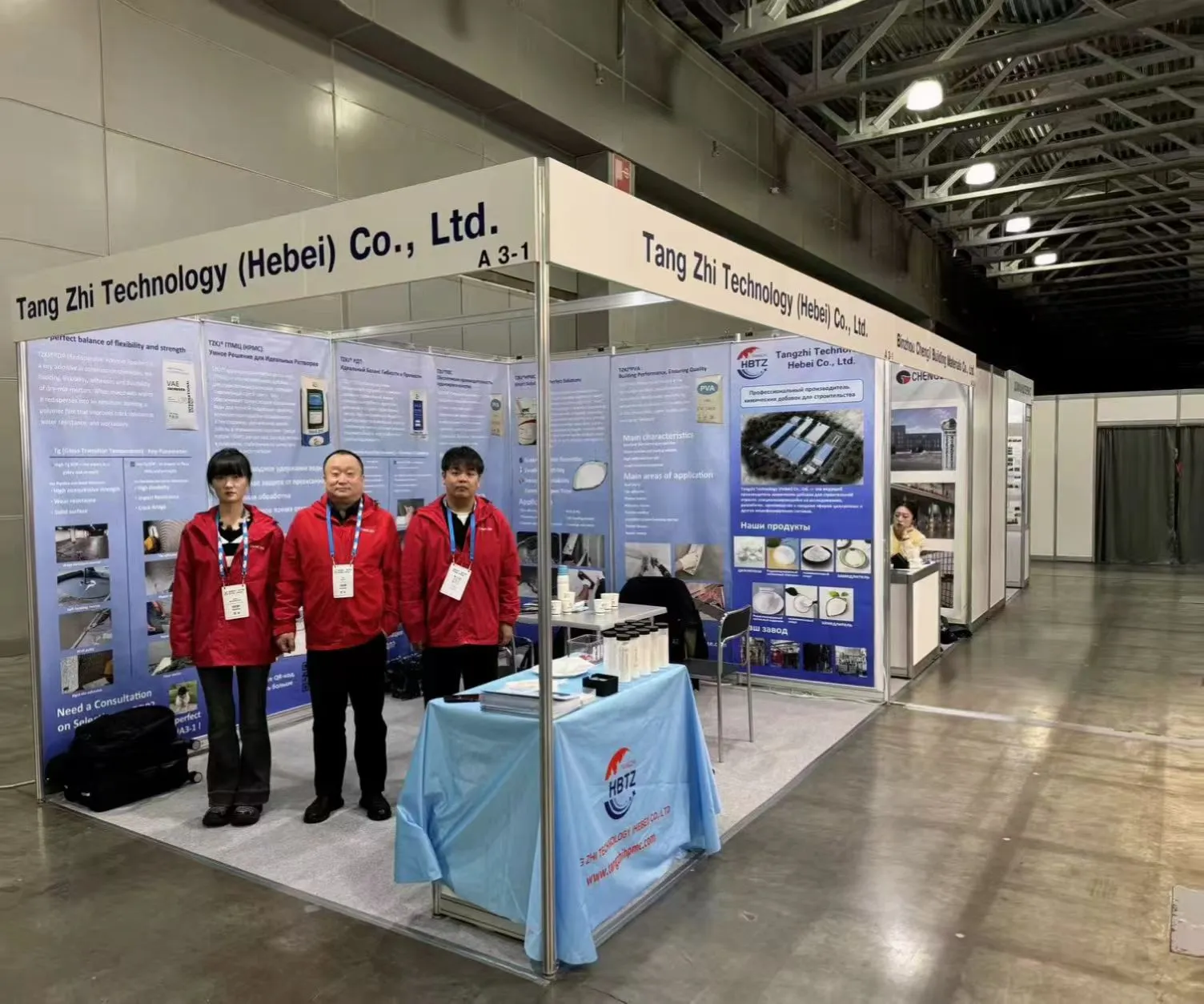
140,000 sqm site, Jinzhou. Automated lines for PVA, HPMC, RDP. ISO 9001, CE certs. Export to 50+ countries.
Certifications: ISO9001, REACH, RoHS. (View cert/iso.png, cert/ce.png onsite)
Why us? Vertical integration cuts costs 15-20% vs traders.
What Buyers Say
Maria Chen, Supply Chain Manager, Philippines: "PVA-88 perfect for our plasters. Fast samples, fair MOQ."
David Kowalski, Operations Director, Poland: "Reliable for adhesives. No customs issues."
Raj Patel, Importer, India: "Sizing grade unbeatable value. Repeat orders."
Frequently Asked Questions
Is polyvinyl acetate the same as PVA glue?
Yes, household white glue is PVA emulsion. Industrial grades vary in solids, additives.
What industries use PVA most?
Adhesives (40%), paints (25%), textiles/paper (20%), construction (15%).
How to store PVA emulsion?
5-35°C, avoid freeze/thaw. Agitate before use.
Minimum order for export?
1 ton FOB. Samples free for qualified buyers.
Ready to Source Quality PVA?
Connect with our engineers for specs, pricing, or samples.
Contact: +86-15032625168 | WhatsApp same | admin@tangzhicellulose.com
Room 2308, Dongsheng Plaza 2, Shijiazhuang, Hebei, China
By Li Wei, Export Director, Tang Zhi Technology
15+ years in cellulose & polymer trade. author/5.png
SEO Meta Suggestion:
Title: What Is Polyvinyl Acetate Used For? | Industrial PVA Applications & Wholesale Supplier
Description: Explore polyvinyl acetate uses in adhesives, paints, construction. Bulk sourcing from Tang Zhi Technology—specs, pricing, samples for B2B buyers.