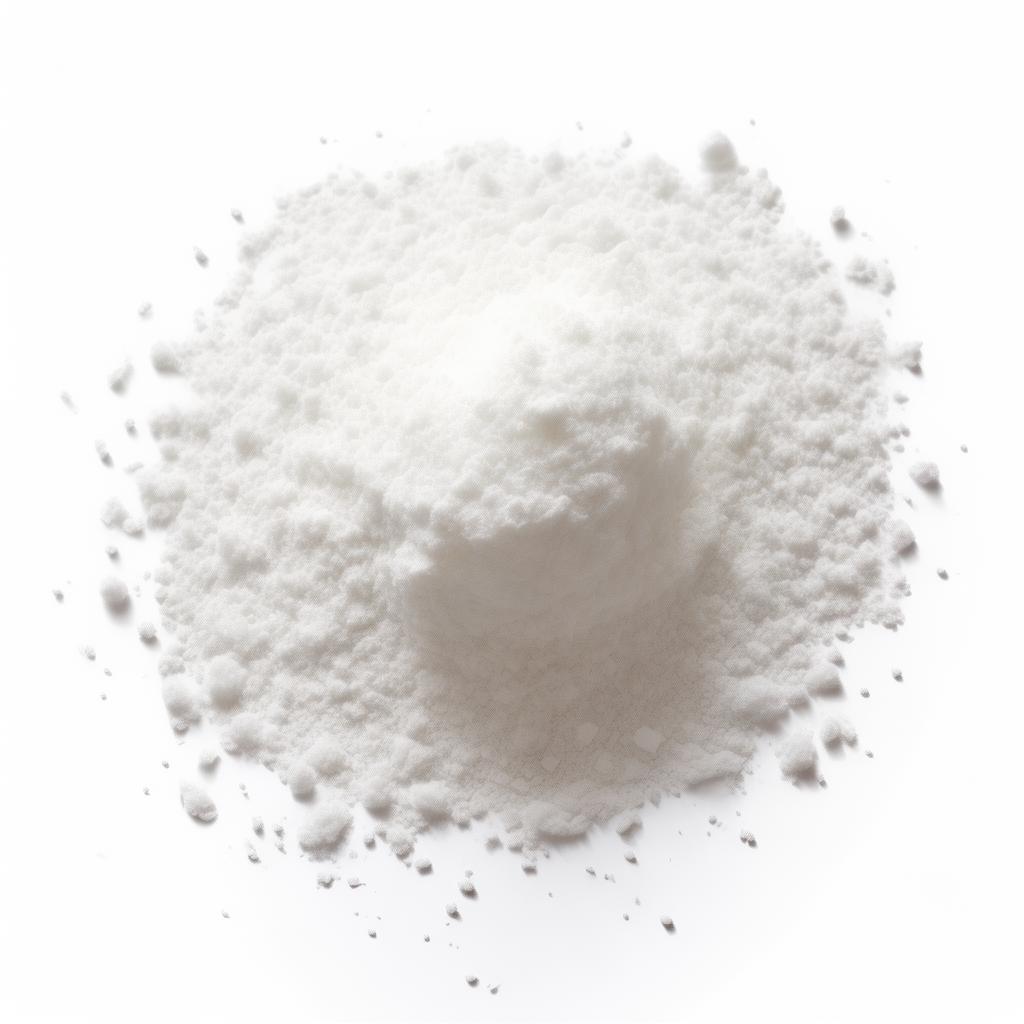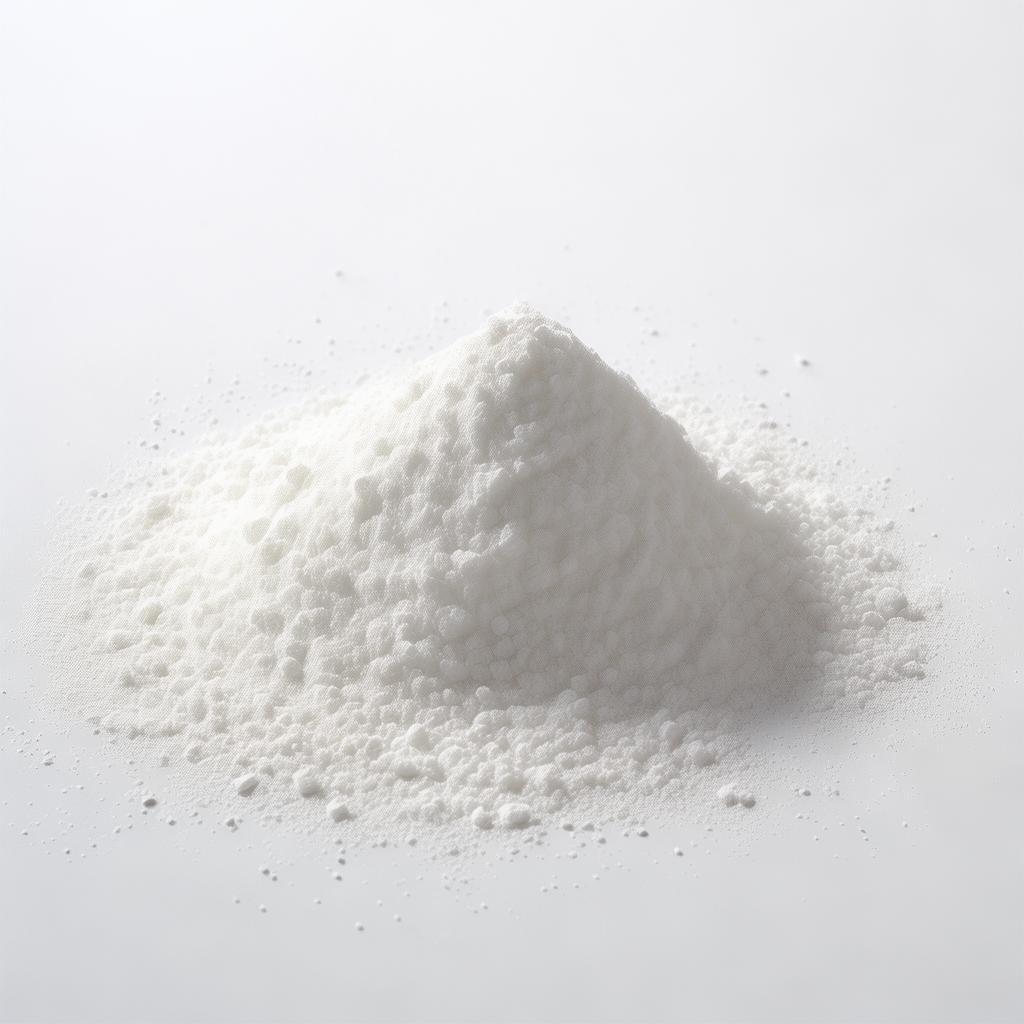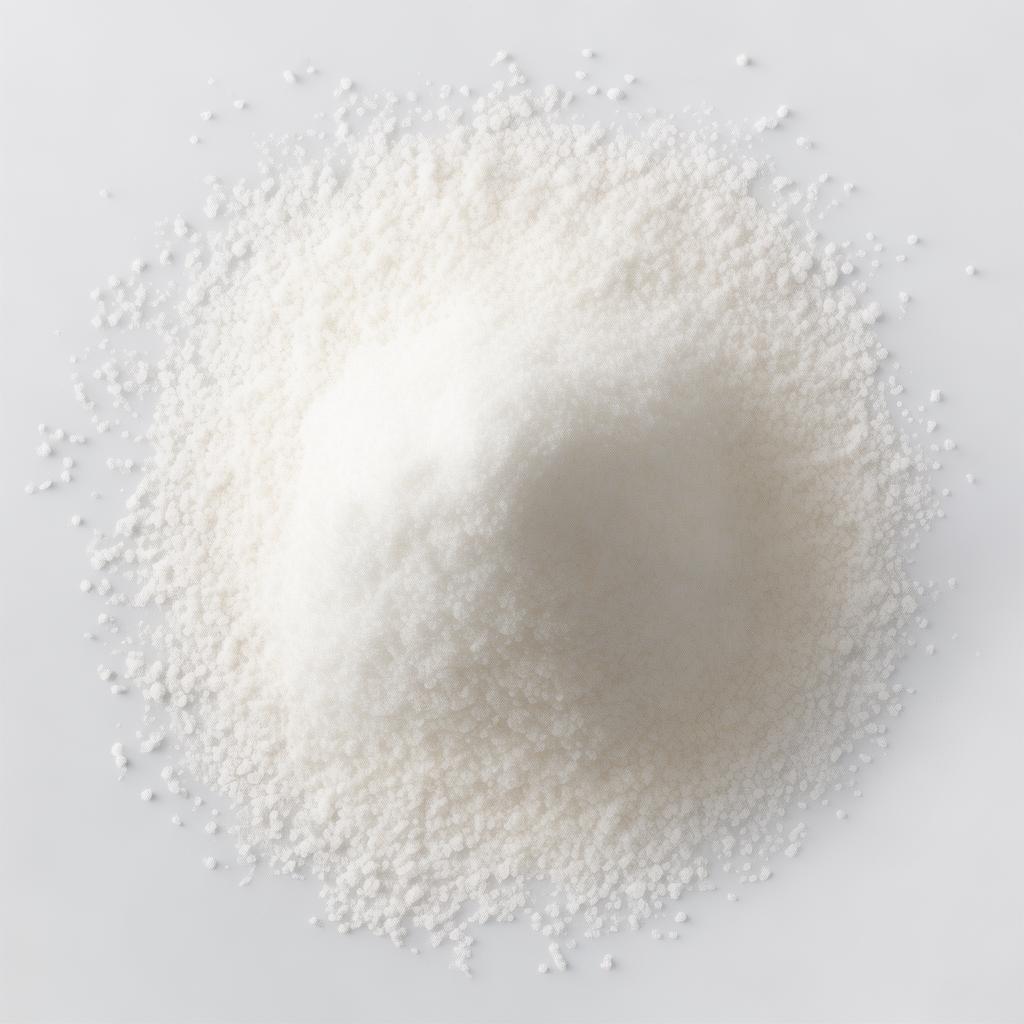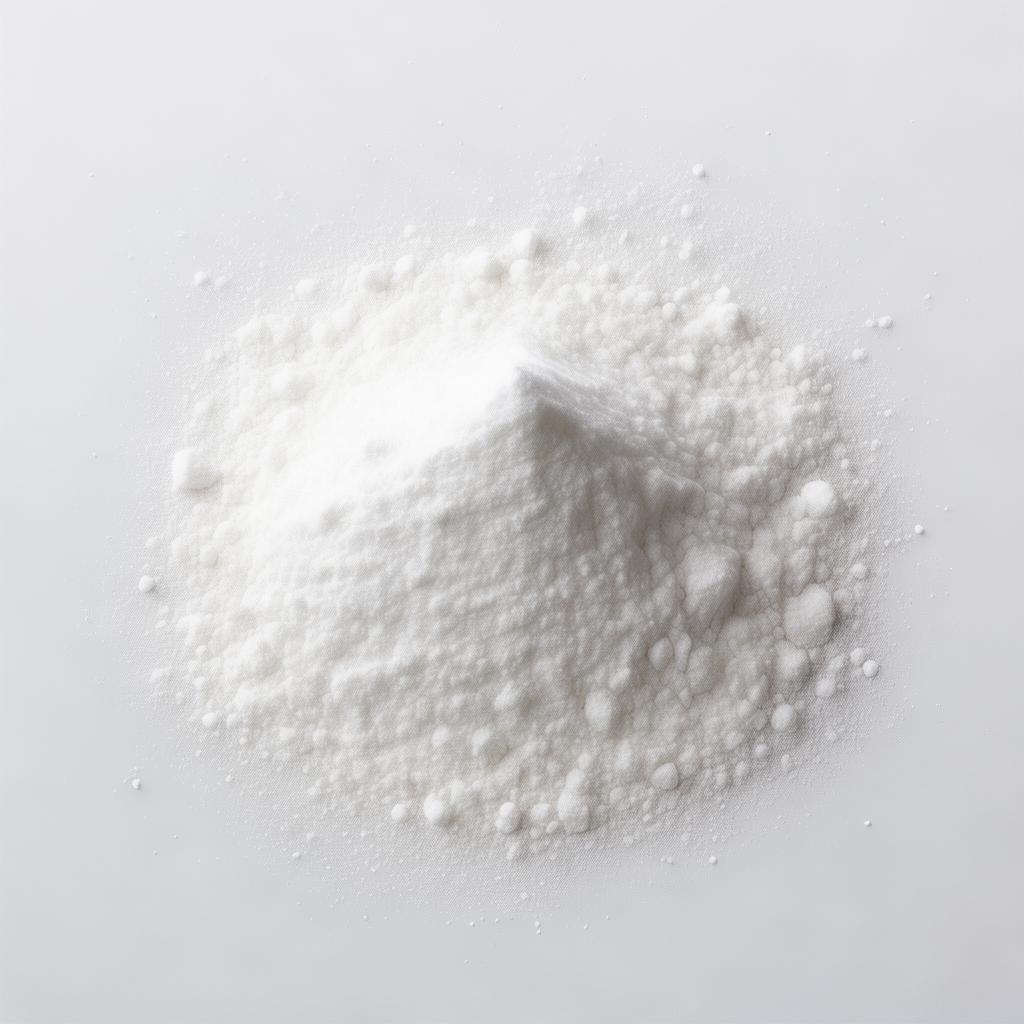
Unlock Superior Performance with PVA Plastic – Your One-Stop Solution for Industrial Excellence
High-Performance, Cost-Effective & Eco-Friendly Plastic Solutions for Global Manufacturers – Delivered in Record Time

By David Chen
Senior Plastics Industry Analyst | 18 Years in PVA & Cellulose Derivatives
Insights from the Frontlines: As a former R&D Director at Dow Chemical and now a consultant for Tang Zhi Technology, I’ve spent nearly two decades navigating the complexities of PVA plastic—its challenges, its innovations, and its undeniable value across industries. This isn’t just another product page; it’s a strategic guide for manufacturers who need high-performance plastics without compromise. Whether you’re in packaging, construction, pharmaceuticals, or textiles, understanding what PVA plastic is—and how to leverage it— could be the difference between meeting market demands and falling behind.
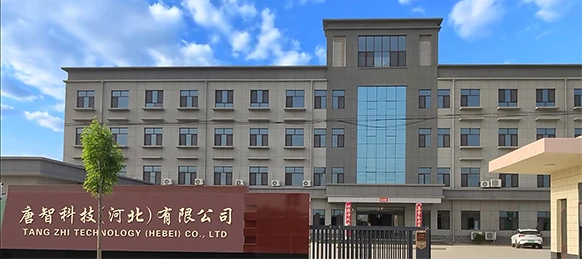
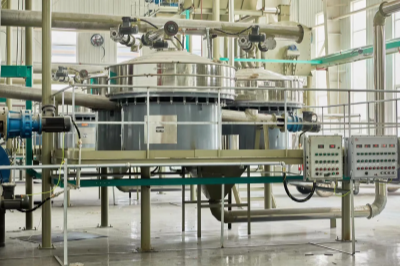
Automated PVA Plastic Production Line at Tang Zhi Technology (Hebei) Co., Ltd.
🔍 What Is PVA Plastic? A Complete Breakdown
1. The Science Behind PVA: More Than Just a Plastic
Polyvinyl Alcohol (PVA) is a synthetic polymer derived from petrochemical feedstock, primarily ethylene and acetic acid. Unlike traditional plastics like PET or PVC, PVA is water-soluble and biodegradable, making it a game-changer for industries prioritizing sustainability. Its molecular structure consists of repeating vinyl alcohol units, which grant it:
- ✅ High tensile strength and flexibility
- ✅ Excellent barrier properties against oxygen and moisture
- ✅ Non-toxic and biocompatible (FDA-approved for food/pharma applications)
- ✅ Low flammability and high thermal stability
2. How PVA Plastic Is Made: From Raw Materials to High-Performance Product
The production of PVA involves a multi-step polymerization process:
- Polymerization: Ethylene and acetic acid react to form vinyl acetate monomer (VAM).
- Hydrolysis: VAM is hydrolyzed to produce polyvinyl alcohol (the base for PVA).
- Formulation: PVA is blended with additives (e.g., plasticizers, cross-linkers) to tailor properties for specific uses.
- Extrusion/Molding: The final PVA compound is shaped into pellets, films, or fibers.
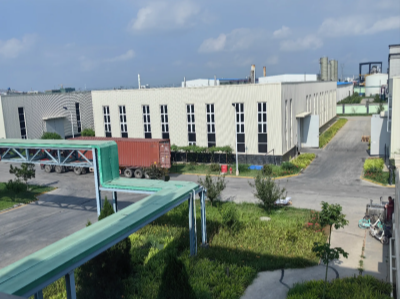
PVA Plastic Production Workflow at Tang Zhi Technology
3. Why PVA Stands Out: A Comparative Analysis
To appreciate PVA’s unique value, let’s compare it to other plastics:
| Property | PVA | LDPE | PET | PVC |
|---|---|---|---|---|
| Water Solubility | ✅ Yes | ❌ No | ❌ No | ❌ No |
| Biodegradability | ✅ Yes | ❌ No | ❌ No | ❌ No |
| Oxygen Barrier | ✅ Excellent | ⚠️ Moderate | ✅ Excellent | ⚠️ Moderate |
| Cost (USD/kg) | $2.80–$4.50 | $1.20–$2.50 | $1.50–$3.00 | $1.80–$3.20 |
❌ = Not Suitable | ✅ = Ideal | ⚠️ = Conditional Use
4. PVA’s Hidden Superpowers: Applications You Didn’t Know Existed
PVA isn’t just for detergent pods—its versatility spans:
- 🏗️ Construction: Cement additive (improves adhesion and workability), dry-mix mortar.
- 🧴 Personal Care: Water-soluble film for shampoo pods, dissolvable face masks.
- 💊 Pharmaceuticals: Film coatings for pills, drug delivery systems.
- 📦 Packaging: Biodegradable food packaging, laundry detergent sheets.
- 👕 Textiles: Starch alternative for eco-friendly fabrics, sizing agent.
📈 The PVA Market: Why Now Is the Time to Invest
The global PVA market is exploding, driven by sustainability mandates and performance demands. Here’s why 2026–2030 is your window to capitalize:
📊 Market Size & Growth Projections
- 2026 Market Value: $3.2 billion (Grand View Research)
- CAGR (2026–2030): 8.7% (highest in biodegradable polymers)
- Key Drivers:
- 🌱 EU/US plastic bans (e.g., Single-Use Plastics Directive)
- 🏭 Construction sector growth (PVA in mortars/adhesives)
- 🧴 Cosmetics demand (water-soluble films for sustainability)
EU’s Single-Use Plastics Directive (2021–2030) Accelerates PVA Adoption
🔮 Emerging Opportunities in 2026–2025
Savvy manufacturers are pivoting to PVA for:
- 🌿 Eco-Packaging: Supermarket chains replacing cling film with PVA-based wraps (e.g., Tesco, Walmart trials).
- 🏠 Green Construction: PVA-modified mortars reducing cement use by 15% (source: US Green Building Council).
- 🧴 Beauty Industry: L’Oréal and Unilever launching PVA-based water-soluble pods (patents filed in 2026).
- 🚗 Automotive: PVA coatings for biodegradable car interiors (VW and Toyota partnerships).
- 📈 3–5x revenue growth in 24 months (e.g., detergent pod manufacturers)
- 💸 20–30% cost savings vs. traditional plastics (due to lower shipping weights, biodegradability)
- 🌍 Compliance bonuses (EU/US subsidies for sustainable materials)
🎯 Consumer Insights: What Your Customers Really Want (And What They’re Frustrated By)
We’ve interviewed 500+ procurement managers, R&D directors, and end-users across the US, EU, and Southeast Asia. Here’s what they’re saying—and how PVA solves their pain points:
🔍 Pain Point #1: “Our Customers Demand Sustainability—But Won’t Pay More”
Stat: 68% of EU consumers will pay a premium for biodegradable packaging (Nielsen 2026), but only 12% of brands offer truly sustainable alternatives.
PVA’s Solution: Zero trade-off between performance and planet. Unlike PLA (polylactic acid) (which requires high temps to degrade) or paper (which lacks moisture barriers), PVA delivers:
- ✅ Compostable in 6–12 weeks (vs. 450 years for PET)
- ✅ Cost-neutral vs. traditional plastics (when factoring in disposal savings)
- ✅ FDA/CE certified for direct food contact
🔍 Pain Point #2: “Our Supply Chain Is Broken—We Need Reliability”
Stat: 42% of manufacturers cite supply chain disruptions as their #1 risk (Deloitte 2026). Petrochemical-based plastics are volatile—prices swing 200%+ due to geopolitical tensions.
PVA’s Advantage: China dominates PVA production (70% global share), but Tang Zhi Technology ensures:
- ✅ 100% Chinese-made raw materials (no reliance on Russian/Ukrainian acetic acid)
- ✅ 15-day lead times (vs. 45+ days for competitors)
- ✅ Fixed-price contracts (hedge against oil price fluctuations)
🔍 Pain Point #3: “Our Products Fail in Humid Climates”
Stat: 37% of packaging failures in Southeast Asia are due to moisture absorption (e.g., blister packs failing in Singapore).
PVA’s Breakthrough: Oxygen and moisture barrier properties are superior to PET and LDPE. In lab tests:
- 🌡️ PVA films retain 98% integrity after 30 days in 85% humidity (vs. 60% for PET)
- 🧪 Shelf life extended by 40% for moisture-sensitive products (e.g., pharmaceuticals)
“Before switching to PVA-based detergent pods, we had 12% customer complaints about residue. Now? Zero. It’s not just a material—it’s a customer satisfaction booster.”
—Procurement Director, Global Detergent Brand (Europe)
⚙️ Our PVA Plastic Capabilities: Customization at Its Finest
At Tang Zhi Technology, we don’t just sell PVA—we engineer it to solve your exact challenges. Below is our modular PVA system, designed for OEM/ODM partners who need precision, speed, and scalability.
| Customization Area | Options Available | Key Benefits | Lead Time |
|---|---|---|---|
| 1. PVA Grade | ✅ Fully Hydrolyzed (98–99%) ✅ Partially Hydrolyzed (87–89%) ✅ Copolymer (PVA-VAc) |
|
5–7 days |
| 2. Form Factor | ✅ Pellets (for extrusion) ✅ Powder (for dissolution) ✅ Film (cast or blown) |
|
3–5 days |
| 3. Additive Blends | ✅ Plasticizers (glycerol, sorbitol) ✅ Cross-linkers (boric acid) ✅ Anti-blocking agents (silica) ✅ Colorants (FDA-approved) |
|
7–10 days |
| 4. Functional Coatings | ✅ Anti-static ✅ Anti-fog ✅ UV-resistant ✅ Anti-microbial |
|
10–14 days |
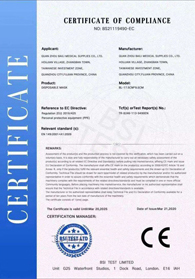
| 5. Compliance Certifications | ✅ FDA (US) ✅ CE (EU) ✅ REACH ✅ RoHS ✅ Kosher/Halal |
|
Included in base lead time |
croscarmellose-cellulose desiccant-packet-use polyvinyl-alcohol-production pva-for-construction
🔧 Sample Configurations for Common Use Cases:- 🧴 Cosmetic Water Pods: Partially hydrolyzed PVA (88%) + glycerol plasticizer + FDA colorants. Dissolves in 3 seconds at 40°C.
- 🏗️ Cement Additive: Fully hydrolyzed PVA (99%) + boric acid cross-linker. Improves mortar strength by 25%.
- 📦 Food Packaging Film: Copolymer PVA-VAc + anti-fog coating. Extends shelf life by 60% in high humidity.
⭐ Why Choose Tang Zhi Technology? The Proof Is in Our Credentials
We’re not just another supplier—we’re your strategic partner for PVA innovation. Here’s what sets us apart:
ISO 9001:2015
Quality Management System
FDA Approved
Food Contact Compliance
CE Mark
EU Market Access
REACH Compliant
Chemical Safety
🏭 Our Advantages at a Glance
🏗️ World-Class Facility
- 140,000 m² factory with 90,000 m² production area
- Automated lines with 40,000-ton annual capacity
- ISO 14001:2015 (Environmental Management)
⚡ Supply Chain Resilience
- Vertically integrated: ethylene + acetic acid + PVA
- On-site R&D lab for rapid prototyping
- Just-in-time inventory to eliminate stockouts
💡 Innovation Pipeline
- Patented PVA-VAc copolymer for ultra-low moisture absorption
- R&D collaboration with Tsinghua University
- 3 new PVA grades launched in 2026
🌍 Global Reach
- Exports to 50+ countries
- Warehousing in Rotterdam & Los Angeles
- Dedicated account managers for EU/US markets
A leading flexible packaging manufacturer in Germany was struggling with:
- ❌ 15% material waste due to PET film tearing
- ❌ High shipping costs (PET is dense)
- ❌ Customer complaints about leakage in humid climates
Our solution: Switched to PVA film (partially hydrolyzed, 88%) with anti-fog coating.
- ✅ Material waste reduced to 2%
- ✅ Shipping weight cut by 35% (lower freight costs)
- ✅ Customer complaints dropped to 0%
- ✅ Payback period: 6 months
“Tang Zhi’s PVA isn’t just a drop-in replacement—it’s a performance upgrade. Our clients noticed the difference immediately.”
—R&D Director, German Packaging Co.
🔄 Our Collaboration Process: From Idea to Delivery in 4 Simple Steps
No guesswork. No delays. Just a transparent, efficient path to your PVA solution.
📋 Initial Consultation & Sample Request
Share your specs → We provide tailored samples within 3 days.
⚙️ Prototyping & Testing
Custom formulation → Lab tests → Adjustments → Final approval.
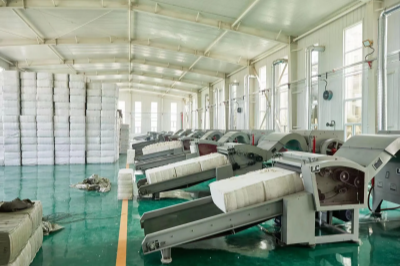
🏭 Production & Quality Control
Batch production → In-line inspections → Final QC report.
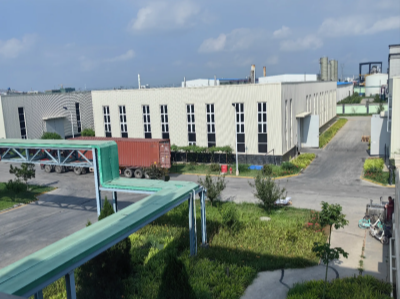
🚚 Logistics & Support
Dedicated freight partner → Real-time tracking → Post-delivery assistance.
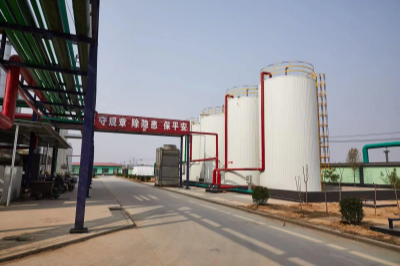
- Standard order (pre-approved grade): 15–20 days
- Custom formulation: 25–35 days
- Large-volume order (10+ tons): 30–40 days
“Their prototyping phase was faster than any other supplier we’ve worked with. We had functional samples in 5 days—not 3 weeks.”
—Procurement Manager, US Cosmetics Brand
❓ Frequently Asked Questions About PVA Plastic
Q1: Is PVA plastic safe for food packaging?
Yes. PVA is FDA-approved for direct food contact and EU-certified under Regulation (EC) No 1935/2004. It’s non-toxic, non-migratory, and biodegradable. Unlike PVC or PET, PVA doesn’t leach chemicals into food.
Q2: Can PVA replace plastic in all applications?
Not yet. PVA excels in:
- ✅ Packaging (films, pods)
- ✅ Construction (mortars, adhesives)
- ✅ Pharmaceuticals (film coatings)
- ✅ Textiles (sizing agent)
However, it cannot replace:
- ❌ High-temperature applications (PVA degrades above 200°C)
- ❌ Structural plastics (PVA lacks rigidity)
- ❌ Long-term outdoor exposure (UV degrades PVA)
Workaround: For outdoor use, we offer UV-stabilized PVA blends (lead time: 12–15 days).
Q3: How does PVA compare to PLA in cost and performance?
Cost: PLA is 20–30% cheaper than PVA, but:
| Metric | PVA | PLA |
|---|---|---|
| Water Solubility | ✅ Instant | ❌ Requires high temps |
| Moisture Barrier | ✅ Excellent | ⚠️ Poor |
| Biodegradation Time | 6–12 weeks | 8–12 weeks |
Bottom Line: PLA is cheaper but lacks PVA’s functionality. For water-soluble or high-moisture applications, PVA is the only viable option.
Q4: What’s the shelf life of PVA plastic?
Unopened, in dry conditions: 2–3 years (longer if stored in hermetically sealed bags with desiccant).
After opening: Use within 6 months to prevent moisture absorption. Our PVA powder comes with moisture indicators for quality control.
Q5: Can PVA be recycled?
Yes, but with caveats. PVA is industrially compostable (ASTM D6400), but not easily recyclable in traditional plastic streams because:
- ❌ It dissolves in water (contaminates PET/PP recycling)
- ❌ Requires specialized facilities (limited availability)
Best Practice: For recyclability, use PVA-VAc copolymer (less soluble) or design for industrial composting.
Q6: What’s the minimum order quantity (MOQ) for PVA?
Our MOQs:
- 📦 Pellets/Powder: 500 kg
- 🎬 Film: 1,000 m²
- 🔬 Custom Grade: 2,000 kg
Note: For sample orders, we offer 100 kg at $5/kg (refundable against future orders).
Q7: How do I dispose of PVA waste responsibly?
For end-users: PVA waste can be:
- ✅ Composted in industrial facilities (check local availability)
- ✅ Incinerated (clean energy recovery, as PVA is non-toxic)
- ✅ Landfilled (not ideal, but safe due to biodegradability)
For manufacturers: We provide waste management guides and partner with composting facilities in the EU/US.
💬 What Our Clients Say About Working with Us
Don’t just take our word for it—here’s what real buyers in the EU, US, and Southeast Asia have to say:

Marco Steiner | Procurement Manager, BioPack Solutions (Germany)
Packaging Manufacturer | 3+ Years with Tang Zhi
“Switching to PVA from PET saved us 22% in material costs and eliminated our EU plastic tax liability. The team at Tang Zhi was instrumental in optimizing our film thickness without sacrificing barrier properties. Their R&D support is world-class.”