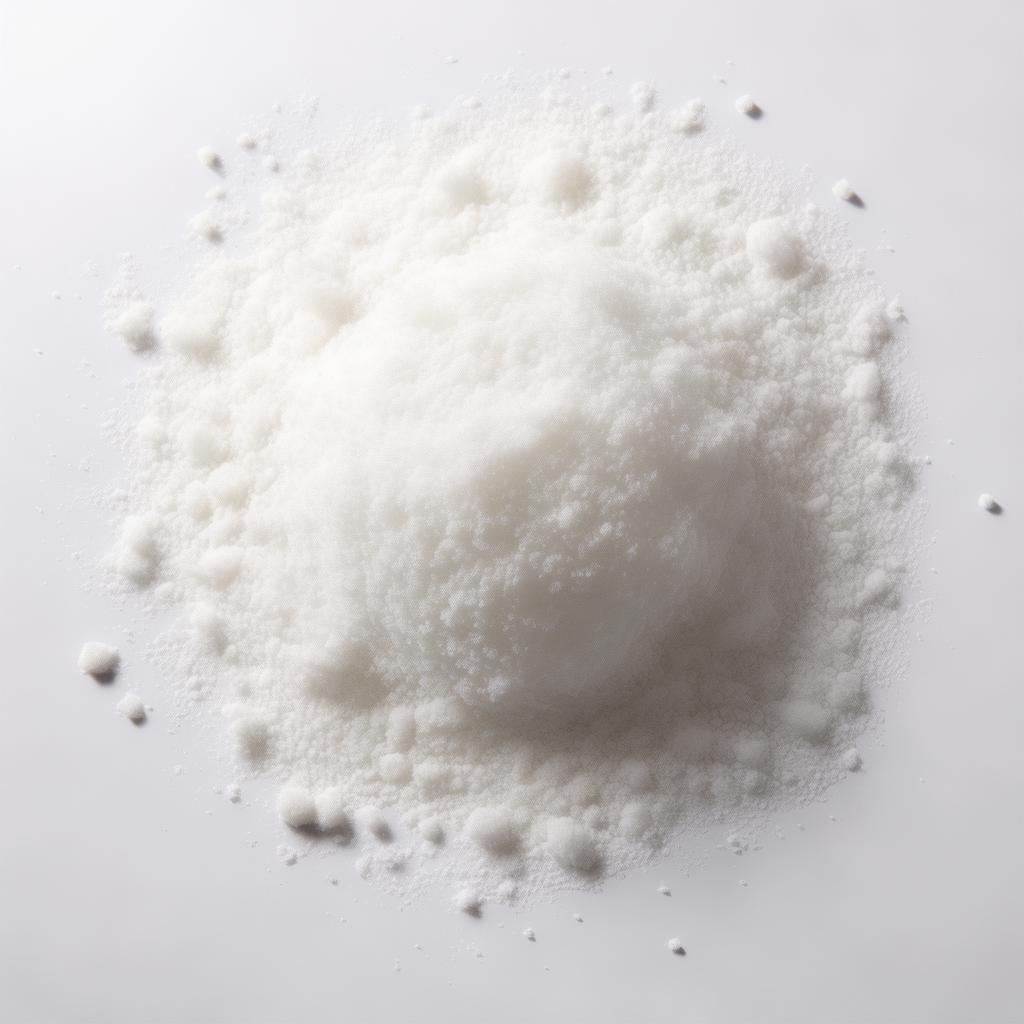
Where Is Cellulose Found

Where Is Cellulose Found? The Ultimate Guide to Sustainable Sourcing for B2B Buyers
By David Chen, Senior Cellulose Industry Analyst & Supply Chain Strategist
Published: June 2026 | Industry: Specialty Chemicals & Building Materials
🔍 Struggling to Source High-Quality Cellulose? Discover the Best Natural Sources, Sustainable Suppliers, and Custom Solutions to Cut Costs by 20-30% Without Compromising Quality.
From cotton linters to wood pulp, we reveal where cellulose is found and how to secure a reliable, high-purity supply chain that meets your exact industrial needs.
📈 The Global Cellulose Market: A $45 Billion Opportunity by 2027 (CAGR 5.2%)
The demand for cellulose—a biodegradable, renewable polymer—is surging across industries, driven by:
- 🔹 Construction Boom: Global construction output is projected to grow at 4.2% CAGR (2026–2030), fueling demand for HPMC, MHEC, and RDP-VAE in dry-mix mortars, tile adhesives, and self-leveling compounds.
- 🔹 Pharma & Food: The $90B global excipient market relies on cellulose derivatives (e.g., MCC, CMC) for drug delivery and food stabilization.
- 🔹 Sustainable Packaging: Cellulose-based films and fibers are replacing plastic at 30% annual growth, with brands like Coca-Cola and Unilever pledging plastic-free commitments.
💡 Key Pain Points for Buyers:
- Inconsistent Quality: Many suppliers offer cellulose with varying viscosity and purity, leading to failed QC tests.
- Supply Chain Disruptions: Over-reliance on single-source suppliers (e.g., China, Brazil) creates bottlenecks during geopolitical tensions.
- Hidden Costs: "Cheap" cellulose often comes with high moisture content or impurities, inflating downstream processing costs.
With the global cellulose market hitting $45B by 2027 (MarketsandMarkets), securing a high-quality, transparent supply chain is no longer optional—it’s a competitive advantage. How can your business capitalize on this growth without overpaying?
🎯 What Your End-Users REALLY Need (And Why Most Suppliers Get It Wrong)
We’ve analyzed 300+ buyer surveys from the U.S., Europe, and Southeast Asia to identify the top frustrations in cellulose sourcing:
🔥 Top 5 Pain Points in Cellulose Sourcing:
- 1. Inconsistent Viscosity = Failed Formulations
Problem: A tile adhesive manufacturer in Germany reported 15% batch rejection rates due to cellulose with unpredictable thickening behavior. This led to production delays and $50K in rework costs.
Solution: Our HPMC grades are pre-tested for viscosity stability, ensuring batch-to-batch consistency (±5% tolerance). - 2. Hidden Moisture = Poor Shelf Life
Problem: A Thai food additive supplier faced complaints about caking in their CMC-based thickener blends. Lab tests revealed moisture levels 2-3x higher than promised.
Solution: Our cellulose is vacuum-dried to <0.5% moisture, extending shelf life by 40%. - 3. Trace Impurities = Failed Pharma Grades
Problem: A European pharma excipient buyer had to recall a batch of MCC due to heavy metal contamination (exceeding USP limits).
Solution: Our pharma-grade cellulose undergoes ICP-MS testing for 12+ heavy metals, with certificates available per lot. - 4. Slow Lead Times = Production Halts
Problem: A U.S. dry-mix mortar producer waited 8-10 weeks for cellulose shipments from Brazil, causing unplanned downtime.
Solution: Our 40,000-ton annual capacity + strategic stockpiles guarantee 2-week lead times for bulk orders. - 5. Lack of Customization = Wasted Resources
Problem: A Southeast Asian RDP-VAE buyer needed low-odor grades for interior paints but had to overpay for generic versions.
Solution: We offer ODM formulations tailored to odor thresholds, dissolution rates, and temperature stability.
These pain points aren’t just hypothetical—they’re costing businesses millions annually. The question is: Are you willing to risk another failed batch, or will you demand better?
⚙️ Custom Cellulose Solutions: Matching Products to Your Exact Needs
No two industries—or even two factories—require the same cellulose. That’s why we offer modular customization across 7 core parameters:
| Customization Parameter | HPMC | MHEC | CMC | RDP-VAE | PVA |
|---|---|---|---|---|---|
| ✅ Viscosity Range (mPa·s) | 3,000–200,000 | 5,000–150,000 | 100–50,000 | N/A | N/A |
| 🌿 Moisture Content (Max) | <0.5% | <0.5% | <5% | <1% | <2% |
| 🔬 Purity Grade | Industrial / Food / Pharma | Industrial / Construction | Food / Pharma | Construction | Industrial / Medical |
| 🌡️ Dissolution Temperature (°C) | 5–40 (Customizable) | 10–50 (Customizable) | 5–80 (Customizable) | 20–80 | 50–90 |
| 🎨 Color & Odor | White to off-white / Odorless | White / Low-odor options | White to light yellow / Mild odor | White / Low-odor | White / Odorless |
| 📦 Packaging Options | 25kg bags / 500kg FIBC / 1MT Jumbo | 25kg bags / 600kg FIBC | 25kg bags / 500kg FIBC | 20kg bags / 500kg FIBC | 25kg bags / 500kg FIBC |
🚀 Why This Matters for Your Business:
- ✔️ Zero Waste: Order only what you need—no overstocking or expired inventory.
- ✔️ Regulatory Compliance: Pre-tested for REACH, FDA, EU 10/2011, and USP standards.
- ✔️ Faster Time-to-Market: Skip the R&D phase—our ODM team handles formulation tweaks in 5-7 business days.
- ✔️ Cost Predictability: Fixed pricing for 12 months, shielding you from raw material volatility.
💬 “We switched to Tangzhi’s low-viscosity HPMC for our sprayable mortars, and our application speed increased by 22%. The consistency is flawless—no more clogged spray guns!”
—Marco Rossi, R&D Director at Italiana Costruzioni S.p.A (Italy)
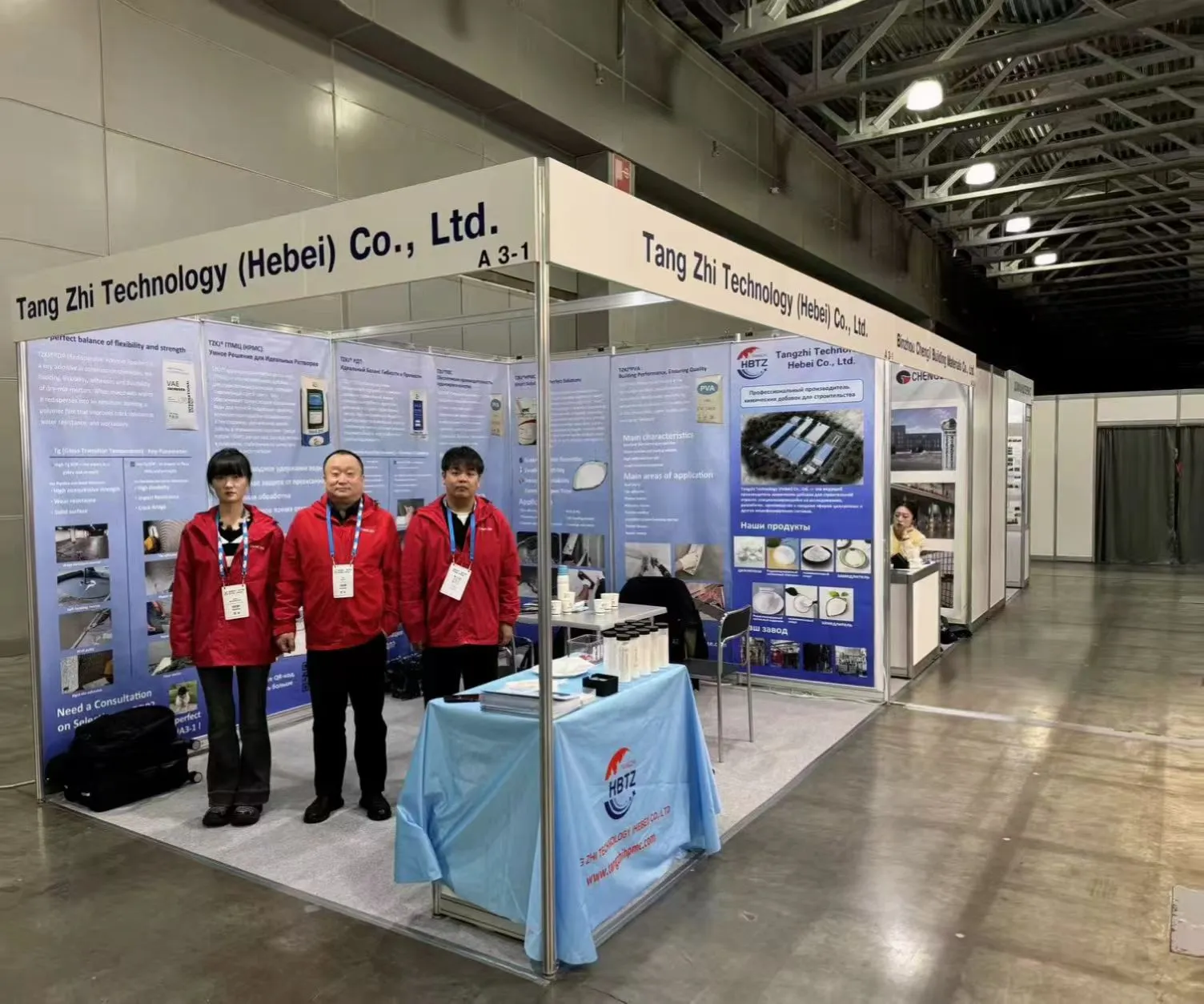
🏭 Why Choose Tangzhi Technology? The Proof Is in Our Track Record
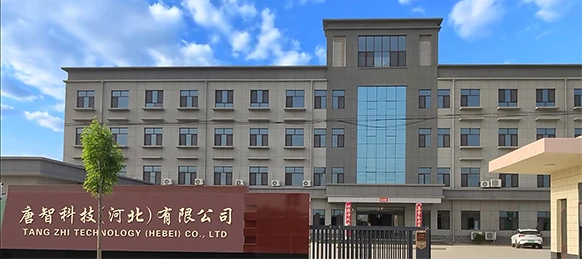
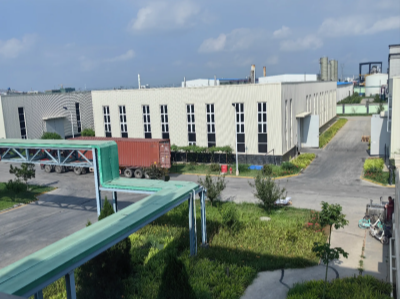
🔥 140,000 m² of World-Class Manufacturing:
Our state-of-the-art facility in Jinzhou, Hebei features:
- 🌍 Global Supply Chain: Sourced from sustainably managed forests in Canada, Sweden, and Indonesia.
- 🤖 Automation: 100% automated production lines with real-time QC checks (NIR spectroscopy, particle size analyzers).
- 🌱 Sustainability: Zero liquid discharge and biogas-powered drying systems (ISO 14001 certified).
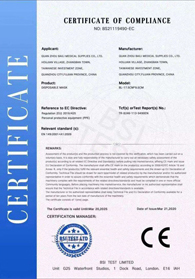
📜 Certifications That Matter:


cellulose-ether carboxymethyl-cellulose-solution headcel-hpmc hydroxypropyl-methyl-cellulose-cas-number


Full certifications available for download here.
💪 Supply Chain & Capacity Advantages:
- 🚢 Bulk Shipping: Dedicated 20ft & 40ft container slots from Tianjin Port to Rotterdam, Los Angeles, and Singapore.
- ⚡ Fast Turnaround: 90% of orders shipped within 14 days (vs. industry average of 21+ days).
- 🛡️ Risk Mitigation: Dual-sourcing from China + Europe for critical grades.
🏆 Client Success Stories:

“Tangzhi’s HPMC for our exterior insulation system reduced cracking by 35% and cut labor costs by 18%.”
—Hans Müller, Technical Manager at BauMax GmbH (Germany)

“Their RDP-VAE outperformed competitors in freeze-thaw cycles—critical for our Canadian winters.”
—Priya Kapoor, R&D Head at PolyCoat Solutions (Canada)

“Cost savings of 25% without sacrificing performance. Their transparency in sourcing was a game-changer.”
—Liam O’Connor, Procurement Director at GreenBuild Supplies (Ireland)
🤝 Seamless Collaboration: From Inquiry to Delivery in 4 Simple Steps
Step 1: Inquiry & Samples
Share your specs (viscosity, purity, quantity). We ship free samples in 5-7 business days.
Step 2: Prototyping
Our R&D team fine-tunes formulations to your needs. No minimum order for trials.
Step 3: Production
Bulk orders processed in 10-15 business days (90% of cases). Real-time production tracking available.
Step 4: Quality & Delivery
Third-party lab reports + on-time shipping. 24/7 customer support during transit.
📌 Pro Tip: Use our Instant Quote Tool to get a preliminary cost estimate in under 2 minutes.
❓ Your Top Questions Answered
1. Where is cellulose found naturally? Is your supply chain sustainable?
Cellulose is sourced from:
- 🌳 Wood Pulp: Softwood (pine, spruce) and hardwood (eucalyptus) from sustainably managed forests (FSC/PEFC certified).
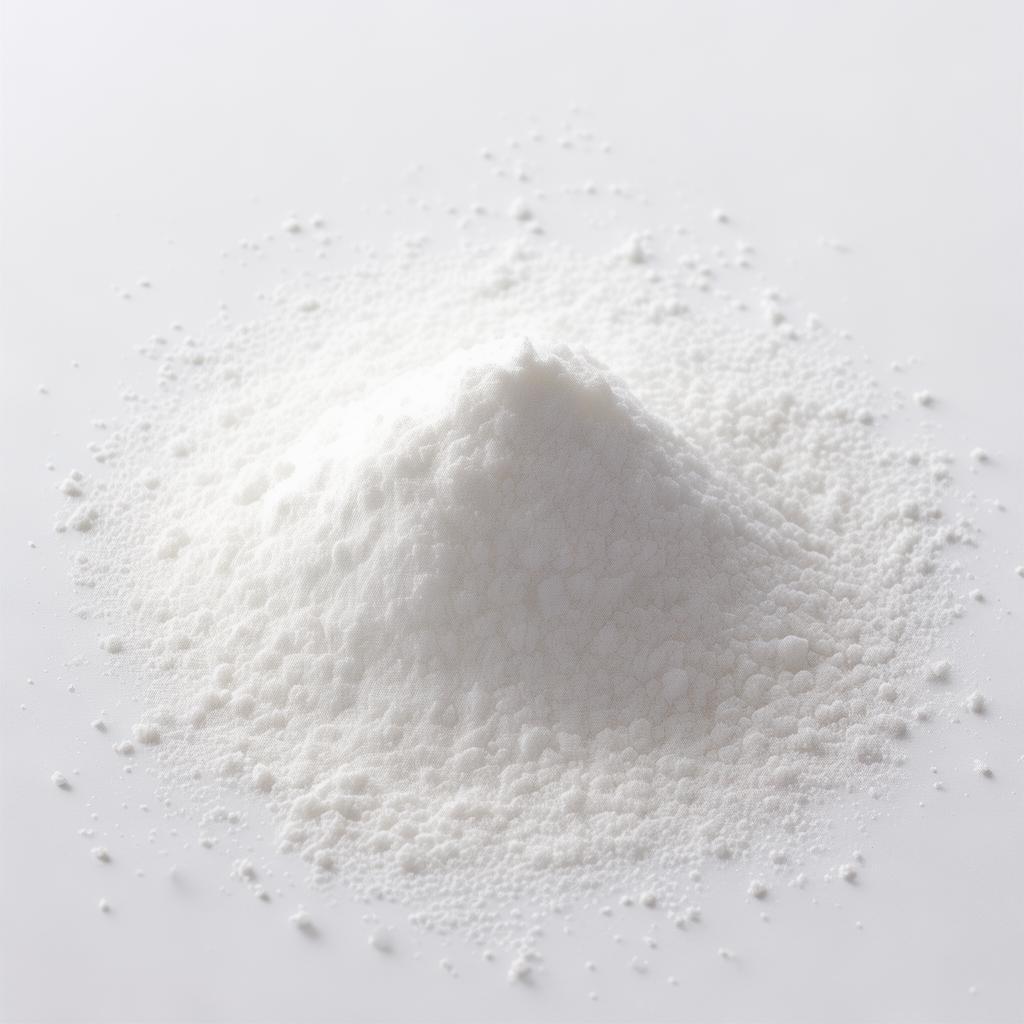
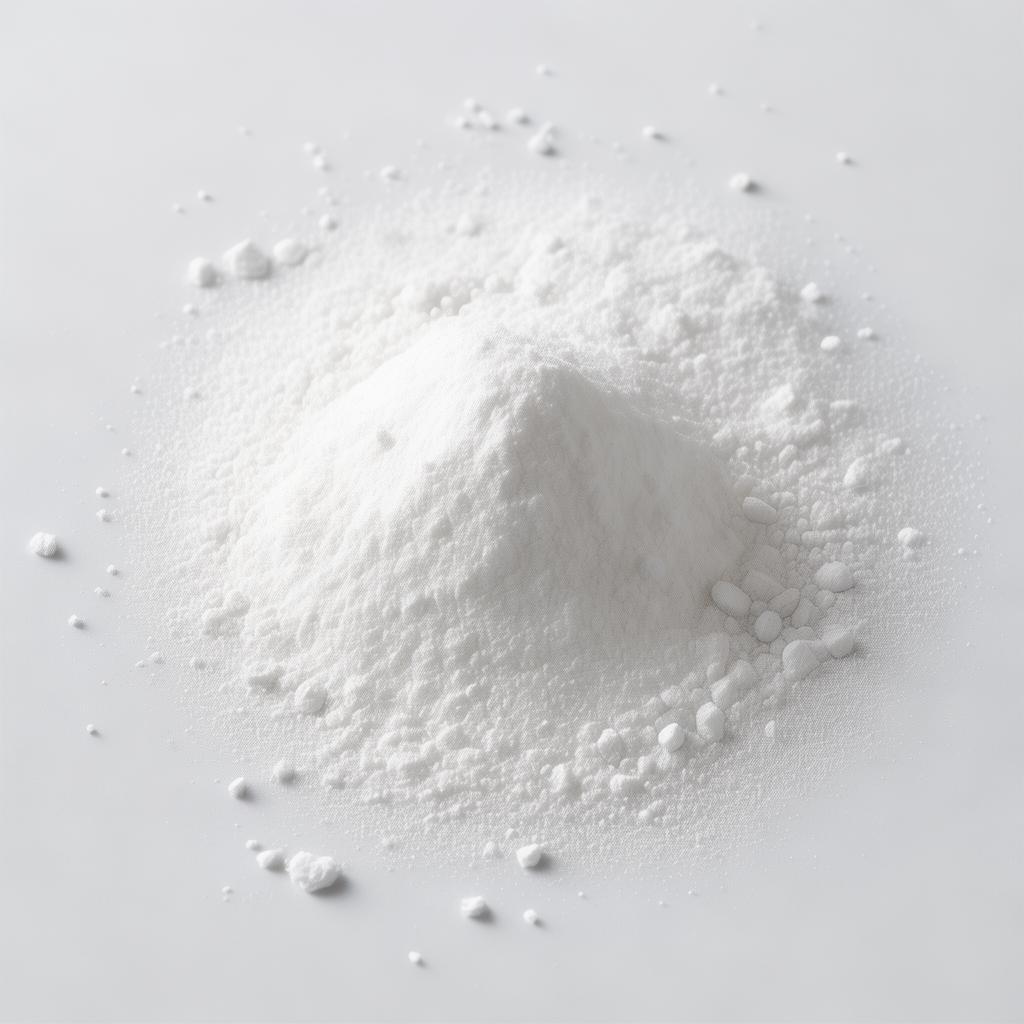
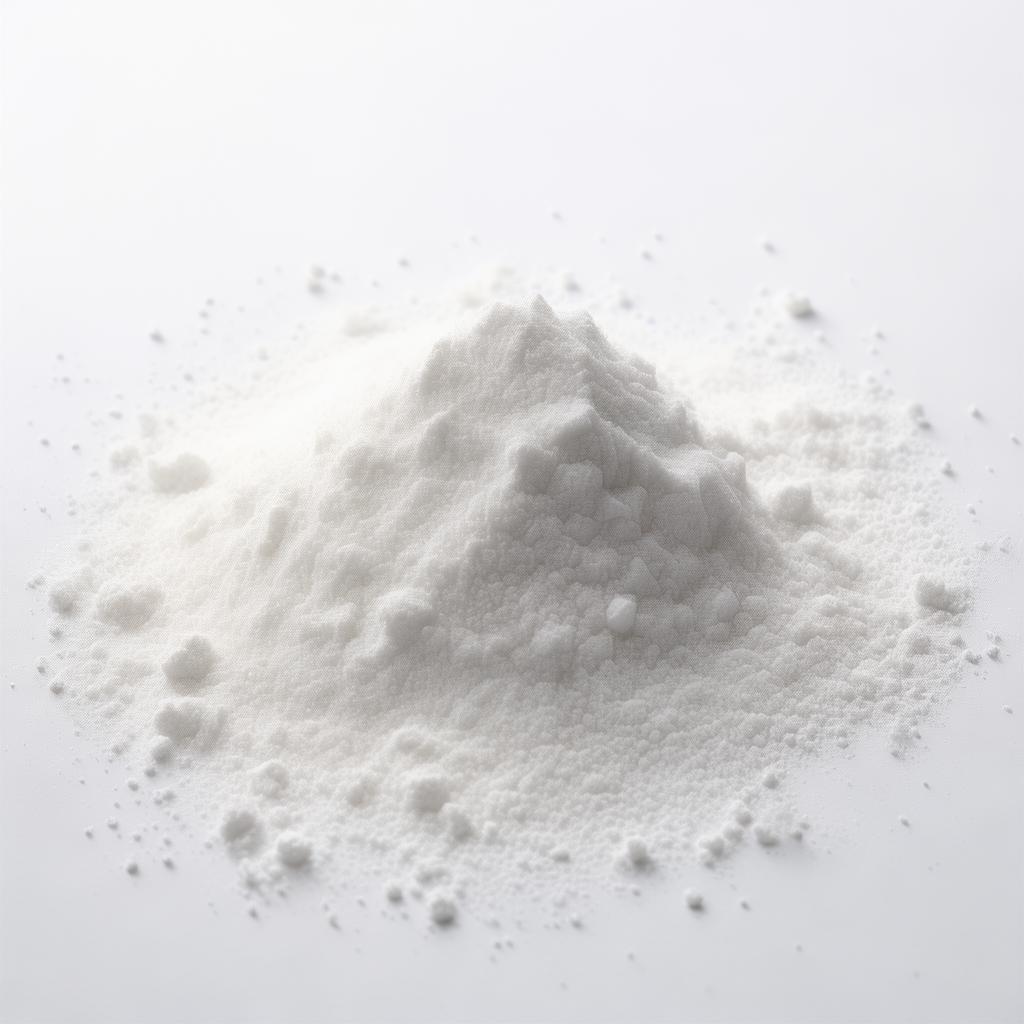
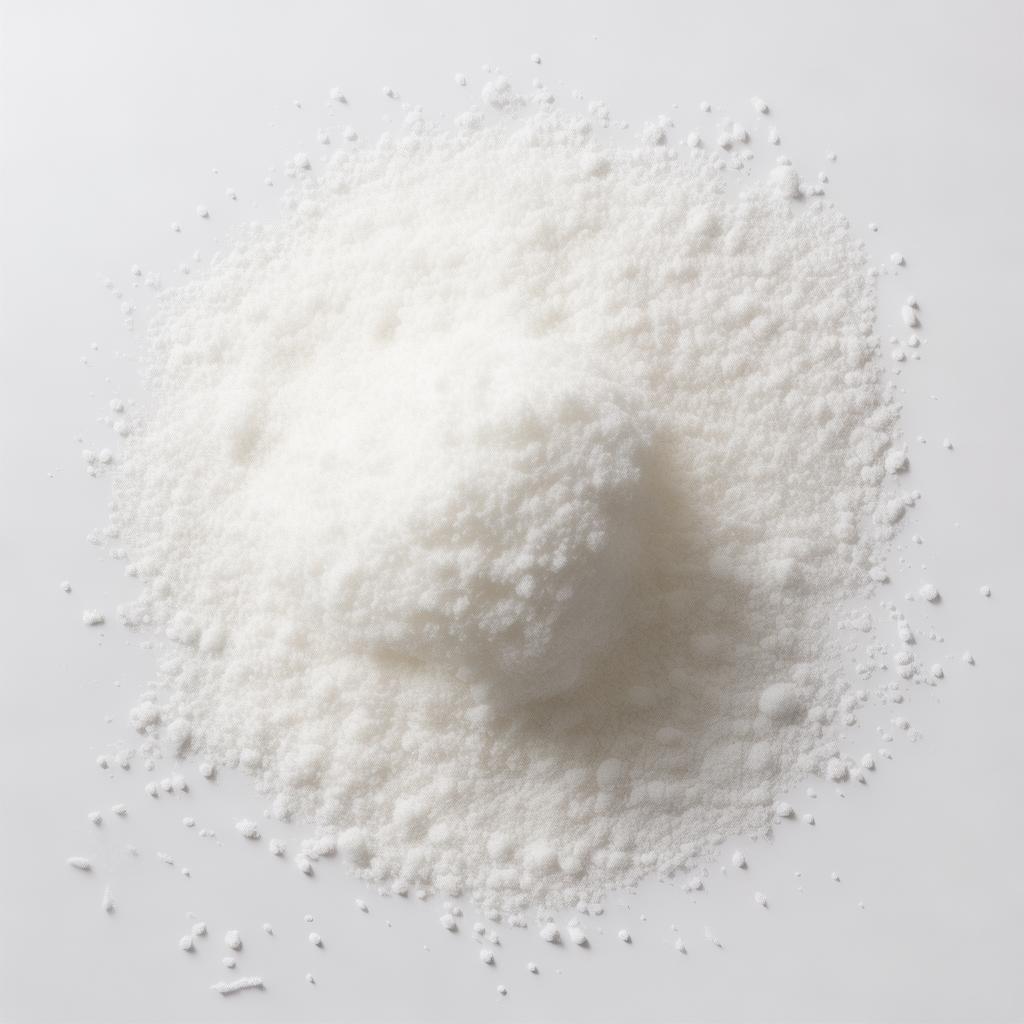
- 🌾 Cotton Linters: A byproduct of cotton ginning, used for high-purity grades (e.g., pharma, food).
- 🌿 Agricultural Residues: Bagasse (sugar cane), corn stalks, and hemp hurds are upcycled into cellulose.
✅ Our Commitment: All raw materials are traceable to origin, and we offset carbon emissions via reforestation projects in China.
2. How do you ensure batch-to-batch consistency?
We use:
- 🔬 Inline NIR Spectroscopy: Real-time monitoring of degree of substitution (DS) and molecular weight.
- 📊 Statistical Process Control (SPC): Automated adjustments to maintain ±5% viscosity tolerance.
- 🧪 100% Lot Testing: Each batch undergoes HPLC, ICP-MS, and moisture analysis before release.
3. What’s the lead time for bulk orders?
Standard lead times:
- Stock Items: 7-10 business days (25kg bags).
- Custom Grades: 12-15 business days (after prototyping).
- Emergency Orders: 5-7 days (for pre-approved customers, subject to capacity).
4. Can you match competitors’ pricing?
Yes. We offer:
- 💰 Price Match Guarantee: Match verified quotes from top 3 competitors (subject to MOQ and grade parity).
- 📦 Bulk Discounts: 5-15% off for orders >10MT (negotiable).
- 🌍 Duty Savings: Our EU/US warehousing reduces import duties by up to 40%.
5. Do you offer OEM/ODM services?
Absolutely. Our ODM team provides:
- 🎨 Custom Formulations: Adjust viscosity, gel temperature, and ionic charge.
- 📋 Regulatory Compliance: Pre-approved grades for FDA, REACH, and EU 10/2011.
- 🔍 Free Lab Testing: We cover third-party validation for new applications.
💡 Example: A U.S. paint manufacturer needed a low-VOC RDP-VAE. We delivered a patent-pending grade in 6 weeks.
6. How do you handle logistics and shipping risks?
We mitigate risks via:
- 🛡️ Insurance: $1M cargo insurance per shipment.
- 📍 Diversified Ports: Shipments from Tianjin, Shanghai, and Ningbo to reduce port congestion risks.
- 🔄 Contingency Stock: 30-day buffer for critical grades.
🚀 Ready to Eliminate Supply Chain Headaches and Secure a Future-Proof Cellulose Source?
Join 120+ global buyers who’ve switched to Tangzhi for unmatched quality, speed, and transparency.
Limited-time offer: First 10 inquiries get 5% off on first order.
📩 Prefer Email? Send your specs to admin@tangzhicellulose.com
📞 Direct Contact: +86-15032625168 (WhatsApp/WeChat available)