


How RDP Polymer Technology is Transforming Modern Construction Materials
In today’s competitive construction environment, performance, efficiency, and durability are non-negotiable.
View More

In today’s competitive construction environment, performance, efficiency, and durability are non-negotiable.
View More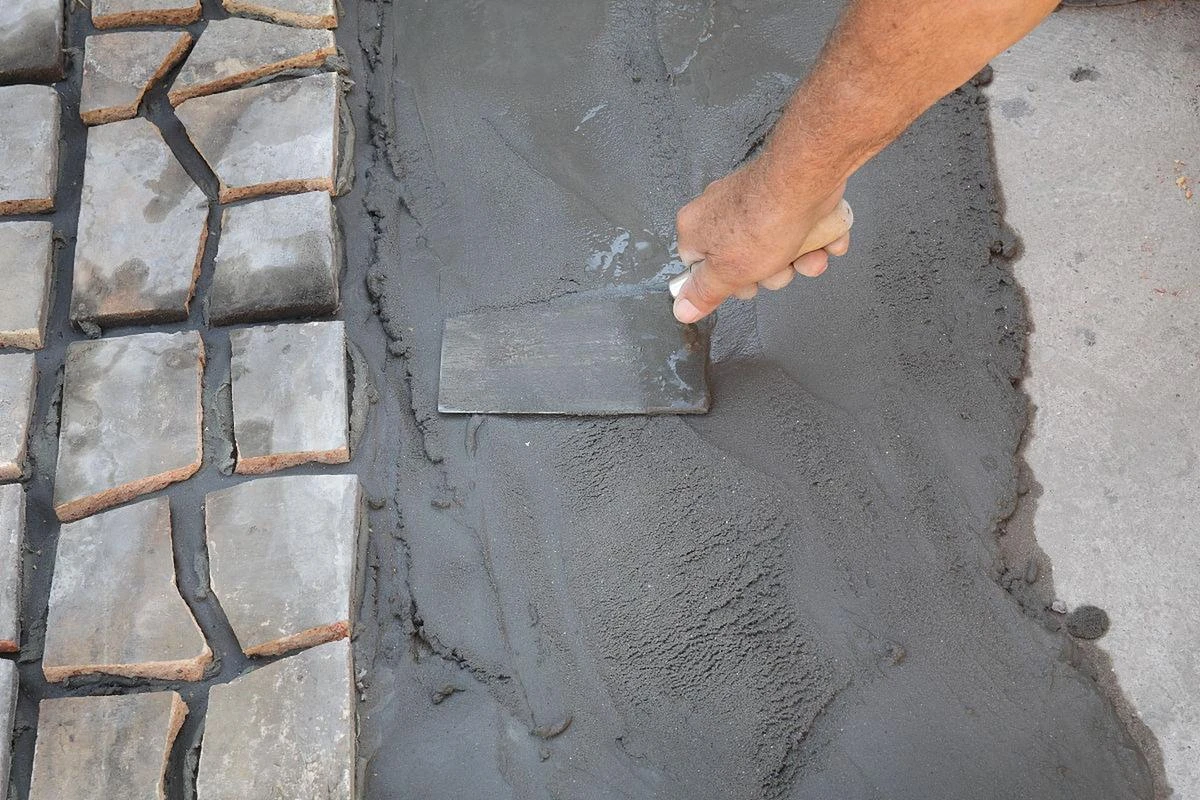
The construction chemicals industry has experienced rapid transformation in recent years, largely driven by the adoption of advanced additives that improve performance, efficiency, and sustainability.
View More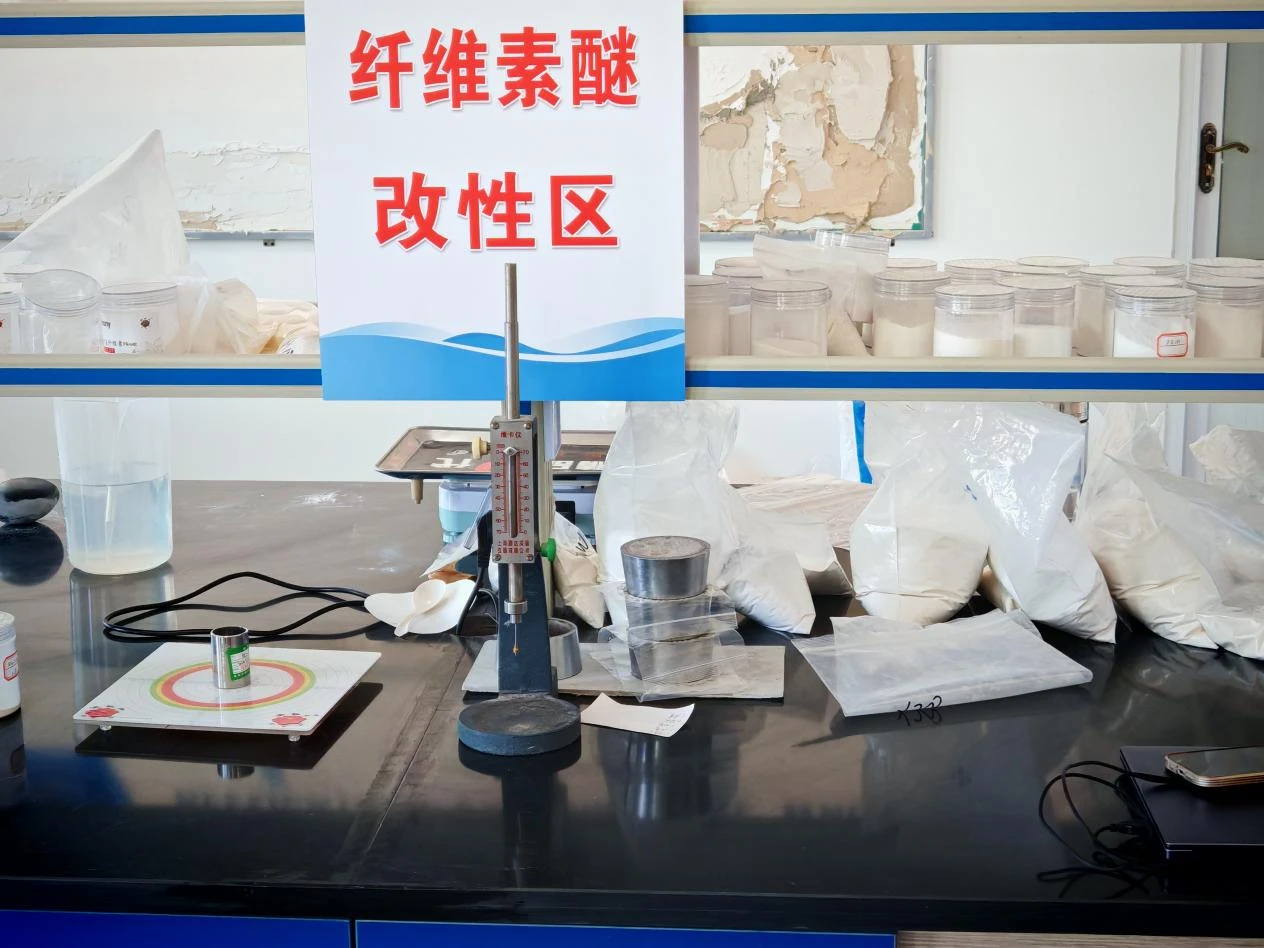
In the modern healthcare and pharmaceutical landscape, HPMC medical materials have become indispensable.
View More
HPMC, also known as hypromellose cellulose, is one of the most versatile and widely used cellulose ethers in global industries.
View MoreRedispersible powder polymer (RDP) is a vital ingredient in numerous construction and industrial applications. It’s a synthetic resin, typically a vinyl acetate-ethylene (VAE) copolymer, supplied in powder form. When mixed with water, it readily redisperses to form a stable emulsion, enhancing the performance characteristics of cement-based products. This article will explore the properties, applications, benefits, and factors to consider when selecting an RDP. Understanding its role is crucial for achieving optimal results in construction and related industries. RDP significantly improves the adhesion, flexibility, and workability of cementitious materials. Its primary function is to act as a binder, enhancing the cohesion of the mix and reducing cracking. The particle size distribution, viscosity, and film-forming capabilities are critical properties influencing its performance. Different grades of RDP are formulated to cater to specific application requirements.
View MoreRedispersible polymer powder (RDP) is a crucial additive in the construction industry, significantly enhancing the performance of cement-based materials. This article provides an in-depth look at RDP, covering its properties, applications, benefits, and considerations for use. Understanding its role is vital for professionals seeking to optimize building material formulations and achieve superior results. Explore the world of RDP and learn how it can revolutionize your projects. Redispersible polymer powder is a modified acrylic polymer, typically supplied as a white, free-flowing powder. It's produced by spray-drying a polymer emulsion. The key characteristic is its ability to readily redisperse in water, forming a stable colloidal solution. This makes it incredibly versatile for blending directly into dry-mix formulations. RDP isn’t a binder itself; rather, it acts as an additive to improve existing cementitious systems. Its primary function is to enhance adhesion, flexibility, workability, and durability of cement-based products.
View MoreThe redispersible polymer powder (RDP) market is experiencing substantial growth driven by increasing demand in the construction, adhesives, and textile industries. Understanding the redispersible polymer powder market share is crucial for businesses operating in this sector. This article will delve into the key players, market trends, application areas, and future outlook of the RDP market. We’ll explore the factors influencing market dynamics and the competitive landscape, providing insights for manufacturers, distributors, and end-users. Redispersible polymer powder is a crucial additive in various construction materials. It is a thermoplastic polymer resin that is dispersed in water to form a stable emulsion. RDP enhances the performance characteristics of cement-based products like tile adhesives, cement mortars, and exterior insulation finishing systems (EIFS). Its key benefits include improved adhesion, flexibility, water retention, and workability. The demand for RDP is directly linked to the growth of the construction industry, particularly in emerging economies.
View MoreVinyl Acetate Ethylene (VAE) redispersible powder is a crucial additive in numerous industries, including construction, adhesives, and textiles. Its versatility stems from its ability to form a film when redispersed in water, offering excellent adhesion, flexibility, and water resistance. This article provides an in-depth exploration of VAE redispersible powder, its applications, benefits, and factors to consider when selecting a supplier. Tangzhi HPMC is a leading supplier committed to providing high-quality VAE redispersible powders tailored to meet diverse industry needs. Understanding the nuances of this product will empower you to optimize its use in your applications. VAE redispersible powder is a synthetic resin produced through the copolymerization of vinyl acetate and ethylene. It's initially manufactured as an emulsion, which is then spray-dried to create a powder. This powder can be easily redispersed in water to form a stable emulsion, regaining its adhesive and film-forming properties. The ethylene content influences the powder’s flexibility and water resistance.
View MoreNavigating international trade requires a precise understanding of Harmonized System (HS) codes. For those importing or exporting redispersible polymer powder, accurately identifying the HS code is critical for customs clearance, duty assessment, and trade compliance. This article delves into the specifics of redispersible polymer powder HS codes, providing insights for businesses engaged in cross-border transactions. Understanding these codes can streamline your import/export processes and minimize potential delays or penalties. We'll cover common classifications, regional variations, and best practices for determining the correct HS code for your specific product. An HS code, or Harmonized System code, is a globally standardized system of names and numbers used to classify traded products. Developed and maintained by the World Customs Organization (WCO), these codes facilitate trade by providing a consistent framework for identifying goods across borders. Accurate HS code classification is essential because it directly impacts import duties, taxes, and trade regulations.
View More
As cities expand and construction demands increase, builders and engineers face higher expectations for concrete performance. Stronger, more durable, and more workable concrete is essential to meet modern infrastructure standards. Among innovations in construction chemistry
View More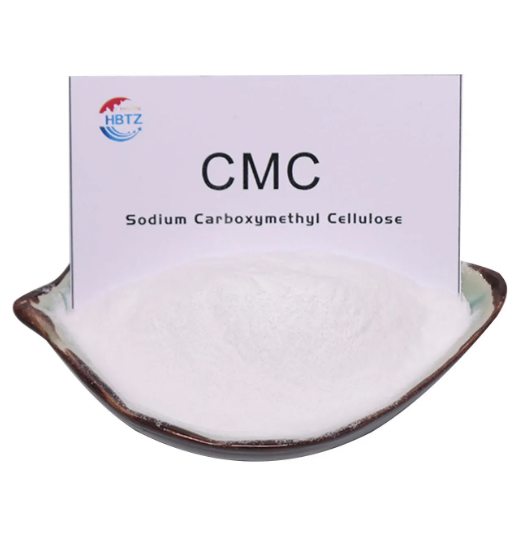
As industries continue to move toward safer, more stable, and plant-based raw materials, cmc carboxymethyl cellulose has become a widely discussed hot topic. From food and medicine to cosmetics and industrial processing, CMC plays a quiet but essential role in improving texture, stability
View More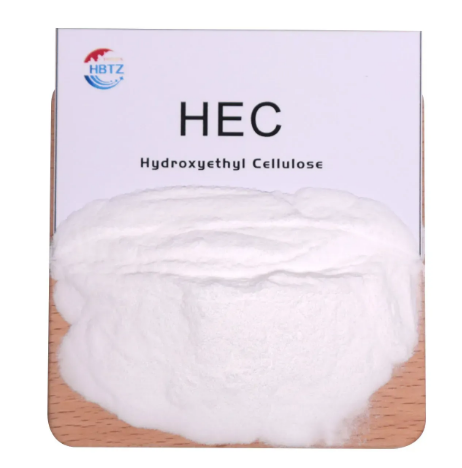
In recent years, gentle, safe, and multifunctional cosmetic ingredients have become a major hot topic. Among them, hydroxyethyl cellulose gel has gained wide attention in skincare, personal care, and pharmaceutical formulations. It offers excellent thickening performance, smooth texture
View More