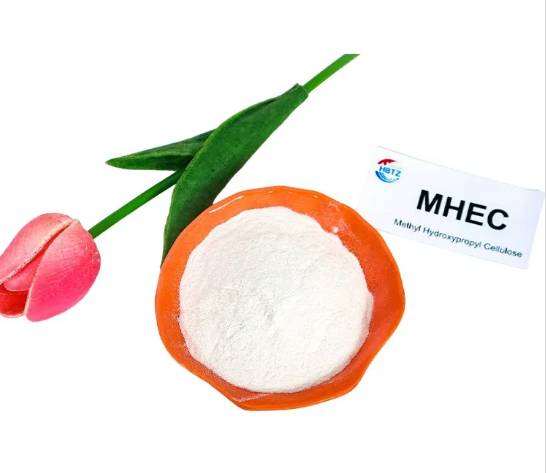
With the rapid development of the construction and coatings industry, functional cellulose ethers have become a hot topic in raw material selection. Among them, mhec is increasingly favored by manufacturers, contractors, and distributors due to its stable performance, wide adaptability
Exploring Carboxymethyl Cellulose Uses in Food and Its Diverse Applications
Carboxymethyl cellulose (CMC), a versatile cellulose derivative, plays a crucial role in the food industry due to its unique properties as a thickener, stabilizer, and emulsifier. This article will delve into the diverse carboxymethyl cellulose uses in food, exploring its applications, benefits, and regulatory aspects. Understanding CMC’s functionalities can help food manufacturers enhance product texture, shelf life, and overall quality. We’ll cover everything from bakery goods to beverages and beyond, highlighting why CMC is a preferred ingredient for many food formulations. Carboxymethyl cellulose is a cellulose ether, produced by chemically modifying cellulose. This modification introduces carboxymethyl groups onto the cellulose backbone, making it water-soluble and imparting unique functional properties. CMC is available in varying degrees of substitution and viscosity, allowing for tailored applications in different food systems. It’s known for its excellent thickening abilities, even at low concentrations, and its ability to form stable gels. CMC is a safe and widely accepted food additive, approved by regulatory bodies worldwide, making it a popular choice for food producers.
Comprehensive Guide to Sodium CMC Price Factors and Market Trends
Sodium CMC (Sodium Carboxymethyl Cellulose) is a versatile cellulose derivative widely used across various industries, including food, pharmaceuticals, cosmetics, and oil drilling. Its price can fluctuate based on several factors. This article provides an in-depth look at the factors influencing sodium CMC price, current market trends, and how to find a reliable supplier. Understanding these aspects is crucial for businesses relying on sodium CMC for their manufacturing processes. We will delve into the different grades, the impact of raw material costs, and strategies for optimizing procurement. Several key factors contribute to the price of sodium CMC. The most significant is the cost of raw materials, primarily cellulose pulp sourced from wood or cotton linter. Fluctuations in pulp prices directly impact sodium CMC production costs. Manufacturing processes, including purification and drying, also contribute to the overall expense. Additionally, the grade and viscosity of the sodium CMC play a role, with higher viscosity grades generally commanding a higher price.
Comprehensive Guide to Carboxymethylcellulose Price and Global Sourcing Strategies
Understanding the carboxymethylcellulose (CMC) price is crucial for businesses involved in diverse industries like food, pharmaceuticals, cosmetics, and oil drilling. This article provides an in-depth look at the factors influencing CMC pricing, current market trends, and strategies for sourcing competitively. We'll explore the different grades of CMC, their applications, and how to optimize your purchasing decisions. Accurate pricing knowledge will empower you to navigate the global CMC market effectively. Several key factors determine the CMC price. Raw material costs, particularly cellulose pulp sourced from wood or cotton linter, significantly impact production expenses. Manufacturing processes, including the degree of substitution (DS) and viscosity, also play a role. Higher DS and viscosity CMC generally command higher prices. Geopolitical factors, transportation costs, and currency exchange rates all contribute to fluctuations in pricing. Furthermore, the grade of CMC—industrial, food, or pharmaceutical—also dictates its price point, with pharmaceutical grades being the most expensive due to stringent quality control and regulatory requirements.
CMC Company Tangzhi HPMC Your Trusted Global Trading Solution
In the dynamic world of international trade, finding a reliable and experienced partner is crucial for success. A CMC company specializes in facilitating smooth and efficient cross-border transactions, providing comprehensive solutions for businesses looking to expand their global reach. This article will explore the key aspects of what a CMC company does, the benefits of partnering with one, and how Tangzhi HPMC stands out as a leading provider in the industry. We will cover everything from sourcing and logistics to documentation and compliance. “CMC” typically stands for “China Manufacturing Center” or “Commercial Management Company”. These companies act as intermediaries between businesses wanting to source products from, or sell products to, China (and increasingly, other global markets). Their services encompass a wide range of functions, including supplier identification, quality control, negotiation, logistics management, customs clearance, and ensuring regulatory compliance. Essentially, a CMC company handles the complexities of international trade, allowing businesses to focus on their core competencies.
Exploring the Multifunctional Role of Sodium Carboxymethylcellulose in Food Applications
Sodium carboxymethylcellulose (CMC) is a versatile food additive widely used in the food industry for its thickening, stabilizing, and emulsifying properties. It's derived from cellulose, a natural component of plants, making it a popular choice for various applications. This article will explore the functionalities, applications, benefits, and safety aspects of sodium carboxymethylcellulose in food, offering a comprehensive overview for food manufacturers, researchers, and consumers. Understanding CMC’s role can enhance product quality and stability, leading to improved consumer satisfaction. Sodium carboxymethylcellulose is a cellulose derivative created by chemically modifying cellulose obtained from sources like wood pulp or cotton linter. This modification involves introducing carboxymethyl groups, which provide CMC with its unique properties. It’s a white to off-white, odorless, and tasteless powder that readily dissolves in both cold and hot water. The degree of substitution (DS) – the average number of carboxymethyl groups per glucose unit – influences the characteristics of CMC, impacting its viscosity and solubility.
The Essential Role of Sodium Carboxymethyl Cellulose in Toothpaste Formulations
Sodium carboxymethyl cellulose (CMC) is a crucial ingredient in many toothpaste formulations. It acts as a thickener, stabilizer, and binder, contributing significantly to the texture and performance of your daily oral hygiene product. Understanding its role can help appreciate the science behind a healthy smile. This article dives deep into the function of sodium carboxymethyl cellulose within toothpaste, its benefits, safety considerations, and how it compares to other thickening agents. We'll also explore the different grades available and how Tangzhi HPMC delivers high-quality CMC for toothpaste manufacturers. CMC is a water-soluble polymer derived from cellulose, a natural component of plant cell walls. In toothpaste, it performs several vital functions. Firstly, it acts as a thickener, giving the toothpaste its desired consistency. Without CMC, toothpaste would be too runny and difficult to apply. Secondly, it’s a stabilizer, preventing separation of the liquid and solid components of the formulation, ensuring a homogenous product over its shelf life. Finally, it functions as a binder, holding all the ingredients together. It also contributes to the toothpaste's foaming properties and improves its overall texture, making it more pleasant to use.
Comprehensive Guide to Sodium Carboxymethyl Cellulose Powder and Its Applications
Sodium carboxymethyl cellulose (CMC) powder is a versatile cellulose derivative widely used across various industries, from food and pharmaceuticals to textiles and oil drilling. Its unique properties, including thickening, stabilizing, and binding capabilities, make it an essential ingredient in numerous applications. This article will delve into the characteristics, applications, grades, and sourcing of sodium carboxymethyl cellulose powder, providing a comprehensive overview for professionals and businesses. Understanding the nuances of CMC can lead to optimized product formulations and enhanced performance. CMC is a water-soluble polymer derived from cellulose. It’s produced by chemically modifying cellulose, typically obtained from wood pulp or cotton linters, through a carboxymethylation process. This process introduces carboxymethyl groups (-CH2COOH) onto the cellulose backbone, giving CMC its characteristic properties. The degree of substitution (DS), representing the average number of carboxymethyl groups per glucose unit, significantly influences the powder’s solubility and viscosity.
Understanding Sodium Carboxy Methyl Cellulose CMC Properties and Diverse Applications
Sodium carboxymethyl cellulose (CMC), a versatile cellulose derivative, plays a crucial role in numerous industries, from food and pharmaceuticals to oil drilling and detergents. Its unique properties as a thickener, stabilizer, binder, and film former make it an invaluable ingredient. This article provides a comprehensive overview of CMC, exploring its production, properties, applications, and benefits. For high-quality CMC products and expert support, visit Tangzhi HPMC. CMC is an anionic polysaccharide derived from cellulose, a naturally abundant polymer found in plants. It’s created by chemically modifying cellulose through carboxymethylation, introducing carboxymethyl groups (-CH2-COOH) along the cellulose chain. This process imparts water solubility and unique thickening properties. The degree of substitution (DS), representing the average number of carboxymethyl groups per glucose unit, significantly influences CMC's characteristics. Different grades of CMC are produced with varying DS values to meet specific application requirements. The quality and consistency of CMC are vital, making reliable suppliers like Tangzhi HPMC crucial.
In recent years, cellulose ethers have become a hot topic across construction, medicine, food, and daily chemical industries. Among them, HEC vs HPMC is one of the most discussed comparisons because both materials are widely used yet serve different practical needs. Understanding their differences
Cellulose is everywhere in modern life, yet most people rarely stop to understand what it really is and why it matters. From food and medicine to paper, textiles, and cosmetics, cellulose plays a quiet but essential role. Today, as sustainability, low-carbon materials
Sodium Carboxy Cellulose: A Key Industrial Additive
Explore the benefits and applications of Sodium Carboxy Cellulose in various industries. Learn why Tangzhi HPMC is a leading supplier of high-quality SCC.