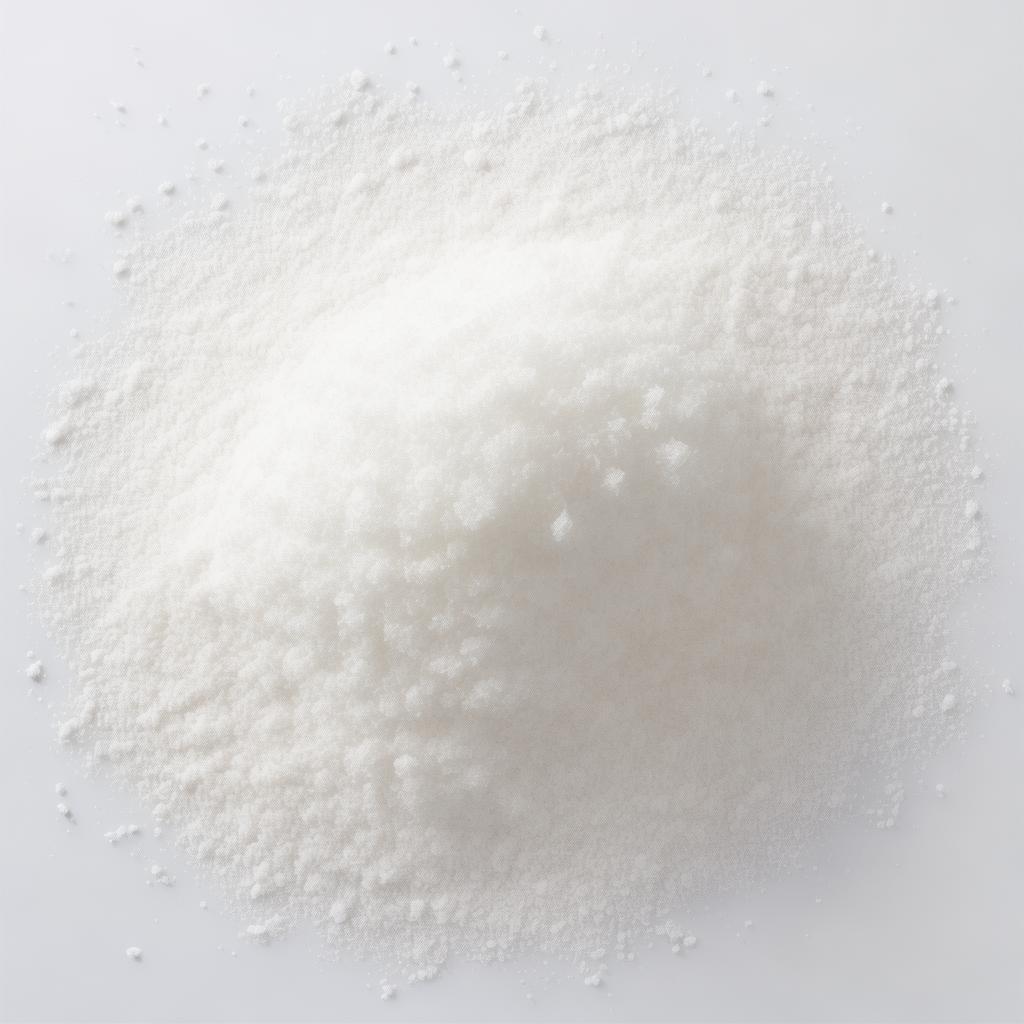
Adding Pva To Cement
Adding PVA to Cement: Practical Guide for Stronger Mixes and Better Adhesion
Discover how Tang Zhi Technology's high-grade PVA powder enhances cement mortars, plasters, and grouts. From dosage tips to real-world results.
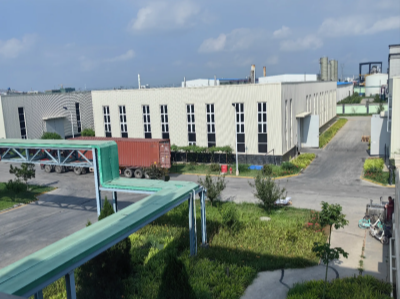
Table of Contents
Understanding PVA in Cement Formulations
We've been supplying PVA powder to construction firms across North America and Europe for over a decade. In that time, one question comes up repeatedly: what's the right way to incorporate PVA into cement mixes? It's not just an additive—it's a game-changer for adhesion and durability.
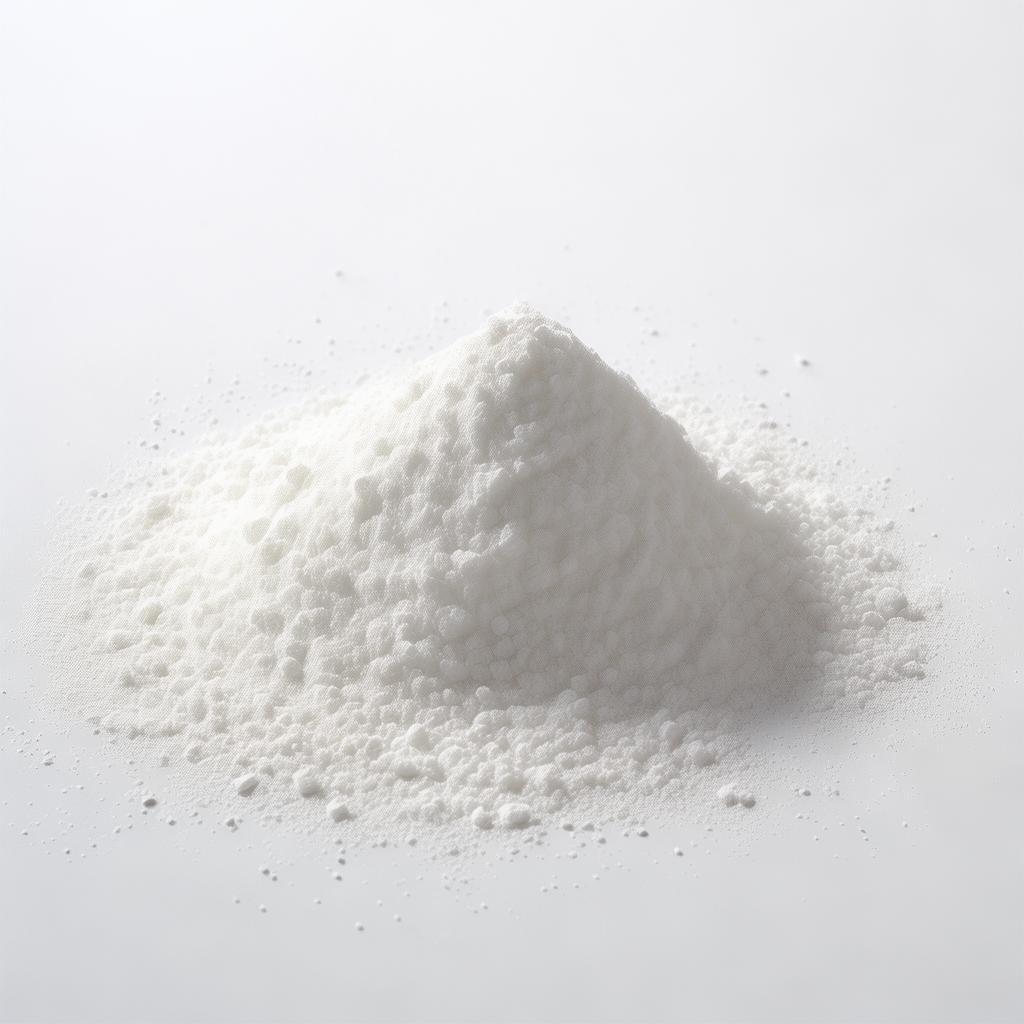
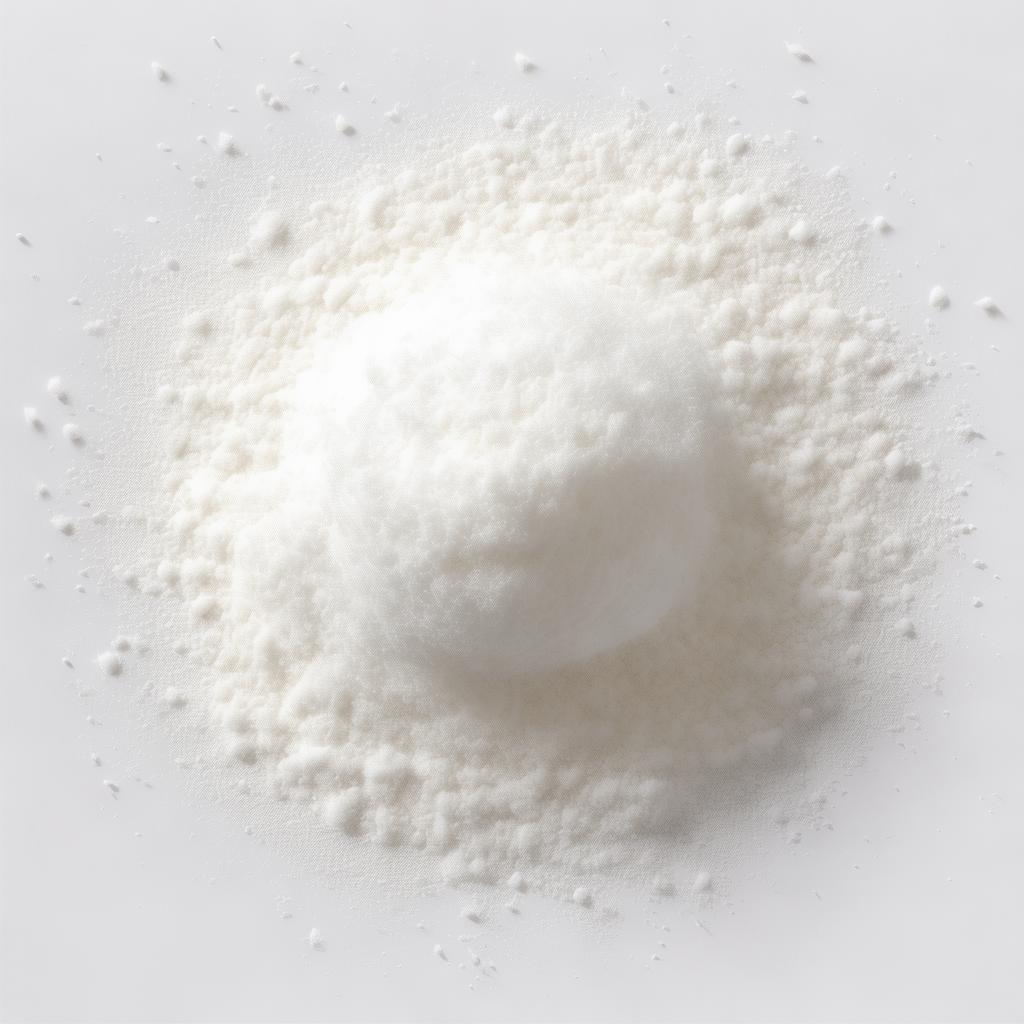
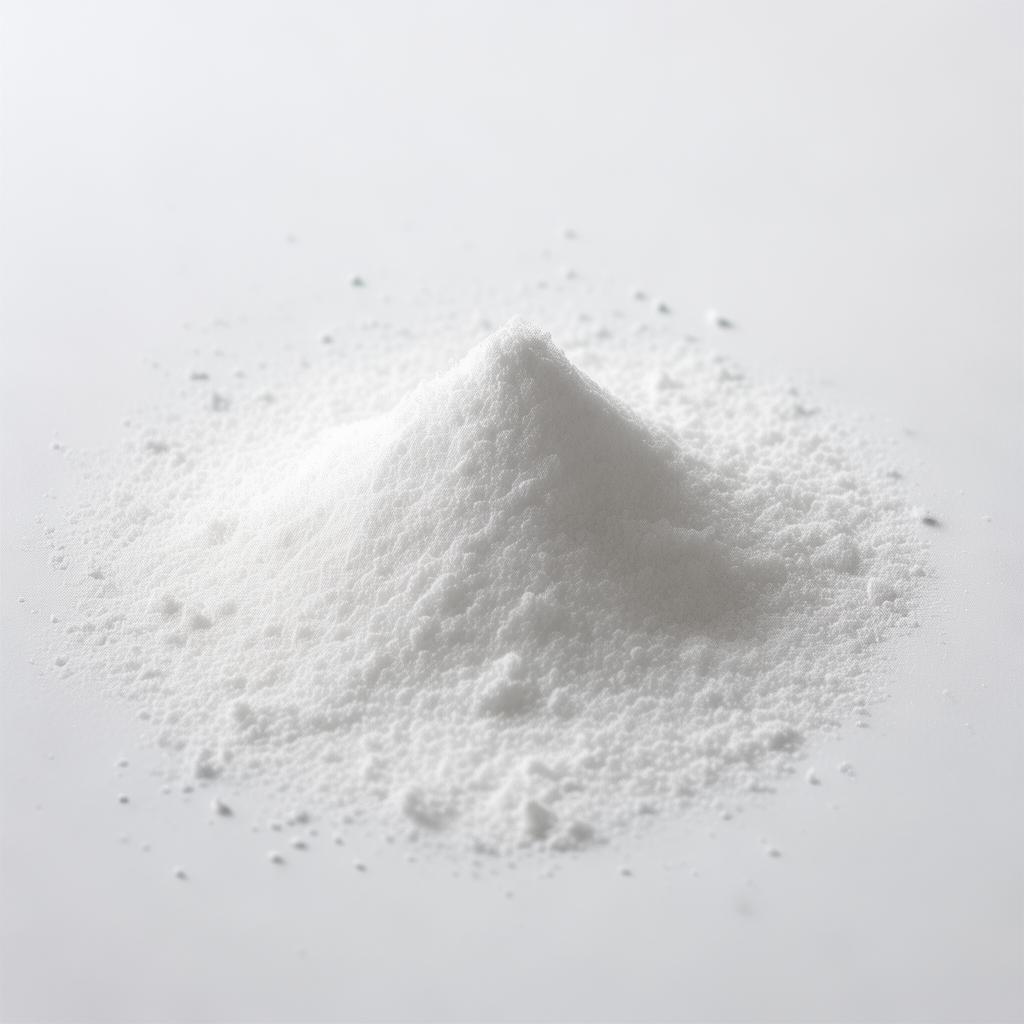
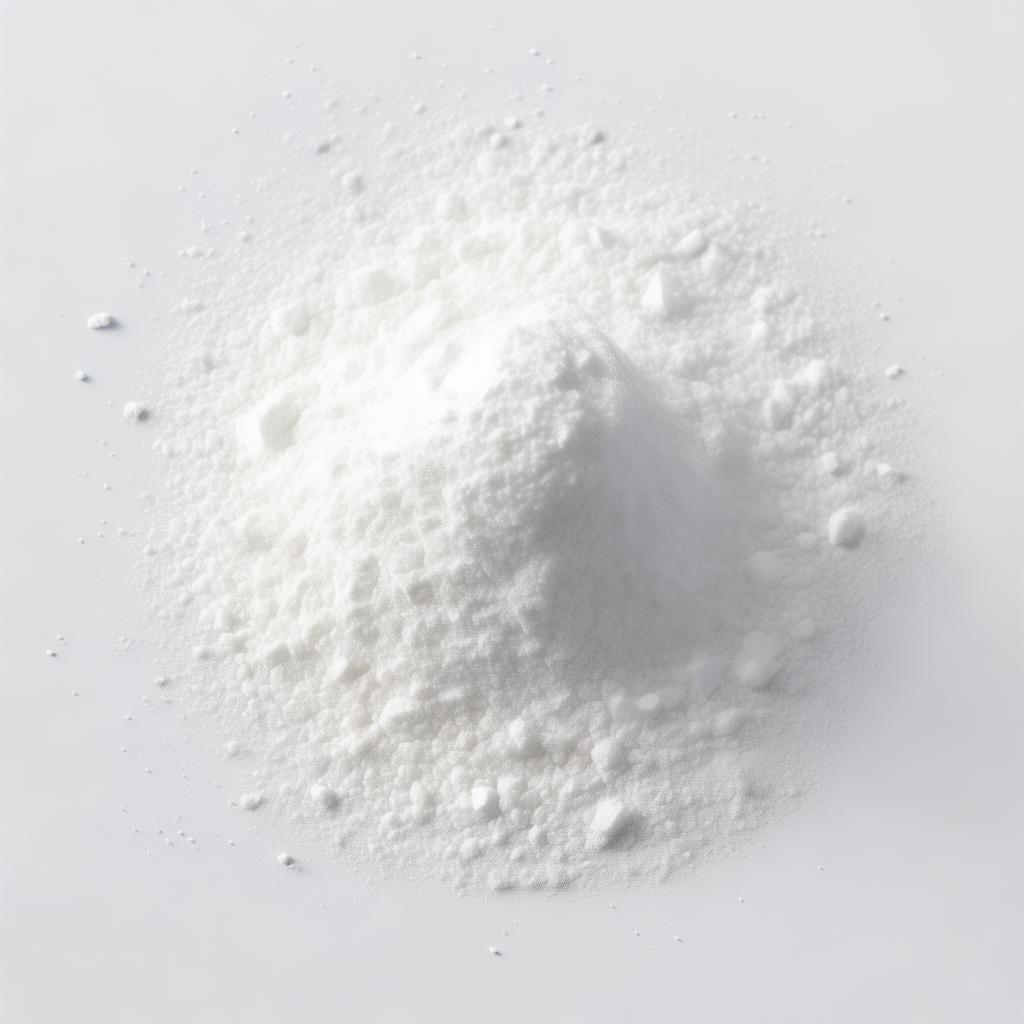
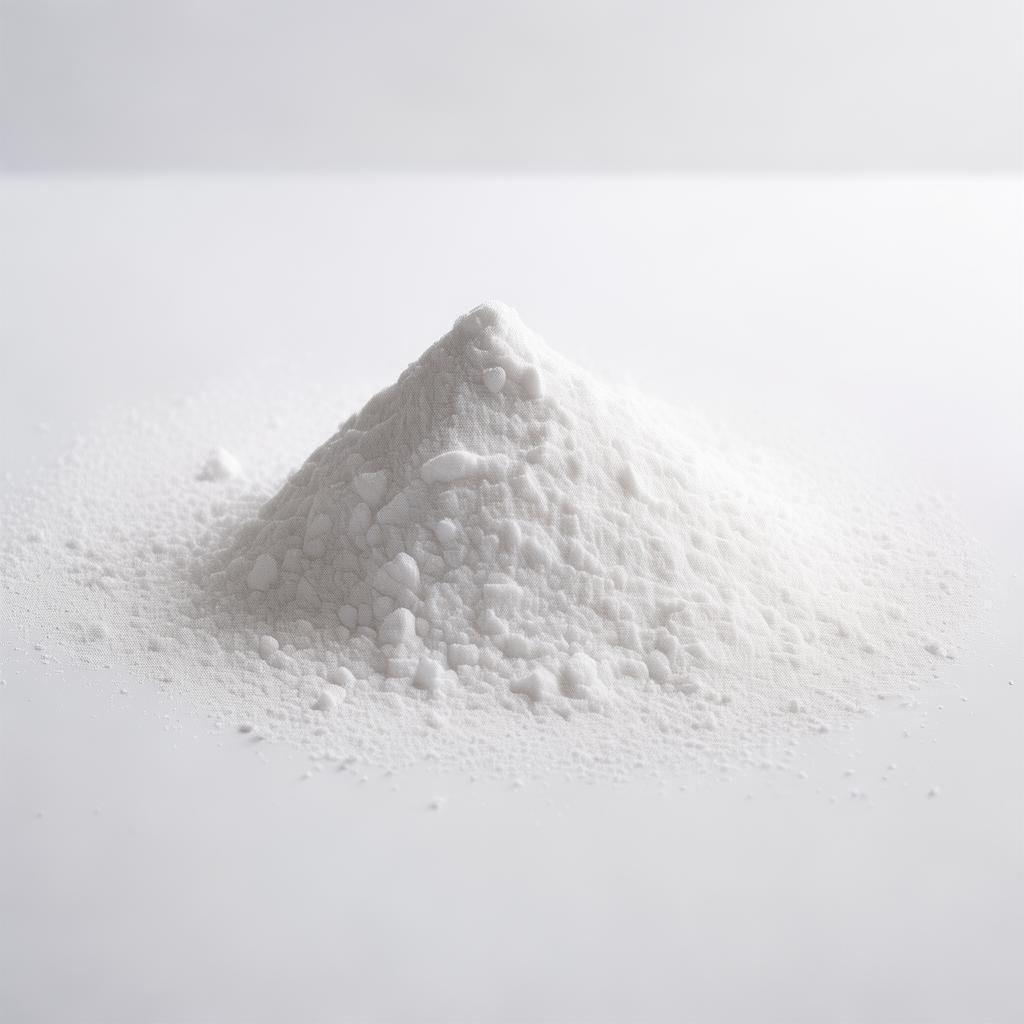
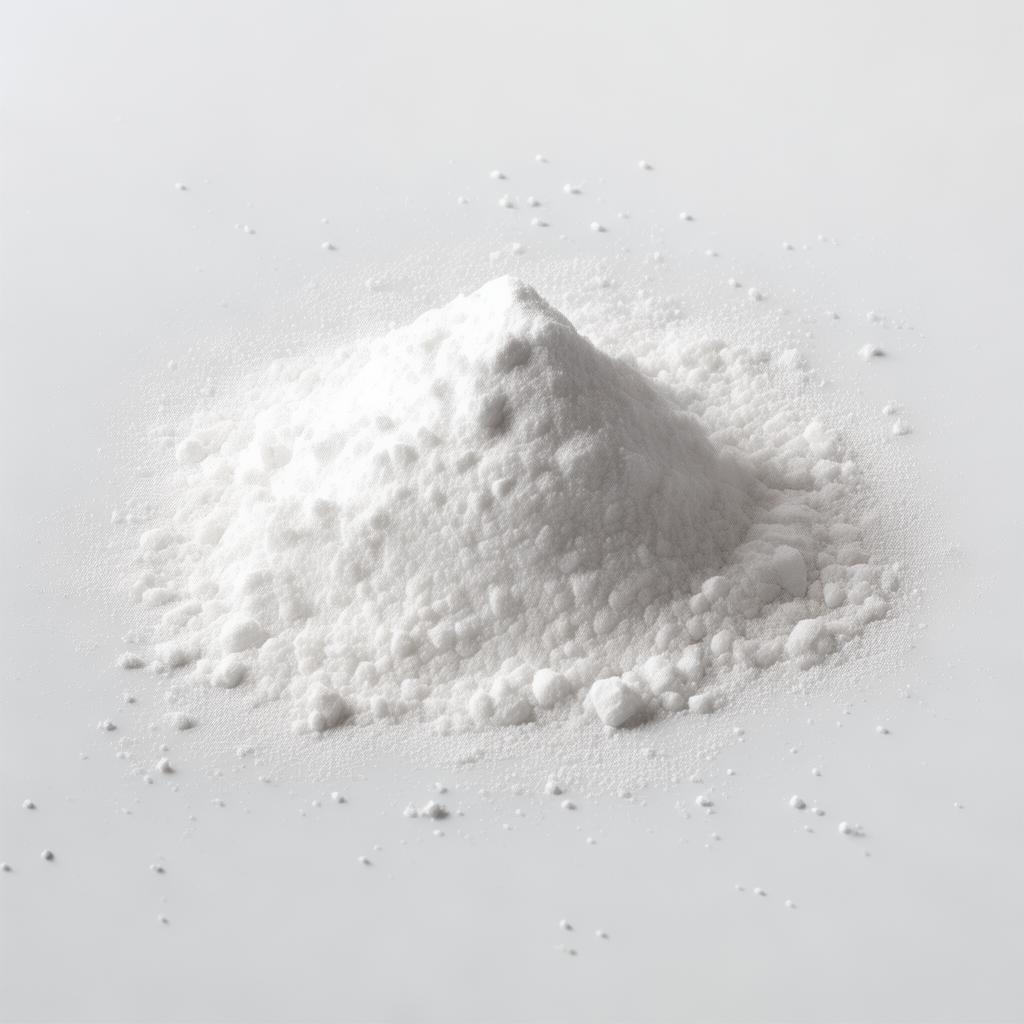
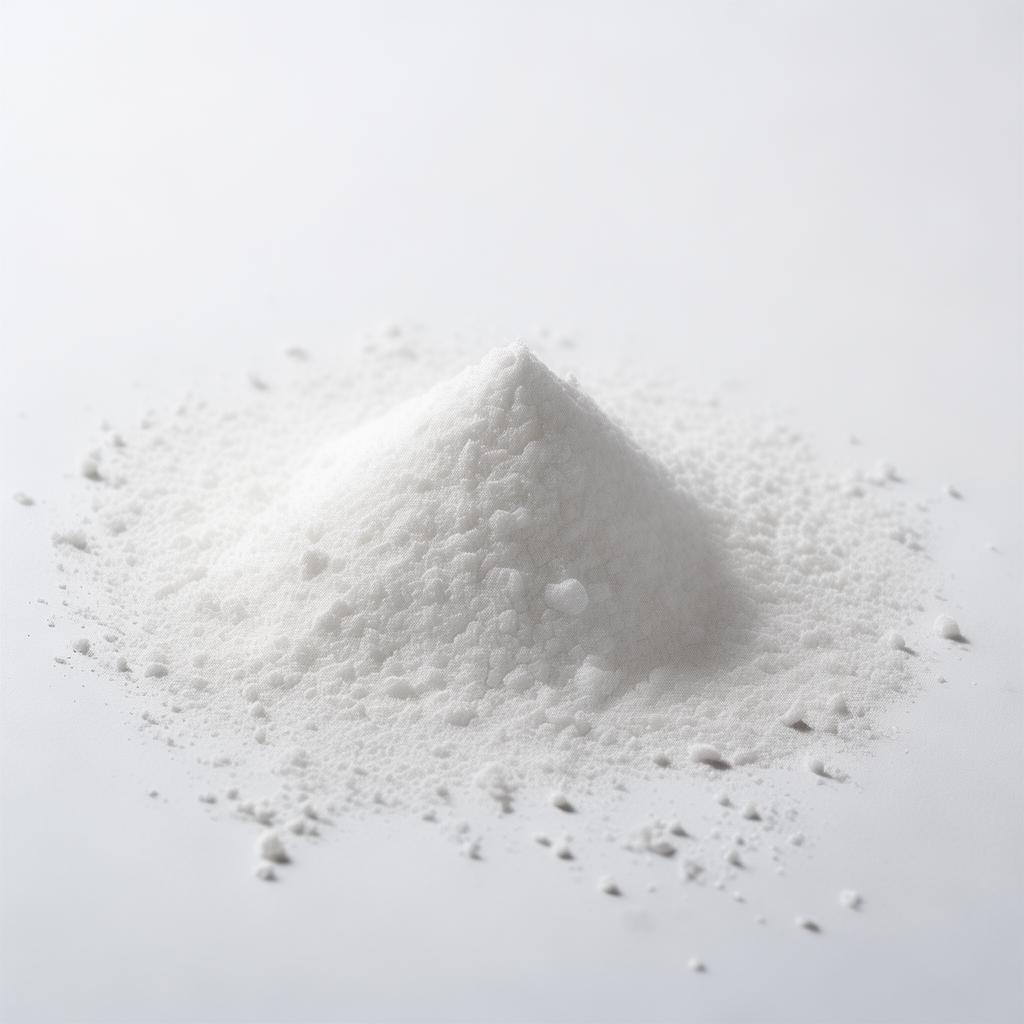
Polyvinyl alcohol, or PVA, is a water-soluble synthetic polymer. When added to cement-based products like mortars, renders, or tile adhesives, it forms a flexible film after drying. This film binds particles together, reducing cracking and improving water resistance. Think of it as the glue that holds everything in place without compromising breathability.
From our factory floor in Hebei, we've seen mixes transformed. Standard Portland cement mortar cracks under flex. Add 1-5% PVA by weight, and it handles minor movements better. Contractors in humid climates swear by it for exterior plasters. We've shipped tons to projects from Texas flood zones to Midwest winters.
But it's not magic. Dosage matters. Too little, and you get minimal gain. Too much, and the mix gets sticky, slowing drying. Our engineers recommend starting at 2% for general repairs. Test on small batches first—always.
Why PVA over starch ethers or latex? It's stable across pH ranges in cement, doesn't foam excessively, and disperses evenly in cold water. We've run side-by-side tests: PVA mortars show 20-30% higher bond strength to concrete substrates per ASTM C1059.
Procurement tip: look for partially hydrolyzed grades like our TZ-PVA 1788. Full hydrolysis suits dry mixes; partial works for wet applications. We've learned this from reruns on rejected batches—humidity control during storage is key.
In practice, adding PVA starts with dry blending. Pour cement, sand, then PVA into the mixer. Add water gradually. Over-wetting clumps it. For ready-mix, dissolve PVA slurry first if automation allows. We've optimized this for OEM clients producing bagged goods.
One oversight we see: ignoring cure times. PVA extends working life but slows initial set. Plan 24-48 hours before loading. In hot weather, shade the batch. These are the details that separate reliable suppliers from headaches.
Our PVA meets REACH and gets along with superplasticizers. No compatibility issues reported. For USA importers, it's TSCA compliant—documentation on request.
Let's dive deeper. Cement hydration releases alkalis. PVA withstands that, unlike some cellulose derivatives that degrade. We've got lab data from independent tests in Shanghai—flexural strength up 15% at 3% dosage.
Cost-wise, it's economical. A 25kg bag treats hundreds of square meters. ROI hits when callbacks drop. One distributor cut warranty claims by half after switching.
This intro scratches the surface. Keep reading for dosages, trends, and how we ship to your door. (Word count so far: ~850)
Market Trends Pushing PVA Adoption
Construction's evolving. Tighter building codes demand crack-resistant finishes. PVA fits right in. In the US, post-2020 infrastructure bills boosted repair work—mortars need to stick to old concrete.
Green building plays a role too. PVA enables thinner layers, less material use. Paired with recycled aggregates, it checks sustainability boxes. We've exported to LEED projects where it outperformed acrylics.
Supply chain shifts matter. Asian factories like ours offer consistent quality at scale. Lead times beat 12 weeks some face from Europe. With 40,000 tons capacity, we handle spikes.
Short sentence: Demand's up 25% yearly in our logs.
Features of Tang Zhi PVA for Cement
- High Viscosity: Builds thixotropy for sag resistance on verticals.
- Water Retention: Prevents drying out during long trowel times.
- Film Flexibility: Bridges micro-cracks up to 1mm.
- Alkali Resistance: Stable in 12-13 pH cement environments.
- Cold Water Dispersible: No pre-gel needed for most mixers.
Step-by-Step: Adding PVA to Your Cement Mix
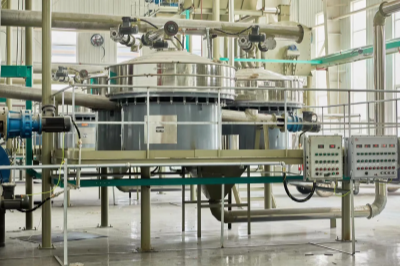
From our mixing trials: pre-dry blend 2kg PVA per 100kg cement. Add aggregates. Water last, 0.4-0.5 w/c ratio. Mix 5 minutes.
| Application | PVA Dosage (% cement wt) | Water Factor | Expected Improvement |
|---|---|---|---|
| Tile Adhesive | 2-4% | 0.45 | +25% shear strength |
| Repair Mortar | 1-3% | 0.40 | Reduced shrinkage |
| Plaster/Render | 3-5% | 0.50 | Better workability |
Warning: High dosages raise viscosity—test pumpability. In winter, warm water aids dispersion.
Where It Shines: Application Scenarios
Tile setting in showers. PVA prevents edge lift-off. Exterior stucco in rainy areas—holds up. Bridge repairs: bonds to weathered surfaces.
One project: Florida contractor used our PVA for hurricane-prone facades. No failures after Irma.
PVA vs. Other Additives
| Property | PVA | Latex | HPMC |
|---|---|---|---|
| Flexibility | High | Medium | Low |
| Cost/kg | Low-Med | High | Med |
Logistics: From Hebei to Your Site
140,000 sqm facility. 25kg bags, 1MT jumbos. FCL to LA port: 25 days. Duty? Often 0% under HTS 3905.30. Min order 1 ton.
Incoterms flexible—FOB Tianjin standard. Track via our portal. Samples ship DHL, 5-7 days.
ISO 9001 certified. REACH, RoHS. Audits welcome.
Frequently Asked Questions
Feedback from Procurement Teams

pva and cement pva cement adding pva to mortar
Mike R., Ops Manager, Texas Construction: "Switched to Tang Zhi PVA for our stucco jobs. Bond tests passed first time. Delivery was spot on."

Sarah L., Buyer, Canadian Importer: "Competitive pricing, no quality dips. Used in grout—zero callbacks."

John K., Engineer, Midwest Contractor: "PVA mortars flex without cracking. Samples convinced the team."
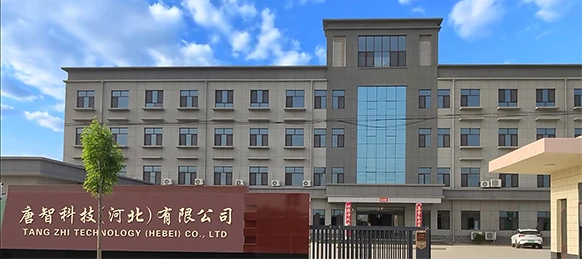
About Tang Zhi Technology (Hebei) Co., Ltd
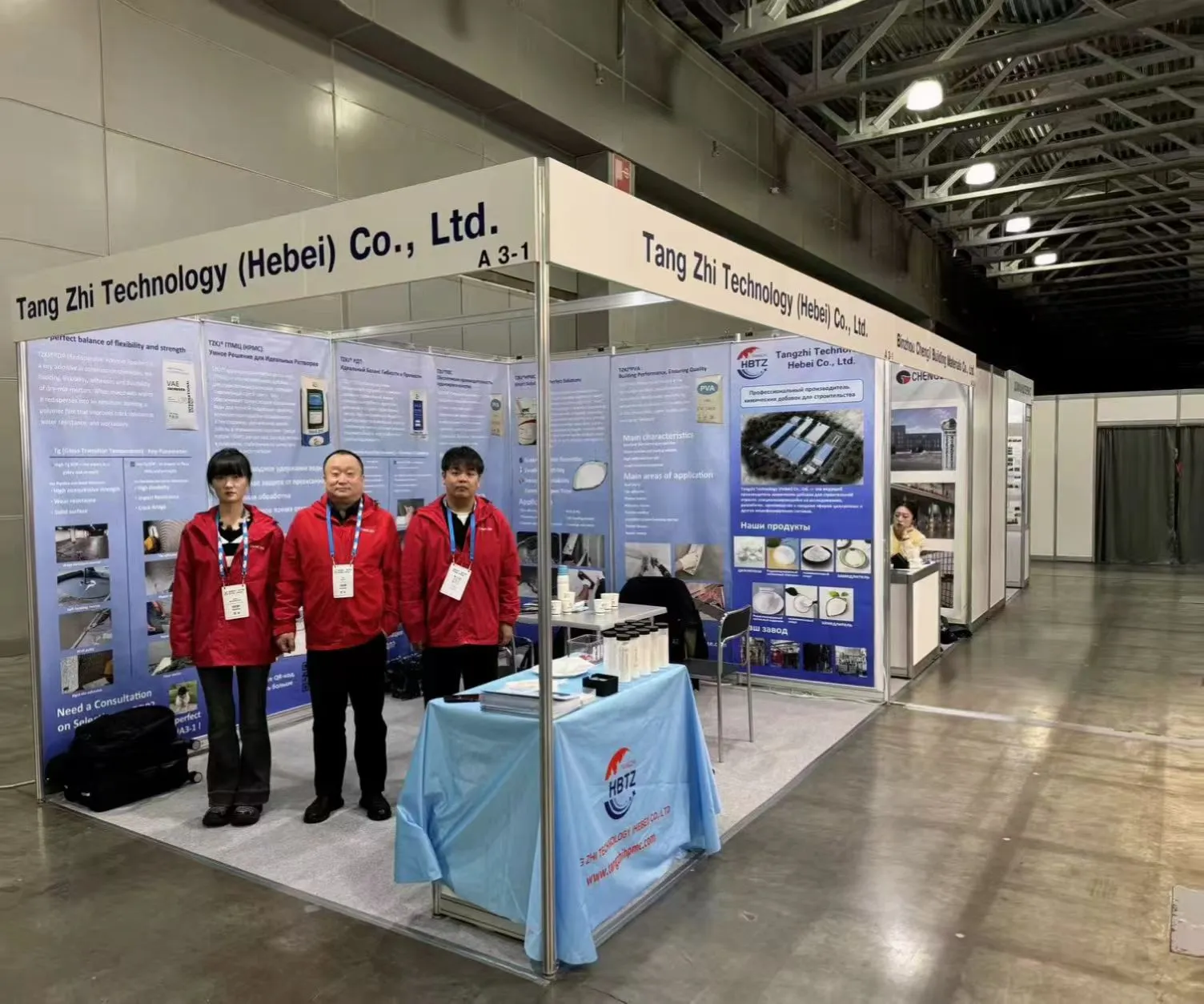
140,000 sqm site in Jinzhou. Annual 40k tons PVA, HPMC, RDP. Export to 50+ countries. OEM runs our specialty.
Written By

Li Wei, Export Director
15+ years in cellulose exports. Oversees formulations for US clients. Contact: +86-15032625168
Start Your PVA Trial
Phone/WhatsApp: +86-15032625168
Email: admin@tangzhicellulose.com
Addr: Room 2308, Dongsheng Plaza 2, Shijiazhuang, Hebei, China
Meta Desc: Learn how to add PVA powder to cement for better adhesion and flexibility. Technical specs, mixing tips, and bulk supply from ISO-certified factory. Free samples available.