Adding Pva To Mortar
Adding PVA to Mortar: Practical Guide for Contractors and Builders
Boost workability, adhesion and durability without the guesswork. Sourced from proven industrial-grade PVA—direct from our Hebei factory.
Why Mortar Needs PVA: The Technical Side
I've been in construction materials export for over 12 years, shipping PVA across to US projects. Mortar mixes without additives often crack under freeze-thaw cycles or settle unevenly on substrates. PVA—polyvinyl alcohol—steps in as a polymer binder that modifies the cement matrix at a molecular level.
Picture this: straight Portland cement mortar has high shrinkage as it cures. Add 0.5-2% PVA by cement weight, and you get polyvinyl alcohol chains bridging particles. This cuts water loss, improves cohesion. Not magic—it's chemistry we've dialed in at our Jinzhou factory with automated reactors ensuring 99% hydrolysis consistency.
Early jobs I consulted on in Texas used plain mortar for block walls. Hairline cracks showed up in six months. Switched to PVA-doped mixes? Walls held through two harsh winters. That's the operational edge. Our PVA grades, like TZ-1788 or TZ-2499, hit viscosities from 5-50 cps, tailored for mortar rheology.
Standards-wise, it aligns with ASTM C270 for masonry mortars, boosting Type N or S performance. No need for excessive sand tweaking either—PVA lets you run leaner ratios without slump loss.
Where Adding PVA Shines in the Field
US contractors hit me up for block laying, tile underlayments, and repair mortars. One common: exterior brickwork. PVA at 1% cement weight resists efflorescence by sealing pores, keeps color stable.
- Thin-Set Mortars: Tile installers cut failures by extending open time to 30+ minutes.
- Render Plasters: Skim coats stay flexible, no spider cracks on drywall transitions.
- Grouts: Joint fillers flex with slabs, handle pedestrian traffic.
- Repair Work: Patching concrete slabs—bonds old to new without debonding.
Overseas projects in Florida report 20-30% less rework on humid jobs. Logistics tip: our 25kg bags stack 26 per pallet, palletized for 20' containers at 18MT net.
How to Add PVA to Mortar: Field-Tested Steps
Dosage starts low. For standard masonry, 0.3-0.5% PVA solids by cement mass. High-flex needs? Push to 1.5-2%. Test small batches first—mix rheology varies by sand grading.
- Dissolve PVA in clean water: 1 part powder to 20-30 parts water, 30-40°C. Stir 30 mins till clear. Cool before use.
- Pre-wet aggregates if dusty. Dump cement, sand into mixer.
- Add PVA solution slow while paddling. Target slump like pancake batter—not soupy.
- Rest 5 mins, remix. Use within 2 hours.
Winter pours: PVA aids early strength, hits 5MPa in 3 days vs. 3MPa plain. Hot weather? Retains moisture longer, slows set.
Benefits Breakdown & Spec Table
Core wins: adhesion jumps 50-100% on smooth surfaces. Flexural strength up 2-3x. Water retention holds 85% vs. 60% base mortar. Crack resistance? Field crews see fewer callbacks.
| Property | Plain Mortar | +1% PVA Mortar |
|---|---|---|
| Adhesion (MPa) | 0.8-1.2 | 1.8-2.5 |
| Flex Strength (MPa) | 4-6 | 10-15 |
| Water Retention (%) | 60 | 85 |
| Shrinkage (%) | 0.15 | 0.06 |
adding pva to cement pva in mortar pva for concrete
Our TZ-PVA series: ISO 9001 certified, REACH compliant. Viscosity options match your mix—low for pumpable, high for trowelable.
Sourcing PVA for Mortar: What Importers Watch For
Procurement directors grill me on consistency. Cheap PVA clumps or foams. Factory-direct avoids that—our 40,000MT/year lines run 24/7, batch-tested.
Risks: long lead times kill projects. We ship FOB Tianjin in 7-14 days. MOQ flexible: 1MT trials ok. Compare to domestic US? 20-40% savings, same specs.
- Check hydrolysis degree: 88% for mortar sweet spot.
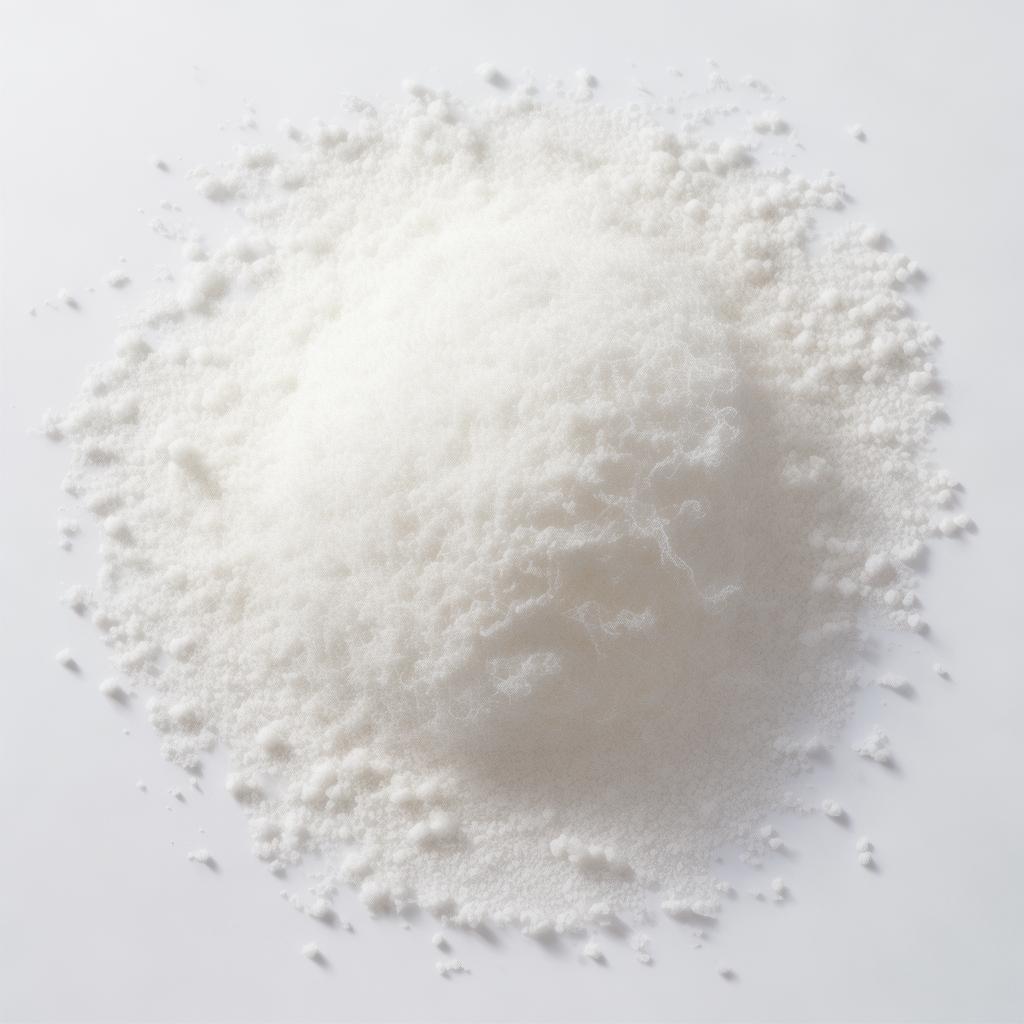
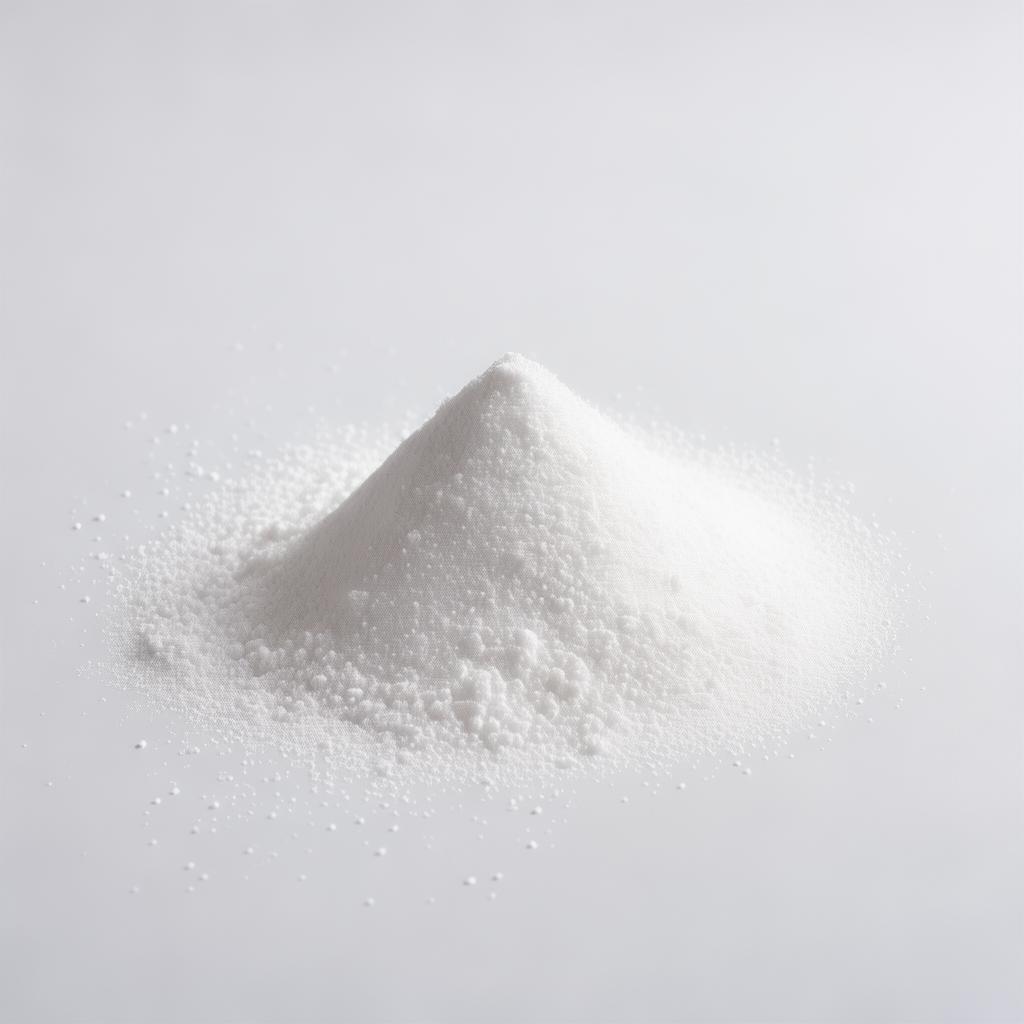
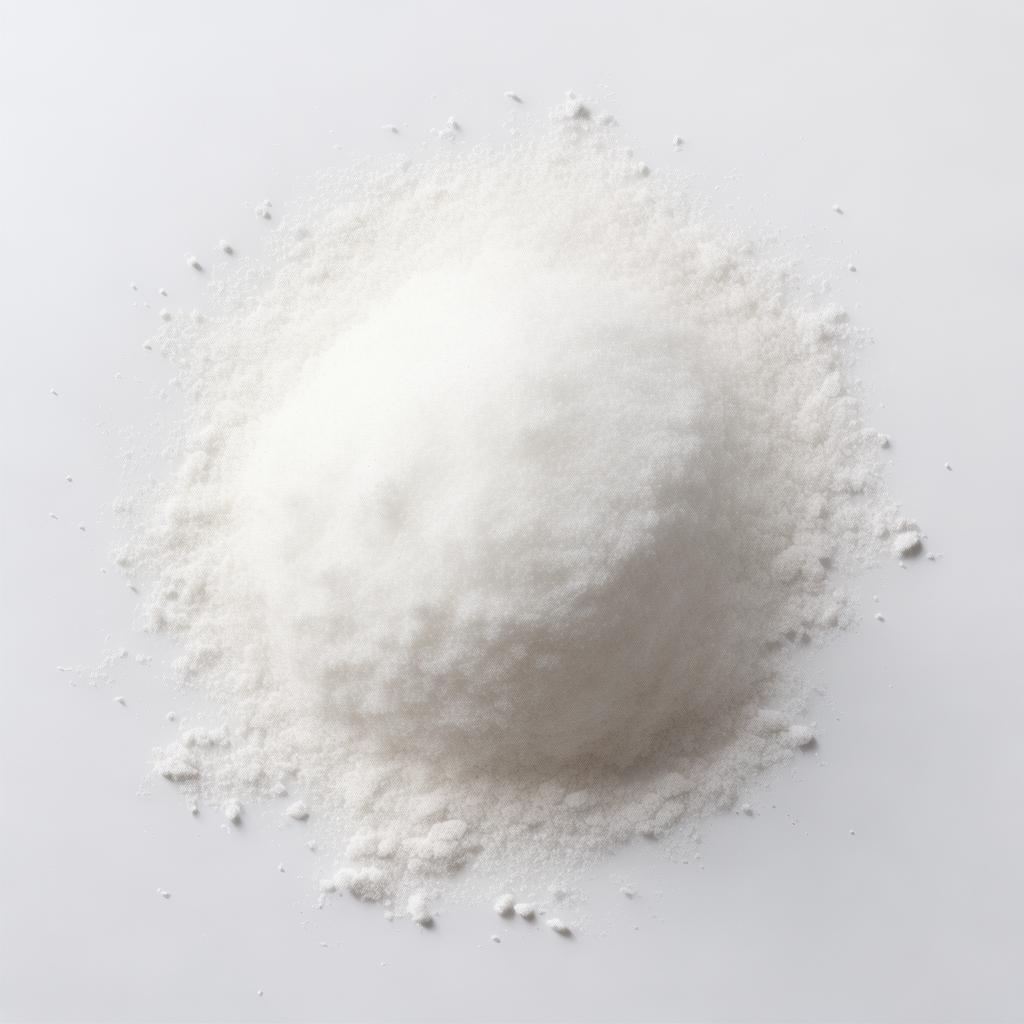
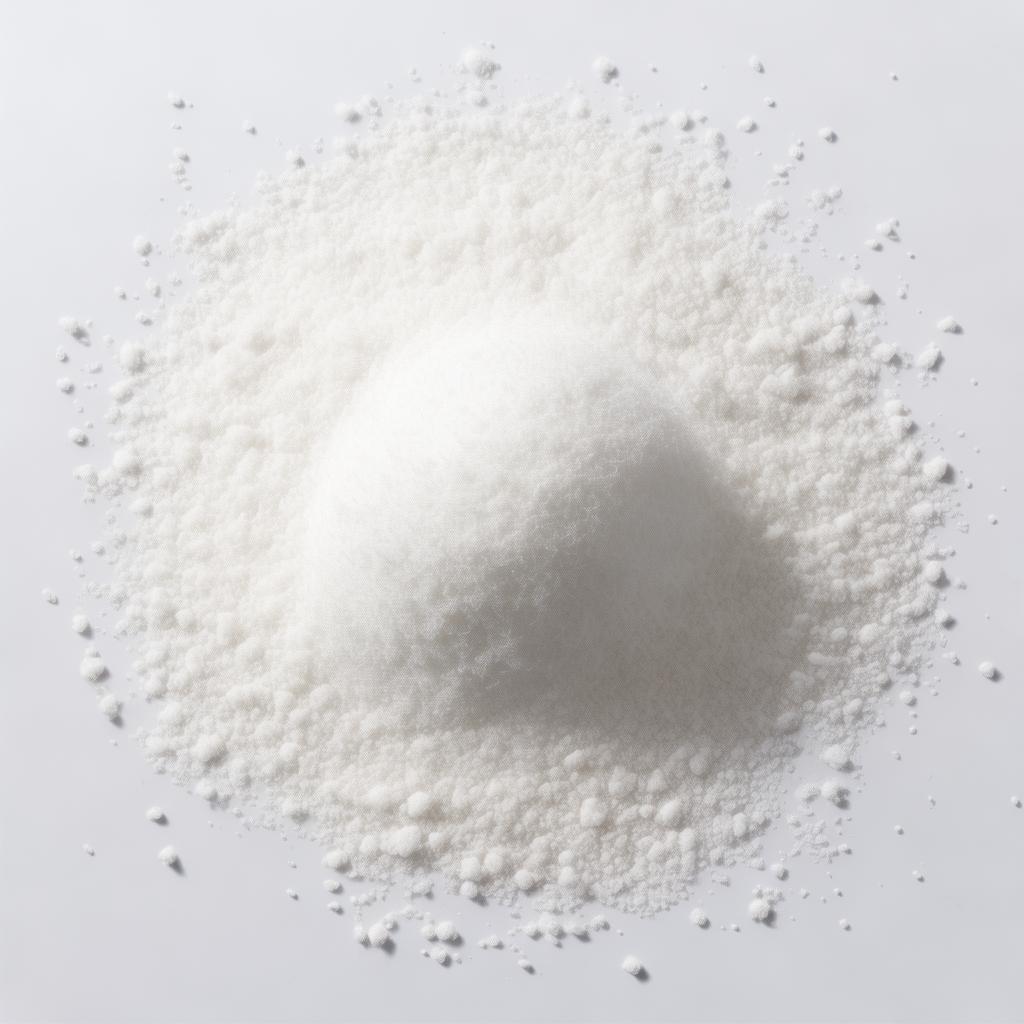
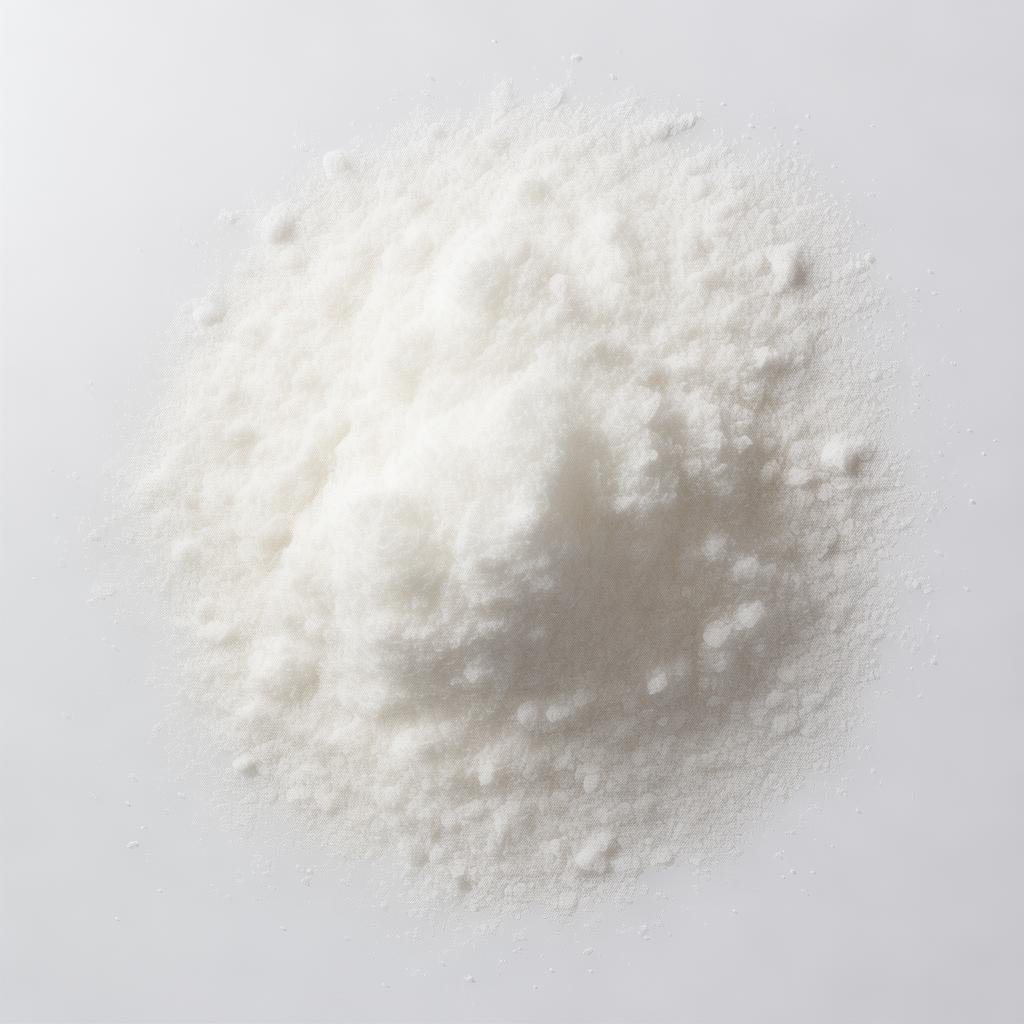
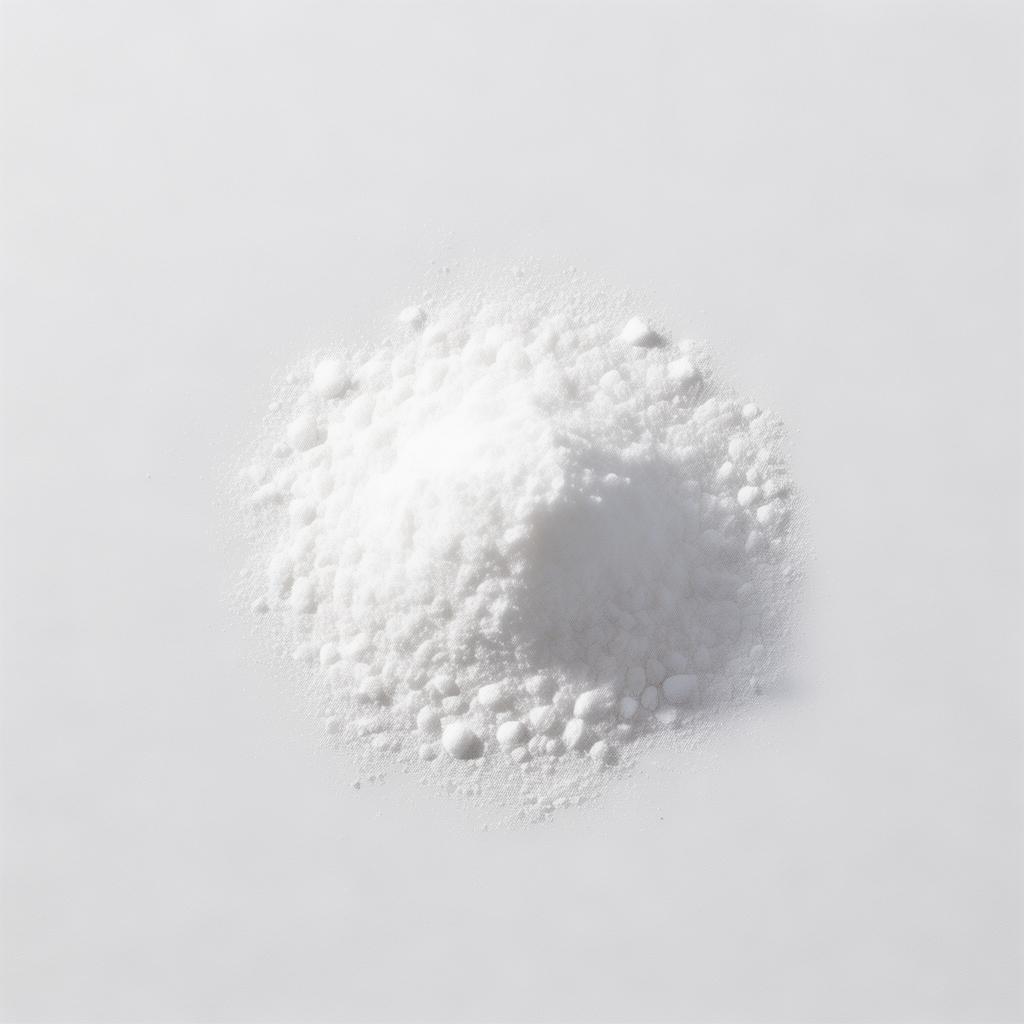
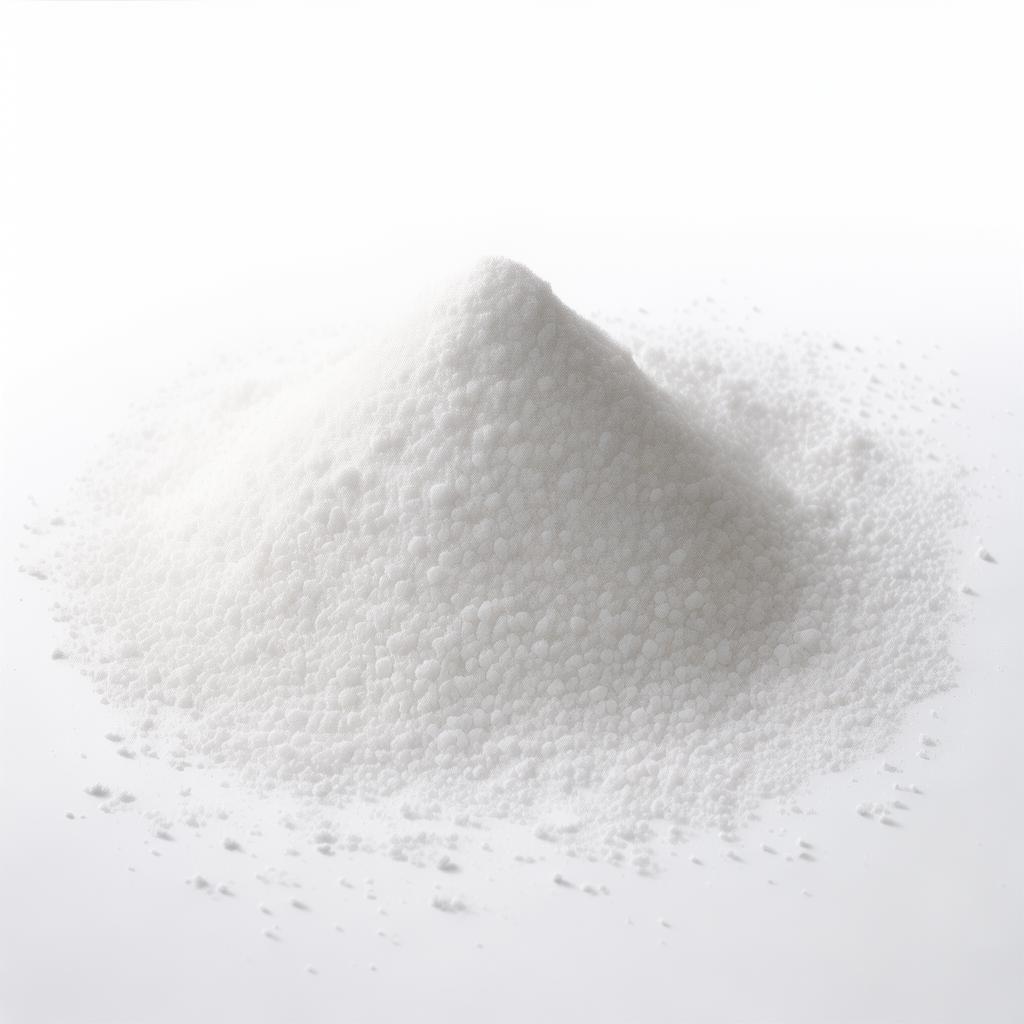
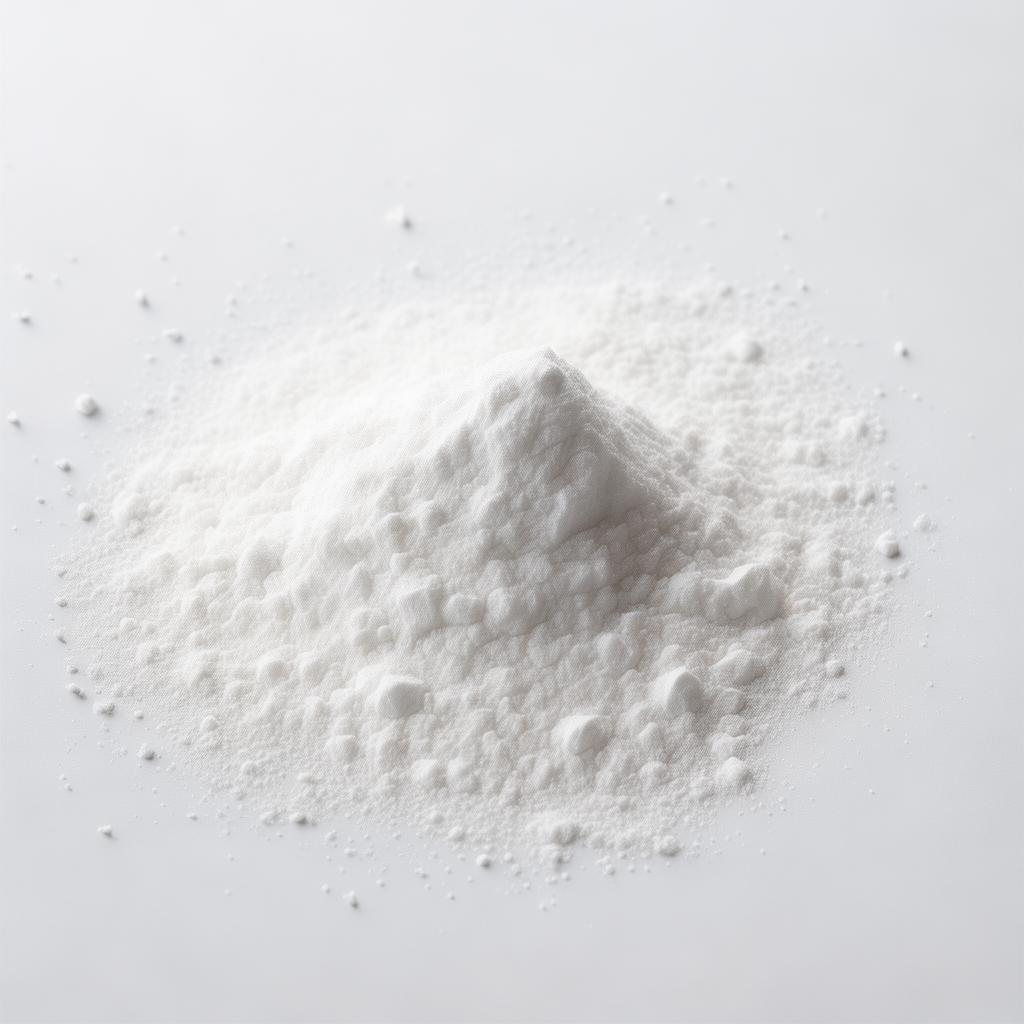
- Ask for ash content <1.5%, pure white powder.
- Verify solubility: full in 30 mins, no residue.
- Logistics: 20FCL 18MT, pallet-shrinkwrapped.
OEM labeling? We handle. Custom blends with HPMC or RDP for premix factories.
Feedback from US and Global Buyers
John Reyes, Procurement Manager, Texas Masonry Co.
"Swapped to Tang Zhi PVA last season. Mortar holds on block better, less waste. Shipped quick, no customs hassle. Solid for repeat orders."
Sarah Kim, Operations Dir., Florida Tile Distributors
"Dosage spot-on for thinsets. Cut tile pops from 5% to under 1%. Engineer chat helped tweak for our sand. Pricing beats locals."
Mike Patel, Project Engineer, Midwest Constructors
"Used for repair grout on bridges. Flex held through tests. 1MT trial was perfect—no overcommit. Recommend for heavy-duty."
Carlos Mendoza, Supply Chain Lead, Cali Builders
"PVA dissolved clean, mix smoothed out. Winter jobs cured faster. Container arrived intact. Good partner for volume."
Common Questions on PVA in Mortar
What's the ideal PVA ratio for brick mortar?
0.5-1% by cement weight. Start low, test on-site.
Does PVA mortar work in wet climates?
Yes—improves waterproofing. Many Florida crews rely on it.
How long does PVA last in storage?
2+ years sealed. Keep dry, away from direct sun.
Compatible with other additives?
Blends well with HPMC for thicker body or RDP for extra flex.
Shipping to USA—duties?
Typically 3-6% on polymer additives. We provide HS codes: 3905.30.
Tang Zhi Technology (Hebei) Co., Ltd
Room 2308, Dongsheng Plaza 2, No. 508 Zhongshan East Road, Chang’an District, Shijiazhuang, Hebei, China
Phone/WhatsApp: +86-15032625168 | Email: admin@tangzhicellulose.com
140,000㎡ factory | 40,000MT/year | ISO 9001 | Exports to 50+ countries