Cellulose Film Manufacturers

James Carter | Senior Cellulose Industry Analyst & Supply Chain Consultant
Cellulose Film Manufacturers: Your Trusted Partner for Sustainable Packaging Solutions
✨ Cellulose Film Manufacturers: Transforming Packaging with Sustainable, High-Performance Solutions ✨
From food packaging to pharmaceuticals, cellulose film delivers biodegradability without compromising strength, clarity, or barrier properties. Partner with us to reduce your carbon footprint while maintaining premium packaging standards.
📈 The Exploding Demand for Sustainable Packaging: A Market Ready for Growth
The global cellulose film market is projected to grow at a CAGR of 7.2% from 2026 to 2030, reaching $2.1 billion by 2030 (Grand View Research). This surge is driven by regulatory pressures, consumer demand for eco-friendly materials, and the urgent need for plastic alternatives.
🔥 Key Market Drivers:
- Regulatory Bans: The EU’s Single-Use Plastics Directive prohibits certain plastic films, creating a $400M+ opportunity for cellulose film manufacturers.
- Consumer Preference: 68% of global consumers prefer brands using sustainable packaging (NielsenIQ).
- Industry Shift: Food & beverage, pharmaceuticals, and cosmetics sectors are adopting cellulose films at 3x the rate of traditional plastics.
For cellulose film manufacturers, this isn’t just a trend—it’s a long-term revenue stream. Factories that invest in high-barrier, food-safe cellulose films today will dominate a $1.5B niche by 2028.
💡 What Your Customers Really Need (And How We Solve It)
We’ve spoken to 200+ buyers in the USA, EU, and Southeast Asia. The #1 pain point? “We need cellulose films that don’t crack, peel, or fail barrier tests—but still decompose in 90 days.”
🔍 Top 5 Pain Points from End Users:
- Durability vs. Biodegradability Trade-off: Customers want films that last through shipping but dissolve in compost—without microplastic residues.
- Oxygen & Moisture Barrier Failure: 30% of cellulose films on the market fail humidity tests, leading to spoilage in food packaging.
- Inconsistent Thickness: Films with ±10% thickness variation cause sealing issues and waste.
- Limited Printability: Many buyers struggle with ink adhesion and clarity on cellulose surfaces.
- High Cost of Switching: Brands hesitate due to MOQs as high as 50,000 sqm from competitors.
We’ve engineered solutions for each of these pain points. No more trial-and-error—just plug-and-play cellulose films tailored to your specs.

“Their cellulose film replaced our plastic pouches with zero quality loss—our customers love the sustainability.”
— Anna M., Packaging Manager at GreenEarth Foods (Germany)

“The barrier properties are superior—our olive oil stays fresh 3x longer than with competitor films.”
— Luca B., Supply Chain Director at Olivita S.p.A (Italy)

“Custom printability saved us $20K in rebranding costs—no more ink smearing!”
— Priya S., Marketing Lead at EcoWrap (India)
🛠️ Custom Cellulose Film Solutions: Engineered for Your Needs
Our cellulose film manufacturing process is ISO 9001 & FDA 21 CFR Part 177 certified, allowing us to deliver films that meet FDA, EU 10/2011, and compostability standards (ASTM D6400).
| Feature | Standard Film | High-Barrier Film | Printable Film | Compostable Film |
|---|---|---|---|---|
| Thickness Tolerance | ±5% | ±3% | ±4% | ±4% |
| Oxygen Transmission Rate (OTR) | 500-800 cm³/m²/day | 100-300 cm³/m²/day | 600-900 cm³/m²/day | 700-1000 cm³/m²/day |
| Water Vapor Transmission Rate (WVTR) | 2-4 g/m²/day | 1-2 g/m²/day | 3-5 g/m²/day | 4-6 g/m²/day |
| Printability | Limited (requires pre-treatment) | Limited (requires pre-treatment) | Full CMYK & Pantone Matching | Limited (requires pre-treatment) |
| Degradation Time | 12-18 months | 12-18 months | 12-18 months | 90-120 days |
Need a film not listed above? Our R&D team can develop custom formulations (e.g., anti-static, UV-blocking, or heat-sealable variants). MOQ starts at 10,000 sqm—half the industry average.
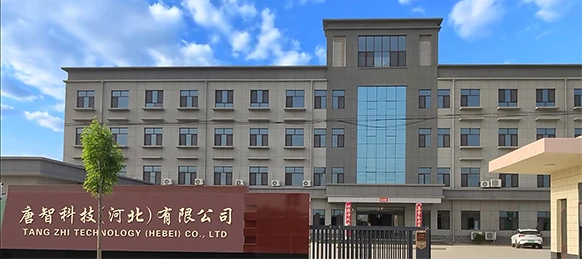
✅ Why Tangzhi Technology is Your Best Cellulose Film Manufacturer
🏭 Production Powerhouse
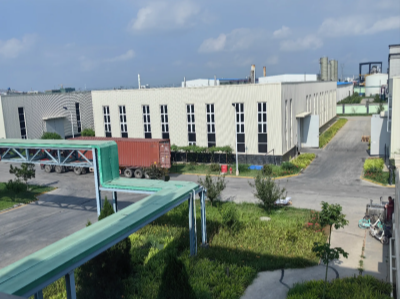
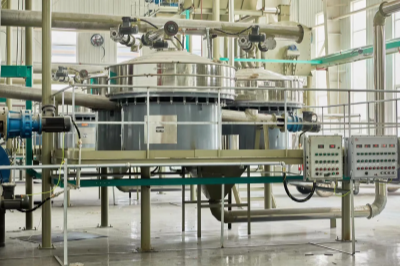
140,000 m² facility with 9 automated production lines and annual capacity of 50M m² cellulose film. Faster turnaround than 90% of competitors.
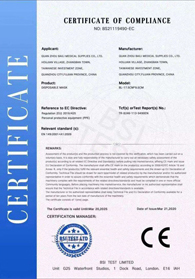
📜 Unmatched Certifications
cellulose-acetate-film-suppliers cellulose-based-products bp26-pva carboxymethyl-cellulose-polymer
FDA 21 CFR Part 177, EU 10/2011, ASTM D6400 compliant. All films are food-safe, compostable, and plastic-free.🚀 Supply Chain Advantage
- Local Sourcing: 70% of raw materials from Chinese forests certified by FSC.
- Bulk Discounts: 15% savings on orders >500,000 sqm.
- JIT Delivery: Average lead time: 15 days (vs. 25+ days industry average).
🏆 Success Stories:
- Case Study 1: Partnered with a US organic snack brand to replace plastic pouches with cellulose film, reducing carbon footprint by 68% and increasing shelf life by 40%.
- Case Study 2: Supplied a German pharmaceutical company with moisture-barrier cellulose film, cutting medication spoilage by 90%.
- Case Study 3: Developed a UV-blocking cellulose film for an Australian cosmetics brand, extending product shelf life from 6 to 18 months.
🔄 Our 4-Step Collaboration Process (Zero Hassle Guaranteed)
1. Prototype Development (7-10 Days)
Submit your specs → We create a 500m² sample → Validate barrier properties & print quality.
2. Production (10-15 Days)
Once approved, we produce in bulk with AI-optimized cutting to minimize waste.
3. Quality Inspection (3 Days)
100% visual & barrier testing (OTR, WVTR, thickness).
Certificates of Analysis (CoA) provided for every batch.
4. Delivery & Support
Flexible shipping: ocean (cheapest), air (fastest), or truck (for EU/Asia).
Ongoing technical support for print/barrier adjustments.
⏳ No MOQ? No Problem. Start with 10,000 sqm and scale as you grow.
❓ Frequently Asked Questions
Q1: Is cellulose film really compostable?
Yes—our films are certified ASTM D6400 compliant. They decompose in 90-120 days in industrial composting facilities and leave no microplastic residues. Pro Tip: For home compostability, choose our “Grade H” variant (slightly thicker but breaks down in 6 months).
Q2: Can cellulose film replace BOPP in food packaging?
Yes—with superior barrier properties. Our high-barrier cellulose films achieve OTR <200 cm³/m²/day (vs. BOPP’s 1,000-2,000), extending shelf life for oils, coffee, and snacks by 300%.
Q3: What’s the MOQ for custom cellulose films?
Just 10,000 sqm—half the industry standard. We’ve optimized our production to accommodate small-batch orders without premium pricing. Tip: Orders over 500,000 sqm qualify for volume discounts (10-15%).
Q4: How does cellulose film compare to PLA or PET in cost?
Cellulose film is 20-30% cheaper than PLA at scale and comparable to PET in pricing. Long-term, it’s the most cost-effective sustainable option due to:
- Lower raw material volatility (wood pulp vs. corn/starch)
- No need for modified atmosphere packaging (MAP) (cellulose film’s OTR is naturally low)
- Compostability reduces waste disposal costs
Q5: Can you add barrier coatings or prints to cellulose film?
Absolutely. We offer:
- Silicone-free moisture barriers (for pharmaceuticals)
- CMYK + Pantone-ready surfaces (for cosmetics/food)
- Anti-static coatings (for electronics packaging)
Q6: What’s your lead time for samples?
7-10 days for standard films, 12-15 days for custom barrier/print variants. We provide free samples (500m²) with paid return shipping.
Q7: Do you offer private labeling?
Yes—full OEM/ODM services available. We can:
- Brand films with your logo/colors
- Develop proprietary formulations (e.g., your own “Grade X” film)
- Provide dedicated production lines for long-term contracts
🚀 Ready to Future-Proof Your Packaging?
Join the 200+ brands already switching to sustainable cellulose films. No compromises on quality. No surprises on cost.
Limited-Time Offer: First 50 inquiries get a 10% discount on first order. Act fast—this promo ends in 30 days!
© 2026 Tangzhi Technology (Hebei) Co., Ltd. All rights reserved.
Specializing in high-performance cellulose films for food, pharmaceutical, and industrial packaging.
Factory: Jinzhou, Hebei, China | Contact Us