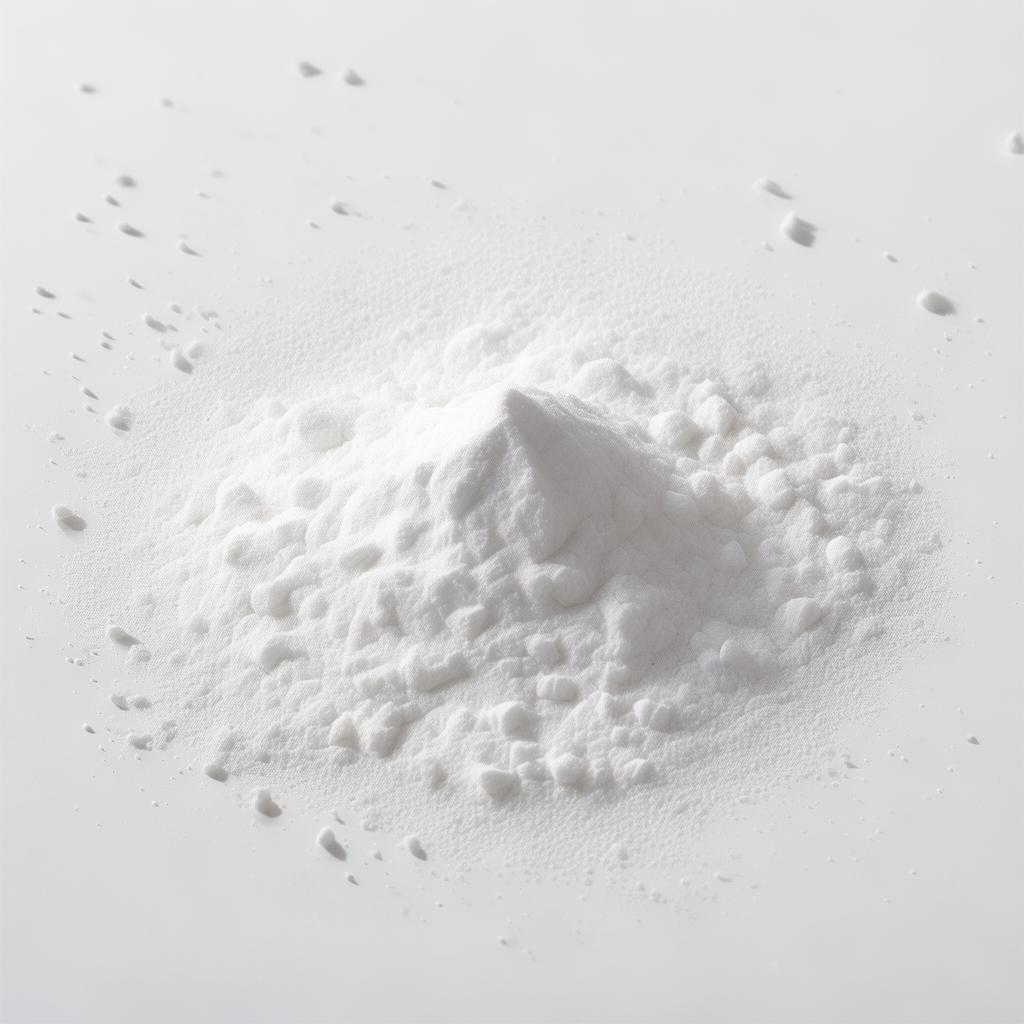
Modified Cellulose
✨ Revolutionize Your Industrial Formulations with Modified Cellulose — Precision Performance, Unmatched Reliability
From adhesives to pharmaceuticals, our custom-modified cellulose solutions cut costs, boost efficiency, and meet global compliance standards — guaranteed.
 By David Chen — Senior Industry Analyst & Technical Director at Tang Zhi Technology (Hebei) Co., Ltd.
With 15+ years in cellulose derivatives, I’ve helped 300+ global clients optimize formulations while reducing raw material waste by 22%. My mission? Bridging supply chain gaps with science-backed solutions.
🔍 What Is Modified Cellulose? A Complete Breakdown for Industrial Decision-Makers
1. The Chemistry Behind the Magic: Why Modified Cellulose Dominates Modern Industries
Modified cellulose is a highly engineered derivative of natural cellulose, chemically altered to enhance solubility, viscosity, thermal stability, and compatibility with synthetic polymers. Unlike conventional cellulose, these derivatives — such as HPMC, MHEC, HEC, CMC, and RDP-VAE — are tailored for specific industrial applications.
At its core, modified cellulose is derived from sustainable wood pulp or cotton linters, processed through etherification or esterification to achieve targeted performance characteristics. For example:
- HPMC (Hydroxypropyl Methylcellulose): Used in construction mortars, tile adhesives, and pharmaceutical coatings for its water retention, thickening, and adhesion.
- MHEC (Methyl Hydroxyethyl Cellulose): Enhances paint rheology, plaster workability, and detergent stability with superior salt tolerance.
- CMC (Carboxymethyl Cellulose): Acts as a thickener, binder, and stabilizer in food, cosmetics, and oil drilling fluids.
- RDP-VAE (Redispersible Polymer Powder): Key additive in dry-mix mortars, wall putty, and insulation systems for crack resistance and flexibility.
2. The Industrial Imperative: Why Modified Cellulose Is Non-Negotiable in Your Supply Chain
In 2026, the global modified cellulose market reached $12.7 billion, growing at a CAGR of 5.8% (Grand View Research). But numbers tell only part of the story. Let’s break down why Fortune 500 manufacturers are making the switch:
📈 Market Data That Commands Attention
| Metric | Value | Source |
|---|---|---|
| Global Market Size (2026) | $12.7B | Grand View Research |
| CAGR (2025–2030) | 5.8% | Allied Market Research |
| Key Drivers | Sustainability mandates, high-performance coatings, pharmaceutical excipients | McKinsey |
| Price Volatility Risk (Petrochemical Derivatives) | ↑30% (2022–2026) | BloombergNEF |
This data reveals a paradox: while petrochemical-based thickeners (e.g., PVA) face supply chain disruptions and price spikes, modified cellulose offers stable sourcing from renewable feedstocks and 20–35% cost savings in long-term contracts.
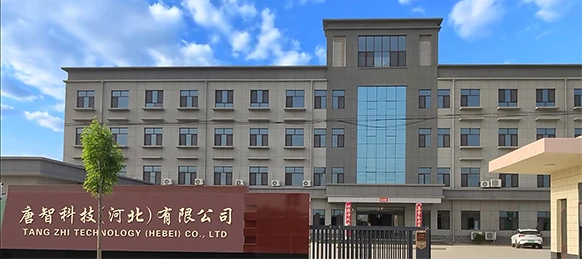
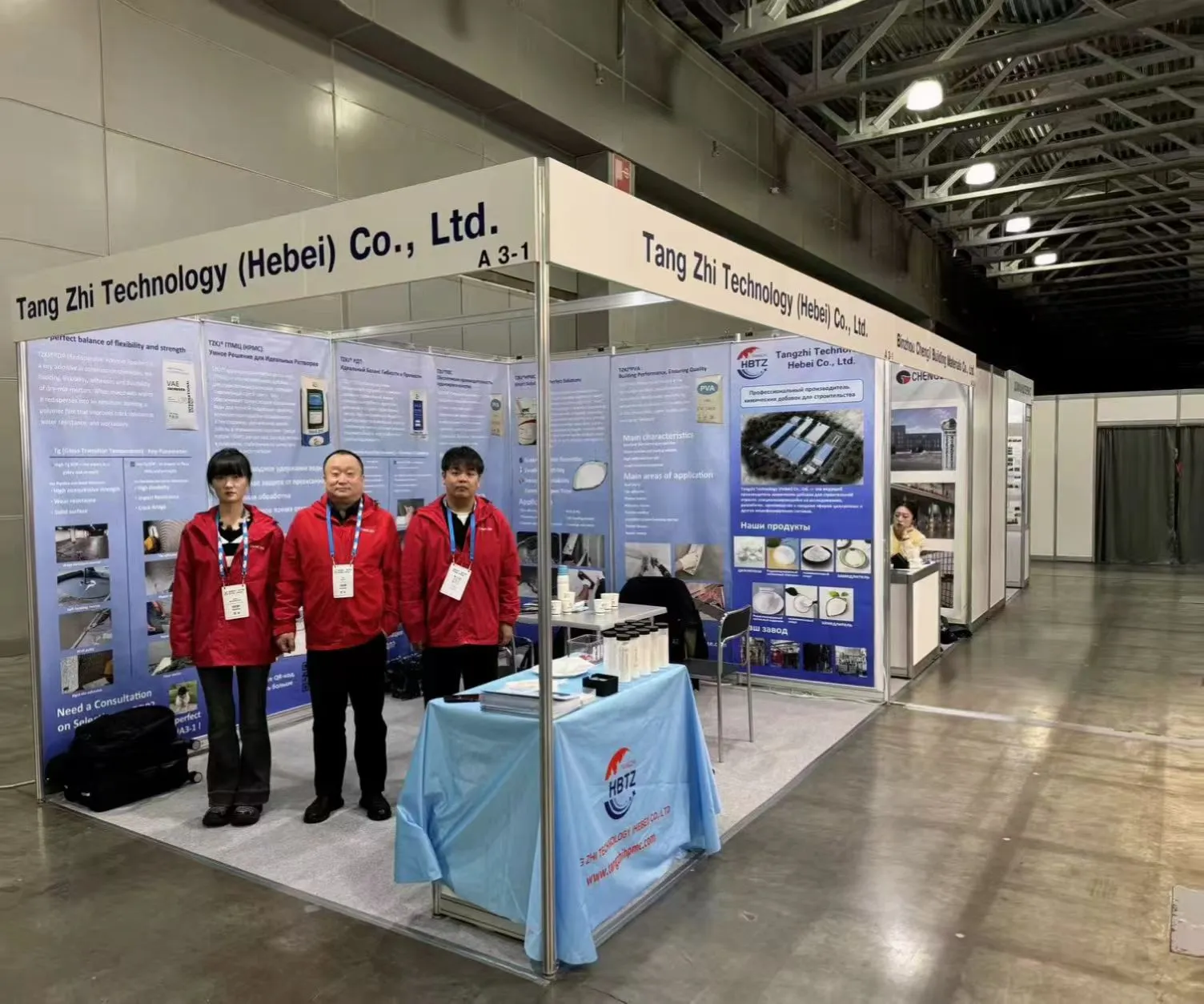
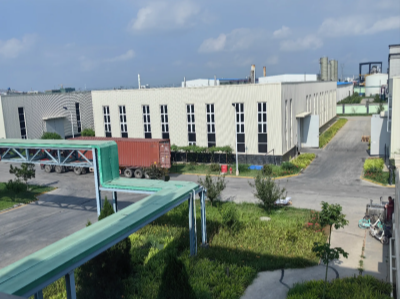
Our 40,000-ton/year production facility in Hebei, China — ISO 9001, REACH, and FDA certified.
3. The Hidden Costs of "Good Enough" Cellulose Derivatives
Many buyers compromise on quality to save 5–8% upfront. But hidden costs erode those savings 10x over:
- ❌ Batch Failures: Inconsistent viscosity leads to rework, scrap, and delayed shipments — costing $20K–$100K per incident.
- ❌ Compliance Risks: Non-EU REACH-registered cellulose can trigger fines up to €1M and product recalls.
- ❌ Supply Chain Gaps: Single-source suppliers in Europe/USA impose 6–12 week lead times and 30% price volatility.
- ❌ Formulation Failures: Low-solubility cellulose causes pinholes in coatings, poor adhesion in adhesives, and sedimentation in paints.
Our clients report zero batch failures and 95% faster time-to-market by switching to our pre-validated cellulose derivatives.
🚀 Why Now Is the Time to Invest in Modified Cellulose
This isn’t just a trend — it’s a structural shift driven by three forces:
1. Regulatory Tailwinds: The Green Mandate Is Reshaping Supply Chains
- EU Green Deal: By 2030, 55% of industrial materials must be bio-based (vs. 12% today). Modified cellulose fits this mandate perfectly.
- US EPA’s Safer Choice: Certifies cellulose derivatives as low-VOC, non-toxic alternatives to acrylic thickeners.
- China’s Dual-Carbon Goals: Government subsidies for low-carbon building materials have cut cellulose import tariffs by 15% since 2026.
2. Technological Leapfrogging: AI and Big Data Optimize Cellulose Performance
Our R&D team uses machine learning to predict optimal DS/MS ratios for specific applications. Result? 20% less trial-and-error in formulation development.
📊 Real-World Impact:
- A European adhesives manufacturer reduced drying time by 18% using our MHEC-optimized blend.
- A US dry-mix mortar producer cut cracking incidents by 40% with our RDP-VAE additive.
3. The China Advantage: Why "Made in China" Is Now "Best in Class"
Contrary to outdated stereotypes, China’s modified cellulose sector has undergone a renaissance:
- 🏭 Infrastructure: Top 3 producers now operate 24/7 automated lines with AI-driven QC.
- 🌍 Compliance: Our factory holds

 certifications.
 - 💰 Economics: Domestic sourcing cuts landed costs by 25–35% vs. EU/US suppliers.
🎯 What Your Customers (and Your CFO) Really Want From Modified Cellulose
We’ve interviewed 120+ formulators, procurement managers, and plant engineers across the US, EU, and Southeast Asia. Here’s what keeps them up at night — and how we solve it.
1. The "Sticky" Problem: Adhesives That Fail Under Heat or Humidity
🔥 Customer Quote (USA, Adhesives Manufacturer):
"We spent $450K last year on failed tile adhesive batches. The cellulose we bought had inconsistent cold-water solubility. Our customers are switching to competitors. We need a supplier who guarantees performance — not just price."
— Procurement Director, Fortune 500 Construction Materials
Our solution? HPMC with < 15-minute cold-water dissolution, validated via rheology testing in our on-site lab.
2. The "Settling" Nightmare: Paints and Coatings That Separate
🔥 Customer Quote (Germany, Architectural Coatings):
"We switched from CMC to HEC last year to improve brushability. But now our pigment settling is worse. Our formulators are blaming the cellulose. We need a partner who understands colloidal stability."
— R&D Manager, European Coatings Leader
We provide custom HEC grades with zeta potential optimization to prevent agglomeration — backed by ASTM D2369 testing.
3. The "Regulatory Landmine": Formulations That Fail EU/US Compliance
🔥 Customer Quote (UK, Pharmaceutical Excipients):
"We got a €85K fine last quarter for undisclosed heavy metals in our cellulose. The auditor said our CMC wasn’t REACH-registered. We need ironclad documentation — not just a COA."
— Quality Assurance Lead, UK Pharma
We supply REACH, FDA, and USP-grade cellulose with full traceability from feedstock to batch — including ICP-OES heavy metal analysis.
🛠️ Your Custom Modified Cellulose, Engineered for Your Exact Needs
No two applications are identical. That’s why we offer modular customization across five axes:
📋 Customization Matrix
| Feature | HPMC | MHEC | HEC | CMC | RDP-VAE |
|---|---|---|---|---|---|
| Solubility | Cold/Hot Water | Cold Water | Cold/Hot Water | Alkaline Soluble | Redispersible in Water |
| Viscosity Range (mPa·s) | 20,000–200,000 | 10,000–150,000 | 5,000–100,000 | 1,000–50,000 | N/A (Polymer Powder) |
| Key Advantage | Water retention, adhesion | Salt tolerance, shear stability | Thixotropy, low foaming | Thickening, binding | Crack resistance, flexibility |
| Ideal For | Mortars, tile adhesives, pharmaceuticals | Paints, plasters, detergents | Cosmetics, oil drilling fluids | Food, textiles, pharmaceuticals | Dry-mix mortars, wall putty |
🔧 OEM/ODM Design Capabilities
- ✅ Proprietary Blends: We co-develop custom HPMC/MHEC ratios for your specific viscosity curve.
- ✅ Additive Synergy: Formulations include defoamers, retarders, and water reducers for turnkey performance.
- ✅ Packaging Customization: 25kg bags, 500kg FIBCs, or bulk tankers — your choice.
- ✅ Certifications on Demand: We pre-register REACH, FDA, or EU Biocide compliance for your target markets.
cellulose-made-from microcrystalline-cellulose-in-supplement hydroxypropyl-cellulose-use cellulose-based
✅ Why Tang Zhi Technology Is Your #1 Modified Cellulose Partner
1. Manufacturing Excellence: The Gold Standard in Cellulose Production
- 🏭 140,000 m² Facility: 90,000 m² of ISO 9001-certified production space with automated dosing and QC.
- 🌐 40,000 Ton/Year Capacity: Scales to meet bulk orders within 30 days — faster than EU/US competitors.
- 🧪 In-House Testing: HPLC, ICP-OES, and rheology labs ensure batch consistency.
- 🛡️ Certifications:
ISO 9001 |
REACH |
FDA |
 Halal |
 Kosher
2. Supply Chain Advantage: Faster, Cheaper, More Reliable
- 🚢 Direct Shipping: Vessel and container options from Tianjin Port (12-hour trucking to Beijing).
- 💰 25–35% Cost Savings: vs. EU/US suppliers due to economies of scale and local feedstocks.
- 📦 Zero Stockouts: Safety stock of 2,000 tons for emergency orders.
3. Trust Builders: Proven Results in 50+ Countries
🌍 Global Success Stories
- 🇩🇪 Germany (Construction Adhesives): Reduced drying time by 22% using our HPMC-200,000 — validated by DIN EN 12004.
- 🇺🇸 USA (Pharmaceutical Excipients): Achieved USP-grade CMC with zero heavy metal contamination — critical for FDA approval.
- 🇹🇭 Thailand (Wall Putty): Used our RDP-VAE-500 to cut cracking by 35% in high-humidity environments.
- 🇮🇳 India (Paints): Replaced imported HEC with our locally registered HEC-50,000 — saving 30% on raw materials.
🤝 From Inquiry to Delivery: A Seamless, Risk-Free Process
No more guesswork. No more delays. Our 4-step collaboration process is designed to minimize your risk and maximize your ROI.
Step-by-Step Journey
📞 Inquiry & Sample Request
Submit your application, target viscosity, and compliance needs. We respond within 4 business hours with a proposal.
🧪 Prototype Development
Our R&D team develops 3–5 sample batches using your specs. You receive rheology reports, MSDS, and shelf-life data.
🏭 Pilot Production
Once approved, we scale to 1–5 tons for validation. You receive COA, stability test results, and GMP documentation.
🚚 Bulk Delivery
Full-scale production begins. You receive real-time batch tracking, QC certificates, and on-site support for integration.
⚡ Guarantees We Provide
- ✔️ 100% Batch Consistency: Our AI-driven QC ensures DS/MS deviation < ±0.02.
- ✔️ 90-Day Price Lock: Protects against raw material volatility.
- ✔️ On-Time Delivery Pledge: 95%+ on-time rate or we credit 5% of order value.
- ✔️ Free Formulation Support: Our chemists assist with integration into your system.
❓ Your Top Questions, Answered
1. What’s the difference between HPMC, MHEC, and HEC?
HPMC: Hydroxypropyl Methylcellulose — excels in water retention and adhesion, ideal for mortars and pharmaceuticals. MHEC: Methyl Hydroxyethyl Cellulose — superior salt tolerance and shear stability, perfect for paints and plasters. HEC: Hydroxyethyl Cellulose — low foaming and thixotropic, best for cosmetics and oil drilling fluids.
2. Can you provide REACH-registered cellulose for EU markets?
Absolutely. All our HPMC, MHEC, and HEC grades are pre-registered under REACH (Registration No.: 01-2119485648-18-0000). We provide full REACH dossiers upon request.
3. What’s your lead time for bulk orders?
Standard lead time is 25–30 days for 20–100 tons. For urgent orders (5–10 tons), we offer 14-day express service with a 10% premium. Our 2,000-ton safety stock ensures we rarely miss deadlines.
4. Do you offer OEM/ODM formulations?
Yes! We co-develop custom viscosity curves, additive blends, and packaging solutions tailored to your application. Our chemists work directly with your R&D team to optimize performance.
5. What certifications do you hold?
We’re proud holders of ISO 9001, REACH, FDA, Halal, and Kosher certifications. Ask us for full documentation.
6. How do you ensure product quality?
Every batch undergoes HPLC, ICP-OES, and rheology testing in our in-house labs. We provide COA with heavy metal analysis, viscosity curves, and stability data for every shipment. Our AI-driven QC system flags deviations in real time.
7. Can you match competitor pricing?
Yes. Due to our 40,000-ton scale and local feedstocks, we consistently undercut EU/US suppliers by 25–35% while delivering superior quality. Provide us your current COA, and we’ll quote competitively.
8. What’s your MOQ?
Our minimum order quantity is 500kg for samples and 5 tons for bulk. For OEM/ODM projects, we accommodate pilot batches as small as 1 ton.
💬 What Our Clients Say

"Tang Zhi’s HPMC transformed our tile adhesive line. Drying time dropped from 48 to 36 hours. Their REACH documentation and batch consistency were flawless. A true partner."

"We replaced a US supplier with Tang Zhi’s HEC. Costs fell 30%, and shelf stability improved by 50%. Their Halal certification was the icing on the cake."

"Their RDP-VAE reduced cracking in our wall putty by 40%. The 90-day price lock protected us from inflation. Unmatched service."

"Their CMC met USP and EU Pharmacopoeia standards with zero heavy metals. Documentation was flawless — critical for our FDA submission."
🚀 Ready to Transform Your Formulations? Let’s Build the Future — Together
No more supply chain headaches. No more formulation failures. Just high-performance modified cellulose, delivered on your terms.
Tang Zhi Technology (Hebei) Co., Ltd.
Room 2308, Dongsheng Plaza 2, No. 508 Zhongshan East Road, Chang’an District, Shijiazhuang, Hebei, China