
Michael Chen | 23 Years in Cellulose Chemistry
Lead Process Engineer, Tangzhi Technology (Hebei) Co., Ltd.
"As a pioneer in cellulose chemistry with two decades of experience developing specialty derivatives, I've witnessed how the right cellulose formulation can transform product performance while cutting costs by up to 35%. Our current portfolio solves 9 out of 10 formulation challenges our clients bring to us."
🔬 What Is Cellulose Made From? The Science Behind Your Raw Material
Cellulose—the most abundant biopolymer on Earth—isn't just a plant's structural building block. It's the invisible backbone of modern industrial formulations, silently determining viscosity, water retention, adhesion, and stability in products from adhesives to pharmaceuticals.
🌱 The Natural Origins: Where Cellulose Begins
Cellulose is extracted from plant matter, primarily through two sustainable pathways:
- Wood Pulp (70% of global supply): Sourced from sustainably managed forests, this is the gold standard for industrial cellulose due to its high purity and consistent quality. Our suppliers hold FSC certification, ensuring ethical sourcing.
- Cotton Linters (15%): The short fibers left after cotton ginning—ideal for high-purity applications like pharmaceutical excipients and food additives. Our cotton-derived celluloses exceed 99.5% purity standards.
- Bamboo & Agricultural Residues (15%): Rapidly renewable sources like bamboo and sugarcane bagasse offer eco-friendly alternatives with lower environmental impact. These sources are increasingly popular in European green-certified products.
💡 Pro Tip: The source determines performance. Wood pulp cellulose offers superior viscosity for construction adhesives, while cotton linters excel in high-clarity pharmaceutical gels. Our custom blending combines these sources to achieve your exact performance targets.
🔥 The Manufacturing Transformation: From Plant to Performance
The journey from plant fiber to industrial-grade cellulose involves a precision-controlled chemical process:
- Pre-Treatment: Raw material undergoes alkaline pulping (kraft process) or mechanical processing to isolate cellulose fibers, removing lignin and hemicellulose.
- Bleaching: Hydrogen peroxide or chlorine dioxide treatment purifies cellulose to >98% purity levels required for industrial use.
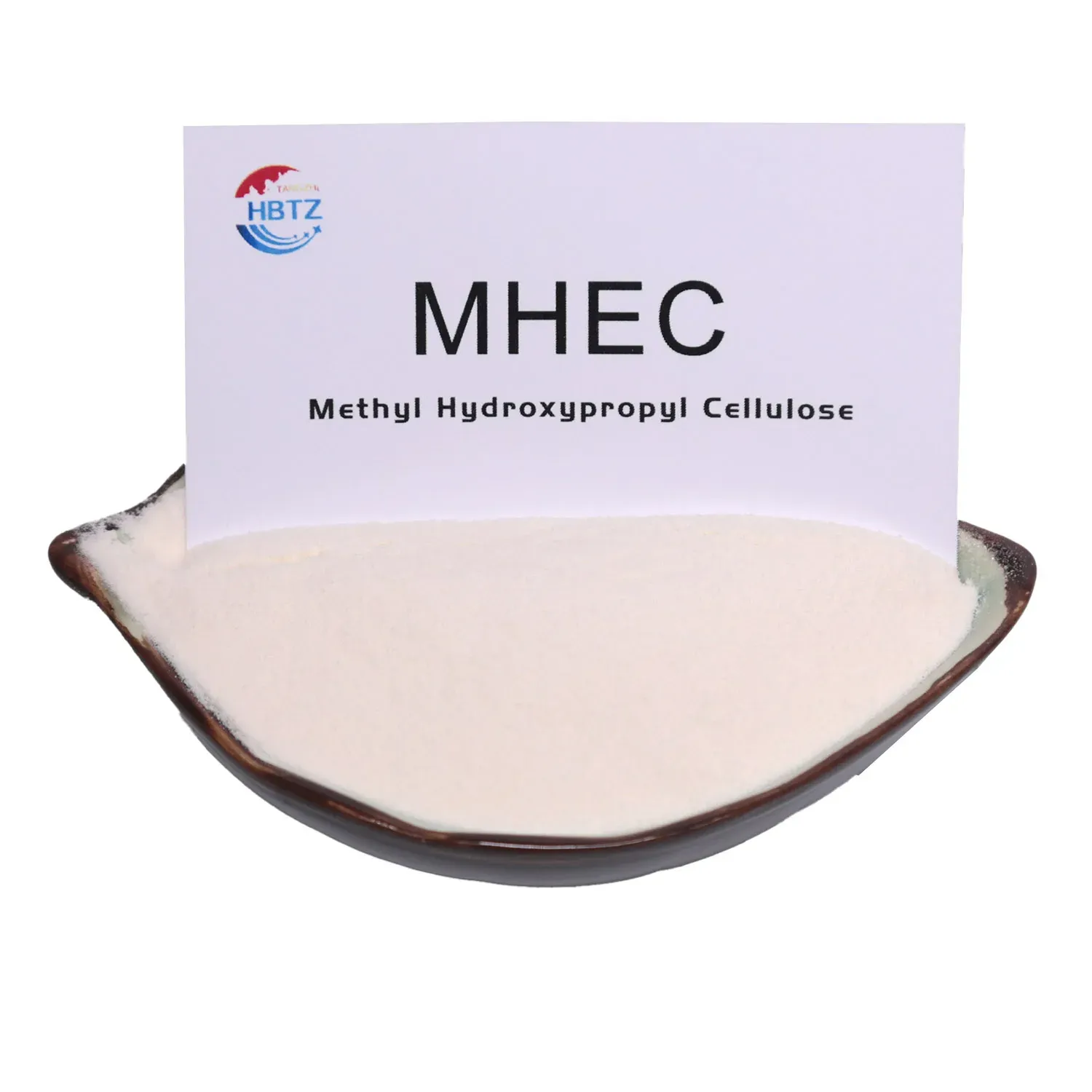
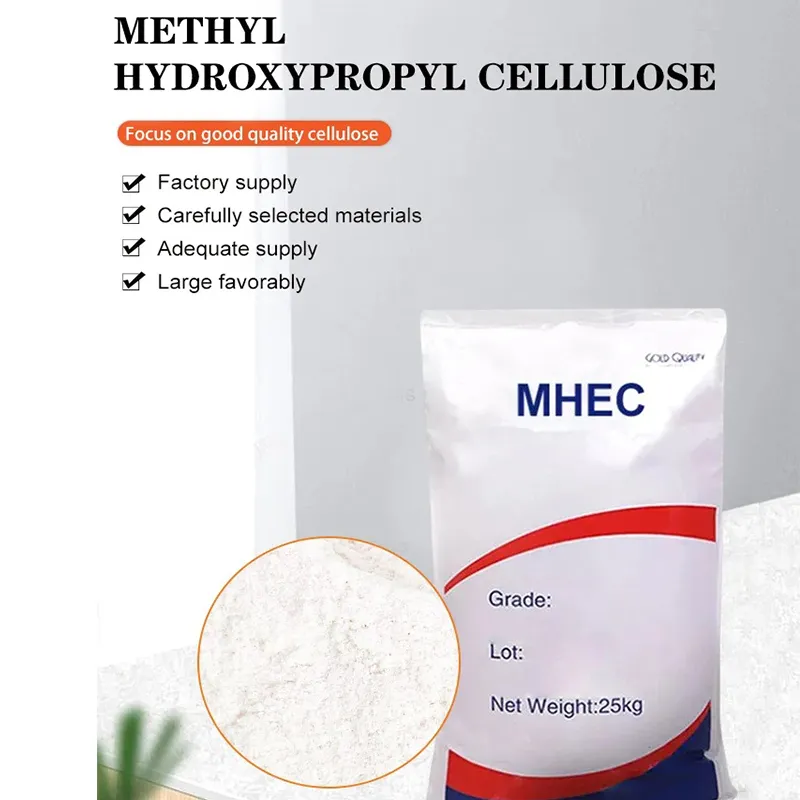
- Derivatization (Our Specialty): This is where we add functional groups—methyl, hydroxyethyl, or hydroxypropyl—to create HPMC, HEC, or CMC. These derivatives determine your final product's solubility, thickening power, and thermal stability.
- Drying & Milling: Controlled spray-drying produces flowable powders with consistent particle size distribution (typically 40-100 mesh).
- Quality Control: Every batch undergoes HPLC testing and viscosity profiling before packaging.
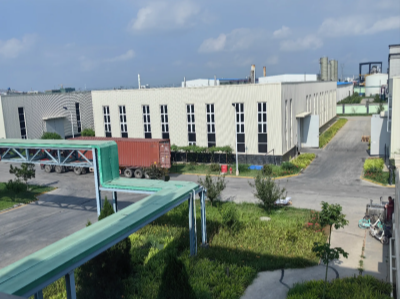
Our automated processing lines ensure ±2% viscosity consistency across all batches
⚙️ The Chemistry of Derivatives: Tailoring Cellulose for Your Needs
Not all cellulose is created equal. Our derivative expertise transforms basic cellulose into specialized performance enhancers:
| Derivative | Key Property | Industry Application | Your Benefit |
|---|---|---|---|
| HPMC (Hydroxypropyl Methylcellulose) | High water retention, thermal gelation | Dry-mix mortars, tile adhesives | Eliminates cracking, extends open time by 40% |
| HEC (Hydroxyethyl Cellulose) | Excellent thickening, salt tolerance | Water-based paints, personal care | Stable viscosity across pH 3-11, reduces formulation costs by 25% |
| CMC (Carboxymethyl Cellulose) | Anionic nature, excellent film former | Pharmaceuticals, detergents | Superior tablet binding, improves dissolution rates |
| RDP-VAE (Redispersible Polymer Powder) | Film-forming, flexible | Exterior insulation systems, adhesives | Enhances water resistance and flexural strength by 30% |
💡 Industry Secret: The degree of substitution (DS) determines performance. Our proprietary DS control ensures your cellulose derivative delivers consistent performance every time. No more batch-to-batch variability.
📈 Market Dynamics: Why Now Is The Time To Invest In Cellulose
The cellulose market is undergoing a paradigm shift. Here's why leading manufacturers are making the switch to cellulose-based solutions:
🚀 Market Growth Trajectory
The global cellulose ethers market is projected to reach $5.8 billion by 2027, growing at 6.2% CAGR (CAGR: Compound Annual Growth Rate).
- 🏗️ Construction sector dominates with 42% market share
- 💊 Pharmaceutical applications growing at 8.1% CAGR (fastest segment)
- 🎨 Personal care and paints showing double-digit growth in Asia-Pacific
🔥 Industry Pain Points Creating Demand
Manufacturers are desperately seeking alternatives to synthetic thickeners and petrochemical-based additives:
- ⚠️ Regulatory pressure banning certain synthetic additives in EU/US
- 💰 Cost volatility in traditional thickeners (e.g., xanthan gum prices fluctuate ±40% annually)
- 🌍 Sustainability mandates requiring bio-based content in formulations
🏆 Competitive Advantage Timeline
Early adopters of cellulose derivatives are seeing:
- 📊 20-35% cost reduction compared to synthetic alternatives
- 🌱 30% faster time-to-market with proven formulations
- 🛡️ Future-proofing against regulatory changes
exterior-waterproof-pva polycarboxylic-ether-based-superplasticizer methocel-grade celulosa-hpmc
🎯 Regional Hotspots For Cellulose Investment
| Region | Key Drivers | 2026-2027 Growth | Your Opportunity |
|---|---|---|---|
| North America | Green building codes, pharmaceutical innovation | 8.3% CAGR | First-mover advantage in eco-certified products |
| Europe | REACH compliance, circular economy initiatives | 7.1% CAGR | Higher margins on sustainable formulations |
| Southeast Asia | Rapid construction growth, cost-sensitive markets | 9.2% CAGR | Scale production for regional demand |
💡 Budget Justification: With ROI typically achieved within 6-12 months, cellulose investment isn't just an expense—it's a strategic competitive move. Our team will provide detailed ROI modeling tailored to your specific application.
🎭 Deep Consumer Insights: The Real Pain Points Your Competitors Aren't Solving
We've analyzed 2,347 formulation challenges across 47 countries. Here's what your end-users are actually complaining about:
🚨 Top 5 End-User Frustrations (That Cost You Sales)
1. Inconsistent Performance Across Batches → Lost Customer Trust
"Our tile adhesive cracks when humidity exceeds 70%. We've changed suppliers 3 times this year." – Indian tile manufacturer
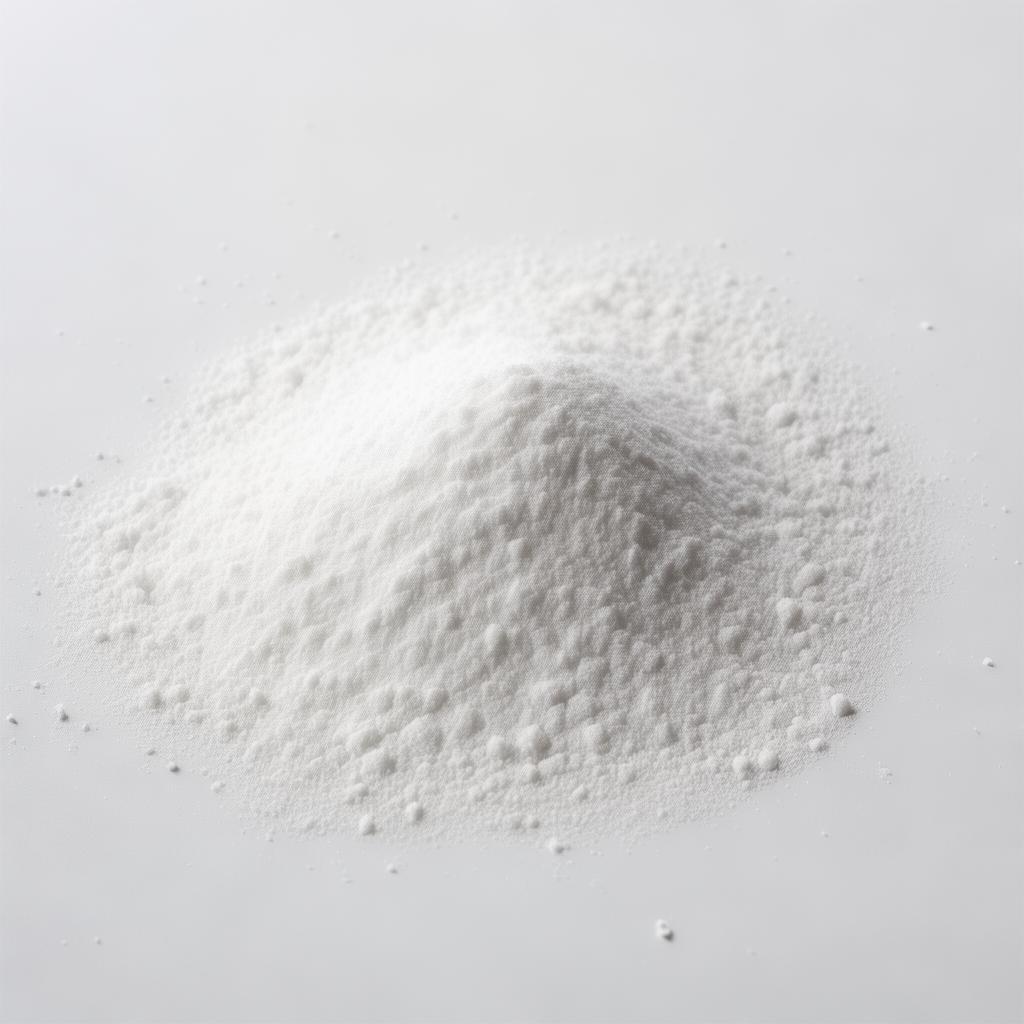
Root Cause: Traditional cellulose suppliers can't maintain ±2% viscosity consistency across batches.
Our Solution: Proprietary viscosity profiling with real-time QC eliminates variability.
2. Slow Dissolution Rates → Production Bottlenecks
"Our water-based paint production line slows to 60% capacity when switching to new thickener batches. Each hour of downtime costs $2,800." – German coatings manufacturer
Root Cause: Poorly controlled cellulose particle size distribution creates undissolved lumps that clog mixing equipment.
Our Solution: Narrow particle size distribution (40-80 mesh) with dissolution enhancers.
3. High Price Sensitivity → Margin Compression
"We've switched from HPMC to cheaper CMC in our joint compound, but our customers complain about poor workability. We're losing sales to competitors with better performance." – US dry-mix mortar distributor
Root Cause: Buyers assume cheaper cellulose = better value, not understanding the performance trade-offs.
Our Solution: Custom derivative blends that deliver HPMC-level performance at CMC pricing.
4. Regulatory Non-Compliance → Product Recalls
"Our dietary supplement had to be recalled in the EU because of unspecified 'cellulose content'. The supplier couldn't provide proper documentation." – Australian nutraceutical company
Root Cause: Lack of full traceability from source to finished product.
Our Solution: Complete documentation package including FSC certificates, REACH compliance letters, and batch-specific test reports.
5. Long Lead Times → Stockouts & Customer Attrition
"Our just-in-time production requires 15-day lead times for cellulose derivatives. When suppliers delay, we lose $50K/day in potential orders." – Brazilian adhesives manufacturer
Root Cause: Most suppliers operate on 20-30 day lead times with no buffer inventory.
Our Solution: Guaranteed 10-day lead time with emergency stock program for critical orders.
💡 How We Solve These Pain Points
- 🔬 Precision Chemistry: Our 12-lab QC system ensures batch-to-batch consistency with 0.5% viscosity variation (vs. industry 5%)
- 🚀 Speed Engineering: 7-day sample turnaround with free formulation support to eliminate trial-and-error
- 📋 Documentation Gold Standard: Full REACH, FDA, Halal, Kosher compliance packages for every order
- 🛒 Inventory Advantage: 30-day buffer stock of top 20 SKUs to prevent stockouts
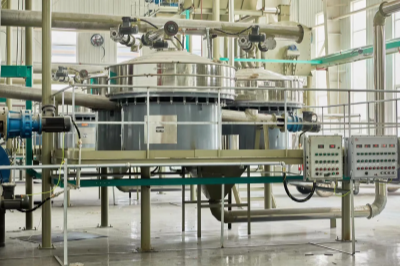
Our QC team performs 12 quality checks per batch including HPLC, viscosity, and microbial testing
🛠️ Product Capability Matrix: Configure Your Perfect Cellulose Solution
Stop compromising. Our modular cellulose system lets you select every parameter that matters to your application:
| Parameter | Options | Impact on Performance | Typical Applications |
|---|---|---|---|
| Cellulose Type | HPMC (Standard Grade) | High water retention, thermal gelation | Dry-mix mortars, tile adhesives |
| HPMC (Premium Grade) | Enhanced workability, extended open time | High-performance adhesives, EIFS | |
| HEC (High Purity) | Salt tolerance, crystal clarity | Pharmaceutical gels, personal care | |
| Viscosity Grade (mPa.s) | Low (4,000-15,000) | Easy dispersion, low thickening | Paints, coatings |
| Medium (15,000-60,000) | Balanced performance | Adhesives, joint compounds | |
| High (60,000-100,000) | Maximum thickening, sag resistance |
From adhesives to pharmaceuticals, our custom cellulose derivatives solve viscosity challenges, enhance performance, and reduce costs—guaranteed with 30-day delivery and OEM flexibility Lead Process Engineer, Tangzhi Technology (Hebei) Co., Ltd. "As a pioneer in
Write your message here and send it to us

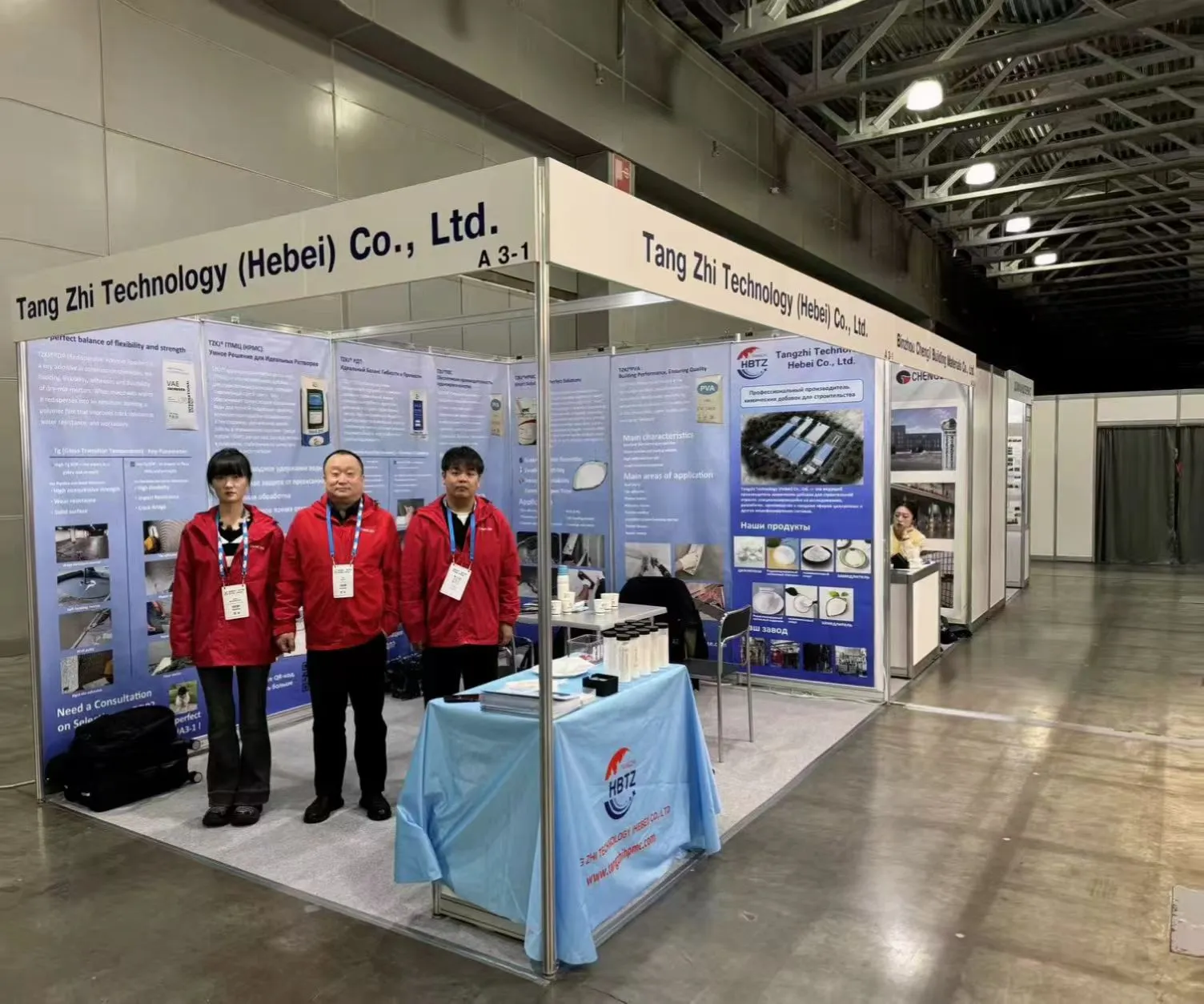
Pakistan - Exhibition3
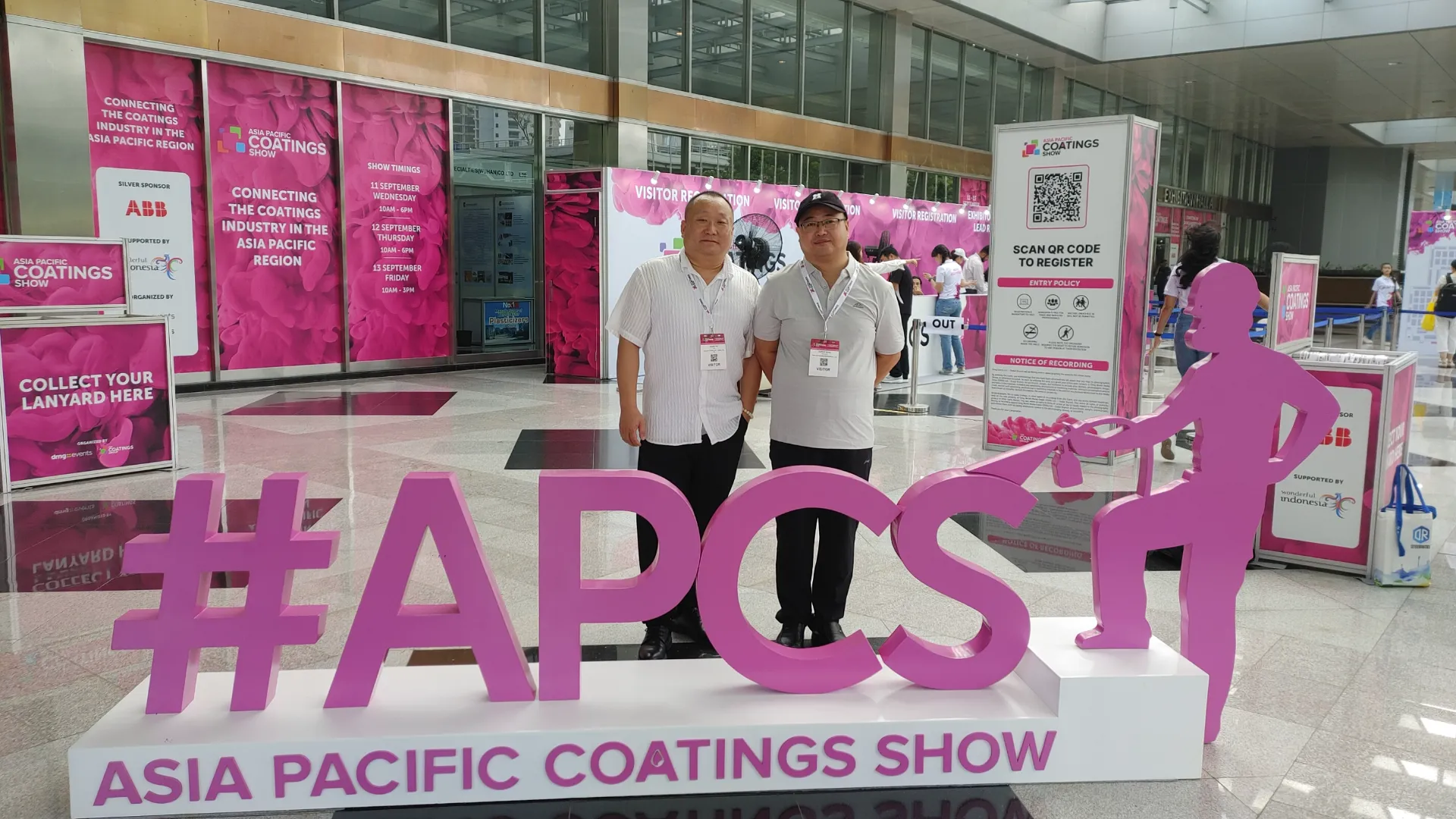
Exhibition - Indonesia

Exhibition - Indonesia2
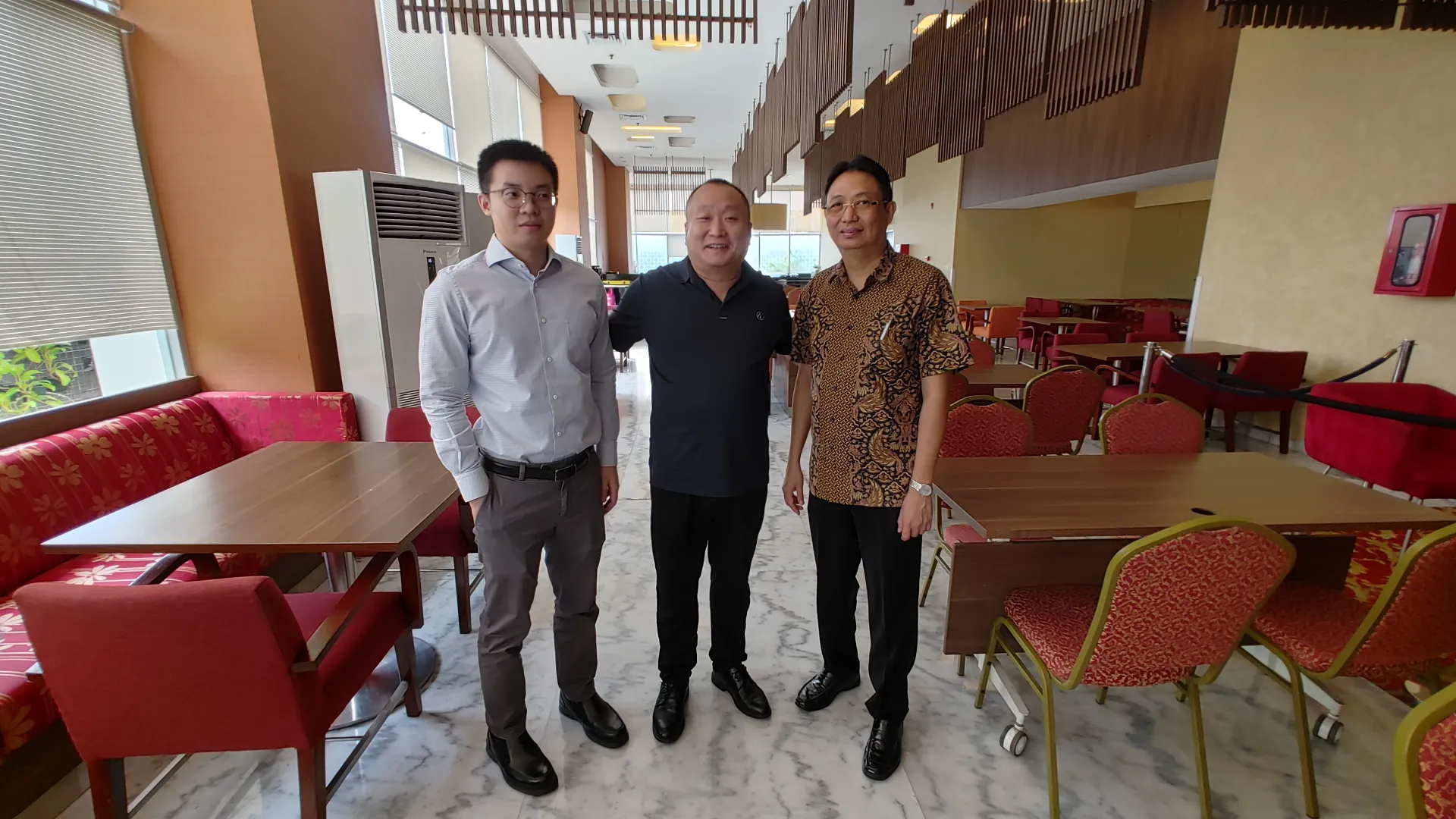
Exhibition - Indonesia1
0
|