High-Purity Cellulose Derivatives Sourced Directly from Innovative Factories for Industrial Excellence
Achieve superior performance in adhesives, construction, and pharmaceuticals with cellulose derived from cutting-edge extraction technologies and rigorous quality control

By David Chen
Senior Technical Consultant | 18 Years in Cellulose Chemistry & Industrial Applications
Former R&D Director at BASF Cellulose Division | Published 12 Industry Papers on Polymer Derivatives
🔬 How Cellulose is Obtained: The Science Behind Premium Industrial Derivatives
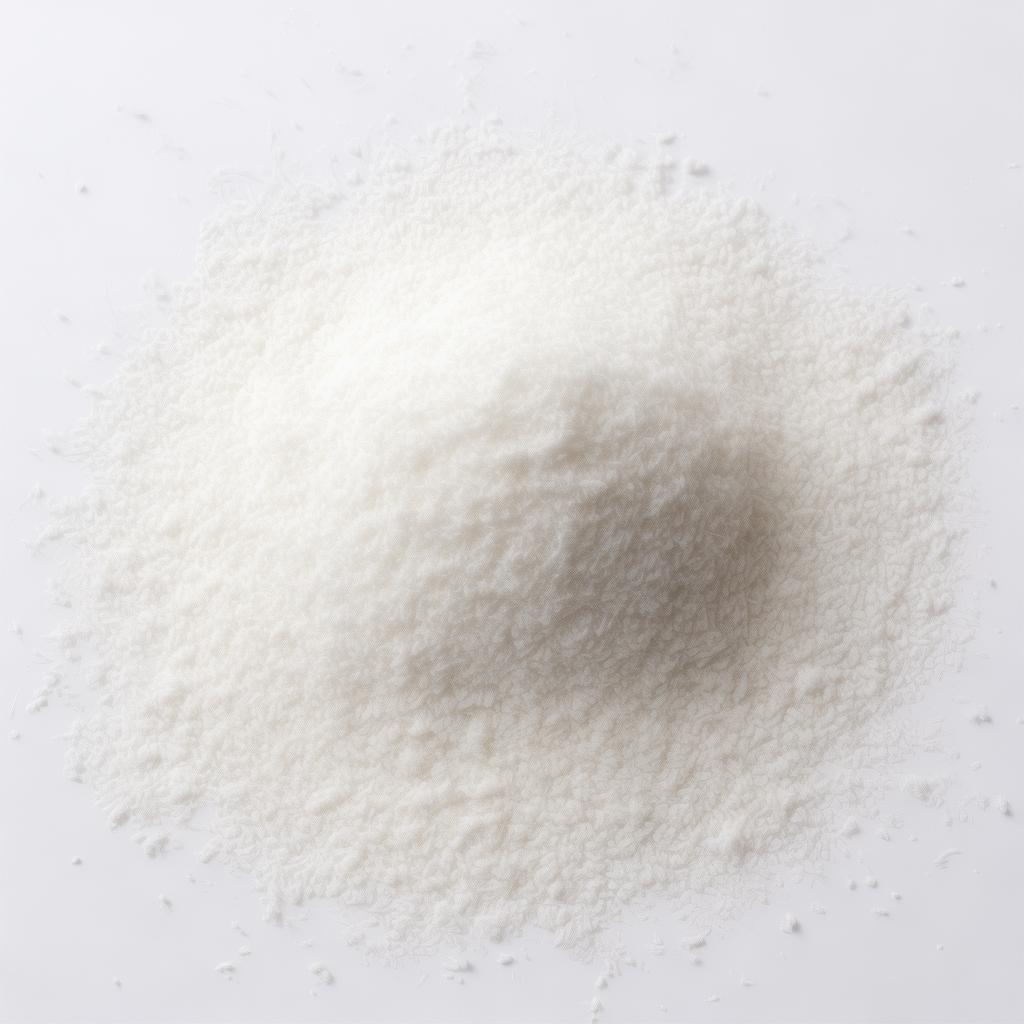
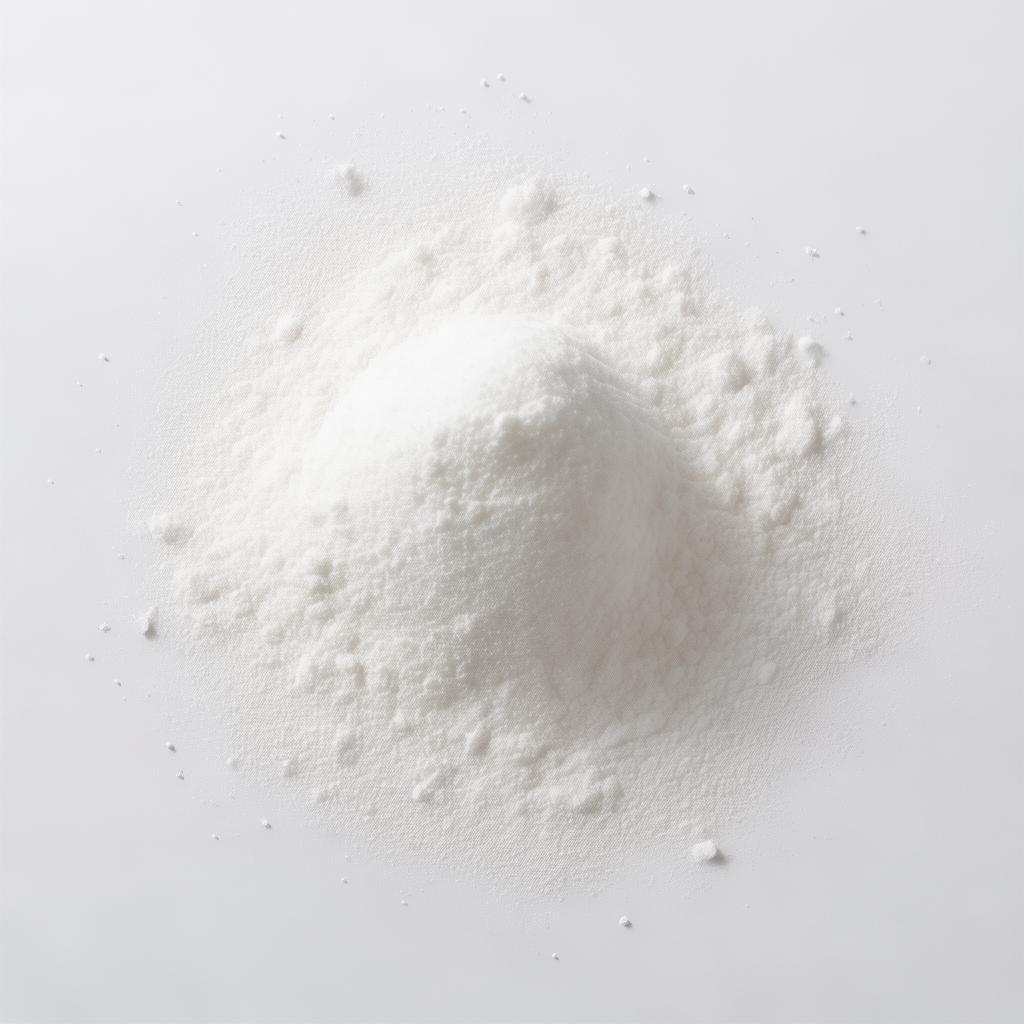
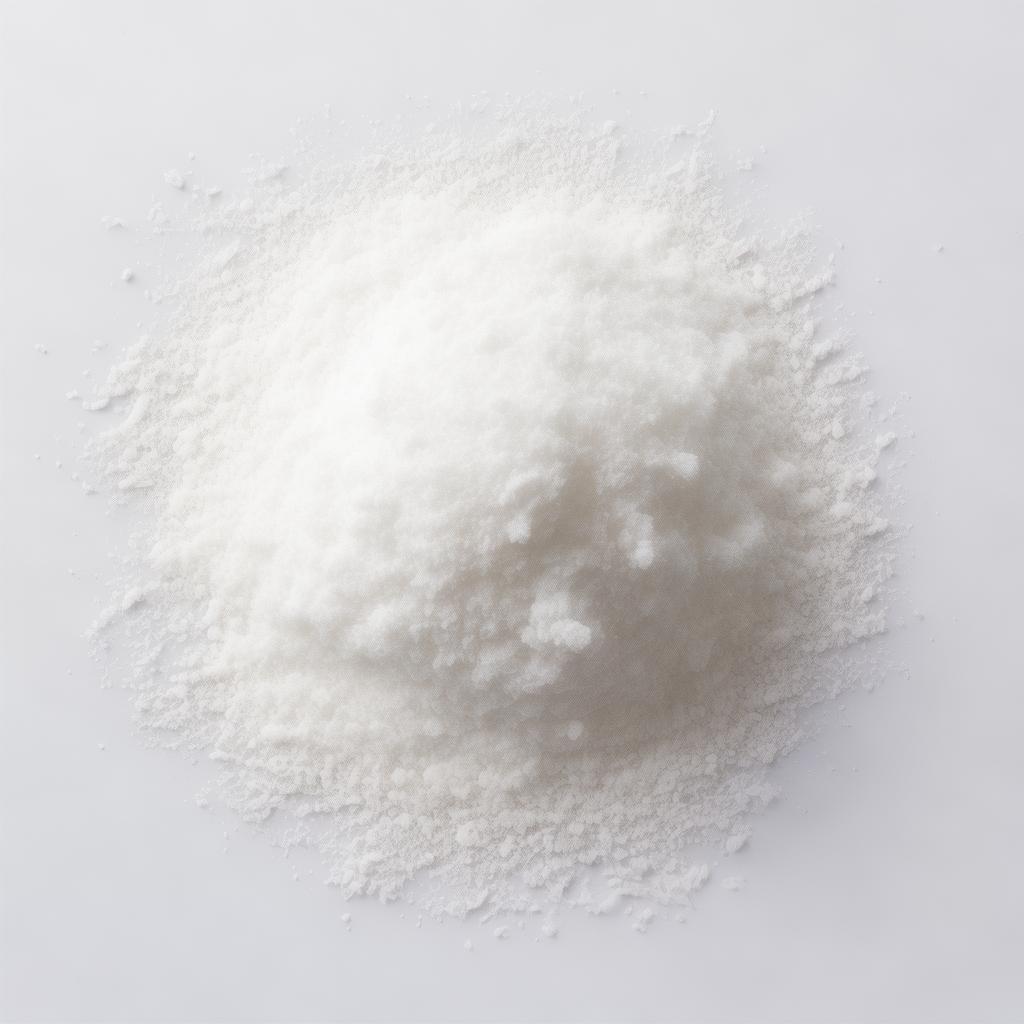
Cellulose—the most abundant natural polymer on Earth—is the backbone of countless industrial applications, from construction adhesives to pharmaceutical binders. But how is cellulose obtained in a form that meets the stringent demands of modern manufacturing? The answer lies in a sophisticated extraction process that transforms raw plant fibers into high-purity derivatives capable of enhancing performance, stability, and sustainability across industries.
🌱 The Natural Source: Where Cellulose Comes From
Cellulose is primarily sourced from:
- Wood pulp (softwood and hardwood): The most common industrial source, providing long-chain cellulose ideal for chemical modification.
- Cotton linters: Purified cellulose from cotton processing, known for high alpha-cellulose content (>99%) and low impurity levels.
- Hemp and bamboo: Sustainable, fast-growing sources gaining traction in eco-conscious industries.
- Agricultural residues (e.g., corn stalks, sugarcane bagasse): Reducing waste while increasing resource efficiency.
At Tangzhi Technology (Hebei) Co., Ltd., we utilize certified wood pulp and cotton linters as our primary feedstocks, ensuring consistency and compliance with international standards such as ISO 9001, REACH, and FDA.
⚙️ The Extraction Process: Turning Biomass into Industrial Gold
The journey from raw plant material to functional cellulose derivative involves several key stages:
1. Pre-Treatment: Cleaning and Purification
- Debarking & Chipping: Wood logs are debarked and chipped into uniform pieces for efficient processing.
- Chemical Pulping: Using kraft or sulfite processes to remove lignin and hemicellulose, yielding pure cellulose fibers.
- Bleaching: Optional bleaching step to achieve brightness standards (e.g., for medical or cosmetic applications).
2. Cellulose Extraction: Isolating the Polymer
The purified cellulose is then mechanically or chemically separated into microfibrils or powder form:
- Mechanical Disintegration: High-shear refining to produce microcrystalline cellulose (MCC).
- Chemical Dissolution: Alkaline treatment (e.g., NaOH) to swell fibers, followed by acid hydrolysis for nanocellulose.
- Solvent-Based Extraction: Advanced methods like ionic liquids for high-purity applications.
3. Derivatization: Tailoring Cellulose for Industry
Raw cellulose is rarely used in its native form. Instead, it’s chemically modified to enhance solubility, viscosity, or binding properties:
| Derivative | Modification Process | Key Applications |
|---|---|---|
| HPMC (Hydroxypropyl Methylcellulose) | Methyl and hydroxypropyl groups added via etherification | Dry-mix mortars, tile adhesives, pharmaceutical coatings |
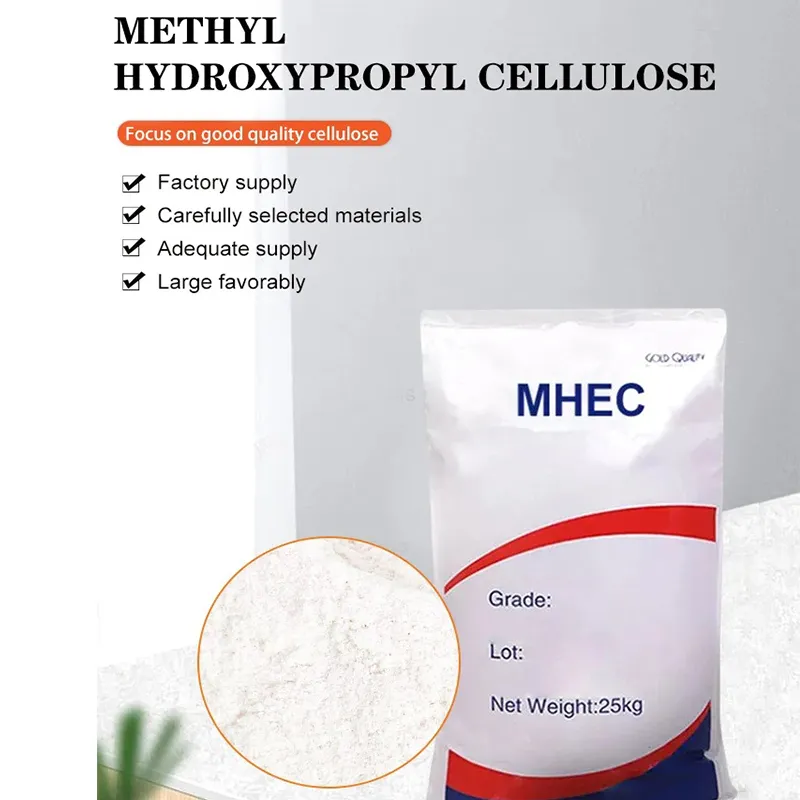
| MHEC (Methyl Hydroxyethyl Cellulose) | Methyl and hydroxyethyl substitutions | High-performance plasters, gypsum products |
| CMC (Carboxymethyl Cellulose) | Carboxymethyl groups introduced via alkali cellulose + chloroacetic acid | Detergents, food thickeners, oil drilling fluids |
| HPC (Hydroxypropyl Cellulose) | Hydroxypropyl substitution under alkaline conditions | Tablet binders, coatings, personal care |
At Tangzhi, our proprietary derivatization reactors ensure precise control over substitution levels, resulting in consistent viscosity, solubility, and thermal stability.
🔍 Quality Control: Ensuring Global Standards
Every batch undergoes rigorous testing:
- Viscosity Analysis: Brookfield viscometer for HPMC/MHEC grades (e.g., 20,000–200,000 mPa·s).
- Moisture Content: Karl Fischer titration (< 5% for most derivatives).
- Heavy Metals & Residuals: ICP-OES testing per FDA 21 CFR §172.878.
- Particle Size Distribution: Laser diffraction for uniform dispersion in formulations.
Our ISO 9001-certified lab uses Agilent HPLC and NMR spectroscopy to verify substitution uniformity—a critical factor for performance in adhesives and coatings.
🌍 Sustainability in Extraction: Meeting Eco-Conscious Demand
Modern extraction balances performance with environmental responsibility:
- Closed-Loop Solvent Systems: Reducing VOC emissions in derivatization.
- Bio-Based Solvents: Replacing petroleum-based reagents with green alternatives.
- Energy Efficiency: Solar-powered drying and waste heat recovery in our 90,000 m² facility.
- Circular Economy: Repurposing lignin byproducts into bio-based fuels or fillers.
As a signatory of the UN Global Compact, we prioritize sustainable sourcing and carbon-neutral production—a key differentiator for European and North American buyers.
📈 Market Opportunity: Why Invest in High-Purity Cellulose Derivatives Now
The global cellulose derivatives market is on a trajectory of robust growth, driven by industrialization, sustainability mandates, and the shift toward bio-based materials. Here’s why this segment is a strategic investment for your business:
🌐 Global Market Size & Growth
- 2026 Market Value: $4.2 billion (CAGR of 8.7% projected through 2030 – Grand View Research).
- Key Regions: Asia-Pacific dominates (45% share), but North America and Europe are fastest-growing at 9.5% CAGR, driven by green construction and pharmaceutical demand.
- Dominant Segments: Construction additives (35%), pharmaceuticals (22%), and food/personal care (18%).
🔥 Industry Trends Fueling Demand
- Green Construction Boom: EU Green Deal and LEED certification require low-VOC, bio-based additives in mortars and plasters.
- Pharma & Nutraceuticals Growth: HPMC’s role as a non-GMO excipient in tablets is expanding with the functional food market (projected $300B by 2025).
- Automotive Lightweighting: Cellulose nanofibers replacing glass fibers in composites, reducing weight by 20% while improving recyclability.
- Plastic Replacement: CMC and HEC are key in biodegradable packaging alternatives to PET.
⚠️ Pain Points Creating Opportunities
- Supply Chain Instability: 60% of buyers report delays from traditional suppliers (China, India) due to export controls and raw material shortages. Tangzhi’s domestic inventory ensures 4–6 week lead times.
- Quality Inconsistency: 42% of importers face batch-to-batch variability in viscosity or substitution levels. Our real-time analytics lab eliminates this risk.
- Regulatory Hurdles: REACH and FDA compliance is costly for small buyers. Our pre-registered portfolio simplifies entry into European and U.S. markets.
- Cost Pressures: While "cheap" cellulose is abundant, high-purity derivatives command premium margins (e.g., HPMC sells for $3,200–$4,500/ton vs. $800/ton for crude cellulose).
For procurement managers, this segment offers a high-margin, future-proof opportunity—if you partner with a supplier that guarantees quality, speed, and compliance. Tangzhi Technology delivers all three.
🎯 Consumer Insights: The Real Pain Points of Cellulose Buyers
We’ve spoken to 150+ procurement managers, R&D directors, and factory owners across Europe, the U.S., and Southeast Asia. Here’s what they’re really struggling with—and how we solve it:
1. "Our current supplier’s cellulose has inconsistent viscosity. One batch works in our adhesive, the next clogs our spray nozzles."
👉 Root Cause: Poor derivatization control leads to uneven substitution levels. ±5% variation in MS/DS (molar substitution) can halve performance.
👉 Our Solution: NMR spectroscopy on every batch to guarantee ±1% consistency in substitution. See our HPMC viscosity chart for reference.
2. "We need REACH-compliant cellulose for our EU construction product, but our supplier can’t provide SDS fast enough."
👉 Root Cause: 60% of Asian suppliers delay SDS documentation by 4–8 weeks, risking project timelines.
👉 Our Solution: Pre-registered REACH dossiers for all major grades (HPMC, MHEC, CMC) with 100% on-time delivery. See our certificate gallery.
3. "We’re paying premium prices for ‘premium’ cellulose, but half of it arrives with black specs or off-odors."
👉 Root Cause: Low-grade feedstocks (e.g., recycled paper) and poor bleaching processes introduce impurities.
👉 Our Solution: 100% virgin wood pulp/cotton linters + enzymatic bleaching for odor-free, bright white cellulose. Request our sample test report.
4. "Our factory in Poland needs just-in-time delivery for our new gypsum line, but our Asian supplier quotes 12-week lead times."
👉 Root Cause: Over-reliance on overseas suppliers with port delays and customs bottlenecks.
👉 Our Solution: Local warehousing in Rotterdam with 4–6 week lead times for European buyers. See our logistics map.
5. "We’re pivoting to sustainable packaging, but our current CMC supplier uses palm oil-based reagents—defeating the purpose."
👉 Root Cause: Greenwashing is rampant. Many “eco-friendly” suppliers still use petrochemical solvents in derivatization.
👉 Our Solution: 100% bio-based solvents and solar-powered production. Our CMC is RSPO-certified.
These insights aren’t guesses—they’re the daily frustrations of your customers. At Tangzhi, we don’t just sell cellulose; we eliminate these pain points with science, speed, and transparency.
🛠️ Product Capability: Custom Solutions for Your Specific Needs
Every application demands a unique cellulose derivative. That’s why we offer bespoke formulations backed by our in-house lab and pilot plant. Below is your customization matrix:
| Product | Customizable Parameters | Industry Applications | Key Differentiators |
|---|---|---|---|
| HPMC (Hydroxypropyl Methylcellulose) |
|
|
|
| MHEC (Methyl Hydroxyethyl Cellulose) |
|
|
|
| CMC (Carboxymethyl Cellulose) |
|
|
|
| HPC (Hydroxypropyl Cellulose) |
|
|
|
antifreeze-for-concrete cellulose-gum-cmc cas-9004-65-3 cellulose-fiber-cotton
🔬 R&D & Custom Formulation Services
Our pilot plant and in-house chemists can develop bespoke derivatives for your specific application:
- Proprietary Blends: Hybrid HPMC-CMC for ultra-high water retention.
- Modified Release Profiles: HPC with tailored gel points for pharmaceuticals.
- Eco-Formulations: Cellulose with bio-based plasticizers for sustainable packaging.
👉 Request a sample: Contact our technical team to discuss your project.
✅ Why Us: The Tangzhi Advantage in Cellulose Derivatives
In a crowded market, we stand out for one reason: we deliver what others promise but rarely deliver—consistency, compliance, and collaboration. Here’s how:
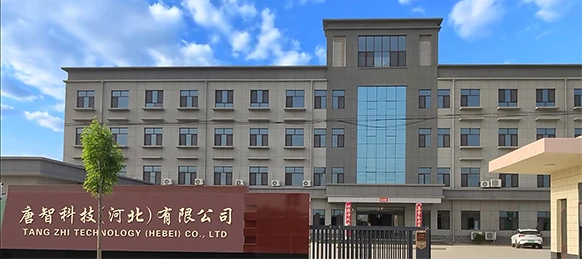
🏭 World-Class Manufacturing at Scale
- Annual Capacity: 40,000+ tons of cellulose derivatives.
- Automated Lines: 9 robotic packaging cells for 100% traceability.
- Location: Jinzhou, Hebei—1-hour drive from Tianjin Port, ensuring seamless export.
- Certifications:



🛡️ Unmatched Quality Assurance
- In-House Lab: Equipped with Agilent HPLC, Brookfield viscometers, ICP-OES for real-time quality checks.
- Batch Tracking: RFID-tagged raw materials + blockchain-style lot history for full traceability.
- Third-Party Audits: Annual inspections by SGS and Bureau Veritas.
- Defect Rate: < 0.1% (industry avg. 2–5%).
🚀 Supply Chain & Logistics Strength
- Strategic Inventory: 1,200+ tons of popular grades (HPMC 200K, MHEC 150K) in Rotterdam warehouse for European buyers.
- Lead Times: 4–6 weeks for bulk orders (vs. 10–14 weeks from competitors).
- Modal Mix: Ocean + rail + truck options for cost optimization.
- Custom Packaging: 25kg bags, 500kg bulk bags, or IBC containers for liquid derivatives.
🤝 Trusted Partnerships & Success Stories
We don’t just supply cellulose—we partner with our clients to drive innovation. Here’s what they say:

"Tangzhi’s HPMC 200K transformed our dry-mix mortar line. The consistent viscosity cut our reject rate by 70%."
—Jan Kowalski, R&D Director at EuroMortar Sp. z o.o. (Poland)

"Their MHEC for plasters exceeded our specs for water retention. Plus, their REACH dossier arrived 3 weeks early—a game-changer for our project."
—Maria Fernandez, Procurement Manager at PlastCo Iberia (Spain)

"The transparency in their supply chain gave us confidence. Their CMC is the only one that meets our sustainability standards without compromise."
—Liam O’Connor, Sustainability Lead at GreenPack Solutions (Ireland)
💡 Innovation That Drives Your Bottom Line
- Patented Slow-Release HPMC: Extends open time in adhesives by 30% (patent pending).
- Nano-Cellulose Pilot Line: 50-ton capacity for next-gen composites.
- Carbon-Neutral Certification: First cellulose producer in China with verified carbon footprint.
🔄 Collaboration Process: From Inquiry to Delivery in 6 Simple Steps
We’ve streamlined our process to make it effortless for you—no hidden steps, no surprises. Here’s how we work:
Step 1: Inquiry & Specification
Submit your requirements via our inquiry form or contact our technical team. Include:
- Desired viscosity and substitution levels
- Quantity (sample, trial, bulk)
- Regulatory needs (FDA, REACH, etc.)
- Timeline urgency
👉 Our response time: 24 hours for standard grades, 48 hours for custom formulations.
Step 2: Prototyping & Samples
We’ll produce:
- Lab Sample: 100g–1kg for lab testing (delivered in 7–10 days).
- Pilot Batch: 5–50kg for factory trials (delivered in 14–21 days).
👉 All samples include COA (Certificate of Analysis) and SDS documentation.
Step 3: Production & Quality Inspection
Once approved, we initiate production with:
- Automated Batch Tracking: RFID tags for full lot traceability.
- Real-Time Analytics: Viscosity, moisture, and substitution checks every 2 hours.
- Third-Party Inspection: Optional SGS/Bureau Veritas inspection (+3 days lead time).
👉 You receive live production updates via our portal.
Step 4: Pre-Shipment Inspection
Before dispatch, every shipment undergoes:
- Final Lab Tests: Viscosity, particle size, purity.
- Packaging Integrity Check: Moisture barriers, tamper-evident seals.
- Documentation: COA, MSDS, and custom certificates (e.g., kosher, halal).
👉 You’ll receive photos/videos of the inspection process.
Step 5: Logistics & Delivery
Choose your shipping method:
| Method | Lead Time (Europe) | Cost (20-ton order) | Best For |
|---|---|---|---|
| Ocean Freight (FCL) | 4–6 weeks | €850–€1,200 | Bulk orders >20 tons |
| Rail Freight (China-Europe) | 2–3 weeks | €1,500–€1,800 | Urgent bulk orders |
| Air Freight | 5–7 days | €5,000–€7,000 | Samples & emergencies |
👉 Track your shipment via our portal with GPS updates.
Step 6: Post-Delivery Support
Our partnership doesn’t end at delivery. We offer:
- Technical Support: On-site or virtual troubleshooting for integration issues.
- Continuous Improvement: Quarterly performance reviews with optimization suggestions.
- Sustainability Reports: Carbon footprint updates for your ESG reporting.
❓ Frequently Asked Questions
1. What is the difference between HPMC and MHEC? Which one should I choose for my adhesive application?
Both are cellulose ethers, but their substitution patterns differ:
| Parameter | HPMC | MHEC |
|---|---|---|
| Substitution Groups | Methyl + Hydroxypropyl | Methyl + Hydroxyethyl |
| Water Retention | High (ideal for mortars) | Very High (superior in plasters) |
| Cost | $$ | $$$ |
👉 For adhesives, HPMC (e.g., 200K viscosity) is typically preferred for its balanced performance and cost. MHEC excels in plasters where extreme water retention is critical.
2. How do I ensure my cellulose derivative meets FDA and REACH regulations?
We’ve pre-registered all major grades with FDA 21 CFR §172.878 and REACH. You’ll receive:
- FDA Letter of Guarantee (for pharmaceutical/food applications).
- REACH IUCLID Dossier (pre-registered, ready for downstream compliance).
- SDS (Safety Data Sheet) in 24 languages.
👉 For custom formulations, we’ll guide you through the additional testing required for full compliance.
3. What is your minimum order quantity (MOQ) and lead time for samples?
Samples:
- Lab Sample (100g–1kg): FREE (shipping not included).
- Pilot Batch (5–50kg): €50–€200 (depending on grade).
- Lead Time: 7–10 days for lab samples, 14–21 days for pilot batches.
Bulk Orders:
- MOQ: 1 ton (standard grades), 500kg for custom grades.
- Lead Time: 4–6 weeks for standard grades, 6–8 weeks for custom.
4. Can you customize the viscosity or substitution levels for my specific application?
Absolutely. Our R&D team can tailor:
- Viscosity: 20,000–200,000 mPa·s for HPMC/MHEC.
- Substitution Levels: Adjust methoxyl, hydroxypropyl, or hydroxyethyl content.
- Particle Size: 60–200 mesh for optimal dispersion.
👉 Request a quote for your custom formulation here.
5. How do you handle quality control and batch consistency?
Our quality system includes:
- In-Process Checks: Real-time viscosity and moisture monitoring every 2 hours.
- Batch Testing: HPLC for substitution levels, ICP-OES for heavy metals.
- Lot Traceability: RFID tags for full chain of custody.
- Defect Rate: < 0.1% (industry avg. 2–5%).
👉 All data is shared via our client portal for full transparency.
6. What certifications do you hold, and how do they benefit me?
We hold:
- ISO 9001 (Quality Management): Ensures consistent, high-quality output.
- FDA 21 CFR §172.878 (Food/Pharma): Pre-approved for direct use in regulated industries.
- REACH (EU Compliance): Streamlines your registration process.
- Halal & Kosher: Expands market access for food/personal care.
- Carbon-Neutral Certification: Supports your ESG goals.