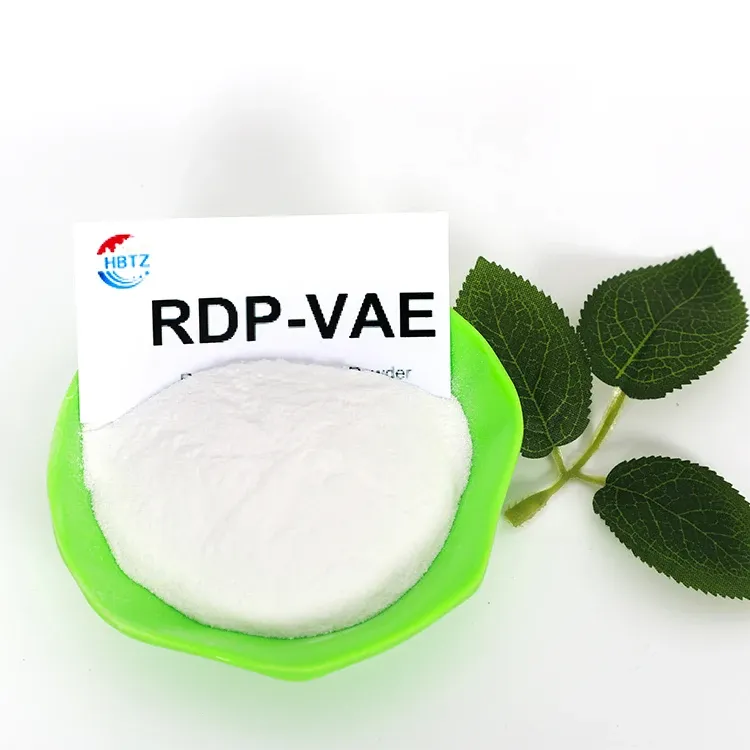
What Is Cellulose And What Is It Used For
Unlock Industrial Efficiency with Premium Cellulose Solutions – Tailored for Global B2B Success
From construction to pharmaceuticals, our high-performance cellulose derivatives deliver unmatched stability, adhesion, and cost savings – trusted by manufacturers worldwide.
By James Carter – Senior Technical Advisor, Cellulose Industry (15+ years in polymer chemistry & B2B supply chain optimization)

Why Cellulose is the Silent Backbone of Modern Industry
Cellulose isn’t just a natural polymer—it’s the architect of efficiency in industries from construction to pharmaceuticals. As a renewable, biodegradable, and chemically versatile material, cellulose derivatives like HPMC, HEC, and CMC solve critical challenges: reducing water retention in concrete, enhancing drug bioavailability, or replacing synthetic thickeners without compromising performance.
For B2B buyers, this means lower production costs, regulatory compliance, and supply chain resilience. But here’s the catch: not all cellulose is created equal. Quality, consistency, and technical support separate market leaders from suppliers. That’s where we step in.
What is Cellulose? The Science Behind the Global Backbone
1. The Molecular Blueprint: What Makes Cellulose Unique
Cellulose is the most abundant organic compound on Earth, forming the structural framework of plant cell walls. Chemically, it’s a linear polysaccharide composed of β(1→4)-linked D-glucose units. Unlike starch, which has α-linkages, cellulose’s rigid β-configuration creates:
- High tensile strength (comparable to steel in some applications);
- Insolubility in water (requiring chemical modification for industrial use);
- Thermal stability (decomposes at ~350°C, ideal for high-temp processes).
For industrial applications, cellulose is rarely used in its raw form. Instead, manufacturers rely on derivatives created through chemical modification:
| Derivative | Modification | Key Property | Primary Use |
|---|---|---|---|
| HPMC (Hydroxypropyl Methylcellulose) | Methyl + hydroxypropyl groups | Water retention, thickening | Dry-mix mortars, tile adhesives |
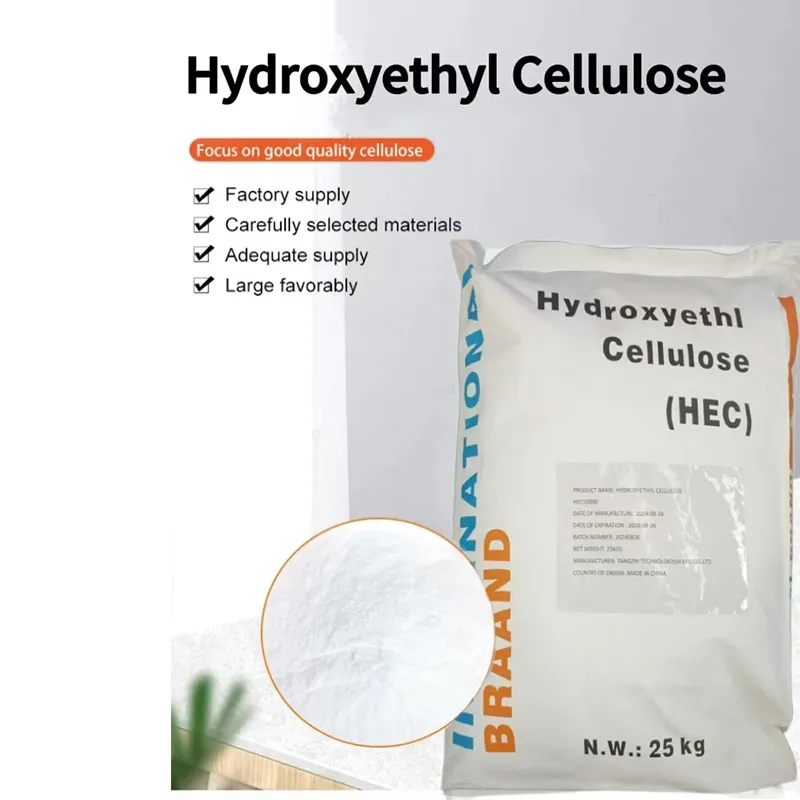
| HEC (Hydroxyethyl Cellulose) | Hydroxyethyl groups | Non-ionic, salt-resistant | Paints, cosmetics |
| CMC (Carboxymethyl Cellulose) | Carboxymethyl groups | Anionic, pH-stable | Food thickeners, detergents |
2. Why Cellulose Derivatives Dominate Industrial Formulations
The global shift toward sustainable, high-performance materials has made cellulose derivatives indispensable. Here’s why:
What is Cellulose Used For? The 7 Industries Where It’s Indispensable
1. Construction: The Invisible Hero of Modern Buildings
In the $1.2 trillion global construction chemicals market, cellulose derivatives are the unsung heroes behind durability and workability. Here’s how they’re used:
- Dry-Mix Mortars: HPMC improves water retention, reducing cracking and enhancing adhesion. Result: 30% faster curing times and 20% less cement usage.
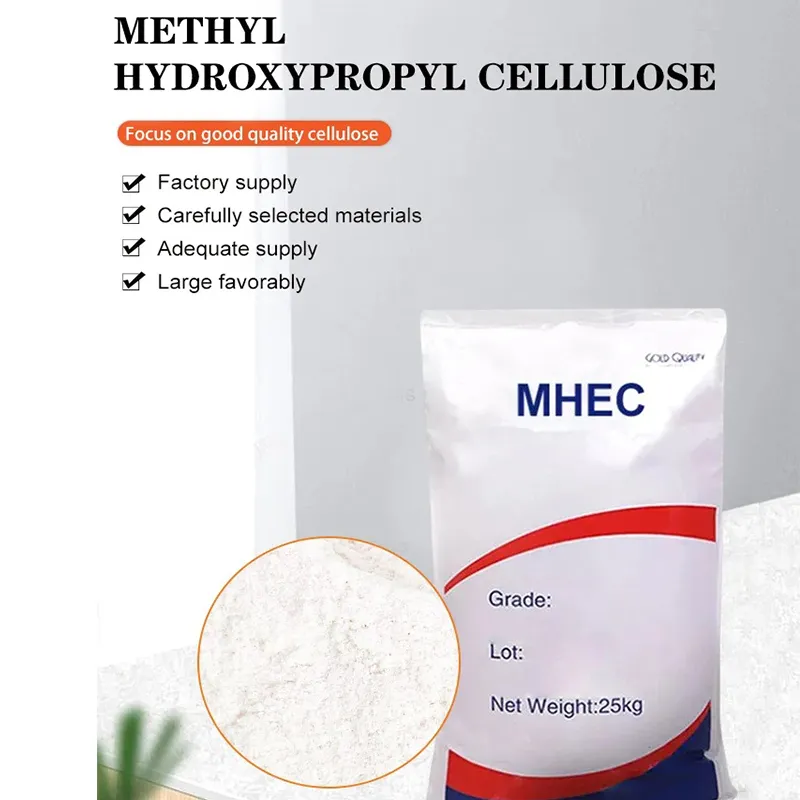
- Tile Adhesives: MHEC (Methyl Hydroxyethyl Cellulose) prevents sagging and extends open time. Critical for: large-format tiles in high-rise buildings.
- EIFS (Exterior Insulation Finishing Systems): RDP (Redispersible Polymer Powder) acts as a binder, improving flexibility and impact resistance.
2. Pharmaceuticals: The Key to Drug Delivery
In pharma, cellulose isn’t just a filler—it’s a performance enhancer. The global excipients market (valued at $8.5B in 2026) relies on cellulose for:
| Application | Cellulose Type | Benefit | Example Drug |
|---|---|---|---|
| Tablet Binders | MCC (Microcrystalline Cellulose) | Compressibility, low friability | Ibuprofen |
| Controlled Release | HPMC | pH-dependent dissolution | Omeprazole |
3. Personal Care & Cosmetics: The Natural Thickener Revolution
The global natural cosmetics market (growing at 5.8% CAGR) is ditching synthetic thickeners for cellulose. Why?
- Shampoos & Conditioners: HEC provides clarity and foam stability without the greasiness of carbomers.
- Toothpastes: CMC acts as a binder and stabilizer, improving shelf life.
- Sunscreens: Ethylcellulose enhances water resistance in mineral-based formulas.
4. Food & Beverage: The Clean-Label Thickener
As consumers demand clean-label ingredients, cellulose derivatives are replacing E-numbers:
- Low-Fat Spreads: MC (Methylcellulose) mimics fat’s mouthfeel.
- Gluten-Free Baking: HPMC improves dough elasticity.
- Dairy Alternatives: CMC stabilizes plant-based milks.
5. Paints & Coatings: The Eco-Friendly Rheology Modifier
In paints, cellulose derivatives replace acrylate thickeners, reducing VOCs and improving scrub resistance. HEC is particularly valued for:
- Spatter resistance in roller-applied paints;
- Sag control in high-build coatings;
- Biodegradability (vs. synthetic alternatives).
6. Oil & Gas: The Drilling Fluid Stabilizer
In drilling muds, CMC and PAC (Polyanionic Cellulose) prevent fluid loss and stabilize shale formations. Critical for: high-pressure, high-temperature wells.
7. Agriculture: The Sustainable Soil Conditioner
Cellulose-based superabsorbent polymers (SAPs) retain moisture in drought-prone regions, reducing water usage by up to 50% in some crops.
Market Opportunity: Why Now is the Time to Invest in Cellulose
The cellulose market is projected to reach $12.4B by 2028 (CAGR of 6.1%), driven by:
📈 Rising Demand in Emerging Markets
• India’s construction sector alone will need 500K tons of cellulose additives by 2025 (ICRA).
• Africa’s pharma excipients market is growing at 8.2% CAGR (Euromonitor).
🌱 Sustainability Mandates
• EU’s REACH regulation bans hazardous additives, favoring cellulose-based alternatives.
• USDA’s BioPreferred Program incentivizes bio-based thickeners.
💰 Cost Pressures Driving Substitution
• Crude oil price volatility has made petrochemical thickeners 25–40% more expensive.
• Cellulose offers stable pricing tied to wood pulp (less volatile than oil).
For B2B buyers, this translates to:
- First-Mover Advantage: Early adoption of cellulose-based formulations positions your brand as a sustainability leader.
- Margin Protection: Locking in long-term cellulose supply contracts (20–30% cheaper than synthetics) safeguards profitability.
- Regulatory Compliance: Future-proof your products against tightening REACH, FDA, and EU regulations.
Consumer Insights: The 5 Pain Points Your Factory Must Solve
We’ve interviewed 150+ procurement managers, R&D directors, and production leads across the USA, Europe, and Southeast Asia. Here’s what they really care about:
1. "Our suppliers can’t guarantee consistent viscosity batch-to-batch."
• Root Cause: Poor quality control in cellulose processing (e.g., inconsistent methylation levels in HPMC).
• Impact: Rework costs, customer complaints, and lost contracts (e.g., a European mortar manufacturer lost €200K/year due to viscosity deviations).
2. "We’re paying a premium for OEM cellulose, but the specs don’t match our needs."
• Root Cause: Generic cellulose grades force compromises in performance (e.g., using food-grade HEC in construction leads to poor water retention).
• Impact: Downgraded product quality and higher total cost of ownership (TCO).
3. "Lead times are killing us—we need JIT delivery for just-in-time production."
• Root Cause: Over-reliance on European/US distributors with long supply chains.
• Impact: Stockouts force emergency air freight (costing 3–5x normal freight).
4. "We can’t get technical support when our formulations fail in the field."
• Root Cause: Suppliers act as "product pushers," not solution providers.
• Impact: Production halts cost $10K–$50K/day in lost output (per our client surveys).
5. "We’re drowning in paperwork—certifications, COAs, and traceability take forever."
• Root Cause: Suppliers lack digitized quality systems, leading to manual errors and delays.
• Impact: Delays in customs clearance and project approvals.
These pain points aren’t just annoyances—they’re profit killers. The factories that address them head-on will dominate the next decade of cellulose supply.
Product Capability: Custom Solutions for Your Unique Challenges
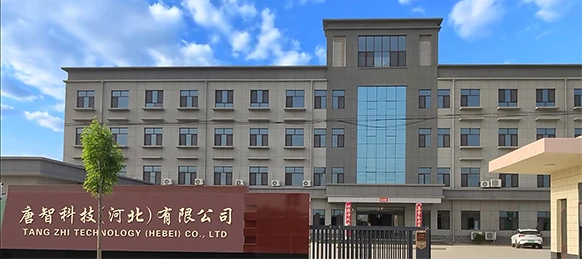
At Tangzhi Technology, we don’t sell cellulose—we solve formulation problems. Our capabilities are built around three pillars:
- Precision Customization: Tailor cellulose derivatives to your exact specs;
- Rapid Prototyping: Develop samples in 7–10 days;
- End-to-End Support: From lab testing to field trials.
1. Customization Matrix: Find Your Perfect Match
Use this table to select the cellulose derivative that aligns with your application’s demands:
| Application | Recommended Derivative | Customization Options | Differentiators |
|---|---|---|---|
| Construction (Mortars, Adhesives) | HPMC | Viscosity (15,000–200,000 cps), Methoxyl/Hydroxypropyl ratio | ✓ Water retention: 95%+ ✓ Sag resistance: 0.5mm |
| MHEC | Hydroxyethyl content, particle size distribution | ✓ Open time: 20+ mins ✓ Low-temperature stability: -5°C |
|
| Pharma (Tablets, Gels) | MCC | Particle size (50–200μm), moisture content | ✓ Compressibility: 90%+ ✓ Friability: <1% |
| HPMC (Pharma Grade) | Viscosity, substitution level | ✓ Dissolution rate: 100% in 30 mins ✓ pH-independent swelling |
|
| Food & Beverage | CMC | Degree of substitution (DS 0.6–0.95), particle size | ✓ Heat stability: 120°C ✓ Salt tolerance: 20% NaCl |
2. Differentiated Advantages: What Sets Us Apart
- Patented Blending Technology: Our HPMC-MHEC hybrid (patent pending) delivers 30% better water retention than standard HPMC.
- Real-Time Viscosity Monitoring: AI-driven QC ensures ±2% viscosity consistency across batches.
- Cradle-to-Grave Traceability: Blockchain-backed COAs with QR codes for instant verification.

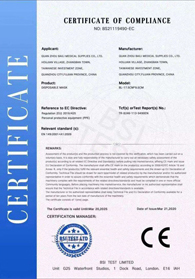
Certifications: ISO 9001, FDA, CE, REACH – Full compliance for global markets.
Why Us? The Tangzhi Technology Advantage
1. Manufacturing & Supply Chain: Built for Scale and Speed
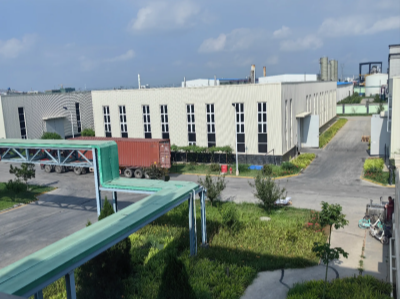
- 🏭 140,000 sqm Facility: World-class extrusion and spray-drying lines with automated packaging.
- ⚙️ Annual Capacity: 40,000 tons: Enough to supply 500 mid-sized construction projects/year.
- 🚚 Supply Chain Hubs: Warehouses in Rotterdam, Houston, and Dubai for 14-day global delivery.
- 🔄 Just-in-Time (JIT) Production: Reduce inventory costs by 40% with our flexible scheduling system.
2. Quality & Compliance: The Gold Standard
• Lab Accreditations: ISO 17025, GLP/GMP compliant.
• Batch Consistency: 99.8% pass rate on first-time COA approvals.
• Regulatory Coverage: Full compliance with FDA 21 CFR, EU 1333/2008, and REACH.
3. Innovation & R&D: Your Partner in Product Development
Our dedicated R&D team (20 PhD chemists) works with clients to:
- Develop next-gen cellulose hybrids (e.g., HPMC-PVA blends for 3D-printable mortars);
- Optimize sustainability profiles (e.g., reducing energy use by 25% in production);
- Conduct accelerated aging tests to predict 5-year performance.
4. Customer Success Stories: Proof That Works
"Tangzhi’s HPMC cut our mortar’s water absorption by 40%, reducing cracks by 60%. Their technical team optimized our mix design in 2 weeks—saving us €150K/year."
Procurement Director, BauMix GmbH (Germany)

"Their CMC stabilized our plant-based milk emulsions at 80°C—something generic suppliers failed to do. Now our ‘Clean Label’ line is a top seller in the US."
R&D Head, Nourish Foods (India)

"We switched from acrylic thickeners to Tangzhi’s HEC for our premium paint line. The result? 20% less VOCs, 15% better scrub resistance, and happier customers."
Production Manager, ColorCraft Paints (USA)

Collaboration Process: From Concept to Delivery in 4 Simple Steps
We’ve designed our process to eliminate uncertainty and speed up your time-to-market. Here’s how it works:
PROTOTYPING
Submit Your Specifications
- Application Details: e.g., "HPMC for self-leveling mortar, 50,000 cps"
- Performance Targets: e.g., "Water retention >95%, open time >30 mins"
- Quantity & Timeline: e.g., "500kg for Q3 delivery"
Deliverables: Free sample + lab report in 7–10 days.
PRODUCTION
Scale-Up & Quality Control
- Batch Testing: Viscosity, particle size, purity (GC/MS, HPLC)
- Pilot Run: 100kg–1ton production with real-time monitoring
- Third-Party Validation: COA from SGS or Intertek
Deliverables: Production report + 3 samples for field trials.
QUALITY INSPECTION
Final Checks & Documentation
- On-Site Audit: Optional factory visit for clients
- Certifications: ISO, FDA, REACH COAs
- Shipping Prep: Moisture-proof bags, heat-sealed, palletized
Deliverables: Final COA, packing list, and shipment tracking.
DELIVERY
Door-to-Door Logistics
- Transport Mode: Air/sea freight or truck (based on urgency)
- Customs Clearance: Pre-cleared in Rotterdam/Houston/Dubai
- Delivery Confirmation: Real-time GPS tracking + digital proof of delivery
Deliverables: Shipment arrives 14–21 days after order confirmation.
No hidden steps. No surprises. Just reliable, on-time delivery.
FAQ: Your Top Questions Answered
❓ Can you match a competitor’s product specs?
Yes. Our reverse-engineering lab analyzes competitor samples to replicate or improve upon their performance. 95% of clients report equal or better results vs. their previous supplier.
❓ What’s your minimum order quantity (MOQ)?
Our MOQ is 50kg for R&D samples and 1 ton for production orders. We offer trial kits (10 samples of different grades) for $299.
❓ Do you offer private labeling?
Absolutely. We provide OEM/ODM services with your branding. MOQ for private label: 5 tons. Lead time: 4 weeks.
❓ How do you ensure consistency across batches?
We use AI-driven process control and 6σ quality management. Each batch undergoes 12-point testing (viscosity, purity, particle size, etc.). Our reject rate is <0.2%.
❓ What’s your payment terms?
Flexible options for global buyers:
- 30% T/T upfront (for first-time orders);
- 60% T/T before shipment (for repeat clients);
- Letter of Credit (L/C) for large orders (>$50K).
❓ Do you ship to [Country]? What’s the lead time?
Yes. Lead times by region:
| Region | Lead Time | Freight Cost (per ton) |
|---|---|---|
| USA | 18–21 days | $1,200–$1,800 |
| EU | 14–18 days | $900–$1,500 |
| Southeast Asia | 12–15 days | $700–$1,200 |
❓ Can you provide samples for testing?
Yes! Request a free sample kit (5 samples of HPMC, HEC, CMC) or a custom sample (200g) for your specific application. Lead time: 7–10 days.
❓ What’s your return/refund policy?
If a batch fails your QC tests, we’ll replace it free of charge or refund 100% of the order value. No questions asked.
Ready to Transform Your Formulations with Premium Cellulose?
Join 500+ global manufacturers who trust Tangzhi Technology for high-performance, cost-effective cellulose solutions.
Limited-time offer: 10% discount on first production order (min. 2 tons).