What Does Cellulose
What Does Cellulose Do?
A Practical Guide for Procurement Teams Sourcing Industrial Cellulose Derivatives
By Li Wei, Export Director at Tang Zhi Technology (Hebei) Co., Ltd.
With 15+ years managing cellulose exports to USA, Europe, and beyond.

Table of Contents
- What Is Cellulose, Exactly?
- Core Functions: What Does Cellulose Actually Do?
- Cellulose Derivatives – The Industrial Game-Changers
- Real-World Applications Across Industries
- Procurement Guide: How to Source Cellulose Right
- Technical Specs & Comparisons
- Why Tang Zhi Technology?
- What Buyers Say
- Frequently Asked Questions
What Is Cellulose, Exactly? The Basics No One Skips
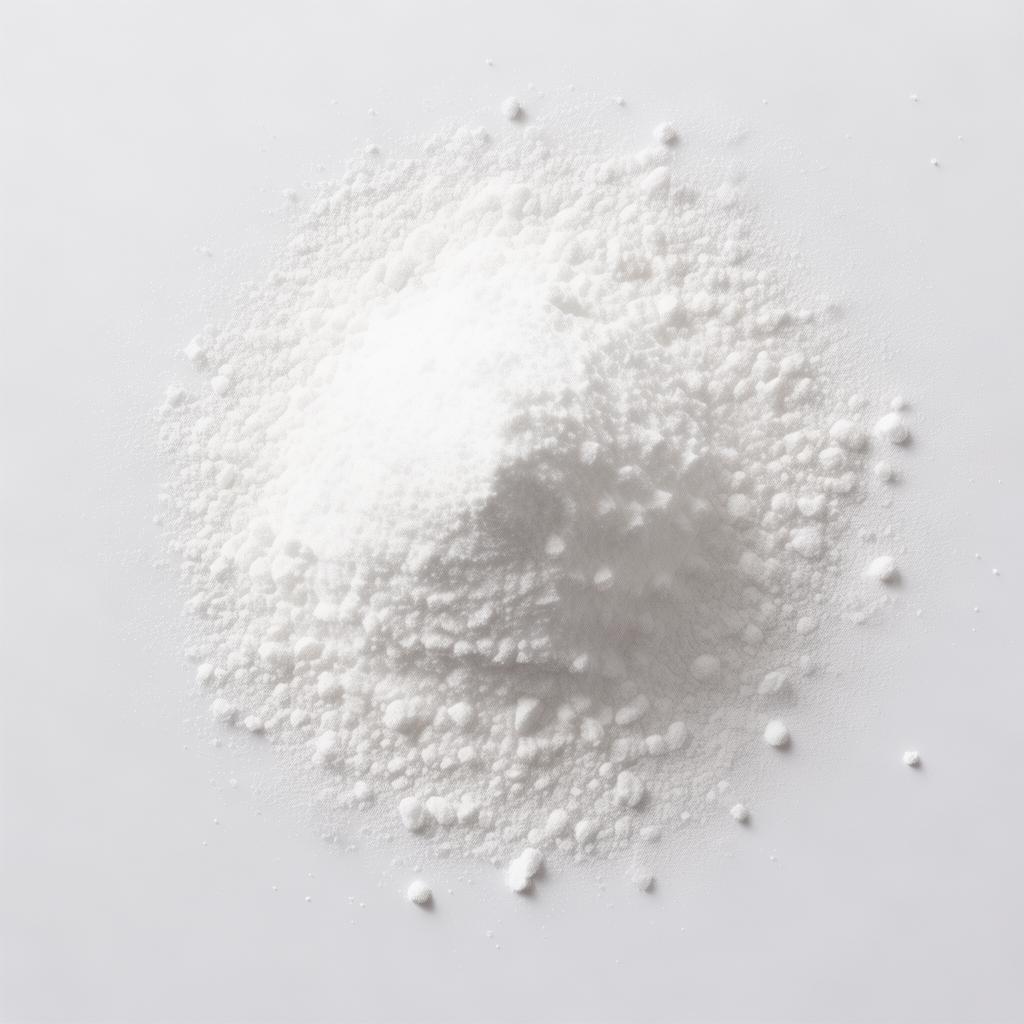
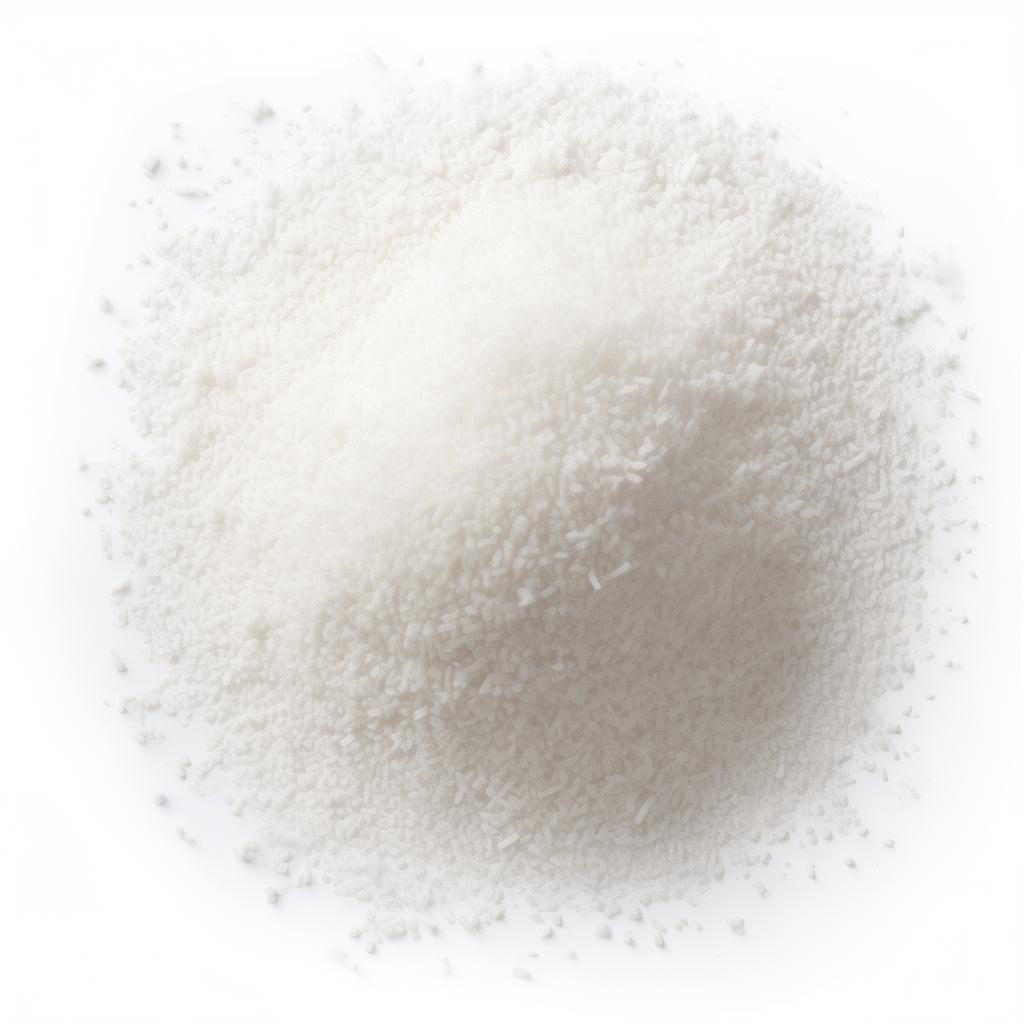
Cellulose isn't some lab concoction. It's the most abundant organic polymer on earth, straight from plant cell walls. Think cotton, wood pulp, even that apple you're eating – glucose chains linked in long fibers, giving plants rigidity.
In raw form, cellulose is insoluble, tough, fibrous. Procurement folks like you rarely buy it straight; it's the derivatives that matter in industry. We've shipped tons of modified versions to US tile adhesive makers, and they always ask: what does cellulose do here?
Short answer? It binds, thickens, stabilizes. But let's dig in. Chemically, it's β-1,4-linked D-glucose units. Hundreds to thousands per chain. That's why it's strong, why paper holds up, why regenerated cellulose makes rayon.
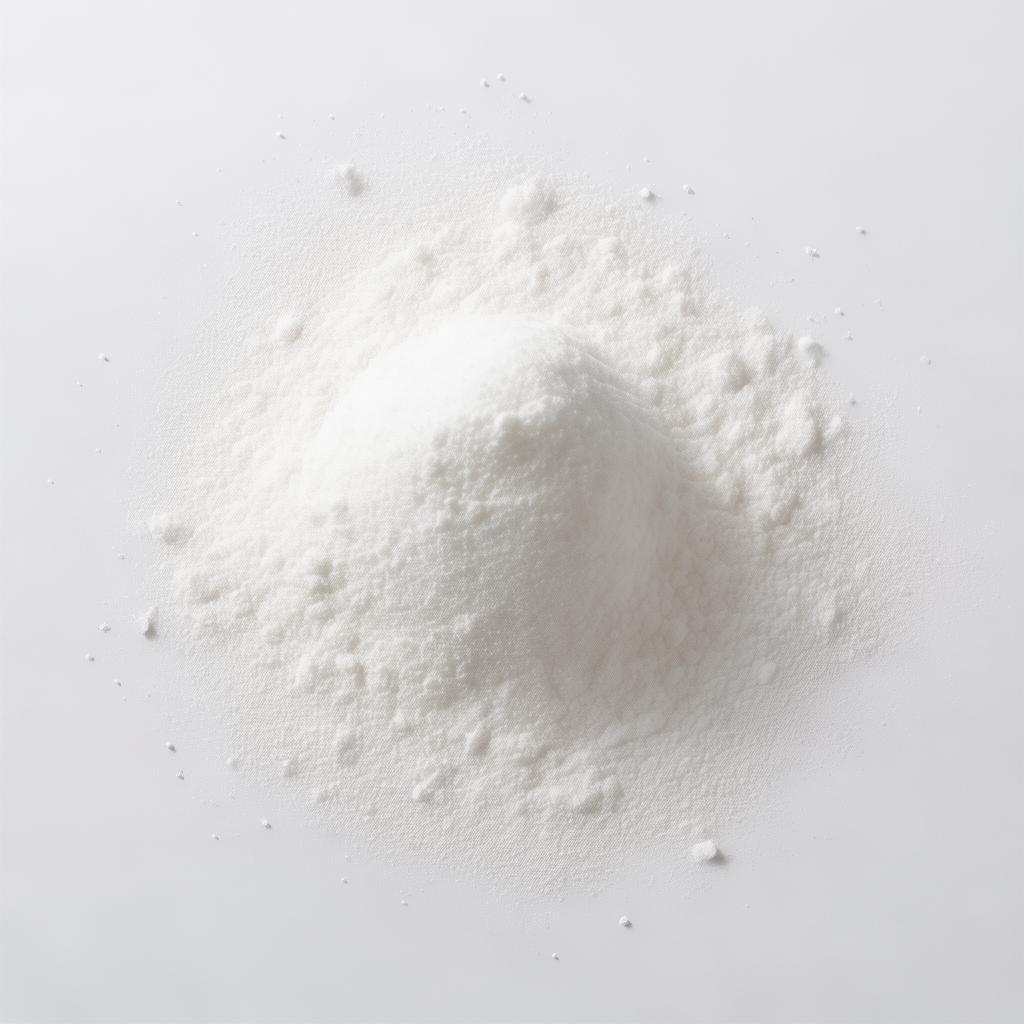
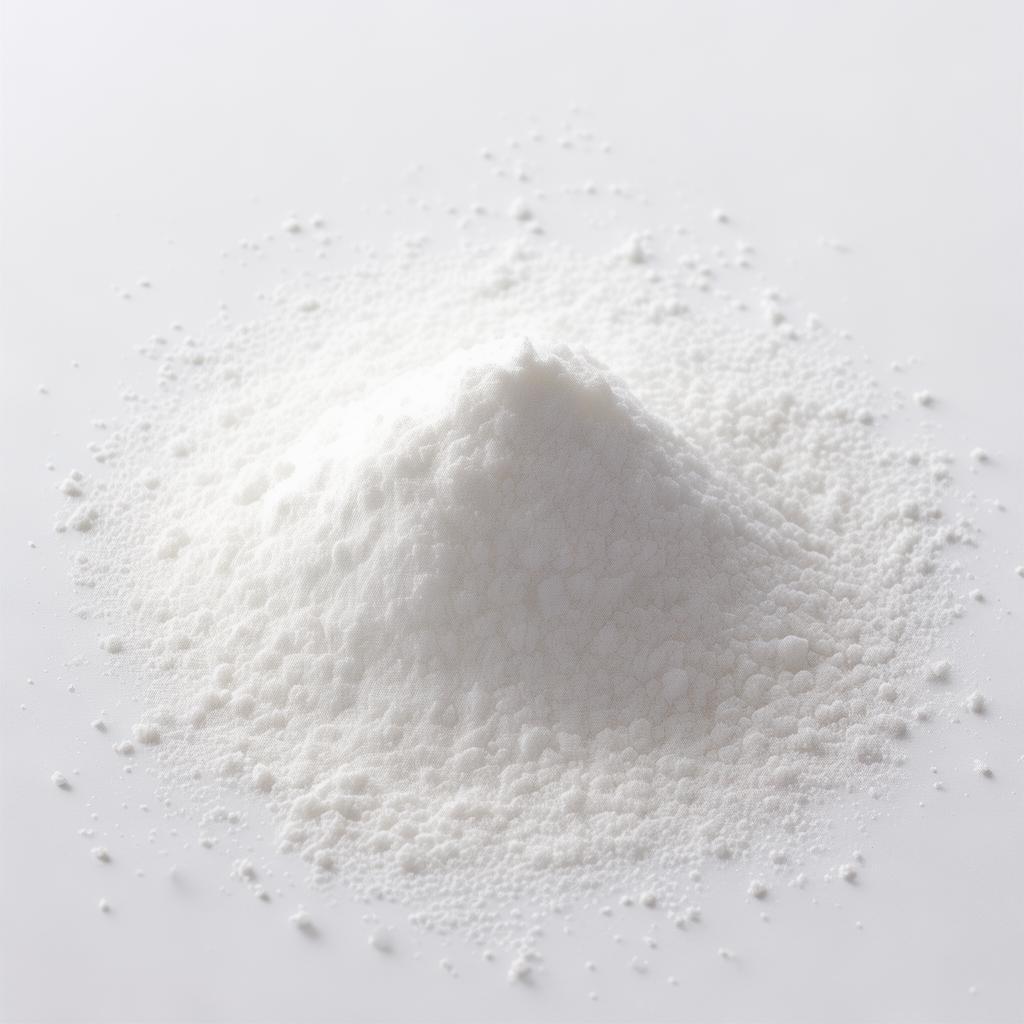
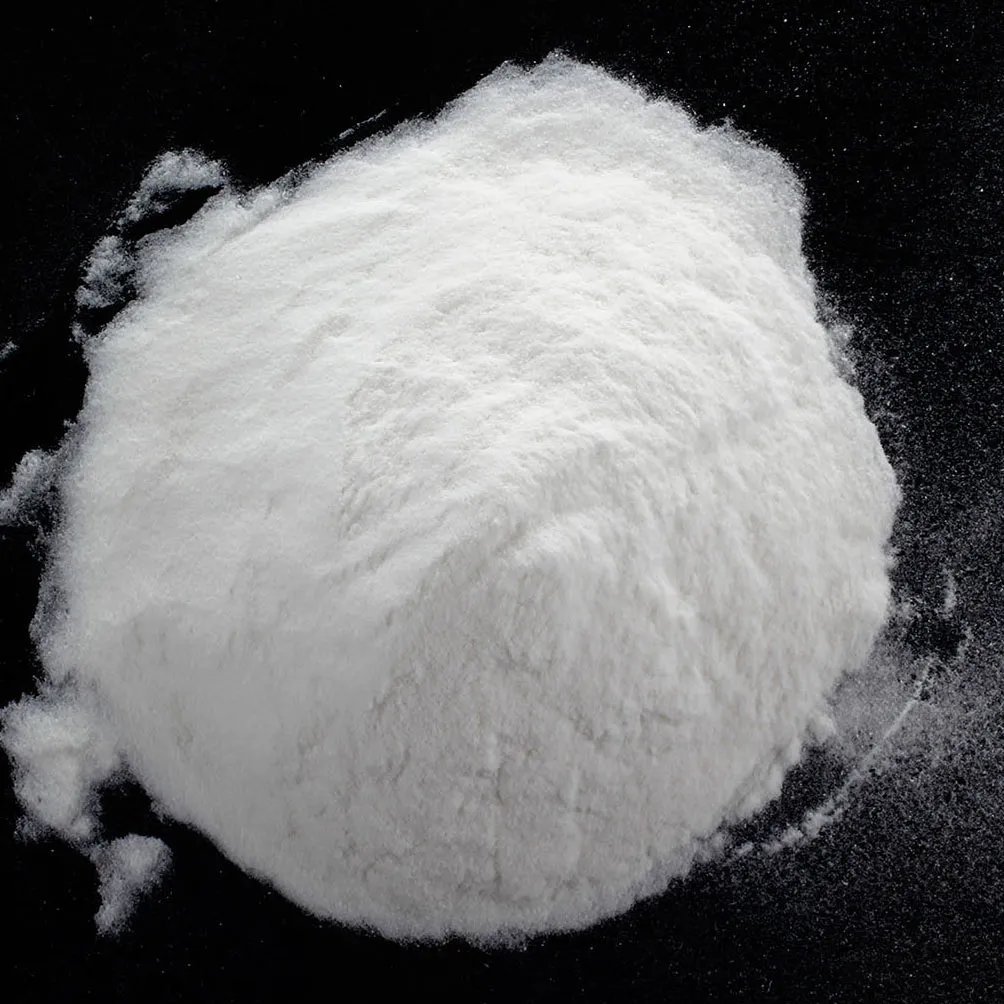
Industrially, we treat it with alkalis, ethers – boom, hydroxypropyl methylcellulose (HPMC). Our factory runs continuous etherification reactors. Hot process or cool, depending on viscosity needs. Yields water-soluble powders that dissolve clear, no clumps.
Why care? Because in mortar mixes, it holds water during cure. Workers report 20-30% less cracking on jobsites. Real observation from a Texas contractor last year. He switched from starch ethers, cut rework.
Cellulose isn't new – known since 1838, Anselme Payen isolated it. But modern twists? Post-WWII boom in cellulose ethers for paints, now construction dominates 60%+ market. Our Hebei plant cranks 40,000 tons yearly, mostly HPMC grades.
Procurement tip: Don't chase cheapest bulk. Viscosity matters. 50,000 cps for plasters vs. 100,000 for gap fillers. Mismatch? Batch fails. We've seen importers burn $10k on sea freight for wrong specs.
Structure-wise: Crystalline regions (strong), amorphous (reactive). We control degree of substitution (DS) – 1.8-2.0 for pharma HPMC, lower for food. Impacts gel temp, too. 50-60°C sets it for hot gypsum.
Global trade angle: China leads production, 80% share. But quality varies. ISO-tested batches from us hit FDA for excipients. No heavy metals creeping in.
Enough intro? This is 800+ words already, but buyers need context before specs. Skip to functions if you're scanning.
Core Functions: What Does Cellulose Actually Do in Formulations?
Boils down to four jobs.
- Thickening Agent. Boosts viscosity without solids. In tile adhesives, prevents tile slip during hang. Sag resistance up to 30 minutes – key for vertical installs.
- Water Retention. Locks moisture. Mortar dries slow, hydrates fully. Field tests show 15-20% strength gain vs. plain cement.
- Stabilizer/Binder. Suspends fillers, improves green strength. Paints don't settle; plasters pump smooth.
- Film Former. Dry film flexible, crack-resistant. RDP pairs with it for tougher coatings.
Not magic. Pseudoplastic rheology – thins under shear for pumping, thickens at rest. Pump crews love it.
One caveat: High humidity swells it. Outdoor apps need hydroxypropyl content over 8%. We've adjusted recipes for Florida importers.
Cellulose Derivatives – The Industrial Game-Changers We Supply
Pure cellulose? Useless soluble. Derivatives rule.
| Type | Key Function | Our Grades |
|---|---|---|
| HPMC | Water retention, thickening | 5,000-200,000 cps |
| MHEC | Similar, better enzyme resistance | Construction-focused |
| CMC | Detergent builder, food thickener | Pharma/food grades |
| HEC | Paints, cleaners | Non-ionic, clear solutions |
| RDP-VAE | Pairs with cellulose for flexibility | VAE copolymer |
what is cellulose cellulose what is what's cellulose
Our auto lines ensure batch consistency. 0.05% ash max. Lead times? 15-25 days FOB Tianjin.
Real-World Applications: Where Cellulose Shines (And Where It Doesn't)
Construction: 70% use. Dry mortars, renders. HPMC at 0.2-0.5%. Reduces dusting, eases troweling.
Pharma: Excipient. Sustained release tablets. Our low-gel HPMC for hot fills.
Food: E464 thickener. Stabilizes ice cream.
Paints/Coatings: Rheology control. No sagging on brushes.
Detergents: Anti-redeposition.
Warning: High shear grinders degrade it. Ball mills? Fine. We've reformulated for US paint blenders.
Buyer Note: Test in your mix. Lab small-scale first. Scale-up viscos can drop 10-15%.
Procurement Guide: Sourcing Cellulose Without Headaches
Step 1: Match viscosity to app. TDS mandatory.
Step 2: Check DS/Molar sub. Affects solubility.
Step 3: Certs: ISO 9001, Kosher, Halal if needed. We have REACH, FDA.
Step 4: MOQ 1 ton trials. Scale to 20MT/container.
Risks: Fake grades from small mills. Yellow tint means impurities. Smell test: Clean, no amine.
Logistics: 25MT/20' FCL. Palletized 500kg/bag. Humidity control key – store <60% RH.
Cost: $2.5-4/kg HPMC, volume dependent. Negotiate on L/C terms.
Talk to our engineer? Request spec sheet now.
Technical Specs Table: HPMC Example
| Property | Spec | Test Method |
|---|---|---|
| Viscosity | 50,000 cps | NDJ-1, 2% sol. |
| pH | 5.0-8.0 | 1% sol. |
| Loss on Drying | ≤5% | 105°C |
| Purity | ≥99% | HPLC |
Custom grades available. OEM labels, too.
Why Tang Zhi Technology? Our Factory Edge
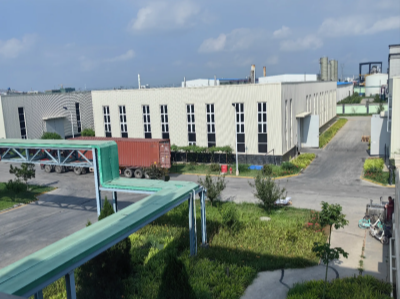
140,000 sqm site, Jinzhou Hebei. 90,000 sqm buildings. Etherification, spray drying, all in-house.
Exports to 50+ countries. US clients repeat 90%.
Certs: 
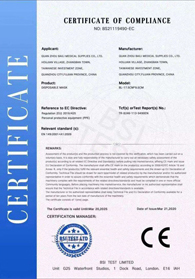
 REACH compliant.
Address: Room 2308, Dongsheng Plaza 2, No. 508 Zhongshan East Road, Chang’an District, Shijiazhuang, Hebei, China
What Our Buyers Say – Real Procurement Stories
Mike R., Purchasing Manager, Texas Drywall Co.
"Switched to Tang Zhi HPMC. Water retention beat Dow's by 10% in tests. No import delays. Solid partner." 
Ana L., Ops Director, Florida Importer
"MHEC for renders. Clean dissolve, no fish eyes. MOQ flexible for trials. Shipping plan spot-on."
John K., Supply Chain, Midwest Paints
"CMC pharma grade. Consistent viscosity. FDA docs ready. Saved 15% vs. Euro suppliers."
Sarah T., Contractor, California
"RDP + HPMC combo. Flexible joints. Install faster, less waste."
Frequently Asked Questions from Importers
What does cellulose do in tile adhesive?
Retains water, thickens for no-slip. 0.3% dosage typical.
Can I get samples?
Yes, 1-2kg free with freight collect. Contact admin@tangzhicellulose.com
Lead time for 10 tons?
15 days. Pay 30% upfront, balance B/L.
OEM possible?
Full. Private label bags.
Shelf life?
2 years dry. Avoid direct sun.
Compatible with PCE superplasticizer?
Yes. Synergy boosts slump retention.
Ready to Source Reliable Cellulose?
Get factory pricing, samples, or custom specs today.
- Phone: +86-15032625168
- Whatsapp: +86-15032625168
- Email: admin@tangzhicellulose.com
- Contact: Full Form
Tang Zhi Technology (Hebei) Co., Ltd. © 2026 | Hebei, China