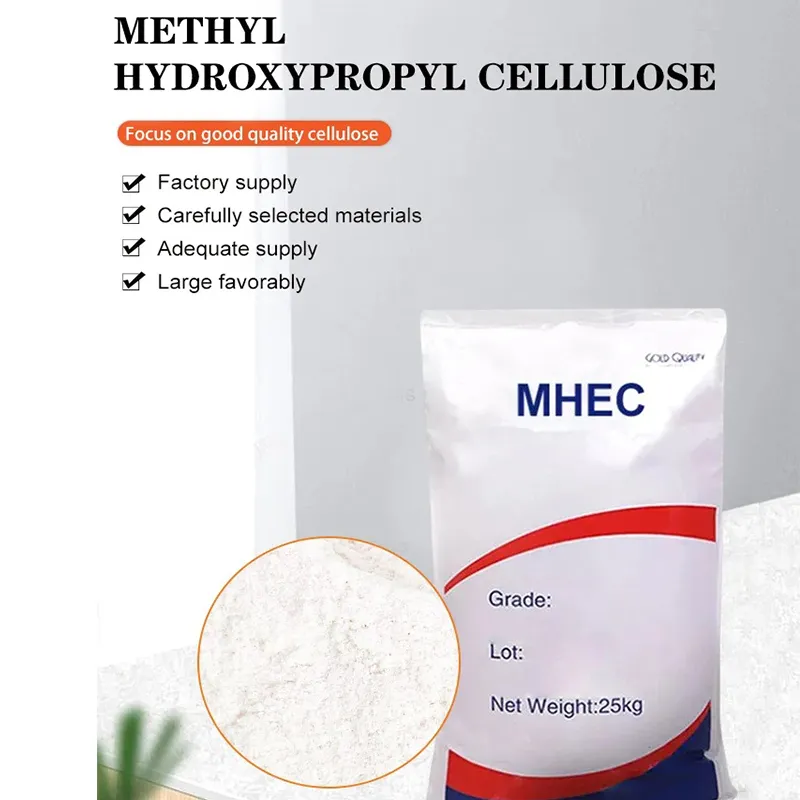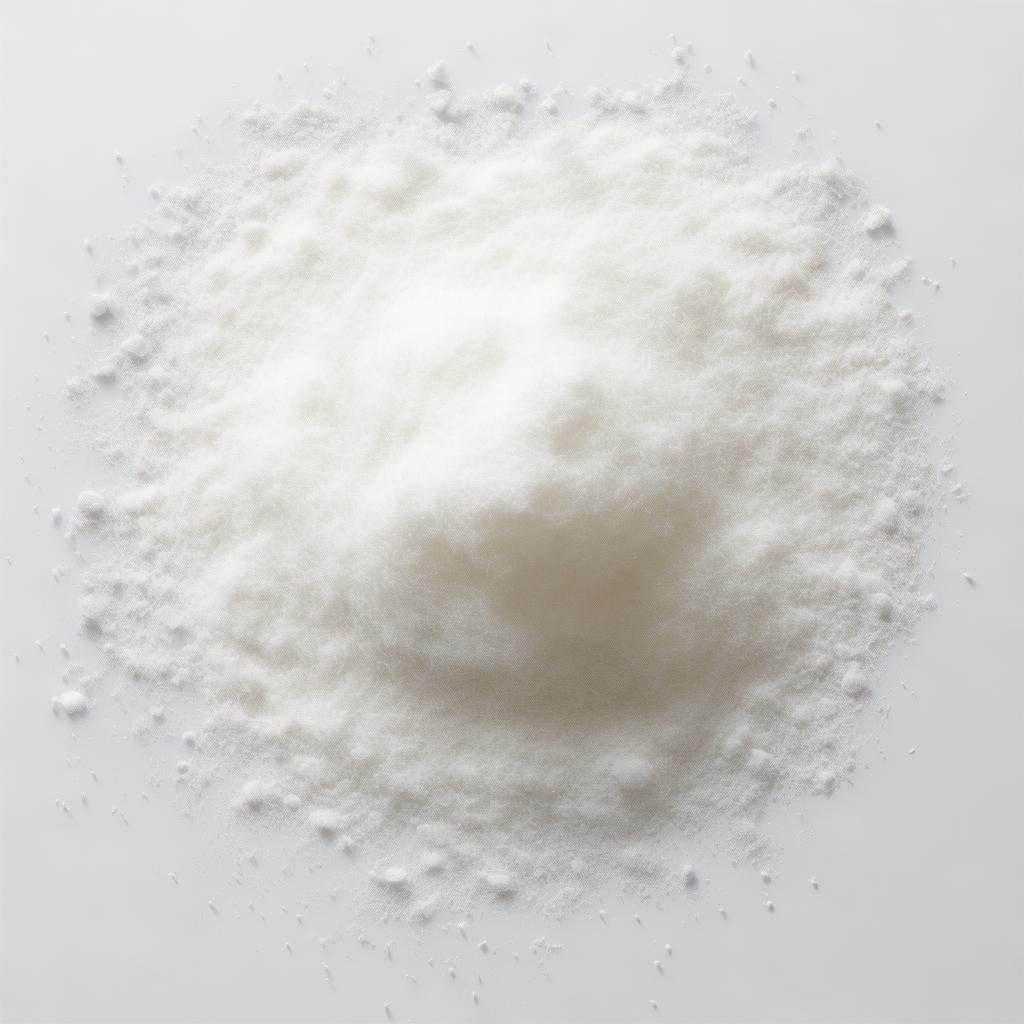
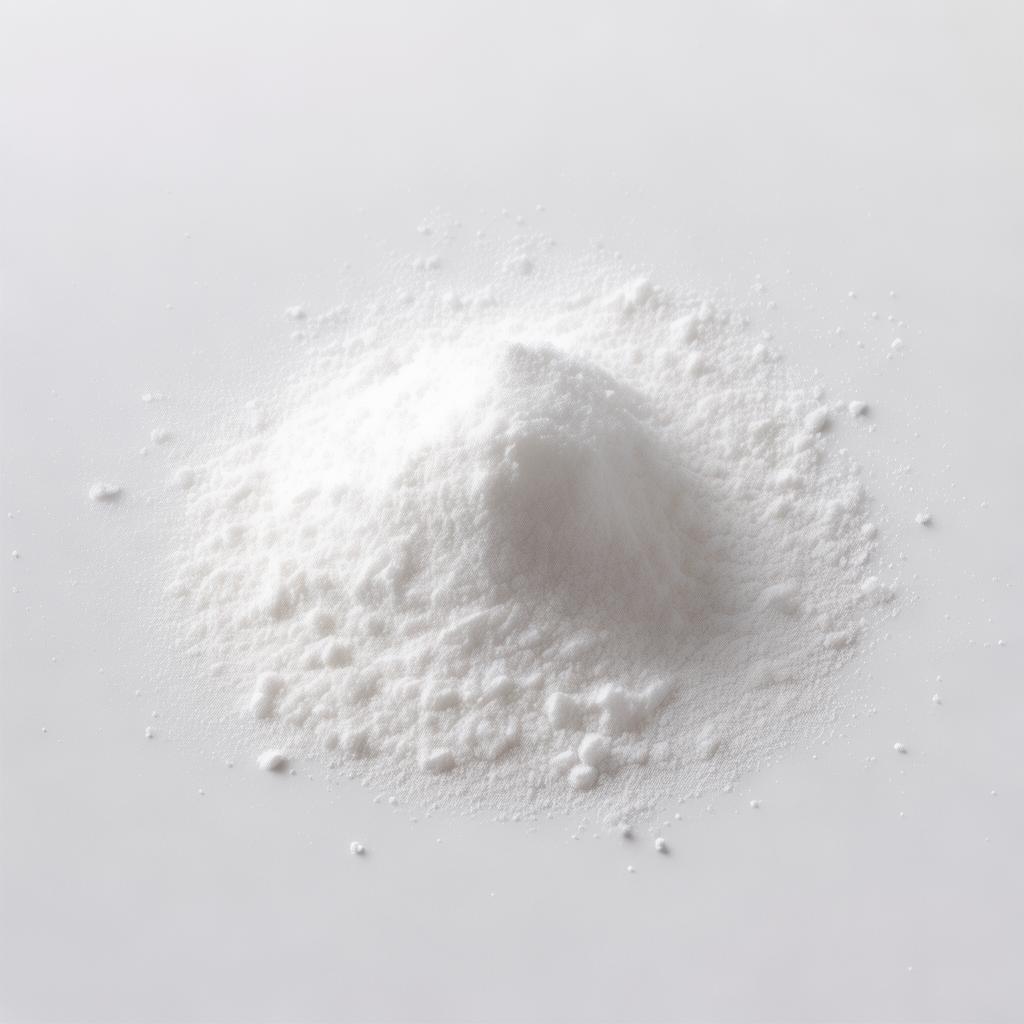
What Is The Cellulose
What is Cellulose? Essential Insights for Procurement Teams and Industrial Buyers
From raw plant fibers to high-performance derivatives like HPMC and CMC—understand the backbone of modern manufacturing materials.
Table of Contents
- What Exactly is Cellulose?
- Technical Breakdown: Structure and Properties
- Natural Sources and Industrial Extraction
- Key Cellulose Derivatives for B2B Use
- Real-World Applications in Construction and Beyond
- Procurement Buyer's Guide: Selecting the Right Grade
- Technical Specifications Table
- Common Procurement Pitfalls to Avoid
- Shipping and Supply Chain Realities
- Frequently Asked Questions
- What Buyers Are Saying
- Get Started with Tang Zhi Cellulose
What Exactly is Cellulose?
Cellulose sits at the heart of countless industrial processes, yet many procurement managers first encounter it through spec sheets or supplier quotes. At its core, cellulose is the most abundant organic polymer on Earth—a structural carbohydrate that forms the cell walls in plants. Think cotton fibers, wood pulp, or even the stalks of corn. It's a long-chain polysaccharide made up of glucose units linked together in a linear fashion.
This isn't just textbook stuff. In practice, when you're sourcing materials for tile adhesives or drywall compounds, cellulose derivatives like hydroxypropyl methylcellulose (HPMC) become the workhorse. They thicken, stabilize, and improve water retention without adding weight or altering the final product's strength. We've seen ops teams switch to these after dealing with inconsistent batches from lesser sources.
Naturally insoluble in water, raw cellulose needs chemical modification for most industrial roles. That's where factories like ours come in—alkali treatment, etherification, and purification turn it into versatile ethers. Over the years, demand has spiked in construction, where it prevents cracking in mortars during curing. But it's everywhere: pharma coatings, food thickeners, even oil drilling fluids.
One thing buyers often miss: cellulose grades vary wildly by viscosity and substitution degree. A low-viscosity HPMC might suit paints, while high-viscosity ones hold up in pumped concrete. Picking wrong? You risk rework costs. Our lines produce over 40,000 tons annually, dialed in for these nuances.
Historically, cellulose extraction ramped up post-WWII with paper and textile booms. Today, sustainable sourcing from managed forests keeps it eco-friendly. No surprises there—importers in the US prioritize FSC-certified pulp to meet green building codes.
Short answer if you're scanning: Cellulose is plant-derived glucose chains, modified into ethers for rheology control in wet mixes. But let's dig deeper, because specs matter in bulk orders.
Procurement Tip: Always verify the cellulose's degree of polymerization (DP). Higher DP means better film-forming but tougher handling in mixers.
Jump to buyer guide →Technical Breakdown: Structure and Properties
Cellulose's backbone is β-1,4-glycosidic bonds between D-glucose units, creating rigid chains that hydrogen-bond into microfibrils. This gives it tensile strength rivaling steel on a weight basis—why trees don't snap in wind. In industrial terms, purity hits 99%+ after purification.
Key properties? Thermal stability up to 300°C before degradation. Hydrophilic after modification, with tunable gelation. Take HPMC: it forms thermoreversible gels above 50-90°C, ideal for extrusion processes. We've tested batches in gypsum plasters—holds shape without slump.
Substitution matters too. Molar substitution (MS) for hydroxypropyl groups in HPMC ranges 0.1-0.3 typically. Higher MS boosts water solubility, critical for instant dispersion in cold water mixes. Viscosity? From 5 mPa·s for low grades to 200,000 for extrusions.
Not all cellulose acts the same. Bacterial cellulose is nanofibrillar, pricier for biomedical uses. Plant-based dominates bulk trades at $2-5/kg FOB. Contaminants like hemicellulose? They yellow under alkali, so spec hemicellulose <1%.
One operational note: humidity control during storage. Absorbs moisture above 80% RH, clumping in bags. We've shipped 20ft containers to US ports with silica gel packs—no issues reported.
| Property | Raw Cellulose | HPMC (Example) | MHEC |
|---|---|---|---|
| Viscosity Range (mPa·s) | N/A (insoluble) | 5,000-200,000 | 2,000-100,000 |
| Solubility | Insoluble | Hot/cold water | Hot/cold water |
| pH Tolerance | 5-8 | 3-11 | 2-12 |
| Gelation Temp (°C) | N/A | 58-90 | 50-80 |
what is cellulose what's cellulose what is a cellulose
These metrics guide spec writing. US buyers often request ASTM or USP grades for compliance.
Natural Sources and Industrial Extraction
Wood pulp leads—softwoods like spruce yield long fibers. Cotton linters follow for pharma purity. Extraction? Kraft process dissolves lignin with NaOH/Na2S, then bleaching. Yield: 45-50% cellulose from dry wood.
Bamboo's rising in Asia—faster growth, lower water use. Our Hebei facility pulls from FSC sources, auditing chains yearly. Buyers note: linter-based is whiter, costs 20-30% more.
Swelling agents like Schweizer's reagent (Cu/NH3) dissolve it for spinning viscose, but ethers skip that for direct alkylation.
Key Cellulose Derivatives for B2B Use
- HPMC: Gold standard for dry mixes. Water retention >95% at 0.2% dosage.
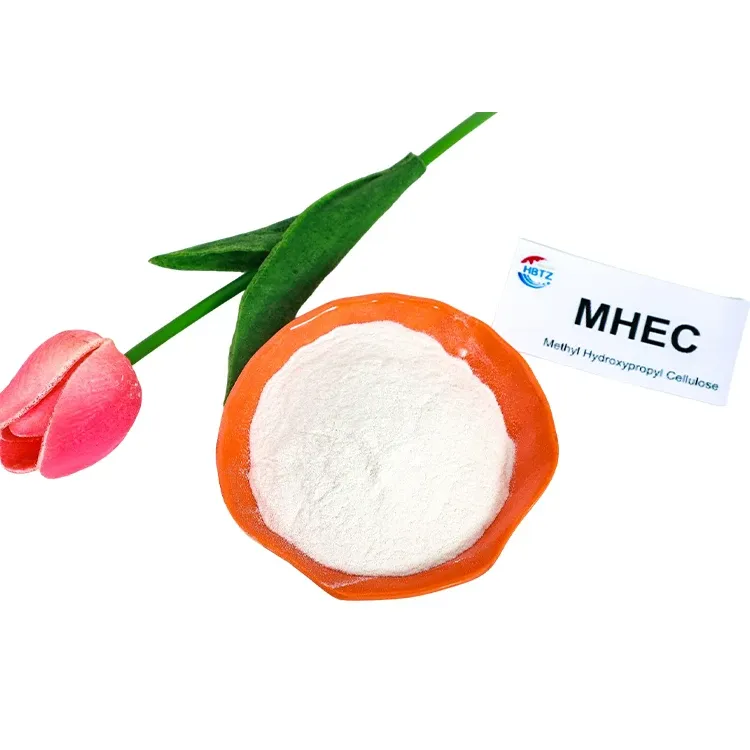
- MHEC: Similar, but better enzyme resistance for extended shelf life.
- CMC: Anionic, excels in detergents and batteries.
- HEC: Non-ionic, broad pH stability for paints.
- RDP-VAE: Pairs with cellulose for flexible mortars.
Our lineup covers these, OEM/ODM flexible. Custom viscosities? Common request from US formulators.

Real-World Applications in Construction and Beyond
In tile adhesives, 0.3% HPMC cuts slip by extending open time to 30+ mins. Gypsum plasters? Prevents sagging on ceilings. Paints thicken without splashing.
Pharma: Sustained-release matrices. Food: Gluten-free stabilizers. Oilfield: Reduces fluid loss in cementing.
Case in point: A Midwest contractor swapped imported cellulose—dropped batch failures from 15% to under 2%. Real gains come from consistent purity.
Construction Mixes
Lump-free dispersion, 24-hour workability.
Pharma Excipients
USP-grade, low ash <0.5%.
Procurement Buyer's Guide: Selecting the Right Grade
Start with end-use. High shear? Go K4M HPMC. Test samples—mix 0.5% in water, check pseudoplastic flow.
- Define viscosity needs.
- Request COA with gel temp, MS.
- Audit supplier capacity—40k tons/year minimum for reliability.
- Factor lead times: 15-25 days FOB Tianjin.
- Negotiate min order: 1 ton trials common.
WATCH FOR: Yellowing indicates impurities. Off-spec moisture >7% clumps.
Talk to Our EngineerTechnical Specifications Table
| Grade | Viscosity (cps) | Gel Temp (°C) | Purity (%) | Applications |
|---|---|---|---|---|
| HPMC E5 | 5-10 | 70-90 | 99.5 | Spray paints |
| HPMC K100M | 80,000-120,000 | 58-64 | 99.5 | Dry mortars |
| MHEC MH200M | 160,000-220,000 | 60-68 | 99 | Gypsum plasters |
Tang Zhi standards—download full datasheet on request.
Common Procurement Pitfalls to Avoid
Chasing rock-bottom prices? Often means inconsistent batches. One importer lost a contract after gelation failed in summer heat.
Overlook ash content? >1% fouls mixers. Ignore regional regs—EU REACH vs. US TSCA differ on residuals.
Our advice: Trial 200kg first. Scale once proven.
Shipping and Supply Chain Realities
25kg bags, 16MT/20ft FCL. Tianjin port, 25-35 days to LA/Long Beach. Incoterms: FOB/CIF standard.
Winter delays? Buffer 7 days. We pack in PE liners vs. moisture.
Frequently Asked Questions
Is cellulose vegan?
Yes, plant-sourced. No animal derivatives.
What's the shelf life?
2 years dry, sealed. Test if exposed.
Can you customize MS values?
Yes, for OEM runs over 5 tons.
Certifications?
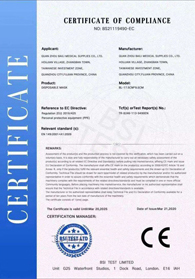
ISO9001, REACH, Kosher, Halal. 
What Buyers Are Saying

John Ramirez, Procurement Mgr, Texas Drywall Co.
"Switched to Tang Zhi HPMC after three bad imports. Open time doubled, no lumps. Reliable 20ft loads every time."

Sarah Chen, Ops Director, Midwest Coatings
"Custom MHEC grade hit our viscosity spot-on. Lead time beat competitors by 10 days. Samples were free, no hassle."

Mike Patel, Supply Chain Lead, Cali Importers
"CMC for batteries—pure, no ash issues. FSC docs helped our ESG report. Scaling to 50 tons/mo."

David Kowalski, Eng Mgr, Florida Contractor
"Gypsum retarder blend worked perfectly. Less waste on jobsites. Direct WhatsApp comms sped approvals."
Ready for Your Cellulose Solution?
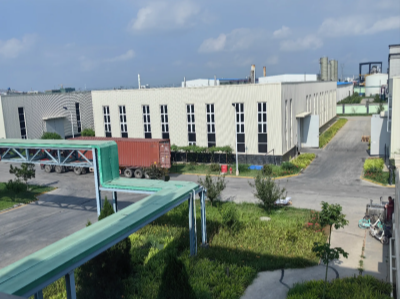
Tang Zhi Technology (Hebei) Co., Ltd. — 140,000㎡ factory, 40k+ tons capacity.
Phone/Whatsapp: +86-15032625168 | Email: admin@tangzhicellulose.com
Addr: Room 2308, Dongsheng Plaza 2, No. 508 Zhongshan East Road, Chang’an District, Shijiazhuang, Hebei, China

Written by Li Wei, Export Director at Tang Zhi Technology. 15+ years in cellulose trade.