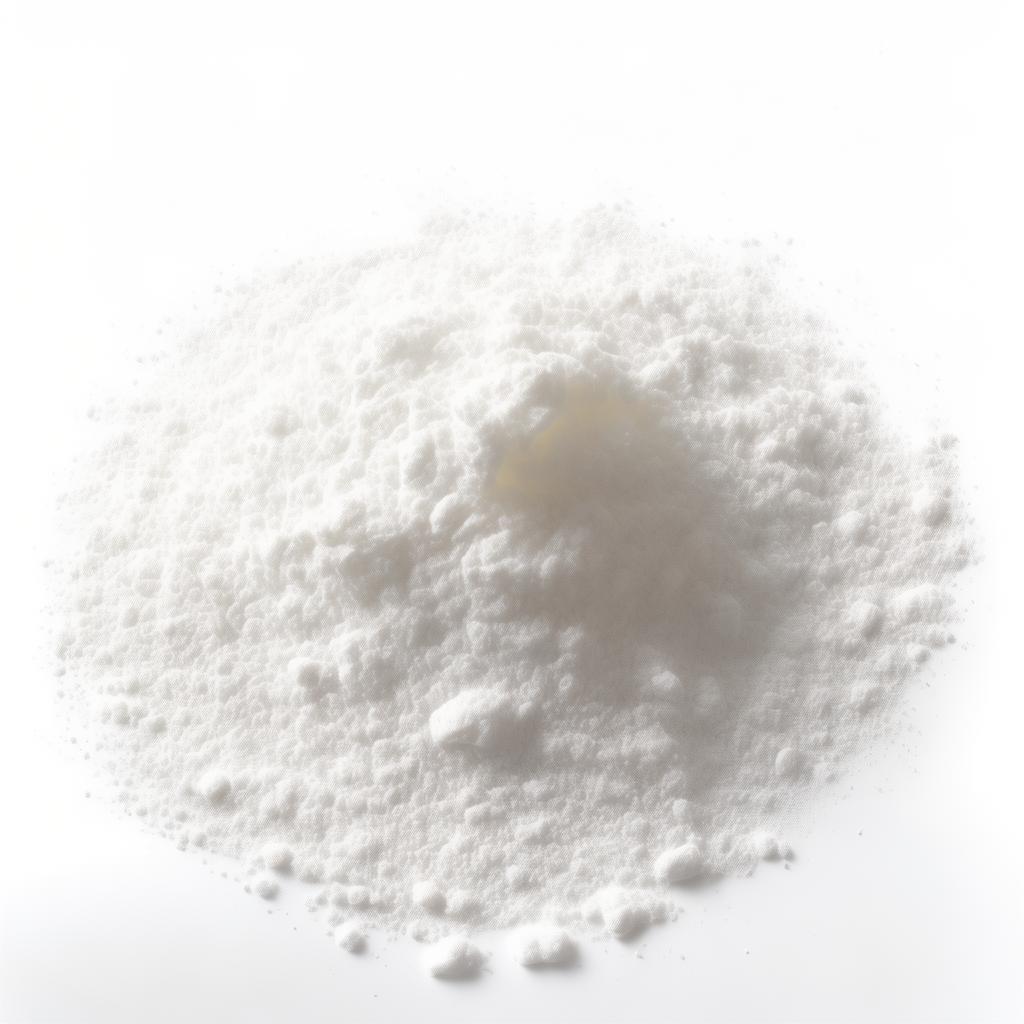
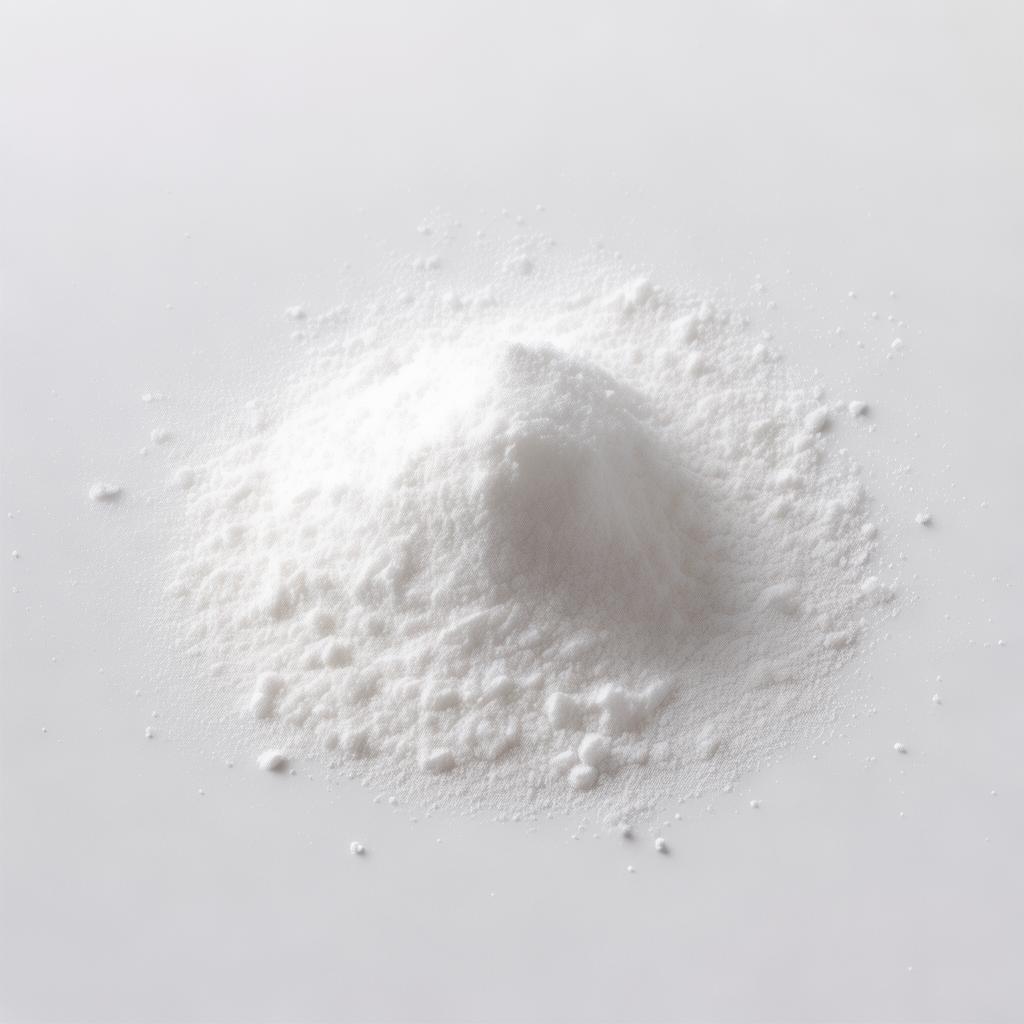
What Is Cellulose
What is Cellulose? Essential Insights for Procurement and Manufacturing Pros
Cellulose. You hear the term tossed around in specs sheets, supplier catalogs, and technical datasheets for everything from drywall compounds to tile adhesives. But if you're knee-deep in procurement decisions or overseeing operations in construction, pharma, or food processing, do you really grasp what makes this stuff tick? I've been sourcing and specifying cellulose derivatives for over 15 years as an export manager, and let me tell you—it's not just plant fiber. It's the backbone of modern industrial formulations.
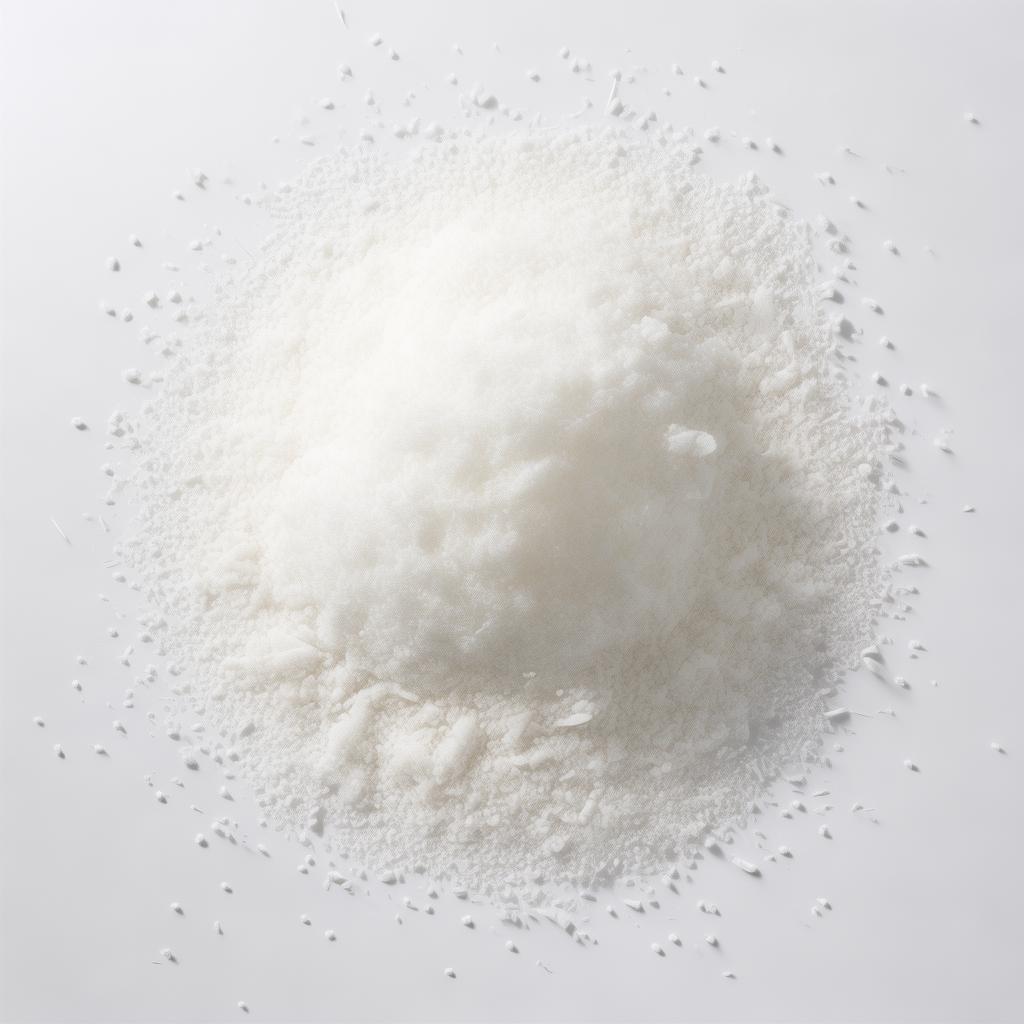
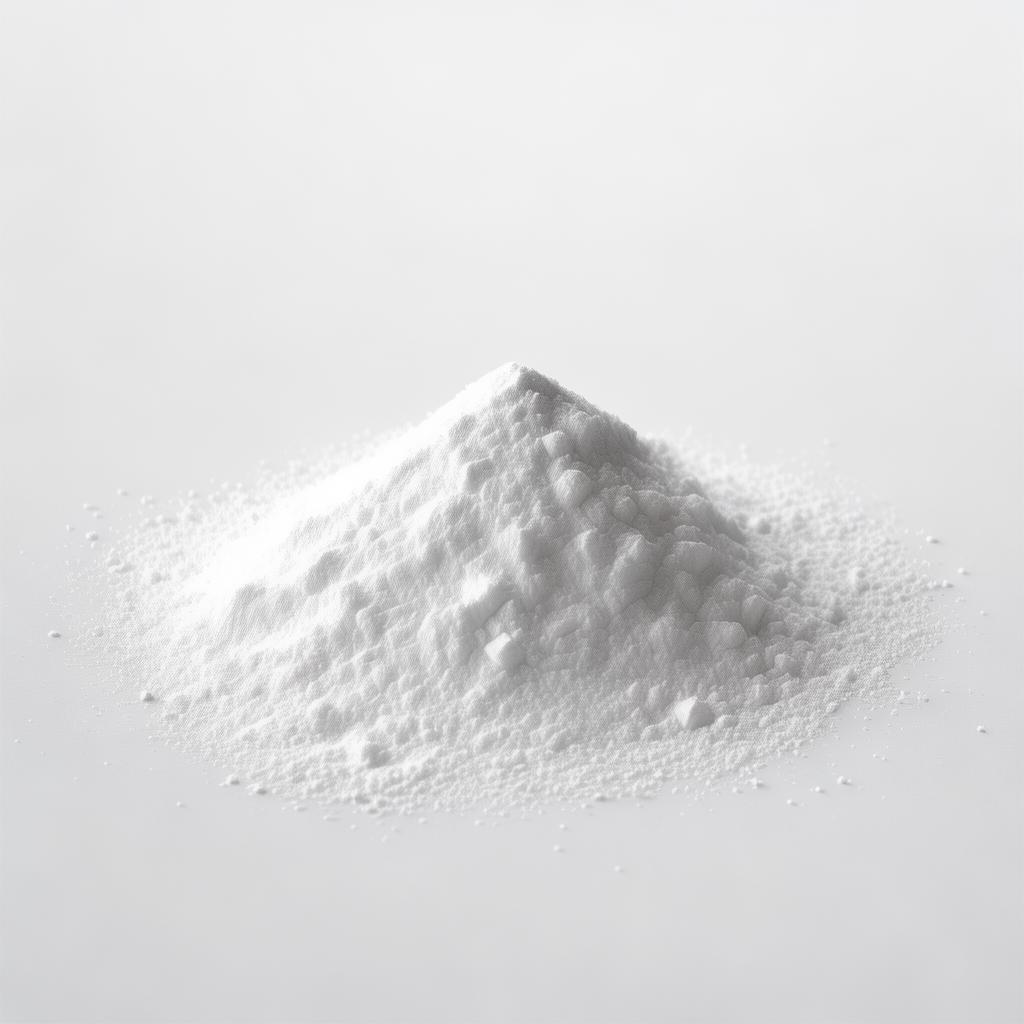
At its core, cellulose is the most abundant organic polymer on Earth. Derived primarily from wood pulp, cotton linters, or other plant sources, it's a linear chain of glucose units linked by β-1,4-glycosidic bonds. That chemical backbone gives it unique properties: insoluble in water, chemically stable, and capable of forming gels, films, or thickeners when modified. But raw cellulose? Not very useful for industry. We need derivatives like HPMC (hydroxypropyl methylcellulose), MHEC, or CMC to unlock its potential.
Why does this matter to buyers like you? Because in a market flooded with cheap imports, understanding cellulose means spotting quality issues before they hit your production line. Poor solubility leads to clumpy mortars. Inconsistent viscosity wrecks coatings. And subpar purity? That's contamination risks in pharma apps. We've seen importers burn through test batches chasing specs they didn't fully vet.
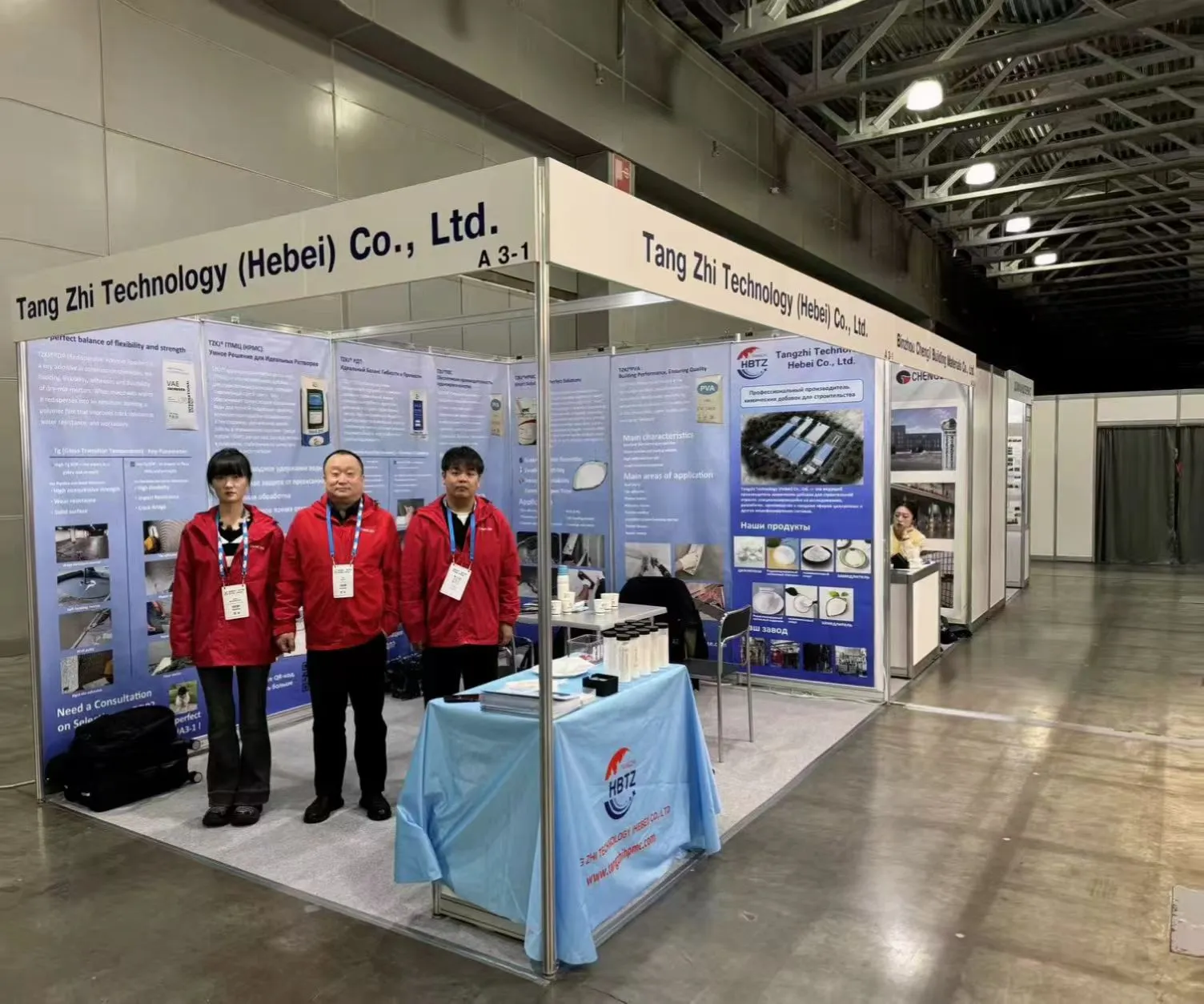
Our team at Tang Zhi Technology (Hebei) Co., Ltd. produces over 40,000 tons annually of premium cellulose ethers—HPMC, MHEC, RDP-VAE, CMC, and more—from our 140,000 sqm facility in Jinzhou, Hebei. We're not resellers. We control the etherification process, ensuring tight viscosity ranges and low ash content that meet ISO and CE standards.
Dive in. By the end, you'll know exactly what cellulose is, how it's made, why it outperforms alternatives, and how to procure it without the headaches.
Table of Contents
- 1. Defining Cellulose: Chemistry and Sources
- 2. Key Cellulose Derivatives for Industry
- 3. Technical Deep Dive: Properties That Matter
- 4. Common Procurement Pitfalls
- 5. Real-World Applications
- 6. Cellulose vs. Competitors
- 7. Buyer's Guide: Spec It Right
- 8. Inside Our Production
- 9. What Buyers Say
- 10. FAQ for Importers
1. Defining Cellulose: From Nature to Industrial Powerhouse
Cellulose isn't some lab invention. It's nature's structural scaffold—makes up 40-50% of wood, 90% of cotton. Chemically, picture thousands of glucose rings chained together in a straight line, held by those β-1,4 bonds. This setup creates hydrogen bonding between chains, forming tough microfibrils. That's why trees don't flop over.
Industrially, we extract it via pulping: alkaline or kraft processes break down lignin and hemicellulose, leaving nearly pure cellulose. Purity matters—residuals affect derivative performance. Alpha cellulose grades hit 95%+ purity for high-end apps.
But straight cellulose? Too crystalline, won't dissolve. Enter derivatization. We swap hydroxyl groups with methyl, hydroxypropyl, or carboxymethyl to tweak solubility, viscosity, gelation. HPMC, for instance, dissolves clear in cold water, thermogels above 50-90°C depending on substitution.
I've walked factory floors where poor pulping leads to inconsistent batches. Yellowing pulp signals impurities that'll gel prematurely in your tile adhesive. Spot it early.
Global production? Millions of tons yearly, mostly China, Europe. Hebei's cluster—where our plant sits—dominates ethers due to cheap wood pulp and scale.
Procurement tip: Ask for COA showing degree of polymerization (DP 1000-3000 typical) and substitution levels. Skimp here, regret later.
2. Key Cellulose Derivatives You Need to Know
Not all cellulose is equal. Here's the lineup pros specify:
- HPMC (E464): King of construction. Thickens mortars, retains water 30% better than starch ethers. Gel point tunable 58-90°C.
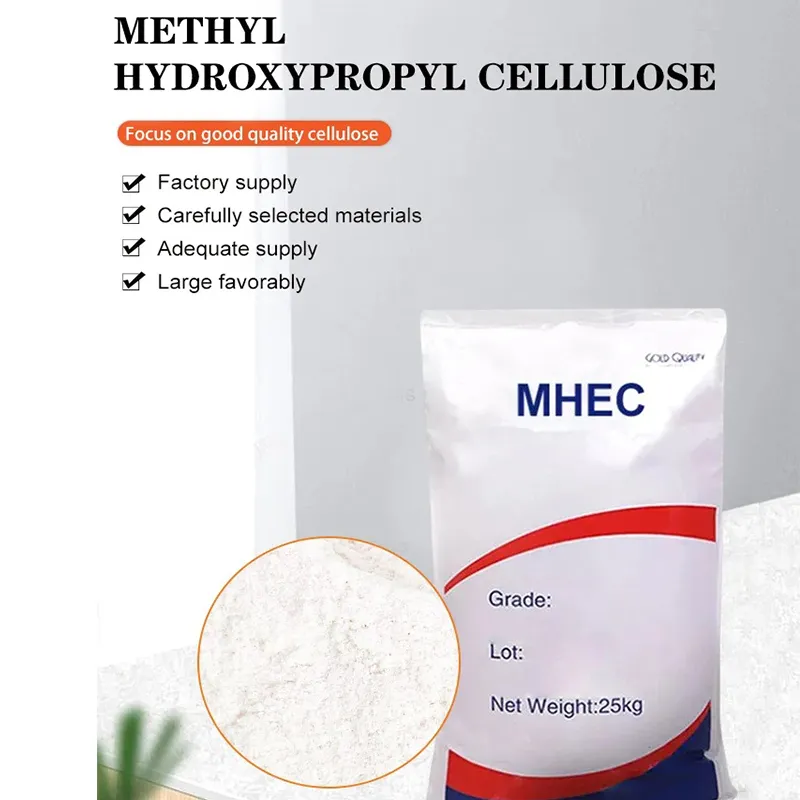
- MHEC: Similar but cooler gel points, ideal for renders in humid climates.
- CMC (E466): Sodium salt, super water-soluble. Detergents, food thickeners, pharma suspensions.
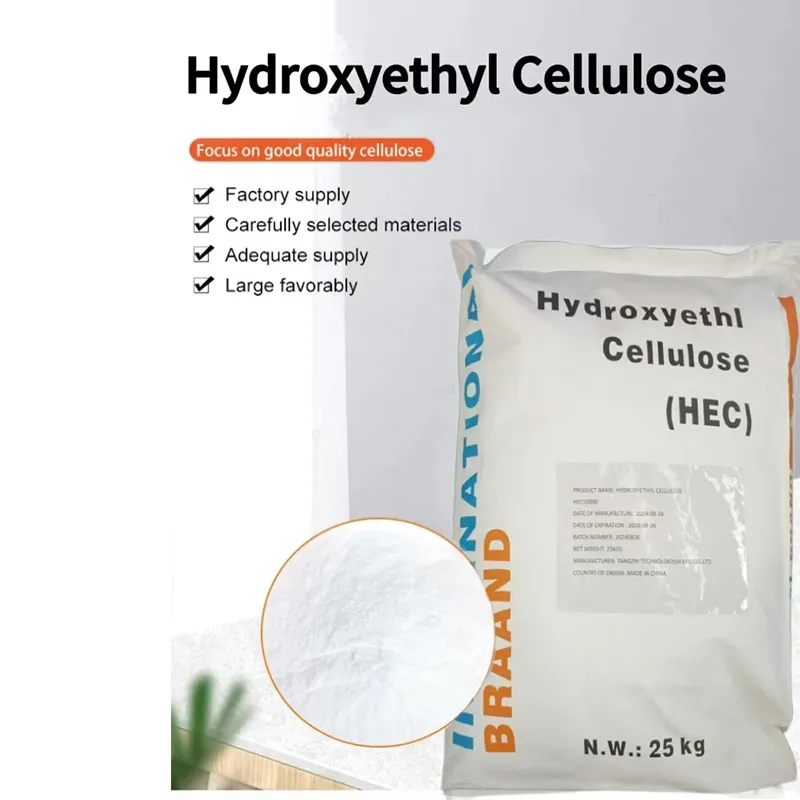
- HEC: Non-ionic, broad pH stability for paints.
- RDP-VAE: Polymer powder, boosts flexibility in dry mixes—not cellulose but pairs perfectly.
Our HPMC line covers viscosities from 5,000 to 200,000 mPa·s. Mix-match for custom blends.
Operational note: In summer jobsites, high-gel HPMC cuts slumping. Winter? Low-gel for pumpability.
3. Technical Deep Dive: Properties That Drive Performance
Viscosity. The big one. Measured in 2% solution at 20°C, Brookfield LV. But shear-thinning matters more—thixotropic flow for trowel apps.
Water retention: Up to 150% vs. dry mix. Critical for hydration in thin-set mortars.
| Grade | Viscosity (mPa·s) | Gel Temp (°C) | Water Retention (%) |
|---|---|---|---|
| HPMC K4M | 4,000-6,000 | 70-90 | >95 |
| HPMC K15M | 12,000-18,000 | 58-64 | >98 |
| MHEC MHPC 100K | 80,000-120,000 | 60-65 | >97 |
what's cellulose what does cellulose cellulose what is
pH stability: 3-11 range. Ash <1.5%. Microbial resistance baked in—no preservatives needed.
Short take: Match viscosity to shear rates in your mixer. Too low? Runny mix. Too high? Pump clogs.
4. Industry Headaches Cellulose Solves (And Ones It Doesn't)
Sourcing woes: Spotty suppliers ship off-spec lots. We've tested imports with 20% variance—disaster for batch consistency.
Jobsite realities: Mortars cracking from fast dry-out. Cellulose holds moisture, extends open time 20-30%.
But watch: Overdosage yellows finishes. Typical 0.2-0.5% bwoc (by weight of cement).
Logistics gotchas: Hygroscopic—needs PE-lined bags, 20' container holds 16-18MT.
5. Where Cellulose Shines in Real Operations
Construction dominates: Tile adhesives (EN 12004 C2 class), renders, EIFS. HPMC boosts sag resistance—no slumping on verticals.
Coatings: Paints thicken without splashing. Gypsum plasters: Retarders pair with cellulose for pumpable mixes.
Pharma: Sustained release matrices. Food: Stabilizers in ice cream—no weep.
Detergents: Anti-redeposition. Oil drilling: Fluid loss control.
Case in point: US contractor switched to our MHEC—cut rework 15% on high-rises. Measurable ROI.
6. Cellulose Ethers vs. Starch, Guar, Synthetics
| Property | Cellulose (HPMC) | Starch Ether | Guar Gum |
|---|---|---|---|
| Water Retention | Excellent | Good | Fair |
| Enzyme Resistance | High | Low | Medium |
| Cost/kg | Medium | Low | Medium |
| pH Stability | 3-11 | 5-9 | 4-10 |
Cellulose wins on reliability. Starch ferments in wet mixes.
7. Procurement Checklist: Don't Get Burned
- COA mandatory: Viscosity, MS (methoxyl 19-24%), gel temp.
- Sample first: Test in your formula.
- MOQ negotiate: 1MT trials ok.
- Lead time: 15-25 days FOB Tianjin.
- Certifications: ISO9001, Kosher, Halal, REACH.
- Packing: 25kg bags, palletized.
Pro tip: Request MSDS early—handles DOT/IMDG shipping.
Request free samples today to verify fit.
8. Tang Zhi Technology: Scale Meets Control
140,000 sqm site, 90,000 sqm built. Fully automated lines from Germany/Japan tech. Etherification reactors ensure uniform DS (degree of substitution).
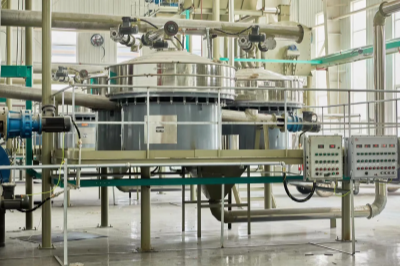
Export to 50+ countries. US customs compliant. Annual audit trail for traceability.
ISO 9001, 14001 certified. See our  stamps on every shipment.
9. Feedback from Procurement Teams
John Ramirez, Purchasing Manager, Texas Drywall Co.
 "Our HPMC trials beat Dow's pricing with better consistency. No batch rejects last quarter."
Anna Kowalski, Ops Director, Florida Coatings.
 "MHEC solved our sag issues in EIFS. Delivery on time, even during port congestion."
Mike Chen, Supply Chain Lead, Cali Importer.
 "CMC pharma grade passed FDA audit. Responsive engineers tweaked specs for us."
Sarah Patel, Project Contractor, Midwest.
 "Gypsum retarder + HPMC combo saved labor. 20% faster pours."
10. FAQ: Straight Answers for Buyers
What exactly is cellulose used for in construction?
Water retention, thickening, workability in cementitious mixes. Prevents cracking.
How do I store cellulose powder?
Cool, dry, away from sunlight. Shelf life 24 months sealed.
OEM custom grades?
Yes. Tailor viscosity, substitution. MOQ 5MT.
Shipping to USA?
FOB/CIF. 25-35 days to West Coast. Duty rates low under HTS 3912.39.
Free samples?
500g-1kg. Cover courier.
Ready to Source Reliable Cellulose?
Talk specs with our engineers. Get factory-direct pricing.
+86-15032625168 (WhatsApp/Call) | admin@tangzhicellulose.com
Room 2308, Dongsheng Plaza 2, No. 508 Zhongshan East Road, Chang’an District, Shijiazhuang, Hebei, China
 Li Wei, Export Director
15+ years in cellulose trade. Sourced for US majors.