Whats Cellulose
What is Cellulose? Essential Insights for Procurement Teams
Cellulose isn't just a buzzword in manufacturing—it's the backbone of countless industrial processes. If you're sourcing materials for construction, pharma, or food production, understanding cellulose derivatives like HPMC can make or break your supply chain.
Breaking Down Cellulose: From Natural Polymer to Industrial Powerhouse
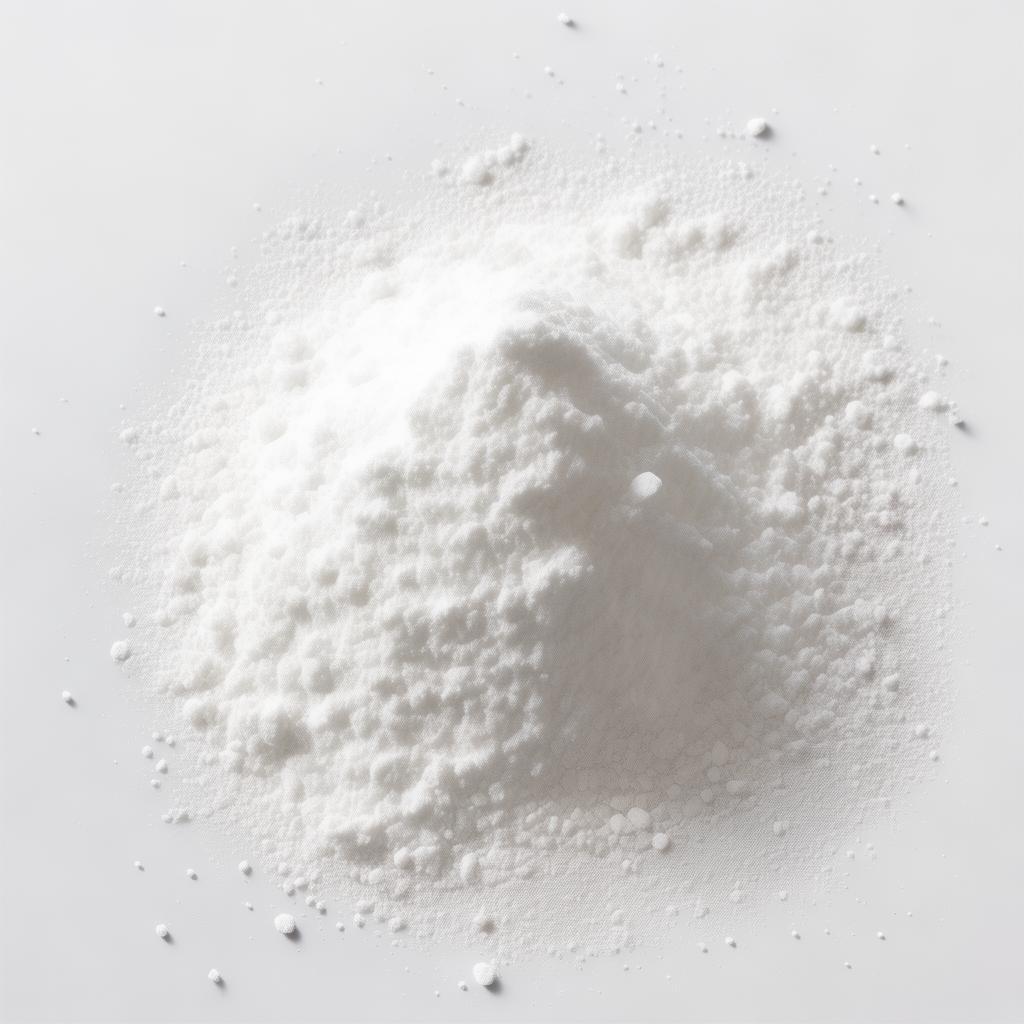
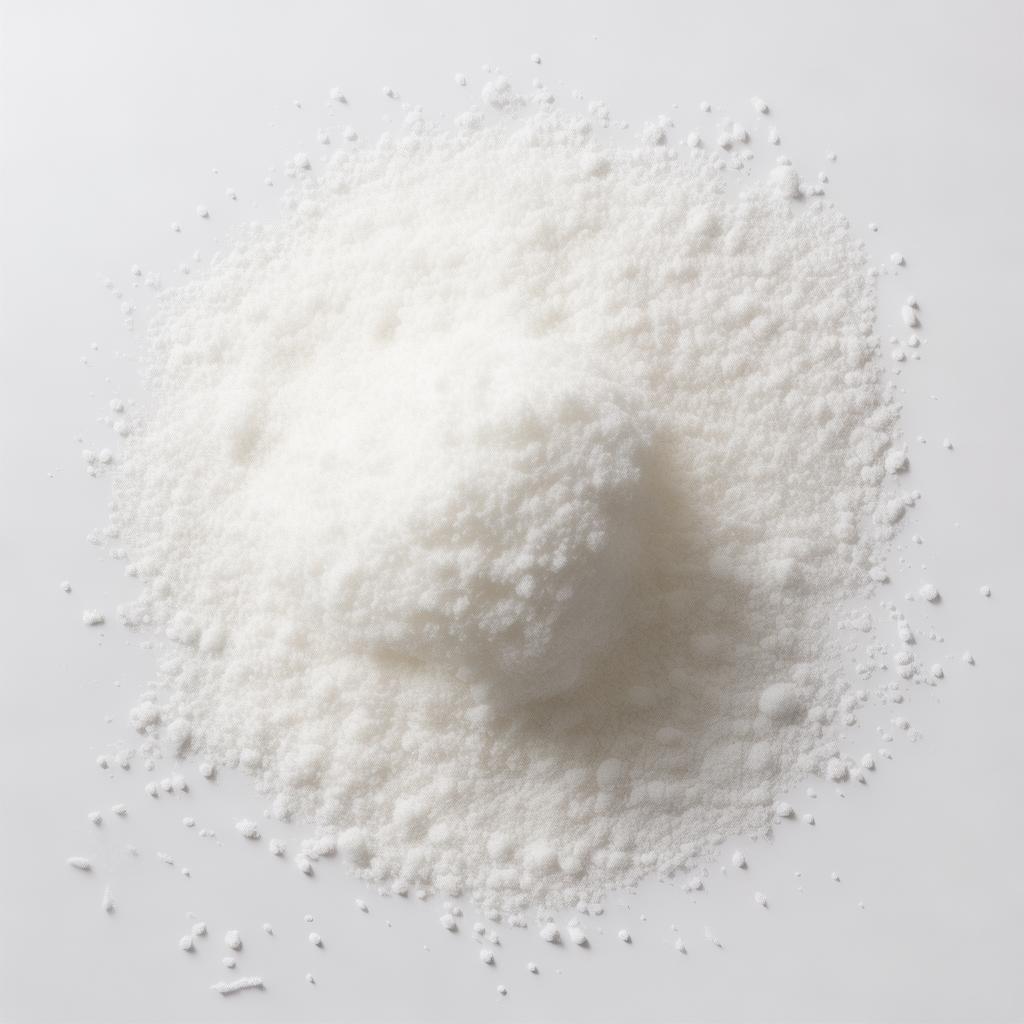
Cellulose starts simple. It's the most abundant organic polymer on earth, pulled straight from plant cell walls—think cotton, wood pulp, or even agricultural waste. Chemically, it's a long chain of glucose units linked by beta-1,4 bonds. Stable, insoluble in water, and tough as nails.
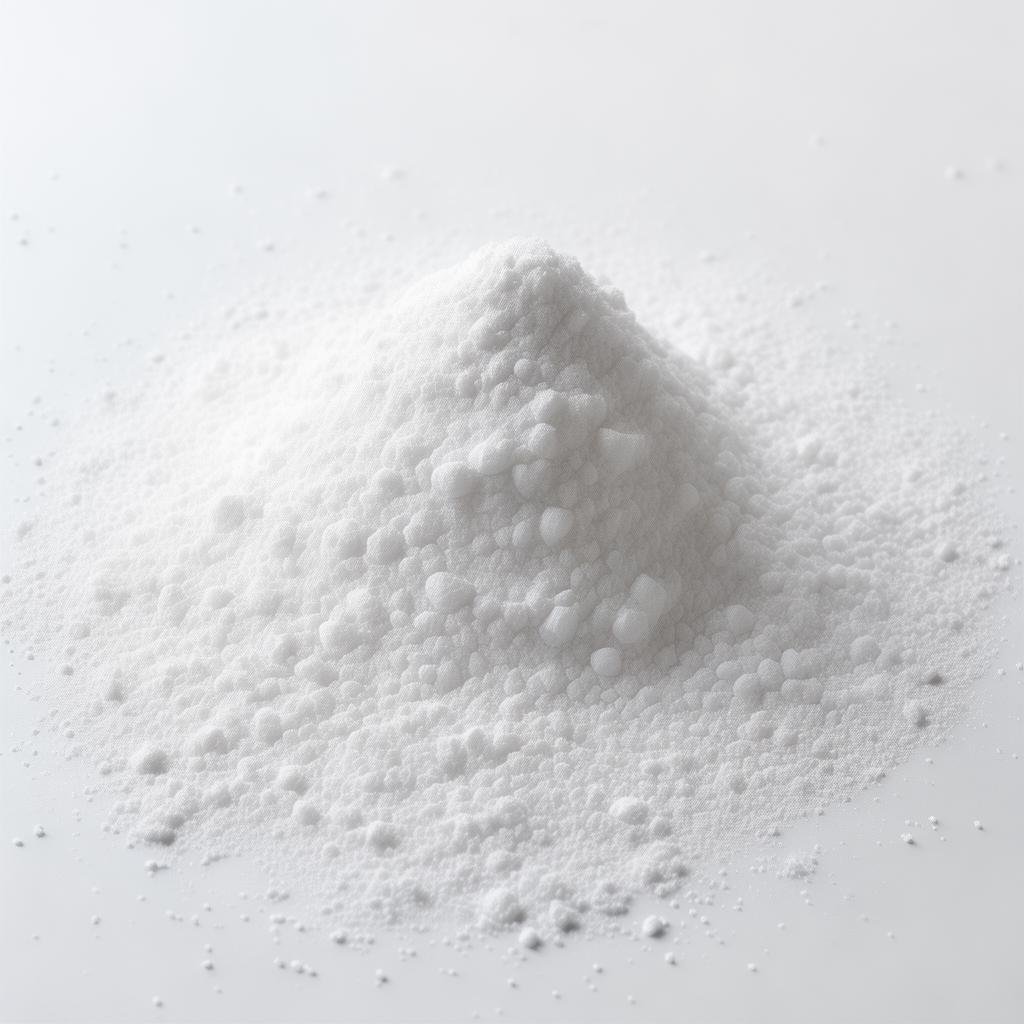
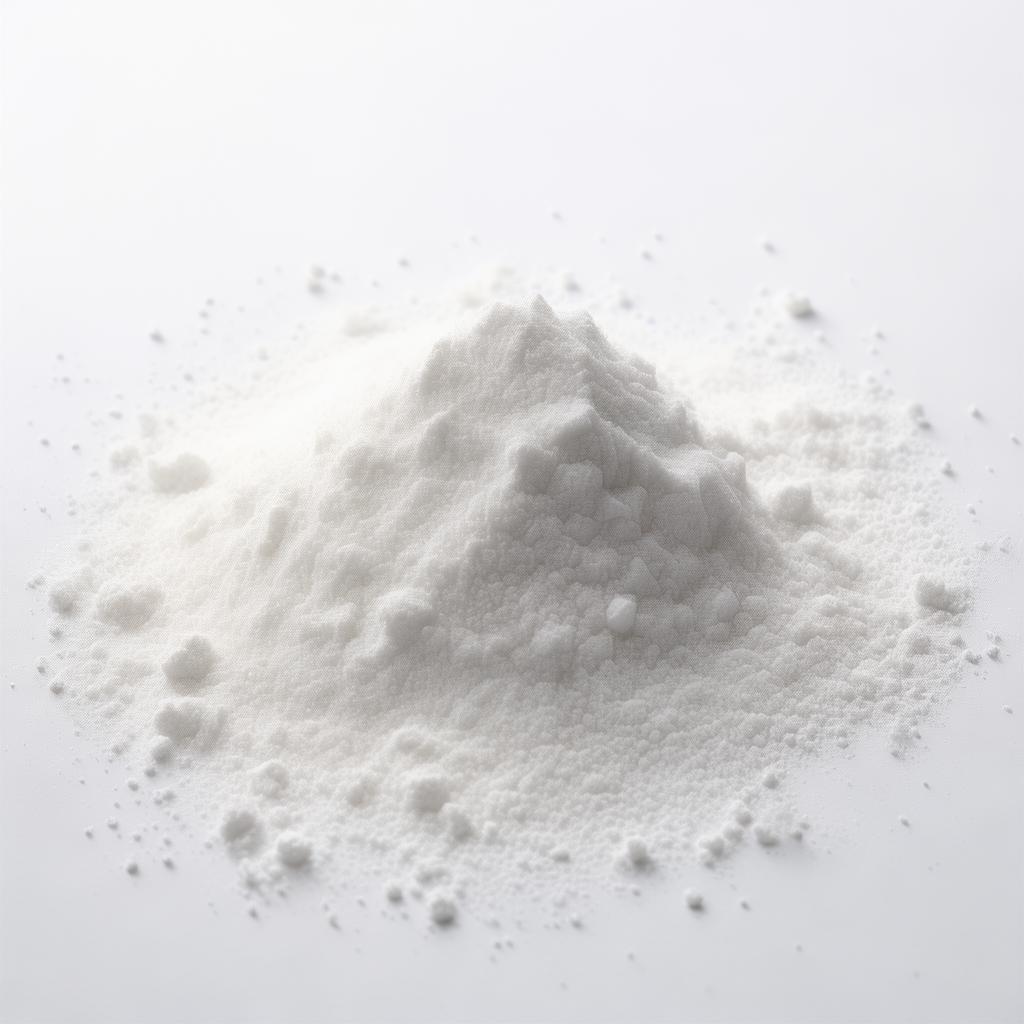
But raw cellulose? Useless for most modern apps without modification. That's where derivatives come in. We etherify or esterify it to tweak solubility, viscosity, and gel strength. Hydroxypropyl methylcellulose (HPMC), for instance, swaps hydrogens for methyl and hydroxypropyl groups. Suddenly, you've got a powder that hydrates in cold water, thickens under heat, and films up nicely.
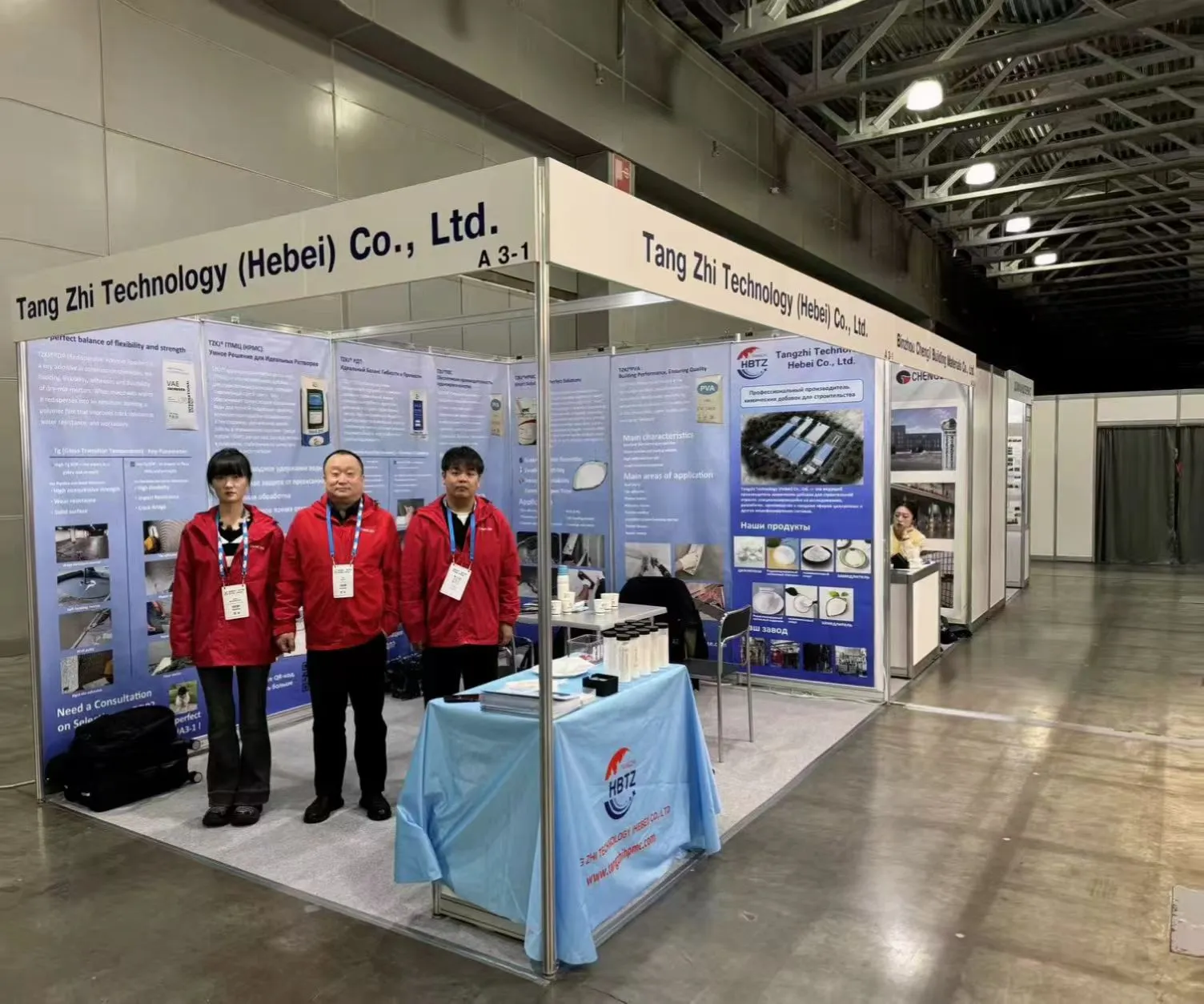
I've seen ops managers scratch their heads over this in initial calls. They think "cellulose" means fluffy filler. Nope. It's engineered for precision. Take our HPMC lines at Tang Zhi Technology. Produced via automated etherification in Hebei, with tight control on molar substitution (MS) and degree of polymerization. Why does that matter? Predictable performance in your mortar mix or pill coating.
Production isn't glamorous. Slurry cooking, purification, drying towers running 24/7. Our 140,000 sqm facility cranks out 40,000+ tons yearly. Downtime? Rare, thanks to redundant lines. But quality control— that's where trips happen. Off-spec viscosity, and your tile adhesive fails field tests.
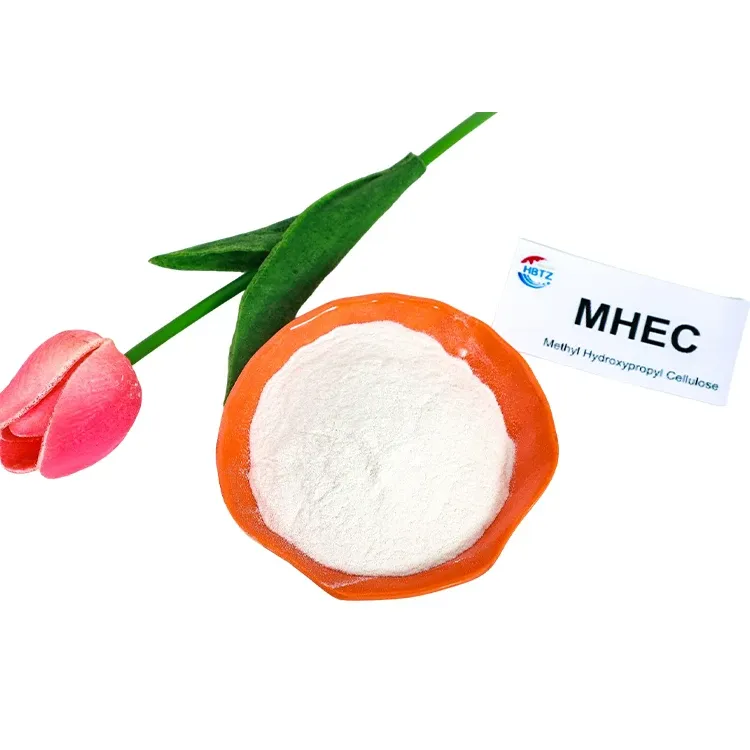
Shift to MHEC. Similar family, but hydroxyethyl instead. Better shear stability for pumps. We've shipped tons to US contractors mixing self-leveling underlayments. CMC? Carboxymethyl for pharma excipients—binds tablets without cracking.
Procurement tip: Don't chase rock-bottom price on generics. Lab-tested DS (degree of substitution) varies wildly between factories. We've audited suppliers ourselves; consistency wins over cost every time.
Global trade angle—Hebei's logistics hub means FCL loads to Long Beach in 25-30 days. But watch INCOTerms. EXW sounds cheap, but hidden trucking eats margins.
Where Cellulose Derivatives Shine in Industrial Apps
Construction eats 60% of output. HPMC in dry mortars—water retention jumps 20-30% over starch ethers. Less cracking on high-rises in humid climates like Florida. We've got repeat orders from Miami masons.
Pharma next. RDP-VAE for coatings? No. HPMC as binder in sustained-release tabs. Controls drug elution precisely. FDA-grade from our lines, with low ash and heavy metals compliant.
- Cementitious Grouts: MHEC boosts thixotropy—stays put on verticals.
- Gypsum Plasters: PCE superplasticizer paired with our retarders for extended work time.
- Food Thickening: CMC grades E466, neutral taste, shear-thinning for pumps.
- Paints/Coatings: HEC for rheology—anti-sag, level-out smooth.
Oilfield? Carboxymethyl cellulose as viscosifier in drilling muds. Tolerates 150°C, salts. But that's niche—most volume's building materials.
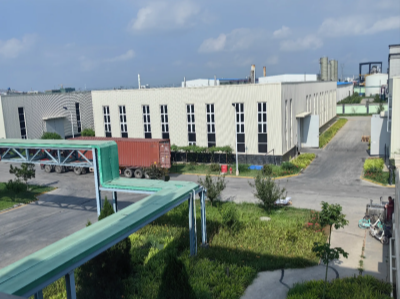
Automated HPMC reactor at our Hebei plant
One importer shared: Switched to our PVA after emulsions separated in transit. Now stable pH 4-7, redisperses clean.
Technical Specs: What to Spec in Your RFQ
Buyers demand data. Here's a snapshot from our standard grades. Customize? We tweak viscosity or purity per order.
| Grade | Viscosity (mPa.s) | Gel Temp (°C) | Purity (%) | Applications |
|---|---|---|---|---|
| HPMC K4M | 4000-6000 | 58-64 | >99 | Tile Adhesives |
| MHEC MH200K | 200,000 | N/A | >98 | Self-Leveling |
| CMC FH9 | 1500-2500 | N/A | >99.5 | Pharma/Food |
what in cellulose what does cellulose what is the cellulose
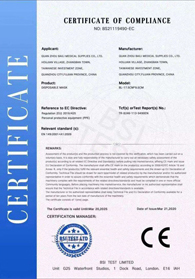
Certifications? ISO9001, ISO14001, REACH compliant. Halal/Kosher on request. Lead time: 15-25 days post-LC.

Procurement Guide: Sourcing Cellulose Without Headaches
Risks abound. Fake certs, moisture-clumped bags, inconsistent batches. Start with factory audit—virtual tour via our site. Ask for COA on every shipment.
MOQ? 1 ton trials welcome. Packaging: 25kg multi-ply paper bags, PE inner. Palletized for 20' FCL—18-20MT net.
Common pitfalls: Ignoring regional humidity specs. US West Coast? Opt lower gel temp grades. Test in your mix design first—lab-scale, then pilot.
- Define needs: Viscosity target, end-use.
- Request samples with TDS.
- Negotiate terms: CIF LA, 30% advance.
- Verify via SGS if scaling.
- Lock annual contract for pricing stability.
"Switched suppliers mid-project once. Batches varied 20% viscosity. Tang Zhi's held steady—project finished on time." — Mike R., Ops Manager, Texas Contractor
Installation? Minimal dust with our food-grade dust suppressants. Shelf life 24 months dry. Chat engineer for custom blend?
What Buyers Are Saying

Procurement Lead, California Importer
"Reliable HPMC for our drywall compounds. No rejections at port, quick response on spec tweaks. Solid partner."

Supply Chain Dir., Midwest Distributor
"CMC grades spot-on for our ice cream stabilizer line. Better hydration than Dow's at fraction cost. Repeat orders locked."

Project Engineer, Florida Contractor
"MHEC worked great in EIFS—no slumping in heat. Delivery on spec, engineer helped dial dosage."
Frequently Asked Questions on Cellulose Sourcing
What's the difference between HPMC and HEMC?
HEMC has higher hydroxyethyl content—better cold-water solubility, but HPMC gels on heat for mortars. Pick per app.
How do I store cellulose ethers?
Cool, dry, <20°C. Avoid stacking >4 pallets high. Humidity >70% risks clumping.
Minimum order for US import?
1MT trial. Full container 18MT for best rate.
Compatible with PCE superplasticizers?
Yes—our blends optimized. No flocculation issues.

Li Wei, Export Director
15+ years in cellulose derivatives. Handled 500+ container exports to Americas. Ex-engineer turned sales—know the plant floor realities.
Ready to Source Reliable Cellulose?
From Hebei to your door—factory pricing, tested quality.
TANG ZHI TECHNOLOGY (HEBEI) CO., LTD
Room 2308, Dongsheng Plaza 2, No. 508 Zhongshan East Road, Chang’an District, Shijiazhuang, Hebei, China
+86-15032625168 | Whatsapp: +86 15032625168 | admin@tangzhicellulose.com