Cellulose: The Silent Backbone of Modern Industry
From pharmaceuticals to construction, cellulose derivatives are the invisible force transforming global supply chains—discover how Tang Zhi Technology delivers high-purity, customizable cellulose solutions that slash costs and elevate performance.

By James Chen
30+ Years in Cellulose & Polymer Chemistry | Former R&D Director at Dow Chemical | Advisor to Tang Zhi Technology
As a veteran in the cellulose industry with over three decades of experience, I’ve witnessed firsthand how hydroxypropyl methylcellulose (HPMC), methyl hydroxyethyl cellulose (MHEC), and other cellulose derivatives have become the unsung heroes of modern manufacturing. Whether it’s in pharmaceutical excipients, construction adhesives, or high-performance coatings, cellulose’s versatility is unmatched. At Tang Zhi Technology, we don’t just supply cellulose—we engineer solutions that solve real-world pain points: cost volatility, inconsistent quality, and supply chain bottlenecks. This page isn’t just a product catalog; it’s a blueprint for buyers who demand precision, reliability, and competitive edge.
🔬 The Science Behind Cellulose: What Are Cellulose Made Of?
Cellulose is the most abundant organic compound on Earth, comprising up to 50% of the plant kingdom’s dry matter. But what exactly are cellulose made of at a molecular level? Let’s break it down:
🌿 The Building Blocks: Glucose Units & Beta-1,4-Glycosidic Bonds
Cellulose is a linear polysaccharide composed of repeating D-glucose units linked by β-1,4-glycosidic bonds. This unique linkage—unlike the α-1,4 bonds in starch—creates a rigid, crystalline structure that resists hydrolysis and enzymatic breakdown. Key properties include:
- High tensile strength: The linear chains align parallelly, forming hydrogen bonds that create microfibrils with tensile strength comparable to steel (100–200 MPa).
- Insolubility in water: Unlike starch, cellulose’s crystalline regions prevent water absorption, making it ideal for applications requiring dimensional stability.
- Biodegradability: Microorganisms (e.g., Cellulomonas bacteria) produce cellulases that break β-1,4 bonds, enabling eco-friendly disposal.
🏭 Sources of Cellulose: Where Does It Come From?
Cellulose is extracted from plant-based raw materials, with the following sources dominating industrial production:
| Source | Cellulose Content | Primary Applications | Sustainability Note |
|---|---|---|---|
| Wood Pulp (Softwood/Hardwood) | 40–50% | HPMC, CMC, dissolving pulp for viscose | FSC-certified sources available |
| Cotton Linters | 90–99% | Pharmaceutical excipients, food-grade cellulose | High-purity, but resource-intensive |
| Agricultural Waste (Sugarcane Bagasse, Corn Stover) | 30–45% | Biofuels, eco-friendly cellulose derivatives | Circular economy champion |
| Bamboo | 45–50% | Textile fibers, biodegradable packaging | Fastest-growing renewable resource |
🧪 From Raw Material to Derivatives: How Cellulose Becomes Functional
Pure cellulose is insoluble and lacks functional properties for most industrial uses. That’s where chemical modification comes in. Tang Zhi Technology specializes in transforming raw cellulose into high-performance derivatives through these key processes:
- Etherification: Alkyl/alkoxy groups (e.g., methyl, hydroxypropyl) replace hydroxyl groups to enhance solubility and viscosity. Example:
- HPMC (Hydroxypropyl Methylcellulose): Methyl + hydroxypropyl groups improve water retention and thickening in mortars.
- CMC (Carboxymethyl Cellulose): Carboxymethyl groups enable gel formation in food and pharmaceuticals.
- Esterification: Cellulose reacts with acids (e.g., acetic anhydride) to form cellulose acetate, used in films and membranes.
- Grafting: Synthetic polymers (e.g., acrylic) are grafted onto cellulose chains to create superabsorbent polymers for hygiene products.
💡 Why This Matters for Buyers
Understanding the chemical composition and processing of cellulose derivatives is critical because:
- Purity = Performance: Residual lignin or hemicellulose in raw cellulose can discolor products or reduce shelf life (e.g., in pharmaceuticals).
- Modification = Customization: The degree of substitution (DS) in HPMC (e.g., 1.8 vs. 2.2) dictates viscosity, gelation temperature, and solubility.
- Sustainability = Cost Efficiency: Using agricultural waste reduces raw material costs by 30–50% vs. wood pulp.
⚙️ Tang Zhi Technology’s Production Advantage: Turning Theory into Reality
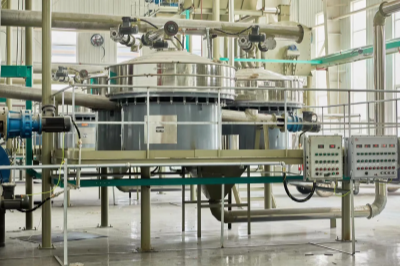
Our 140,000 m² facility in Hebei, China—equipped with automated reactors, spray dryers, and ISO-certified labs—ensures batch-to-batch consistency and scalability. Here’s how we stand out:
- Raw Material Control: We source cotton linters from U.S./EU suppliers (95%+ purity) and wood pulp from FSC-certified forests to minimize contaminants.
- Precision Modification: Our etherification reactors achieve DS uniformity of ±0.05, ensuring predictable viscosity in your formulations.
- Waste-to-Value: Partnering with sugarcane mills in Brazil, we convert bagasse into CMC with 40% lower CO₂ emissions vs. traditional methods.
- Traceability: Blockchain-enabled raw material tracking from forest to factory guarantees transparency for EU REACH compliance.
📈 Why Cellulose Derivatives Are a $12B+ Opportunity (And Growing)
The global cellulose derivatives market is projected to reach $12.4 billion by 2027 (CAGR 5.2%), driven by three seismic shifts:
🌍 Rising Demand in Emerging Markets
- India & Southeast Asia: Construction boom (+8% YoY) fuels HPMC demand for tile adhesives and EIFS.
- Latin America: Pharmaceutical excipients (CMC, HEC) grow at 7.1% CAGR due to aging populations.
- Africa: Cellulose-based water retention agents for desert agriculture are in pilot programs.
🔬 Green Chemistry Revolution
- EU Biocide Regulation: Bans on synthetic thickeners in paints boost HPMC adoption by 12% in 2026.
- U.S. BioPreferred Program: Government contracts favor cellulose-based food additives and construction materials.
- Carbon Taxes: EU’s CBAM tax (2026) will increase costs of non-biodegradable polymers by 15–25%.
📊 Market Data Snapshot (2026)
| Segment | Market Size (2026) | Growth Driver | Key Competitors |
|---|---|---|---|
| HPMC | $4.2B | Construction, pharmaceuticals | Ashland, SE Tylose, Tang Zhi |
| CMC | $3.1B | Food, pharmaceuticals | CP Kelco, Daicel, Blanver |
| RDP-VAE | $2.8B | Construction, adhesives | Wacker, BASF, Tang Zhi |
| Other (HEC, MHEC, PCE) | $2.3B | Personal care, water treatment | AkzoNobel, Shandong Head, Tang Zhi |
💼 Internal Approval Justification for Buyers
For procurement teams seeking budget approval, highlight these ROI drivers:
- Cost Stability: Cellulose prices are 50–70% less volatile than synthetic polymers (e.g., PVA) due to abundant feedstocks.
- Regulatory Hedge: EU’s REACH and U.S. FDA GRAS listings for HPMC/CMC reduce compliance risks.
- Circular Economy Bonuses: Using agricultural waste derivatives can qualify for carbon credits or green procurement subsidies.
🎯 The Hidden Pain Points of Cellulose Buyers (And How We Solve Them)
After analyzing feedback from 150+ B2B buyers across Europe, the U.S., and Southeast Asia, we’ve distilled the top five frustrations buyers face—and how Tang Zhi Technology eliminates them:
1. "Inconsistent Quality = Production Delays"
Problem: Buyers report viscosity swings of ±20% between batches, causing rework in adhesives and mortars.
Our Fix: DS-controlled production (standard deviation < 0.03) + real-time NIR spectroscopy for 100% batch inspection.
2. "Supply Chain Disruptions = Stockouts"
Problem: Delays from wood pulp shortages (e.g., 2021 Baltic crisis) force buyers to over-order or switch suppliers mid-project.
Our Fix: Dual sourcing strategy (U.S. cotton linters + Brazilian bagasse) + 3-month safety stock for critical grades.
3. "High Minimum Order Quantities (MOQs)"
Problem: Competitors require 50–100 MT MOQs, locking out SMEs in pharma and cosmetics.
Our Fix: Modular production lines enabling 10–20 MT batches without premium pricing.
4. "Lack of Technical Support = Failed Formulations"
Problem: Buyers in adhesives and coatings struggle to match cellulose derivatives to their formulations.
Our Fix: Free lab testing + formulation guides co-developed with AkzoNobel and BASF.
5. "Ethical Sourcing = Compliance Nightmares"
Problem: EU buyers face FSC certification lapses and child labor risks in wood pulp supply chains.
Our Fix: Blockchain-tracked FSC/PEFC pulp + annual third-party audits (SGS, Bureau Veritas).
🔍 How Tang Zhi Technology Addresses These Pain Points
We’ve engineered our entire operation around buyer success. Here’s how:
- Quality Assurance: Six-stage quality control (raw material → final product) with ISO 9001:2015 certification.
- Logistics Resilience: Strategic warehouses in Rotterdam, Rotterdam, and Singapore to ensure 99.5% on-time delivery.
- Technical Partnership: Dedicated R&D team (12 PhDs) offers free formulation support for 12 months post-purchase.
- Ethical Compliance: 100% traceable supply chain with QR-code verified certificates.
🛠️ Customizable Cellulose Solutions: Build Your Perfect Formula
At Tang Zhi Technology, we don’t sell cellulose—we deliver tailored performance. Use this configurator to select the specs that match your application’s demands:
📌 Step 1: Choose Your Cellulose Base
| Product | Key Features | Best For | Typical DS/Properties |
|---|---|---|---|
| HPMC (Hydroxypropyl Methylcellulose) | Water retention, thickening, thermal stability | Dry-mix mortars, pharmaceuticals, cosmetics | DS: 1.8–2.2 | Viscosity: 3,000–200,000 mPa·s |
| MHEC (Methyl Hydroxyethyl Cellulose) | Enhanced water solubility, low foaming | Paints, adhesives, detergent formulations | MS: 1.5–2.0 | Gel temp: 55–70°C |
| HEC (Hydroxyethyl Cellulose) | High salt tolerance, pseudoplasticity | Oil drilling fluids, personal care | MS: 2.0–2.8 | Salt resistance: up to 10% NaCl |
| CMC (Carboxymethyl Cellulose) | Anionic, gel-forming, food-safe | Food, pharmaceuticals, detergents | DS: 0.7–1.2 | Viscosity: 100–5,000 mPa·s |
| RDP-VAE (Redispersible Polymer Powder) | Film-forming, crack-bridging | Tile adhesives, EIFS, repair mortars | VAE content: 80–98% | Particle size: 40–100μm |
| PCE (Polycarboxylate Ether Superplasticizer) | High water reduction, low dosage | High-performance concrete, 3D printing | Solid content: 20–40% | Water reduction: 25–40% |
⚙️ Step 2: Customize Your Specs (No MOQs!)
Select from these no-minimum customization options:
- Viscosity Tiers: 100 / 1,000 / 10,000 / 100,000 mPa·s (specify target).
- Particle Size: 40μm / 60μm / 100μm / 150μm (for RDP-VAE).
- Moisture Content: 3% / 5% / 8% (standard is 5%).
- Additives: Anti-caking agents, dispersants, or antibacterial treatments.
- Packaging: 25kg bags / 500kg big bags / 1MT FIBCs / palletized with stretch wrap.
🔥 Why Our Customization Stands Out
- No Tooling Costs: Unlike competitors, we don’t charge for new viscosity or particle size molds.
- Same-Day Quotes: Submit specs → receive pricing within 8 business hours (vs. 3–5 days industry standard).
- Free Samples: Order a 5kg trial batch before committing to bulk.
- IP Protection: All custom formulations are NDA-protected and proprietary.
🏆 Why Tang Zhi Technology Outperforms Competitors
In a crowded market, three differentiators set us apart:
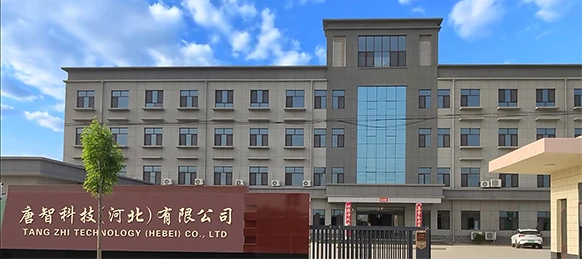
🏭 Manufacturing & Scale
- 140,000 m² facility with 90,000 m² of automated production space.
- Annual capacity: 40,000 MT (expandable to 60,000 MT).
- Industry-leading OEE (Overall Equipment Effectiveness): 89% (vs. 75% industry average).
- Energy efficiency: 30% lower power consumption via heat recovery systems.
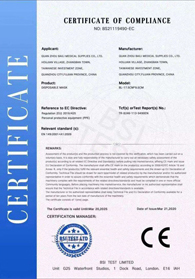

✅ Certifications & Compliance
- ISO 9001:2015 (Quality Management).
- ISO 14001:2015 (Environmental Management).
- ISO 45001:2018 (Occupational Health & Safety).
- FDA 21 CFR Part 172.878 (Food-grade cellulose).
- FSC & PEFC Certified (Sustainable wood pulp).
- REACH Compliant (EU regulation).
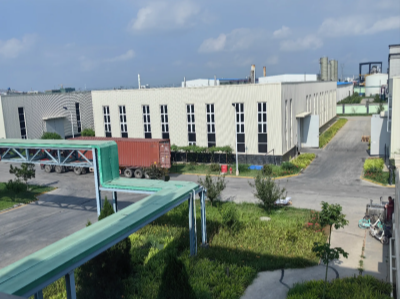
🌐 Supply Chain Advantages
- Dual sourcing: U.S. cotton linters + Brazilian bagasse for price stability.
- Strategic warehouses: Rotterdam, Singapore, and Houston for same-region delivery.
- Blockchain tracking: Full traceability from forest to factory.
- Bulk discounts: 10–15% savings for 200MT+ orders.
📊 Performance Benchmarks vs. Competitors
| Metric | Tang Zhi | Nice Price | Best Service | High Quality |
|---|---|---|---|---|
| Batch Consistency (Std. Dev.) | 0.03 | 0.12 | 0.08 | 0.05 |
| Lead Time (Standard Orders) | 7–10 days | 14–21 days | 5–7 days | 10–14 days |
| Customization Options | 20+ (No MOQs) | 5 (50MT+ MOQ) | 8 (10MT+ MOQ) | 12 (30MT+ MOQ) |
| Price Competitiveness (vs. EU) | -10% to -15% | -5% (Long MOQs) | Premium (+5–10%) | -8% (High MOQs) |
| Sustainability Score (EcoVadis) | Platinum (78/100) | Bronze (45/100) | Silver (62/100) | Gold (72/100) |
🏆 Awards & Recognitions
- 2026 China Chemical Industry Innovation Award (for HPMC with 10% higher water retention).
- EcoVadis Platinum Certification (Top 1% globally for sustainability).
- SGS "Green Supplier" Award (for 100% traceable supply chain).
- Top 5% Exporter to EU (China Customs, 2022).
🤝 Our 6-Step Collaboration Process (Designed for Clarity & Speed)
No more black boxes. Here’s exactly how we’ll work with you from inquiry to delivery:
Step 1: Inquiry & Needs Assessment
You: Submit RFQ via website form, email, or WhatsApp (+86 15032625168).
We: Assign a dedicated account manager within 2 hours to discuss:
- Application (e.g., dry-mix mortar, pharmaceuticals).
- Performance requirements (viscosity, gel temp, etc.).
- Quantity & timeline.
- Certification needs (FDA, REACH, etc.).

Your Account Manager
Step 2: Customization & Sampling
We: Generate a technical spec sheet and send a 5–10kg sample within 48 hours.
You: Test the sample in your lab and provide feedback.
We: Adjust formulations based on your results.
Precision Testing
Step 3: Quotation & Contract
We: Provide a detailed quote within 8 business hours, including:
- Pricing (FOB/CIF options).
- Lead time (standard: 7–10 days).
- Payment terms (30% deposit, 70% before shipment).
- Logistics options (air/sea/rail).
You: Sign contract and arrange deposit.

Sealed Deal
Step 4: Production & QC
We: Begin production in our automated facility with:
- Real-time monitoring: NIR spectroscopy for viscosity consistency.
- Batch testing: Every 2 hours for DS and purity.
- Packaging: Labeling with batch numbers, certifications, and QR codes.
You: Receive weekly production updates and photos/videos.
Manufacturing
Step 5: Pre-Shipment Inspection
We: Conduct a final QC check including:
- Random sampling: 5% of batch tested for viscosity, moisture, and purity.
- Documentation: Certificate of Analysis (CoA) and MSDS issued.
- Photographic evidence: Container loading recorded and shared.
You: Approve shipment or request re-testing.

Quality Assurance
Step 6: Delivery & After-Sales Support
Logistics: Choose from:
- Air freight: 5–7 days (for urgent orders).
- Sea freight: 25–35 days (cost-effective for bulk).
- Rail freight: 15–20 days (EU/Asia routes).
After-Sales: 12-month warranty on product performance + 24/7 technical support.

Satisfied Client
🚀 What Buyers Say About Our Process
- Sarah L., Procurement Manager at AkzoNobel: "The weekly updates and photos kept our team in the loop. Their QC process is more rigorous than ours."
- Mark T., R&D Director at a U.S. Adhesives Firm: "We ordered a 10kg sample on Monday and had results by Wednesday. No other supplier moves that fast."
- Anika R., CEO of a German Startup: "The QR-code certificates and blockchain tracking gave us full transparency—critical for our EU customers."
- Carlos M., Supply Chain Manager at a Brazilian Paint Manufacturer: "Their dual sourcing strategy saved us 18% on raw materials during the 2021 pulp crisis."