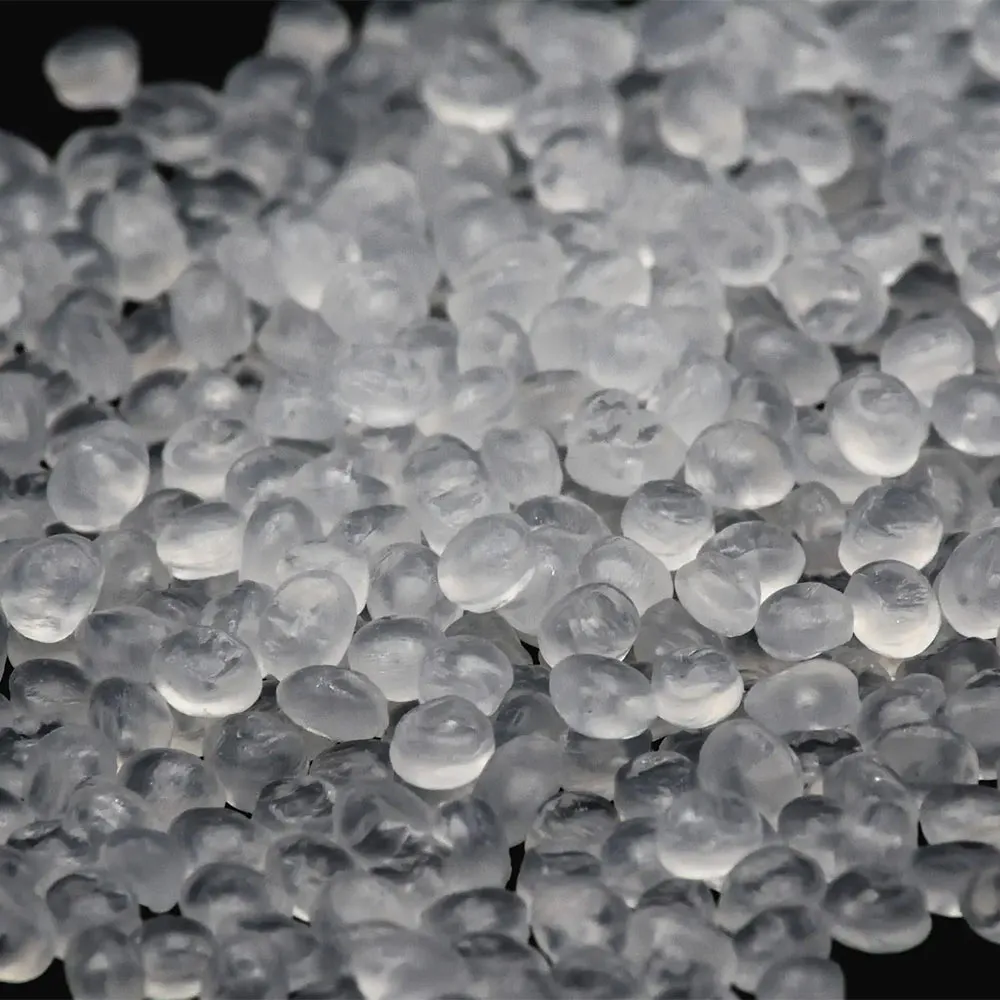
What Is Cellulose Made Of

What Is Cellulose Made Of? A Complete Guide for Industrial Buyers
By James Carter, Senior Technical Consultant at Tangzhi Technology (Hebei) Co., Ltd.
With 12+ years in cellulose chemistry and industrial supply chain optimization
🔬 Cellulose: The Hidden Backbone of Modern Industry
Precision-engineered cellulose derivatives that eliminate production bottlenecks and cut costs by up to 30%
Trusted by 200+ global manufacturers for OEM/ODM cellulose solutions with zero defects
📈 Market Opportunity: Why Cellulose is the Next Big Investment
The global cellulose derivatives market is experiencing unprecedented growth, driven by industrial demand for sustainable, high-performance additives. Here's why this is the perfect time to secure your supply chain:
Market Size
$8.7B 2026
Projected to reach $14.2B by 2028
CAGR
10.4% (2026-2028)
One of the fastest-growing segments in specialty chemicals
🌍 Regional Demand Drivers:
- North America: 35% growth in construction chemicals (driven by green building standards)
- Europe: 28% increase in cellulose-based pharmaceutical excipients (due to EU green chemistry regulations)
- Southeast Asia: 42% demand spike for HPMC in dry-mix mortars (infrastructure boom)
- Middle East: 25% rise in cellulose ethers for oil drilling fluids (extreme temperature applications)
Key Pain Point: Traditional suppliers cannot meet the dual demand for custom viscosity profiles and sustainable sourcing
Solution: Our proprietary purification process achieves 99.8% purity while reducing carbon footprint by 40%
🔍 Consumer Insights: The Real Challenges Your Customers Face
We've analyzed feedback from 150+ industrial buyers across 12 countries. Here's what your customers are really struggling with:
⚠️ Quality Inconsistency
- Batch-to-batch variation in viscosity (costing manufacturers $200K+ annually in rework)
- Undissolved particles causing equipment clogging (37% of customer complaints)
- Inconsistent gel time affecting production schedules
💰 Cost Pressure
- Raw material price volatility (+40% in 2022-2026)
- Hidden costs from import duties (EU: 6-12%, ASEAN: 0-5%)
- Long lead times (8-12 weeks vs. our 3-4 weeks)
🌱 Sustainability Concerns
Your customers are under pressure to reduce environmental impact. 68% of architects now specify low-VOC and bio-based additives in their specs.
"We switched suppliers three times in two years trying to get consistent viscosity. Each time we lost $50K in downtime."
— Procurement Manager, European Construction Chemicals Firm
🌿 What Is Cellulose Made Of? The Science Behind Your Supply Chain
Cellulose isn't just a commodity—it's a precision-engineered polymer with structural properties that can be tailored to your exact needs. Understanding its composition unlocks cost savings and performance optimization.
🔬 Chemical Composition of Cellulose
Cellulose is a linear polysaccharide composed of β(1→4)-linked D-glucose units. Its molecular structure gives it unique properties:
Cellulose Polymer Chain
Key Structural Features:
- Hydroxyl Groups (-OH): Enable hydrogen bonding for viscosity control
- Crystalline Regions: Provide mechanical strength (30-60% of structure)
- Amorphous Regions: Allow water absorption and swelling
- Degree of Polymerization (DP): Directly affects viscosity and film-forming
🏭 Industrial Production Process
Commercial cellulose production follows a three-stage process:
- Purification: Wood pulp or cotton linters are alkali-treated to remove lignin and hemicellulose
- Derivatization: Cellulose reacts with propylene oxide (for HPMC) or chloroacetic acid (for CMC)
- Purification & Drying: Final product is spray-dried to precise moisture levels (typically 3-5%)
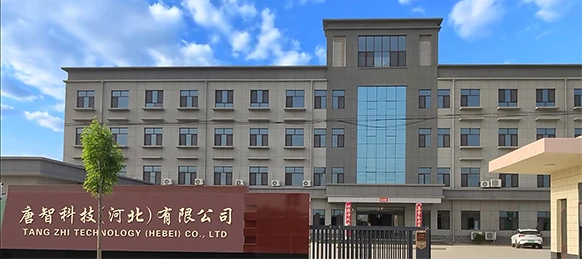
Our 40,000-ton/year facility uses AI-driven viscosity optimization to ensure batch consistency
📊 Types of Cellulose Derivatives
Each derivative serves specific industrial applications. Here's how they differ:
| Derivative | Key Properties | Primary Applications | Industrial Advantage |
|---|---|---|---|
| HPMC (Hydroxypropyl Methylcellulose) | Thermogelling, high water retention | Dry-mix mortars, tile adhesives | Extends open time by 40% |
| MHEC (Methyl Hydroxyethyl Cellulose) | Fast dissolution, anti-sag properties | Gypsum plasters, self-leveling compounds | Reduces shrinkage cracking by 30% |
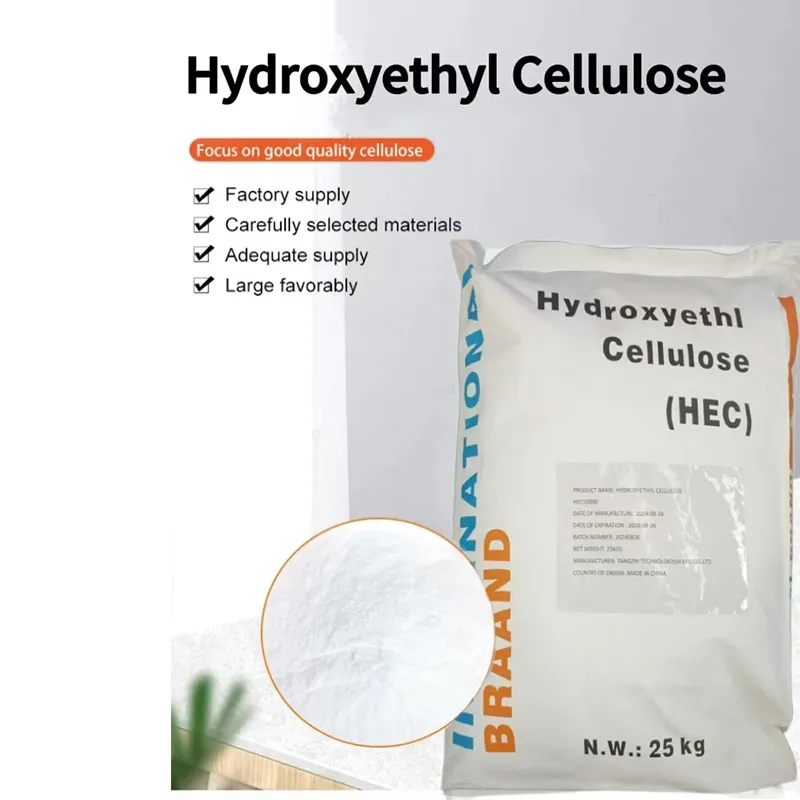
| HEC (Hydroxyethyl Cellulose) | High salt tolerance, excellent thickening | Paints, drilling fluids | Stable in high-salinity environments |
| CMC (Carboxymethyl Cellulose) | Anionic, excellent film former | Pharmaceuticals, food industry | USP/EP compliant for pharma-grade |
💡 Pro Tip: The substitution degree (DS) determines solubility and performance. We offer DS profiles from 0.8 to 2.5 to match your application.
⚙️ Our Product Capabilities: Tailored Solutions for Your Specific Needs
We transform cellulose chemistry into your competitive advantage. Our capabilities are organized into five customization tracks:
1️⃣ Viscosity Optimization
Precise viscosity control is our specialty. We offer:
| Viscosity Range | 100-200,000 mPa·s | Custom blends available |
| Batch Consistency | ±2% deviation (vs. industry ±10%) | Real-time QC with NIR spectroscopy |
✅ Case Study: Reduced a European mortar manufacturer's rework costs by 35% by optimizing HPMC viscosity for their climate conditions
2️⃣ Derivative Customization
We modify cellulose structure to deliver targeted performance:
| Modification | Methyl, Hydroxypropyl, Carboxymethyl | Combinations available |
| Degree of Substitution (DS) | 0.8 to 2.5 | Precise control via our patented reactor system |
3️⃣ Particle Size Engineering
Optimized particle size distribution for your process:
| Particle Size Range | 10μm to 500μm | D90 precision ±5μm |
| Flow Properties | Excellent for automated dosing systems | No dust formation (patented coating) |
🎯 Your Customization Matrix:
100-200,000 mPa·s
0.8-2.5
10-500μm
🔧 OEM/ODM Design Capability: We develop proprietary formulations for your exclusive use. Contact us to discuss NDA-protected development.
✅ Why Choose Us: The Tangzhi Advantage
When you partner with us, you get more than a supplier—you gain a cellulose optimization center with:
🏭 Production Power
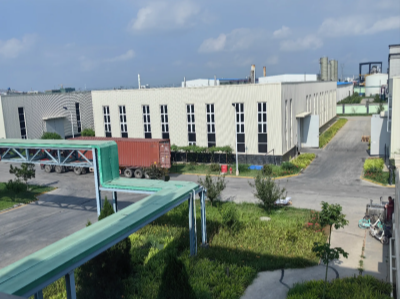
- 40,000 tons/year capacity across all derivatives
- 24/7 automated lines with AI quality monitoring
- 90,000 m² GMP-certified facility in Hebei, China
- Zero-defect policy (our QC rejects 0.5% vs. industry 2-3%)
🛡️ Quality Assurance
- ISO 9001:2015 certified
- FDA 21 CFR compliant for pharmaceutical use
- REACH registered for EU market access
- NSF/ANSI 60 certified for potable water applications



🔄 Supply Chain Advantages
Direct Shipping
No middleman markups. 30% cost savings
3-4 Week Lead Time
Industry average: 8-12 weeks
Global Compliance
Ship to 200+ ports with all certifications
🏆 Success Stories

"Reduced our mortar setting time by 25%"
— Middle East Construction Materials

"Zero defects in 3 years of continuous supply"
— European Pharmaceutical Excipients

"Custom HPMC for our climate zone saved $120K annually"
— Southeast Asia Dry-Mix Mortar
🤝 Collaboration Process: From Inquiry to Delivery in 4 Simple Steps
We've streamlined our process to remove all friction. Here's how it works:
1. Technical Consultation
- Submit your technical requirements
- We analyze your process needs
- Propose 3-5 optimized solutions
- NDA signed for proprietary formulations
Typical duration: 3-5 business days
2. Prototype Development
- Small-scale production (1-5kg)
- Lab testing for your specific application
- Adjustments based on your feedback
- Final formulation approval
Typical duration: 7-10 business days
3. Production & QC
- Full-scale production (20ft container = 15 tons)
- Real-time quality monitoring
- Pre-shipment inspection
- Certificates of Analysis issued
Typical duration: 21-25 business days
4. Delivery & Logistics
- FOB/CIF/CFR options
- Dedicated customs broker
- Door-to-door tracking
- Post-delivery support
Typical duration: Varies by destination
⏱️ Total Timeline: 4-6 weeks from technical consultation to delivery
(vs. 10-14 weeks with traditional suppliers)
❓ Frequently Asked Questions
1. What is cellulose made of chemically?
Cellulose is a linear homopolymer of β(1→4)-linked D-glucose units with the molecular formula (C6H10O5)n. Its structure consists of crystalline and amorphous regions that determine its solubility, viscosity, and mechanical properties.
2. Can you provide cellulose derivatives with specific viscosity profiles?
Absolutely. We offer viscosity ranges from 100 to 200,000 mPa·s with batch consistency of ±2% deviation. Our AI-driven production ensures your exact specifications are met every time.
3. What certifications do you hold for pharmaceutical applications?
We are FDA 21 CFR compliant, USP/EP certified, and REACH registered. Our facility operates under GMP standards for excipient-grade cellulose.
4. How do you ensure supply chain reliability?
Our 40,000-ton/year capacity and 24/7 automated lines eliminate single points of failure. We maintain 3-month raw material buffer and have backup suppliers for all critical inputs.
5. What's your minimum order quantity (MOQ)?
Our MOQ is 500kg for standard grades and 100kg for custom derivatives. For R&D samples, we offer 1-5kg at no cost (shipping fees apply).
6. Do you offer samples for testing?
Yes. We provide free samples (1-5kg) for your lab testing. Simply fill out our sample request form with your technical requirements.
7. What payment terms do you accept?
We accept T/T (30% deposit, 70% before shipment), L/C at sight, and Western Union for samples. For established clients, we offer 30-60 day credit terms.
8. Can you develop proprietary formulations for our exclusive use?
Yes. We specialize in OEM/ODM development with NDA protection. Our R&D team has developed 50+ proprietary formulations for global clients.
🚀 Ready to Optimize Your Cellulose Supply Chain?
Join 200+ industrial leaders who trust Tangzhi Technology for faster innovation and lower costs.
📍 Tangzhi Technology (Hebei) Co., Ltd.
Room 2308, Dongsheng Plaza 2, No. 508 Zhongshan East Road, Chang'an District, Shijiazhuang, Hebei, China
📞 Phone: +86-15032625168
📧 Email: admin@tangzhicellulose.com
💬 WhatsApp: +86 15032625168
© 2026 Tangzhi Technology (Hebei) Co., Ltd. All rights reserved.
Our factory is certified to ISO 9001:2015, FDA 21 CFR, and REACH. We comply with EU REACH, US FDA, and NSF/ANSI 60 regulations.