What S Cellulose
What Is Cellulose? A Practical Guide for Industrial Buyers
Understanding Cellulose Ethers and Derivatives for Construction, Pharma, and Manufacturing Procurement
Meta Title: What Is Cellulose? Industrial Uses, Derivatives & Suppliers | Tangzhi Technology
Meta Description: Discover what cellulose is, its derivatives like HPMC and CMC, key applications in building materials and more. Trusted supplier insights from Tangzhi Technology (Hebei) – OEM exports worldwide.
By Li Wei, Export Director at Tangzhi Technology (Hebei) Co., Ltd.

I've spent over 15 years in the cellulose derivatives game, starting on the production floor in Hebei before moving into exports. We've shipped HPMC and CMC to over 40 countries, dealing with everything from tight US construction specs to EU pharma regs. This guide pulls from real factory runs and buyer feedback – no fluff.
Table of Contents
What Exactly Is Cellulose? Starting from the Basics
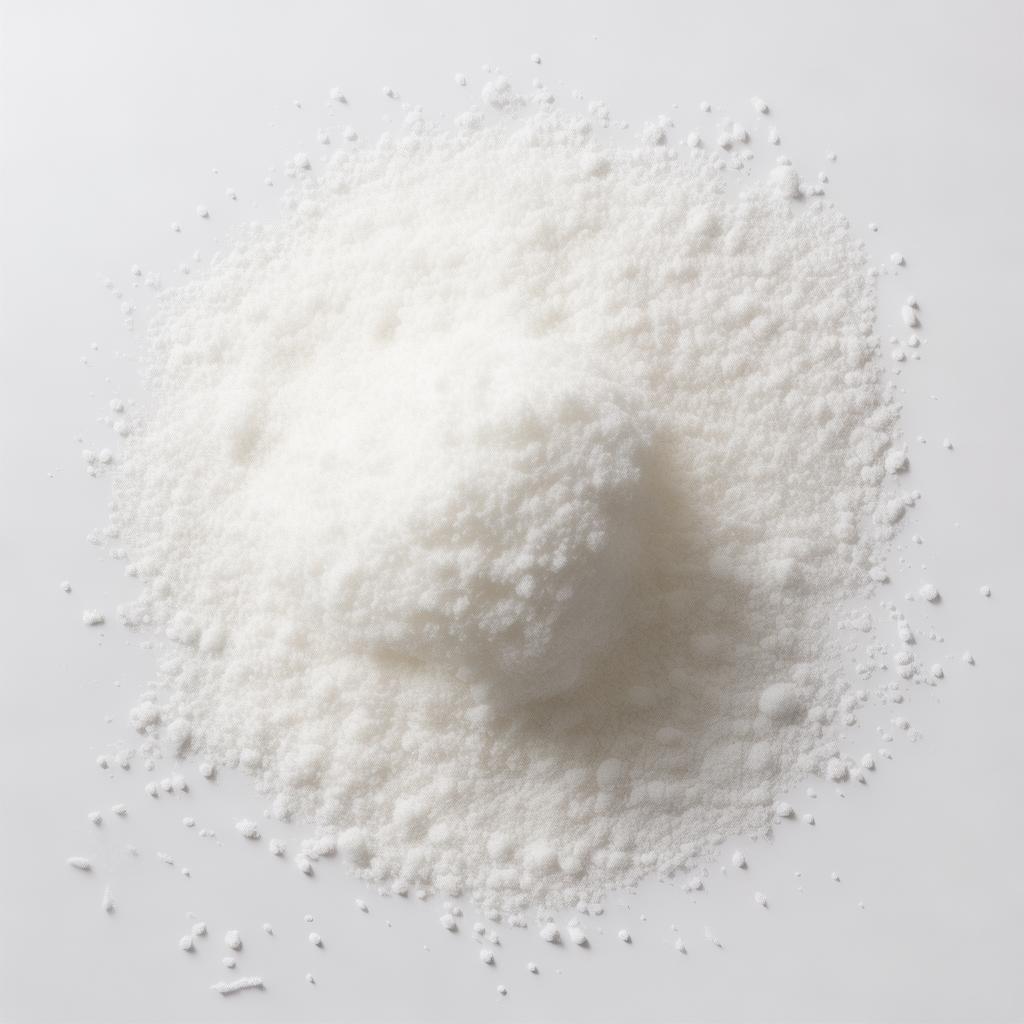
Cellulose isn't some lab invention. It's the most abundant organic polymer on the planet, straight from plant cell walls. Think cotton, wood pulp, or even that straw in your farm field. Chemically, it's a long chain of glucose units linked by beta-1,4-glycosidic bonds. That structure makes it tough and fibrous – nature's scaffolding.
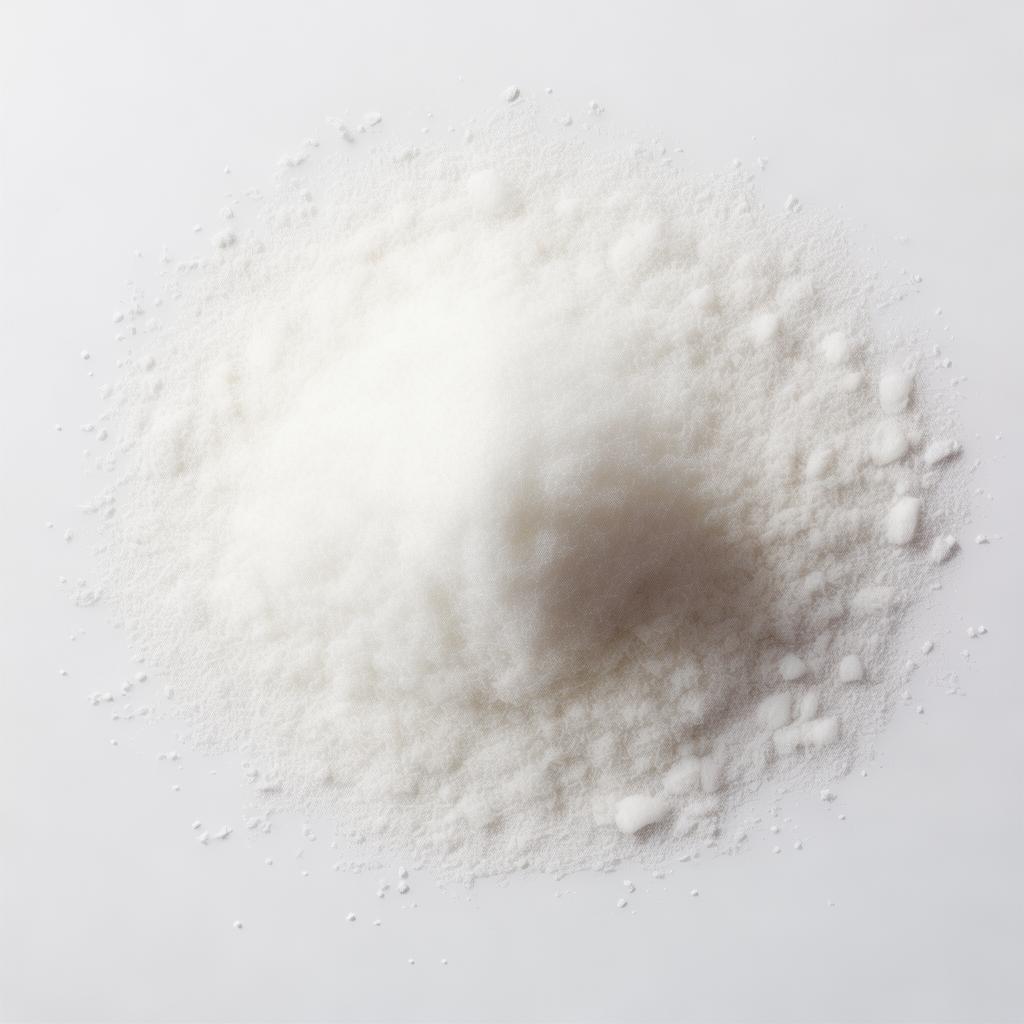
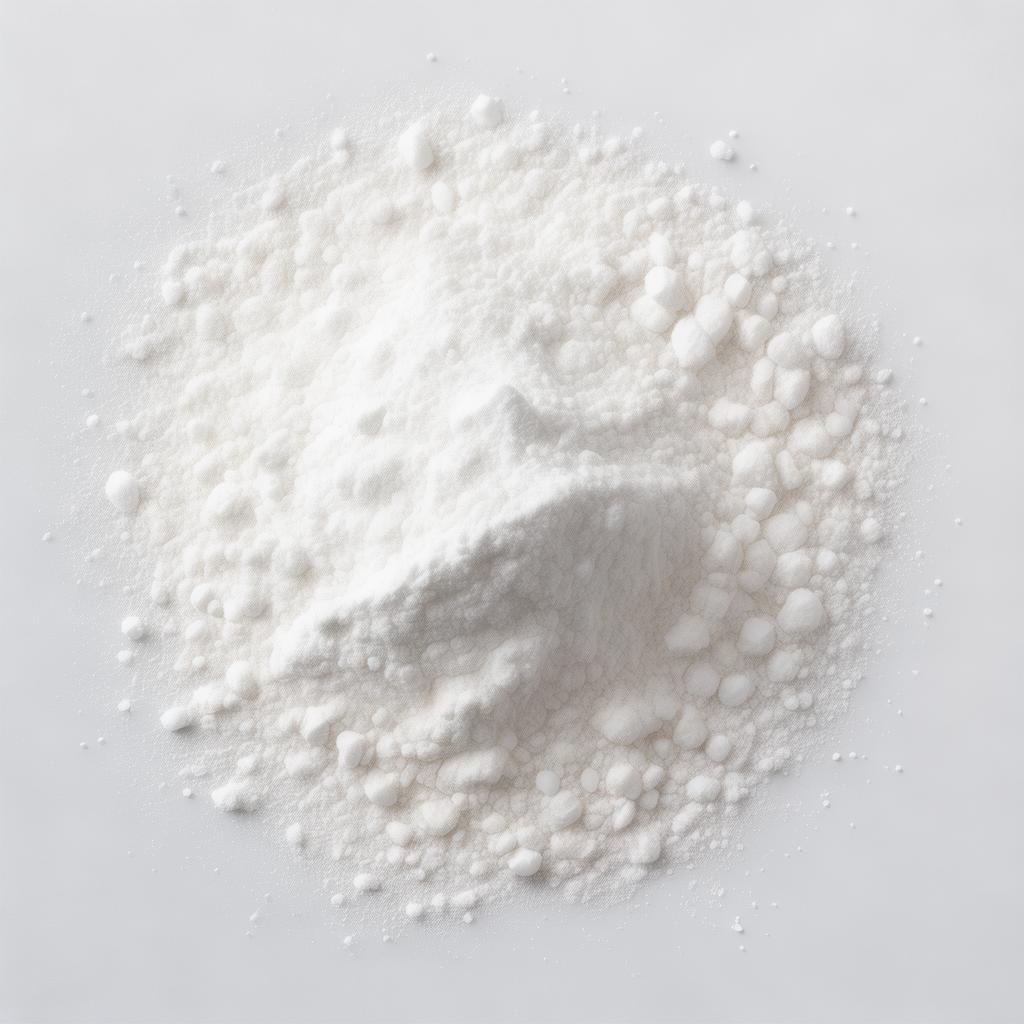
But raw cellulose? Not very useful for industry on its own. It's insoluble in water, doesn't dissolve in most solvents, and processing it directly eats up energy. That's where derivatives come in. Factories like ours treat it with chemicals – etherification or esterification – to create soluble versions. Hydroxypropyl methylcellulose (HPMC), for instance. We react cellulose with sodium hydroxide, then methyl chloride and propylene oxide. Boom, you've got a powder that thickens mortars or stabilizes paints.
In B2B trade, buyers ask "what's cellulose" because they're scouting for these modified ethers. Not the raw stuff, but engineered grades. Take construction: without HPMC, your tile adhesive slumps. Or pharma: CMC suspends actives in tablets. We've seen importers mix up pure cellulose with cellulose ethers, leading to failed batches. Don't go there.
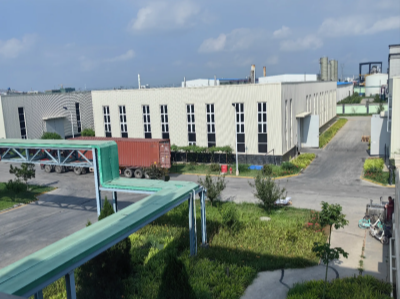
Our production kicks off with purified wood pulp or cotton linters. Annual capacity here at Tangzhi? Over 40,000 tons across HPMC, MHEC, RDP-VAE, and CMC. Factory spans 140,000 sqm in Jinzhou, Hebei. Automated lines mean consistent viscosity – critical when you're blending for gypsum or PCE superplasticizers.
Procurement tip: Always check the degree of substitution (DS). Higher DS means better solubility but potential cost jumps. We've shipped low-viscosity HPMC (think 5-50 cps) for sprays, up to high-gel types (100,000+ cps) for plasters. US buyers often want food-grade or pharma-grade – we hit USP/EP standards.
Market's shifting too. With green building mandates, bio-based thickeners like these beat synthetics. EU importers push for low-VOC; our grades test under 50ppm formaldehyde. And lead times? 15-25 days FOB Tianjin, depending on container loads.
Short story from last quarter: A Texas contractor ordered 20 tons HPMC for stucco. Their previous supplier's batch gelled unevenly – lost a week on site. Ours? Mixed clean first pour. That's operational experience talking.
Cellulose derivatives aren't magic. They hydrate slowly in cold water, peak at 40-60°C. Ignore that, and your mortar flashes too fast. We've tweaked formulations for hot climates – Saudi projects, UAE mixes.
Entity-wise, link it to standards: ISO 9001 for our lines, REACH compliant for EU. Grades like E5, F50, K4M – familiar to formulators.
This intro alone scratches the surface. But if you're a purchasing manager eyeing suppliers, stick around. We'll dive deeper, specs, risks, the lot.
Cellulose Chemistry Basics – What Buyers Need to Know
Pure cellulose is (C6H10O5)n. Linear, crystalline. To modify, we alkalize it first. NaOH swells the chains, opens sites for substitution.
HPMC: Methyl groups (DS 1.5-2.0), hydroxypropyl (MS 0.1-0.3). Water-soluble up to 50°C, gels hot. Perfect for extrusion.
CMC: Carboxymethyl only. Anionic, salts out in high Ca. Common in detergents, but we OEM for paper sizing too.
MHEC similar to HPMC but ethyl instead of propyl. Better enzyme resistance.
| Derivative | Key Reaction | Solubility | Typical Viscosity (cps) |
|---|---|---|---|
| HPMC | CH3Cl + Propylene Oxide | Cold/Hot reversible | 5,000 - 200,000 |
| MHEC | Ethylene Chlorohydrin | Cold water full | 2,000 - 100,000 |
| CMC | Monochloroacetic acid | Cold, salt-sensitive | 1,000 - 8,000 |
what is cellulose what does cellulose what is the cellulose
Production realities: Etherification at 60-80°C, 4-8 hours per batch. Purification via washing – residuals under 0.1%. Test every lot: Brookfield viscometer, gel temp.
Where Cellulose Derivatives Shine in Industry
- Construction: Thickens cement mortars. HPMC at 0.2-0.5% boosts water retention, cuts cracking. EIFS, tile glue – standard.
- Paints/Coatings: RDP-VAE with HPMC for rheology. Prevents settling, splash-free application.
- Pharma: HPMC K4M for sustained release. Matrices swell, control diffusion.
- Food: CMC as thickener, E466 approved. Ice cream, dressings.
- Detergents: Anti-redeposition. Our low-foam grades.
Take dry mix plants. Add 0.3% HPMC, slump life extends 2-3 hours. Contractors love it – less rework.
Warning: High humidity? Go MHEC – less sensitive. We've adjusted for Florida jobs.
Procurement Guide: Sourcing Cellulose Ethers Right
Risks first. Cheap imports gel inconsistently – batch-to-batch variance kills projects. Test samples yourself: 2% solution, 20rpm spindle.
Supplier checks:
- Factory audit trail? We invite visits.
- Certifications: ISO 9001, Kosher, Halal.
- MOQ flexibility: 1 ton trials ok.
- Lead time guarantees: 20 days avg.
Cost drivers: Viscosity grade, purity. Bulk 20' container? $2.2-3.5/kg FOB. Negotiate on volume.
OEM/ODM? We customize methoxyl content. Private label for US distributors.
Key Technical Specifications – Our HPMC Line
| Grade | Viscosity (cps) | Gel Temp (°C) | Applications |
|---|---|---|---|
| HPMC E5 | 5 | 58-64 | Eye drops, sprays |
| F50 | 50 | 56-62 | Latex paints |
| K15M | 15,000 | 50-56 | Tablet matrices |
| K100M | 100,000 | 45-52 | Mortar thickener |

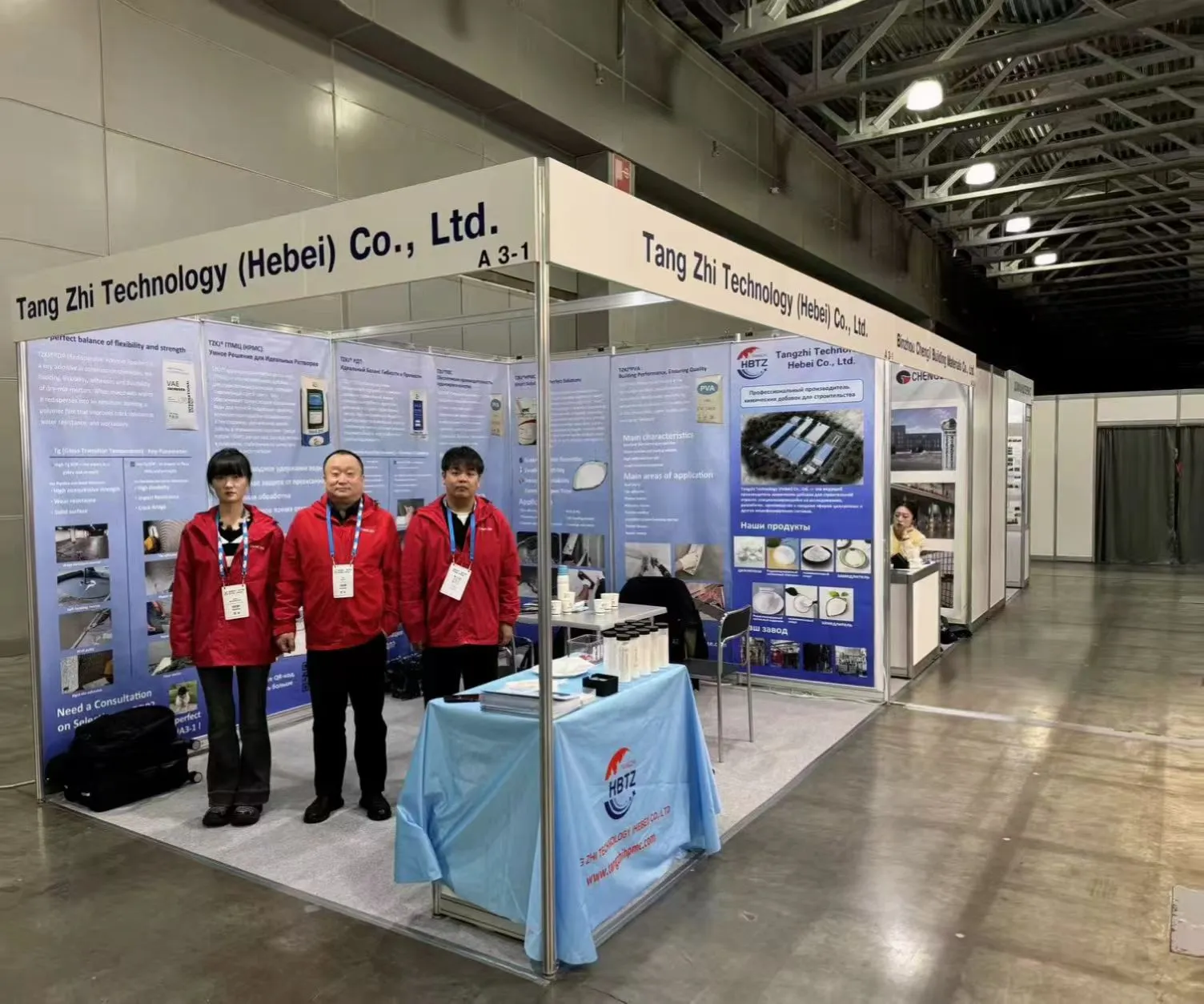
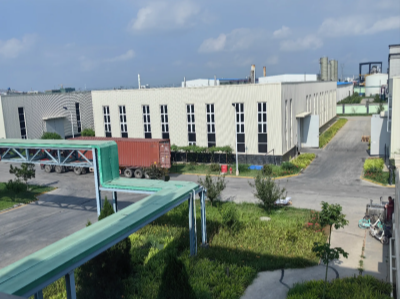
Inside Tangzhi Technology Factory
90,000 sqm buildings, fully automated reactors. Ether cap 50 tons/day. Quality lab: HPLC for residuals, FTIR for structure.
Exports to USA via LCL/20ft. Partners like  affiliates for coatings.
Logistics and Delivery Realities
FOB Tianjin/Xingang. 20ft holds 16-18 tons. Duty? HS 3912.39. Transit 25-35 days to LA. Track via WhatsApp.
Incoterms: CIF ok for trials. Insurance mandatory.
Frequently Asked Questions from Buyers
What's the difference between cellulose and cellulose ether?
Cellulose is raw, insoluble. Ethers are modified, soluble – for industrial use.
How do I store HPMC?
Cool, dry. 24 months shelf life. Avoid clumps in high RH.
Minimum order?
500kg trial, 5 tons production.
Custom grades?
Yes, OEM viscosity tweaks.
What Our Buyers Say

John M., Texas Drywall Supplier: "Switched to Tangzhi HPMC after Asian batches failed. Consistent 50cps, mortar holds overnight. Shipped on time."

Maria G., Spain Coatings Firm: "REACH compliant, low residuals. Blends perfect with PCE. Samples arrived fast."

Raj P., UAE Projects: "Heat-stable grade for 45°C mixes. Cut water by 10%, less waste."

Sarah L., US Tablet Maker: "K15M passed our trials. USP grade, reliable supply."
Ready to Source Cellulose Derivatives?
Connect direct. No middlemen.
Email: admin@tangzhicellulose.com
Addr: Room 2308, Dongsheng Plaza 2, No. 508 Zhongshan East Road, Chang’an District, Shijiazhuang, Hebei, China
Talk to Our Engineer Now or Request Product Specs
Tang ZHI TECHNOLOGY (HeBei) CO., LTD – Your Global Cellulose Partner.