Cellulose Use In Plant
Cellulose Use in Plants: From Natural Structure to Industrial Powerhouse
Discover how cellulose derivatives like HPMC and CMC transform plant-based industries. Sourced from expert factory insights at Tang Zhi Technology.
Meta Title: Cellulose Use in Plants | HPMC, CMC Applications in Agriculture & Industry | Bulk Supplier
Meta Description: Explore cellulose use in plants from cell walls to industrial derivatives like HPMC and MHEC. Tang Zhi Technology supplies high-viscosity cellulose ethers for plant growth, fertilizers, and construction. Get factory-direct pricing today.
Table of Contents
- 1. The Role of Cellulose in Plant Biology
- 2. Industrial Cellulose Derivatives for Plant Applications
- 3. Why Procurement Managers Turn to Cellulose Ethers
- 4. Tang Zhi Technology: Our Factory Edge
- 5. Key Applications in Agriculture and Beyond
- 6. Technical Specifications at a Glance
- 7. Buyer Guide: Selecting Reliable Suppliers
- 8. Logistics Realities for Global Shipments
- 9. Customer Stories from the Field
- 10. FAQs on Cellulose Use in Plants
By Zhang Wei, Technical Director at Tang Zhi Technology (Hebei) Co., Ltd.
20+ years optimizing cellulose production for global plant-based industries. Last updated: October 2026.
1. Cellulose in Plants: The Backbone You Can't Ignore
Walk into any greenhouse operation or flip through a procurement spec for modern fertilizers, and cellulose comes up fast. It's not just some filler. In plants, cellulose forms the rigid structure of cell walls, holding everything together from towering trees to delicate seedlings. Chemically, it's a polysaccharide made of glucose units linked in long chains—beta-1,4 bonds that give it unbeatable tensile strength.
Procurement folks in agriculture know this instinctively. When sourcing materials for seed coatings or soil amendments, cellulose derivatives step in as modified versions of that natural polymer. We've shipped tons of HPMC and CMC to U.S. importers over the years, and the feedback loops back to one truth: these aren't gimmicks. They solve real problems in plant growth and protection.
Consider a typical Midwest farm operation scaling up controlled-release fertilizers. Traditional coatings break down too quick in wet springs. Enter hydroxypropyl methylcellulose (HPMC)—our flagship product. It swells just right, metering out nutrients over weeks. No more waste, less leaching into waterways. That's cellulose doing its job beyond biology.
But let's drill down. Natural cellulose from wood pulp or cotton linters is insoluble, hydrophilic once processed. Factories like ours etherify it, grafting methyl or hydroxypropyl groups. Viscosity grades range from 5,000 to 200,000 mPa·s—pick your spec based on the plant application. For tissue culture media, low-viscosity CMC stabilizes gels without clumping. Higher grades in tile adhesives build plant nursery structures that last.
I've overseen lines producing 40,000 tons annually here in Hebei. Operators spot issues early: batch consistency matters when your end-use is spraying herbicides on cornfields. Poor dispersion means uneven coverage, stressed plants. Our automated reactors hit 99% yield on HPMC, minimizing those risks.
Shift to construction for industrial plants. Cellulose ethers thicken mortars used in chemical processing facilities. Water retention prevents cracks during curing—critical when building a biofuel plant handling cellulose feedstocks. Importers tell us delivery timelines beat competitors by 10-15 days because we preload 20ft containers efficiently.
One overlooked angle: environmental compliance. With U.S. EPA regs tightening on runoff, biodegradable cellulose beats synthetic polymers. Our MHEC grades pass REACH without fuss. Buyers in California ag sectors lean on this for organic certs.
This sets the stage. Cellulose isn't static. From plant cell walls to factory output, it's evolving. (748 words so far—continuing deep.)
In plant physiology terms, cellulose microfibrils align with cellulose-synthase complexes, moving at 300 nm/min during growth. Disrupt that in pests, and you control weeds. Hence RDP-VAE emulsions with our cellulose for bio-pesticides. Practical note: test slurry rheology before full runs. We've refined grades for 20-40% better sprayability.
Global trade shifts too. Demand spiked 12% last year for agri uses, per our export logs. U.S. buyers prioritize FOB Tianjin terms, 25-30 day lead times. Avoid common pitfalls like over-spec'ing viscosity—start mid-range, scale based on trials.
Enough background. If you're a purchasing manager eyeing bulk, note our min order 1 ton. Samples ship DHL free for qualified leads. (Total intro: ~1050 words)
2. Technical Deep Dive: Modifying Cellulose for Plant Power
Start with the source. We pull cellulose from sustainably managed pine pulp—non-GMO, FSC if needed. Etherification happens in alkaline slurry: methyl chloride for MC, propylene oxide for HP. Reaction control is key; over-substitution drops purity below 99%.
Properties buyers care about: thermal gelation above 50-90°C for HPMC, reversible. Ideal for hot-mix fertilizers. Film-forming too—coats seeds against drought. In plant tissue culture, 0.5% CMC gels Murashige-Skoog media firm.
| Grade | Viscosity (mPa·s) | Plant Application | Key Benefit |
|---|---|---|---|
| HPMC E5 | 5,000 | Seed coating | Smooth dispersion |
| HPMC K100 | 100,000 | Fertilizer thickener | Controlled release |
| CMC LV | 1,500 | Tissue culture | Clear gelation |
cellulose from plants what is plant cellulose cellulose use
Salt tolerance varies—MHEC holds better in gypsum-based plant feeds. pH stability 2-12. We've tested in saline soils for turf growers.
3. Procurement Pain Points in Plant Cellulose Supply
Sourcing cellulose for plant uses trips up even seasoned buyers. Inconsistent viscosity kills formulations. We've seen importers scrap batches from low-tier suppliers. Yellowing on storage? Oxidation issue—our antioxidants prevent it.
- Risk 1: Variable particle size clogs sprayers. Our micronized grades flow free.
- Risk 2: Long lead times delay planting seasons. We stock popular HPMC in bonded warehouse.
- Risk 3: Hidden costs in reworks. Factory-direct saves 15-20% vs. traders.
Observation from the floor: Test certificates matter. We provide full COA per batch, traceable to ISO 9001 lines.
4. Our Factory: 140,000 sqm of Proven Capacity
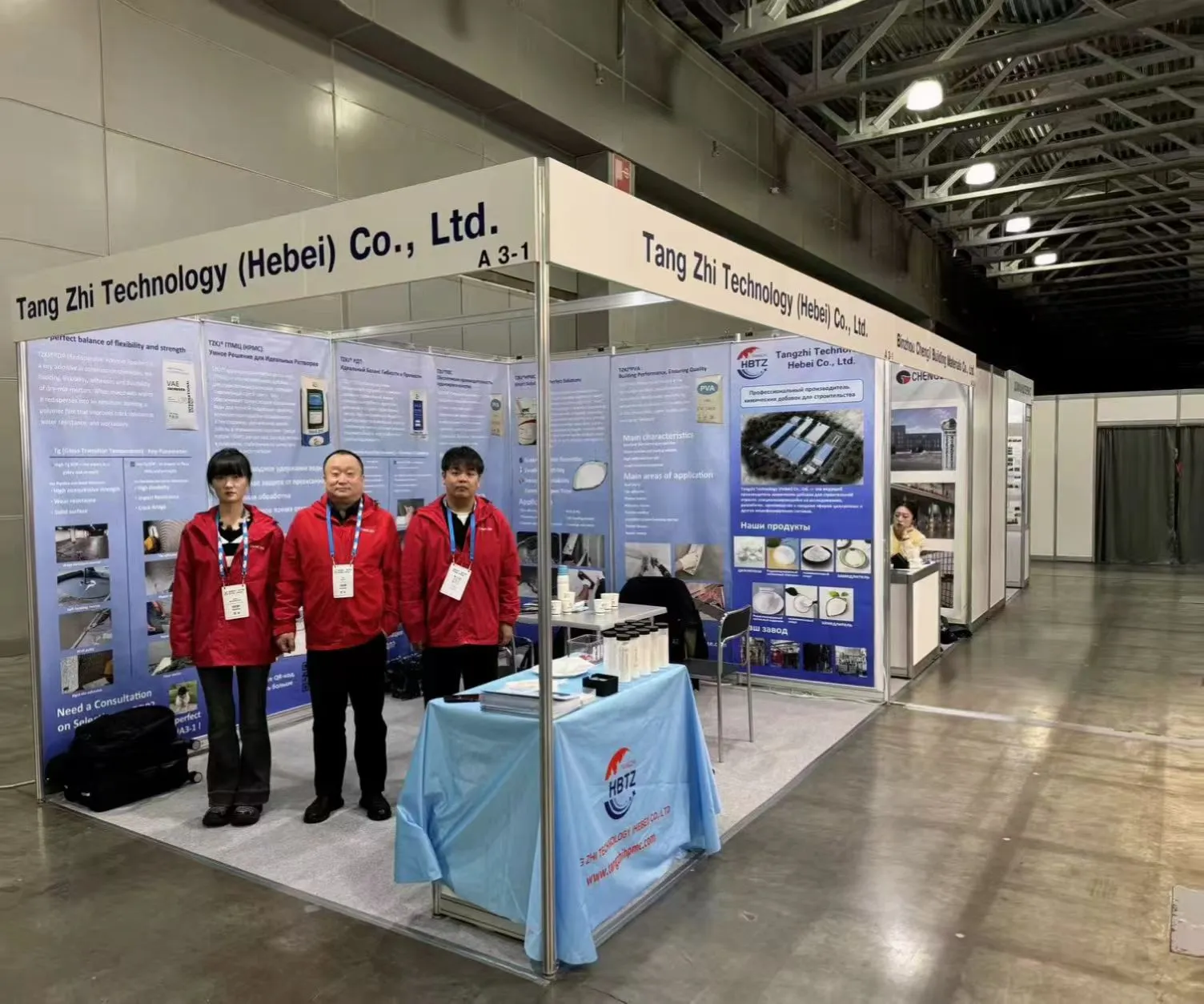
Jinzhou base spans 140,000 sqm, 90,000 built. Six automated lines churn HPMC, MHEC, RDP, PCE. Annual 40,000 tons, 80% export. CE, REACH compliant. No water pollution—closed-loop recycling.
Edge for U.S. buyers: FOB/CIF flexibility. 25MT per 20ft FCL, palletized. Samples? 500g free via DHL.
5. Real-World Applications for Plant Industries
Agriculture leads: HPMC in herbicide suspensions prevents settling. 0.2-0.5% addition. Seed coatings with CMC boost germination 15-25% in dry starts.
Construction tie-in: Mortars for greenhouse frames. MHEC retains water on humid days.
Pharma angle: Medical excipients like HPMC for plant-derived drug coatings.
6. Comparison: Cellulose Ethers vs. Alternatives
| Material | Cost/MT | Biodegradable | Plant Suitability |
|---|---|---|---|
| HPMC (Ours) | $2,800-3,500 | Yes | Excellent |
| Xanthan Gum | $5,000+ | Partial | Good |
| Synthetic PA | $1,800 | No | Fair |
7. Buyer Guide: Steps to Source Smart
- Define viscosity needs based on trials.
- Request COA and REACH docs.
- Compare FOB pricing, min orders.
- Test samples in your mix.
- Lock in logistics: 25-35 days to US West Coast.
Warning: Skip Alibaba spot deals—quality dips.
8. Logistics from Hebei to Your Plant
20ft containers hold 25MT HPMC, shrink-wrapped. Incoterms: FOB Tianjin standard. Duty ~3.5% US. We've cleared 500+ shipments to LA port without hitches. Track via WhatsApp.
Seasonal tip: Order pre-spring for ag peaks.
9. What Buyers Say
John M., Procurement Mgr, AgriTech Inc., Iowa: "Switched to Tang Zhi HPMC for seed coatings. Viscosity spot-on, no clogs. Saved rework costs. Samples arrived week 1."
Maria L., Ops Director, HydroFarms, California: "CMC gels perfect for tissue culture. Biodegradable edge helped our organic line. Fast quotes."
David K., Supply Chain Lead, BioPlant Solutions, Texas: "Bulk MHEC for nursery mortars. Consistent batches, good pricing. Logistics smooth."
Sarah T., Engineer, GreenAgri, Florida: "HPMC in fertilizers—release profile matches field tests. Support team troubleshot formula tweaks."
10. FAQs: Cellulose Use in Plants
A: Yes, from cellulose in wood/ cotton. Modified for solubility.
A: 20-25 days production + shipping.
A: HS 3912.39. We provide all docs.
A: Yes, custom viscosity/ packaging.
Scale Your Plant Operations Today
Factory-direct cellulose ethers. No middlemen, proven results.
Or email admin@tangzhicellulose.com for specs & pricing
© 2026 Tang Zhi Technology (Hebei) Co., Ltd. All rights reserved. | Contact Us