How Is Cellulose Made
How Is Cellulose Made? Inside the Industrial Production Process
From Wood Pulp to High-Purity Derivatives – A Manufacturer's Guide for Buyers
Meta Title: How Is Cellulose Made | Industrial Production Process Guide | Tang Zhi Technology
Meta Description: Discover how cellulose is made from raw wood pulp through purification, etherification, and drying. Expert insights on HPMC, MHEC production for construction and pharma. Request factory quotes from Hebei's leading exporter.
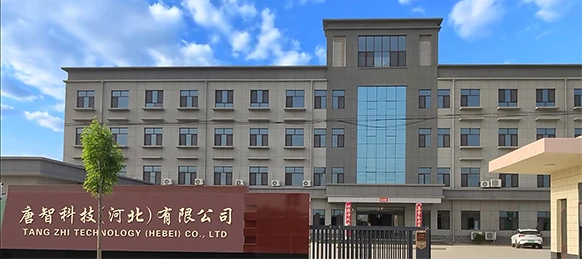
Our 140,000 sqm facility in Hebei, China – where cellulose derivatives take shape.
Table of Contents
- Why Understanding Cellulose Production Matters for Buyers
- Step-by-Step: How Cellulose Starts from Nature
- Raw Material Extraction and Pulping
- Purification – Getting to High-Purity Pulp
- Chemical Modification: Making HPMC, MHEC, and More
- Real-World Applications in Construction and Beyond
- Procurement Guide: What Importers Need to Know
- Inside Our Hebei Factory Capabilities
- What Procurement Managers Say
- Buyer FAQs
A Procurement Manager's Wake-Up Call on Cellulose Sourcing
Picture this: You're knee-deep in a bid for a new mortar additive project. Specs call for hydroxypropyl methylcellulose – HPMC – with exact viscosity and purity levels. Your current supplier's lead time stretches to 12 weeks, and quality varies batch to batch. Sound familiar?
We've seen it time and again in international trade. Purchasing directors chasing the lowest price end up with inconsistent cellulose derivatives that gum up production lines or fail field tests. That's why knowing how cellulose is made isn't just trivia – it's your edge in supplier vetting.
At Tang Zhi Technology (Hebei) Co., Ltd., we've spent years refining production from wood pulp to finished HPMC powder. Our facility in Jinzhou spans 140,000 square meters, cranking out over 40,000 tons annually of cellulose ethers like HPMC, MHEC, CMC, and RDP-VAE. We're not theorists. We're the ones troubleshooting etherification reactors at 2 a.m.
Cellulose production kicks off with something simple: plant fibers. Cotton linters or wood chips. But turning that into industrial-grade material? That's where most buyers get lost. The process involves harsh chemicals, precise temperatures, and endless quality checks. Skip understanding it, and you're blind to why one factory's HPMC gels perfectly in tile adhesives while another's clumps.
Let's break it down operationally. Start with the basics. Cellulose is nature's polymer – long chains of glucose units stacked in plants. Commercially, we source it as dissolving pulp, alpha-cellulose content above 95%. Why? Lower impurities mean cleaner reactions downstream.
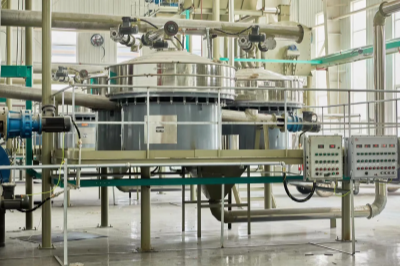
In our lines, we handle everything from pulping to spray drying. I've walked those floors as export manager, watching slurry pumps push purified pulp into alkylation tanks. It's gritty work, but it yields products that meet ISO 9001 standards and ship reliably to the US, Europe, and beyond.
Buyers often ask: "What's the real difference between Chinese cellulose and European?" Production scale and control. We automate where it counts – viscosity measurement via Brookfield viscometers, inline particle size analysis. No guesswork. That's how we hit 200,000 cps grades consistently.
This guide pulls back the curtain. Over the next sections, we'll map the full chain: extraction, purification, modification. Then pivot to what matters for your RFQ – applications, specs, logistics. By the end, you'll spot a solid supplier from a mile away.
One caveat upfront. Not all cellulose is equal. Natural vs. regenerated vs. derivatives. We're focused on the industrial derivatives you procure – the ones binding drywall compounds or stabilizing pharma suspensions. If you're in paper or textiles, processes differ slightly, but principles hold.
Stick around. We've helped US importers cut lead times by half and avoid those nasty rejections from customs purity tests. Ready to dive in?
The Core Process: How Cellulose Is Made, Step by Step
what is cellulose made of cellulose is made of what what are cellulose made of
Cellulose manufacturing isn't one-size-fits-all. It splits into primary production (pulping) and secondary (derivatization). Most B2B buyers deal with the latter – modified celluloses for specific uses.
| Stage | Key Steps | Equipment/Conditions | Output |
|---|---|---|---|
| 1. Raw Material Prep | Wood chips or cotton linters chipped/shredded | Chippers, 40-60°C pre-soak | Uniform feedstock |
| 2. Pulping | Kraft or sulfite cooking to dissolve lignin/hemicellulose | Digestors, NaOH/Na2S, 160-170°C, 3-5 hrs | Brown pulp (cellulose-rich) |
| 3. Bleaching | Chlorine dioxide or peroxide multi-stage | Bleach towers, pH 3-10, sequential | White dissolving pulp (>95% alpha-cellulose) |
| 4. Activation | Slurry in NaOH, swelling fibers | Mixers, 20-30% NaOH, 20°C | Alkali cellulose |
| 5. Etherification | Add propylene oxide/CH3Cl for HPMC | Reactors, 50-90°C, 2-4 hrs, N2 purge | Crude HPMC/MHEC |
| 6. Purification/Wash | Hot water/alcohol washes, centrifugation | Filters, 80°C | Purified polymer |
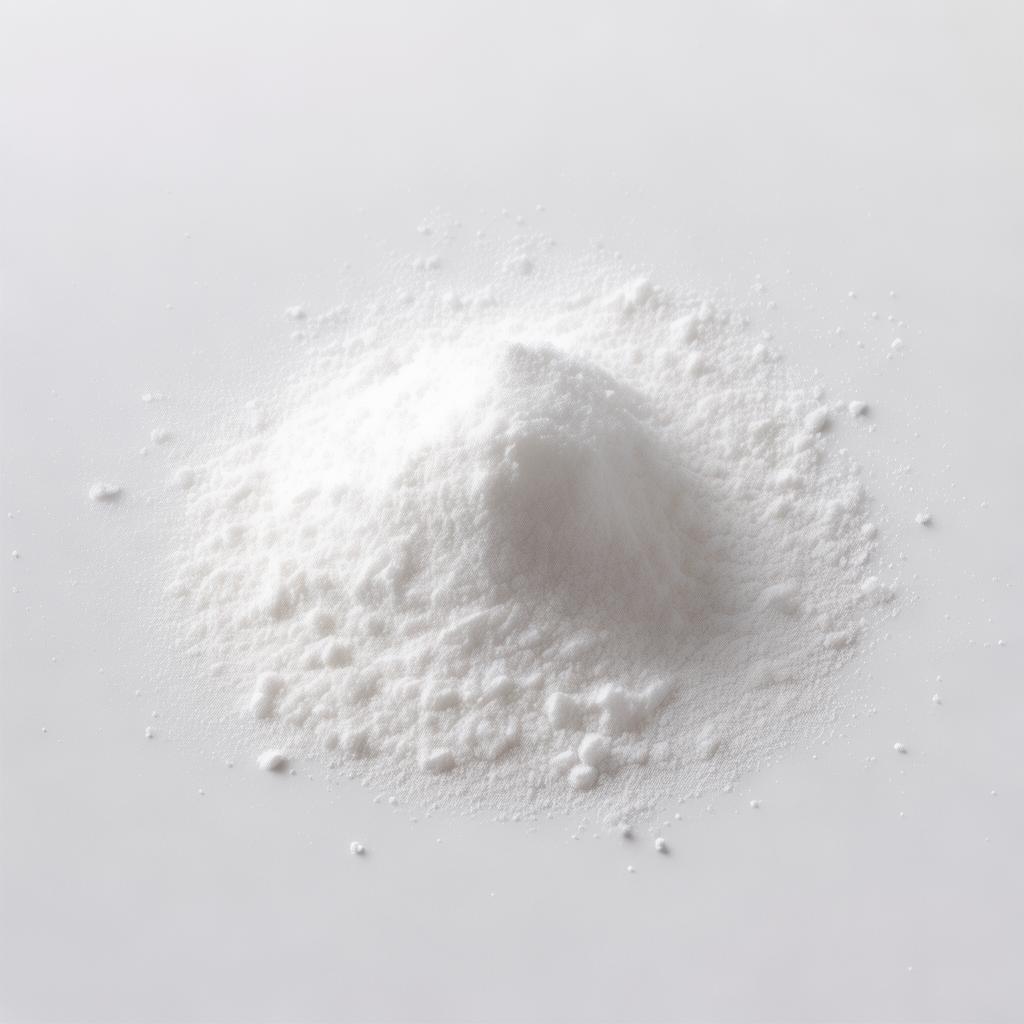
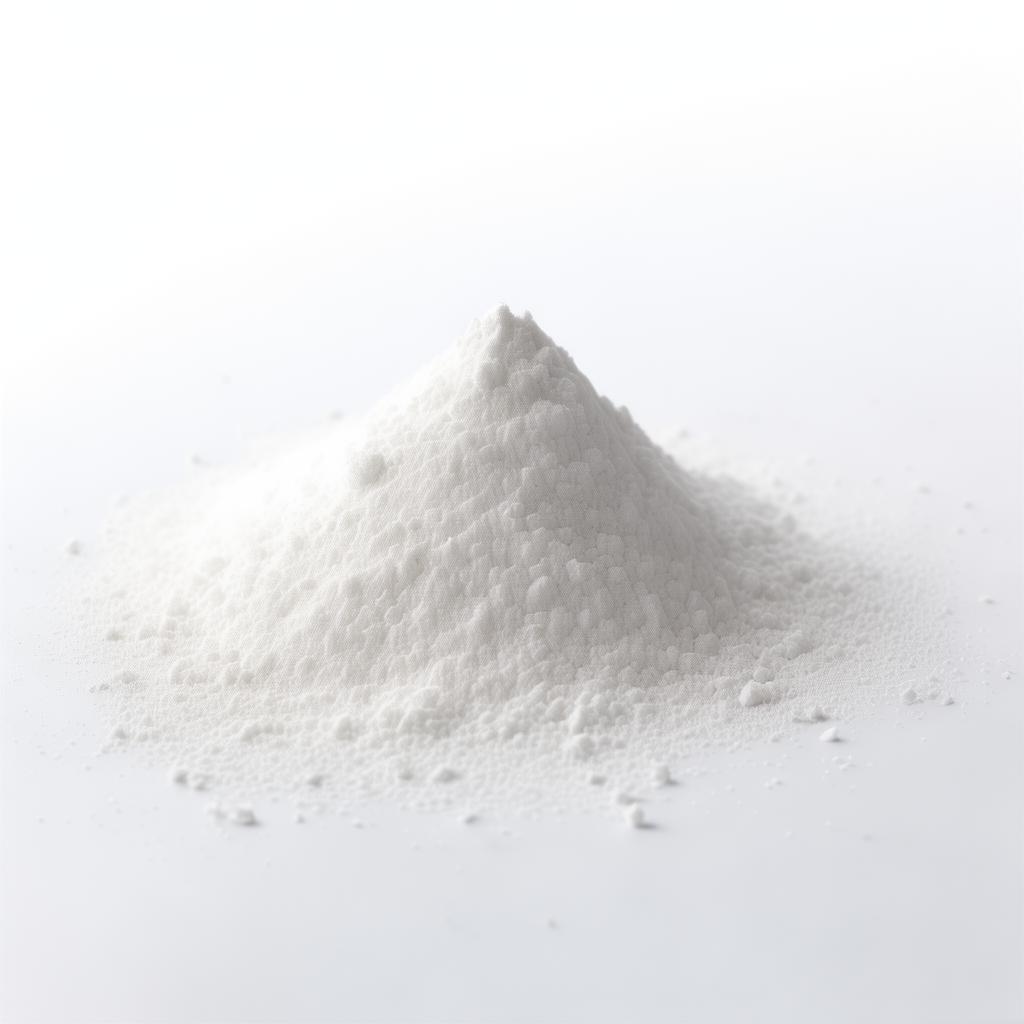
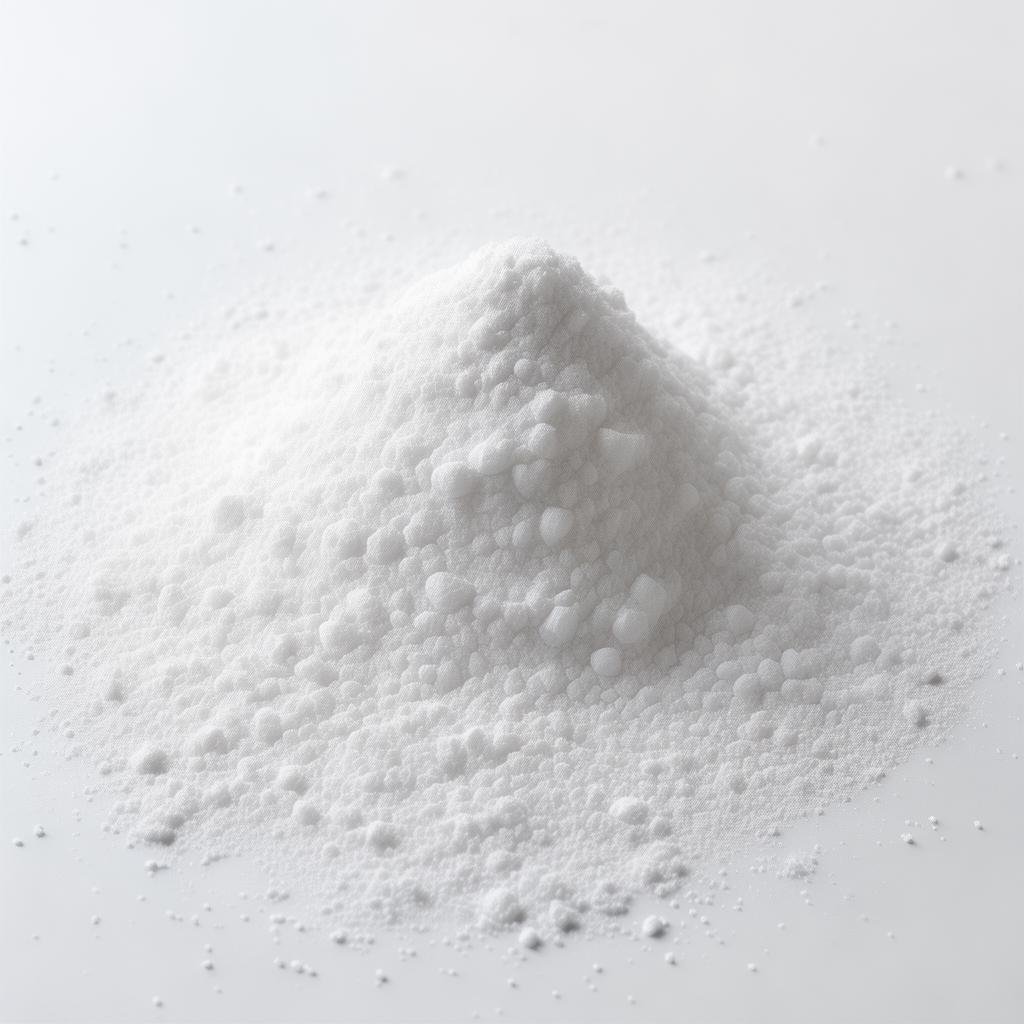
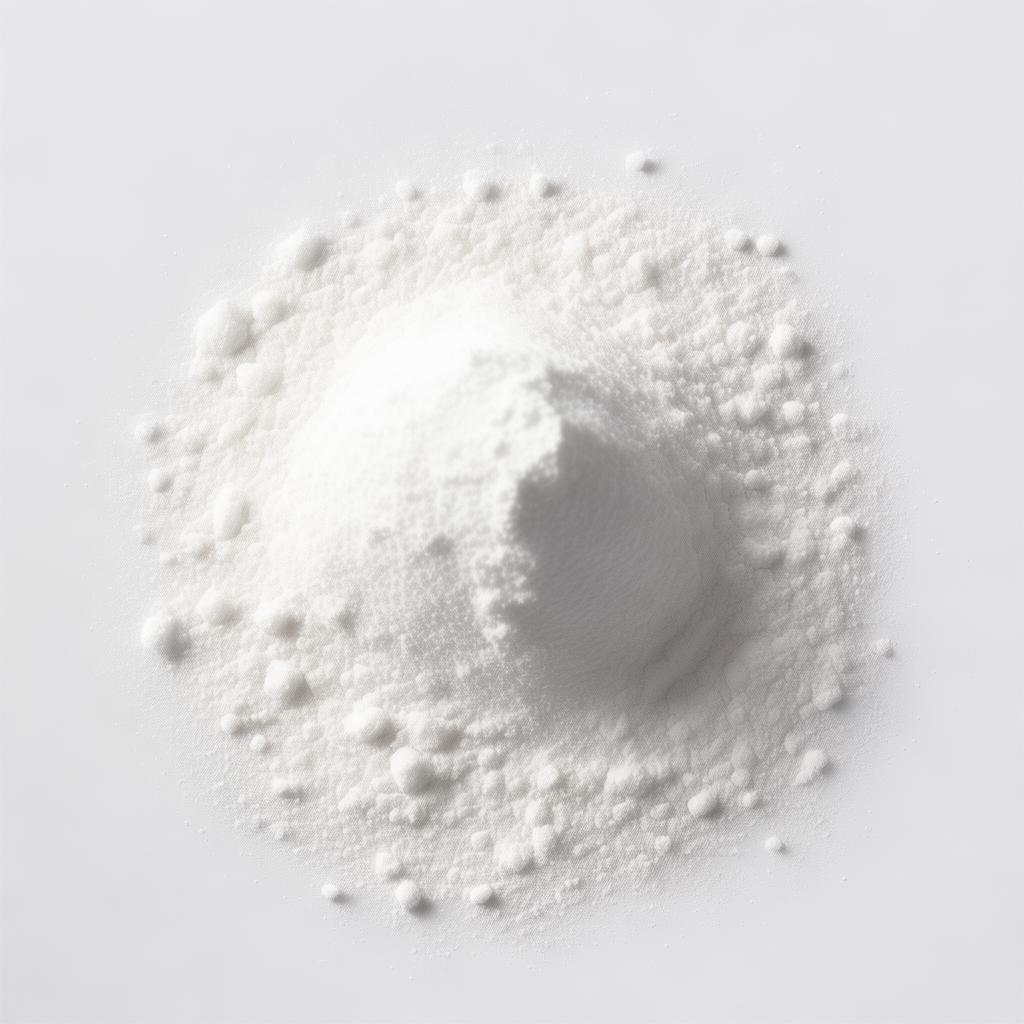
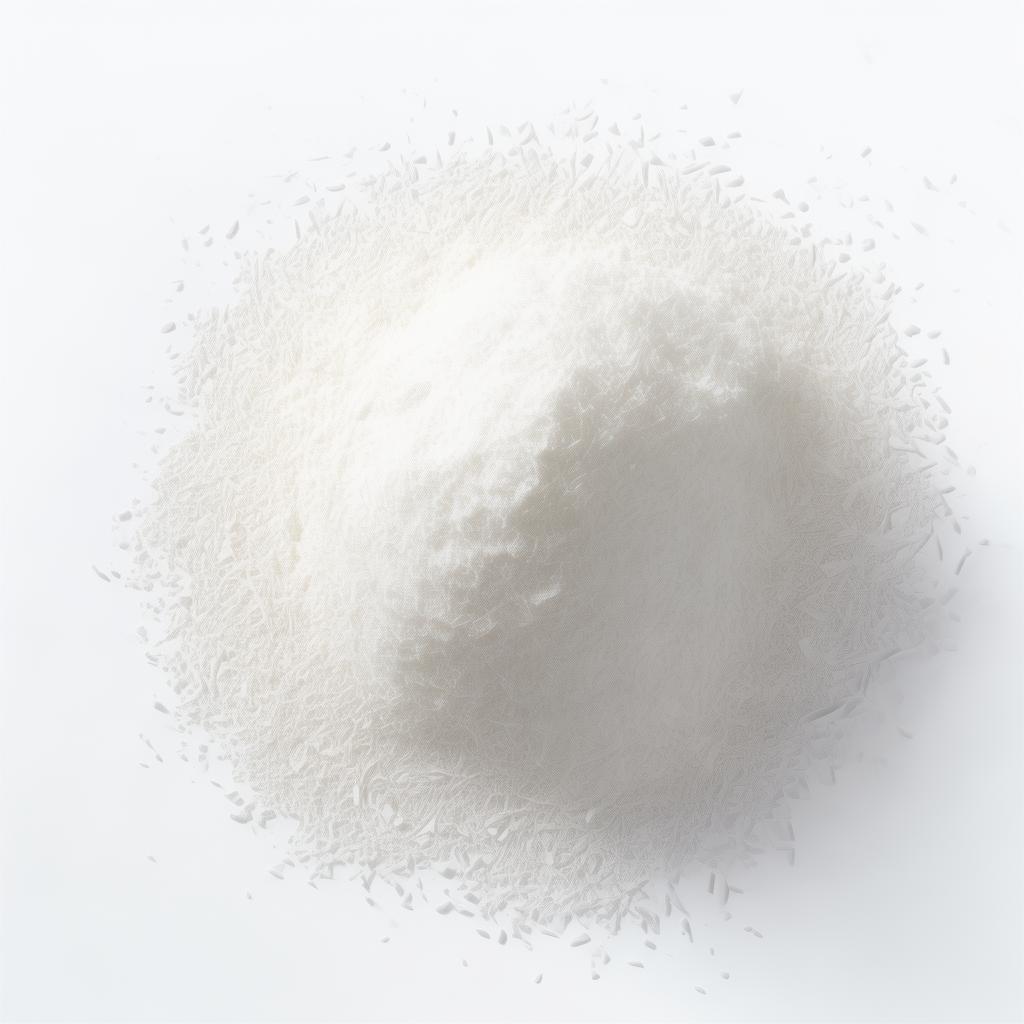
| 7. Drying | Spray or flash drying | Dryers, inlet 180°C, outlet 90°C | Fine white powder |
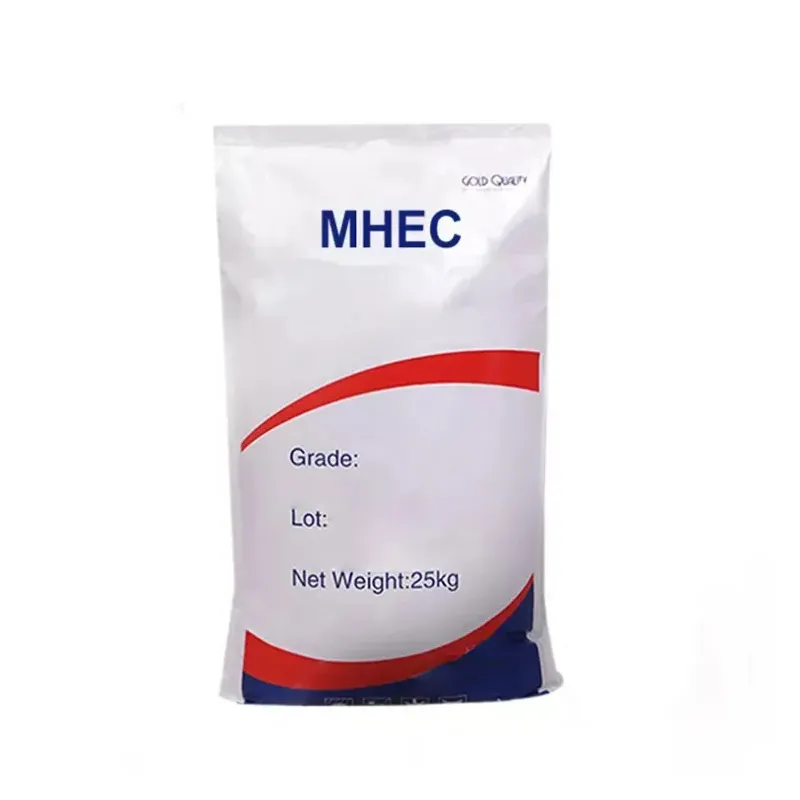
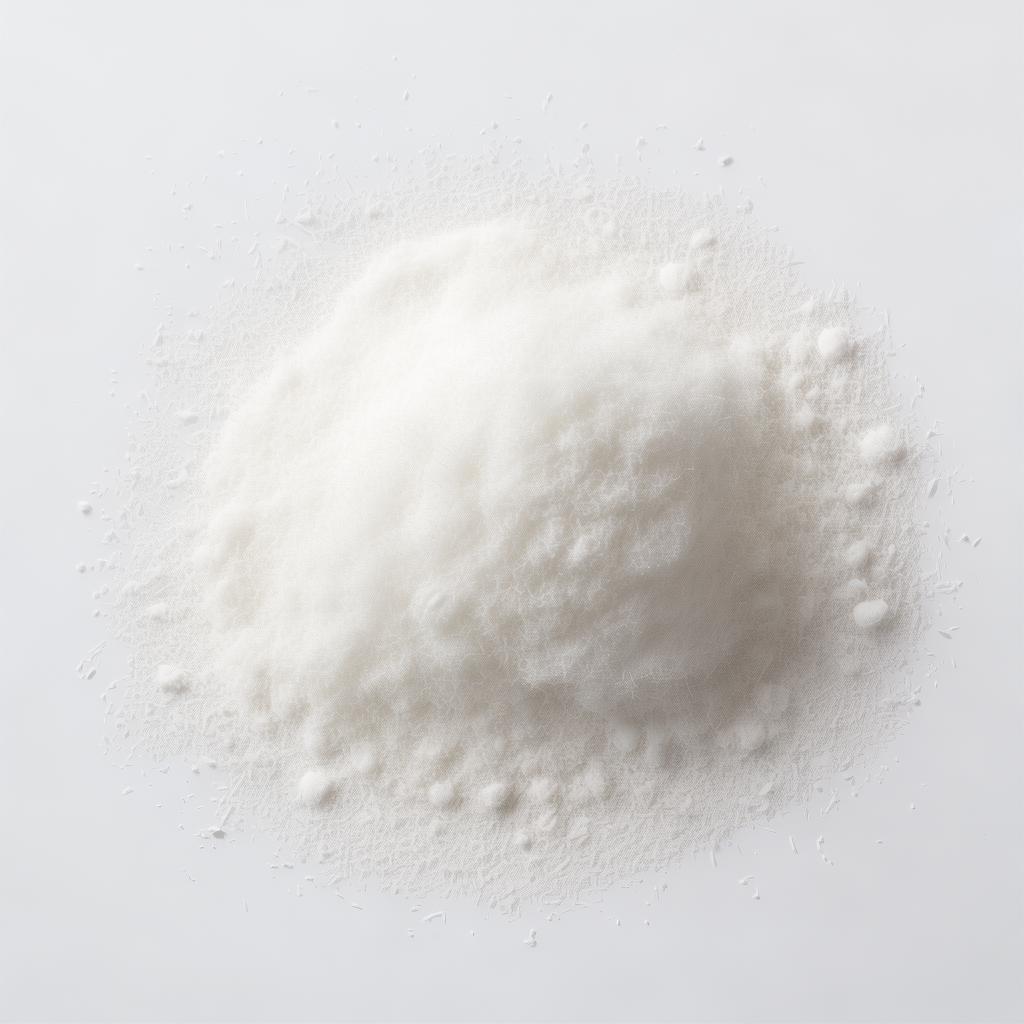
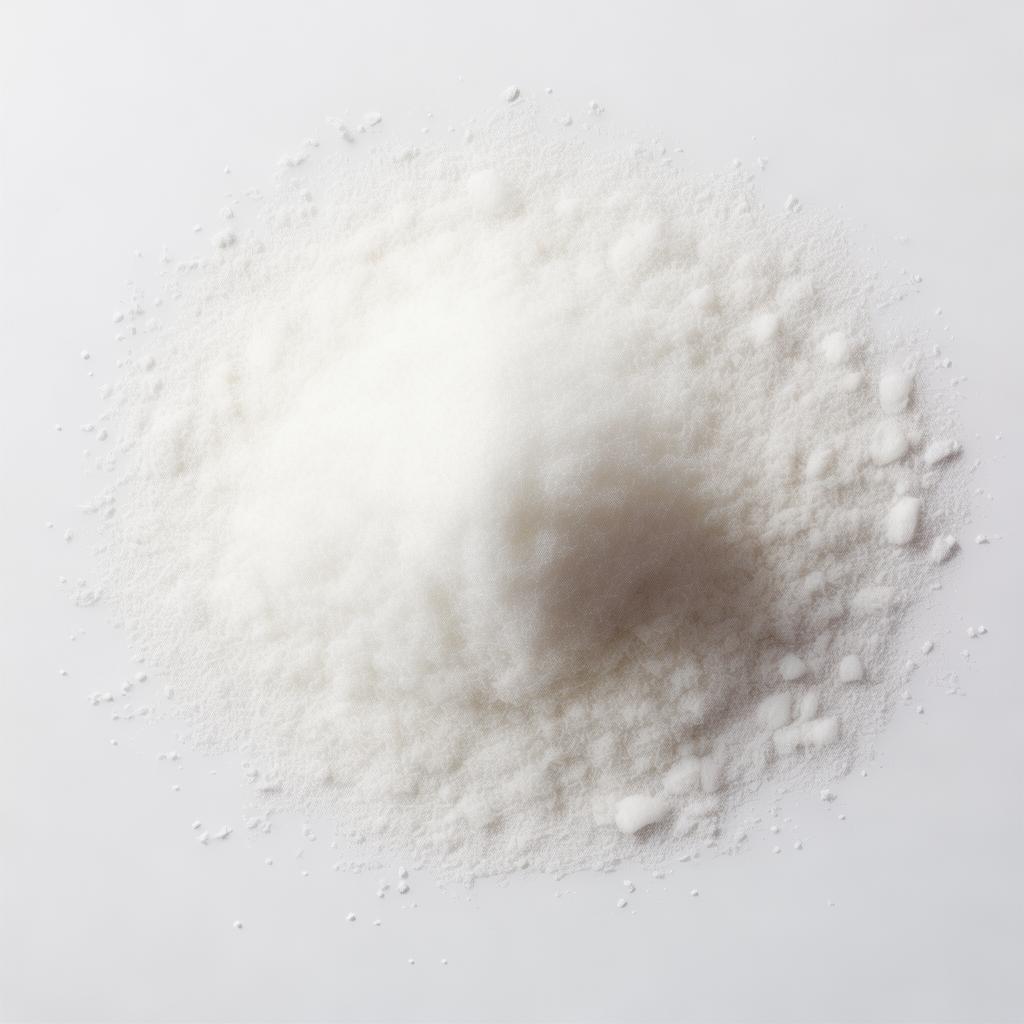
This table captures our standard flow. Variations exist – e.g., MHEC skips propylene oxide, uses ethylene oxide. Timing matters; etherification too long risks over-substitution, dropping purity below 99%.
Pro tip for importers: Ask suppliers for DS (degree of substitution) data. HPMC for mortars needs 0.1-0.3 hydroxypropyl, 1.8-2.0 methoxy. Mismatch it, and water retention tanks.
Raw Material Extraction: Wood vs. Cotton
Most industrial cellulose comes from softwoods like spruce or pines – fast-growing, high yield. Cotton linters for premium grades, pricier but purer.
In Hebei, we source FSC-certified pulp. Chipping reduces logs to 2-5cm pieces. Then cooking: Kraft process rules, using white liquor (NaOH + Na2S). Lignin – that brown glue – dissolves out. Yield? Around 45-50% cellulose from dry wood.
One operational note: Pulp consistency post-digester hits 10-15%. Too thick, and blow tanks clog. We've upgraded to continuous digesters to steady output.
Purification: The Purity Bottleneck
Bleaching sequences like D-E-D (chlorine dioxide - caustic extraction - dioxide) push brightness to 92% ISO. Modern lines go elemental chlorine-free (ECF) for eco-compliance.
End goal: Dissolving pulp with <0.05% ash, <400 ppm metals. Why? Impurities carry through to derivatives, fouling reactors or failing REACH tests in EU.
We've chased ghosts of hexene residuals – trace solvents from pulping. Inline GC-MS catches them early.
Turning Pulp into Derivatives: Etherification Deep Dive
Here's where magic happens. Alkali cellulose reacts with methyl chloride for methylcellulose base. Add propylene oxide – boom, HPMC. Pressurized reactors, nitrogen blanket to kill flammables.
Temps climb gradually: 40°C start, 80°C peak. Reaction exothermic; cooling coils prevent runaway. Post-reaction, neutralize with HCl, wash out salts.
For MHEC, ethylene oxide swaps in – milder, but trickier gel control. Our lines handle both, switching via CIP cycles.
Yield loss here? 10-15% typical, from solubles. Top factories reclaim via evaporation.
Where It All Lands: Key Applications for Cellulose Derivatives
- Construction: HPMC in tile adhesives boosts open time to 20-30 mins. MHEC for renders – crack resistance up.
- Pharma: HPMC as tablet binder/matrix former. Grades like K4M release drugs over 12 hrs.
- Food: CMC thickens dressings. E466 approved.
- Paints: HEC for rheology – anti-sag.
Contractors tell us: Switch to consistent HPMC, and trowel snap-back improves. Less waste.
Buyer's Guide: Sourcing Cellulose Without Headaches
Procurement pitfalls abound. Cheap powder? Often high gel temp, poor thickening. Test it yourself – 2% solution in hot water.
Key specs to demand:
- Viscosity range (e.g., 50,000-100,000 mPa.s)
- Moisture <5%
- Particle size D50 80-120 μm
- Certifications: ISO 9001, Kosher/Halal if needed
Logistics reality: 25kg bags, 1 ton jumbo. FCL 20' holds 16-18 tons. MOQ? We flex at 1 ton for trials.
Ready for specs? Email admin@tangzhicellulose.com or WhatsApp +86-15032625168.
Our Factory: Scale Meets Precision
90,000 sqm buildings, automated lines from Germany/Japan. Annual 40k tons: 60% HPMC, 20% MHEC/HEC, rest specialties.
Export to 50+ countries. US clients love our PCE combos for self-leveling.

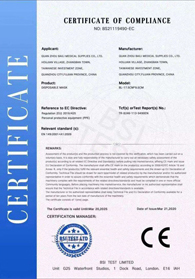
Full compliance: REACH, FDA indirect, Halal.
Feedback from the Field

John Ramirez, Ops Manager, US Construction Firm
Switched to Tang Zhi HPMC after EU supplier delays. Viscosity spot-on, 8-week door-to-door. Saved 15% on cost.

Sarah Lee, Supply Chain, Australian Distributor
MHEC for plasters – no yellowing in trials. Samples arrived fast; scaling to 20 tons/month.

Mike Chen, Technical Buyer, Pharma
CMC purity beat specs. Easy customs – full docs provided.
Frequently Asked Questions from Importers
- What's the difference between HPMC and HEMC?
- MHEC (HEMC) has hydroxyethyl groups for better cold-water solubility. HPMC leans on hydroxypropyl for heat stability.
- How long is production lead time?
- Stock grades: 7-14 days. Custom: 25-35 days post-order.
- Can you do OEM packaging?
- Yes – private label, 15-25kg bags. Min 5 tons.
- Shipping to USA – duties?
- FOB Tianjin, CIF options. HS 3912.39 – check your CBP for rates.
Need Reliable Cellulose Supply?
Talk to our engineers. Free samples for qualified buyers.
Call/WhatsApp: +86-15032625168 | Email: admin@tangzhicellulose.com
Request Quote NowRoom 2308, Dongsheng Plaza 2, No. 508 Zhongshan East Road, Chang’an District, Shijiazhuang, Hebei, China
Written by Li Wei, Export Director at Tang Zhi Technology

15+ years in cellulose trade. From factory floor to global shipping.