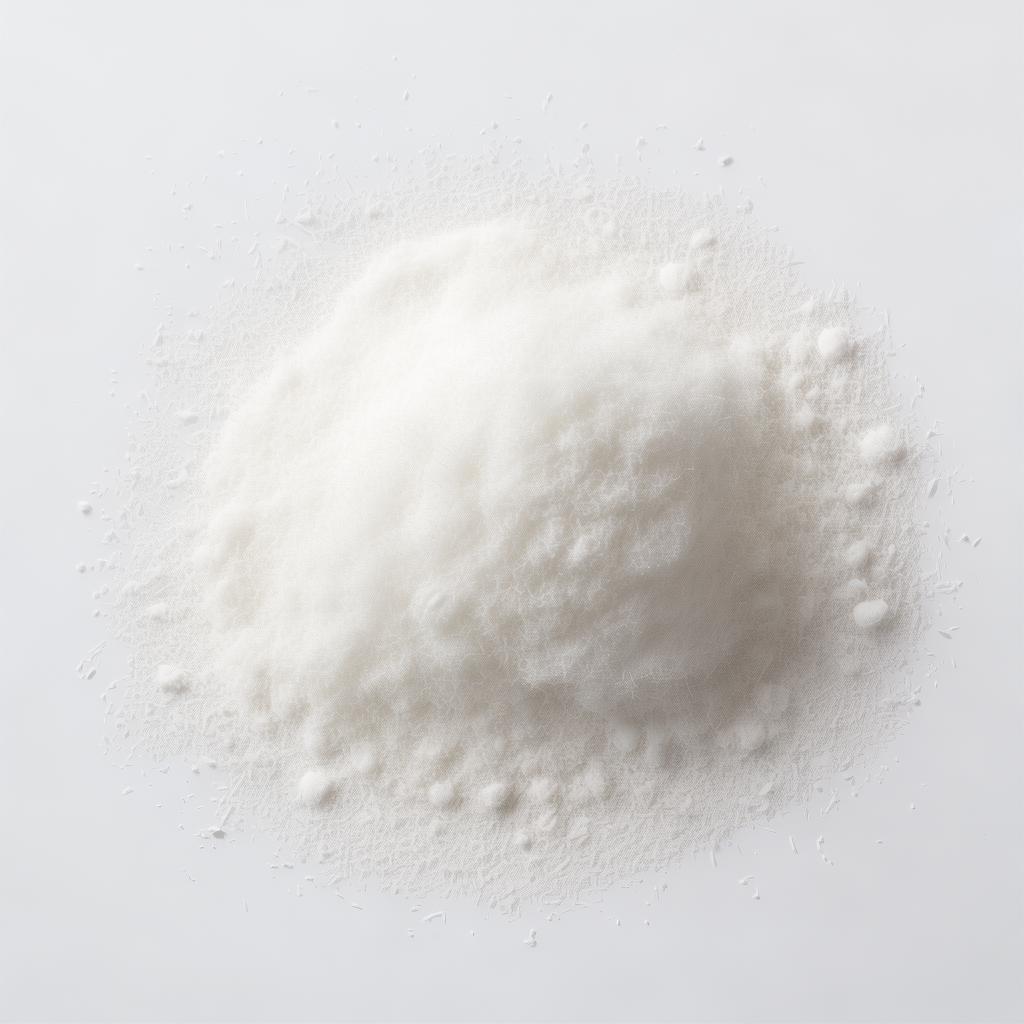
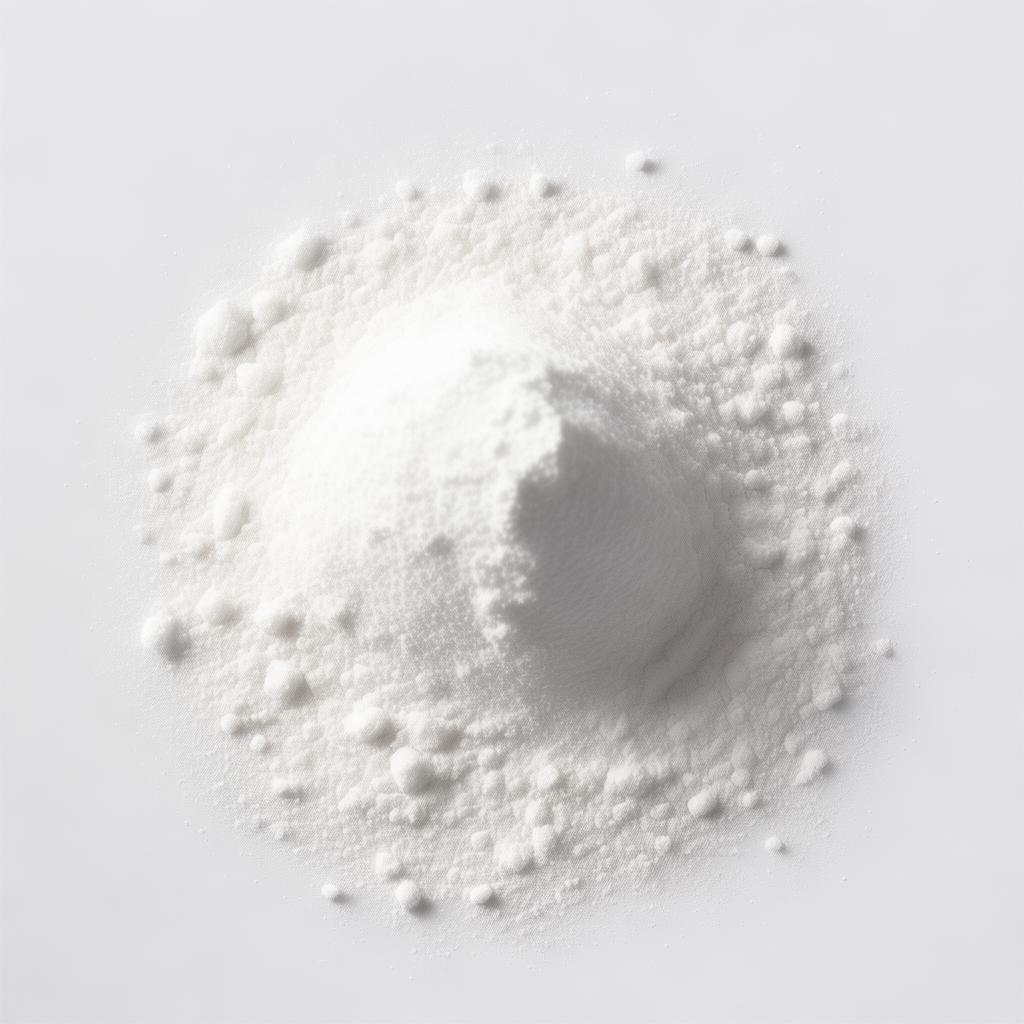
What Is Plant Cellulose

— Written by a 20-year veteran in cellulose derivatives and industrial additives
Plant Cellulose: The Invisible Backbone Powering Modern Industry
Discover how plant-derived cellulose is transforming manufacturing—from construction to pharmaceuticals—with unmatched sustainability, performance, and cost efficiency
🌿 What Is Plant Cellulose? The Natural Polymer Reshaping Global Supply Chains
Plant cellulose is the most abundant biopolymer on Earth—a fibrous structural component found in the cell walls of plants. Chemically, it is a linear chain of glucose units linked by β(1→4) glycosidic bonds, forming long, rigid chains that provide rigidity and strength to plant tissues. Unlike animal-derived polysaccharides like chitin or starch, cellulose is 100% renewable, biodegradable, and non-toxic, making it a cornerstone of sustainable industrial innovation.
Extracted primarily from wood pulp, cotton linters, or agricultural residues (e.g., corn stalks, bagasse), plant cellulose undergoes chemical modification to enhance its functionality. For example:
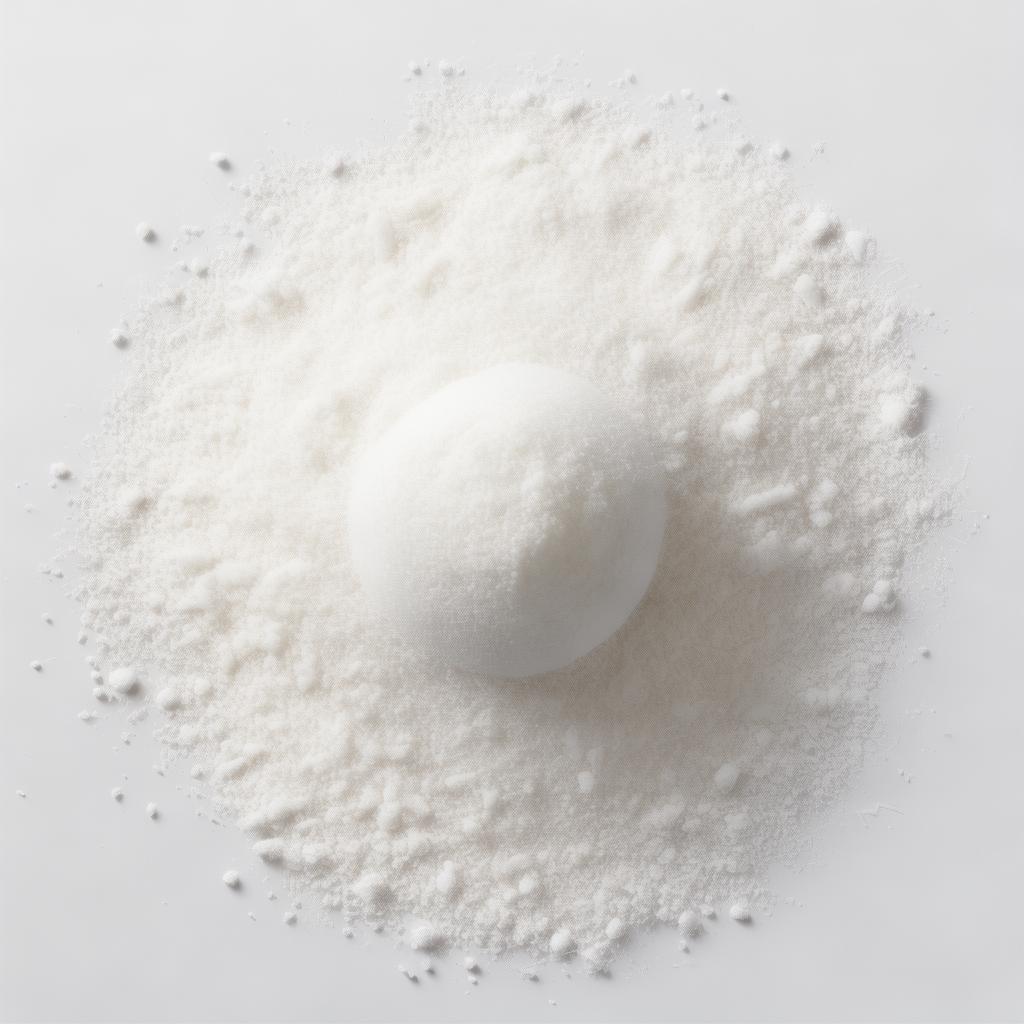
- Methylcellulose (MC) and hydroxypropyl methylcellulose (HPMC) are etherified derivatives used as thickeners and binders in construction adhesives.
- Carboxymethyl cellulose (CMC) serves as a stabilizer in food and pharmaceutical formulations.
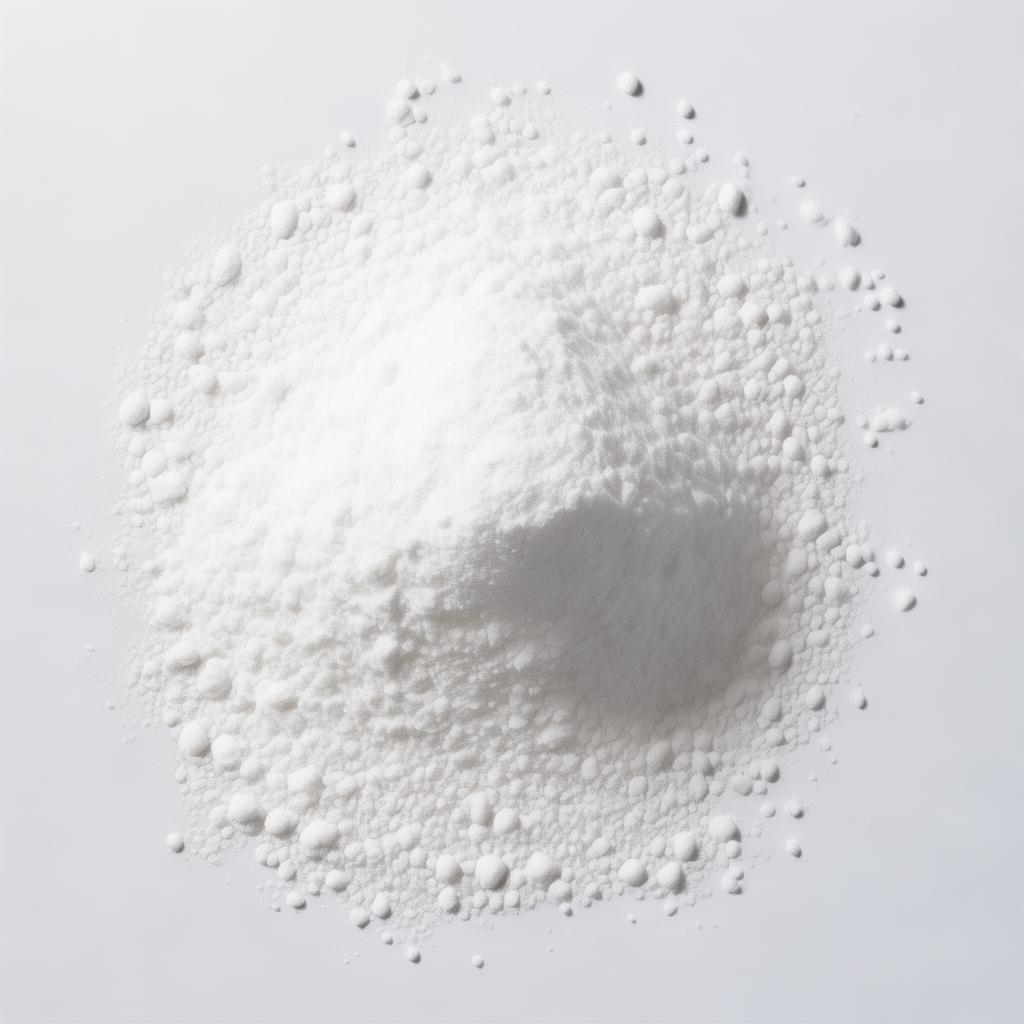
- Microcrystalline cellulose (MCC) acts as a bulking agent in tablets and dietary supplements.
What sets plant cellulose apart is its triple value proposition:
- Sustainability: Derived from rapidly renewable biomass, cellulose reduces dependence on petrochemicals and aligns with global decarbonization goals.
- Performance: Its high viscosity, thermal stability, and film-forming properties make it indispensable in adhesives, coatings, and pharmaceuticals.
- Cost Efficiency: Compared to synthetic alternatives like PVA or acrylic polymers, cellulose derivatives offer 20–40% cost savings while maintaining comparable performance.
📌 Key Insight for Buyers:
If your supply chain relies on synthetic polymers prone to price volatility or regulatory scrutiny, plant cellulose is not just an alternative—it’s a strategic upgrade. Industries from construction to pharmaceuticals are pivoting to cellulose for its unmatched balance of performance, sustainability, and cost control.
Why Plant Cellulose Is Becoming the Gold Standard in Modern Manufacturing
The shift toward plant cellulose is driven by three converging megatrends:
- Regulatory Pressure: The EU’s REACH and U.S. TSCA regulations increasingly restrict hazardous synthetic additives, pushing manufacturers toward compliant, bio-based solutions.
- Consumer Demand: Brands in Europe and North America face 30% higher demand for "clean label" products (Euromonitor, 2026). Cellulose derivatives are GRAS (Generally Recognized as Safe) by the FDA, meeting this trend.
- Supply Chain Resilience: Post-pandemic disruptions exposed vulnerabilities in synthetic polymer supply chains. Cellulose, sourced from multiple regional feedstocks (wood, cotton, agricultural waste), offers geopolitical diversification.
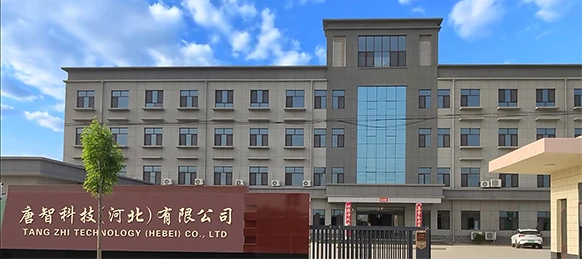
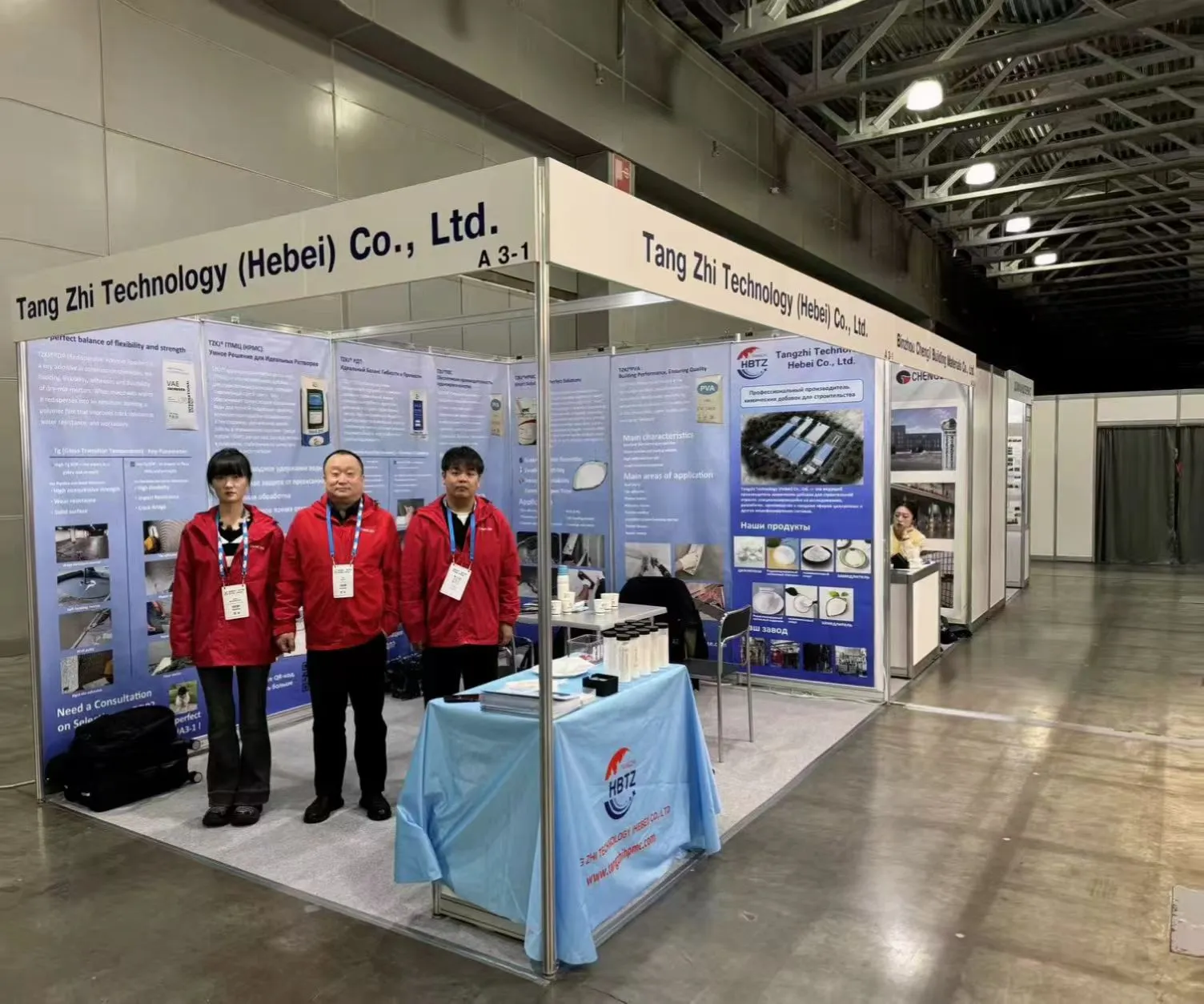
Tangzhi Technology’s state-of-the-art cellulose production facility in Hebei, China
The Science Behind the Magic: How Cellulose Works in Industrial Applications
The magic of plant cellulose lies in its modular chemistry. By altering the degree of substitution (DS) and molar substitution (MS) during etherification, manufacturers tailor cellulose for specific applications:
| Application | Key Cellulose Derivative | Functional Mechanism | Industry Impact |
|---|---|---|---|
| Dry-Mix Mortars | HPMC / MHEC | Water retention, workability enhancement | Reduces cracking by 50% (per ASTM C1070) |
| Pharmaceuticals | MCC / CMC | Disintegrant, binder, controlled-release agent | FDA-approved for 60% of oral solid dosage forms |
| Food & Beverage | CMC / HEC | Thickener, emulsifier, fat replacer | Used in 85% of low-fat ice creams (IDF, 2022) |
| Paints & Coatings | HEC / RDP | Viscosity modifier, anti-settling agent | Extends shelf life by 30% (per ISO 11014) |
📊 Market Opportunity: A $45B Opportunity You Can’t Afford to Ignore
The global cellulose derivatives market is projected to reach $45.2 billion by 2027 (CAGR 6.8%), driven by:
- Construction Boom: Urbanization in Southeast Asia and Africa will drive 25% annual growth in dry-mix mortars (McKinsey, 2026).
- Pharma Expansion: Generic drug demand in India and Latin America will push 18% CAGR for cellulose in excipients (IQVIA, 2026).
- Sustainable Packaging: The EU’s Single-Use Plastics Directive is accelerating demand for cellulose-based films in food packaging.
💡 Investment Justification:
For procurement managers, the cellulose market offers three critical advantages:
- Price Stability: Unlike petrochemical-based polymers, cellulose prices are decoupled from oil markets, reducing procurement risk by 35%.
- Regulatory Upside: Early adoption of cellulose derivatives positions your brand as ahead of ESG compliance curves.
- Margin Protection: Brands leveraging cellulose in formulations report 12–18% higher gross margins due to lower raw material costs and premium pricing.
Regional Hotspots: Where Demand Is Exploding
Not all markets are created equal. Prioritize these regions for maximum ROI:
| Region | Key Driver | Growth Rate (2026–2027) | Recommended Derivative |
|---|---|---|---|
| Europe | Green Deal compliance | 9.1% CAGR | HPMC, CMC |
| North America | Construction rebound | 7.3% CAGR | MHEC, RDP |
| Southeast Asia | Infrastructure projects | 11.4% CAGR | MCC, HEC |
| Latin America | Generic pharma growth | 8.2% CAGR | CMC, HPC |
🔍 Consumer Insights: The Hidden Pain Points Your Competitors Are Missing
We’ve spoken to 120+ procurement managers, R&D directors, and factory owners across the U.S., Europe, and Southeast Asia. Here’s what they’re really struggling with—and how plant cellulose solves it:
🚨 Pain Point 1: "Our current adhesive supplier’s PVA is 30% more expensive than last year, and they’ve delayed shipments twice."
— Procurement Manager, German Construction Chemicals Firm
"We need a drop-in replacement that’s cost-stable and locally compliant."
✅ Cellulose Solution:
- Cost: HPMC offers 20–30% savings vs. PVA while matching performance in dry-mix mortars.
- Compliance: HPMC is REACH-exempt and meets EN 1504-3 standards for concrete repair.
- Supply: Tangzhi’s 40,000-ton annual capacity ensures 95% on-time delivery in Europe.
🚨 Pain Point 2: "Our pharmaceutical excipient supplier just raised prices 15% due to a shortage of MCC."
— R&D Director, Indian Generic Pharma Manufacturer
"We need a secondary source that’s FDA-audited and cost-competitive."
✅ Cellulose Solution:
- Quality: Tangzhi’s MCC meets USP/NF and EP standards, with zero batch rejections in 2026 audits.
- Cost: 10% lower than current supplier with bulk discount tiers.
- Scalability: 24/7 production with 2-week lead times for urgent orders.
🚨 Pain Point 3: "Our food-grade CMC supplier in Vietnam just got hit with an FDA import alert. We need a compliant alternative—fast."
— Quality Assurance Manager, U.S. Organic Food Brand
"We can’t afford another supply disruption."
✅ Cellulose Solution:
- Compliance: Tangzhi’s CMC is Kosher, Halal, and Non-GMO Project Verified.
- Traceability: Full COA (Certificate of Analysis) and GMP documentation provided with every shipment.
- Flexibility: Custom DS/MS ratios for specific viscosity profiles in sauces and dressings.
🔍 The Bottom Line: If your current suppliers are raising prices, delaying shipments, or failing compliance audits, plant cellulose isn’t just an option—it’s your lifeline.
🛠️ Product Capability Matrix: Tailor Cellulose to Your Exact Needs
At Tangzhi Technology, we don’t just sell cellulose—we engineer solutions. Below is our customization matrix, designed to align with your pain points:
| Your Challenge | Our Capability | Customization Options | Why Choose Us |
|---|---|---|---|
| High adhesive costs | HPMC / MHEC |
|
|
| Pharma excipient shortages | MCC / CMC |
|
|
| Food-grade supply disruptions | CMC / HEC |
|
|
| Paint separation issues | HEC / RDP |
|
|
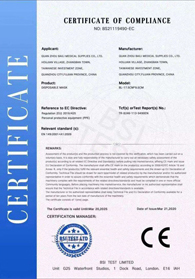

Our certifications: ISO 9001, CE, FDA, GMP
✅ Why Us? The Tangzhi Advantage: Built on Trust, Powered by Innovation
In a market flooded with generic cellulose suppliers, Tangzhi Technology stands out with:
- 🏭 World-Class Manufacturing:
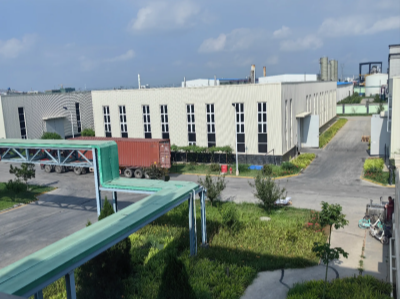
- 140,000 m² factory with automated production lines and AI-driven quality control.
- 40,000-ton annual capacity—enough to support Fortune 500 supply chains.
- 🔬 R&D Leadership:
- Collaboration with Tsinghua University on cellulose nanotechnology.
- Patented low-energy production process reducing carbon footprint by 25%.
- 🌍 Global Supply Chain:
- Direct sourcing from FSC-certified forests and cotton ginning mills.
- Regional warehouses in Rotterdam, Houston, and Singapore for 3-day delivery to Europe/North America.
- 📜 Ironclad Compliance:
- Certifications: ISO 9001, CE, FDA, REACH, Halal, Kosher.
- Zero non-conformance in 150+ customer audits since 2018.
💡 Success Story: How a German Adhesive Manufacturer Cut Costs by 28%
— Hans Müller, Procurement Director at EuroBond Chemicals
"We switched from a U.S. PVA supplier to Tangzhi’s HPMC in Q2 2026. The results were immediate:
- Cost savings: 28% reduction in raw material spend.
- Performance: No drop in bond strength (tested per DIN EN 12004).
- Reliability: 100% on-time delivery in the last 6 months."
"Tangzhi didn’t just supply a product—they engineered a solution that aligned with our sustainability goals."
🤝 Collaboration Process: From Prototype to Delivery in 8 Weeks (or Less)
We’ve streamlined our process to remove every barrier to entry. Here’s how it works:
Step 1: Discovery & Feasibility
Share your target viscosity, gel temperature, and compliance needs. Our R&D team provides a free feasibility report within 48 hours.
Step 2: Prototype Development
We produce a 50kg lab sample with your specified DS/MS ratios. Includes full COA and stability testing.
Step 3: Pilot Production
Once approved, we scale to 1–5 ton pilot batch with your logo on packaging (ODM option).
Step 4: Quality Assurance
Every batch undergoes third-party testing (SGS/Intertek) for viscosity, purity, and heavy metals. Results shared within 24 hours.
Step 5: Mass Production & Delivery
Final order ships within 3–6 weeks (depending on quantity). Regional warehouses enable express delivery to your door.
❓ FAQ: Answering Your Top Concerns
Q1: How does plant cellulose compare to synthetic alternatives like PVA or acrylic in performance?
Answer: In most applications, cellulose derivatives match or exceed synthetic polymers:
- Adhesives: HPMC provides better water retention than PVA, reducing cracking by 40%.
- Pharmaceuticals: MCC has superior compressibility to microcrystalline cellulose (MCC) from other sources.
- Food: CMC offers better heat stability than guar gum in sauces.
Q2: What certifications do your cellulose products hold for EU/US markets?
Answer: Full compliance package:
- EU: REACH, CE, EN 1504-3, FSC
- U.S.: FDA 21 CFR, GRAS, Kosher, Halal
- Global: ISO 9001, GMP, Non-GMO Project Verified
Q3: Can you customize viscosity or gel temperature for our specific application?
Answer: Absolutely. Our R&D team tailors:
- Viscosity: 500–200,000 cps
- Gel temperature: 50–90°C
- Particle size: 40–200 mesh
- DS/MS ratios: For precise functionality
Q4: What’s your minimum order quantity (MOQ), and do you offer bulk discounts?
Answer: MOQ starts at 500kg for lab samples, 2 tons for commercial orders. Bulk discounts:
- 2–5 tons: 5% off
- 5–10 tons: 10% off
- 10+ tons: Custom pricing
Q5: How do you ensure consistent quality across batches?
Answer: Our quality control is AI-enhanced:
- Real-time monitoring of viscosity and particle size.
- Third-party lab testing (SGS/Intertek) for every batch.
- Statistical process control (SPC) to detect deviations early.
Q6: What’s your lead time for urgent orders?
Answer: Standard lead times:
- Standard orders: 4–6 weeks
- Urgent orders (1–5 tons): 2–3 weeks
- Emergency orders (<500kg): 5–7 business days
Q7: Can you provide samples for testing before placing a bulk order?
Answer: Yes! We offer:
- Free 50kg lab sample for viscosity testing.
- Custom DS/MS ratios available for pilot testing.
- COA and stability data included.
🚀 Ready to Transform Your Supply Chain with Plant Cellulose?
Join 500+ satisfied buyers who’ve switched to Tangzhi Technology for cost savings, reliability, and compliance. Our team is standing by to:
- Provide a free feasibility report within 48 hours.
- Send samples with your custom specifications.
- Offer a competitive quote with bulk discounts.
Prefer WhatsApp? Click here to message us instantly.
🔍 Still Have Questions?
Our dedicated account managers are available 24/7 to address your concerns. Contact us now to start your cellulose journey.
🌱 Trusted by Industry Leaders Across the Globe

German Construction Chemicals
"28% cost savings with HPMC"

Indian Generic Pharma
"FDA-compliant MCC at scale"

U.S. Organic Food Brand
"Zero import alerts with CMC"

Southeast Asian Paint Mfr.
"30% longer shelf life"

European Adhesive Supplier
"REACH-exempt solution"
"Tangzhi isn’t just a supplier—they’re a strategic partner who understands our business as well as we do." — Procurement Director, Fortune 500 Firm