What Is Powdered Cellulose
What is Powdered Cellulose?
A Practical Guide for Procurement Managers and Engineers | By Li Wei, Export Director at TANG ZHI TECHNOLOGY (HeBei) CO., LTD
Updated: October 2026 | 10+ Years Exporting Cellulose Derivatives Worldwide
Quick Navigation:
Procurement teams often hit roadblocks when sourcing powdered cellulose. You've got specs from one supplier that don't match the next, or the material clumps under humid storage. I remember a U.S. importer calling us last year – their mortar mix was failing quality checks because the cellulose powder wasn't dispersing right. Turns out, they were dealing with a low-viscosity grade not suited for tile adhesives.
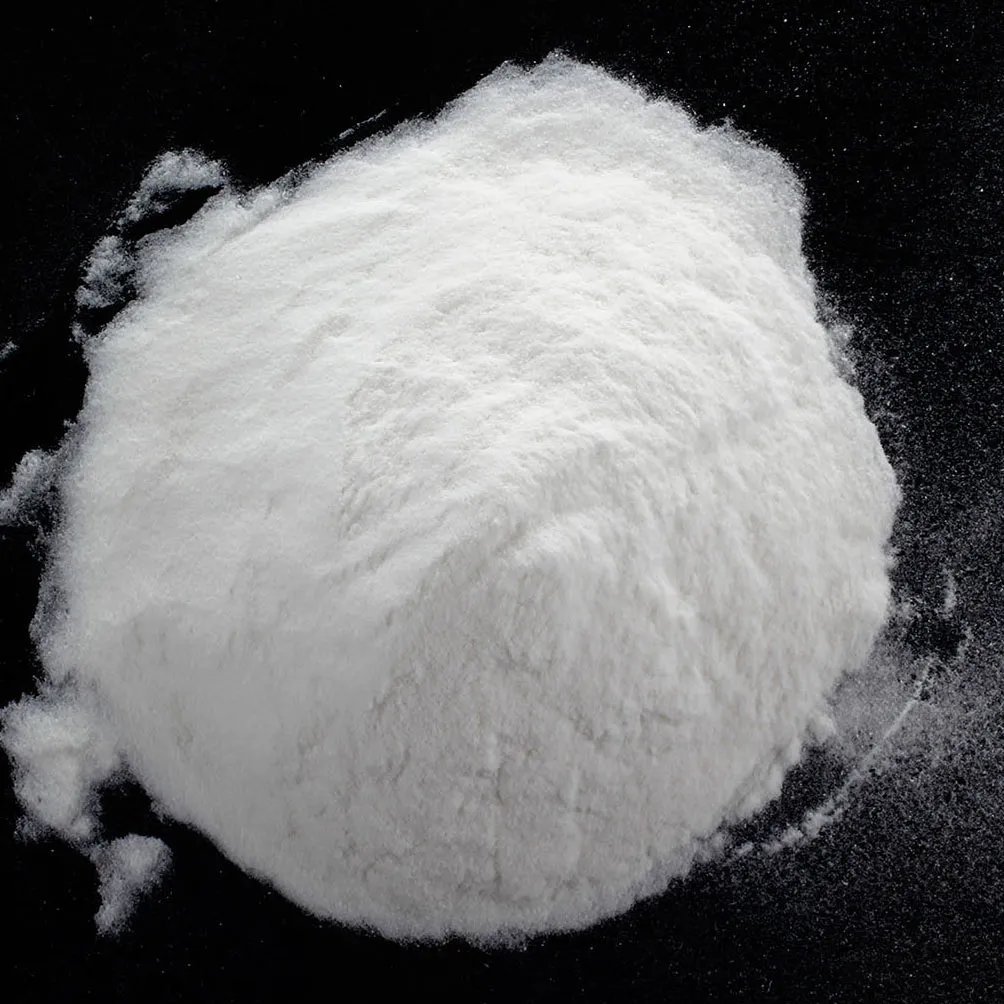
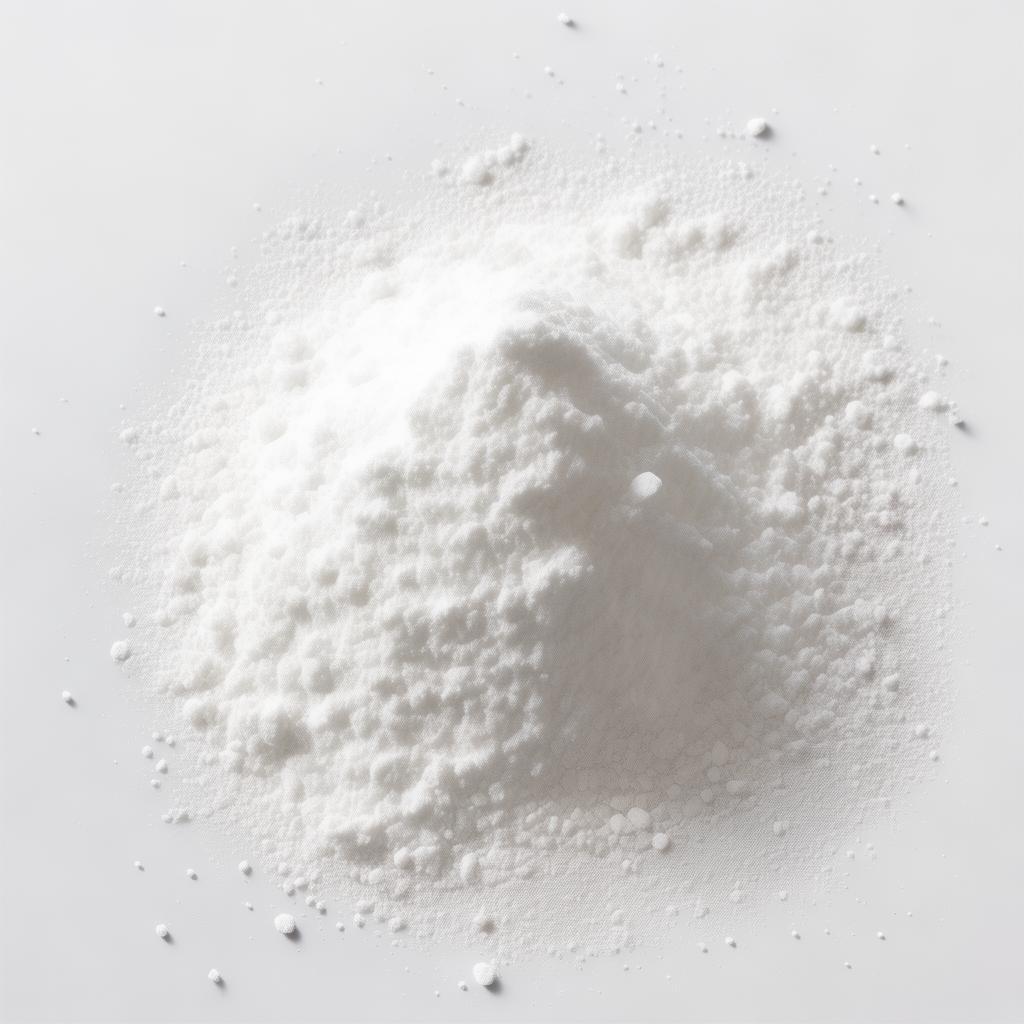
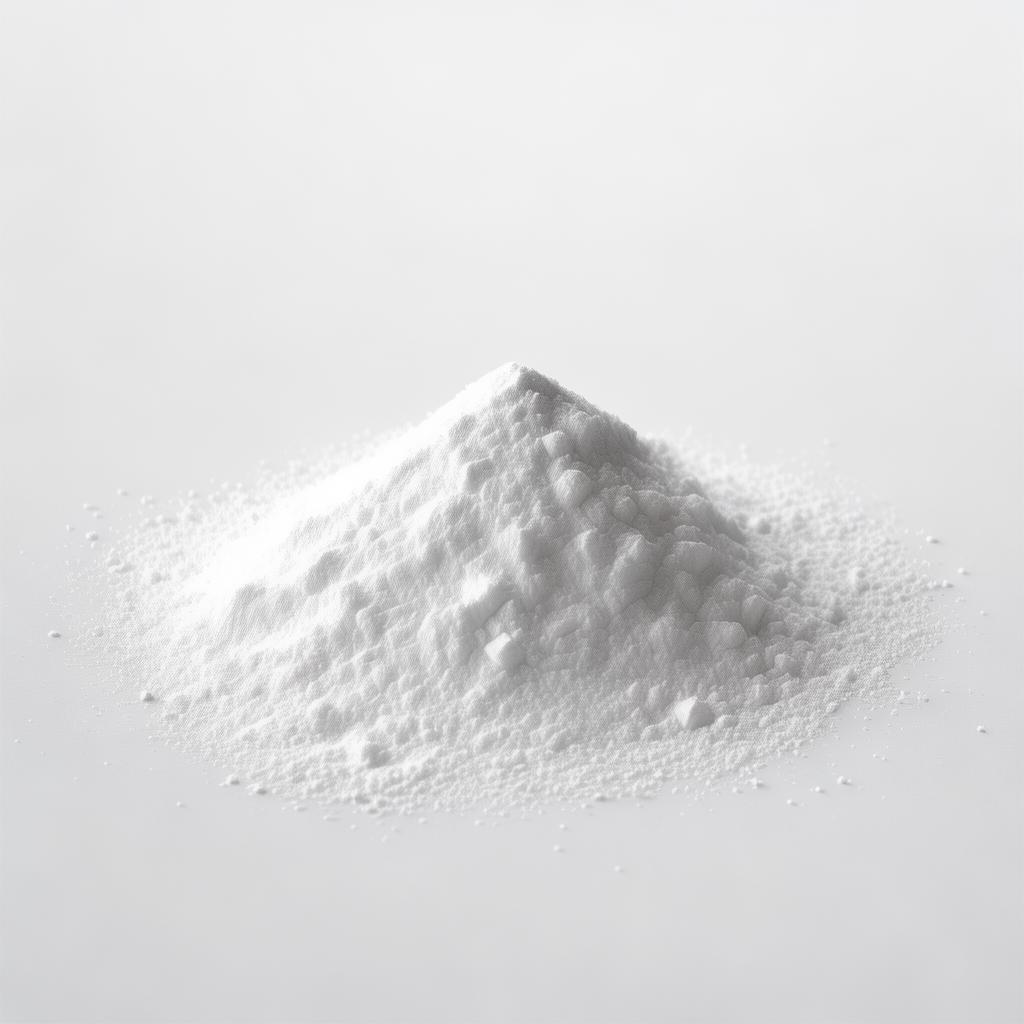
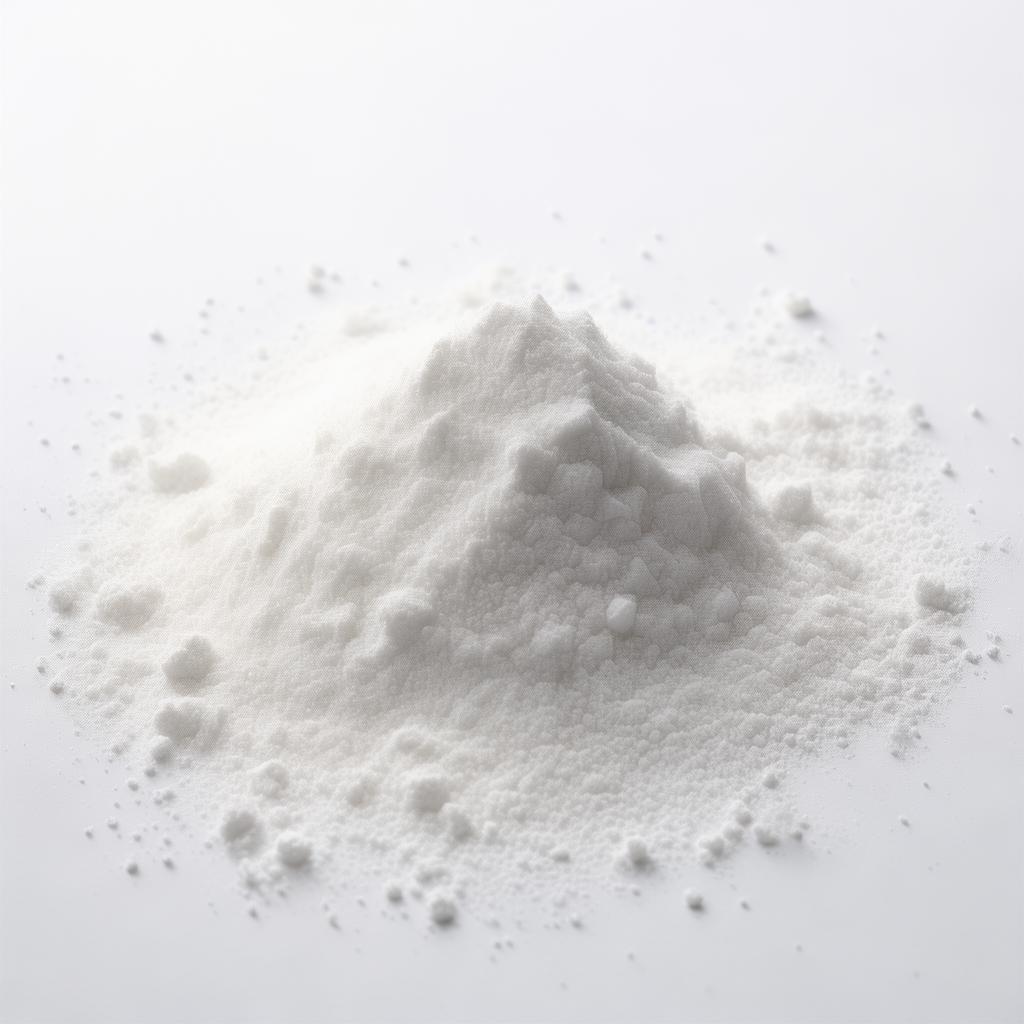
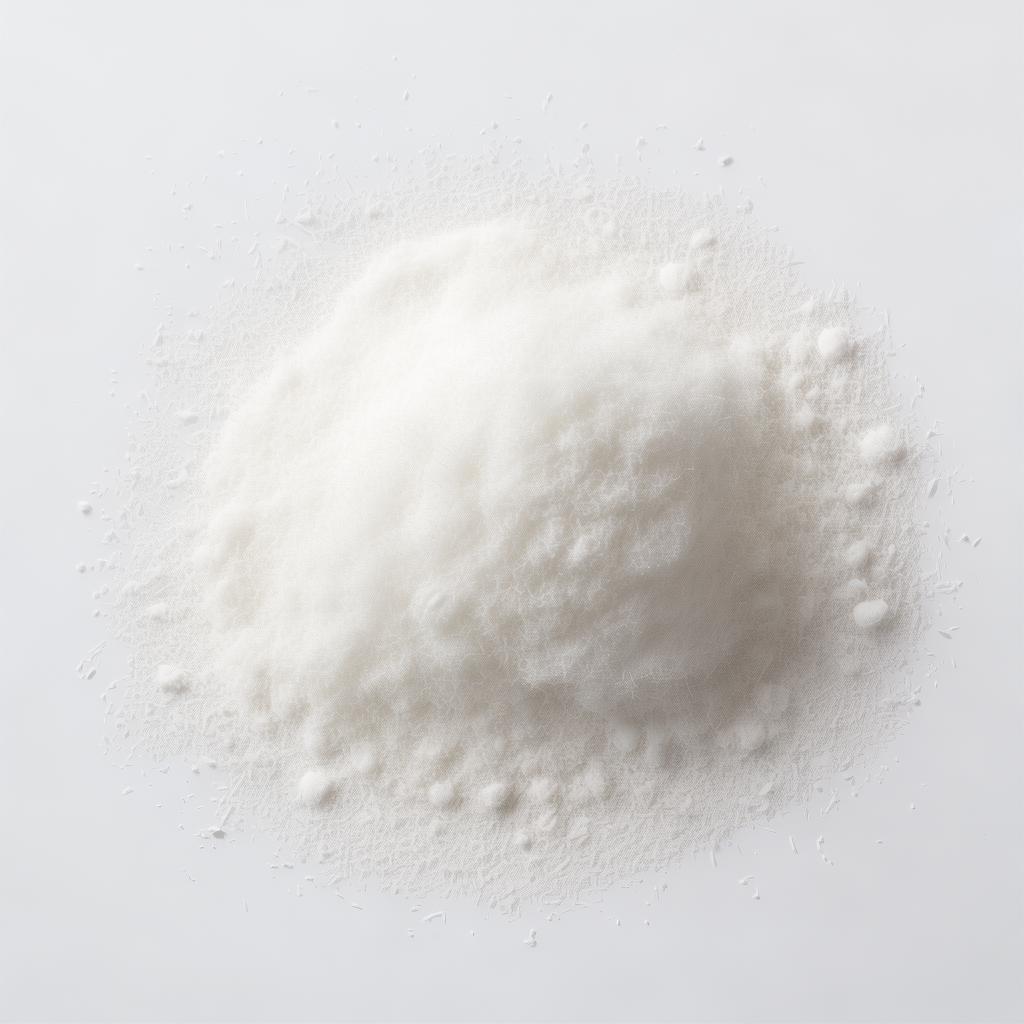
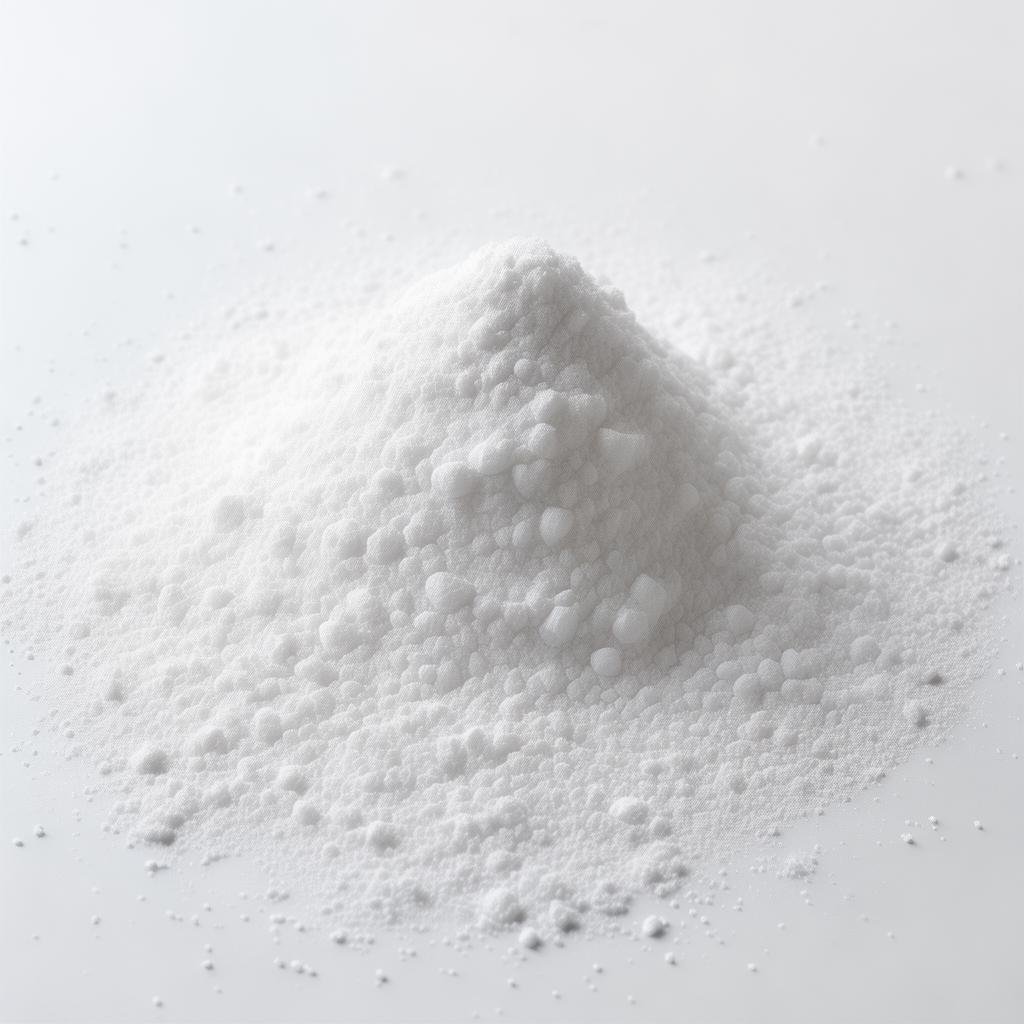
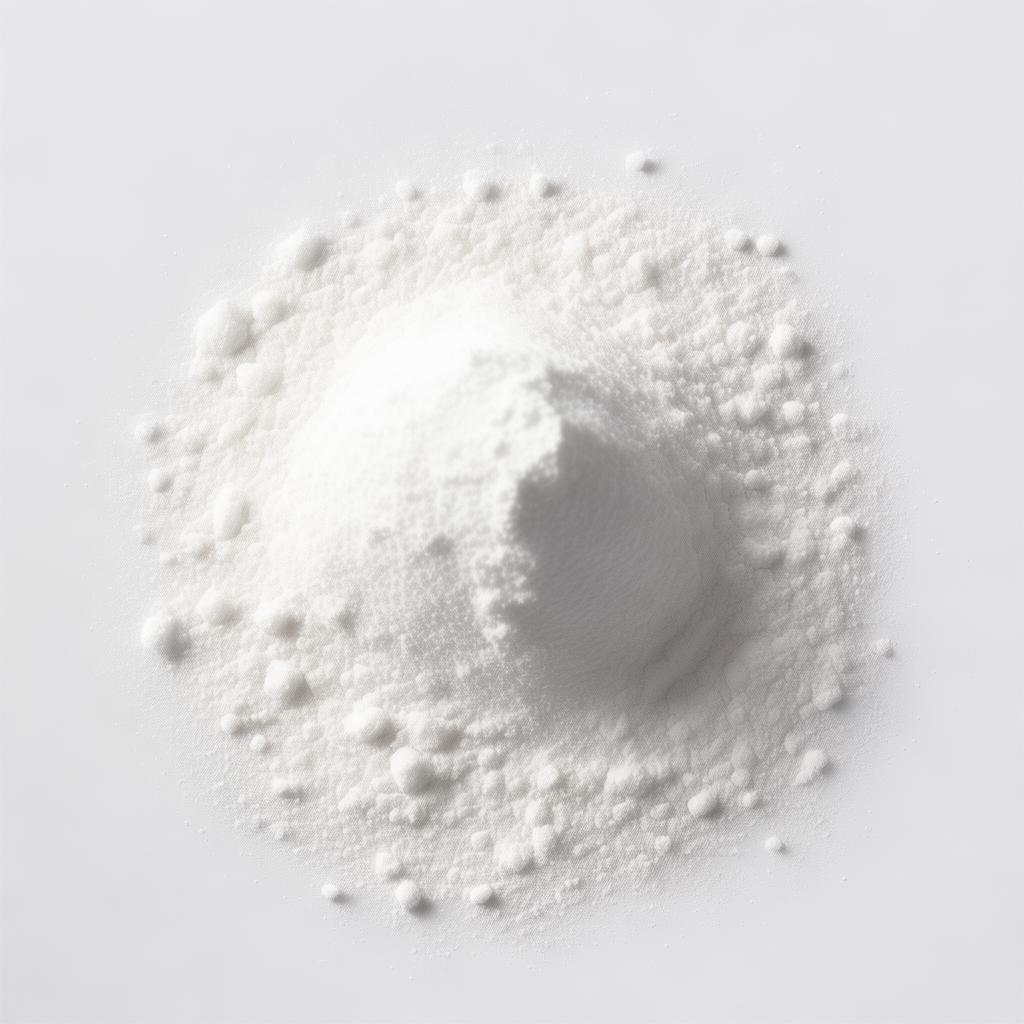
Powdered cellulose starts with something simple: plant fibers. Cellulose is the structural backbone of wood, cotton, and cotton linters – a glucose polymer that's insoluble in water but swells nicely. To make it "powdered," factories like ours mechanically grind and purify it, often into microcrystalline cellulose (MCC) or cellulose ethers like HPMC. We process over 40,000 tons annually here at TANG ZHI TECHNOLOGY in Hebei, using automated lines to hit particle sizes from 20 to 200 microns.
It's not just filler. In construction, it thickens mortars, prevents sagging on vertical surfaces. Food-grade versions act as anti-caking agents in spices or low-calorie bulking in baked goods. Pharma buyers use it for tablet binding – holds the pill together without dissolving too fast. But here's the catch: not all powdered cellulose is equal. Purity matters. We've seen batches with 5% ash content cause discoloration in white plasters.
Our process? Refined cotton pulp goes through alkalization, etherification for derivatives, then spray-drying into free-flowing powder. Take HPMC – hydroxypropyl methylcellulose. It's powdered cellulose modified with methyl and hydroxypropyl groups for better water retention. We control viscosity from 5,000 to 200,000 cps, matching exact job needs. Years of exporting to Europe and North America taught us that U.S. buyers prioritize FDA compliance, while Middle East clients focus on heat stability.
Why powder form? Bulk cellulose is fibrous, hard to meter. Powder integrates seamlessly in dry mixes, reducing dust and improving yield. A contractor in Texas told me their gypsum plaster install time dropped by a day per job after switching to our uniform-grade powder. Real-world tweaks like that come from running 140,000 sqm factories, not spreadsheets.
Supply chain headaches are common. Chinese exporters flood Alibaba with cheap grades, but lead times stretch to 45 days, and MOQs hit 20 tons. We keep stock in Shijiazhuang for 2-week FOB shipments. Certifications? ISO 9001, REACH, Kosher, Halal – all verified. No shortcuts.
Common misconception: powdered cellulose is just "wood flour." No. High-grade comes from alpha-cellulose content above 97%, low heavy metals. We've tested competitor samples here – some had iron levels double ours, leading to rust stains in wet mixes. Procurement directors, test your supplier's solubility index. Good powder dissolves clear, no grit.
In construction, it's the workhorse for EIFS, renders, grouts. Add 0.2-0.5% by weight, and slump loss halves. Food industry? E460 additive, stabilizes emulsions. Pharma: direct compression excipient. Each sector demands tailored grades – our CMC (carboxymethyl cellulose) shines in detergents for viscosity build.
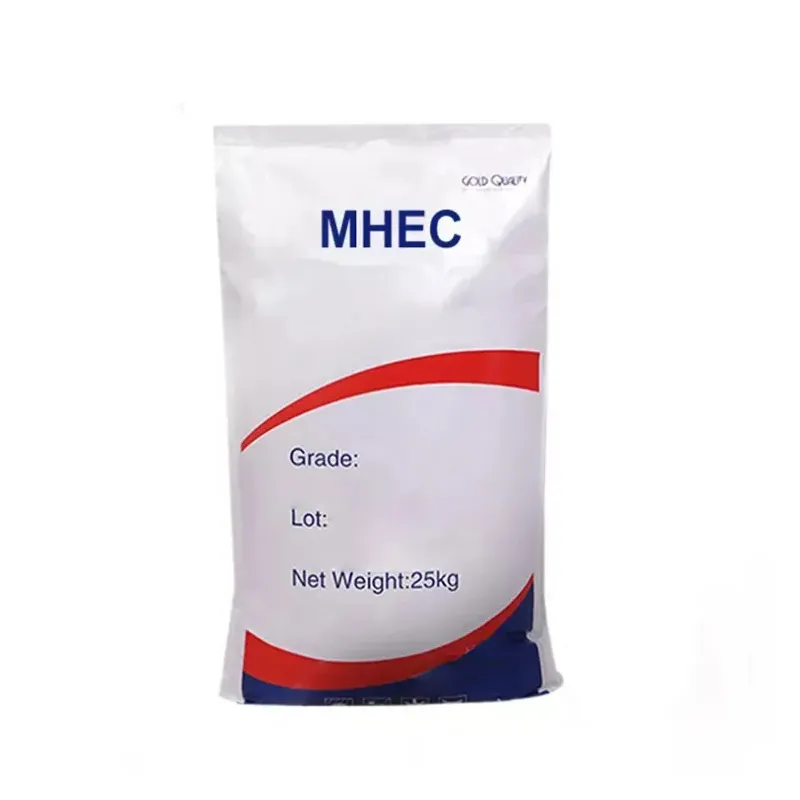
Market shifts? Rising demand for green building pushes bio-based additives. Cellulose beats synthetics on renewability. But logistics bite: 20' containers hold 16-18 tons, depending on density. We optimize bagging at 25kg to cut labor at destination ports.
I've handled orders from 1 ton trials to 500-ton repeats. Buyers appreciate our engineer consultations – no sales fluff, just matching product to your formula. If you're spec'ing powdered cellulose, start with end-use. Construction? Water retention grade. Pharma? High compressibility.
This isn't theory. Our lines run 24/7, producing HPMC, MHEC, RDP for partners like U.S. drywall makers. Next sections dive deeper. Stick around – or message us your specs now.
Technical Deep Dive: How Powdered Cellulose is Made
Production kicks off with cellulose pulp. We source pharmaceutical-grade linters, depulp to 99% alpha cellulose. Alkaline swelling opens the chains, then etherification adds hydroxypropyl/methyl for HPMC. Neutralize, purify, dry. Particle engineering is key – air classifiers ensure D50 around 50 microns for best flow.
Key metrics:
- Viscosity: Brookfield at 2% solution, 5k-100k cps range.
- Loss on Drying: <5% for stability.
- pH: 5.0-8.0 neutral.
- Methoxy Content: 19-30% for HPMC water solubility.
Challenges in manufacturing? Batch consistency. Humidity swings in Hebei summers force closed-loop drying. We hit <1% variation lot-to-lot, per our QA logs.
Where Powdered Cellulose Delivers Real Value
Construction dominates – 60% of our volume. In tile adhesives, it extends open time to 20+ mins. Cement renders? Improves crack resistance by binding water. A Dubai project used our MHEC for high-temp facade plasters, no shrinkage.
Food/pharma: MCC as bulking agent. Tablets compress at 10-30% load without capping. Detergents: CMC boosts soil suspension.
Oil drilling? High-vis grades thicken muds. Paints: Thickeners for sag control.
Pro Tip: For humid climates, pick hydroxypropyl content >10% to avoid gel block.
Comparison Table: Powdered Cellulose Grades
| Grade | Viscosity (cps) | Applications | Purity (%) |
|---|---|---|---|
| HPMC K4M | 4,000-6,000 | Tile glue, mortar | >99 |
| MHEC MH200K | 200,000 | Plasters, EIFS | >98.5 |
| CMC LV | 1,500-3,000 | Food, detergents | >99.5 |
| MCC PH101 | N/A | Pharma tablets | >99.8 |
powdered cellulose what is powder cellulose powder cellulose
Source: TANG ZHI internal testing. Request full TDS.
Buyer Guide: Avoid These Procurement Pitfalls
Risk 1: Undocumented source. Always verify alpha cellulose >97%. Cheap imports often use wood pulp, higher lignin.
Risk 2: Inconsistent particle size. Leads to dusting in mixers. Demand laser diffraction reports.
Steps:
- Define viscosity needs per formula.
- Test small batch – 100kg trial.
- Check certs: FDA for food, EN 14891 for adhesives.
- Negotiate 25kg bags for easy handling.
Logistics note: From Tianjin port, 25-35 days to LA. We handle L/C payments seamlessly.
Why Source from Our 140,000 sqm Factory?
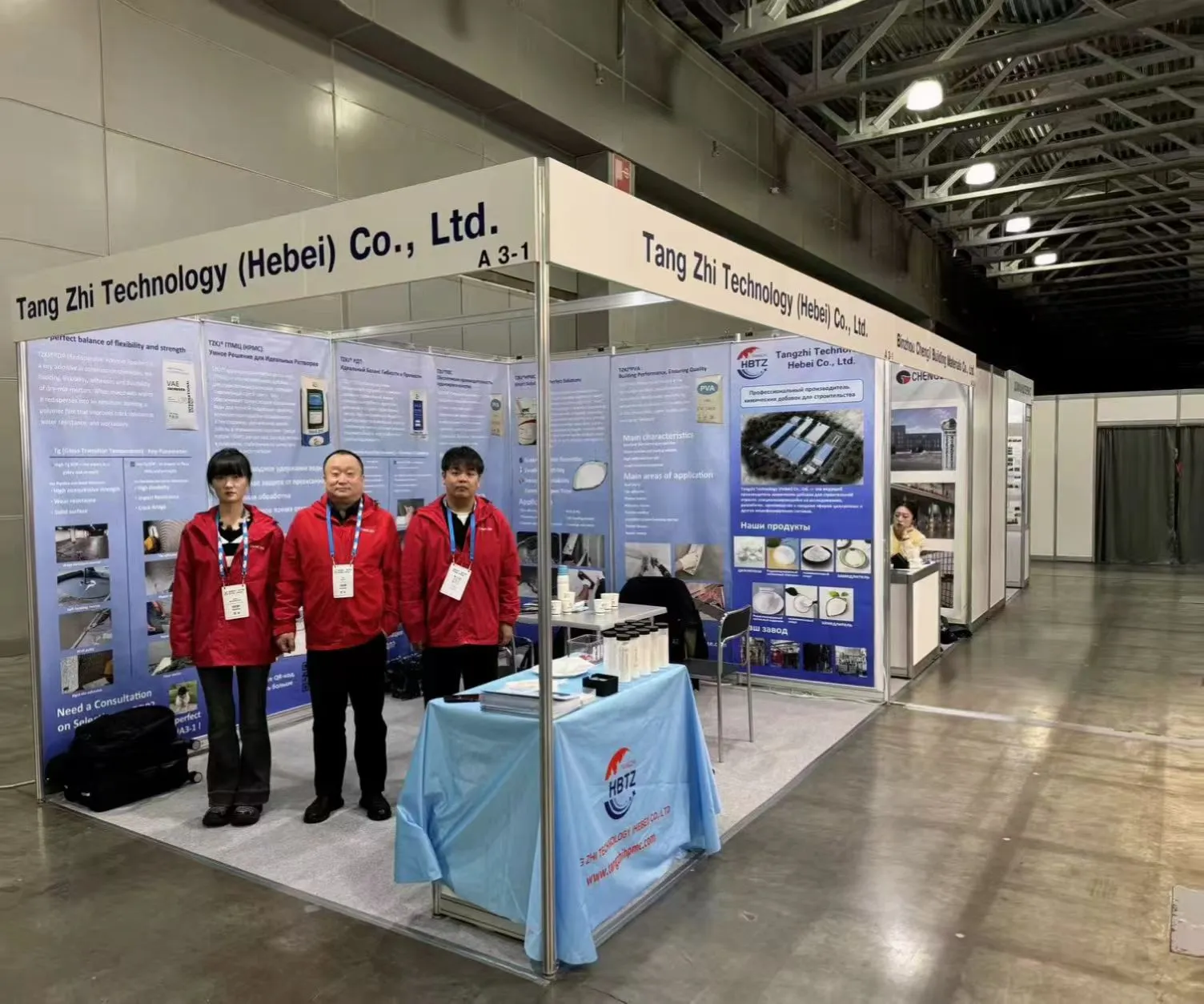
Automated spray dryers, 10+ production lines. Annual 40k tons HPMC alone. Export to 50+ countries. Certs: ISO 9001, ISO 14001, REACH, FDA DMF.
- MOQ: 1 ton trials.
- Lead time: 7-14 days stock.
- OEM labeling available.
Ready to spec? Talk to our engineer – free formula audit.
What Buyers Say
"Switched to Tang Zhi HPMC for our drywall compounds. Uniform dispersion, no batch issues. Saved 15% on rework."
– Mike R., Procurement Mgr, Texas USA
"CMC grade met our detergent specs perfectly. Fast shipping, competitive on 20-ton order."
– Ana L., Ops Director, Mexico
"Excellent for pharma trials. High purity, quick response on custom viscosity."
– Raj P., Engineer, India
Frequently Asked Questions
Is powdered cellulose the same as HPMC?
HPMC is a modified powdered cellulose ether. Pure cellulose is MCC; derivatives like HPMC add functionality.
What's the shelf life?
2 years dry, sealed. Avoid >60% RH storage.
Minimum order?
1 pallet (500kg) for trials. Full container 16MT.
Free samples?
Yes, 1-2kg with freight collect. Apply here.
Get Your Powdered Cellulose Quote Today
Share your specs – viscosity, volume, application. Response in 24hrs.
Phone/WhatsApp: +86-15032625168
Email: admin@tangzhicellulose.com
TANG ZHI TECHNOLOGY (HEBEI) CO., LTD | Room 2308, Dongsheng Plaza 2, No. 508 Zhongshan East Road, Chang’an District, Shijiazhuang, Hebei, China
© 2026 TANG ZHI TECHNOLOGY. All rights reserved. | Exporting cellulose powders globally since 2010.