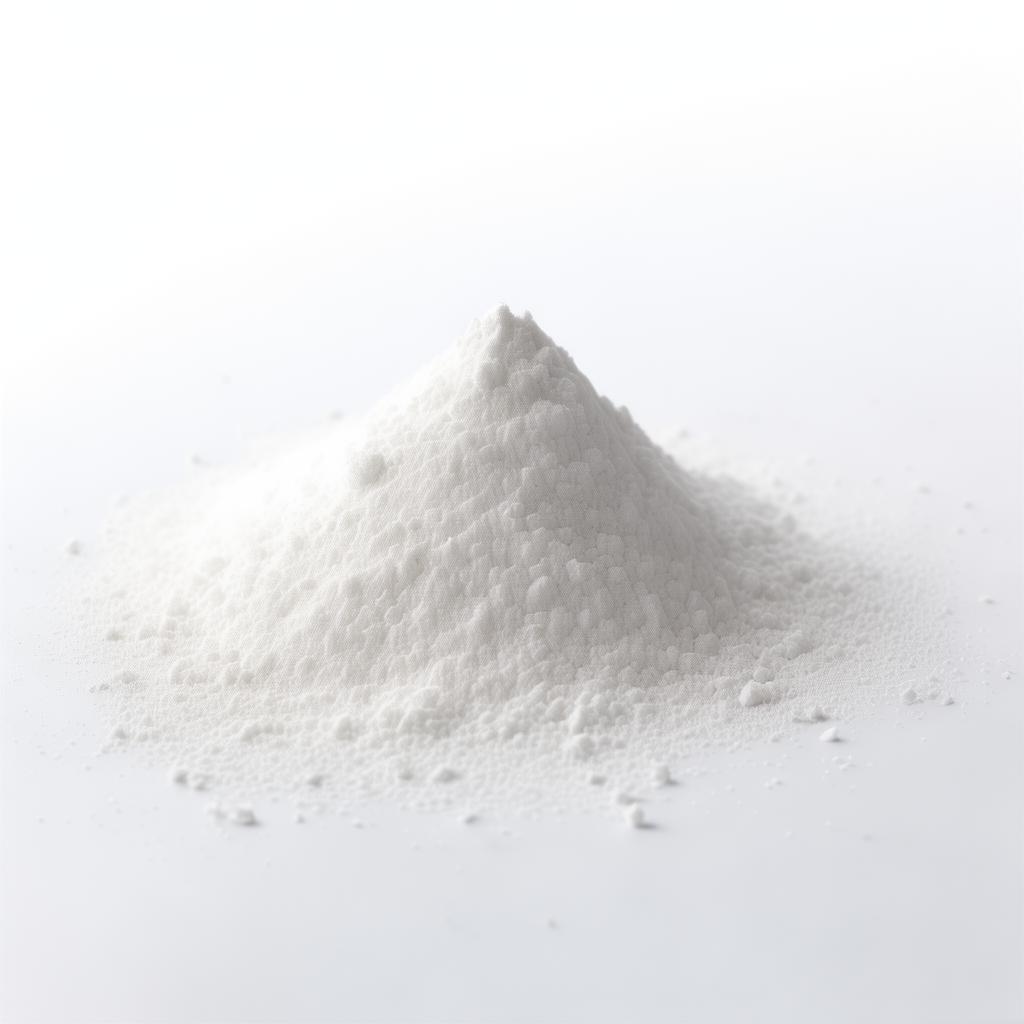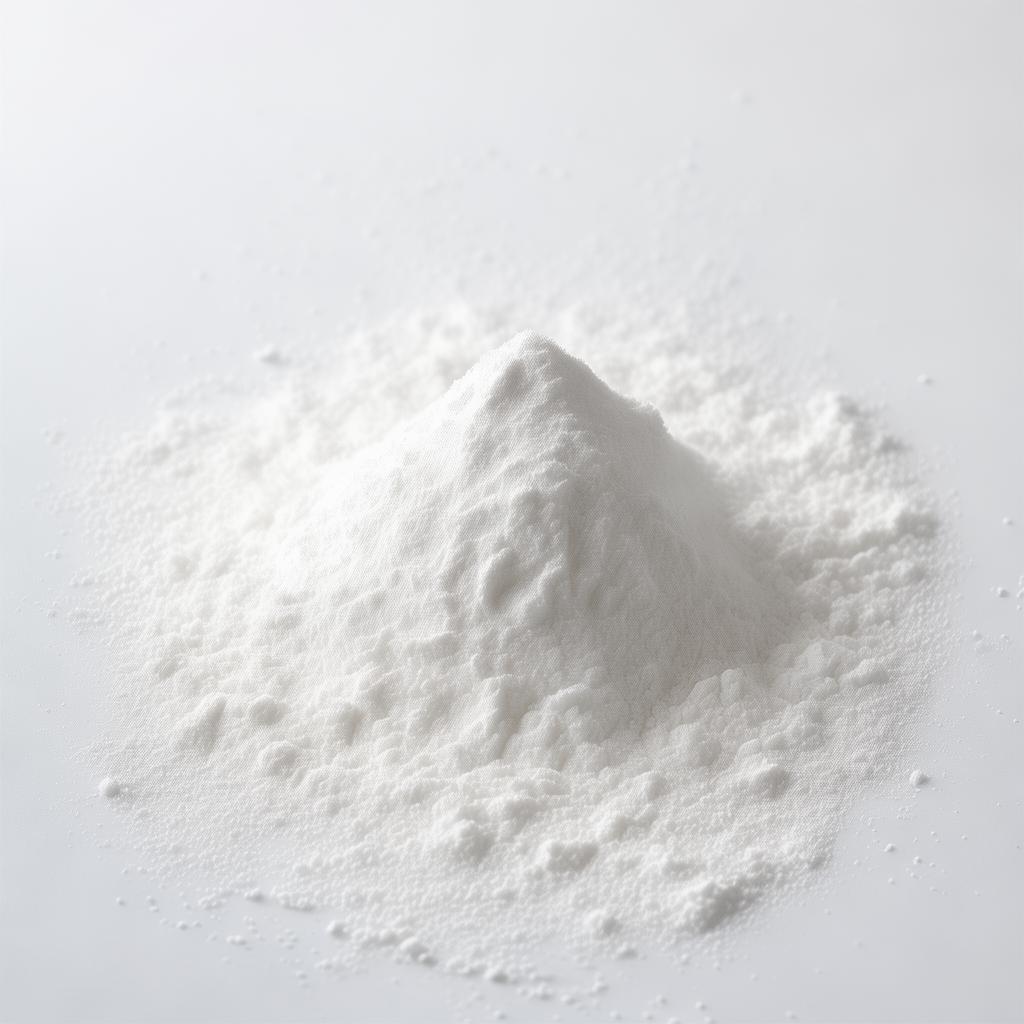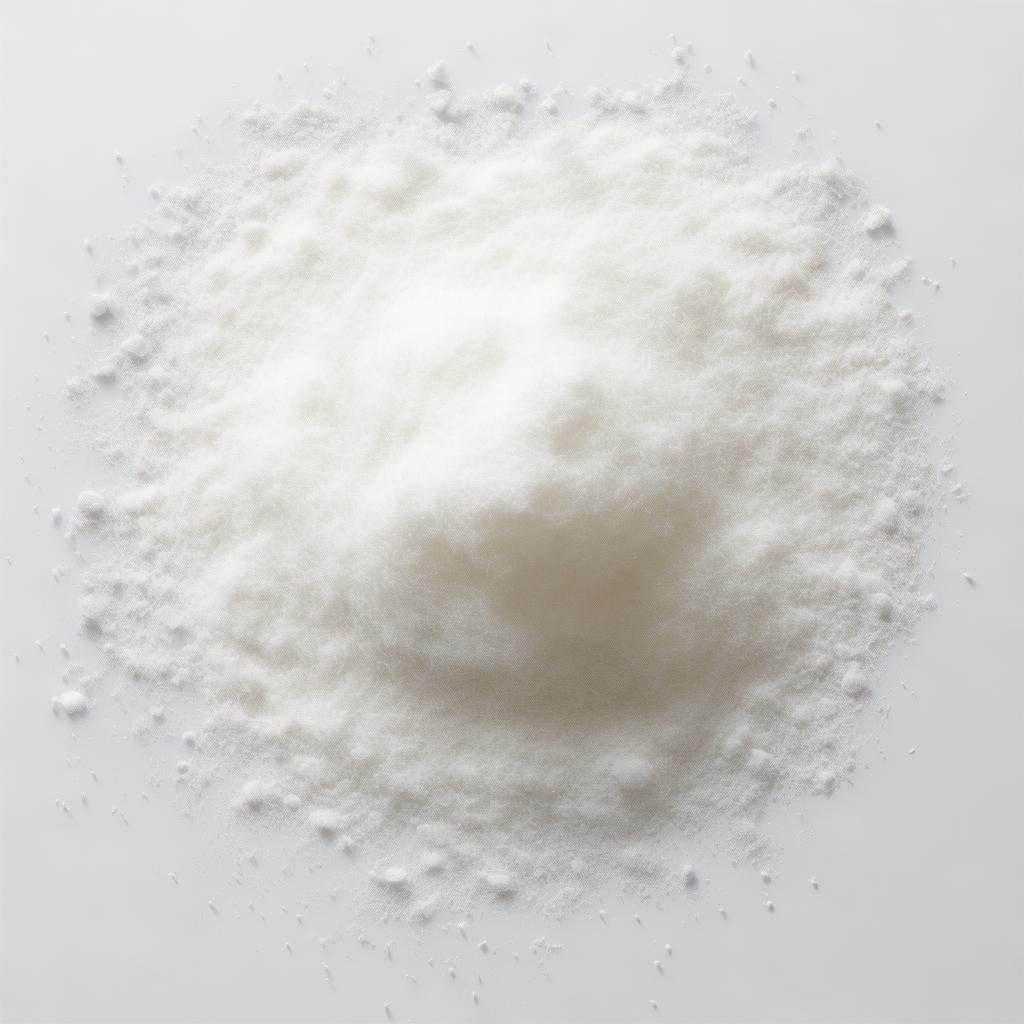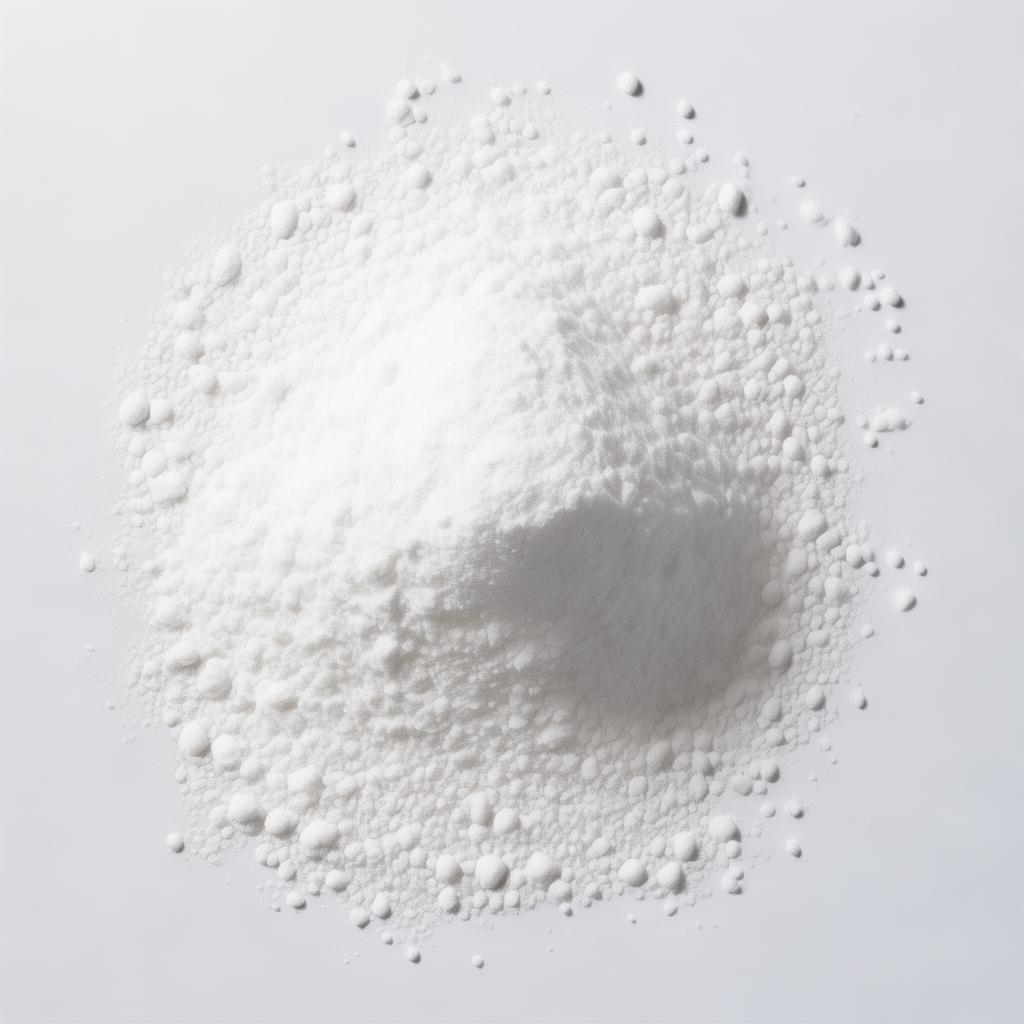
Cellulose Type
Cellulose Types: Your Complete Sourcing Guide from Factory Direct
Sourcing the right cellulose type keeps projects on track. We've shipped tons to US contractors facing tight deadlines.
Table of Contents
- 1. Cellulose Basics for Industrial Buyers
- 2. Common Pain Points in Cellulose Procurement
- 3. Our Cellulose Types and Key Features
- 4. Technical Specs Comparison
- 5. Real-World Applications
- 6. Installation and Handling Tips
- 7. Logistics from Hebei to USA
- 8. Buyer FAQs
- 9. What Buyers Say
- 10. Next Steps: Get Your Quote
Cellulose Basics for Industrial Buyers
Cellulose types aren't just chemical terms on a spec sheet. They're the backbone of stable mortars, smooth coatings, and reliable pharma formulations. Over the years, I've worked with procurement teams who treat them as interchangeable. That changes fast when a low-viscosity batch gums up a mixer or fails gelation in tile adhesives.
At Tang Zhi Technology (Hebei) Co., Ltd., we produce cellulose ethers like HPMC, MHEC, and CMC right here in Jinzhou. Our 140,000 sqm facility runs automated lines for over 40,000 tons annually. No middlemen. Direct from the reactor to your container.
What defines a cellulose type? It's the modification process. Native cellulose from wood pulp or cotton linters gets etherified. Hydroxypropyl methylcellulose (HPMC) adds hydroxypropyl and methyl groups for water solubility and thermal gelation. Methyl hydroxyethylcellulose (MHEC) swaps in hydroxyethyl for better cold-water performance. Each type suits specific jobs—think HPMC for dry-mix mortars, MHEC for European-style renders.
Buyers often start with "industrial grade cellulose." But grades matter: pharma (low ash, tight purity), construction (high viscosity for sag resistance), food (low substitution). We've exported to US importers blending for gypsum boards or latex paints. Lead times? 15-25 days FOB Tianjin, depending on volume.
Diving deeper, production involves alkalization, etherification, purification. We control DS (degree of substitution) at 1.8-2.0 for consistent performance. Miss that, and your slurry thickens unevenly. I've seen it—contractors reformulating entire pallets.
For US markets, compliance is key. Our HPMC meets USP/EP for pharma excipients. Construction grades align with ASTM C150 hydration control. No surprises at customs. We pack in 25kg multi-layer bags, 14-16mt per 20ft container. Palletized for forklift handling.
Why specify type early? Procurement directors tell me mismatched cellulose leads to rework costs eating 10-20% margins. Pick HPMC E series for external plasters—holds shape on verticals. MHEC for interior skim coats, less sensitive to salts.
Our lineup covers it: HPMC (various viscosities 5k-200k cps), MHEC (similar), CMC sodium (viscosity-focused), RDP-VAE for flexibility boost, even PCE superplasticizers. OEM custom blends? Common request from Midwest formulators.
This isn't hype. It's what keeps repeat orders coming. Factories like ours invest in spray-drying for free-flowing powder, reducing dust in your plant. Test it—samples ship airfreight, 3-5 days to Chicago.
Trends? Green building pushes bio-based cellulose over synthetics. US LEED projects favor our low-VOC types. Pharma sees demand for sustained-release matrices. We ramped HPMC output last year for that.
Enough intro. Let's hit where it hurts.
Common Pain Points in Cellulose Procurement
Procurement folks hit walls fast. Quote looks good, sample gels perfect. Bulk arrives clumpy, viscosity off by 20%. Why? Poor storage en route or inconsistent batches.
Another: Lead time traps. Spot market promises 7 days, delivers 45. Your project stalls. We've stabilized at 20 days avg, with buffer stock for HPMC 100k.
Customs headaches. Undeclared ash content trips FDA holds. Our COA includes heavy metals, microbes—below limits.
Overlooking substitutions. "Type A" from Supplier X flops in your formula. We provide methoxyl/hydroxypropyl ratios upfront.
Logistics bites. Bulk bags split in transit, contamination. Our PE inner liners hold.
Our Cellulose Types and Key Features
HPMC from us: Surface-treated for instant dispersion. No fish-eyes in high-shear mixers. Viscosity stable 40-60C.
MHEC: Excellent in gypsum plasters. Retards set without cracks. Pairs with retarders.
CMC: Thickener for batteries, detergents. High purity, transparent gels.
Advantages stack: Bio-degradable. No formaldehyde. pH 5-8 neutral.
- Better water retention—cuts cracking 30-50% in tests.
- Sag resistance for trowel apps.
- Thickening without lumps.
- Compatible with PCE for flowable mixes.
Technical Specs Comparison
| Parameter | HPMC | MHEC | CMC |
|---|---|---|---|
| Viscosity (2% sol, cps) | 5,000-200,000 | 10,000-100,000 | 500-10,000 |
| Gel Temp (°C) | 58-64 | 50-60 | N/A |
| Methoxyl (%) | 19-24 | 22-32 | N/A |
| pH (1% sol) | 5.0-8.0 | 5.0-8.0 | 6.5-8.0 |
| Ash (% max) | 1.0 | 1.5 | 1.5 |
type of cellulose different type of cellulose cellulose is a type of
Match your needs. Need tighter specs? RFQ custom.
Real-World Applications
Construction dominates: Tile adhesives with 0.2-0.5% HPMC hold 100kg/m2. Renders? MHEC at 0.3% for splash resistance.
Pharma: HPMC K4M matrices release drugs 12hrs. We've supplied Midwest labs.
Coatings: CMC stabilizes emulsions. Paints rheology control.
Gypsum: Retarders + cellulose for 90min work time.
One importer used our RDP-HPMC blend for ETIFS—crack-free joints.
Installation and Handling Tips
Mix slow. Pre-hydrate cellulose 5min before cement. Avoid lumps.
Storage: Cool, dry. Humidity spikes viscosity.
Warning: High shear ok, but prolonged thins it.
Contractors note: Test batches small first.
Logistics from Hebei to USA
FOB Tianjin/Xingang. 20ft holds 16mt HPMC. LCL for trials.
Transit: 25-35 days West Coast. Air for urgency.
Docs: CO, CIQ, SGS reports. Duties? HS 391231 most-favored.
We optimize loads—zero waste space.
Buyer FAQs
- Min order?
- 1mt trial, 20ft bulk. Flexible.
- Samples free?
- Yes, freight collect. 1-2kg.
- Certifications?
- ISO9001, REACH, Kosher. Halal pending.
- OEM possible?
- Labeling, blends. MOQ 5mt.
- Stability shelf life?
- 2yrs unopened.
What Buyers Say
John Reyes, Procurement Mgr, Texas Drywall Co.
"Switched to Tang Zhi HPMC after viscosity issues elsewhere. Consistent batches, fast ship. Saved reformulation headaches."
Maria Chen, Ops Director, Cali Coatings.
"MHEC for renders spot-on. Gel strength perfect, no sags. Samples led to 10mt order."
David Kowalski, Engineer, Midwest Pharma Form.
"CMC purity exceeded specs. Smooth extrusion for tablets. Reliable partner."
Sarah Patel, Supply Chain, Florida Importer.
"Logistics smooth, docs complete. HPMC blended with RDP—flexible mortars now."
Factory Capabilities and Certifications
90,000 sqm buildings. Automated reactors, QC labs. 100+ staff.
Cert: ISO9001:2015, ISO14001. REACH registered. SGS tested.
OEM/ODM: Custom DS, packaging. Private label runs.
Ready to Source?
Request factory pricing, samples, or specs today.
Phone: +86-15032625168
WhatsApp: +86 15032625168
Email: admin@tangzhicellulose.com
Addr: Room 2308, Dongsheng Plaza 2, No. 508 Zhongshan East Road, Chang’an District, Shijiazhuang, Hebei, China
Contact our team now: https://www.tangzhihpmc.com/contactus.html
Written by Li Wei, Export Director at Tang Zhi Technology (Hebei) Co., Ltd.
25+ years in cellulose manufacturing and B2B trade. Sourced for US/EU projects.

Last updated: October 2026 | Tang Zhi Technology – Reliable Cellulose Partner