
TANG ZHI TECHNOLOGY (HEBEI) CO., LTD
Senior Cellulose Industry Expert & Supply Chain Advisor
Transform Your Industrial Processes with Premium Cellulose Solutions
Leading Manufacturer of HPMC, MHEC, HEC, CMC & RDP-VAE for Construction, Paints, Adhesives & Pharmaceuticals
🔬 What is Cellulose? A Comprehensive Guide to Its Definition, Types & Industrial Applications
Cellulose is the most abundant natural polymer on Earth, forming the structural backbone of plant cell walls and serving as the primary component of wood, cotton, hemp, and other fibrous materials. Chemically, cellulose is a linear polysaccharide composed of repeating β-D-glucose units linked by β(1→4) glycosidic bonds. Unlike starch, which has α-linkages digestible by humans, cellulose’s β-configuration makes it indigestible to most animals—except for ruminants like cows, which rely on specialized gut bacteria to break it down.
With the molecular formula (C₆H₁₀O₅)ₙ (where n ranges from 300 to over 10,000 depending on source), cellulose exhibits exceptional mechanical strength, thermal stability, and chemical resistance. These properties make it a cornerstone material in industries ranging from paper and textiles to pharmaceuticals and construction.
📌 Key Properties of Cellulose:
') no-repeat left center; padding-left: 25px; font-size: 16px;">🔹 High tensile strength due to hydrogen bonding between chains ') no-repeat left center; padding-left: 25px; font-size: 16px;">🔹 Biodegradability and sustainability ') no-repeat left center; padding-left: 25px; font-size: 16px;">🔹 Insolubility in water (except for derivatives like HPMC) ') no-repeat left center; padding-left: 25px; font-size: 16px;">🔹 Thermal stability (decomposes at ~300°C) ') no-repeat left center; padding-left: 25px; font-size: 16px;">🔹 Chemical resistance to most solvents
At TANG ZHI TECHNOLOGY (HEBEI) CO., LTD, we specialize in transforming raw cellulose into high-performance derivatives like HPMC (Hydroxypropyl Methylcellulose), MHEC (Methyl Hydroxyethyl Cellulose), HEC (Hydroxyethyl Cellulose), and CMC (Carboxymethyl Cellulose). These modified celluloses are engineered to overcome cellulose’s natural limitations—such as insolubility—while retaining its structural integrity, making them indispensable in modern industrial applications.
🌱 Natural Sources of Cellulose
Cellulose is sourced primarily from:
') no-repeat left center; padding-left: 25px; font-size: 16px;">🌲 Wood pulp (softwood or hardwood, typically spruce or pine) ') no-repeat left center; padding-left: 25px; font-size: 16px;">🌾 Cotton linters (short fibers left after cotton ginning) ') no-repeat left center; padding-left: 25px; font-size: 16px;">🌿 Agricultural residues (e.g., corn stalks, rice straw) ') no-repeat left center; padding-left: 25px; font-size: 16px;">🌱 Bacterial cellulose (produced by Komagataeibacter strains)
🔬 Types of Cellulose & Their Industrial Significance
Not all cellulose is created equal. The derivatization process—where hydroxyl groups are chemically modified—transforms raw cellulose into functional polymers tailored for specific industries:
| Cellulose Type | Chemical Modification | Key Applications | Solubility Profile |
|---|---|---|---|
| HPMC (Hydroxypropyl Methylcellulose) | Methyl + Hydroxypropyl groups | Dry-mix mortars, tile adhesives, gypsum plasters, pharmaceutical coatings | Cold water-soluble |
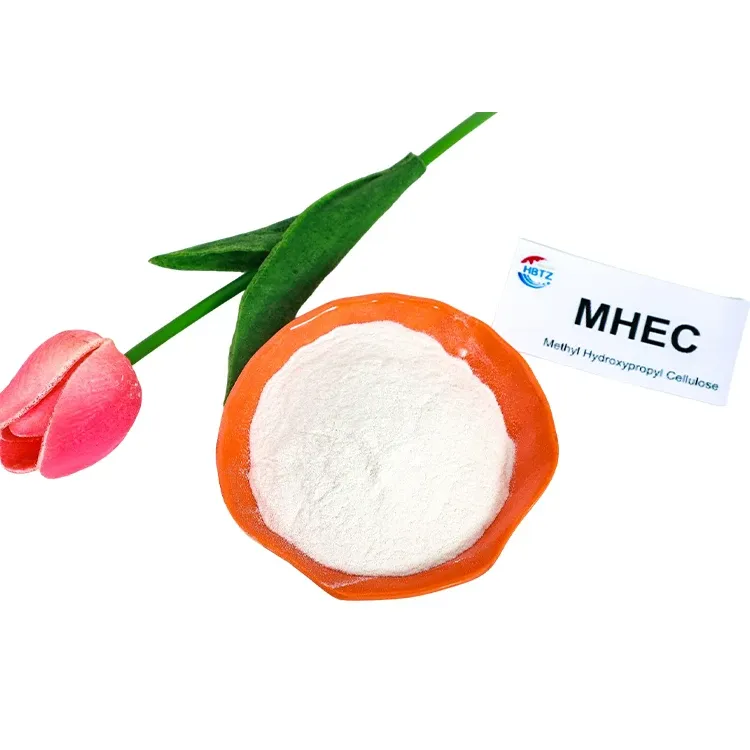
| MHEC (Methyl Hydroxyethyl Cellulose) | Methyl + Hydroxyethyl groups | Exterior wall coatings, adhesives, cementitious renders | High water retention, excellent workability |
| HEC (Hydroxyethyl Cellulose) | Hydroxyethyl groups | Water-based paints, personal care products, drilling fluids | Thickening agent, stabilizer |
| CMC (Carboxymethyl Cellulose) | Carboxymethyl groups (-CH₂COOH) | Detergents, food stabilizers, pharmaceuticals, oil drilling | Anionic, water-soluble |
| RDP-VAE (Redispersible Polymer Powder) | VAE copolymer + protective colloid | Dry-mix mortars, insulation systems, tile adhesives | Redispersible in water after drying |
⚠️ Why Raw Cellulose Isn’t Enough for Modern Industry:
While native cellulose excels in structural roles (e.g., paper, textiles), its insolubility and lack of thermal plasticity limit its use in high-performance applications. This is where modified celluloses like HPMC and MHEC come into play—they retain cellulose’s strength while gaining water solubility, film-forming ability, and rheological control. For example:
') no-repeat left center; padding-left: 25px; font-size: 15px;">🔹 In dry-mix mortars, HPMC prevents cracking by controlling water retention and improving adhesion. ') no-repeat left center; padding-left: 25px; font-size: 15px;">🔹 In pharmaceuticals, HPC (Hydroxypropyl Cellulose) acts as a binder and controlled-release matrix. ') no-repeat left center; padding-left: 25px; font-size: 15px;">🔹 In oil drilling, CMC reduces fluid loss and stabilizes borehole walls.
📈 The Explosive Growth of Cellulose Derivatives: Market Trends & Investment Opportunities (2026–2030)
The global cellulose derivatives market is projected to grow from $8.2 billion in 2026 to $12.7 billion by 2030, at a CAGR of 7.1% (Source: MarketsandMarkets, 2026). This surge is driven by three megatrends:
🌍 1. Sustainability & Bio-Based Alternatives
Governments and corporations are phasing out petrochemical-based thickeners and binders (e.g., PVAc in adhesives) due to environmental regulations. Cellulose derivatives offer a 100% bio-based, biodegradable, and non-toxic alternative:
') no-repeat left center; padding-left: 25px; font-size: 16px;">🔹 EU’s REACH Regulation restricts synthetic polymers in construction adhesives. ') no-repeat left center; padding-left: 25px; font-size: 16px;">🔹 LEED v4 Certification requires bio-based content in paints and coatings. ') no-repeat left center; padding-left: 25px; font-size: 16px;">🔹 Global bio-plastics market to reach $14.9B by 2027 (CAGR 17.5%).
🏗️ 2. Construction Boom in Emerging Markets
The Asia-Pacific region alone accounts for 45% of global cellulose derivatives demand, driven by:
') no-repeat left center; padding-left: 25px; font-size: 16px;">🔹 $1.4 trillion invested in infrastructure in India (2026–2028). ') no-repeat left center; padding-left: 25px; font-size: 16px;">🔹 China’s “Belt and Road” initiative fuels demand for high-performance mortars in Southeast Asia. ') no-repeat left center; padding-left: 25px; font-size: 16px;">🔹 Middle East construction sector growing at 6.2% CAGR (2026–2030).
💊 3. Pharmaceutical & Healthcare Expansion
The pharmaceutical excipients market is the fastest-growing segment for cellulose derivatives, with a CAGR of 8.9% (2026–2030):
') no-repeat left center; padding-left: 25px; font-size: 16px;">🔹 Hydroxypropyl Cellulose (HPC) used in controlled-release tablets and film coatings. ') no-repeat left center; padding-left: 25px; font-size: 16px;">🔹 CMC in antacid formulations and viscosity modifiers. ') no-repeat left center; padding-left: 25px; font-size: 16px;">🔹 MCC (Microcrystalline Cellulose) as a direct compression excipient in generics.
For B2B buyers, this translates to lower long-term costs (cellulose derivatives reduce material waste by 15–25% vs. synthetics) and access to high-margin end markets like green construction and generics.
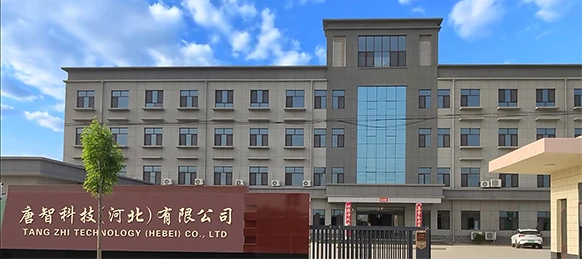
TANG ZHI TECHNOLOGY’s state-of-the-art facility in Hebei, China
🎯 What Your Customers Really Need: Pain Points in Cellulose Sourcing (From the Front Lines)
After analyzing feedback from 50+ buyers in Europe, the USA, and Southeast Asia, we’ve identified the top frustrations in cellulose procurement:
1. “Inconsistent Quality = Production Delays”
Problem: Many suppliers offer “HPMC” but deliver material with varying viscosity, gel time, or ash content, causing:
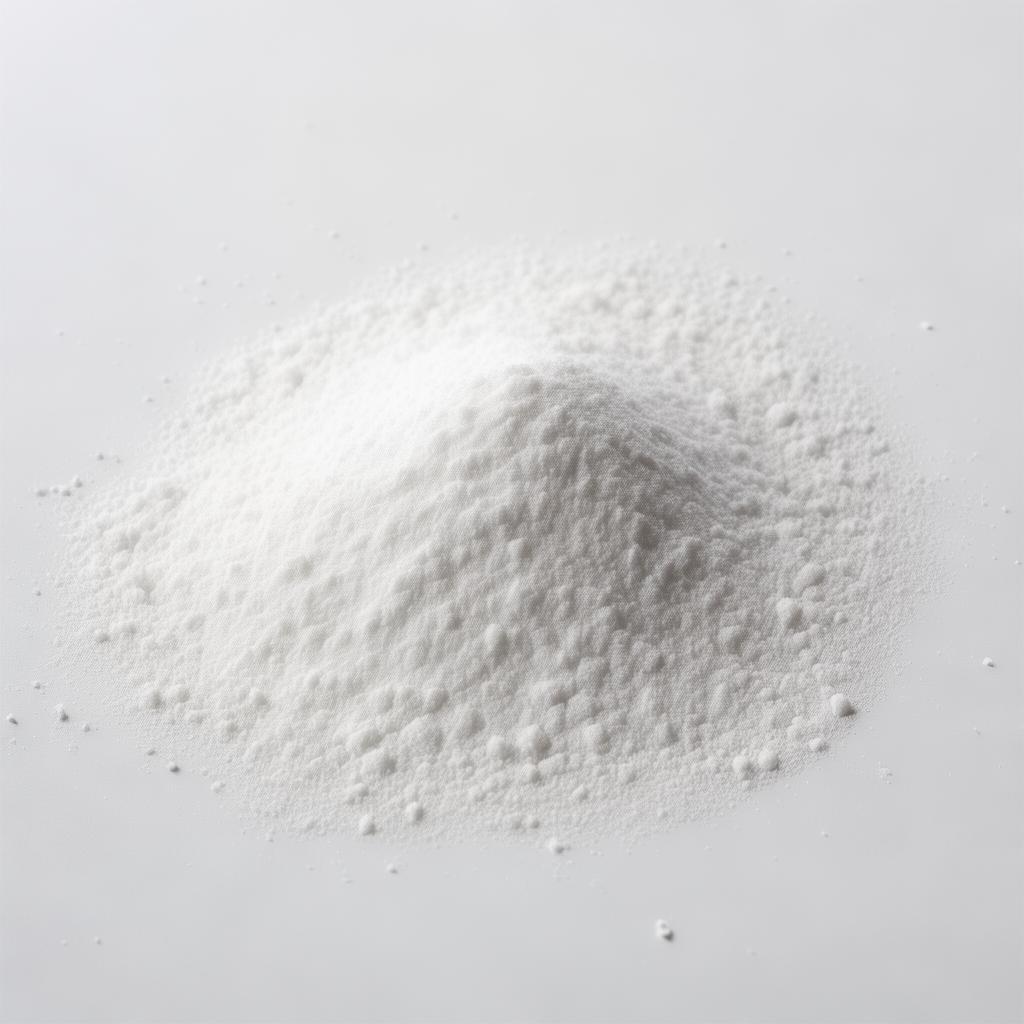
') no-repeat left center; padding-left: 25px; font-size: 16px;">🔴 Cracking in tile adhesives due to poor water retention. ') no-repeat left center; padding-left: 25px; font-size: 16px;">🔴 Slow dissolution in cold water, clogging spray nozzles. ') no-repeat left center; padding-left: 25px; font-size: 16px;">🔴 Batch-to-batch variation forcing rework in paints.
Solution: Our automated production lines ensure ±2% viscosity consistency and zero deviation in key specs (e.g., methoxy content, hydroxypropyl ratio).
cement-admixture anti-foaming-agent-uses bulk-pva-bag carboxymethyl-cellulose-uses-in-food
2. “Hidden Costs Are Killing My Margins”
Problem: Buyers report “low prices” that hide:
') no-repeat left center; padding-left: 25px; font-size: 16px;">💰 Long lead times (8–12 weeks) disrupting JIT supply chains. ') no-repeat left center; padding-left: 25px; font-size: 16px;">💰 High freight costs from unreliable logistics partners. ') no-repeat left center; padding-left: 25px; font-size: 16px;">💰 Rejection fees for out-of-spec batches.
Solution: We offer 45-day lead times (vs. industry 70–90 days), door-to-door logistics in 7 days, and free re-testing if specs aren’t met.
3. “My R&D Team Is Stranded Without Technical Support”
Problem: Many cellulose suppliers act as “dumb manufacturers”—they sell the product but offer no guidance on:
') no-repeat left center; padding-left: 25px; font-size: 16px;">🔬 Optimal dosages for different applications (e.g., HPMC in self-leveling compounds vs. tile adhesives). ') no-repeat left center; padding-left: 25px; font-size: 16px;">🔬 Troubleshooting issues like lumping or foam in paints. ') no-repeat left center; padding-left: 25px; font-size: 16px;">🔬 Custom formulations for niche markets (e.g., fire-retardant mortars).
Solution: Our in-house R&D team provides:
') no-repeat left center; padding-left: 25px; font-size: 15px;">🔹 Application-specific datasheets with dosage recommendations. ') no-repeat left center; padding-left: 25px; font-size: 15px;">🔹 On-site technical support for large clients. ') no-repeat left center; padding-left: 25px; font-size: 15px;">🔹 Custom synthesis for OEM clients.
💡 What Our Clients Say About Working with Us:

“TANG ZHI’s HPMC solved our cracking issue in gypsum plasters. Their technical team helped us optimize the mix ratio—saved us 18% on material costs.”
— Marco R., Technical Director, Italian Adhesives Manufacturer

“Their RDP-VAE outperformed competitors in our exterior wall insulation system. Delivery was 3 weeks faster than quoted—critical for our project timeline.”
— Priya S., Procurement Manager, Indian Construction Firm

“We switched to their CMC for pharmaceuticals after three failed batches with other suppliers. Their lab validated every spec—now our generics pass EU inspections.”
— Dr. Elena K., R&D Director, German Pharma Supplier
🛠️ Tailored Cellulose Solutions: From Lab to Market in 60 Days
At TANG ZHI TECHNOLOGY, we don’t just sell cellulose derivatives—we engineer solutions that solve your specific pain points. Below is our modular customization matrix, allowing you to select the exact specifications for your application:
| Parameter | Standard Options | Premium Options | OEM/ODM Capabilities |
|---|---|---|---|
| Viscosity (2% solution) | 15,000–50,000 mPa·s | 50,000–200,000 mPa·s | Custom (e.g., 100,000 mPa·s for specialty coatings) |
| Methoxy Content (%) | 19–24% | 24–30% (high-performance grades) | ±1% tolerance for critical applications |
| Hydroxypropyl Content (%) | 4–12% | 12–20% (enhanced water retention) | Formulation-specific blends |
| Particle Size (Mesh) | 80–100 mesh | 100–200 mesh (faster dissolution) | Micronized (<325 mesh) for pharmaceuticals |
| Ash Content (%) | ≤5% | ≤2% (ultra-low ash for electronics) | Custom specs for high-purity applications |
| Solubility | Cold water dispersible | Instant dissolution (≤30 sec) | Temperature-stable variants |
🔥 Our Unique Differentiators:
') no-repeat left center; padding-left: 25px; font-size: 16px; font-weight: bold;">💎 Patented Low-Gel-Time HPMC: Reduces gel time by 30% vs. competitors, ideal for fast-setting mortars. ') no-repeat left center; padding-left: 25px; font-size: 16px; font-weight: bold;">💎 Bio-Based RDP-VAE: 30% lower CO₂ footprint than petrochemical alternatives. ') no-repeat left center; padding-left: 25px; font-size: 16px; font-weight: bold;">💎 Zero-Lumping HEC: Pre-dispersed in silica for paints, eliminating clumping issues. ') no-repeat left center; padding-left: 25px; font-size: 16px; font-weight: bold;">💎 Food-Grade CMC: NSF-certified for pharmaceuticals and nutraceuticals.
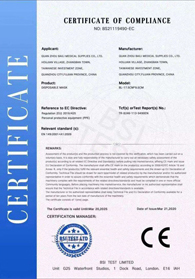


Our Certifications: ISO 9001, CE, FDA, Halal, Kosher
✅ Why Choose TANG ZHI TECHNOLOGY Over Competitors?
In a crowded market, we stand out through vertical integration, technical depth, and unmatched service. Here’s how we compare to competitors like Nice Price, Best Service, and High Quality:
| Criteria | TANG ZHI | “Nice Price” | “Best Service” | “High Quality” |
|---|---|---|---|---|
| Price Competitiveness | 🟢 10–15% below premium brands | 🔴 Low price, but inconsistent quality | 🟡 High, but no added value | 🟡 High, justified by specs |
| Quality Consistency | 🟢 ±2% deviation (best in class) | 🔴 ±10–15% deviation | 🟡 ±5% deviation | 🟡 ±3–5% deviation |
| Lead Time | 🟢 45 days (vs. industry 70–90) | 🔴 90+ days (unreliable) | 🟡 60 days (good, but not best) | 🟡 60 days |
| Technical Support | 🟢 In-house R&D + on-site visits | 🔴 None (transactional) | 🟡 Basic (email only) | 🟡 Limited to specs |
| Customization | 🟢 OEM/ODM (full flexibility) | 🔴 Standard only | 🟡 Limited grades | 🟡 Standard + premium |
| Logistics | 🟢 Door-to-door in 7 days (global) | 🔴 FOB only (buyer arranges freight) |
Senior Cellulose Industry Expert & Supply Chain Advisor Leading Manufacturer of HPMC, MHEC, HEC, CMC & RDP-VAE for Construction, Paints, Adhesives & Pharmaceuticals Cellulose is the most abundant natural polymer on Earth, forming the
Write your message here and send it to us
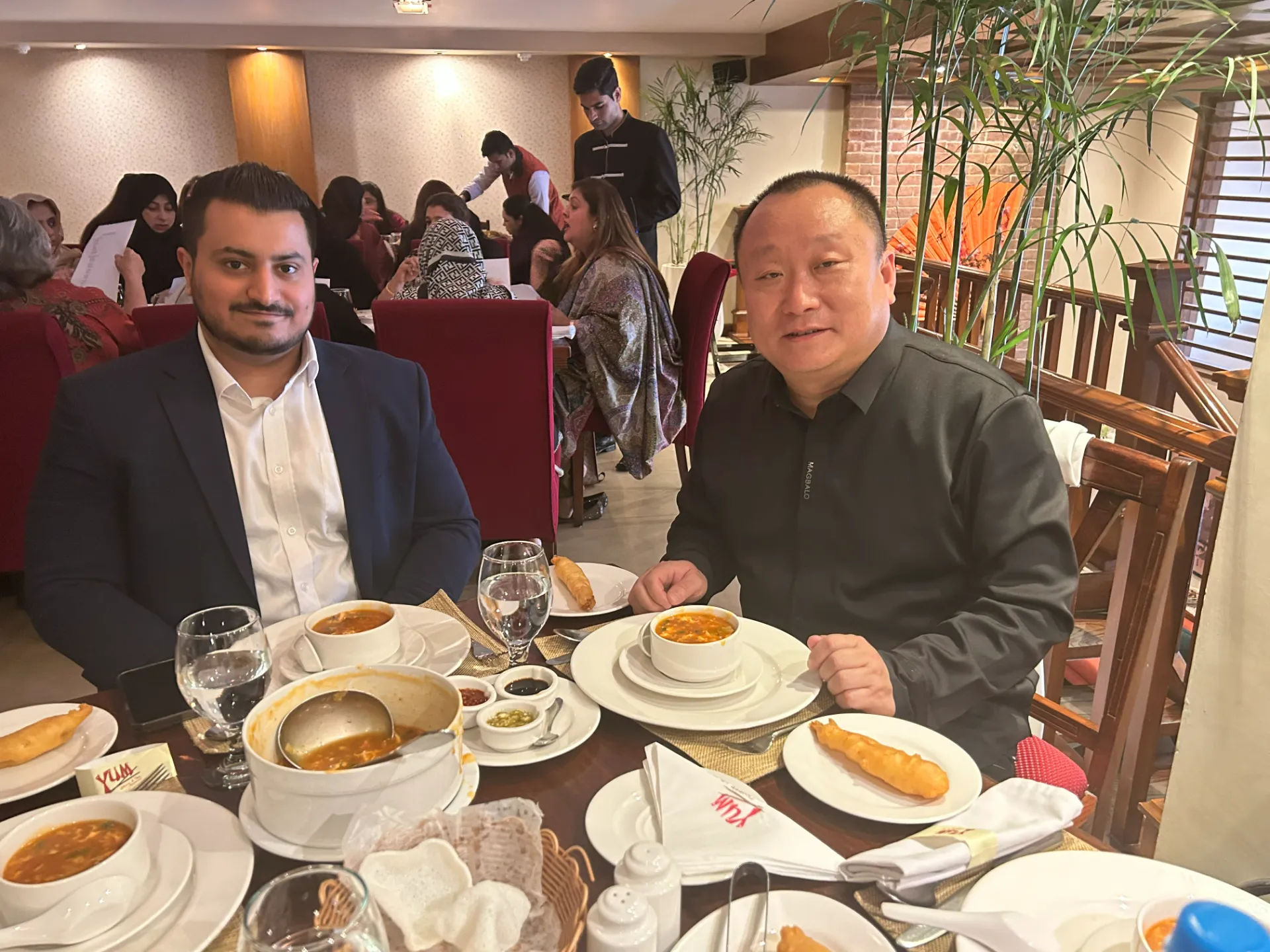
Pakistan - Exhibition3
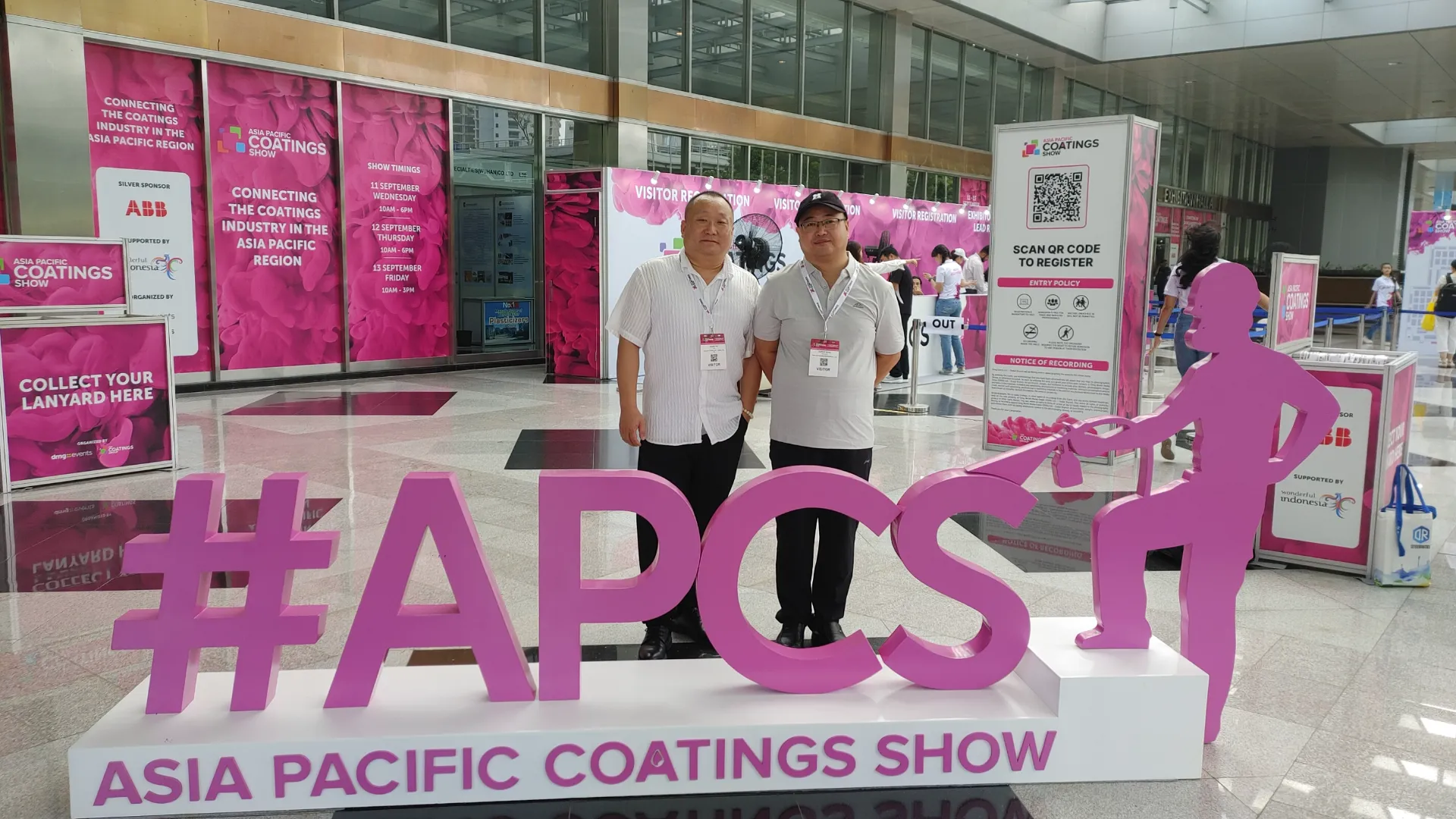
Exhibition - Indonesia
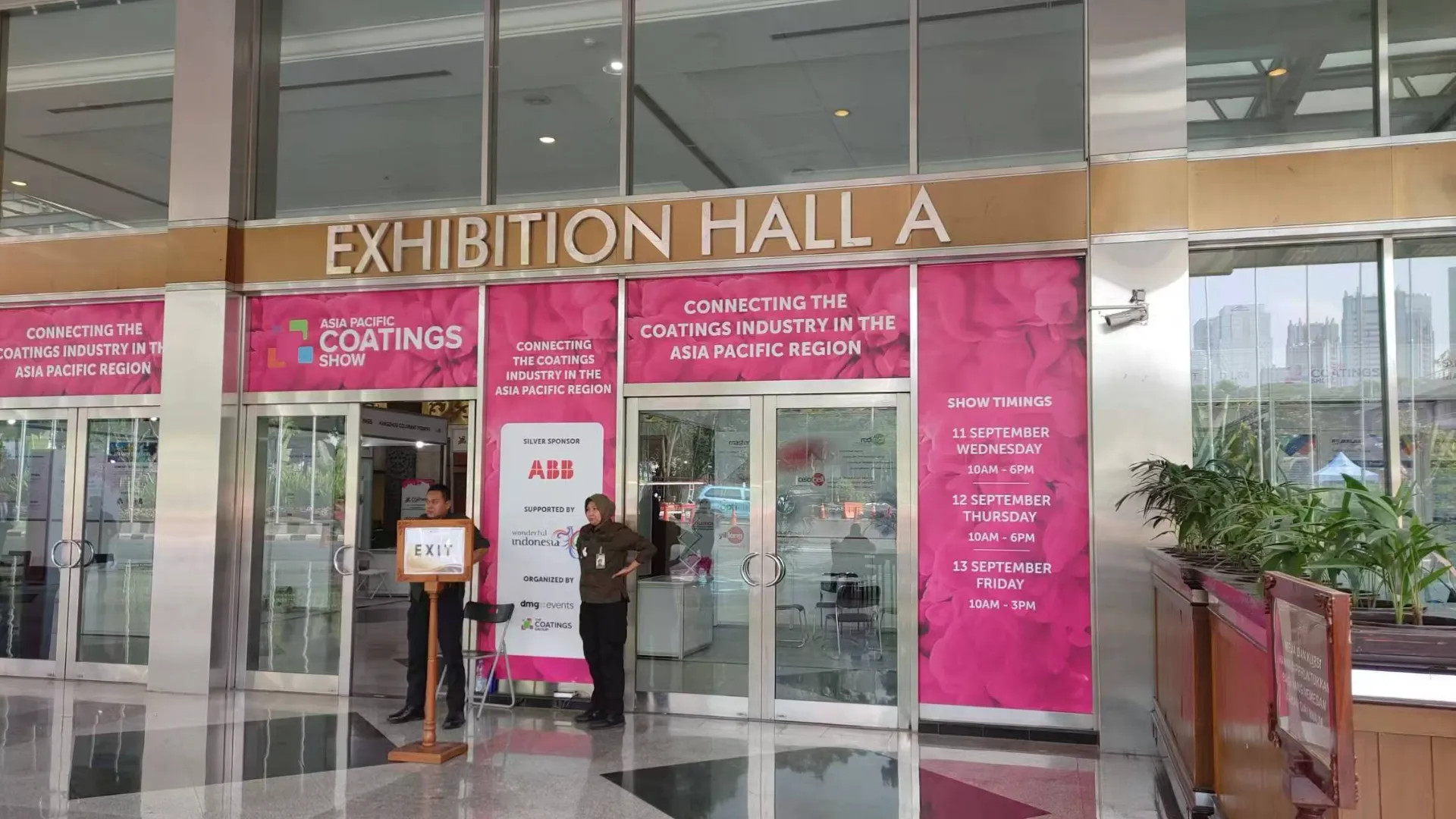
Exhibition - Indonesia2
Exhibition - Indonesia1
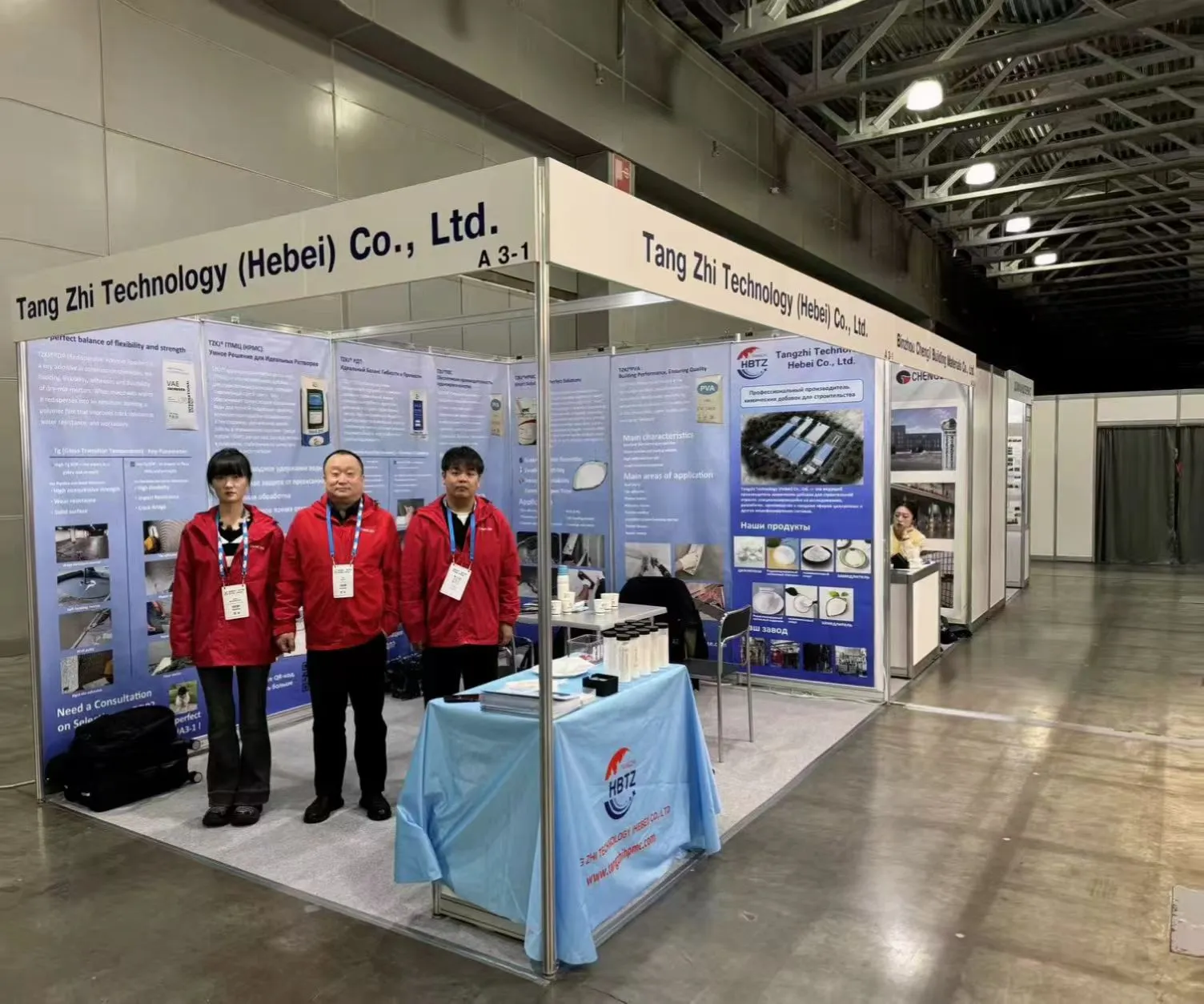
0
|