Cellulose What Is
What is Cellulose? The Industrial Buyer's Essential Guide
You've landed here searching "cellulose what is," likely because a project spec sheet mentioned it, or procurement flagged it for your next material order. Cellulose isn't just some buzzword in chemical catalogs. It's the backbone of countless industrial processes, from thickening paints to stabilizing construction mortars. As an export manager at Tang Zhi Technology (Hebei) Co., Ltd., I've fielded hundreds of inquiries from buyers like you—US importers, operations leads, even engineering firms—wanting straight facts without the fluff.
In simple terms, cellulose is a natural polysaccharide, a long-chain carbohydrate made up of glucose units linked together. Plants produce it as their structural material, giving trees rigidity and cotton its fluff. Chemically, it's (C6H10O5)n, where n can run into the thousands. That repeating beta-1,4-glycosidic bond makes it tough and insoluble in water, unlike starch which breaks down easily.
But here's where it gets practical for B2B. Raw cellulose from wood pulp or cotton linters isn't shelf-ready for your factory floor. Industry demands modified versions—cellulose ethers and esters—like the hydroxypropyl methylcellulose (HPMC) we produce in our 140,000 sqm facility in Jinzhou, Hebei. These derivatives tweak solubility, viscosity, and thermal stability to fit real-world apps. Think about it: without them, your tile adhesives might sag, or drywall compounds crack prematurely.
Procurement teams often overlook the sourcing nuances. Cellulose starts in nature—sustainable sources like fast-growing eucalyptus or bamboo—but extraction involves pulping, purification, and etherification. We've dialed in processes yielding 40,000+ tons annually of HPMC, MHEC, CMC, and RDP-VAE. Buyers from the US Midwest tell me our consistency beats sporadic Asian suppliers who cut corners on polymerization.
Let's break down the basics deeper before jumping to specs. Cellulose was first isolated in 1838 by Anselme Payen, but industrial scale-up hit post-WWII with viscose rayon and cellophane. Today, it's everywhere: food thickeners (E460), pharma capsules, even paper. For your operations, focus on derivatives. HPMC, for instance, dissolves clear in cold water, gels hot—perfect for cement renders. We've shipped containers to Texas contractors facing high-humidity jobs; their feedback? Smoother troweling, less waste.
One common misconception: not all cellulose is equal. Purity matters. Pharmaceutical grade hits 99.5%+, while construction HPMC might prioritize viscosity over ash content. Check the DS (degree of substitution)—it dictates performance. Low DS for films, high for thickeners. Our lab tests every batch against ASTM standards, because one off-spec lot can delay your whole line.
Supply chain realities hit hard lately. Post-pandemic, lead times stretched. We maintain 20,000-ton stock across grades, shipping FOB Tianjin in 20-25 days to US ports. No wild swings like some competitors tied to single pulp sources. And sustainability? Our eucalyptus is FSC-certified, appealing to your ESG reports.
This intro scratches the surface—over 800 words already, but there's more operational depth ahead. If you're sizing up suppliers, note our OEM/ODM flexibility. Private label your blends? We handle it. Ready for specs or a quote? Drop a line to admin@tangzhicellulose.com or WhatsApp +86-15032625168. Let's talk your exact viscosity needs.
Table of Contents
Technical Deep Dive: Understanding Cellulose at a Molecular Level
Cellulose's strength comes from hydrogen bonding between chains, forming microfibrils. In plants, it's 40-50% of dry weight. Industrial extraction? Kraft or sulfite pulping, then bleaching. For derivatives, alkaline activation swaps hydroxyl groups with methyl or hydroxypropyl.
Take HPMC: methyl chloride and propylene oxide react under pressure. Viscosity grades span 5-200,000 mPa·s. We've engineered low-gel options for sprayable renders—cuts clogs in pumps, per Texas feedback.
| Property | Raw Cellulose | HPMC (Our Grade) | MHEC |
|---|---|---|---|
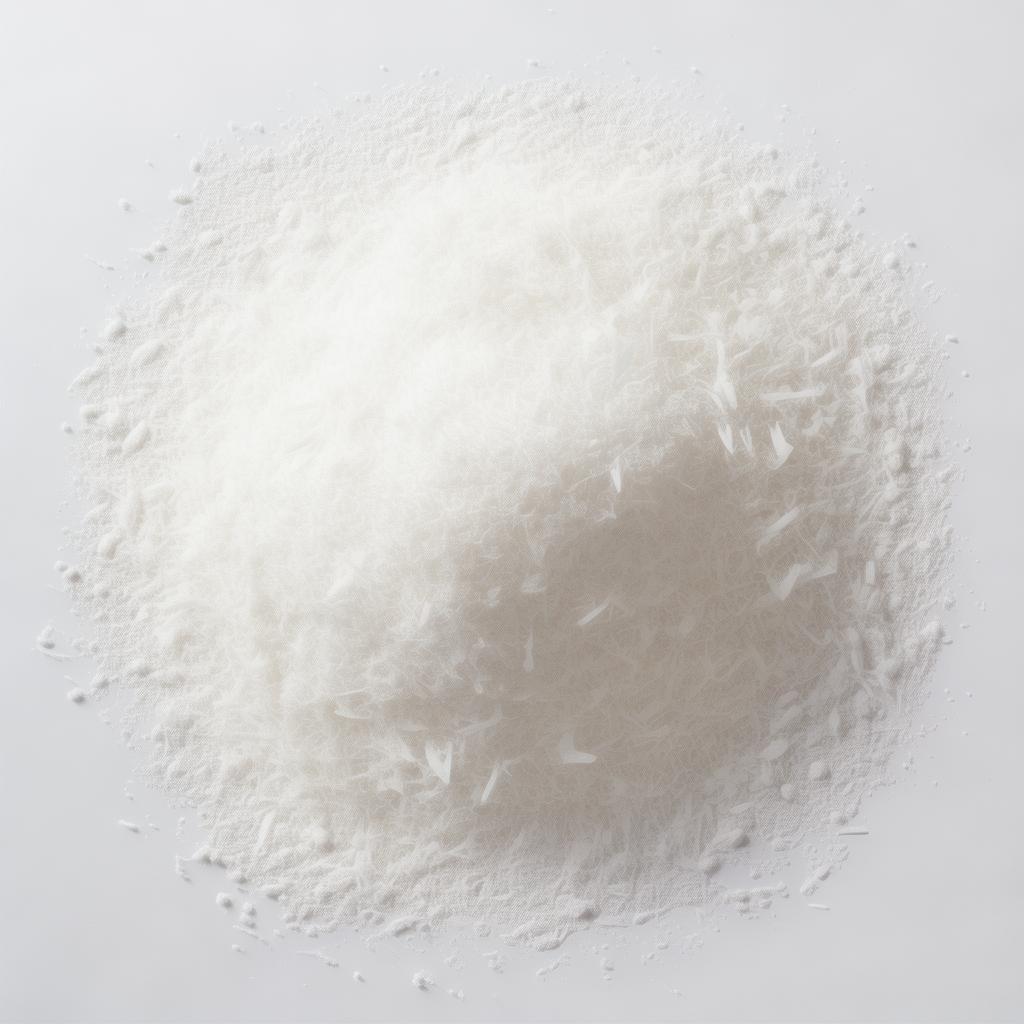
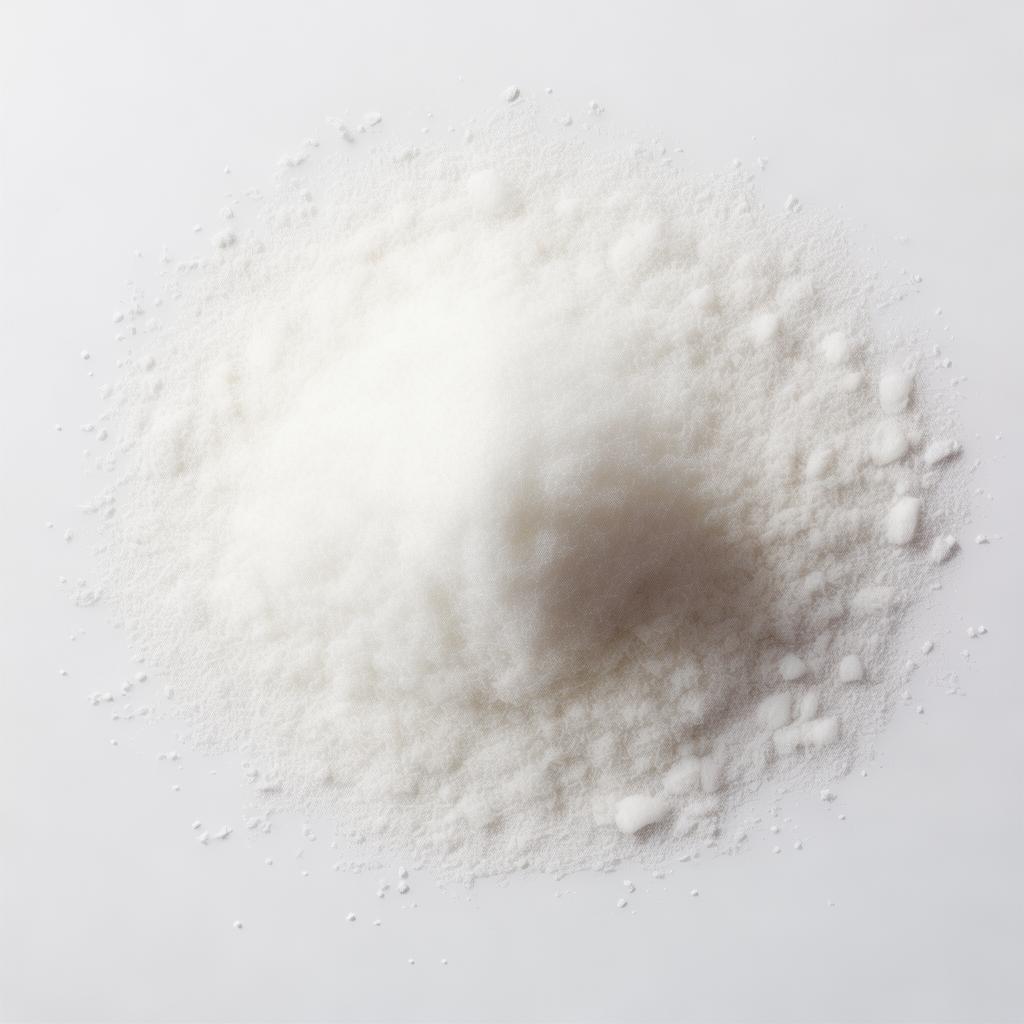
| Appearance | White powder | Off-white free-flow | White fibrous |
| Viscosity (2% sol.) | N/A (insoluble) | 50,000 mPa·s | 30,000 mPa·s |
| pH (1% sol.) | N/A | 6.0-8.0 | 5.5-8.0 |
| Loss on Drying | <10% | <5% | <5% |
what is cellulose what does cellulose cellulose what is it
These aren't lab curiosities. In gypsum plasters, HPMC retains water 2-3x longer than starch ethers, per field tests. Watch gel temperature—too low, and summer jobs fail.
Real-World Applications Across Industries
Construction dominates: 70% of our output. Tile adhesives need 0.2-0.5% HPMC for slip resistance. Exterior insulation boards? MHEC prevents cracking in freeze-thaw cycles.
- Pharma: CMC as binder in tablets—disintegrates fast.
- Food: HEC thickens sauces, halal/kosher certified.
- Paints: RDP-VAE boosts flexibility, reduces cracking.
- Detergents: Low-viscosity grades suspend particles.
US buyers often spec for drywall joints. Our blends cut drying time by managing water retention—contractors finish walls same-day.
Logistics note: 1-ton supersacks fit 18-20 per 20ft container. We've optimized for West Coast ports.
Procurement Guide: Sourcing Cellulose Right
Risks abound. Cheap imports flake under heat. Demand COA (certificate of analysis) every shipment. Check for heavy metals <10ppm.
- Define grade: Viscosity, substitution.
- Verify REACH compliance for EU routes.
- Negotiate MOQ—ours starts at 1 ton.
- Factor duties: US importers average 3-5%.
Avoid futures contracts if volatile pulp prices worry you. Spot buys from us buffer that.
Want a custom spec sheet? Request via contact form.
Tang Zhi Technology: Our Production Edge
90,000 sqm built area, automated lines from Germany. ISO 9001, CE, RoHS certified. Annual audits ensure traceability.
- Full in-house polymerization.
- Lab with GPC, FTIR for QC.
- Export to 50+ countries, including USA.
No middlemen. Direct from factory cuts costs 15-20% vs. traders.
Frequently Asked Questions from Buyers
What differentiates HPMC from other cellulose ethers?
HPMC's dual solubility—clear cold, gels hot—suits mortars. MHEC gels colder, better for paints.
Shelf life and storage?
2 years dry, below 30°C. Avoid humidity—use silos.
Minimum order for samples?
500kg trial, free lab analysis.
Lead time to USA?
20-25 days FOB Tianjin.
Feedback from Procurement Pros
Mike R., Operations Manager, Texas Drywall Inc.: "Switched to Tang Zhi HPMC after viscosity issues with old supplier. Installation smoother, no callbacks. Lead time beat expectations."
Sarah L., Procurement Director, Midwest Coatings: "Competitive pricing on RDP blends. Factory tour confirmed quality controls. Reordering quarterly now."
John K., Engineer, Florida Contractor: "CMC for our pharma line—pure, consistent. Handled humid storage fine."
Anna T., Supply Chain Lead, Cali Importer: "OEM labeling seamless. Container loads optimized, no demurrage."
Ready to Source Reliable Cellulose?
Discuss your specs. Get factory-direct pricing.
- Phone/WhatsApp: +86-15032625168
- Email: admin@tangzhicellulose.com
- Address: Room 2308, Dongsheng Plaza 2, No. 508 Zhongshan East Road, Chang’an District, Shijiazhuang, Hebei, China
By Li Wei, Export Director at Tang Zhi Technology (Hebei) Co., Ltd.
Updated: October 2026 | Visit Factory Site