Cellulose What Is It
B2B Industrial Raw Material Guide
Cellulose What Is It? A Practical Buyer’s Guide for Industrial, Construction, and Export Markets
If you are searching for cellulose what is it, you are probably not looking for a textbook definition alone. You may be comparing suppliers, evaluating cellulose derivatives for a formula, trying to understand a raw material spec sheet, or checking whether a product fits your production line, cost target, and compliance requirements.
For procurement teams, engineers, and distributors, cellulose is not just a plant fiber. In international trade, the word often refers to a family of industrial materials used in construction, coatings, detergents, pharmaceuticals, personal care, and food systems. That is where the real buying decision starts. The chemistry matters, the viscosity matters, the substitution level matters, and yes, the factory behind the product matters too.
Table of Contents
- What cellulose actually is
- Why buyers search for cellulose in industrial trade
- Cellulose derivatives and where they are used
- Key specs buyers should check before sourcing
- Applications in construction and manufacturing
- Comparison of cellulose types
- Installation, handling, and storage notes
- Logistics, lead time, and export considerations
- Supplier evaluation and OEM/ODM support
- FAQs, reviews, and contact details
What Is Cellulose, in Practical Terms?
Cellulose is the main structural component in the cell walls of plants. In nature, it gives plants their strength, rigidity, and shape. Cotton, wood pulp, hemp, and many agricultural fibers all contain cellulose. That part is easy enough.
Where B2B buyers need to pay attention is in the industrial use of cellulose. Raw cellulose can be processed into a wide range of derivatives such as HPMC, MHEC, HEC, CMC, and related functional materials. These derivatives are not interchangeable. A tile adhesive plant, for example, may need a different viscosity profile and water retention balance than a detergent producer or a pharmaceutical excipient buyer.
So when someone asks cellulose what is it, the answer depends on context. In general chemistry, it is a natural polymer made of glucose units linked in long chains. In industrial procurement, it is a performance ingredient. It controls thickening, binding, suspension, film formation, water retention, stabilization, and consistency. That is why it shows up in so many formulas across building materials and manufacturing.
For a factory buyer, the real question is not whether cellulose exists. The real question is: which cellulose derivative, what degree of substitution, what viscosity range, what purity level, and which supplier can deliver stable batches month after month?
That is where sourcing becomes a technical job rather than a simple purchasing task. Many first-time buyers focus only on price per ton. Experienced buyers do not. They check batch consistency, dust control, packaging format, sample response time, moisture content, ash content, and how the supplier handles export documentation. Those details decide whether the material runs smoothly in production or creates avoidable downtime.
In other words, cellulose is not one product. It is a platform of materials with different functions, and the buying process should reflect that.
Why This Search Usually Comes From a Buyer Problem
Search intent behind cellulose what is it is mostly informational, but it is not casual information-seeking. In the industrial space, the query often comes from one of these situations:
- A procurement manager received a spec sheet and needs to understand the material before requesting quotations.
- A formulation engineer is comparing cellulose derivatives for construction adhesives, paints, or gypsum systems.
- A distributor wants to know whether cellulose products have enough demand and technical depth for resale.
- An importer is checking compliance, packaging, and export risk before opening a new supplier account.
- A project contractor wants a clearer sense of performance, handling, and storage requirements.
That is why the best content on this topic should not read like a school definition. It should answer practical sourcing questions. What is it used for? How stable is it? What are the common forms? What can go wrong during production? Which certificates matter? What should you ask the supplier before placing a trial order?
Those are the questions that actually move a buyer toward a request for sample, quote, or technical data sheet.
Cellulose Derivatives: The Products Buyers Usually Mean
In international trade, buyers often use the word “cellulose” when they really mean a cellulose derivative. At TANG ZHI TECHNOLOGY (HEBEI) CO., LTD, that is a familiar conversation. Customers ask about cellulose, but once we discuss the application, the choice usually narrows down to HPMC, MHEC, HEC, CMC, or another functional grade.
| Material | Main Function | Typical Use Cases |
|---|---|---|
| HPMC | Water retention, thickening, binding | Tile adhesive, wall putty, EIFS, gypsum products |
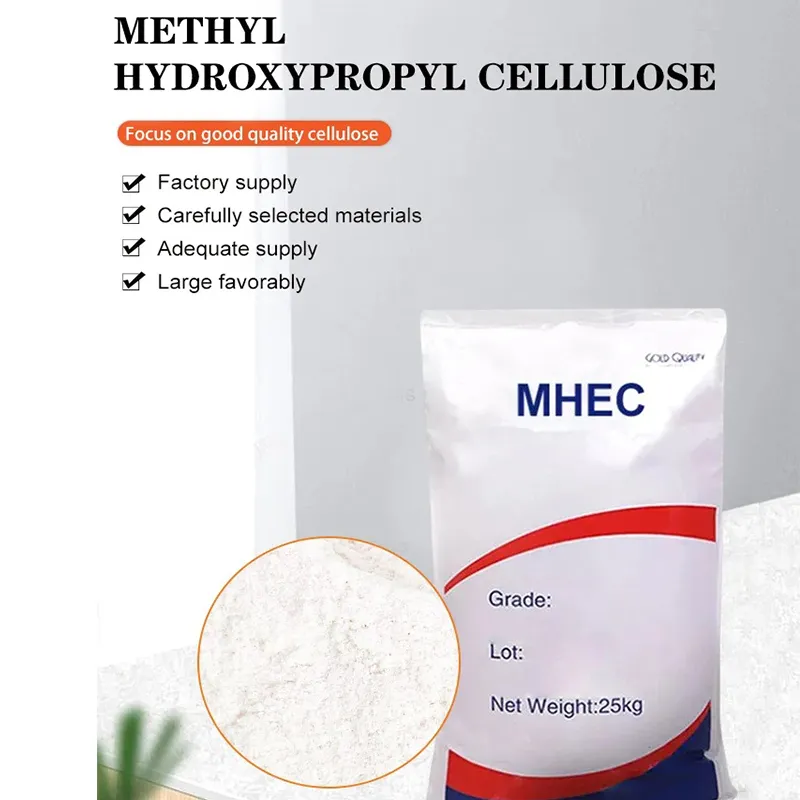
| MHEC | Rheology control, workability | Dry mix mortar, skim coat, construction chemicals |
| HEC | Thickening, stabilization | Paints, coatings, detergents, water-based systems |
| CMC | Viscosity control, binding | Food, paper, detergents, industrial formulations |
cellulose what is what is cellulose what is the cellulose
This is why a good supplier does not start with price. A good supplier starts with application. If a customer is making wall putty, the wrong cellulose grade can affect trowelability and open time. In tile adhesive, the wrong water retention profile can reduce bond performance. In coatings, poor stability can create lumping, poor leveling, or inconsistent viscosity from batch to batch.
The technical conversation saves time. It also prevents trial-and-error purchases that cost more than the quote itself.
Technical Points Buyers Should Check Before Sourcing
When evaluating cellulose or cellulose derivatives, a procurement team should look at more than a brochure. Ask for the technical data sheet, test method, and batch reference. Then compare the material on the same basis.
- Viscosity range: Measured in the correct solution system and test conditions.
- Particle size / mesh: Important for dispersion and mixing performance.
- Moisture content: Affects storage stability and dosing accuracy.
- Ash content: Relevant for purity-sensitive applications.
- pH: Can influence final formulation compatibility.
- Substitution level: A key parameter for derivative performance.
- Solubility and hydration speed: Matters on the production line.
- Packaging integrity: Impacts shelf life and warehouse handling.
A useful detail from the factory side: the same nominal grade can behave differently if the raw pulp source, reaction control, drying process, or particle treatment changes. Stable production is not just about a machine line. It is about process discipline, raw material control, and quality checks at each stage.
That is why serious buyers often ask for a sample from the exact production batch, not a generic lab sample.
Company Profile: TANG ZHI TECHNOLOGY (HEBEI) CO., LTD
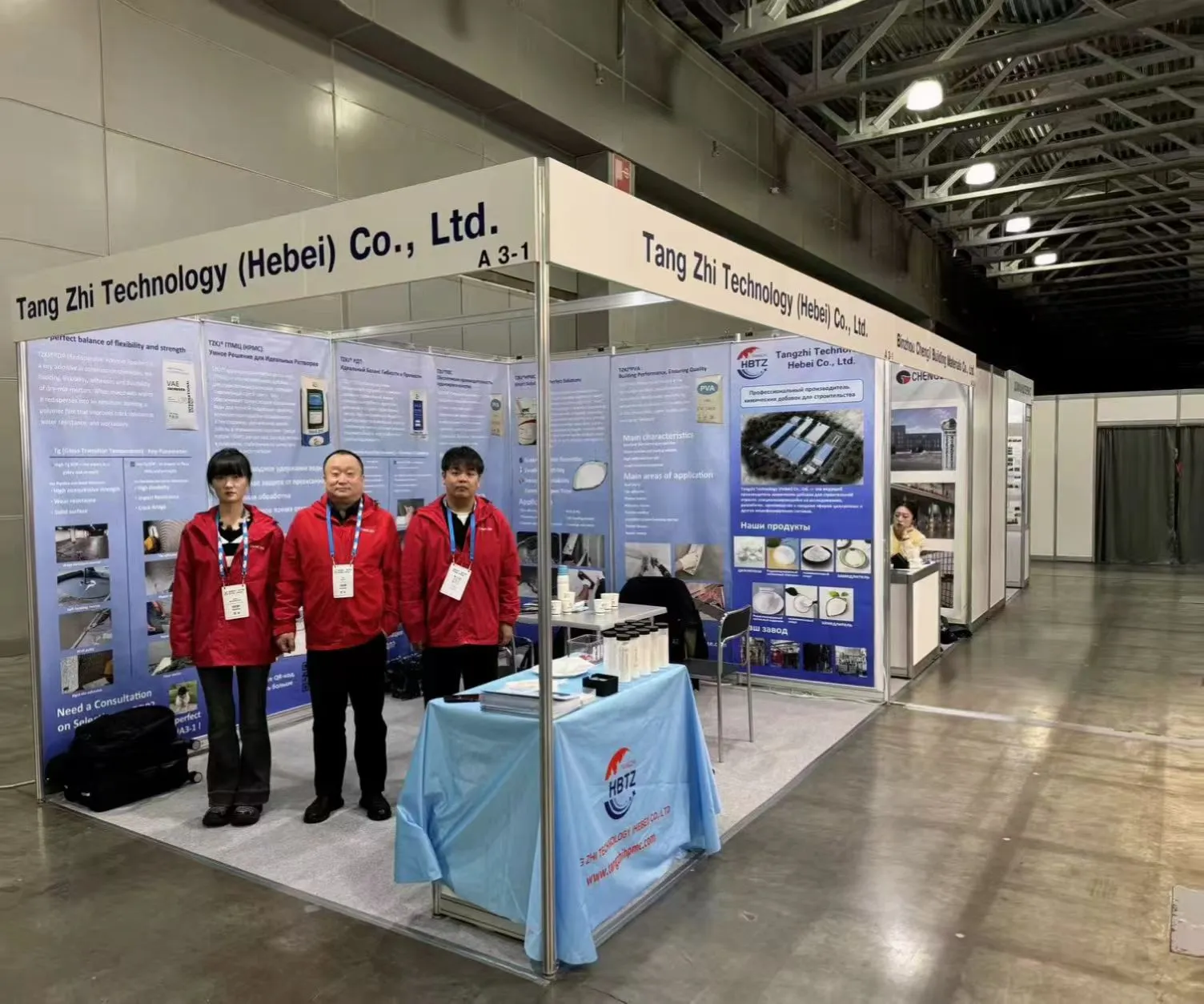
TANG ZHI TECHNOLOGY (HEBEI) CO., LTD is located in Jinzhou City, Hebei Province, China. We integrate science, technology, manufacture, and trade, with a factory covering 140,000 square meters and a building area of 90,000 square meters. Our production base is equipped with automatic production lines and world-class equipment.
Our main products include HPMC, MHEC, PVA, RDP-VAE, CMC, plus related building material and chemical products such as HEC, PCE, gypsum retarders, HPS, defoamer agents, and medical excipient products. The annual capacity is over 40,000 tons.
For overseas buyers, the practical value is simple: one supplier can support technical communication, production scheduling, export packing, and consolidated shipment planning. That reduces follow-up work, especially when you are buying related additives for dry mix mortar or multi-line formulations.
Applications: Where Cellulose-Based Materials Are Used
The application scope is broad, but the procurement logic is similar across industries: performance consistency, handling efficiency, and compliance.
- Construction chemicals: tile adhesives, wall putty, plaster, skim coat, self-leveling compounds, EIFS systems.
- Paints and coatings: thickening, suspension stability, anti-sag behavior, improved application feel.
- Detergents: viscosity adjustment and formulation stability.
- Food and pharmaceuticals: selected grades of cellulose derivatives used as binders, stabilizers, or excipients.
- Paper and packaging: surface treatment and performance modification.
A buyer in the USA or another English-speaking market will often need different documentation depending on end use. A construction customer may care most about consistency and workability. A pharma-related buyer will focus on purity, traceability, and regulatory documentation. Both are valid. The supplier must be able to respond accordingly.
In practice, good sourcing starts with the end formula, not the raw material name.
Material Comparison: Cellulose Types and Buying Considerations
| Buying Factor | Natural Cellulose | Cellulose Derivatives |
|---|---|---|
| Main role | Base structural fiber | Functional additive for specific performance |
| Solubility | Generally insoluble in water | Designed for dispersibility or solubility depending on grade |
| Industrial use | Paper, textiles, biomass, fiber products | Construction, coatings, pharma, food, detergents |
| Procurement focus | Fiber source and processing quality | Viscosity, purity, batch consistency, compliance |
For most commercial buyers, cellulose derivatives are the more relevant topic. They are the value-added products that solve a formulation problem.
Installation, Handling, and Storage Notes
If you are using cellulose-based powders in a dry mix plant, handling matters. Moisture pickup, poor dust control, and inconsistent feeding can affect final quality faster than many buyers expect. The material may look simple in a warehouse, but it behaves like a functional ingredient on the line.
- Keep bags sealed until use. Humidity can cause clumping.
- Store in a cool, dry place away from direct sunlight.
- Use FIFO inventory rotation if you run multiple grades.
- Check mixer dispersion time during first production trials.
- Confirm compatibility with cement, gypsum, resins, or other additives.
One operational detail worth mentioning: in mortar and putty production, a small change in cellulose hydration speed can change how the mix feels to workers on the line. That is not a laboratory issue only. It becomes a site issue very quickly.
If a customer is planning a new plant or reformulation, we usually recommend a trial batch before mass purchasing.
Logistics and Export Considerations
For overseas buyers, a material is only as good as its shipping plan. Cellulose products are usually shipped in bags, often with palletized loading depending on order size and destination requirements. A clean packing spec reduces warehouse damage, short shipment issues, and customer complaints on arrival.
When discussing export terms, ask about:
- Bag size and net weight
- Container loading efficiency
- Lead time for standard grades and custom grades
- MOQ for trial orders and bulk orders
- Documents: COA, MSDS, packing list, invoice, origin-related paperwork where applicable
A supplier with export experience should be able to answer these quickly, without sending the buyer into three rounds of follow-up emails.
OEM / ODM Support for Private Label and Formula Development
Not every buyer wants a standard bag from a catalog. Some distributors need private labeling. Some industrial buyers need a custom viscosity range. Some regional importers want packaging adapted to local warehouse handling. That is where OEM and ODM support becomes useful.
OEM is appropriate when you already know the specification and want production under your brand or packaging standard. ODM is more useful when you need help selecting the right grade, refining the formula, or developing a product line for a target market.
For cellulose-based materials, this can include custom particle design, adjusted solution viscosity, packaging language, or mixed shipping plans for multiple SKUs.
Certifications and Compliance Mindset
Different industries require different documents. A responsible supplier should not oversell compliance. Instead, they should show the documents that fit the market and application.
Not every product needs every certificate. The key is matching documentation to the application and destination market. This is one area where experienced export teams can save buyers time and avoid customs surprises.
What Buyers Say After Trial Orders
Michael R., Procurement Manager, Texas, USA
“We tested two HPMC grades before placing the bulk order. The batch stability was better than expected, and the supplier explained the differences clearly instead of pushing the highest price item.”
Sarah K., Distributor, Ontario, Canada
“The packing and export paperwork were straightforward. That sounds basic, but it saves a lot of time when you are handling repeated shipments.”
James L., Technical Buyer, California, USA
“We needed a cellulose derivative for a dry mix formulation. The discussion on viscosity and hydration speed was practical, not theoretical. That helped us move faster.”
Emily T., Import Coordinator, Florida, USA
“Response time was good. We also appreciated that the supplier did not overpromise on lead times. The numbers were realistic, which matters in procurement.”
Buyer FAQ
Is cellulose the same as cellulose derivative?
No. Cellulose is the natural polymer found in plants. Cellulose derivatives are modified industrial materials such as HPMC, MHEC, HEC, and CMC, used for performance in specific formulas.
Which cellulose product is best for tile adhesive?
That depends on the formula, climate, cement system, and workability target. HPMC and MHEC are commonly used, but the right grade should be confirmed by testing.
Can you support OEM or custom packaging?
Yes. OEM and ODM support can include packaging format, labeling, and customized grade selection depending on the project.
What should I ask before ordering cellulose products?
Ask for technical data, COA, sample batch consistency, lead time, packaging details, and shipment terms. If possible, also ask about hydration behavior and compatibility with your base system.
Do you provide samples?
Yes, trial samples are available for qualified buyers. That is usually the right first step before mass production or distributor stocking.
Request a Quote or Technical Discussion
If you are comparing cellulose grades, evaluating a supplier, or building a new formulation, we can help you narrow the options quickly. Share your application, target viscosity, packing preference, and destination market. We will respond with a practical recommendation rather than a generic catalog reply.
Contact: +86-15032625168 | WhatsApp: +86 15032625168 | Email: admin@tangzhicellulose.com
Address: Room 2308, Dongsheng Plaza 2, No. 508 Zhongshan East Road, Chang’an District, Shijiazhuang, Hebei, China
Contact page: https://www.tangzhihpmc.com/contactus.html
Author: Li Wen, Export Director and Industrial Materials Advisor | Avatar: author/4.png
Factory Reference: TANG ZHI TECHNOLOGY (HEBEI) CO., LTD | automatic production lines | export-oriented cellulose derivatives supply