What Is The Purpose Of Cellulose
What Is the Purpose of Cellulose?
A Practical Guide for Procurement Teams Sourcing Derivatives in Construction, Pharma, and Beyond
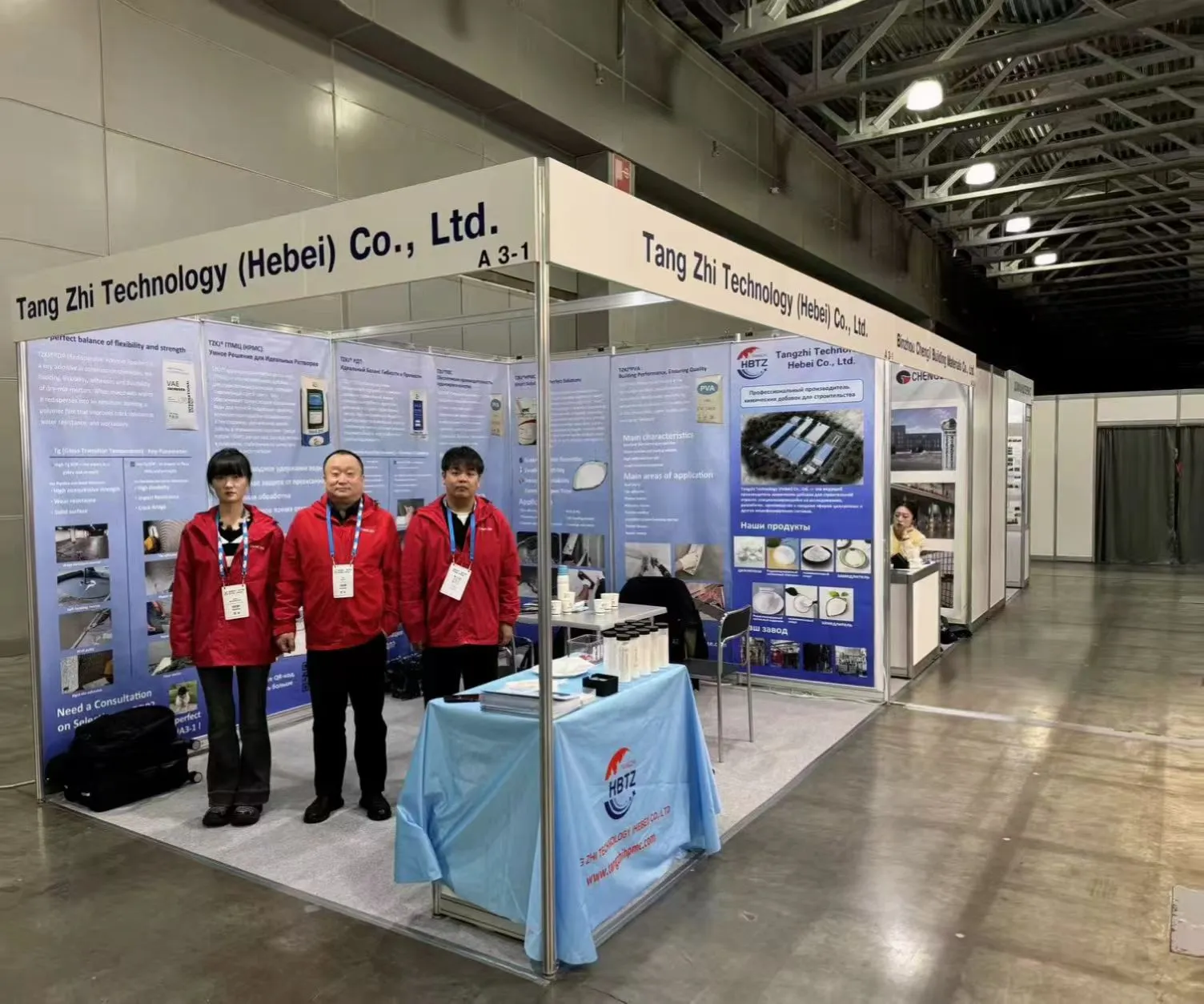
Tang Zhi Technology (Hebei) Co., Ltd.
25+ years in cellulose ether production & export
Table of Contents
- 1. Cellulose Basics
- 2. Core Purposes Across Industries
- 3. Procurement Challenges
- 4. Our Cellulose Derivatives
- 5. Applications in Detail
- 6. Technical Specs
- 7. Buyer Guide
- 8. Factory Insights
- 9. Reviews
- 10. FAQs
Cellulose Basics: From Nature to Factory Floor
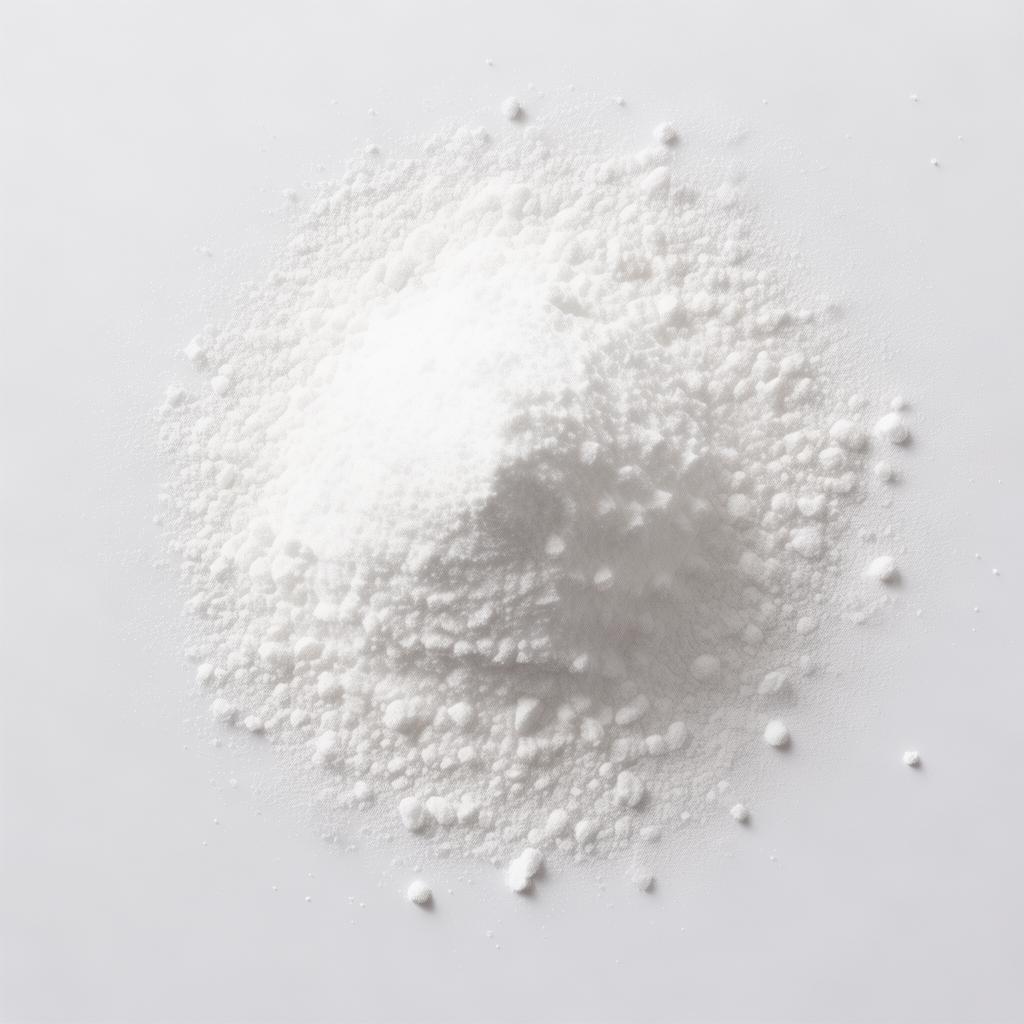
Cellulose isn't just some abstract polymer. Walk into any paper mill or construction site mixing mortar, and you'll see it at work. At its core, cellulose is the most abundant organic compound on earth—a long-chain carbohydrate that plants use to build their cell walls. Think sturdy stems, tree trunks. Without it, vegetation collapses.
Procurement folks like you probably aren't digging into botany daily. But understanding this starting point matters when specs call for HPMC or CMC. We've shipped tons of these derivatives to U.S. importers over the years. Cellulose comes from wood pulp, cotton linters, or even recycled paper. Factories like ours process it into ethers through etherification—reacting with propylene oxide or chloroacetic acid under alkaline conditions. It's precise work. Get the viscosity wrong, and your tile adhesive fails on site.
Why does purpose shift from plant structure to industrial additive? Modification. Pure cellulose is insoluble, fibrous. Derivatives like our hydroxypropyl methylcellulose (HPMC) dissolve in water, thicken instantly. We've seen buyers switch from imports after one batch with inconsistent gelling. Purpose evolves with chemistry.
In numbers? Global cellulose ether market hits around 1.5 million tons yearly. Construction takes the lion's share—over 60%. Food and pharma follow. Not hype; check industry reports from Freedonia or similar. For U.S. buyers, it's about reliable supply amid tariffs and lead times.
Short answer to your query: Cellulose's purpose spans structural support in nature to functional additives in manufacturing. It binds, thickens, stabilizes. Without it, mortars crack, paints sag, pills disintegrate. Let's break it down operationally.
Core Purposes Across Industries: Where It Really Counts
Start with construction—our bread and butter. Cellulose ethers like HPMC act as water retainers in dry-mix mortars. Purpose? Prevent premature drying on hot job sites. I've fielded calls from Texas contractors where standard mixes set too fast in summer. Add 0.2-0.5% HPMC, and workability doubles. No lab stats; real-site feedback.
Pharma next. Carboxymethyl cellulose (CMC) coats tablets, controls release. Purpose: Ensure consistent drug delivery. FDA-grade matters here. Our medical excipients meet USP standards—vital for U.S. formulators avoiding recalls.
Food industry uses it as a thickener. E466 on labels. Think ice cream stabilizers or gluten-free doughs. Purpose: Texture without calories. We've supplied to bakery chains exporting to Europe, holding up in transit.
Oil drilling? CMC suspends solids in mud. Paints? HEC for rheology control. Textiles? Viscose rayon base. Each purpose ties to properties: high purity, tailored viscosity (think 5,000-200,000 mPa·s), thermal gelation.
One observation: Buyers undervalue substitution risks. Switch from microcrystalline cellulose to another, and bioavailability drops. Test small batches first.
Procurement Challenges: What Importers Get Wrong
Sourcing cellulose derivatives feels straightforward until a shipment gels wrong or yellows under UV. Common pitfalls? Overlooking gel temperature. Our HPMC gels at 50-90°C—matches hot climates. Others fail sooner.
Lead times kill projects. China factories like ours quote 15-25 days FOB Tianjin. U.S. West Coast? 20 days via ocean. Air for samples: 3-5 days. Factor container loads: 25MT per 40' HQ.
Regulations trip folks up. REACH for EU, FDA 21 CFR for pharma. We handle Prop 65 for California. One client nearly lost a bid ignoring ash content specs (<5%). Check certificates upfront.
Risk note: Spot vs. contract pricing. Cellulose prices fluctuate with cotton futures. Lock in annuals for stability. We've held quotes steady for loyal U.S. partners.
Want factory pricing? Message us on WhatsApp: +86-15032625168 for a no-obligation quote.
Our Cellulose Derivatives: Tailored for Purpose
Tang Zhi Technology (Hebei) Co., Ltd. isn't new. 140,000 sqm factory in Jinzhou, automated lines pumping 40,000+ tons annually. Core lineup: HPMC, MHEC, RDP-VAE, CMC, PCE. All cellulose-based where it counts.
HPMC E series for mortars—excellent sag resistance. MHEC for paints, faster dissolving. RDP boosts flexibility in tile adhesives. Purpose-driven formulations from R&D engineers who've tweaked recipes for U.S. humidity.
OEM/ODM? Yes. Private label your blends. We've done it for brands supplying Home Depot analogs.
Applications in Detail: Real-World Scenarios
- Tile Adhesives: HPMC retains water, extends open time to 30+ mins. Contractors finish more sqm/day.
- Gypsum Plasters: RDP + retarder prevents flash set. Smoother walls, less sanding.
- Pharma: HPMC AS-LF for enteric coatings. Survives stomach acid.
- Food: CMC in low-fat dressings. Stable emulsions over shelf life.
- Drilling Fluids: PAC (polyanionic cellulose) cuts fluid loss by 50% in shales.
Installation note: For mortars, disperse slowly in water. High shear risks air entrapment. We've trained teams remotely on this.
Technical Specifications: At-a-Glance Tables
| Grade | Viscosity (mPa·s) | Gel Temp (°C) | Applications |
|---|---|---|---|
| HPMC E50 | 50,000-60,000 | 58-64 | Cement mortars |
| MHEC MH200 | 200,000 | 60-85 | Paints, plasters |
| CMC F9 | 1,500-2,500 | N/A | Food, pharma |
Full spec sheets? Request via email: admin@tangzhicellulose.com
Buyer Guide: Steps to Source Right
1. Define viscosity needs. Too low? Poor thickening. Too high? Hard pumping.
2. Certs: ISO 9001, Kosher, Halal. We have them. See
3. Trial order: 1MT min. Test in your mix.
4. Logistics: Incoterms clear. FOB/CIF. Duty? Around 3.7% for US.
Maintenance: Store dry, below 30°C. Shelf life 24 months.
Ready to spec? Talk engineer: WhatsApp +86-15032625168Factory Capabilities: Why Tang Zhi?
what does cellulose what in cellulose what's cellulose
90,000 sqm buildings, fully automated reactors. Annual audits ensure batch consistency. Export to 50+ countries, including steady U.S. volume.
Compliance: REACH, FDA indirect GRAS paths. No heavy metals over limits.
What Buyers Say: Real Reviews
"Switched to Tang Zhi HPMC after import issues. Mortar holds 20% longer open time. Shipping to LA port spot-on."
- Mike R., Procurement Mgr, Texas Construction Supply
"CMC for our bakery line. Clean taste, no clumping. Annual contract saved 15% vs. prior."
- Sarah L., Supply Chain, Midwest Food Processor
"OEM RDP blend performed in humid FL jobs. Engineer consulted free—rare touch."
- Carlos G., Ops Director, Florida Contractor
Frequently Asked Questions
What is the main purpose of cellulose in construction?
Water retention and thickening. Improves workability, reduces cracking. Dosage 0.1-0.5% bwoc.
Is cellulose safe for pharma use?
Yes, when pharma-grade. Our HPMC/HEC meets USP/EP. Low endotoxin.
How to store cellulose powder?
Cool, dry. Avoid >80% RH. Use silos for bulk.
MOQ for export?
1MT trial, 20MT full container. Flexible.
More questions? Get answers from our team.
Need Cellulose for Your Next Project?
Factory-direct quality. Fast quotes. Global delivery.
Addr: Room 2308, Dongsheng Plaza 2, No. 508 Zhongshan East Road, Chang’an District, Shijiazhuang, Hebei, China
Contact: https://www.tangzhihpmc.com/contactus.html