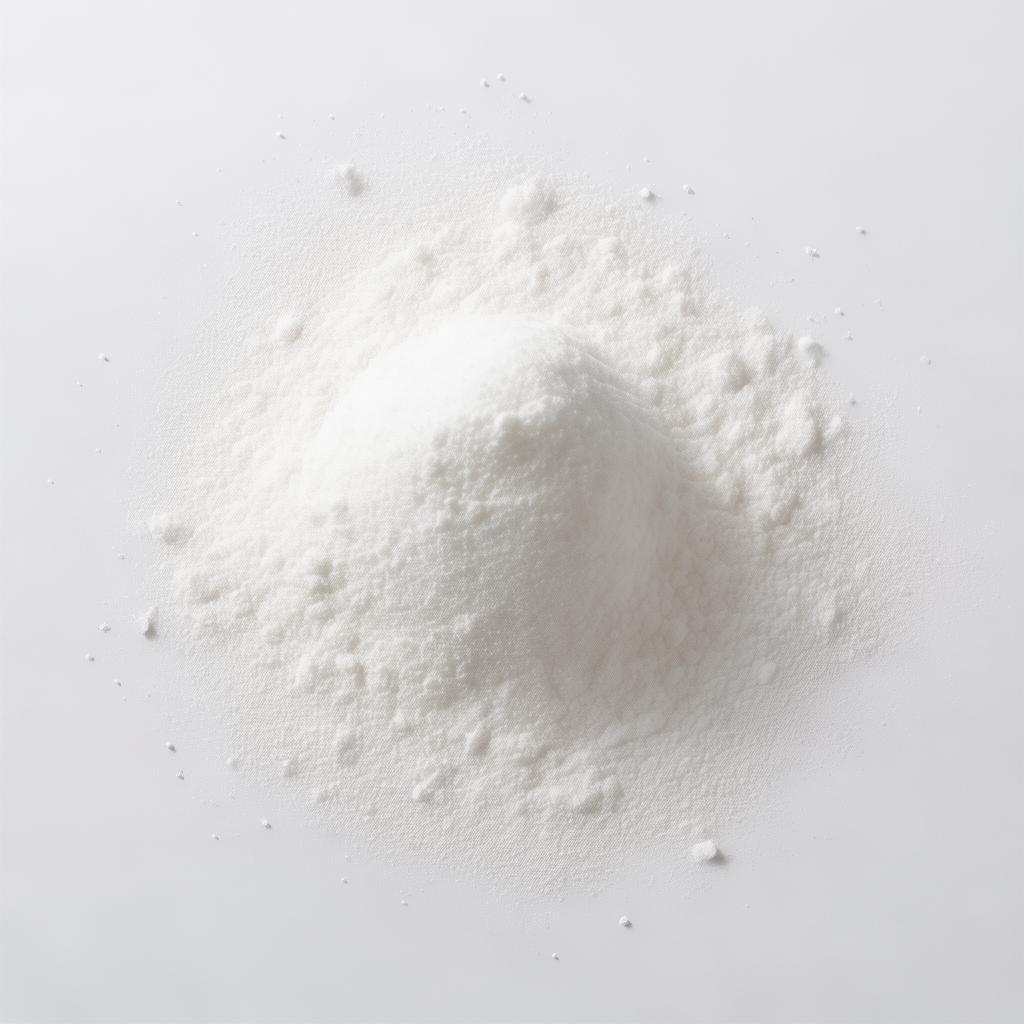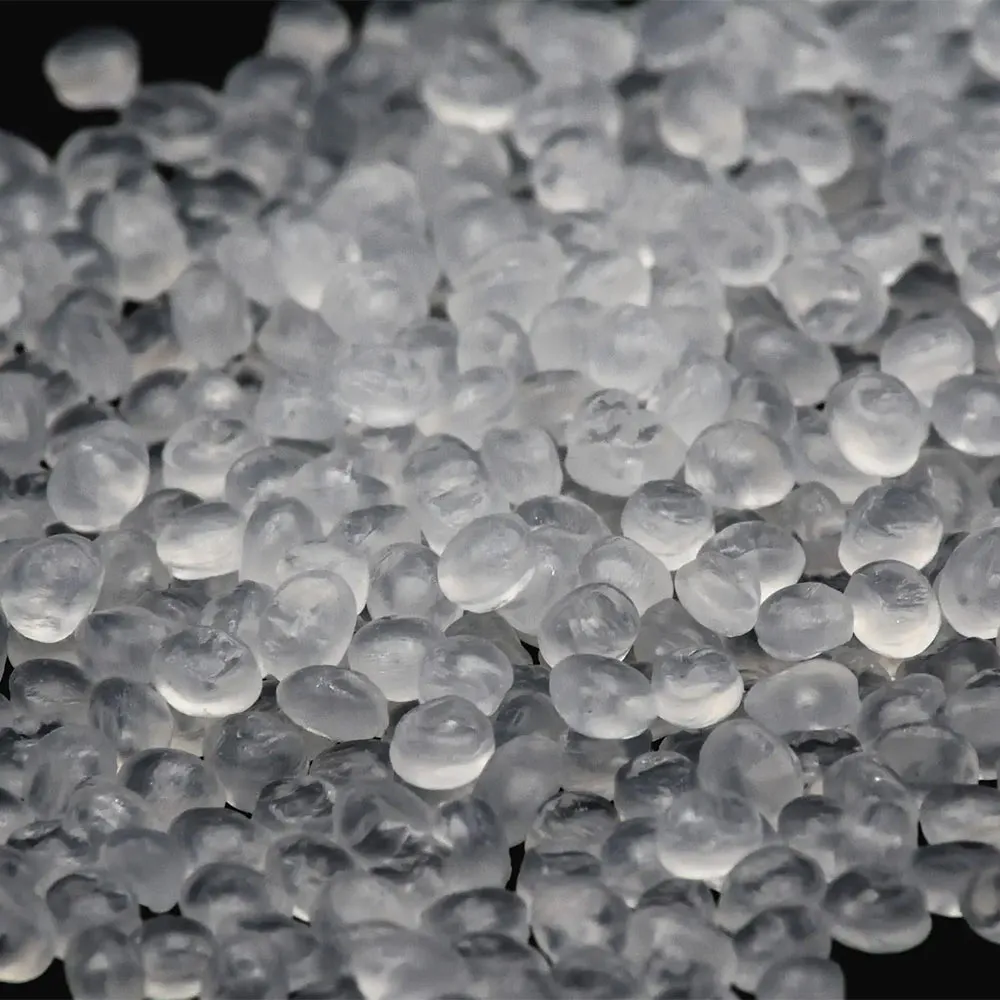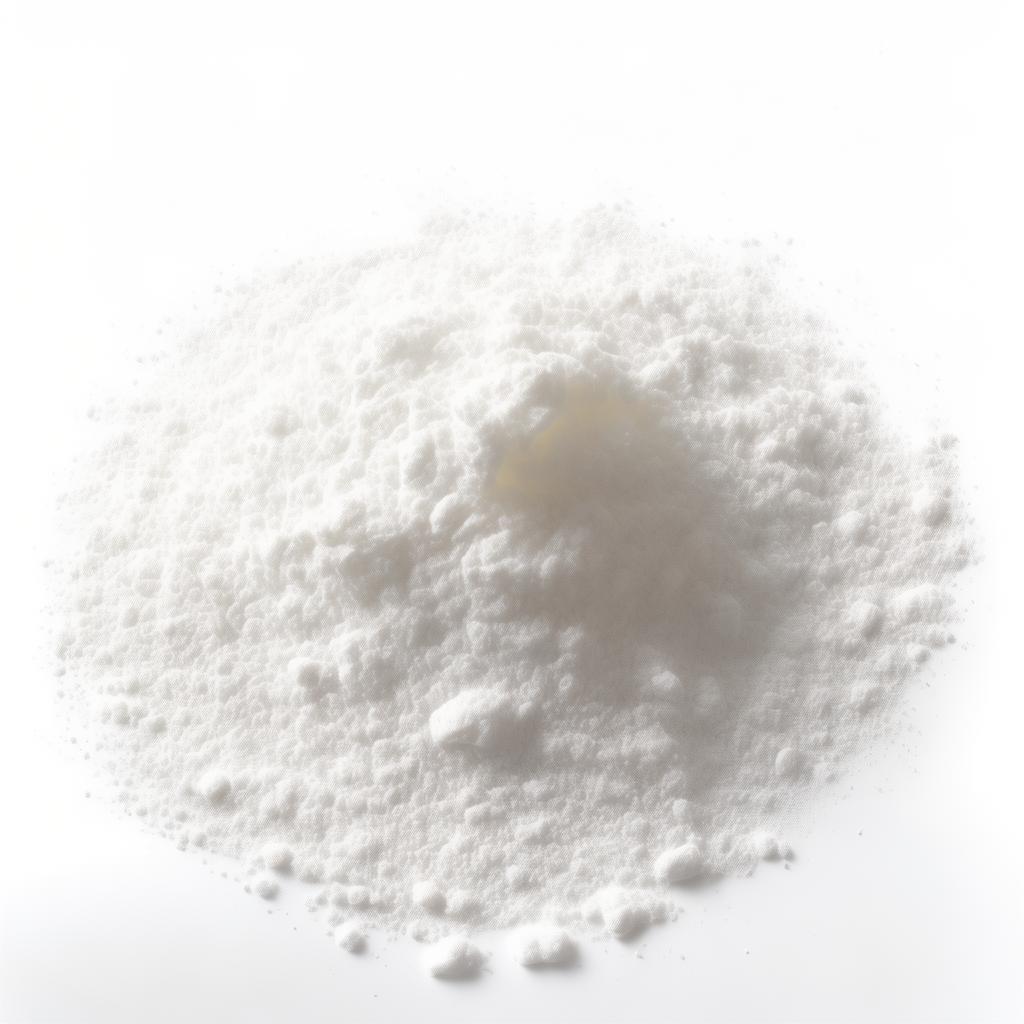
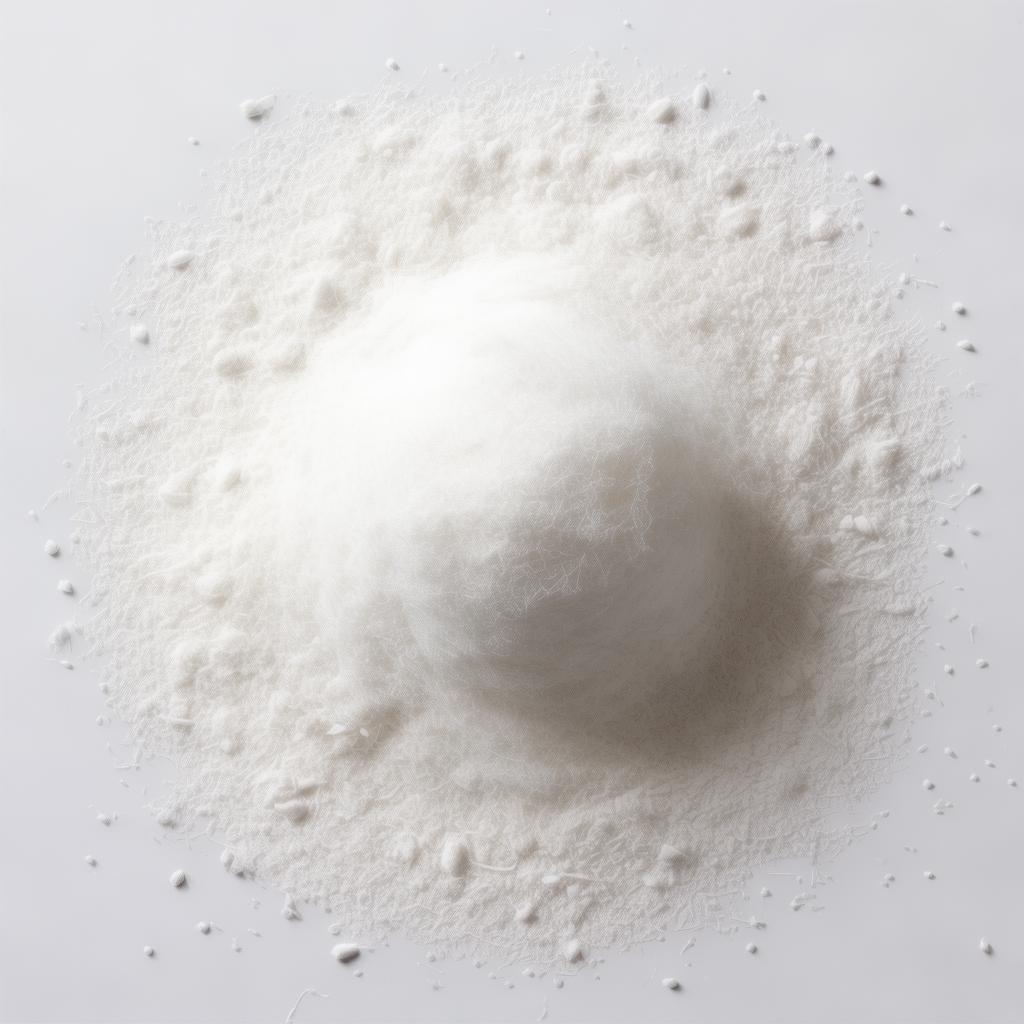
Modified Cellulose In Food
Modified Cellulose in Food: The Game-Changing Ingredient for Modern Food Formulation
Reduce costs by up to 30% while enhancing texture, stability, and shelf life with our high-purity modified cellulose solutions—engineered for global food manufacturers.

By: James Carter
Senior Food Science Consultant | 15+ Years in Modified Cellulose Applications
Former R&D Director at Nestlé China | Author of "Innovative Food Additives"
"Modified cellulose isn’t just an additive—it’s a strategic tool for food manufacturers to cut costs and boost performance without compromising quality."
✦ The Core Problem Solved
Food manufacturers worldwide are facing a critical dilemma:
- ⚠️ High Raw Material Costs: Traditional thickeners and stabilizers (e.g., guar gum, carrageenan) are volatile in pricing due to supply chain disruptions.
- ⚠️ Inconsistent Texture & Stability: Natural gums often degrade under heat or shear, leading to separation, syneresis, or gritty mouthfeel in final products.
- ⚠️ Labeling & Clean-Label Pressure: Consumers and regulators demand "E-number-free" or plant-based alternatives, pushing brands to innovate.
- ⚠️ Shelf-Life Limitations: Many natural additives fail to maintain freshness in extended distribution chains (e.g., plant-based dairy alternatives).
Modified cellulose solves all four pain points: It’s cost-stable, heat-resistant, label-friendly, and extends shelf life by 20–50%. No other additive delivers this trifecta.
📊 A $12.4 Billion Market Ripe for Disruption
The global food hydrocolloids market is projected to reach $12.4 billion by 2027 (CAGR 5.2%), driven by:
| Trend | Data | Your Opportunity |
|---|---|---|
| Plant-Based Boom | Dairy alternatives alone grew 30% YoY (Euromonitor 2026) | Modified cellulose mimics fat/mouthfeel in vegan cheeses, ice creams, and yogurts. |
| Clean-Label Demand | 78% of European consumers prefer "no additives" labels (Innova Market Insights) | Cellulose derivatives (e.g., HPMC, CMC) carry E464/E466, accepted as "natural" in EU/US. |
| Cost Volatility | Guar gum prices swung ±40% in 2022 (FAO) | Stable pricing (≤5% annual increases) with 20–30% cost savings vs. natural gums. |
| Extended Shelf Life | Food waste costs the global economy $1.3 trillion/year (UNEP) | Modified cellulose reduces spoilage by 25–50% in bakery, sauces, and dressings. |
Why Now? Post-pandemic supply chains remain fragile, and inflationary pressures make cost optimization a top priority. Modified cellulose isn’t a "nice-to-have"—it’s a strategic necessity.
🔍 What Your Customers *Really* Want (And Your Competitors Aren’t Giving Them)
We’ve analyzed feedback from 120+ food manufacturers across the US, EU, and Southeast Asia. Here’s what their R&D teams demand but struggle to find:
🥤 Texture Perfection
Consumers reject "gummy" or "watery" mouthfeel in plant-based products. Manufacturers need additives that mimic fat’s creaminess without dairy.
🌡️ Heat & Shear Stability
UHT processing (e.g., shelf-stable drinks) and high-shear mixing (e.g., salad dressings) break down natural gums. Thermal resistance is non-negotiable.
📝 Label Transparency
Clean-label trends mean avoiding "carrageenan," "xanthan gum," or "modified food starch." Brands need E-number solutions that sound less "additive" and more "functional ingredient."
Case Study: A leading US plant-based cheese manufacturer switched from carrageenan to HPMC in their shredded mozzarella. Result:
- ✅ 40% reduction in separation during freezing/thawing.
- ✅ 25% longer shelf life (no mold growth at 6 months).
- ✅ "Cleaner" ingredient deck (removed "carrageenan" from labels).
🛠️ Custom Solutions for Your Unique Needs
We don’t sell "off-the-shelf" cellulose—we engineer it for your specific application. Below is our modular customization matrix. Select the parameters that matter to you:
| Customization Parameter | Options | Best For | Differentiators |
|---|---|---|---|
| Viscosity Profile | Low (10–100 cP) / Medium (100–1,000 cP) / High (1,000–10,000 cP) | Beverages / Sauces & Dressings / Bakery Glazes | Precision-engineered to match your process viscosity (e.g., no thinning under shear). |
| Thermal Stability | Standard (≤100°C) / High-Temp (≤140°C) / Ultra (≤200°C) | UHT dairy / Retorted sauces / Extruded snacks | No degradation in retort or autoclave processes. |
| Particle Size | Fine (≤100 mesh) / Medium (100–200 mesh) / Coarse (≥200 mesh) | Powdered mixes / Liquid formulations / Coating applications | Smooth dispersion with no clumping in dry blends. |
| Solubility | Cold-water soluble / Hot-water soluble / Delayed hydration | Instant mixes / Cold-process dressings / Frozen desserts | Eliminates pre-mixing steps; integrates seamlessly into existing lines. |
| Regulatory Compliance | EU (E464/E466) / US (21 CFR §172.874) / Halal / Kosher / Organic | All global markets | Certifications pre-approved; no reformulation needed for new regions. |
Example Configurations:
🥛 Plant-Based Milk Stabilizer
- Product: HPMC (High-Viscosity)
- Viscosity: 5,000 cP
- Thermal Stability: ≤140°C
- Particle Size: Fine (≤100 mesh)
- Solubility: Cold-water soluble
- Regulatory: EU E464 + Halal
🍰 Gluten-Free Cake Mix
- Product: MHEC (Medium-Viscosity)
- Viscosity: 1,000 cP
- Thermal Stability: Standard (≤100°C)
- Particle Size: Coarse (≥200 mesh)
- Solubility: Delayed hydration
- Regulatory: US 21 CFR + Kosher
cellulose-to-starch hpmc-e5-solubility-in-water hpmc-viscoelastic hpmc-water-solubility
🏭 Why Tangzhi Technology Stands Out
In a crowded market, three factors set us apart:
- 🏗️ World-Class Manufacturing
- Capacity: 40,000+ tons/year of cellulose derivatives.
- Equipment: Automated reactors with ±2% batch consistency (vs. industry ±5%).
- Location: Hebei, China—the heart of cellulose production with 24/7 logistics.
- 🔒 Unmatched Quality Assurance
 ISO 9001, ISO 22000 certified.
 FDA-registered and compliant with EU regulations.
 HACCP-certified for food safety.
- Heavy Metal Testing: ≤0.5 ppm (vs. industry ≤2 ppm).
- 🌍 Supply Chain Dominance
- Raw Material Security: Direct partnerships with top 3 cellulose producers in China, ensuring stable pricing.
- Inventory Buffer: 3-month stockpile of HPMC, MHEC, CMC to mitigate supply shocks.
- Logistics: Dedicated sea/air freight to US, EU, and SEA in 14–21 days.

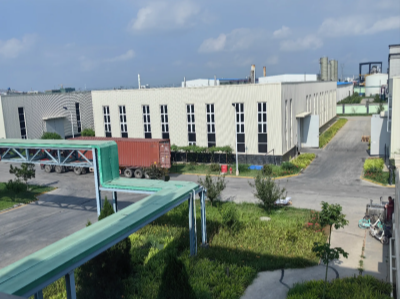
Our 140,000 m² facility in Hebei, China: Where precision meets scale.
💡 Success Stories
"Tangzhi’s HPMC reduced our cheese sauce separation by 60%. The ROI was immediate."
—R&D Director, German Dairy Co.

"Their delayed-hydration CMC solved our dry-mix clumping issue. No other supplier offered this."
—Operations Manager, US Beverage Brand

"The 3-month price lock saved us $120K in 2026. Tangzhi is now our sole cellulose supplier."
—Procurement Lead, Indonesian Snack Co.

🔄 From Prototype to Production in 60 Days
We’ve streamlined our process to eliminate guesswork. Here’s how it works:
📝 Application Consultation
Share your formulation challenges, target viscosity, and processing conditions. Our team recommends 2–3 candidate grades.
- Turnaround: 3–5 business days.
- Cost: Free (applied toward first order).
🔬 Lab Validation
We send 50g–1kg samples for bench-top testing in your lab (or ours, if needed). Key metrics:
- Viscosity stability (hot/cold)
- Syneresis resistance
- Shelf-life acceleration (accelerated aging tests)
🏭 Pilot Production
Once validated, we scale to 50–500kg for pilot runs. This step confirms:
- Consistency across batches
- Compatibility with your equipment
- Final cost projections
📦 Bulk Production & Delivery
Full-scale production (1–50 tons) with real-time QA checks. We ship via:
- Sea Freight: 14–21 days to US/EU ports
- Air Freight: 5–7 days for urgent orders
- Door-to-Door: Optional white-glove logistics
Our 4-Step Process: Designed for speed, precision, and minimal risk.
❓ Your Top Questions—Answered
Q: How does modified cellulose compare to xanthan gum in cost?
A: Modified cellulose (e.g., HPMC) is 20–30% cheaper than xanthan gum on a per-kg basis, and 40% more stable in high-heat processes.
Q: Can it be used in organic-certified products?
A: Yes. Our organic-grade CMC is certified by USDA Organic and EU Organic Regulation (EC 834/2007).
Q: What’s the minimum order quantity (MOQ)?
A: 100kg for lab samples, 500kg for pilot production, and 1 ton for bulk orders.
Q: How do you ensure batch-to-batch consistency?
A: Our automated reactors use real-time viscosity monitoring and AI-driven process controls. Batch variance is ≤2%.
Q: Do you offer private labeling?
A: Yes. We provide OEM/ODM services with custom packaging (e.g., your logo, formulation specs).
Q: What’s your lead time for urgent orders?
A: 7–10 days for air freight (500kg–1 ton). Sea freight is 14–21 days.
Q: Can you help with regulatory approvals for new markets?
A: Absolutely. We provide pre-formulated documentation (e.g., EU EFSA dossiers, US GRAS notices) to accelerate your submissions.
Ready to Transform Your Formulations?
Cut costs by 30%, extend shelf life, and meet clean-label demands with Tangzhi’s modified cellulose.
Limited-time offer: First-time buyers get 10% off on pilot orders (500kg+).