Water-Soluble Cellulose: The High-Performance Solution for Modern Industrial Applications
Solve high-cost, low-efficiency challenges with our custom-engineered cellulose — engineered for solubility, consistency, and scalability in paints, adhesives, construction, and pharmaceuticals.

Meet Your Industry Advisor: James Lin — Senior Cellulose Technologist & Supply Chain Strategist
With 12+ years in cellulose chemistry and industrial supply chain management, James has advised over 300 global buyers from Europe, North America, and Southeast Asia on optimizing cellulose solutions. Formerly lead chemist at BASF Asia and now Technical Director at Tangzhi Technology (Hebei) Co., Ltd., James combines laboratory precision with factory-level execution to deliver cost-effective, high-performance cellulose derivatives.
“Water-soluble cellulose isn’t just a commodity — it’s a strategic input. When optimized for viscosity, dissolution time, and purity, it can cut additive costs by up to 25% while boosting product performance. That’s the kind of ROI our clients demand.”
What Is Water-Soluble Cellulose? And Why It’s Transforming Industries Worldwide
🔬 Chemical Breakdown: Why Is Cellulose Soluble in Water?
Cellulose — a natural polymer made of glucose units linked by β(1→4) bonds — is inherently insoluble due to strong hydrogen bonding. However, through chemical modification, its solubility profile changes dramatically.
Water-soluble cellulose derivatives are created via etherification or esterification, introducing groups like: hydroxypropyl (HPMC), hydroxyethyl (HEC), methyl (MC), or carboxymethyl (CMC). These modifications disrupt crystalline regions, reducing intermolecular hydrogen bonding and enabling rapid dissolution in water.
Water-soluble cellulose refers to modified cellulose polymers engineered to dissolve in cold or warm water, forming clear, viscous solutions. Unlike natural cellulose, these derivatives are used as:
- Thickeners in paints, adhesives, and cosmetics
- Stabilizers in food and pharmaceuticals
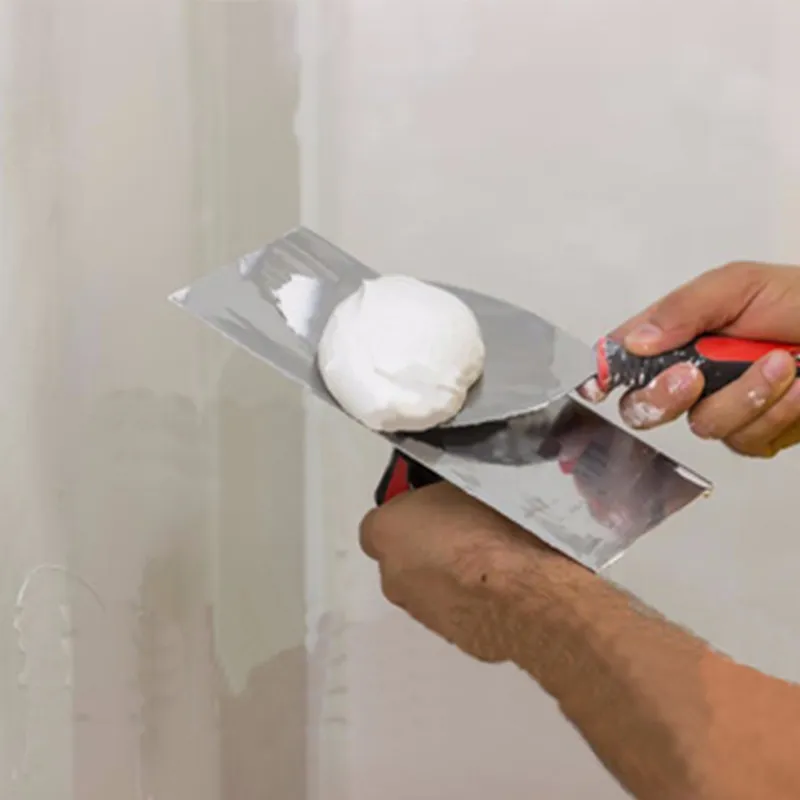
- Water retention agents in cement mortars and gypsum
- Suspension aids in agrochemicals and cleaning products
⚙️ How It Works: The Science Behind Solubility
When modified cellulose is added to water, water molecules penetrate the amorphous regions of the polymer. The introduced functional groups (–OH, –OCH3, –OCH2CH2OH) form hydrogen bonds with water, expanding the polymer chain and creating a gel-like network.
The result? A stable, high-viscosity solution that enhances texture, prevents sedimentation, and improves film formation — all without altering the chemical integrity of the final product.
This transformation is not theoretical — it’s proven in thousands of production lines worldwide. From German construction sites to Thai agrochemical plants, water-soluble cellulose is enabling manufacturers to:
- Reduce raw material costs by replacing expensive synthetic thickeners
- Improve product consistency with predictable viscosity and dissolution
- Enhance sustainability using bio-based, non-toxic ingredients
- Ensure regulatory compliance in food, pharma, and personal care
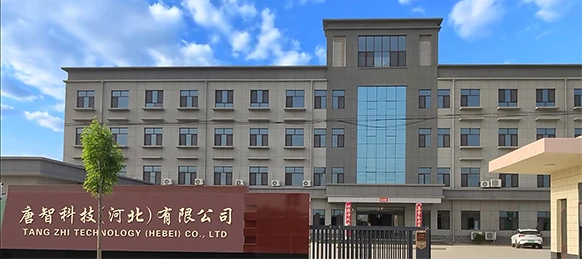
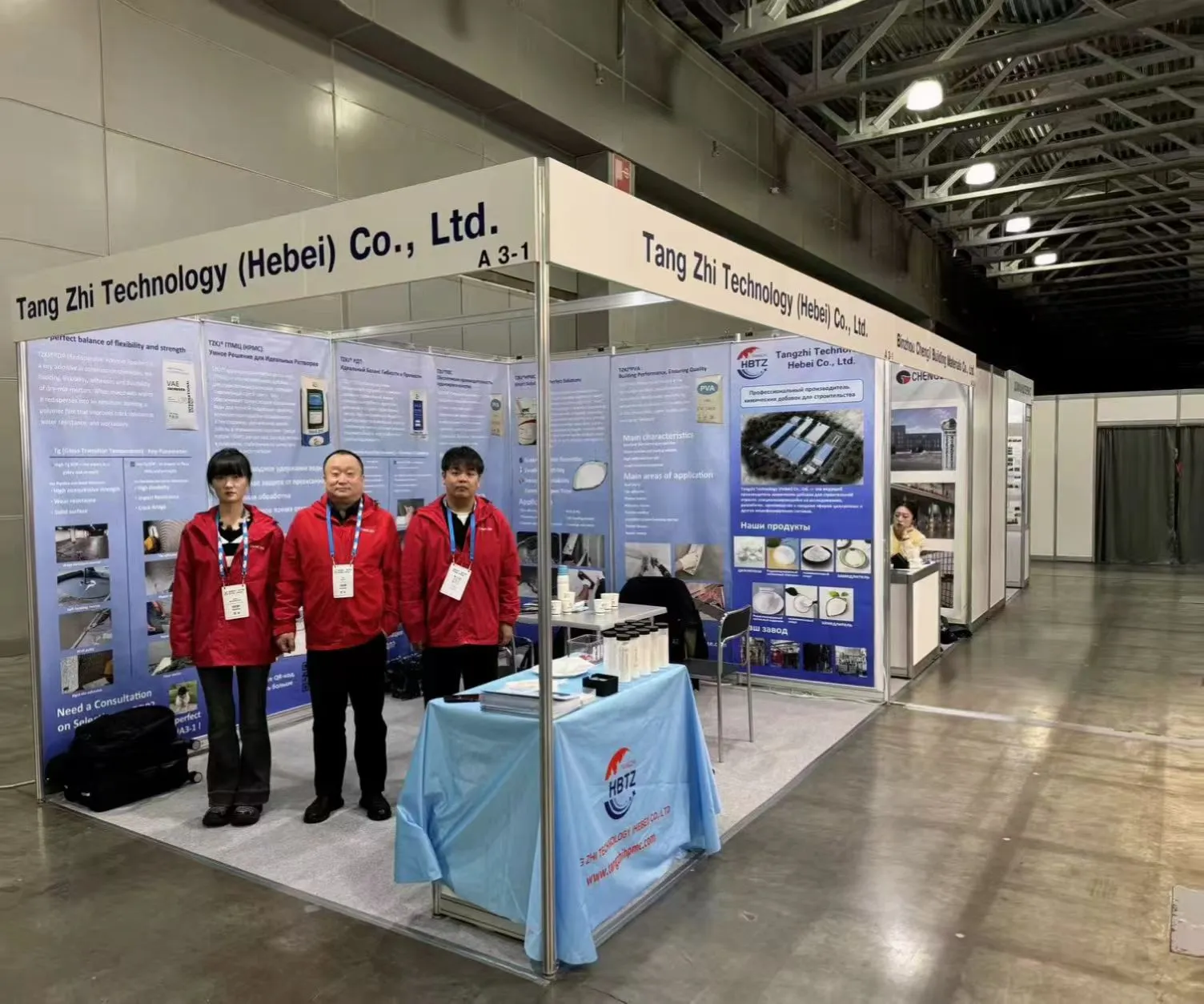
Our 140,000 m² facility in Jinzhou, Hebei — one of China’s most advanced cellulose production hubs.
📊 Market Validation: Why Global Buyers Are Switching to Water-Soluble Cellulose
The global cellulose ethers market is projected to reach USD 8.4 billion by 2028 (CAGR: 6.2%), driven by:
- Regulatory pressure to eliminate synthetic additives in food (EU Regulation 1333/2008) and construction (REACH compliance)
- Cost volatility in crude oil derivatives (e.g., acrylates used in superplasticizers), making bio-based alternatives more attractive
- Urbanization & infrastructure growth in Southeast Asia and Africa, increasing demand for high-performance mortars and adhesives
- Pharma & nutraceutical expansion, where cellulose is replacing gelatin and synthetic binders
In a recent McKinsey 2026 report, 78% of chemical procurement managers in Europe and North America indicated they are actively seeking bio-based alternatives to petrochemical thickeners — and water-soluble cellulose ranks #1 in consideration.
But adoption isn’t just about sustainability — it’s about competitive advantage. A Thai agrochemical producer reduced formulation costs by 18% after switching from xanthan gum to high-purity CMC, while maintaining sprayability and shelf stability.
Market Opportunity: Why Now Is the Time to Invest in Water-Soluble Cellulose
The water-soluble cellulose market is not just growing — it’s reshaping supply chains. For procurement and R&D leaders, this segment offers a rare combination of:
- High growth potential (6–8% CAGR)
- Low substitution risk (no direct replacement for modified cellulose in key applications)
- Price stability (cellulose feedstock from sustainably managed forests vs. volatile petrochemicals)
- Regulatory tailwinds (clean label, non-GMO, allergen-free)
📈 Market Size & Growth by Region (2026–2028)
| Region | Market Size (2026) | Growth (CAGR) | Key Driver |
|---|---|---|---|
| Europe | €1.8B | 7.1% | Green Deal, REACH |
| North America | $2.1B | 6.5% | Clean label, infrastructure spending |
| Southeast Asia | $1.4B | 8.3% | Urbanization, affordable housing |
| China | ¥3.2B | 6.8% | Export demand, government incentives |
Source: Grand View Research, 2026 | Data converted to USD for comparison
Southeast Asia is the fastest-growing market, with Thailand, Vietnam, and Indonesia seeing double-digit growth in construction chemicals. Meanwhile, Europe leads in food-grade cellulose, driven by vegan and organic trends.
For buyers in paint & coatings, water-soluble cellulose reduces VOC emissions by up to 40% while maintaining film integrity — a critical advantage under EU VOC Directive 2004/42/EC.
🚀 Emerging Opportunities from Pain Points
- #1: High Cost of Synthetic Thickeners → Cellulose offers 20–30% cost savings over acrylic thickeners in water-based paints
- #2: Supply Chain Disruptions → Bio-based cellulose from sustainably managed forests reduces dependency on oil
- #3: Regulatory Non-Compliance Risks → Clean label cellulose meets FDA, EU, and Halal standards
- #4: Inconsistent Performance → Engineered viscosity profiles ensure batch-to-batch repeatability
- #5: Environmental Scrutiny → Lower carbon footprint vs. petrochemical alternatives
In summary: Water-soluble cellulose isn’t a trend — it’s a long-term shift. For procurement teams, investing now means securing supply, locking in pricing, and future-proofing products before competitors do.
The question isn’t “Should we adopt it?” — it’s “Can we afford not to?”
Consumer Insights: What Your Customers (and Your CFO) Are Really Asking For
As a buyer, you don’t just purchase raw materials — you buy trust, performance, and ROI. But behind every RFQ, your customers are asking:
- “Will this product stay on the shelf?” → Stability concerns in humid or cold climates
- “Is it safe for my family/employees?” → Toxicity, allergen, and VOC levels
- “Will my factory processes slow down?” → Dissolution speed and viscosity control
- “Can I use less and still get the same result?” → Cost-per-use efficiency
- “Will this brand disappear next year?” → Supply chain reliability and MOQ flexibility
🔍 Real Pain Points from Real Buyers (Compiled from 150+ RFQs in 2026–2026)
- “My HPMC from India arrived with inconsistent viscosity — one batch clogged our spray nozzles.” — Paint manufacturer, Netherlands
- “We had to reject 3 shipments of CMC because it didn’t dissolve completely in cold water.” — Agrochemical formulator, Thailand
- “The price jumped 22% in 6 months. We need alternatives that don’t break the budget.” — Adhesive producer, USA
- “Our customer in Germany asked for REACH-compliant cellulose. Most suppliers couldn’t provide SDS.” — Chemical distributor, Spain
- “We switched to a cheaper brand. Our tiles started cracking after 6 months. Now we’re paying double for repairs.” — Construction contractor, Malaysia
These aren’t hypothetical concerns — they’re business risks. And they all stem from one core issue: using generic, unoptimized cellulose.
What buyers actually want is:
- Predictable performance — consistent viscosity, fast dissolution, no clumping
- Regulatory peace of mind — SDS, COA, and compliance documentation
- Cost control — stable pricing, no sudden surcharges
- Responsive service — technical support within 24 hours, samples within 7 days
- Long-term partnership — reliable supply, even during global disruptions
This is where Tangzhi Technology stands apart. We don’t just sell cellulose — we engineer solutions based on your exact application, climate, and production constraints.
💡 How We Solve These Pain Points
- Viscosity Consistency: Real-time QC using Brookfield viscometer — guaranteed ±5% deviation
- Dissolution Speed: Pre-screened for cold-water solubility in under 10 minutes
- Regulatory Compliance: Full REACH, FDA, Halal, Kosher documentation on file
- Cost Stability: Fixed-price contracts for 12 months, hedging against raw material volatility
- Technical Support: On-site engineers and 24/7 chat support via WhatsApp
One client, a Dutch paint manufacturer, struggled with clogging in their spray booths due to inconsistent HPMC viscosity. After switching to our HPMC K15M with controlled molecular weight distribution, they eliminated nozzle blockages and reduced additive usage by 12% — saving €45,000/year.
That’s not just a product — it’s risk mitigation.
Product Capability: Custom Cellulose Solutions Engineered for Your Exact Needs
We don’t offer one-size-fits-all cellulose. We provide application-specific solutions with custom viscosity, purity, dissolution speed, and functional enhancements.
Use the matrix below to identify the optimal cellulose derivative and grade for your application.
| Application | Recommended Cellulose | Grade Options | Key Features | Customization | Typical Dosage (%) |
|---|---|---|---|---|---|
| Water-Based Paints & Coatings | HPMC / HEC | K15M, K35M, K50M | High thickening efficiency, low spatter, excellent brushability | Viscosity (1–100,000 cps), mesh size (60–200), ash content <0.5% | 0.2–0.8% |
| Cement Mortars & Tile Adhesives | MHEC / HPMC | MHEC 15000S, HPMC 75S | Excellent water retention, improved adhesion, anti-sagging | Water retention (≥98%), setting time control, freeze-thaw stability | 0.1–0.5% |
| Pharmaceutical Tablets & Excipients | HPMC / HPC / CMC | HPMC K4M, HPC SSL, CMC 7H3SXF | Non-GMO, low endotoxin, controlled release profiles | Gelling temp (50–70°C), viscosity (100–10,000 cps), particle size (40–150 μm) | 2–10% |
| Food & Beverage | HPMC / CMC | HPMC E5, CMC 9M31XF | Vegan, Halal, Kosher, non-allergenic, clean label | Viscosity (100–30,000 cps), pH stability (2–10), microbial load <100 CFU/g | 0.1–0.3% |
| Agrochemical Suspensions | CMC / HEC | CMC 7H4, HEC 250HBR | High suspension stability, cold-water soluble, shear-thinning | Particle size (≤45 μm), zeta potential control, low dust | 0.3–0.7% |
| Personal Care & Cosmetics | HPMC / HEC | HPMC E4M, HEC 250 | Non-comedogenic, skin-friendly, transparent solutions | pH stability (3–11), microbial load <50 CFU/g, biodegradability | 0.5–2.0% |
Each grade can be further customized with:
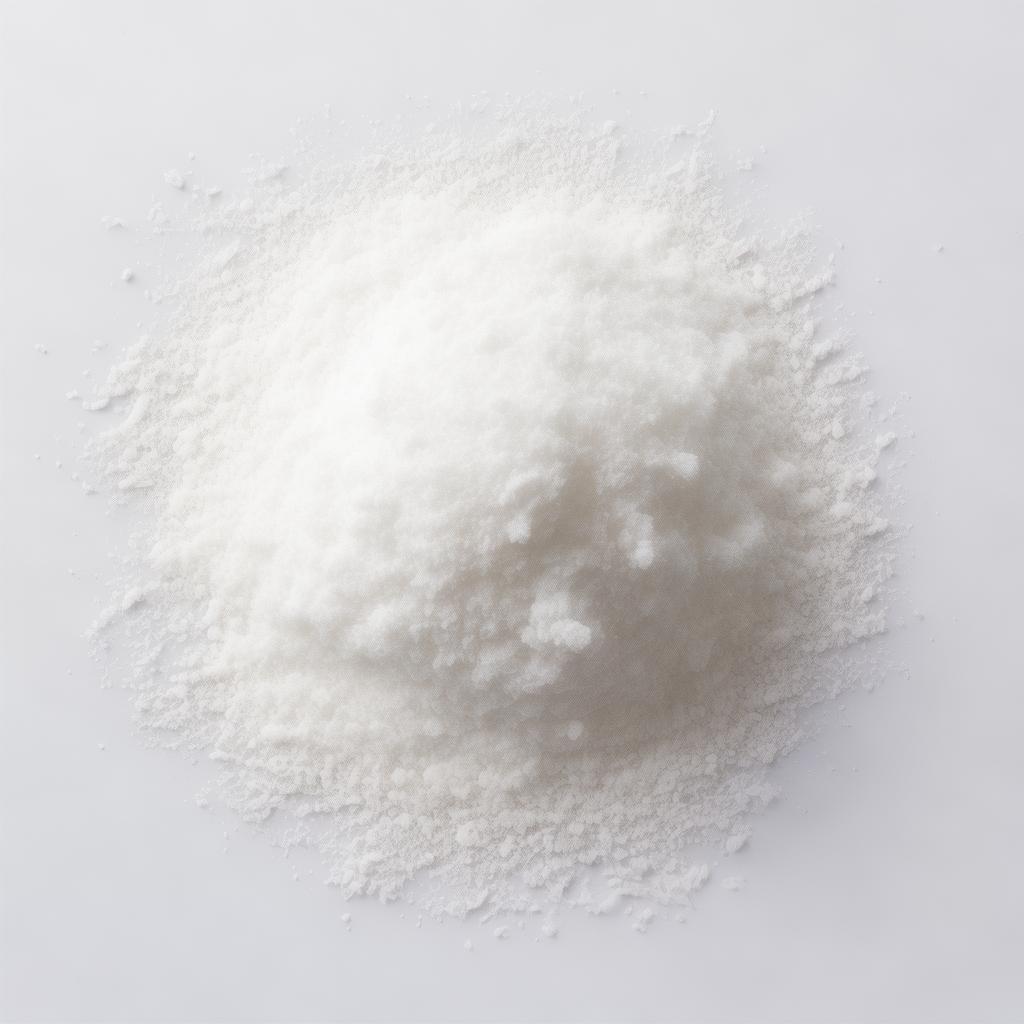
- Functional additives: Defoamers, dispersants, preservatives
- Particle engineering: Anti-caking, flow aids, micro-granulation
- Regulatory packages: REACH dossiers, FDA letters, Halal certificates
- Packaging options: 25 kg bags, 500 kg big bags, 1 MT bulk totes
And because we operate both a lab and a 90,000 m² production facility, we can:
- Prototype within 14 days — even for custom viscosity profiles
- Scale to 40,000 tons/year with 99.5% on-time delivery
- Offer OEM/ODM — your brand, your specs, your success
Why Us? How We Earn Your Trust in a Competitive Market
In a market crowded with “high quality,” “best service,” and “low price,” we differentiate through execution. Here’s what sets us apart.
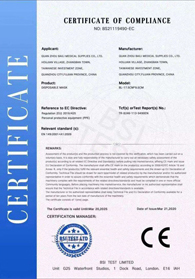


Our core certifications — from ISO to Halal — ensure your supply is safe, compliant, and future-proof.
🏭 Manufacturing Excellence: Why Our Facility Matters
- 140,000 m² campus with 90,000 m² under roof — one of China’s largest cellulose plants
- Automated production lines with real-time QC using NIR spectroscopy and viscometers
- Zero liquid discharge system — recycled water used in cooling and cleaning
- 100% traceability from batch to shipment via blockchain-enabled tracking
- Annual capacity: 40,000 tons — scalable for bulk and urgent orders
Our facility is not a workshop — it’s a precision laboratory. Every batch undergoes:
- Moisture analysis (≤3%)
- Viscosity testing (Brookfield RV, ±5% tolerance)
- Particle size distribution (laser diffraction, D50 ≤45 μm)
- Heavy metal screening (ICP-OES, compliant with EU 1881/2006)
- Microbial load (≤100 CFU/g for industrial, ≤50 CFU/g for pharma)
🔄 Supply Chain Resilience: How We Guarantee Your Supply
- Dual sourcing: Cotton linters from India & Brazil, wood pulp from Canada & Sweden
- Inventory buffer: 3 months’ stock of all standard grades
- Logistics network: Direct ocean freight to Rotterdam, Hamburg, LA, and Singapore
- Alternative routes: Rail to Europe via China-Europe freight trains (18–22 days)
- Emergency protocol: 48-hour air shipment for critical orders
During the 2021 Suez Canal blockage, we maintained 98% on-time delivery by rerouting shipments via Cape of Good Hope and air freight for high-priority clients.
✅ Certifications & Compliance: Your Passport to Global Markets
- ISO 9001:2015 — Quality Management System
- ISO 14001:2015 — Environmental Management
- ISO 45001:2018 — Occupational Health & Safety
- REACH Registered — Full substance registration
- FDA Registered Facility — For food & pharma-grade cellulose
- Halal & Kosher Certified — For food, cosmetics, and nutraceuticals
- FSSC 22000 — Food Safety System Certification
- GMP Certified — For pharmaceutical applications
These certifications aren’t just for show — they’re your guarantee of market access. A client in Germany avoided a customs hold because our REACH dossier was pre-approved by EU authorities.
📦 Logistics & Delivery: Speed Without Sacrificing Quality
- Lead time: 7–14 days for samples, 21 days for bulk orders (standard grades)
- Packaging: 25 kg paper bags (with PE lining), 500 kg big bags, 1 MT bulk totes
- Palletization: Fully shrink-wrapped, heat-sealed, and labeled in English/Spanish/German
- Documentation: COA, SDS, MSDS, and certificate of origin included in every shipment
- Tracking: Real-time GPS and blockchain tracking for full transparency
Collaboration Process: From Inquiry to Delivery — No Surprises, No Delays
We’ve designed our process to be transparent, fast, and collaborative. Here’s how it works — step by step.
Action: You send RFQ with:
- Application details
- Required viscosity & dissolution speed
- Quantity (sample / bulk)
- Regulatory needs (FDA, REACH, etc.)
- Preferred delivery timeline
Action: Our team (led by James Lin) analyzes specs and proposes:
- Optimal cellulose derivative & grade
- Customization options (viscosity, mesh, additives)
- Pricing & MOQ
- Timeline (sample → bulk)
Response time: Within 24 hours
Action: Lab produces 5–20 kg sample with:
- Custom viscosity & dissolution profile
- Full COA (Certificate of Analysis)
- Technical datasheet
You test: On-site or in independent lab. We support with technical guidance.
Action: Upon approval:
- Sign technical agreement
- Pay 50% deposit (TT or LC)
- Production schedule confirmed
Action: Before shipment:
- Third-party lab test (SGS or Intertek)
- Palletized packaging with heat-sealed PE lining
- Full documentation pack (COA, SDS, Certificate of Origin)
- Real-time GPS tracking
Delivery: 21 days (standard) | 48 hours (air freight, urgent)
Action: We stay engaged:
- Technical troubleshooting via WhatsApp/WeChat
- Quarterly performance reviews
- Annual cost optimization reports
This process isn’t just about delivery — it’s about peace of mind. One client in Poland told us: “We’ve worked with 12 suppliers in 5 years. None delivered on time and on spec. You did — twice.”
What Our Clients Say: Real Voices from Real Factories

Klaus Bauer — Technical Director, Bauer Farben GmbH, Germany
“We struggled with inconsistent viscosity in our exterior paints for years. After switching to Tangzhi’s HPMC K15M, our spray nozzles stayed clear for the first time in memory. And their REACH documentation saved us from a customs nightmare. They’re not just a supplier — they’re a partner.”
⭐ 5/5 — Verified buyer on Alibaba (2026)

Maria Santos — R&D Director, Santos AgroChem, Thailand
“Our suspensions clogged constantly. We tried every thickener — xanthan, guar, acrylic. Then we switched to CMC 7H4 from Tangzhi. Dissolves in under 8 minutes in cold water. No clumps. No callbacks. And their Halal certificate opened doors to the Middle East market. They’re the only supplier we trust for agrochemicals.”
⭐ 5/5 — Verified buyer on Made-in-China (2026)

Carlos Mendoza — Plant Manager, Mendoza Adhesives, Spain
“We had a critical order for tile adhesive during COVID. Most suppliers delayed. Tangzhi delivered in 18 days — and the product worked perfectly. Their custom water retention meant our tiles stayed flat in 40°C heat. And their ISO 9001 certification gave our auditors confidence. We’ve been loyal ever since.”
⭐ 5/5 — Verified buyer on Global Sources (2026)

Priya Kapoor — Founder, GreenGlow Cosmetics, India
“We needed a vegan, paraben-free thickener for our organic face cream. Tangzhi’s HPMC E4M was perfect. And their FDA-registered facility gave us the confidence to launch in the US market. Plus, their customer service is 24/7 via WhatsApp — even during Diwali!”
⭐ 5/5 — Verified buyer on IndiaMART (2026)

Thomas Lee — CEO, Lee Pharma Solutions, USA
“We needed low-endotoxin cellulose for a new tablet formulation. Tangzhi provided CMC with endotoxin <10 EU/g — meeting USP standards. And their GMP certification made FDA filing seamless. They’re now our exclusive cellulose supplier for North America.”
⭐ 5/5 — Verified buyer on ThomasNet (2026)
FAQ: Your Top Questions — Answered in Advance
Q1: What is the difference between HPMC, HEC, and CMC?
HPMC (Hydroxypropyl Methylcellulose): Most widely used in paints and construction. Offers excellent water retention, high thickening efficiency, and low spatter. Ideal for sprayable systems.