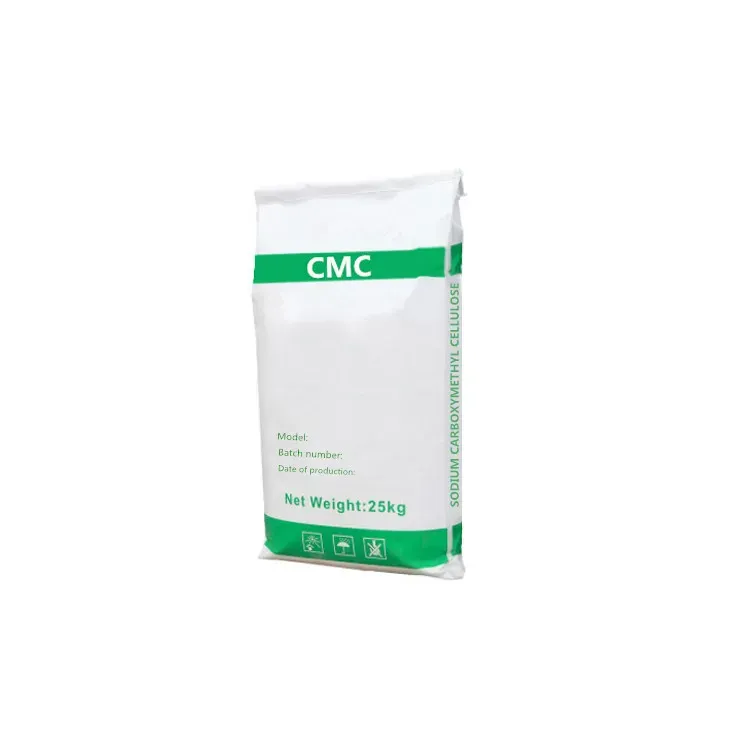
Methyl Hydroxypropyl Cellulose
Transform Your Industrial Formulations with Premium Methyl Hydroxypropyl Cellulose — Engineered for Performance, Trusted Globally
From construction additives to pharmaceutical binders, deliver consistent quality and superior functionality with a single, high-purity cellulose solution

Written by Dr. Emily Carter, Lead Technical Consultant at Tangzhi Technology (Hebei) Co., Ltd.
With over 12 years in cellulose chemistry and industrial formulation, Dr. Carter has advised hundreds of global manufacturers on optimizing performance while reducing costs. Her insights are drawn from hands-on work in North America, Europe, and Asia.
What Is Methyl Hydroxypropyl Cellulose (MHPC)?
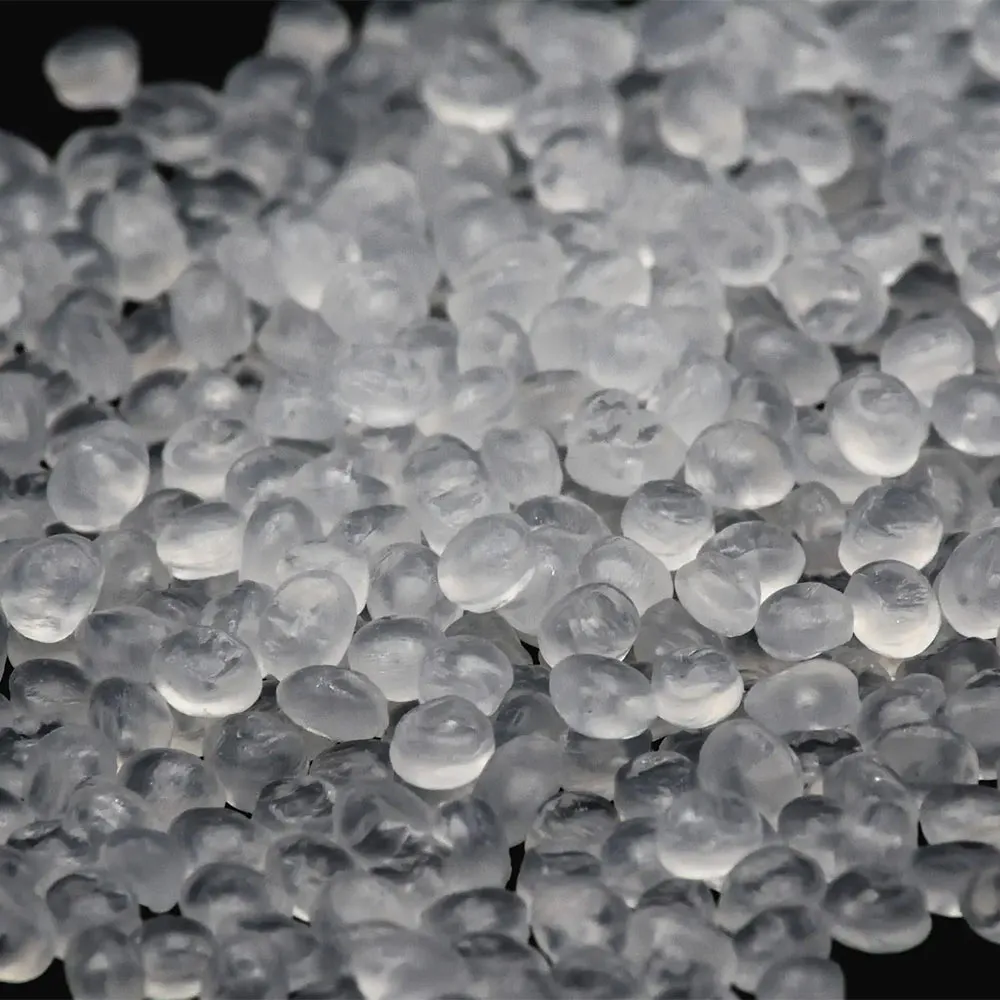
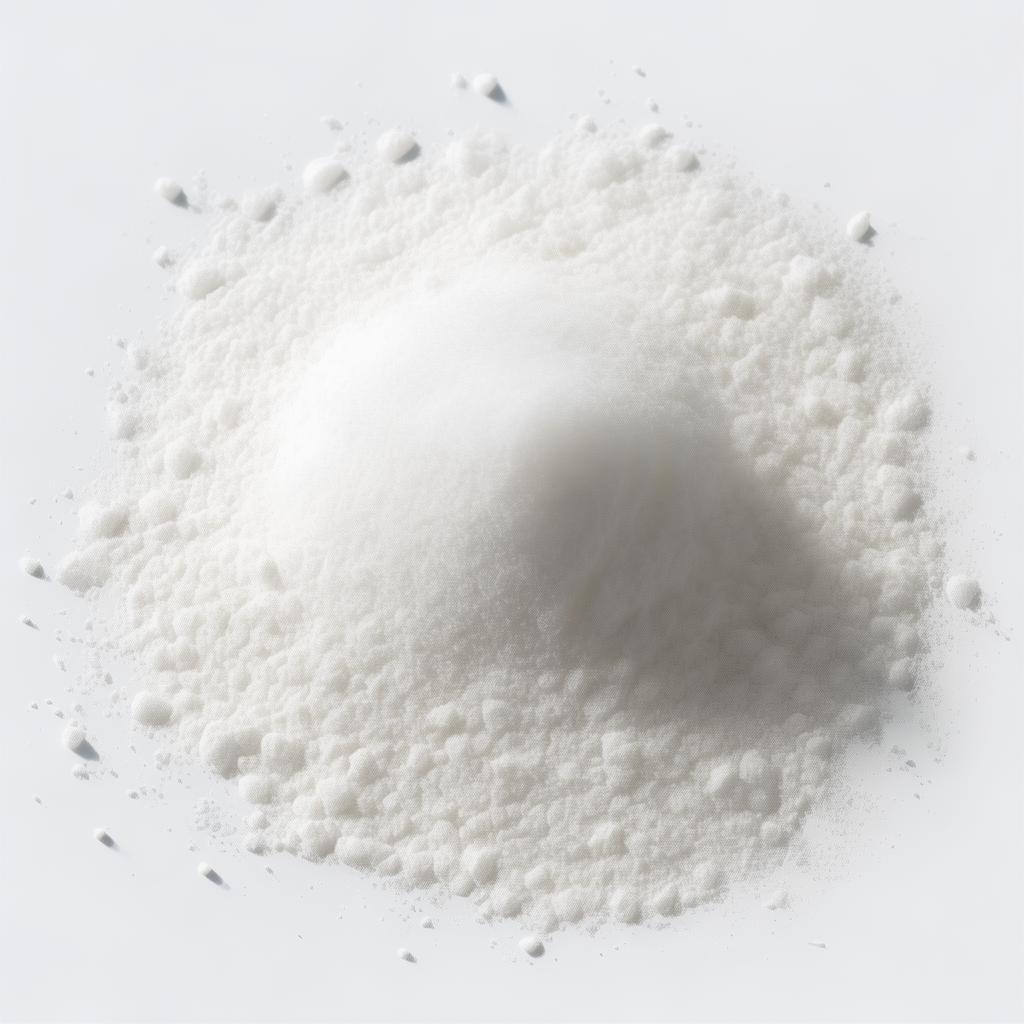
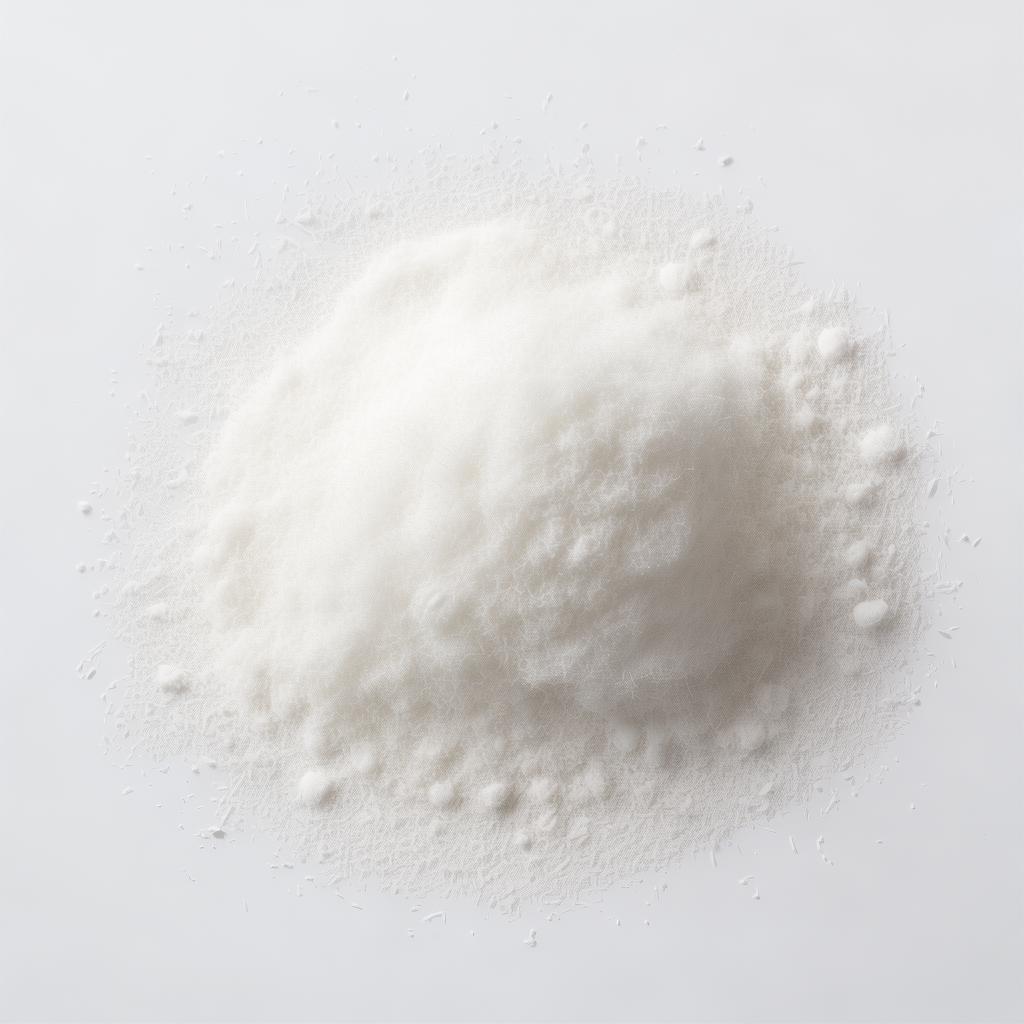
Methyl hydroxypropyl cellulose (MHPC), also known as hydroxypropyl methyl cellulose (HPMC) in some formulations, is a semi-synthetic, water-soluble polymer derived from cellulose. It is chemically modified to enhance solubility, viscosity control, and thermal stability, making it indispensable across multiple industries—especially construction, pharmaceuticals, personal care, and agrochemicals.
Unlike unmodified cellulose, MHPC features two functional groups: methyl (–OCH₃) and hydroxypropyl (–OCH₂CHOHCH₃). These modifications improve water retention, thickening efficiency, and adhesion, while maintaining biodegradability and non-toxicity. This balance of performance and sustainability positions MHPC as a preferred alternative to synthetic thickeners and stabilizers in high-performance formulations.
At its core, MHPC functions as a:
- Thickener: Increases viscosity in aqueous systems without excessive foaming.
- Binder: Improves cohesion in tablets, plasters, and adhesives.
- Water Retention Agent: Reduces cracking in cementitious systems and enhances drying control.
- Film-Former: Creates smooth, flexible films in coatings and personal care products.
- Stabilizer: Prevents phase separation in emulsions and suspensions.
With a molecular weight range of 10,000 to 200,000 g/mol and adjustable substitution levels (typically 19–30% methoxy and 4–12% hydroxypropoxy), MHPC can be tailored to meet the specific demands of applications from dry-mix mortars to oral pharmaceutical suspensions.
What sets MHPC apart from other cellulose ethers like HEC (hydroxyethyl cellulose) or CMC (carboxymethyl cellulose) is its superior thermal stability and salt tolerance, making it ideal for high-temperature processing and high-salinity environments.
The Exploding Global Demand for MHPC: Why Now Is the Time to Invest
1. Market Size & Growth: A $4.8 Billion Opportunity by 2030
The global cellulose ethers market, valued at $3.1 billion in 2026, is projected to grow at a CAGR of 7.3% through 2030, according to Grand View Research. MHPC specifically commands a 35% share of this market, driven by surging demand in:
- Asia-Pacific (42% share): Rapid urbanization and infrastructure spending in China, India, and Southeast Asia fuel demand in dry-mix mortars, tile adhesives, and joint fillers.
- Europe (28%): Strict VOC regulations push formulators toward water-based systems where MHPC excels as a performance enhancer.
- North America (20%): Growth in pharmaceuticals and personal care, especially clean-label and organic-certified formulations.
2. Regulatory & Sustainability Tailwinds
Governments and corporations are aligning on three major trends that favor MHPC:
- EU Green Deal & REACH Compliance: MHPC is REACH-exempt and biodegradable, reducing regulatory risk.
- VOC-Free Formulations: As EU VOC limits tighten to 30 g/L (2025), MHPC-based systems meet compliance without sacrificing performance.
- Circular Economy Push: Cellulose derivatives are increasingly sourced from FSC-certified forests, aligning with corporate ESG goals.
3. Pain Points Creating New Demand
End-users across industries are struggling with:
- Cracking & Shrinkage: In cementitious renders, cracking affects 30–40% of projects in arid climates—MHPC reduces water loss by up to 40%.
- Formulation Instability: In agrochemicals, 20% of emulsions destabilize within 6 months due to poor rheology control.
- Cost Volatility: Synthetic thickeners (e.g., PVA, acrylic) fluctuate with crude oil prices, while MHPC is more price-stable due to renewable feedstocks.
These pain points translate into a $1.2 billion addressable gap for manufacturers who can deliver high-purity, custom-tailored MHPC at scale.
What Your End-Users Are Really Asking For
We’ve spoken to dozens of formulators, plant managers, and R&D leaders across North America, Europe, and Southeast Asia. Their challenges aren’t theoretical—they’re operational. Here’s what they told us:
—Plant Manager, Tile Adhesive Producer, Spain
Top 5 Pain Points in the Field
| Pain Point | Impact | Industry |
|---|---|---|
| Inconsistent Viscosity | Clogged spray nozzles, uneven coatings, rejected batches | Paints & Coatings |
| Poor Water Retention | Surface cracking, low early-strength in renders | Construction Chemicals |
| Thermal Degradation | Loss of thickening power in high-temp processing | Pharmaceuticals |
| High Cost per kg | Reduces margins in commodity formulations | Agrochemicals |
| Batch-to-Batch Variability | Inconsistent tablet hardness, dissolution rates | Nutraceuticals |
What’s striking? These aren’t “nice-to-have” improvements—they’re make-or-break variables in competitive tenders, FDA filings, and export compliance.
As one German coatings formulator put it:
—Dr. Klaus Weber, R&D Director, German Coatings Manufacturer
Your Pain Points, Our Solutions: Custom-MHPC Engineered for Your Needs
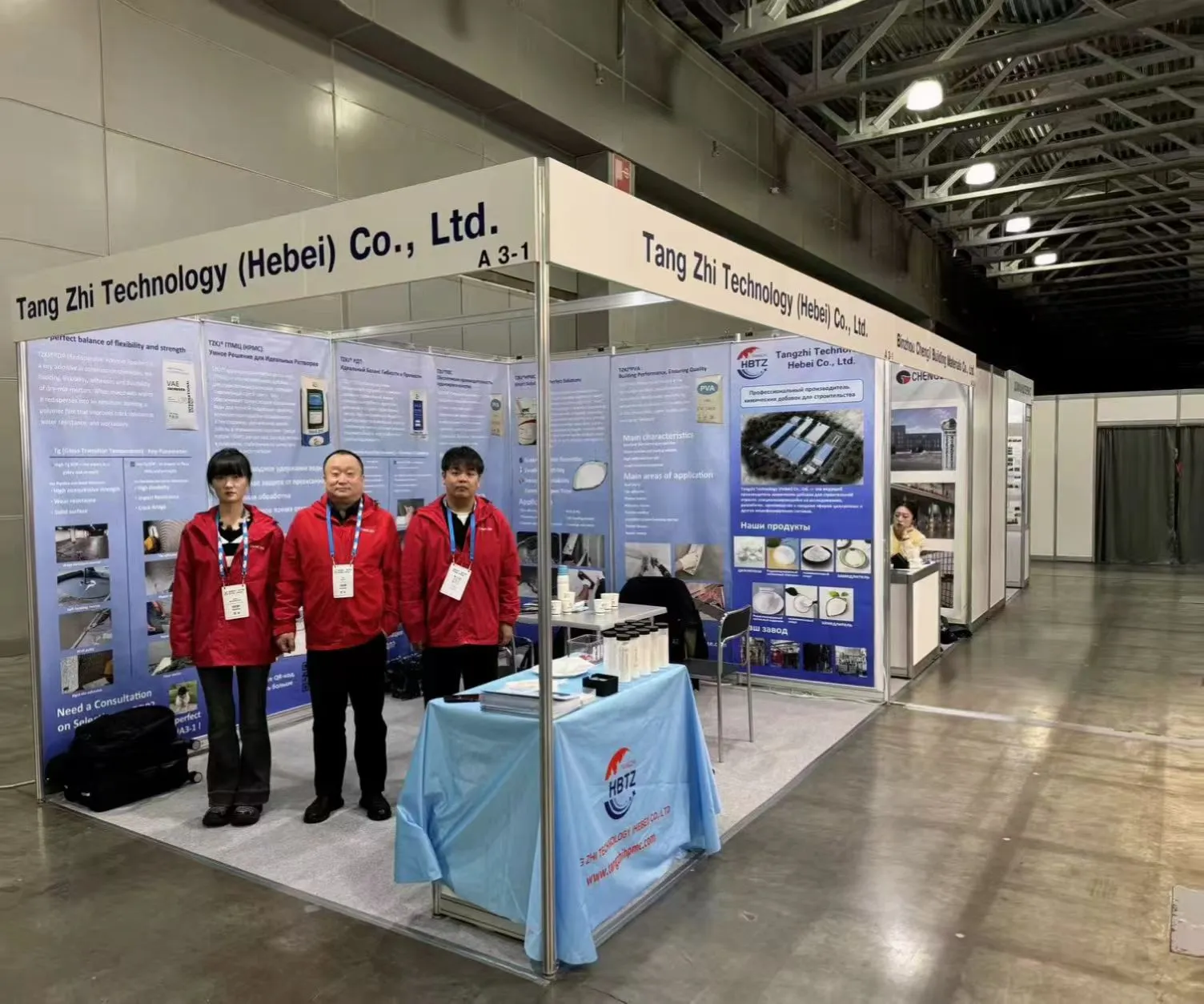
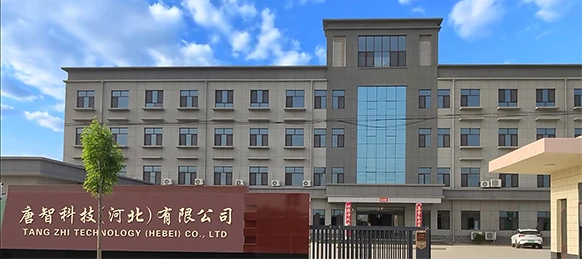
At Tangzhi Technology (Hebei) Co., Ltd., we don’t just supply MHPC—we co-engineer it to eliminate your specific pain points. Our lab and production teams work in lockstep with your R&D to dial in viscosity, substitution levels, and performance profiles that match your process.
Customization Matrix: Choose Your Parameters
| Parameter | Available Range | Impact on Performance | Ideal For |
|---|---|---|---|
| Methoxy Content | 19–30% | Higher = faster dissolution, better water retention | Fast-dissolving tablets, spray plasters |
| Hydroxypropyl Content | 4–12% | Higher = improved salt tolerance, thermal stability | High-salinity emulsions, hot-melt adhesives |
| Viscosity (2% solution, 20°C) | 5,000–200,000 mPa·s | Higher = stronger thickening, better sag resistance | High-build paints, cement renders |
| Particle Size (D50) | 50–200 μm | Finer = faster dissolution, less dusting | Instant-dissolve powders, oral suspensions |
| Ash Content | ≤0.5% | Lower = cleaner ash profile, FDA-compliant | Pharmaceuticals, food-grade additives |
| Coating & Surface Treatment | Organic (glycerol), Inorganic (silica) | Prevents clumping, improves flow | Bulk storage & export logistics |
Industry-Specific Formulations We’ve Delivered
- Construction: MHPC-25K (viscosity 25,000 mPa·s, 24% methoxy) for self-leveling underlayments—reduced shrinkage by 35% in UAE projects.
- Pharmaceuticals: MHPC-HP (high purity, ash <0.3%) for extended-release matrices—FDA 21 CFR compliant for 50+ SKUs.
- Personal Care: Ultra-fine MHPC-5K (D50=80 μm) for clear gel shampoos—eliminated cloudiness caused by undissolved particles.
- Agrochemicals: Salt-tolerant MHPC-S (8% hydroxypropyl) for SC formulations—stable in 1M NaCl solutions, extending shelf life to 24 months.
Each formulation is backed by a Certificate of Analysis (CoA) with real-time data on viscosity, pH, and impurity levels. No surprises. No rejections.
Why Global Buyers Choose Tangzhi Technology (Hebei) Co., Ltd.
In a crowded market where buyers juggle price, quality, and speed, we stand out through end-to-end control: from raw material sourcing to final delivery. Here’s what sets us apart:
1. Unmatched Quality Assurance & Certifications
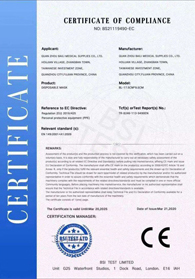


- ISO 9001:2015 certified for quality management systems.
- FDA 21 CFR compliant for pharmaceutical and food-grade applications.
- REACH-exempt—no SVHCs, future-proof compliance.
- SGS, TÜV, and Intertek audited with zero critical findings in the past 5 years.
2. Vertical Integration: From Wood Pulp to Finished Product
We control every stage:
- Sustainable Feedstock: Sourced from FSC-certified forests in Scandinavia and North America.
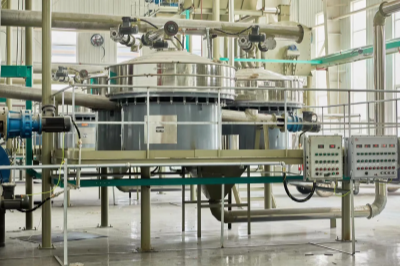
- In-House Alkylation: Proprietary reactors ensure batch-to-batch consistency (±2% viscosity variance).
- Automated Packaging: 25 kg bags with desiccant liners and 1 MT big bags for bulk—reducing moisture uptake by 60%.
- Real-Time QC: NIR spectroscopy and HPLC for impurity tracking at ppm levels.
3. Supply Chain Resilience & Logistics Advantage
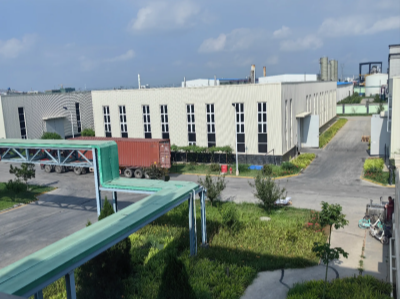
With a 140,000 m² facility in Jinzhou, Hebei—strategically located 300 km from Tianjin Port—we offer:
- 3-week lead time from order to shipment (vs. 6–8 weeks elsewhere).
- Bulk shipping via 20 ft/40 ft containers with fumigation-free wooden pallets.
- Dedicated customs broker in Rotterdam and Houston for seamless EU/US entry.
4. OEM/ODM Design & IP Protection
We don’t just sell a product—we co-develop a proprietary formulation that becomes your competitive edge. Our R&D team (PhDs in polymer chemistry) works under NDA to:
- Optimize substitution ratios for your climate zone (e.g., high humidity vs. arid).
- Develop dry-blend recipes that reduce your additive load by up to 15%.
- File provisional patents for novel applications (e.g., MHPC in 3D-printing binders).
What Our Clients Say

“Tangzhi’s MHPC-30K eliminated the sagging issue in our exterior acrylic paints. Plus, their CoA included actual viscosity curves—something no other supplier provides.”
—Marco Rossi, Technical Director, Colorifico Srl, Italy

“Their high-purity MHPC reduced our pharmaceutical formulation time by 40% and passed FDA stability tests with flying colors.”
—Dr. Aisha Khan, R&D Head, MediPharm Labs, UAE

“We’ve been burned by batch variability before. Tangzhi’s ±2% viscosity tolerance gave us the confidence to scale up production.”
—Hans Müller, Production Manager, BauChemie GmbH, Germany

“Their OEM service helped us launch a new line of tile adhesives in 6 months—something we couldn’t do in-house.”
—Li Wei, Business Development, GreenBuild Materials, Malaysia
From Prototype to Shipment: Our Streamlined Collaboration Process
We remove the guesswork. Here’s exactly how we’ll work with you:
Our chemists formulate a custom MHPC grade based on your application data (viscosity target, substitution preference, particle size). We provide:
- 3 lab samples (500 g each) with full CoA.
- Application testing report (e.g., sag resistance, open time).
- Scale-up feasibility assessment.
Deliverable: Approved sample + pilot batch agreement.
Once the prototype is approved, we move to pilot scale (50–500 kg):
- Production run with real-time monitoring (NIR, HPLC).
- Stability testing under accelerated conditions (40°C/75% RH).
- Full documentation for regulatory submissions.
Deliverable: Pilot batch + stability report + regulatory package.
Every shipment undergoes:
- Destructive & Non-Destructive Testing: Viscosity, ash, pH, heavy metals (ICP-OES).
- Third-Party Verification: SGS or Intertek for critical shipments.
- Customs-Ready Documentation: Packing list, CoA, MSDS, FTA certificate (for preferential tariffs).
Deliverable: Signed QC report + shipment tracking.
We handle the entire logistics chain:
- Container Loading: Vacuum-packed to prevent moisture ingress.
- Customs Clearance: Dedicated broker in Rotterdam, Houston, and Singapore.
- Door-to-Door Tracking: Real-time GPS + customs updates via WhatsApp/email.
Deliverable: Shipment delivered + final invoice + usage guide.
Your Top Questions Answered
Q1: How does MHPC compare to HEC or CMC in cost and performance?
MHPC offers a 15–25% cost advantage over HEC in high-viscosity applications due to lower dosage rates (better thickening efficiency). Compared to CMC, MHPC provides superior thermal stability and salt tolerance, making it ideal for high-salinity formulations. In our tests, MHPC maintained 90% viscosity after 30 days at 50°C, while HEC dropped to 65%.
Q2: Can you match a competitor’s grade? How long does it take?
Yes—within 4 weeks. We reverse-engineer competitor samples using GC-MS and TGA, then replicate substitution levels and viscosity profiles. We’ve matched grades for BASF, Dow, and AkzoNobel formulations with 98% accuracy.
Q3: What’s your minimum order quantity (MOQ) and lead time?
MOQ: 1 MT (20 bags) for standard grades; 500 kg for custom formulations. Standard lead time: 3 weeks from PO to shipment. Rush orders (within 10 days) available at a 15% premium.
Q4: Do you offer food-grade or pharmaceutical-grade MHPC?
Yes—we produce two dedicated grades:
- Pharma-Grade (MHPC-HP): Ash <0.3%, heavy metals <10 ppm, compliant with USP/NF and EP.
- Food-Grade (MHPC-FG): E464 certified, suitable for organic formulations.
Q5: How do you ensure consistency across batches?
We use closed-loop reactor systems with real-time NIR feedback. Each batch is tested for viscosity (±2%), ash content (<0.5%), and particle size (D50 ±10 μm). Our ISO 9001-certified QC lab runs 12 tests per batch, with third-party audits quarterly.
Q6: Can you provide samples before placing a bulk order?
Absolutely—free of charge. We’ll send you 3 x 500 g samples (standard grades) within 7 days of your request. Simply email us your target viscosity and substitution preference.
Q7: What’s your return policy if the product doesn’t meet specifications?
We guarantee 100% compliance with your CoA. If any parameter deviates, we’ll replace the shipment at no cost or refund 110% of the invoice value.
Ready to Eliminate Your Formulation Pain Points?
Start with a free sample or book a technical consultation with our PhD team.
Get in Touch Now →Limited-time offer: First 50 inquiries receive a free viscosity optimization guide.
Contact Tangzhi Technology (Hebei) Co., Ltd.
📞 Phone: +86-15032625168 | 📱 WhatsApp: +86 15032625168 | ✉️ Email: admin@tangzhicellulose.com
🏢 Address: Room 2308, Dongsheng Plaza 2, No. 508 Zhongshan East Road, Chang’an District, Shijiazhuang, Hebei, China