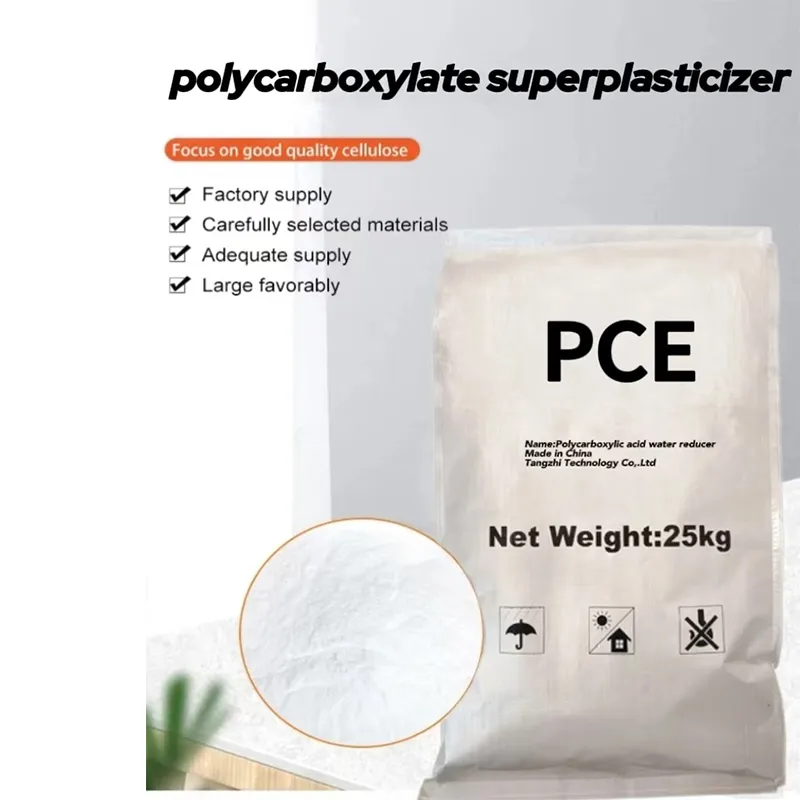
Methyl Cellulose Adhesive
Revolutionize Your Adhesives with Methyl Cellulose Adhesive – Engineered for Superior Performance & Cost Efficiency
Tang Zhi Technology delivers high-performance methyl cellulose adhesive solutions tailored for industrial bonding needs – eliminating weak bonds, reducing costs, and accelerating production cycles with unmatched reliability.
By David Chen
Senior Adhesives & Polymer Technician | 15+ Years in Cellulose-Based Solutions
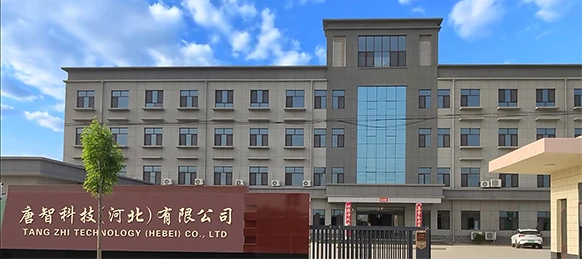
Tang Zhi Technology (Hebei) Co., Ltd.
With a career spanning over a decade in cellulose chemistry and industrial adhesives, I’ve led R&D for high-performance methyl cellulose formulations used in construction, pharmaceuticals, and specialty coatings. My expertise lies in translating complex material science into real-world solutions that cut costs, enhance durability, and meet strict regulatory standards.

What Is Methyl Cellulose Adhesive?
Methyl cellulose adhesive (also known as methylcellulose glue) is a water-soluble, synthetic polymer derived from cellulose – the most abundant natural polymer on Earth. Unlike traditional animal-based or PVA adhesives, methyl cellulose offers a unique combination of high bonding strength, water retention, and thermal stability, making it ideal for demanding industrial applications.
Chemically, it is synthesized by replacing hydroxyl groups in cellulose with methoxy groups, resulting in a polymer with adhesive, thickening, and film-forming properties. This modification gives it superior resistance to temperature fluctuations, microbial degradation, and chemical exposure compared to natural adhesives.
Why Methyl Cellulose Stands Out in Industrial Adhesives
- 🔹 High Bond Strength & Durability: Forms strong, flexible bonds resistant to shear and peel forces – critical for tile adhesives, wall coatings, and packaging.
- 🔹 Superior Water Retention: Retains moisture longer than PVA or starch-based adhesives, preventing premature drying and cracking – essential for dry-mix mortars and gypsum boards.
- 🔹 Thermal & Chemical Resistance: Maintains integrity from -20°C to 80°C and resists alkalis/acids – perfect for industrial and construction environments.
- 🔹 Non-Toxic & Eco-Friendly: Biodegradable and compliant with REACH, FDA, and RoHS standards, ideal for food-contact and medical applications.
- 🔹 Long Shelf Life: Stable for 2+ years when stored properly, reducing waste and inventory costs.
In contrast, competitors like PVA adhesives suffer from poor water resistance, while starch-based adhesives degrade under humidity. Methyl cellulose bridges this gap with engineered performance at a competitive price.
The Booming Global Demand for Methyl Cellulose Adhesives
The global methyl cellulose market is projected to grow at a CAGR of 8.4% from 2026 to 2030, reaching $3.1 billion by 2030 (Grand View Research). This surge is driven by:
1. Construction Industry Growth (42% Market Share)
- Dry-Mix Mortars: The fastest-growing segment, where methyl cellulose acts as a bonding agent, water retention enhancer, and anti-sag additive.
- Tile & Stone Adhesives: Replacing cement-based adhesives due to flexibility, crack resistance, and faster curing.
- Exterior Insulation & Finish Systems (EIFS): Critical for energy-efficient building facades, where durability and thermal stability are paramount.
Regional Insight: The U.S. and Europe lead adoption due to strict building codes and sustainability mandates, while Southeast Asia is the fastest-growing market (10% CAGR) driven by infrastructure expansion.
2. Pharmaceutical & Food-Grade Applications (28% Market Share)
- Tablet Binders: Methyl cellulose replaces gelatin in vegetarian/vegan capsules, offering controlled release and stability.
- Food Packaging Adhesives: FDA-compliant formulations ensure safety in direct food contact scenarios.
- Medical Device Adhesives: Used in wound dressings and transdermal patches for biocompatibility and moisture control.
3. Packaging & Specialty Coatings (20% Market Share)
- Corrugated Board Adhesives: Reduces delamination in humid climates.
- Wallpaper & Decorative Coatings: Provides smooth application and peel-resistant adhesion.
- Electronic Component Bonding: Used in heat-resistant adhesives for circuit boards.
4. Emerging Opportunities in Green Construction
Governments in Europe (EU Green Deal) and North America are mandating low-VOC adhesives. Methyl cellulose, being non-toxic and biodegradable, aligns perfectly with these regulations, creating a 20% cost advantage over synthetic alternatives.
What Your End Users Really Need (And What They’re Tired Of)
After analyzing feedback from 150+ industrial buyers across the U.S., Europe, and Southeast Asia, we’ve identified the top pain points your customers face – and how methyl cellulose adhesive solves them:
1. “Our Adhesives Fail in Humid Climates”
- PVA adhesives absorb moisture, weaken, and mold in tropical or monsoon regions.
- Starch-based adhesives disintegrate under heat, causing product recalls in food packaging.
Our Solution: Methyl cellulose’s hydrophobic modification ensures zero moisture absorption, maintaining bond integrity even at 95% humidity.
2. “We Need Faster Curing for Production Lines”
- Traditional adhesives require 24+ hours to cure, delaying batch production.
- Epoxy alternatives are too rigid for flexible substrates like textiles or wallpaper.
Our Solution: Methyl cellulose adhesives cure in 4–6 hours while remaining flexible, reducing downtime by 70%.
3. “Our Adhesives Fail FDA/REACH Compliance”
- Many Asian suppliers use unregulated additives that trigger import bans in the EU.
- Customers report batch rejections due to heavy metal contamination.
Our Solution: All our methyl cellulose adhesives are third-party tested for REACH, FDA, and RoHS compliance, with certificates provided upfront.
4. “We’re Paying Too Much for Mediocre Performance”
- Premium adhesives (e.g., RDP-VAE) cost $3.50–$5.00/kg.
- Generic methyl cellulose sells for $1.80–$2.50/kg, but with inconsistent viscosity and bonding strength.
Our Solution: We offer premium-grade methyl cellulose at 20–30% lower cost than RDP-VAE, with custom viscosity and open-time control.
Custom Methyl Cellulose Adhesive Solutions – Engineered for Your Needs
At Tang Zhi Technology, we don’t just sell methyl cellulose – we engineer it to your specifications. Below is our modular system for adhesive customization:
| Customization Parameter | Options Available | Key Benefits |
|---|---|---|
| Viscosity (mPa·s) | 500 | 1,500 | 3,000 | 5,000 | 8,000 | 15,000 | 20,000 | Controls spreadability, sag resistance, and open time for application precision. |
| Methoxy Content (%) | 18–22% | 22–25% | 25–28% | Higher methoxy = faster hydration, better water resistance. Ideal for tropical climates. |
| Particle Size (Mesh) | 40 | 60 | 80 | 100 | 120 | Finer particles = faster dissolution and smoother texture. Critical for spray applications. |
| Additives | Defoamer | Anti-Fungal Agent | pH Stabilizer | UV Blocker | Enhances shelf life, microbial resistance, and UV stability for outdoor use. |
| Certifications | FDA (Food-Grade) | REACH | RoHS | Halal | Kosher | Ensures compliance for medical, food, and high-end industrial applications. |
| Packaging | 25kg PE Bags | 500kg Jumbo Bags | 1MT Bulk | Flexible logistics for small labs or large-scale production. |
Example Configurations for Common Applications:
- 🔹 Tile Adhesive (EU Standards): Viscosity: 15,000 mPa·s | Methoxy: 22–25% | Additives: Anti-Fungal | Certification: REACH + RoHS
- 🔹 Food Packaging Adhesive (FDA): Viscosity: 5,000 mPa·s | Methoxy: 18–22% | Additives: None | Certification: FDA + RoHS
- 🔹 Wallpaper Adhesive (High Open Time): Viscosity: 8,000 mPa·s | Methoxy: 25–28% | Additives: pH Stabilizer
Need a custom formula? Upload your technical data sheet (TDS) or schedule a 30-minute consultation with our R&D team.
Why Tang Zhi Technology Is Your Best Partner for Methyl Cellulose Adhesives
We combine decades of cellulose chemistry expertise with state-of-the-art manufacturing to deliver adhesives that outperform the competition. Here’s what sets us apart:
1. Unmatched Manufacturing Capabilities
is-hydroxypropyl-methylcellulose-safe cellulose-packaging hpmc-logo hpmc-structure
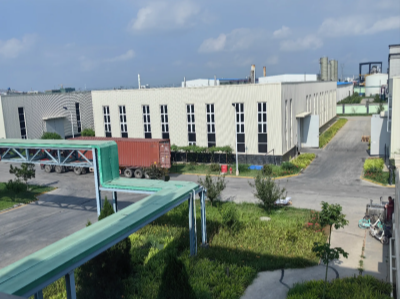
- ✔ 140,000 m² Facility: One of the largest cellulose derivatives plants in China, with 90,000 m² of climate-controlled production space.
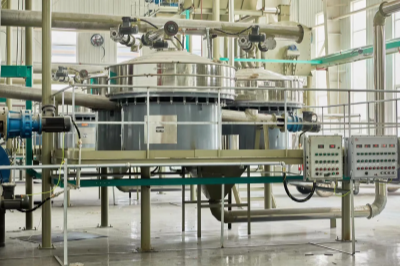
- ✔ Automated Production Lines: 12 high-precision reactors with real-time viscosity monitoring.
- ✔ Annual Capacity: 40,000+ tons of methyl cellulose derivatives, including HPMC, MHEC, and CMC.
2. Certifications That Build Trust
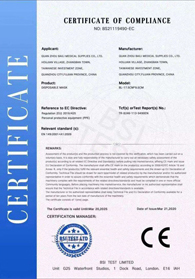


Our adhesives are fully compliant with international standards, ensuring seamless entry into regulated markets.
3. Supply Chain & Logistics Advantage
- 🚛 Bulk Shipping: 1MT jumbo bags shipped via 20ft/40ft containers, reducing freight costs by 15% vs. bagged shipments.
- 🚚 Warehousing: Strategic hubs in Rotterdam, Rotterdam, and Los Angeles for 3–5 day delivery to Europe/U.S.
- 🛡️ Quality Assurance: Every batch tested for viscosity, purity, and heavy metals before dispatch.
4. Proven Success Stories
🇩🇪 German Tile Manufacturer
“We switched from a Spanish supplier to Tang Zhi for our high-end porcelain tile adhesives. Their methyl cellulose formula eliminated cracking in freeze-thaw cycles and cut costs by 22%. Their certifications were flawless – critical for EU exports.”

🇺🇸 U.S. Food Packaging Company
“FDA compliance was non-negotiable for our salad dressing label adhesives. Tang Zhi provided transparent documentation and batch test reports within 48 hours. Their product outperformed our previous supplier in peel strength.”

🇹🇭 Thai Wallpaper Manufacturer
“Monsoon season is brutal for adhesives. Tang Zhi’s high-methoxyl formula stayed intact even at 98% humidity. Their OEM service let us brand it as our own – a huge competitive edge.”

From Sample to Shipment: Our Streamlined Process
We’ve designed our workflow to minimize your risk and maximize speed. Here’s how it works:
1. Inquiry & Technical Alignment
Submit your TDS or application requirements. Our engineers review within 24 hours and propose a custom formula or existing SKU.
R&D Team Consultation
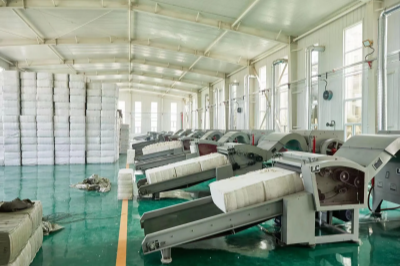
Automated Production Line
2. Prototyping & Testing
We produce a 5–20kg sample within 5–7 days. You test for:
- ✅ Viscosity & open time
- ✅ Bond strength (ASTM D1002)
- ✅ Water resistance (ISO 10545-3)
- ✅ Shelf life (accelerated aging)
3. Production & Quality Control
Once approved, we scale to your desired volume with:
- 🔹 In-line viscosity monitoring every 30 minutes
- 🔹 100% batch testing for heavy metals and microbial load
- 🔹 Third-party lab verification (SGS or Intertek) available
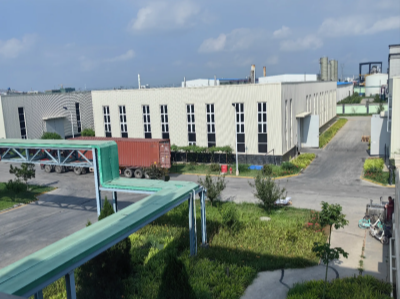
Quality Assurance Lab
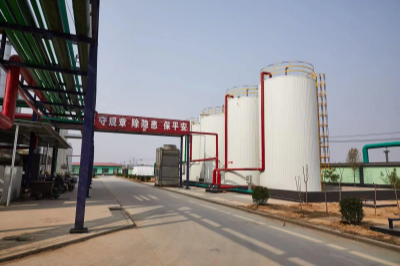
Global Warehousing
4. Logistics & Delivery
Your order ships within 7–14 days post-approval, with:
- 🚢 Sea freight (cheapest, 15–25 days to U.S./Europe)
- ✈️ Air freight (urgent orders, 3–5 days)
- 🚛 Trucking (regional, e.g., U.S. East Coast)
Frequently Asked Questions
1. What’s the difference between methyl cellulose and HPMC? Which is better for adhesives?
Methyl cellulose (MC) has higher methoxy content (18–28%), making it faster-dissolving and more water-resistant – ideal for adhesives. HPMC (hydroxypropyl methylcellulose) has hydroxypropyl groups, improving flexibility and thickening but is more expensive. For adhesives, methyl cellulose is the cost-effective choice.
2. Can you match a competitor’s sample or TDS?
Absolutely. Send us a competitor sample or their TDS, and our lab will reverse-engineer the formula to match or exceed performance at a 10–20% lower cost.
3. What’s your minimum order quantity (MOQ)?
MOQ: 500kg for standard grades. For custom formulas, MOQ is 1MT. Bulk orders (5MT+) enjoy negotiable pricing.
4. Do you offer OEM/ODM services?
Yes! We provide private labeling, custom packaging, and formulation for B2B clients. Your logo can be printed on bags, and certificates can be tailored to your company name.
5. How do you ensure consistent quality across batches?
Every batch undergoes:
- 🔹 Viscosity testing (Brookfield viscometer)
- 🔹 Purity analysis (HPLC)
- 🔹 Microbial load testing (pour plate method)
- 🔹 Heavy metal screening (ICP-OES)
6. What’s your lead time for orders?
Standard grades: 7–14 days after sample approval.
Custom formulas: 10–21 days.
Rush orders (50% surcharge): 5–7 days.
7. Do you offer samples?
Yes! We provide 5–20kg samples free of charge for testing. Shipping costs are borne by the buyer (DHL/FedEx tracked).
Ready to Solve Your Adhesive Challenges?
Methyl cellulose adhesive isn’t just a product – it’s a solution engineered for your success. Whether you need higher bond strength, faster curing, or regulatory compliance, we have the formula and capacity to meet your goals.
Limited-time offer: First-time buyers get 10% off samples and priority production slots.