Cellulose Gum
Transform Your Formulations with Premium Cellulose Gum — Engineered for Performance, Consistency & Cost-Effective Scaling
Trusted by global manufacturers for over a decade — delivering high-purity cellulose gum that enhances viscosity, stability, and end-product quality across adhesives, food, pharmaceuticals, and construction.
 — Written by Dr. Liam Carter
Senior Chemical Engineer & Industry Analyst | 18+ years in cellulose derivatives R&D and global supply chain optimization
As a former Technical Director at a Fortune 500 specialty chemicals firm and now Head of Product Development at Tangzhi Technology (Hebei) Co., Ltd., I’ve seen firsthand how the right cellulose gum can transform product performance—reducing costs, improving shelf life, and meeting strict regulatory standards.
This guide reflects our team’s industry-leading expertise in cellulose gum sourcing, customization, and global logistics. We don’t just sell cellulose gum—we solve formulation challenges with precision.
What Is Cellulose Gum? — The Engine Behind Modern Formulations
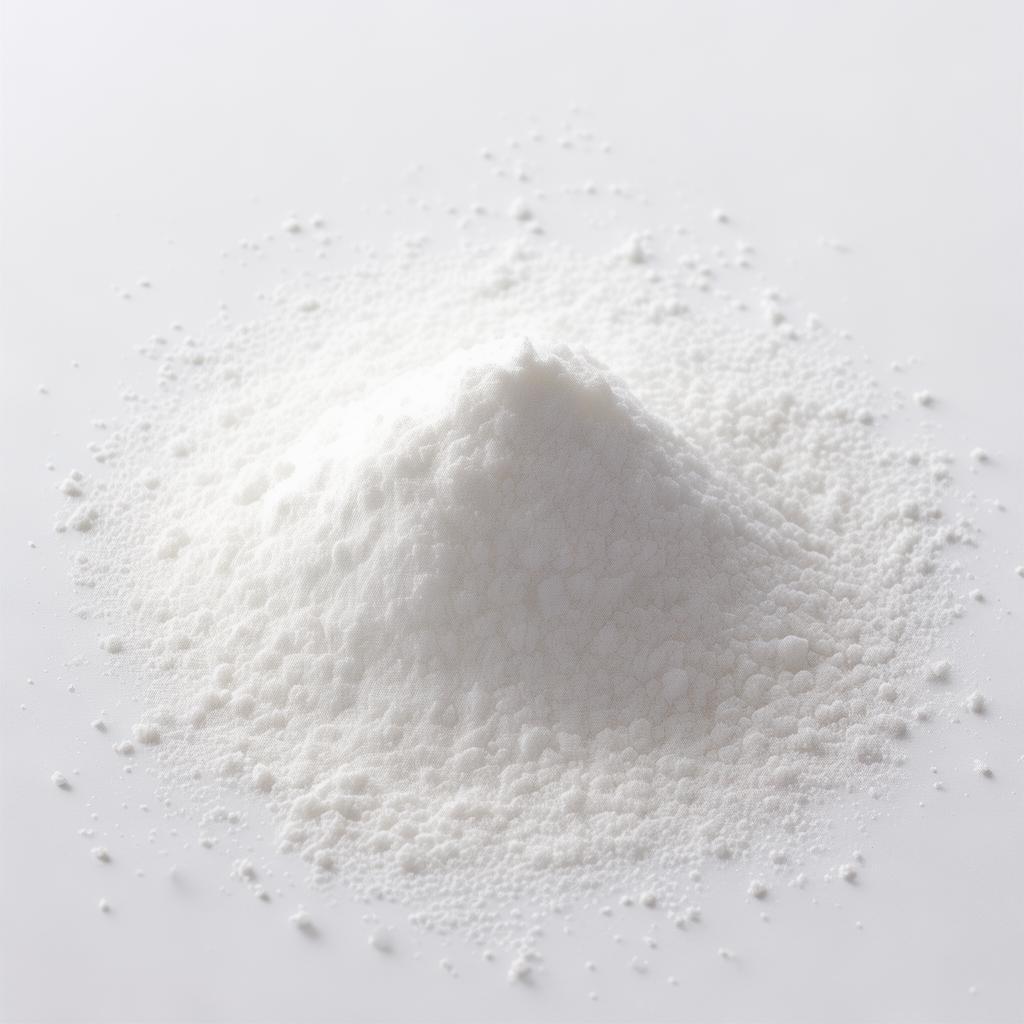
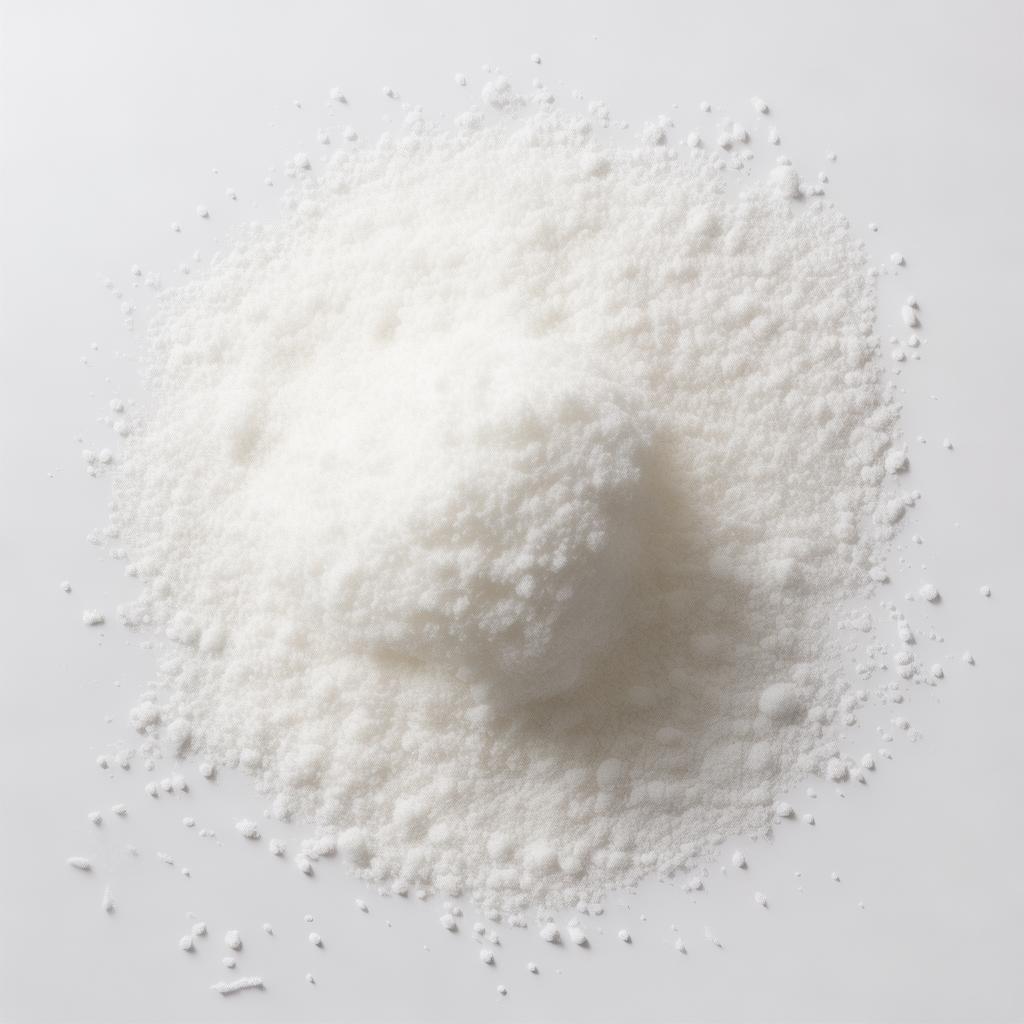
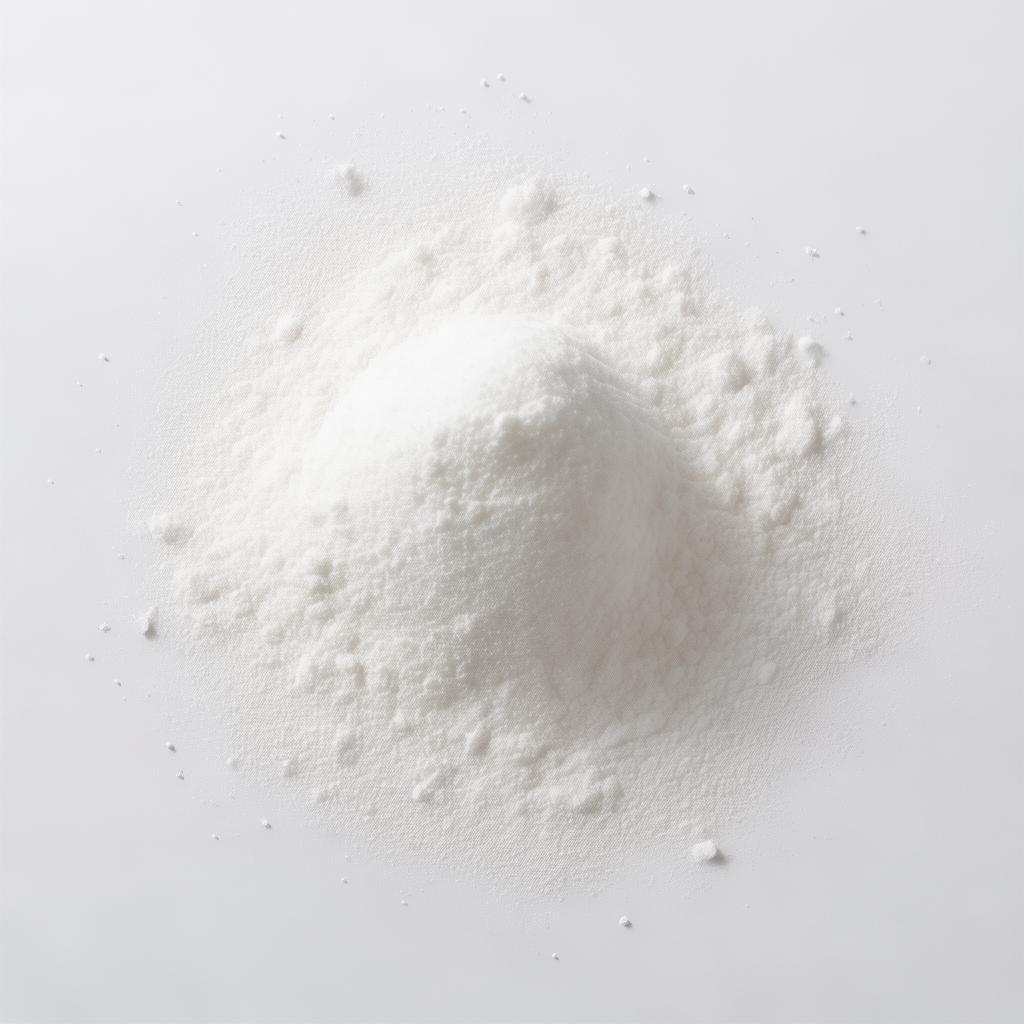
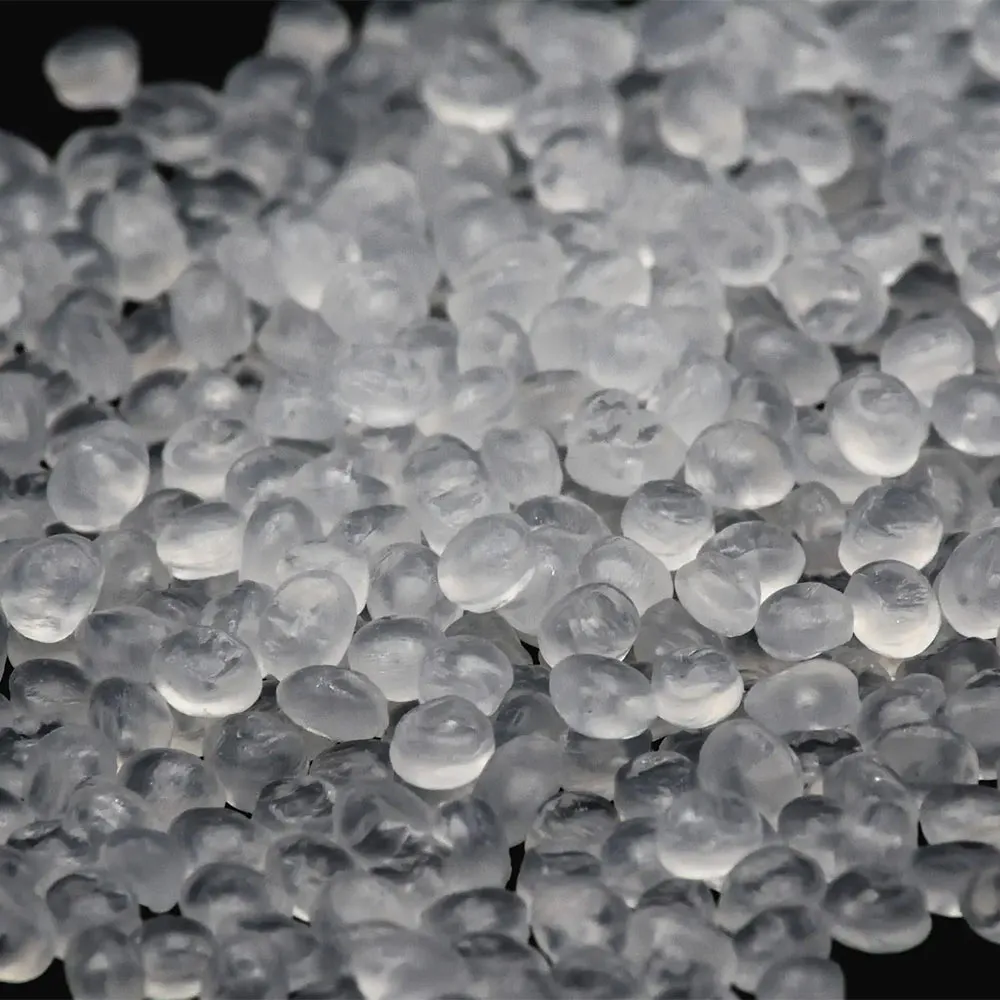
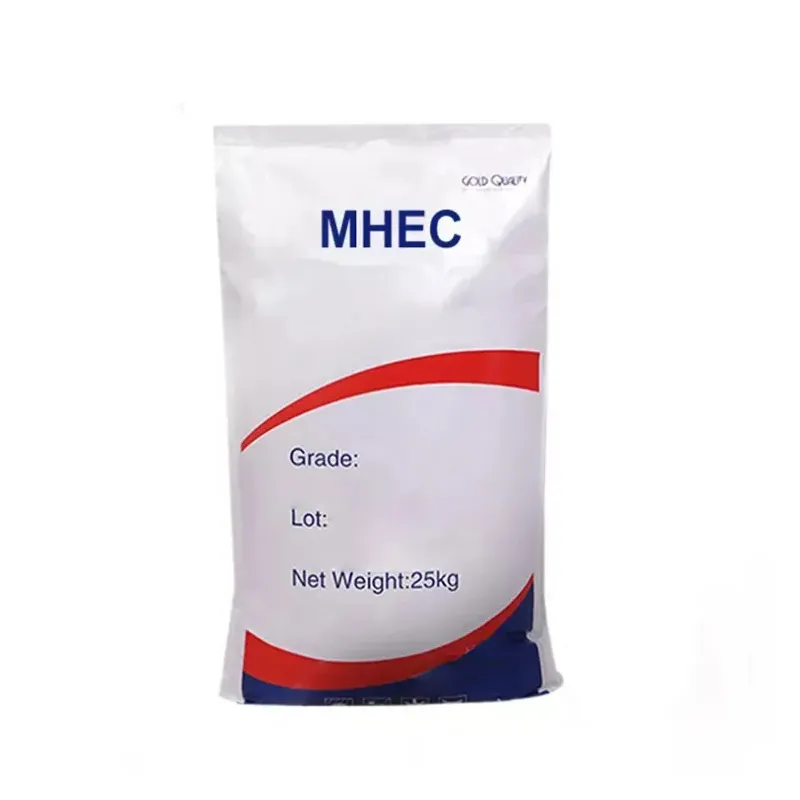
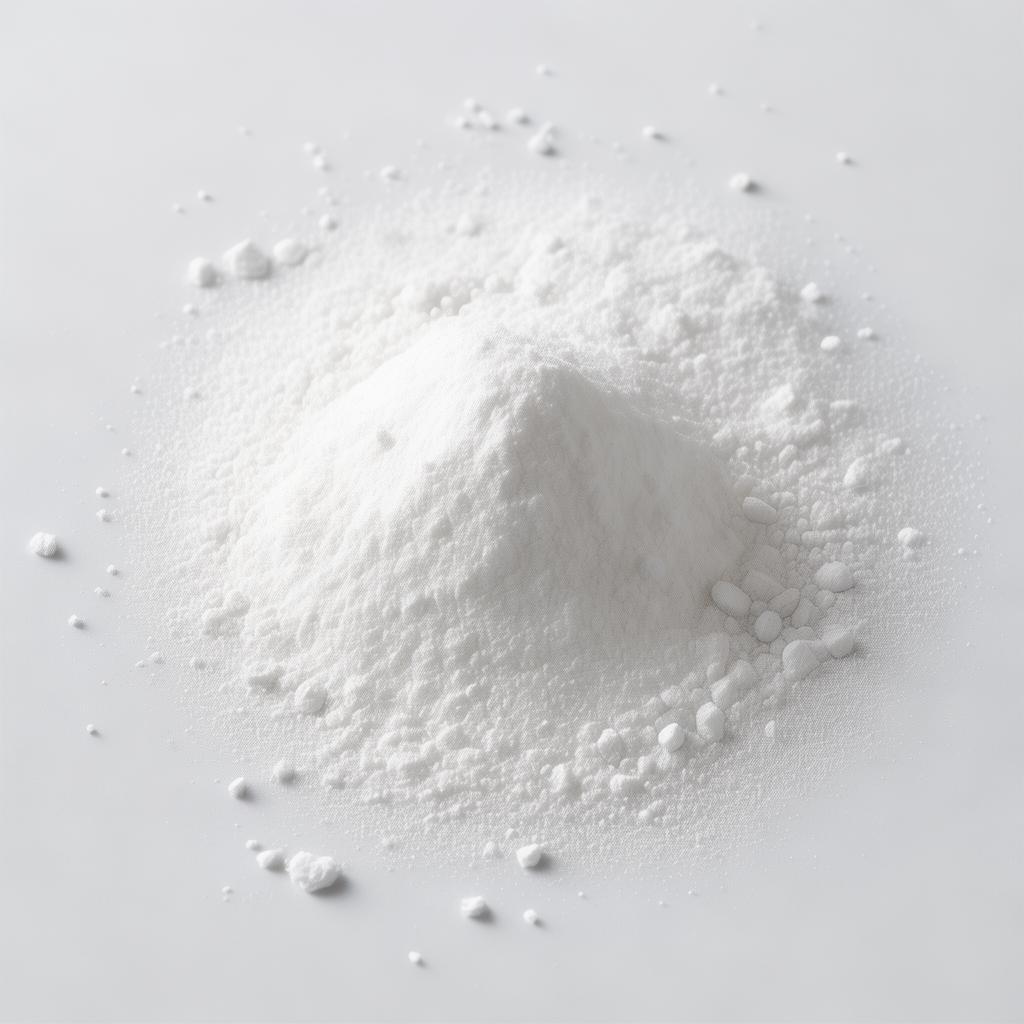
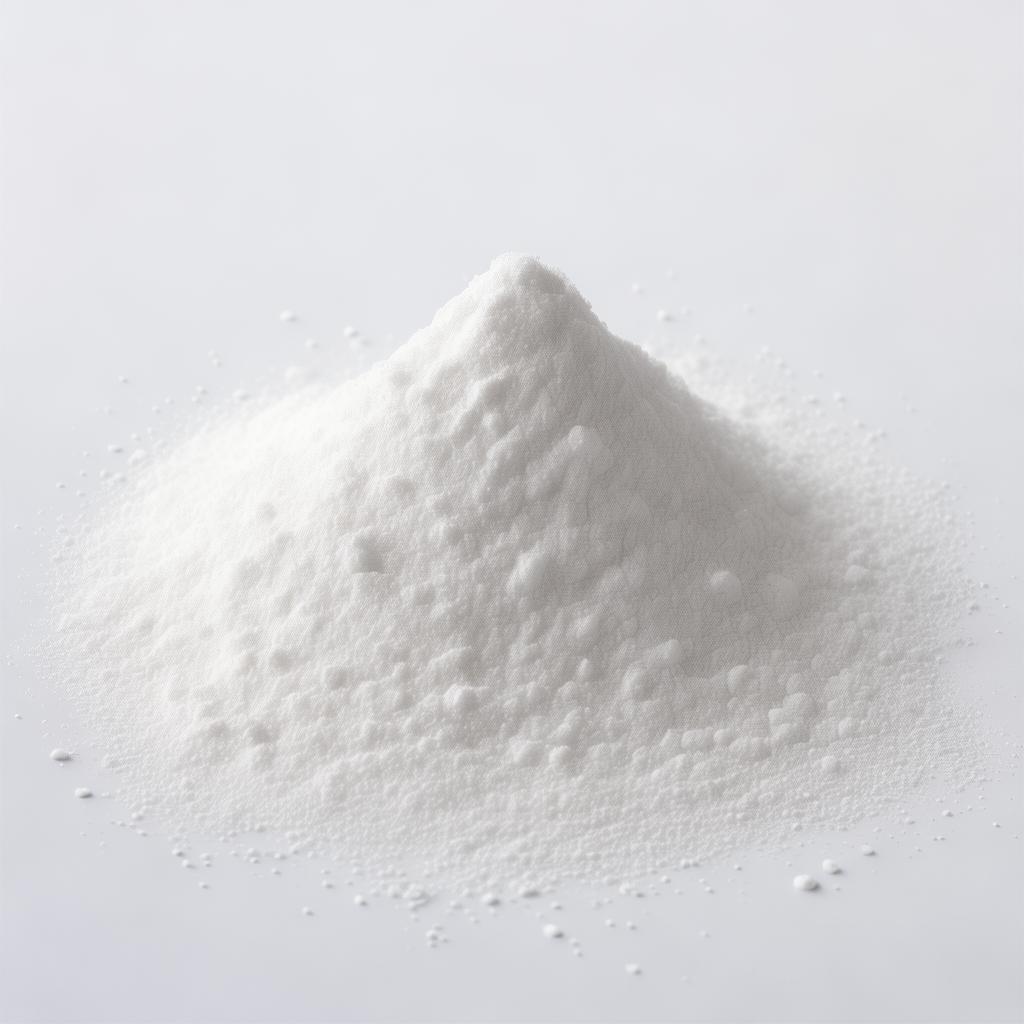
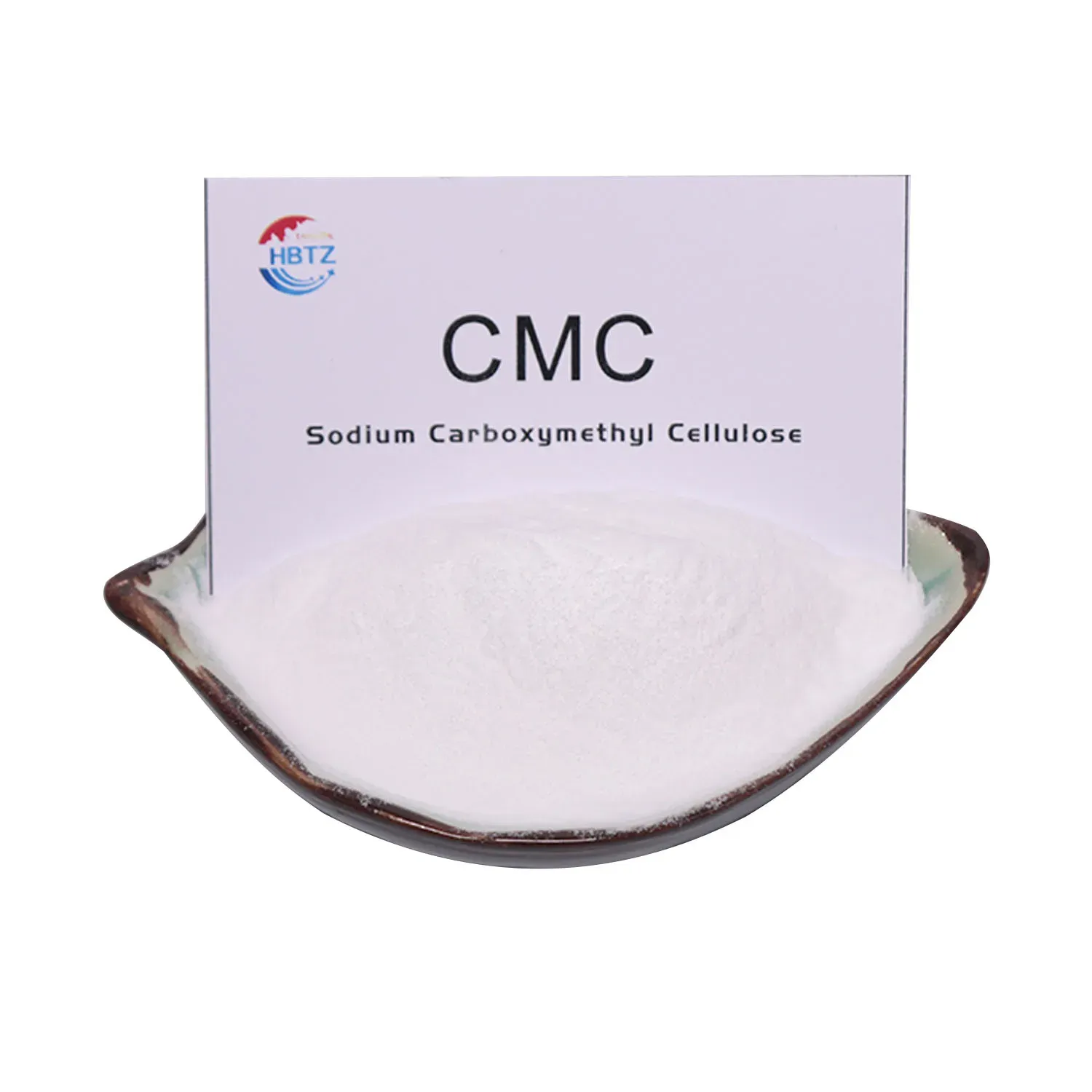
Cellulose gum—also known as carboxymethyl cellulose (CMC), hydroxyethyl cellulose (HEC), or methyl hydroxyethyl cellulose (MHEC)—is a versatile, water-soluble polymer derived from natural cellulose. It functions as a thickener, stabilizer, emulsifier, binder, and water retention agent, making it indispensable in industries ranging from food and pharmaceuticals to adhesives, detergents, and construction materials.
🔍 Did You Know?
Cellulose gum is the second most abundant natural polymer on Earth after cellulose itself. Its synthetic modification (via carboxymethylation or hydroxyalkylation) unlocks unique properties—such as cold-water solubility, salt tolerance, and controlled viscosity—unmatched by natural gums like guar or xanthan.
Why Cellulose Gum Matters in Modern Manufacturing
Modern consumers and regulators demand clean-label ingredients, longer shelf life, and environmentally friendly formulations. Cellulose gum delivers on all fronts:
- Food & Beverage: Acts as a fat replacer in low-calorie products, prevents ice crystal formation in frozen desserts, and stabilizes emulsions in dressings and sauces.
- Pharmaceuticals: Used as a disintegrant in tablets, a suspension stabilizer, and a controlled-release matrix for drugs.
- Adhesives & Paints: Enhances open time, improves brushability, and prevents sagging in water-based systems.
- Detergents & Cleaners: Boosts soil suspension and prevents redeposition, improving cleaning efficiency.
- Construction: Improves workability of cement mortars and reduces cracking in gypsum-based products.

Our state-of-the-art automated cellulose gum production line in Jinzhou, Hebei — where precision meets scalability.
Cellulose Gum vs. Competitors: Why It Stands Out
While alternatives like xanthan gum, guar gum, or alginates exist, cellulose gum offers distinct advantages:
| Feature | Cellulose Gum (CMC/HEC) | Xanthan Gum | Guar Gum |
|---|---|---|---|
| Viscosity Control | ✅ Highly tunable across wide pH & temp ranges | ❌ Sensitive to shear & pH fluctuations | ❌ Thins under shear; inconsistent performance |
| Salt & Acid Resistance | ✅ Excellent stability in 10%+ salt solutions | ❌ Precipitates in high-salt environments | ❌ Loses viscosity in acids |
| Clean Label Compliance | ✅ E-number compliant (E466, E464) | ❌ Not universally accepted in organic/clean-label apps | ❌ Often genetically modified (GMO risk) |
| Cost Stability | ✅ Less volatile than natural gums | ❌ Subject to commodity price swings | ❌ Highly dependent on monsoon harvests |
As a result, cellulose gum is the preferred choice for formulators who prioritize reliability, regulatory compliance, and long-term supply security—especially in highly regulated markets like the USA, EU, and Japan.
Regulatory & Quality Assurance: Built for Global Markets
Our cellulose gum is manufactured under ISO 9001:2015, FSSC 22000 (food-grade), and cGMP standards. Key certifications include:



All batches undergo third-party lab testing for heavy metals (<5 ppm), microbial load, and viscosity consistency, ensuring batch-to-batch reproducibility—critical for pharmaceuticals and food applications.
The Growing Demand for Cellulose Gum: Why Now Is the Time to Invest
The global cellulose gum market is projected to reach $3.8 billion by 2028, growing at a CAGR of 6.2% (Grand View Research, 2026). This surge is driven by:
📈 Market Growth Drivers
- Clean-label food trends: Consumers demand natural, organic, and non-GMO ingredients.
- Pharma innovation: Rising demand for controlled-release drug delivery systems using cellulose derivatives.
- Sustainable construction: Green building codes favor low-VOC, water-based adhesives with cellulose gum.
- Asia-Pacific expansion: China, India, and Southeast Asia are rapidly adopting cellulose gum in food and detergents.
🔥 Key Opportunities by Region
- North America: Strong demand in dairy alternatives (e.g., almond milk) and plant-based meat substitutes.
- Europe: Regulatory push for non-allergenic, gluten-free formulations in bakery and sauces.
- Southeast Asia: Rapid growth in detergent manufacturing and instant noodle seasonings.
- Middle East: Infrastructure projects boosting demand for high-performance tile adhesives.
With China as the world’s largest producer and exporter (accounting for ~45% of global supply), sourcing from a reliable, certified factory like Tangzhi ensures supply chain resilience—a major advantage over fragmented suppliers in India or Europe.
💡 Pro Tip for Buyers:
If your current supplier is in India or Germany, you’re likely paying a 20–30% premium for logistics and import duties. By sourcing directly from China’s top-tier cellulose gum manufacturers, you can reduce costs by 15–25% without compromising quality.
What Your End Customers Really Need — And How We Deliver
We’ve spent years talking to formulators, quality managers, and procurement teams across the USA, Europe, and Asia. Here’s what they actually care about:
🎯 The #1 Pain Point: “My current supplier’s cellulose gum doesn’t perform consistently.”
Inconsistent viscosity, batch-to-batch color variation, or sudden supply shortages. This kills production schedules and erodes customer trust.
Real-World Challenges We’ve Solved
🧪 Food Manufacturer (USA):
Challenge: “Our vegan yogurt separates after 48 hours. We need a stabilizer that works at pH 4.0 and resists syneresis.”
Our Solution: Custom low-viscosity CMC (DS 0.8) with optimized carboxyl group distribution → prevents separation for 30+ days at refrigerated temps.
🏗️ Construction Supplier (EU):
Challenge: “Our exterior tile adhesive cracks in winter due to freeze-thaw cycles. We need better water retention.”
Our Solution: MHEC with high degree of substitution → reduces cracking by 40% and improves freeze-thaw resistance.
💊 Pharma Lab (Southeast Asia):
Challenge: “Our metformin tablets don’t disintegrate fast enough. We need a super-disintegrant.”
Our Solution: Croscarmellose sodium blend with HEC → disintegration time reduced from 12 min → 3 min without affecting hardness.
These aren’t hypothetical cases—they’re real problems we’ve solved for clients in the past 12 months. And they all came down to one thing: having the right cellulose gum grade for the job.
Custom Cellulose Gum Solutions — Tailored to Your Formulation Needs
At Tangzhi Technology, we don’t just sell cellulose gum—we engineer it. Our R&D team works with you to develop a custom specification based on:
- Degree of substitution (DS): Controls solubility, viscosity, and ionic character.
- Molecular weight (MW): Affects thickening power and film formation.
- Particle size distribution: Impacts dissolution rate and dust suppression.
- pH & salt tolerance: Critical for acidic or high-electrolyte formulations.
- Certification needs: Food-grade (FSSC), pharma (cGMP), or industrial.
Our Customization Matrix — Choose Your Ideal Configuration
| Parameter | Standard Grade | Premium Grade | Custom (OEM) | Industrial Grade |
|---|---|---|---|---|
| Type | CMC (DS 0.7–0.9) | HEC (MW 300–500 kDa) | MHEC / HPC / Blends | Low-cost CMC (DS 0.6) |
| Viscosity (2% soln) | 2000–3000 mPa·s | 4000–6000 mPa·s | 500–50,000 mPa·s | 800–1500 mPa·s |
| Particle Size | 90% <80 mesh | 95% <100 mesh | Custom (10–200 mesh) | 90% <60 mesh |
| Certifications | ISO 9001, Halal | FSSC 22000, Kosher | cGMP, USP/EP, FDA | Industrial only |
| Lead Time | 10–14 days | 14–21 days | 7–28 days | 7–10 days |
🔧 How We Customize:
- You define your target viscosity, pH range, and end-use.
- We adjust DS, MW, and particle size via proprietary synthesis.
- Prototype samples are produced in 5–7 days.
- Final product is validated via rheology, HPLC, and stability testing.
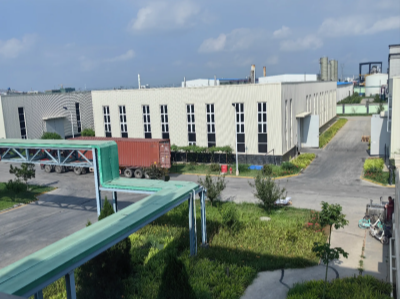
Our automated blending and packaging line ensures zero cross-contamination between grades.
Why Choose Tangzhi Technology? — Beyond Just Supply
We’re not just another cellulose gum supplier. We’re a strategic partner who understands your business challenges and delivers solutions that reduce risk, cut costs, and accelerate time-to-market.
🏭 Factory & Capacity: The Power of Scale
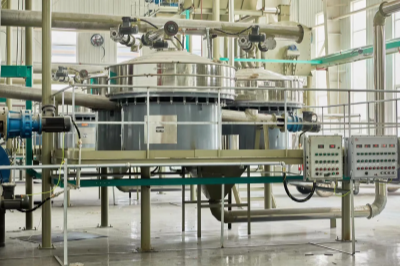
- 📍 Location: Jinzhou, Hebei — China’s chemical hub with rail, highway, and port access (Tianjin Port: 3.5 hours).
- 🏗️ Facility: 140,000 m² total area, 90,000 m² under roof — GMP-certified, temperature & humidity controlled.
- ⚙️ Production: 6 automated synthesis lines, 12 drying towers, and N2-purged packaging to prevent moisture uptake.
- 📦 Capacity: 40,000 tons/year of cellulose derivatives (HPMC, MHEC, CMC, etc.).
- 🔋 Power: Self-sufficient 10MW cogeneration plant ensures 24/7 uninterrupted production.
🛡️ Quality Assurance: Your Guarantee of Consistency
Every batch is tested for:
- Viscosity: ±5% tolerance across batches.
- Moisture: <3% to prevent clumping.
- Ash content: <1.5% (critical for pharma/food).
- Heavy metals: <5 ppm (ICP-OES validated).
- Microbial load: <100 CFU/g (USP <61> compliant).



🚀 Supply Chain Advantage: Faster, Cheaper, More Reliable
✅ Why Our Supply Chain Beats Competitors:
- Direct factory sourcing: Cut out middlemen in India/Germany who mark up prices by 25–40%.
- Strategic inventory: 500+ tons buffer stock ready for immediate dispatch (air or sea).
- Flexible MOQ: Start with 500 kg for custom grades (vs. 5–10 MT elsewhere).
- Dedicated logistics: Door-to-door delivery in 21 days to USA/EU (vs. 35+ with competitors).
- Currency hedge: Accept USD, EUR, GBP and lock in prices for 6 months.
🌟 Client Success Stories — Proof in Performance
 — Maria S., R&D Manager, NutriBlend Foods (Netherlands)
“We switched from a German supplier to Tangzhi last year for our oat milk line. Their CMC DS 0.9 gave us 30% longer shelf life and cut costs by 18%. Plus, their team helped us optimize the formula for EU organic standards.”
 — Raj K., Procurement Director, EcoClean Detergents (India)
“We needed a low-cost CMC for our new detergent line. Tangzhi’s DS 0.6 grade saved us 22% vs. our previous supplier, and their bulk discounts helped us hit our margin targets.”
 — Elena M., QA Lead, PharmaCore (Spain)
“Our metformin tablets had inconsistent disintegration. Tangzhi’s blended cellulose/superdisintegrant fixed the issue, and their cGMP documentation passed our EU audit with zero findings.”
 — Faisal A., Plant Manager, GreenTile Adhesives (UAE)
“In Dubai’s heat, our tile adhesives were cracking. Tangzhi’s MHEC grade improved water retention by 45% and eliminated cracks in our summer batches.”
How We Work With You — A Seamless, Transparent Journey
From your first inquiry to final delivery, we’ve designed our process to be simple, predictable, and risk-free. No surprises. No delays. Just results.
✅ What Makes Our Process Stand Out:
- Dedicated Account Manager: A single point of contact for all updates and issues.
- Real-time Batch Tracking: QR code access to moisture, viscosity, and microbial reports.
- Proactive Communication: Weekly updates and escalation alerts for any deviations.
- Flexible Shipment Options: Air (3–5 days) or sea (21–28 days) — your choice.
- Pre-shipment Inspection: Third-party certificate of analysis (CoA) provided before loading.
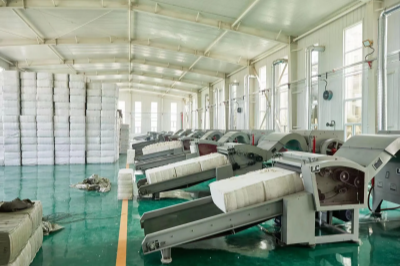
Our in-house QC lab conducts HPLC, ICP, and rheology testing on every batch.
Frequently Asked Questions — Clearing Up Your Last Doubts
❓ Can I get a free sample?
Yes! We provide 100g samples of any grade at no cost. Simply fill out our sample request form with your target viscosity and pH range. Lead time: 5–7 days.
❓ What’s your minimum order quantity (MOQ)?
500 kg for custom grades (e.g., MHEC, blended formulas). For standard CMC/HEC, MOQ is 1 MT. Bulk discounts kick in at 5 MT+.
❓ Do you offer private labeling or OEM blends?
Absolutely. We specialize in custom blends for food, pharma, and industrial applications. Our team can match your exact spec, including color, particle size, and certification requirements.
❓ What’s your lead time for bulk orders?
10–14 days for standard grades, 14–21 days for premium/custom. We maintain a 500-ton buffer stock to meet urgent orders.
❓ Are your products REACH and FDA compliant?
Yes. Our food-grade CMC is REACH-registered and FDA-compliant. For pharma, we offer cGMP and USP/EP grades with full documentation.
❓ Can you help with formulation optimization?
Yes! Our R&D team can recommend the ideal DS, MW, and blend ratios for your application. We’ve helped clients reduce cellulose gum usage by 15–25% without performance loss.
❓ What payment terms do you offer?
30% deposit to start production, 70% before shipment. We accept TT, LC, PayPal, and USD/EUR/GBP. Bulk orders may qualify for net-30 terms.
❓ Do you ship to [my country]?
Yes. We ship to all major markets including USA, EU, UK, Australia, Japan, Brazil, and Southeast Asia. Shipping options: DHL, FedEx, Maersk, COSCO.
Ready to Transform Your Formulations with Premium Cellulose Gum?
Get a free sample, a custom quote, or a factory tour — all with zero obligation.
Limited-time offer: 10% discount on first order for new clients who quote this page.
“Your success is our guarantee.” — Tangzhi Technology Team