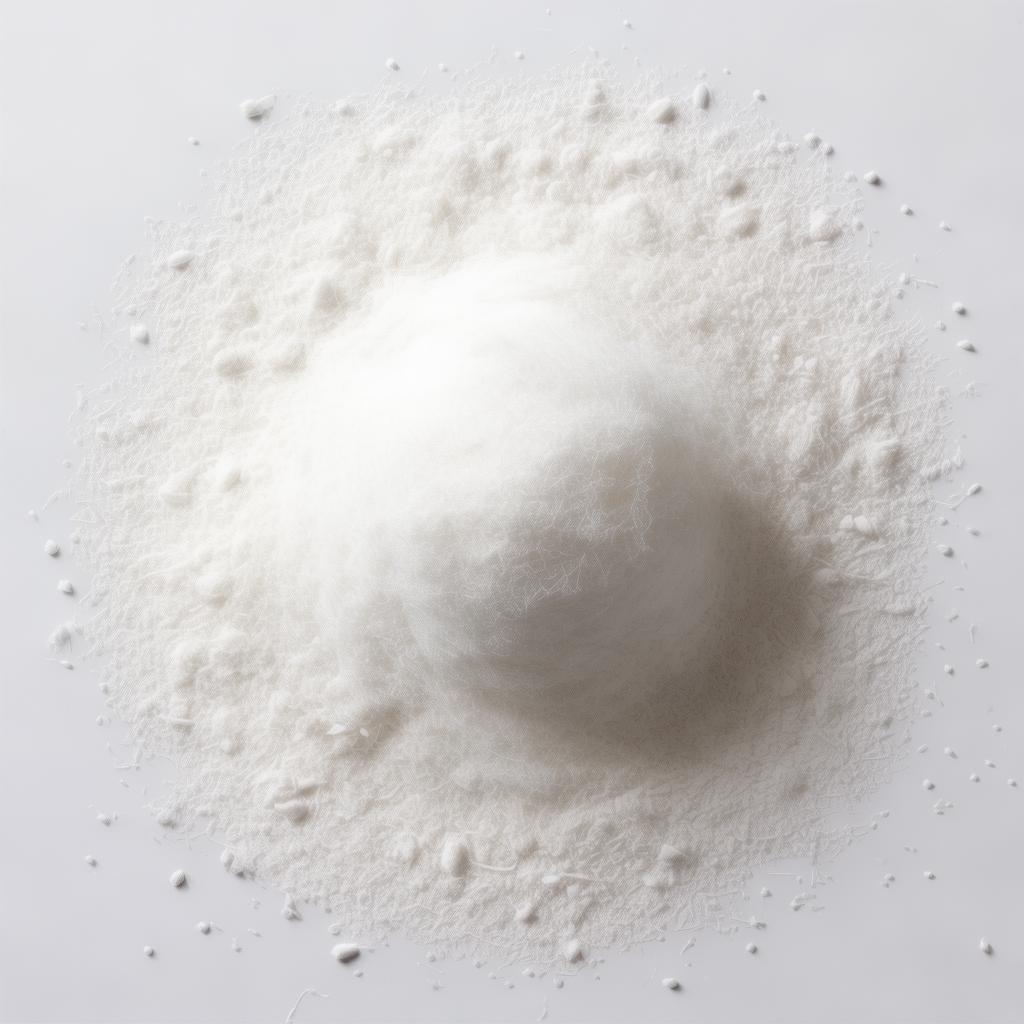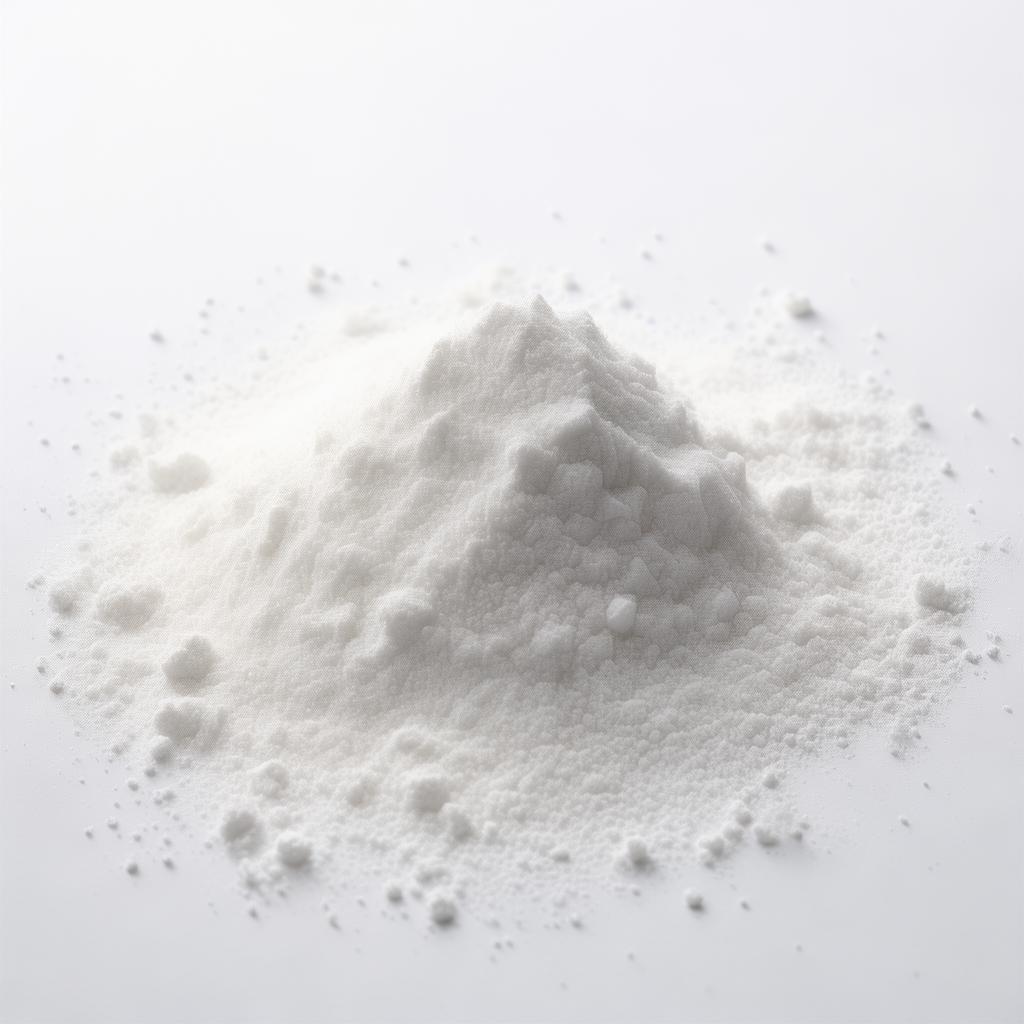
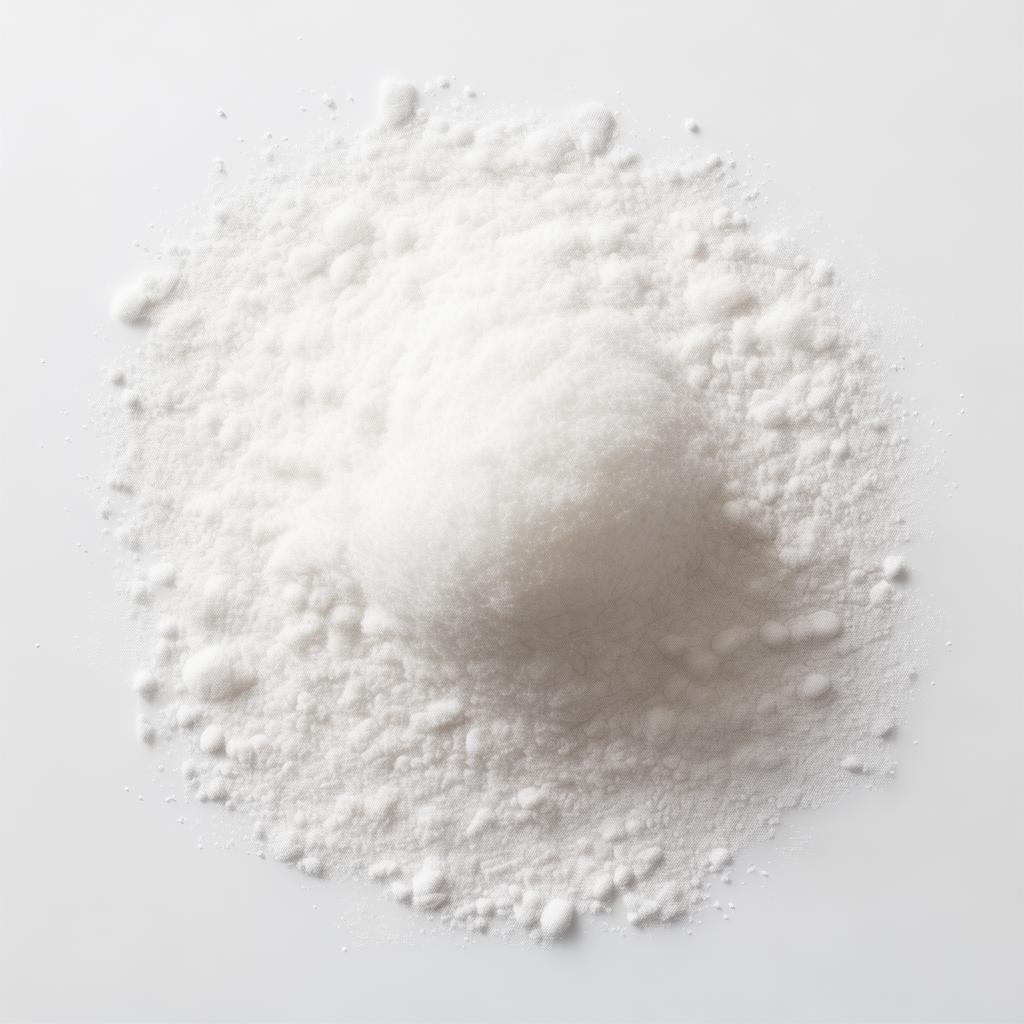
Cellulose To Cellulose Acetate
Cellulose to Cellulose Acetate: Reliable Bulk Conversion for Industrial Buyers
Streamline your supply chain with proven acetylation processes from China's leading cellulose derivative factory. OEM volumes, competitive FOB pricing, 4-week lead times.
Rising Demand Drives Cellulose to Cellulose Acetate Conversion
Over the past few years, we've seen steady growth in demand for cellulose acetate across plastics, textiles, and filtration sectors. Importers in the US and Europe often struggle with inconsistent supply from smaller mills. That's where established factories like ours step in.
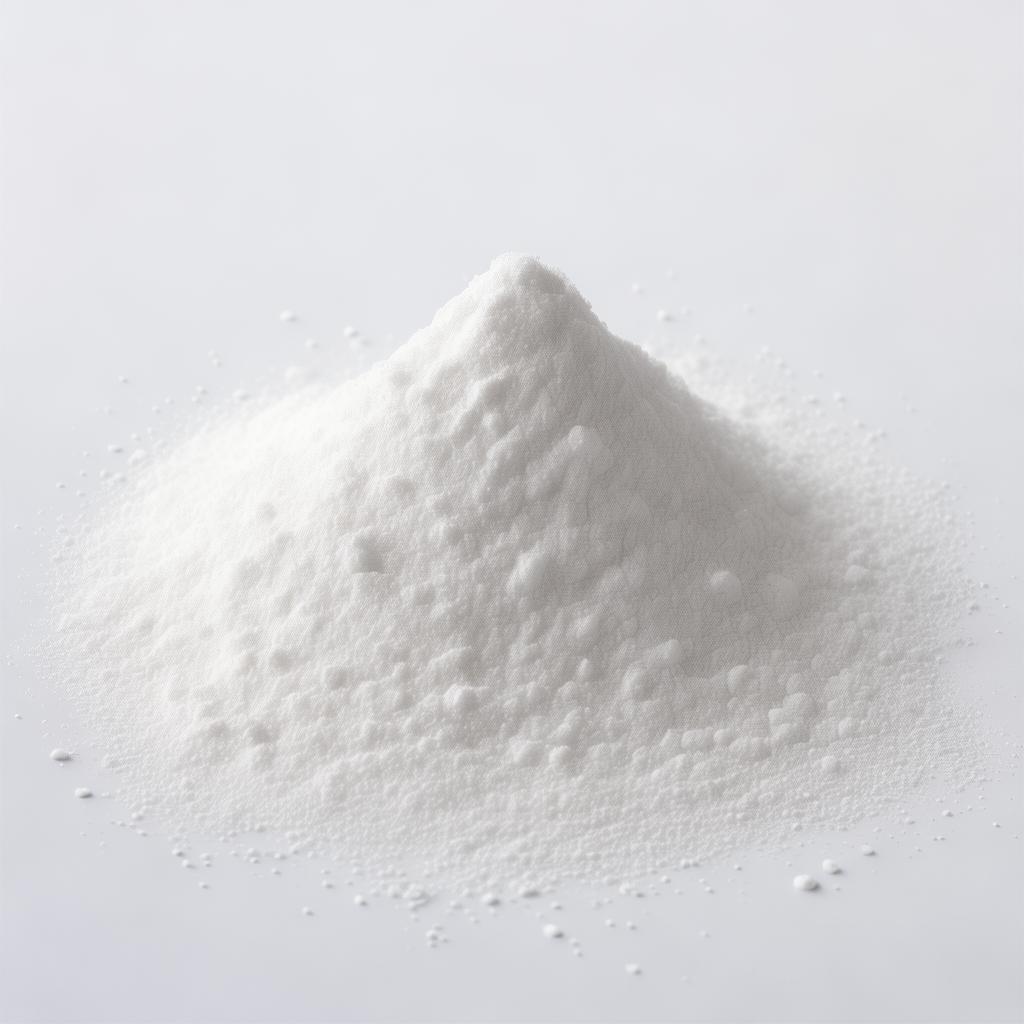
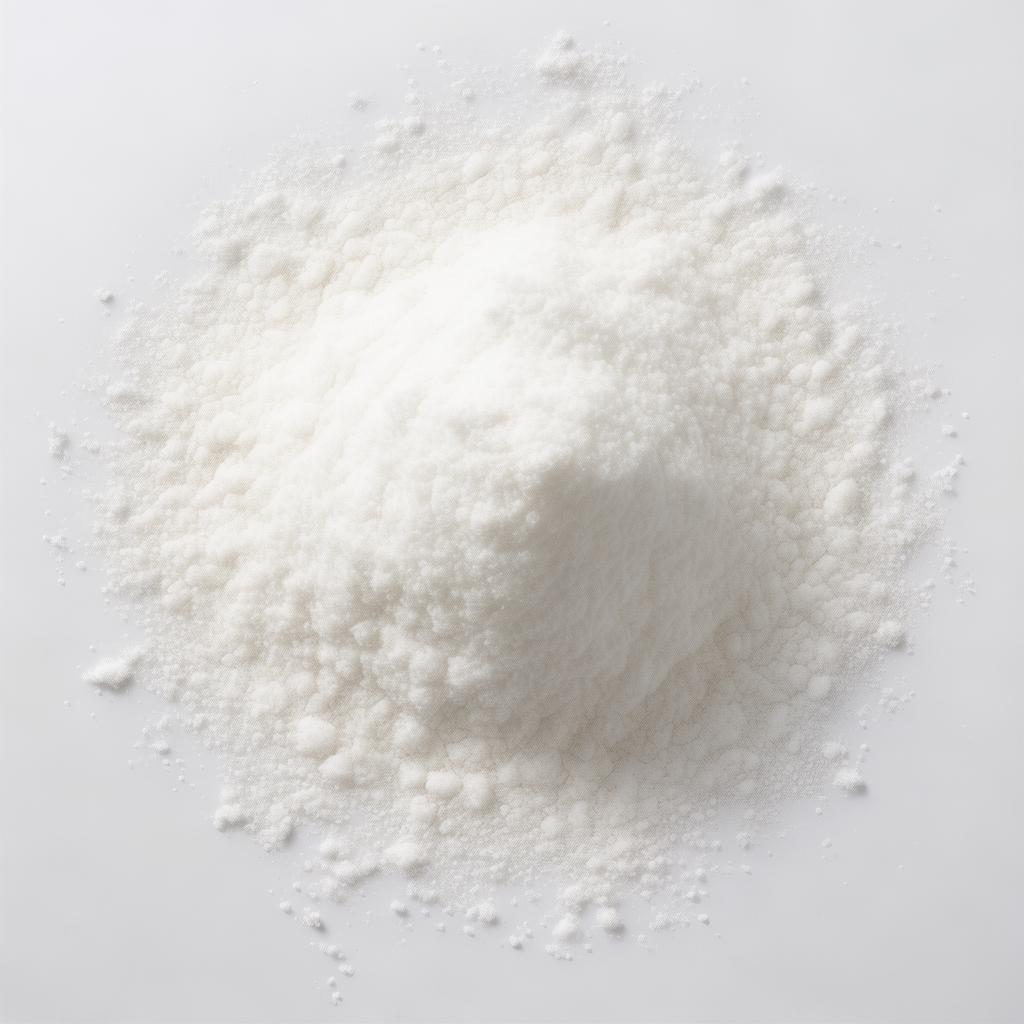
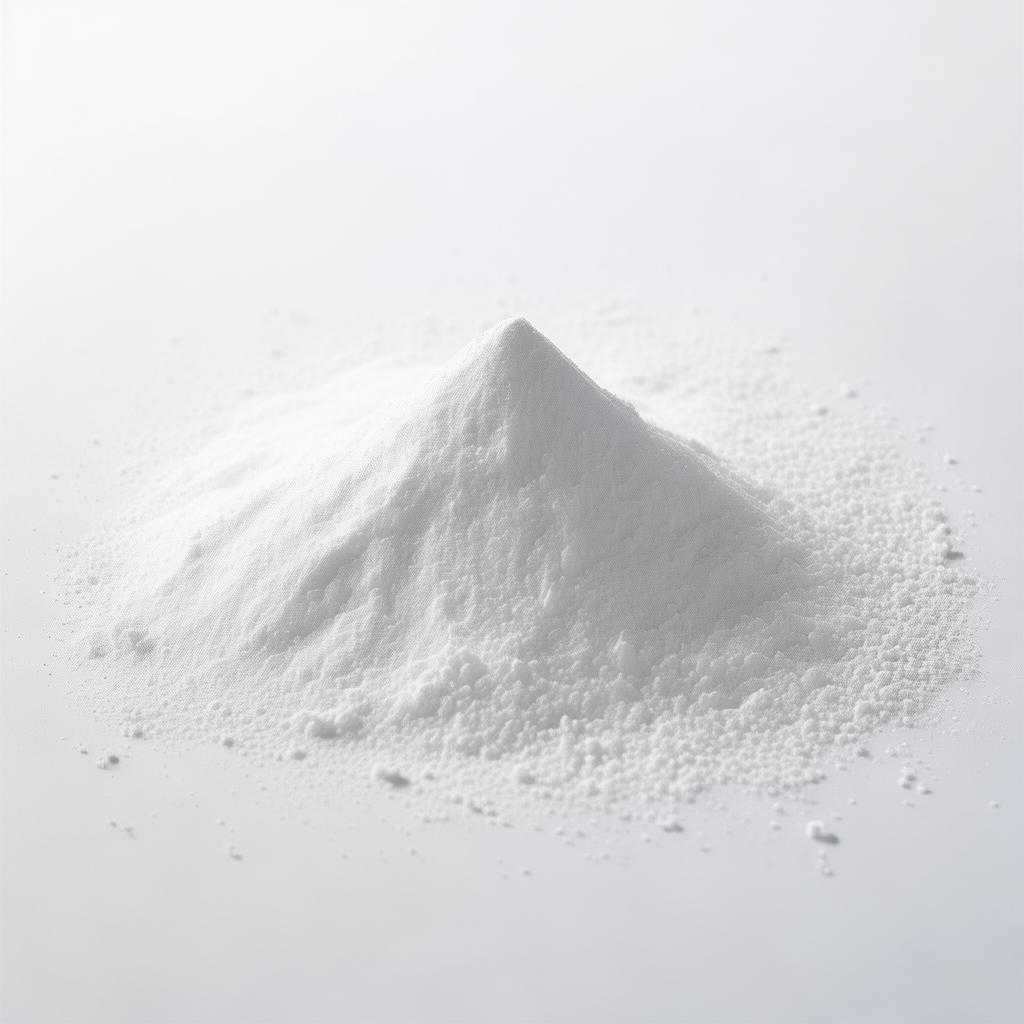
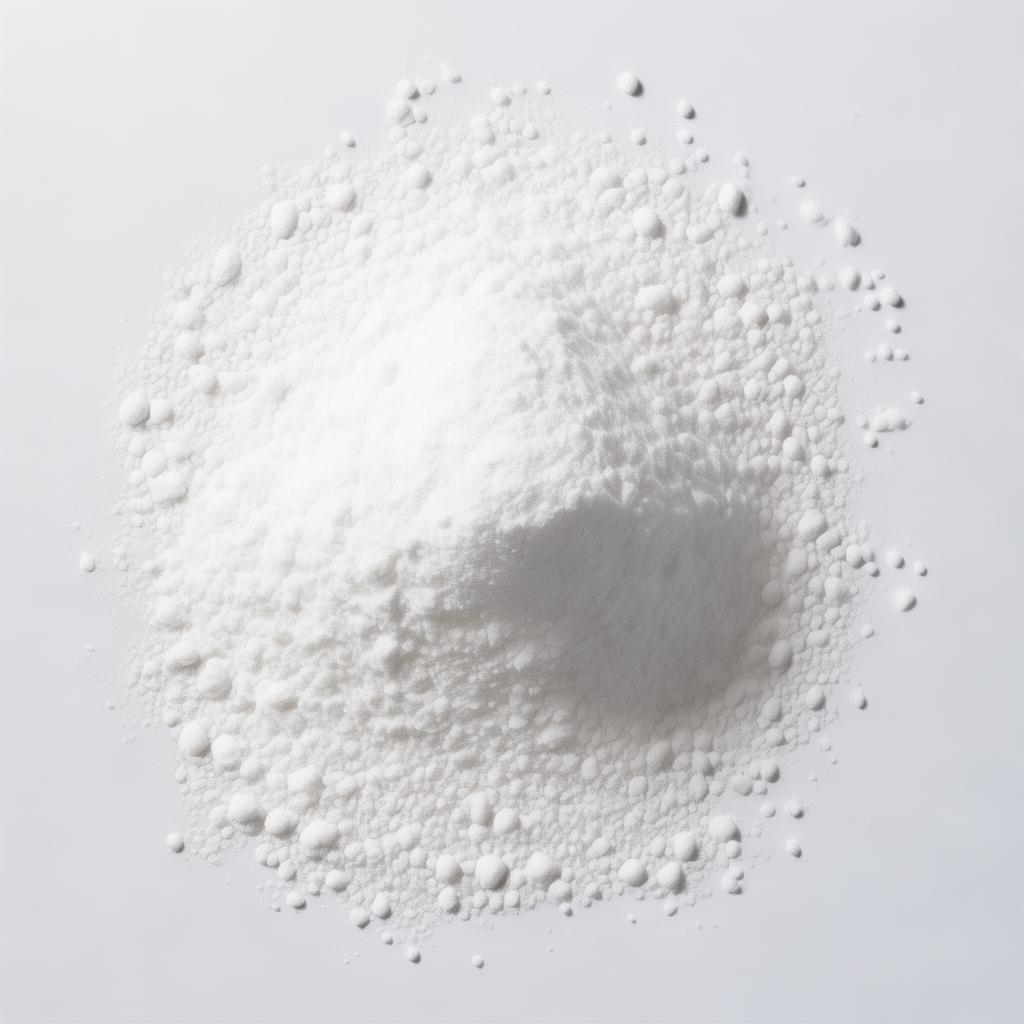
Cellulose acetate starts with natural cellulose—usually from wood pulp or cotton linters. The conversion process acetylates it to create a versatile thermoplastic. Think cigarette filters, eyeglass frames, tool handles. Global production hovers around 800,000 tons annually, but quality varies wildly depending on the acetylation control.
Buyers tell us supply chain disruptions hit hard post-2020. Lead times stretched, purity dropped. If you're sourcing for OEM runs, unreliable conversion means rework costs. Our lines handle high-volume acetylation without those headaches.
What sets this apart? Degree of substitution (DS) typically 2.2-2.5 for diacetate, higher for triacetate. We've optimized for consistent DS, which matters for your downstream extrusion or molding.
Market observers note eco-regulations pushing biodegradable alternatives, but cellulose acetate still leads due to its balance of performance and renewability. Procurement teams appreciate that—lower carbon footprint than petroleum plastics, without sacrificing strength.
Short note from the floor: We've ramped up capacity to meet US inbound demand, focusing on low-ash, high-viscosity grades that processors prefer.
Step-by-Step: Cellulose to Cellulose Acetate Acetylation
It's not rocket science, but getting it right takes experience. Start with purified cellulose. We source pharmaceutical-grade pulp to minimize impurities from the outset.
Activation comes first—swell the cellulose sheets in acetic acid with a catalyst like sulfuric acid or zinc chloride. Temperature control is key here; too hot and you get degradation.
Then acetylation proper: Introduce acetic anhydride. Reaction time? Around 30-60 minutes under agitation. We've fine-tuned to hit uniform substitution without hotspots.
Cellulose-OH + (CH3CO)2O → Cellulose-OCOCH3 + CH3COOH
Hydrolysis follows to adjust DS. Precipitate in dilute acetic acid dilution water, wash thoroughly. Drying at controlled humidity prevents clumping— a common issue with novice producers.
Our yields? Consistently above 95%. That's operational efficiency you can bank on for your forecasting.
| Process Step | Key Parameters | Our Control Method |
|---|---|---|
| Activation | 18-20% acetic acid, 30°C | Automated dosing |
| Acetylation | 45-55°C, 0.8-1.2% H2SO4 | Inline viscometers |
| Hydrolysis | pH 2-3, 60°C | Continuous flow |
| Precipitation | Dilution to 30% solids | Centrifugal recovery |
cellulose acetate cellulose acetate use cellulose acetate producers
Engineers on our team tweak catalyst ratios based on incoming cellulose variability. Pulp from eucalyptus swells differently than pine. Ignore that, and your batch-to-batch consistency suffers.
Advantages of Our Cellulose Acetate Over Standard Grades
Sourcing bulk? You want reliability. Our material dissolves cleanly in acetone, molds without defects, and holds up in hydrolysis-sensitive apps.
- High acetyl content uniformity—reduces your QC rejects.
- Low free acid (<0.1%)—no corrosion in extruders.
- Biodegradable profile meets EU REACH without add-ons.
- Tunable viscosity for film vs. fiber grades.
Compared to commodity acetate, ours cuts processing energy by optimizing melt flow. Processors report fewer gels in final products.
Practical tip: For textile yarns, request our 39.5% acetyl grade. It spins smoother, less breakage.
Real-World Applications and Case Uses
Filtration membranes top the list. Cellulose acetate's pore structure excels in pharma sterile filters. We've supplied US labs running 10,000 sqm/month.
Textiles next—acetate tow for cigarettes, where draw resistance consistency matters. Eyewear frames benefit from the clarity and toughness.
In plastics, it's blended for golf tees, toothbrush handles. Automotive trim too, where UV stability counts.
One importer shared: Switched to our diacetate for nail polish lacquers. Faster dry times, no yellowing after 6 months shelf life.
Procurement Checklist: Avoid Common Pitfalls
US buyers often overlook viscosity specs. Order samples first—test intrinsic viscosity (IV) at 0.5-2.5 dL/g range.
Risk: Overly aggressive pricing signals poor washing. Expect 20-40 day L/C terms for security.
Inspect for haze—indicator of incomplete acetylation. Our COA includes FTIR spectra for verification.
- Verify DS via titration.
- Request ash <0.05%.
- Confirm FOB Tianjin loading.
- Audit factory via video if needed.
Want to discuss your spec sheet? Drop an email—our engineers review for free.
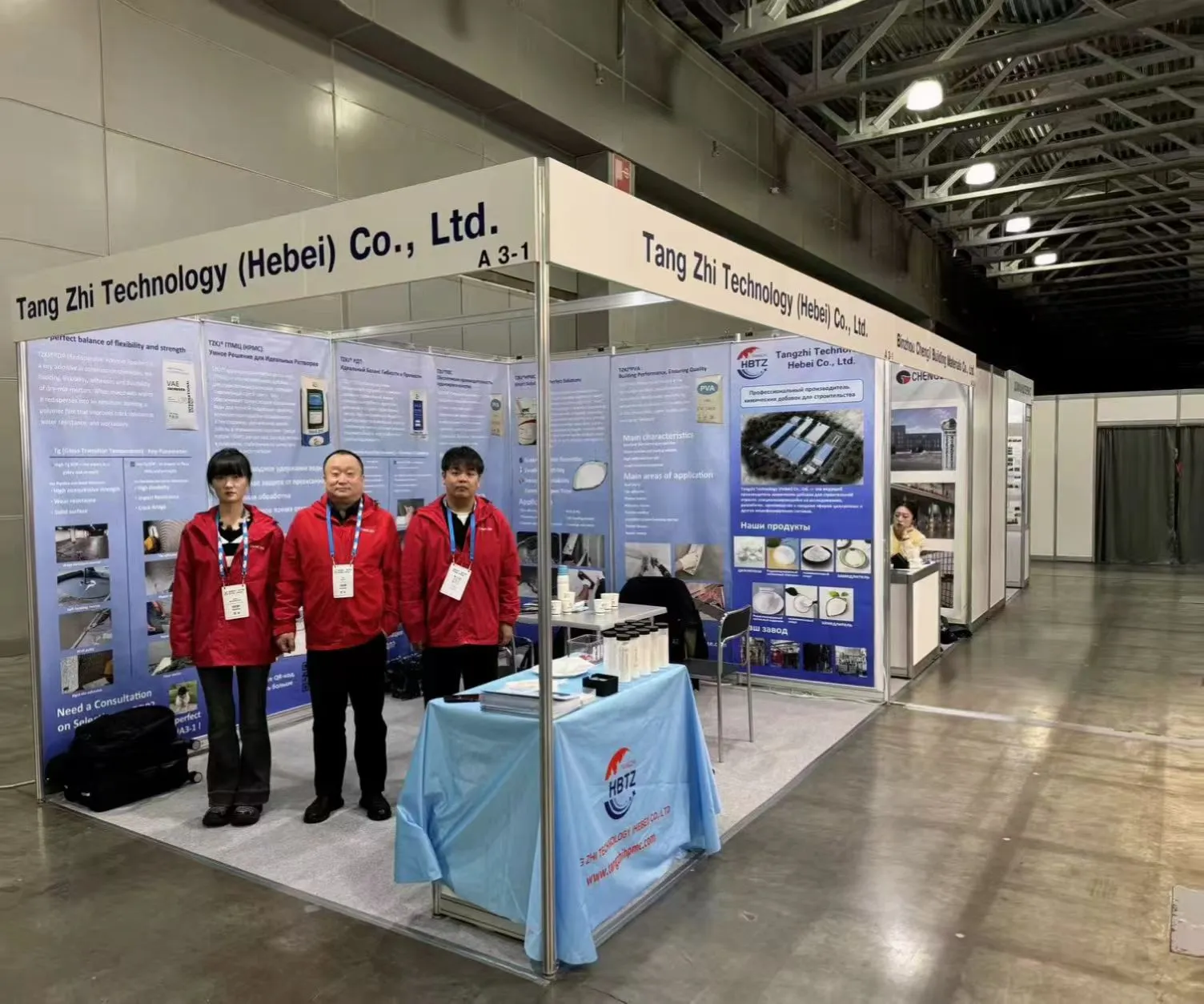
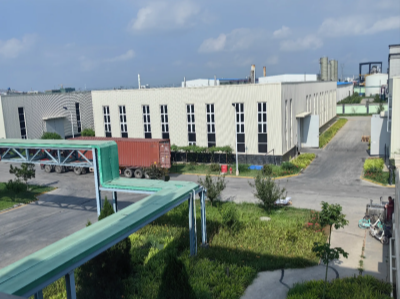
TANG ZHI TECHNOLOGY: 140,000 sqm Cellulose Expertise
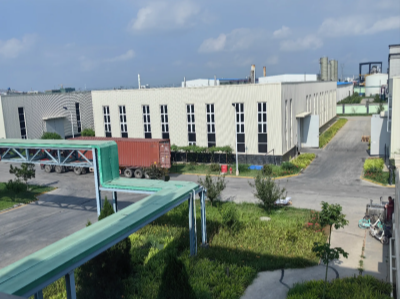
Located in Jinzhou, Hebei, our 90,000 sqm facility runs automated acetylation lines alongside HPMC, CMC production. Annual output exceeds 40,000 tons derivatives.
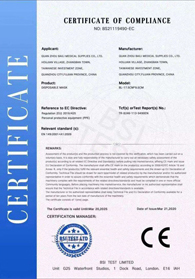
We've exported to 50+ countries, holding ISO 9001, REACH pre-reg. Consistent with FDA indirect food contact where applicable.



OEM/ODM welcome. Custom DS? We handle it. Room 2308, Dongsheng Plaza 2, Shijiazhuang—stop by if in China.

Logistics: FOB to Door Delivery
20GP holds 18-22 tons. Tianjin port, weekly sailings to LA/Long Beach. Transit 25-35 days.
We palletize with PE liners, moisture-proof. Incoterms? FOB/CIF your call. DDP options for small trials.
Warehouse in NJ for US stock—call for availability. Reduces your inventory risk.
Feedback from Procurement Pros
"Switched suppliers after haze issues. Tang Zhi's acetate runs clean on our film line. Lead time spot on."
Mike R., Ops Mgr, Texas Filtration Co. 
"Good DS consistency for our tow production. Logistics smooth, no demurrage."
Ana L., Buyer, Spanish Textile Group 
"Samples matched spec perfectly. Scaling to 100T/month now."
John K., Procurement Dir, US Plastics 
Buyer FAQs: Cellulose Acetate Sourcing
Minimum order quantity?
5 tons for standard grades. Samples 100kg available.
Lead time for 20 tons?
Production 3 weeks post-L/C, plus sail time.
Custom acetylation possible?
Yes, IV from 1.0-3.0 dL/g. Quote on request.
Certifications?
ISO, REACH, RoHS. Full COA per batch.
Ready to Source Cellulose Acetate?
Request detailed specs, samples, or pricing. No obligation.
TANG ZHI TECHNOLOGY (HEBEI) CO., LTD | +86-15032625168 | Contact Us