Chemical Structure Of Hpmc
1. The Basics of HPMC Chemistry
Procurement managers often ask about the chemical structure of HPMC right at the start of supplier talks. It's not just academic—knowing it helps predict how this cellulose ether behaves in mortars, coatings, or tablets. Hydroxypropyl Methylcellulose, or HPMC, starts with cellulose, that beta-1,4 linked glucose polymer from plant walls.
Factories like ours in Jinzhou, Hebei, treat cotton linter or wood pulp with alkali, then graft on methyl (CH3) and hydroxypropyl (CH2CH(OH)CH3) groups via ethers. The result? A white powder soluble in cold water, thermo-gelling above 50-60°C. We've produced over 40,000 tons yearly, tweaking degrees of substitution (DS) for client specs.
Why does structure matter operationally? Poor substitution leads to clumping in dry mixes or weak gels in pharma suspensions. One importer from Texas shared how switching to consistent DS grades cut batch rejects by weeks of trial. It's basics, but overlooked in rushed buys.
Cellulose backbone: repeating cellobiose units. Formula simplifies to [C6H7O2(OH)3-x-y][(CH3)x][C3H7O2]y] where x and y denote substitutions. Typical methoxyl DS: 0.1-0.3 per glucose; hydroxypropyl MS: 0.1-0.2. These ratios dictate everything from viscosity to film strength.
2. Molecular Structure Breakdown
Diving deeper, picture the glucose ring. Positions 2, 3, 6 get modified most. C2 and C3 for methyls; C6 for hydroxypropyl chains. It's not uniform—commercial HPMC shows polydispersity. Our lab uses NMR spectroscopy to map this, ensuring batches match pharma or construction grades.
The chemical structure of HPMC looks like this in simplified form:
Backbone: →[Glc]→[Glc]→ (β-1,4 glycosidic)
Substitutions: -OCH3 (methoxyl), -O-CH2-CH(OH)-CH3 (hydroxypropyl)
Molecular Weight: 10,000 - 1,500,000 Da (controls viscosity)
Glucose anhydro unit mass: 162 Da. Each methoxyl adds 31 Da minus H (30 net); hydroxypropyl adds 57 Da net. High MW means higher viscosity at low concentrations—key for tile adhesives holding 20kg tiles overnight.
In production, we control reaction with methyl chloride and propylene oxide under pressure. Alkaline conditions swell cellulose first. Post-reaction, purification removes byproducts. Impurities like salts affect pH sensitivity; we've seen importers reject lots over 0.5% ash content.
Structure varies by grade. E-type (USP) for pharma has tighter hydroxypropyl MS (0.08-0.12); F-type looser for food. Our lines hit both, with gel temp tuned 58-64°C via propylene oxide dose.
One quirk: hydroxypropyl introduces asymmetry, boosting water solubility over plain MC. Without it, you'd get insoluble precipitates in mixes. We've troubleshot this for Southeast Asian clients reformulating plasters.
3. How Substitutions Define Performance
Degrees of substitution (DS for methoxyl, MS for hydroxypropyl) are the knobs we turn. DS 1.8-2.0 means ~28-32% methoxyl content. Too low, poor oil resistance; too high, brittle films. Balance is art—our engineers reference USP 46 limits.
Table below shows typical ranges:
| Grade Type | Methoxyl DS | Hydroxypropyl MS | Key Use |
|---|---|---|---|
| Construction K4M | 1.9-2.0 | 0.15-0.25 | Thickening mortars |
| Pharma E5 | 1.7-1.9 | 0.1-0.2 | Controlled release |
| Food F50 | 1.8-2.0 | 0.12-0.18 | Suspensions |
These aren't arbitrary. High hydroxypropyl enhances enzyme resistance for extended drug release. We've supplied to US firms needing 12-hour profiles.
4. Property Impacts from Structure
Viscosity curves tie directly to MW and substitution. Pseudoplastic flow from entangled chains—shakes out in pumps. Thermal gelation: hydrophobic methyls aggregate above LCST, expelling water. Perfect for hot extrusion coatings.
Surface activity comes from amphiphilic balance. Hydroxypropyl hydrophilic; methyl lipophilic. This stabilizes emulsions in paints. pH stability 2-12 suits concrete admixtures.
One practical note: high DS grades yellow less under UV, vital for exterior renders. We've tested batches at 85°C/85%RH for stability claims.
5. Real-World Applications
Construction eats 70% of our output. In gypsum plasters, structure provides water retention—prevents flash set. Dosage 0.2-0.5% yields 30-min open time.
- Tile adhesives: Shear-thinning for trowel spread, sag resistance from high viscosity.
- Pharma: Matrix former; hydroxypropyl slows diffusion for SR tablets.
- Food: Thickener in sauces, films on fruits—E-numbers approved.
- Cosmetics: Gels without surfactants.
Logistics tip: Bulk bags hold 25kg; 20MT/20' container. Structure affects packing—fine mesh <180μm prevents dust.
6. Technical Specifications
Our HPMC hits these marks consistently:
| Property | Test Method | Value |
|---|---|---|
| Viscosity (2% sol, 20°C) | NDJ-1 | 5-200,000 mPa.s |
| Gel Temp | Hot Gel Method | 58-64°C |
| Ash Content | GB 5009.4 | ≤1.5% |
| pH (1% sol) | GB 8170 | 5.0-8.0 |
7. Procurement Guide for Buyers
Don't chase lowest price. Check DS/MS certs via COA. Request 1kg samples for lab trials—structure consistency beats cheap variants. Lead time: 7-15 days FOB Tianjin.
Risks: Over-substituted imports gel too early in hot climates. Verify REACH compliance for EU. We handle OEM labeling.
Next step? Send your viscosity target; we'll match structure.
8. Factory Insights & Certifications
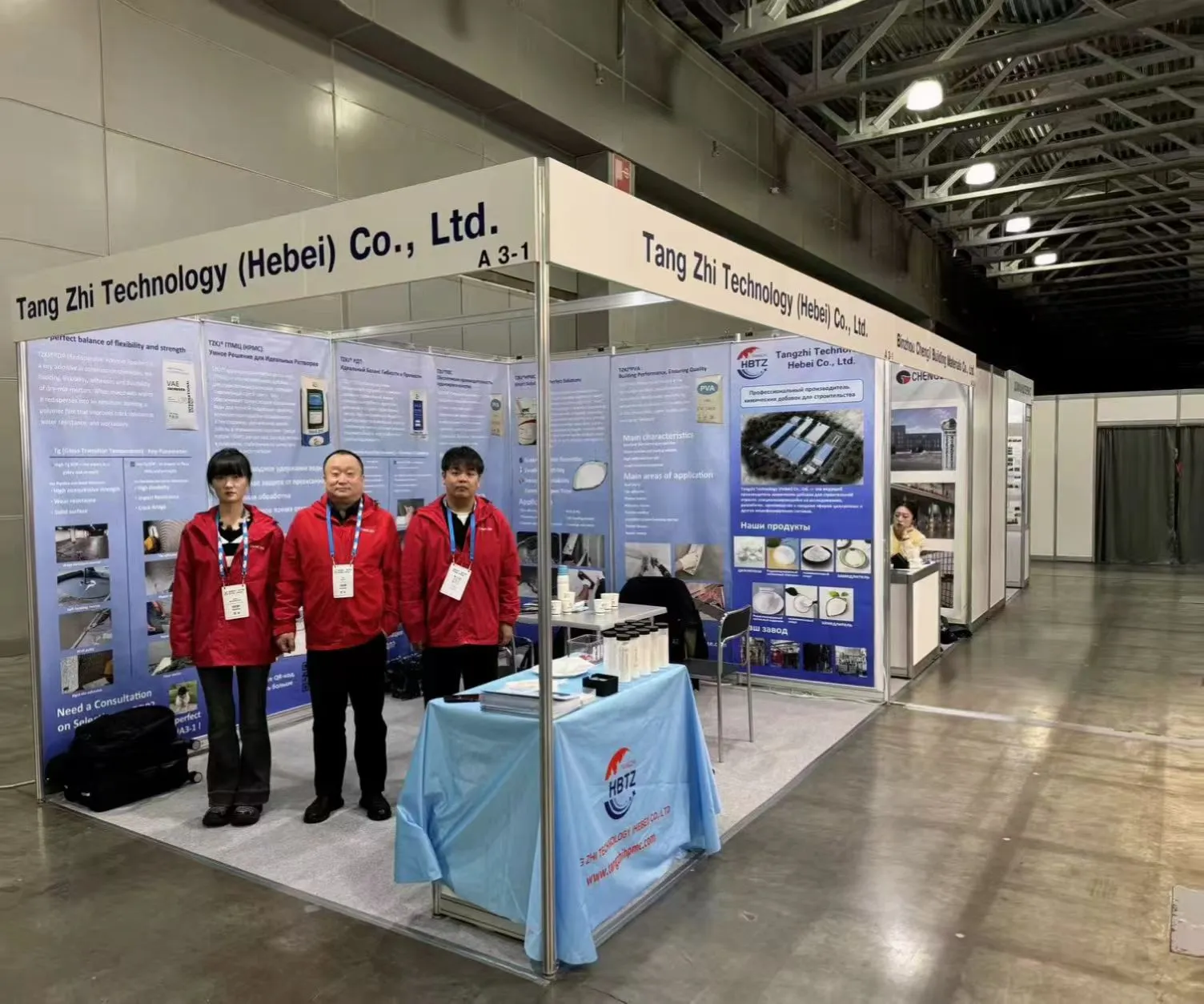
Tang Zhi Technology (Hebei) Co., Ltd., 140,000㎡ site, ISO9001, Kosher, Halal certified. Automated lines ensure uniform substitution. Exported to 50+ countries; audited by SGS.
- Annual capacity: 40,000T HPMC
- Lab: HPLC/NMR for structure analysis
- Compliance: USP/EP/FCC
9. Buyer Reviews
Carlos M., Procurement Mgr, Texas USA: "COA showed exact DS match. Structure data helped our R&D validate for mortar trials. Samples arrived in 5 days—solid supplier."
Anna K., Formulations Engineer, Australia: "Hydroxypropyl ratio spot-on for gelation in our coatings. No batch variation like previous Chinese sources."
Raj P., Ops Director, India: "Used structure info to tweak dosages. Cut water demand 5% in plasters. Logistics smooth, 1x20' perfect."
Mike L., Supply Chain, Canada: "Pharma grade E15 structure met USP. Fast MOQ for trial—now scaling to tons."
10. FAQs on HPMC Structure
Q: How does hydroxypropyl affect solubility?
A: It disrupts cellulose crystallinity, allowing cold water dispersion without heat.
Q: Can structure be customized?
A: Yes, DS/MS tuned per request. Min 1T for specials.
Q: Structure vs. HEC?
A: HPMC adds methyl for better thermo-reversibility; HEC lacks it.
Q: Testing structure?
A: Zeisel for methoxyl, periodate oxidation for hydroxypropyl.
11. Ready for HPMC with Proven Structure?
Request free COA, sample, or factory pricing. OEM/ODM welcome.
Phone/Whatsapp: +86-15032625168
Email: admin@tangzhicellulose.com