Cnf Cellulose
CNF Cellulose: Reliable Nanofibrillated Cellulose from Proven Manufacturers
Sourcing high-quality CNF cellulose shouldn't involve guesswork. We've shipped tons to fabricators worldwide—stable suspensions, consistent fibrillation, no clumping issues. Talk specs with our team.
Procurement managers hit roadblocks with inconsistent nanofibrils. We've heard it all—weak reinforcement in composites, poor dispersion in coatings. Tang Zhi Technology cuts through that. Our CNF cellulose delivers uniform 5-20 nm fibrils, sourced from sustainably managed pulp. No additives that compromise purity. Factories in Hebei handle scale-up without quality dips.
What Exactly is CNF Cellulose—and Why Does It Matter Now?
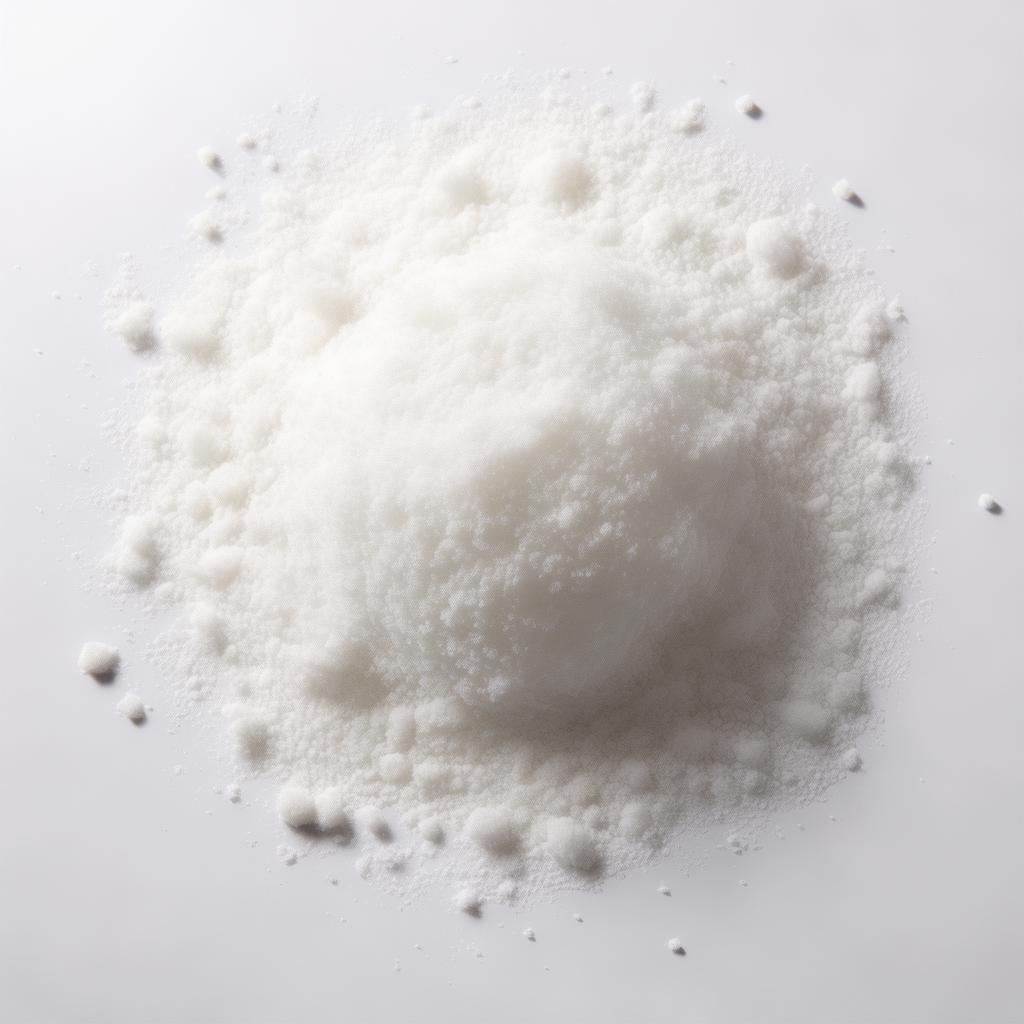
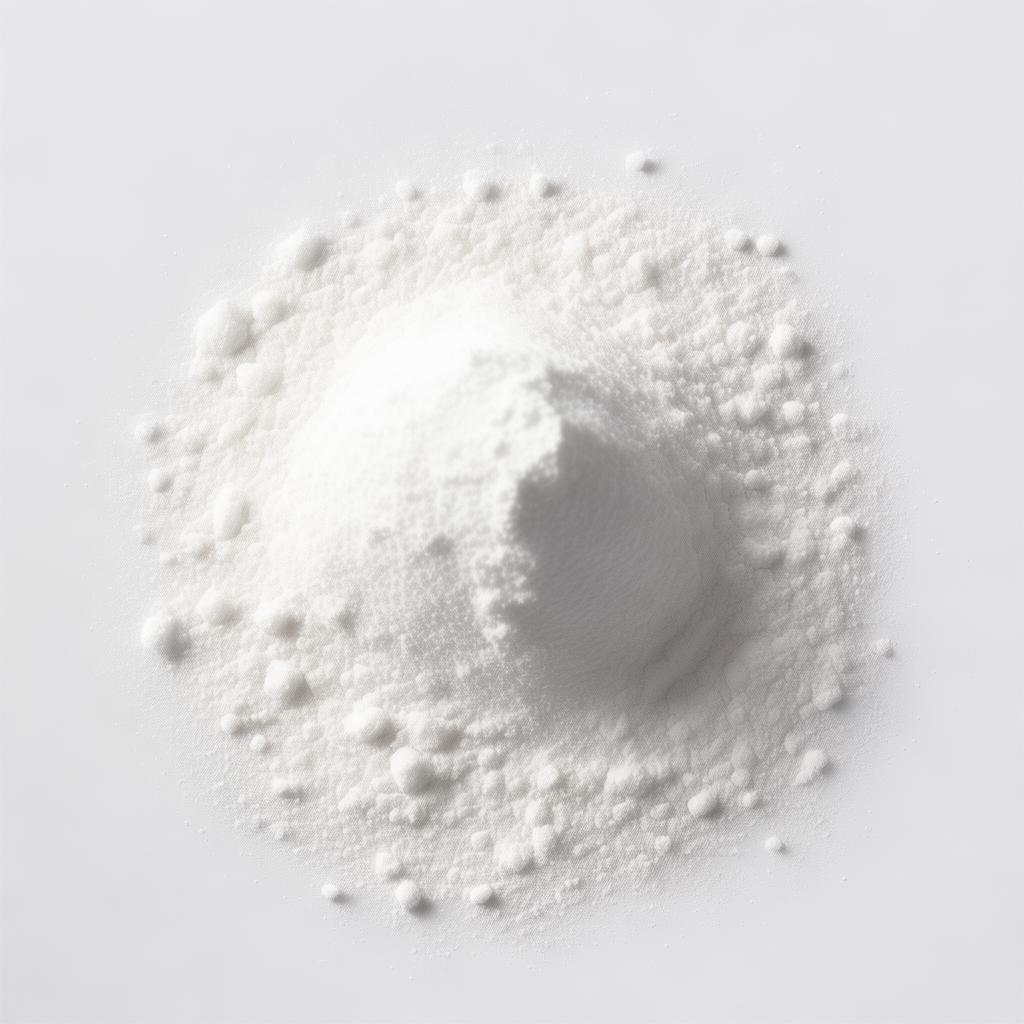
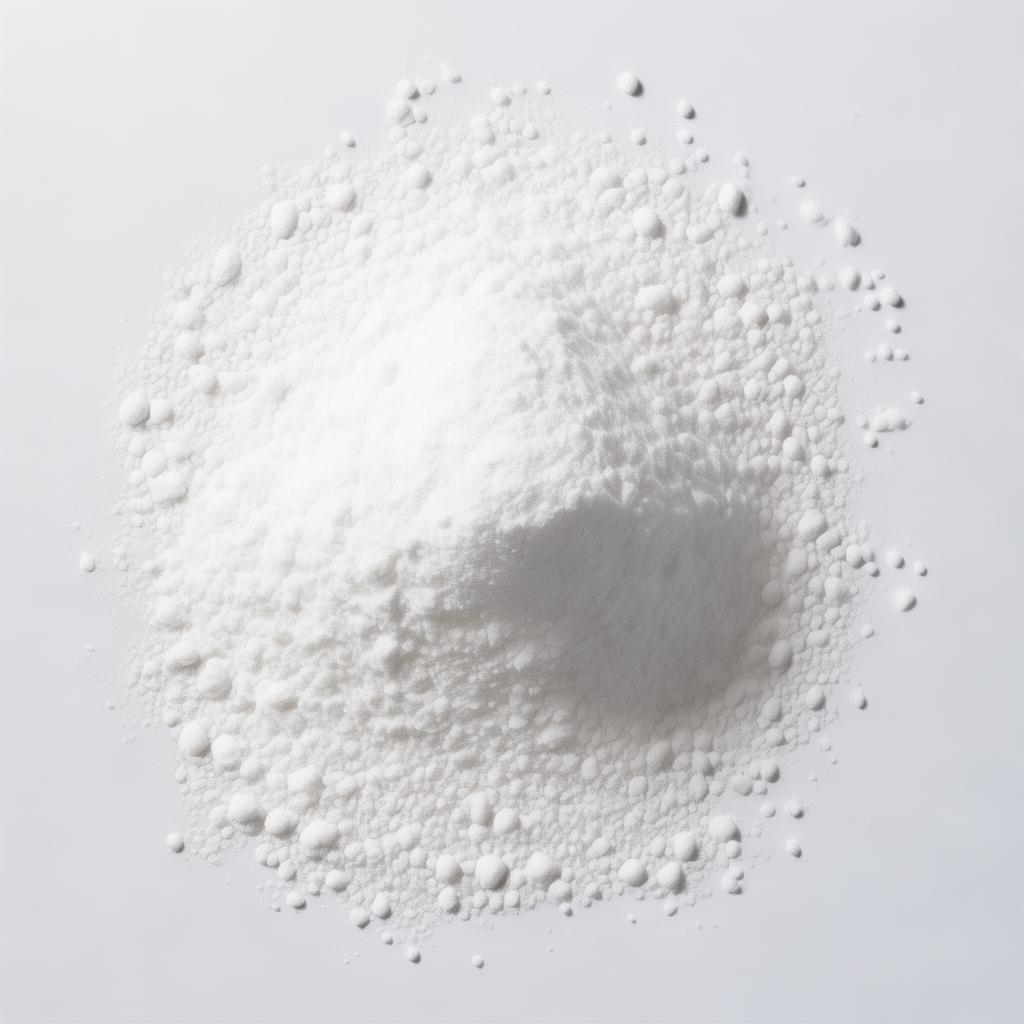
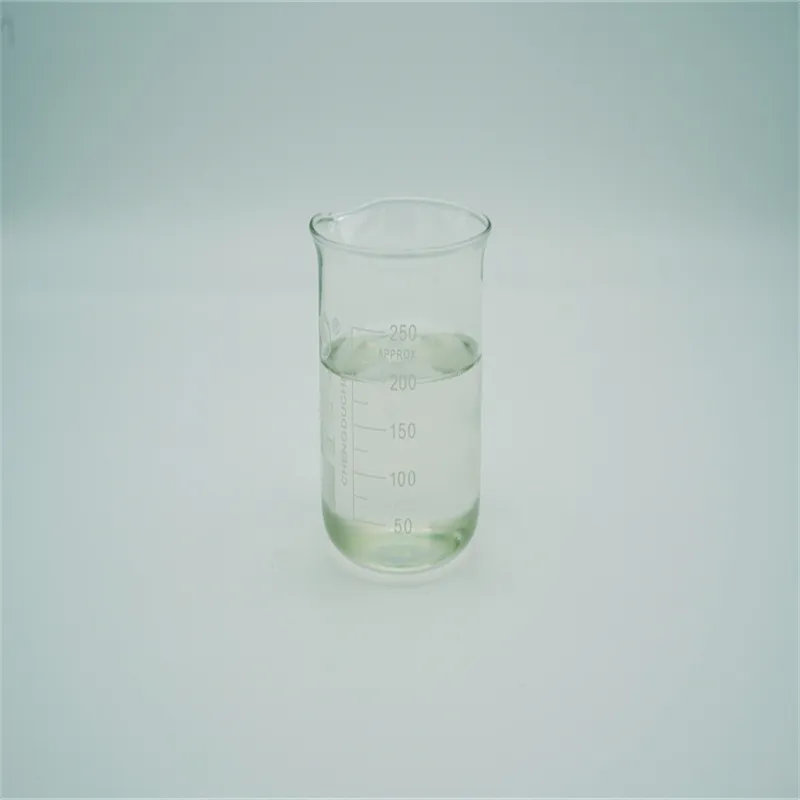
Cellulose nanofibrils, or CNF cellulose, start with something basic: plant fibers. We mechanically fibrillate them down to nanoscale—typically 5-50 nanometers wide, lengths in microns. The result? A translucent gel that packs serious strength.
I've managed exports for over 12 years at Tang Zhi Technology (Hebei) Co., Ltd. Our corner of Hebei sits amid pulp resources, so we control the chain from raw cellulose to finished CNF suspension. No middlemen marking up inconsistent batches. Buyers in the US composites sector tell us our CNF hits 200-300 MPa tensile strength in films, outperforming many lab samples they've tested.
Picture this: You're speccing a lightweight barrier film for food packaging. Traditional microfibrillated cellulose clumps under shear. CNF doesn't. Our production uses high-pressure homogenization—up to 2000 bar—to shear apart the fibers without chemicals. Keeps it food-contact safe, aligns with FDA guidelines indirectly through our ISO setups.
Market's shifting fast. Demand spiked post-2020 as brands chased bio-based alternatives to plastics. We ramped to 5,000 tons annual capacity across cellulose lines, including CNF variants tailored for rheology control. Procurement teams overlook fibrillation degree at their peril—low ones (under 80%) lead to settling in storage tanks. Ours clock 90%+ routinely.
Operationally, CNF cellulose shines in viscosity buildup. Add 1% to latex paints, and thixotropy jumps, preventing sag on vertical surfaces. We've shipped to US paint formulators who cut reformulation cycles by switching to our consistent lots. No more batch-to-batch variability eating engineering hours.
Downsides? It's shear-sensitive during pumping. We advise progressive cavity pumps over centrifugal for transfer lines. Real talk from the factory floor. And moisture control—keep suspensions at 1-5% solids for stability; higher risks gelation. Our packing in 20kg PE-lined drums handles that, with 12-month shelf life sealed.
Globe-spanning trade means navigating tariffs and REACH. Our CNF meets EU nanomaterial regs, declared as polymer-exempt under certain CAS. US importers appreciate our COAs including zeta potential (-20 to -40 mV) and brightness specs. Saves customs headaches.
Stepping back, CNF isn't hype—it's operational. Composites engineers reinforce epoxies with 2-5% loading for 30% modulus gains. Concrete admixtures get crack resistance without air entrainment issues. We've iterated formulas based on feedback: one Midwest fabricator needed lower water retention; we tuned fibrillation for their matrix.
At Tang Zhi, our 140,000 sqm site runs parallel lines for HPMC, CMC alongside CNF. Cross-pollination means expertise in dispersion rivals specialists. Export volume? Steady to North America, Europe, Southeast Asia. Lead times hover 3-4 weeks FOB Tianjin, assuming stock gels.
This intro scratches the surface. We've built trust supplying OEMs who demand traceability—lot numbers link back to pulp bales. If you're evaluating CNF cellulose suppliers, start with fibrillation uniformity. It's the make-or-break.
Technical Deep Dive: CNF Properties That Drive Performance
Fibrillation isn't uniform across suppliers. Our process yields CNF with high aspect ratios—length-to-width over 100:1. Transparency? Over 90% at 600nm in 1% films. Critical for optics or packaging.
| Property | Typical Value | Test Method | Application Impact |
|---|---|---|---|
| Fibril Diameter | 5-30 nm | AFM/TEM | Smooth films, high reinforcement |
| Length | 0.5-2 μm | AFM | Aspect ratio for entanglement |
| Zeta Potential | -25 to -35 mV | Dynamic Light Scattering | Dispersion stability |
| Water Retention | 800-1200% | Centrifuge | Thickening in waterborne systems |
| Tensile Strength (Film) | 150-250 MPa | ASTM D882 | Barrier layers |
| Solid Content | 1-5% (customizable) | Oven dry | Pumpable viscosity |
These aren't lab curiosities. We've tuned zeta for alkaline matrices—stays dispersed up to pH 11. One warning: high shear processing can shorten fibrils; we cap passes to preserve length.
Surface chemistry matters. Native CNF hydroxyls hydrogen-bond fiercely. TEMPO-oxidized variants (available on request) carboxylate for better compatibility in non-polar resins. Discuss with our engineers.
Where CNF Cellulose Delivers in the Field
- Composites Reinforcement: 3% CNF in epoxy boosts flexural strength 40-50%. Aerospace fabricators use it for delamination resistance. No phase separation on curing.
- Coatings & Paints: Rheology modifier at 0.5-2%. Prevents settling, improves scrub resistance. Waterborne formulators swap it for HEC—better shear recovery.
- Paper & Packaging: Barrier coatings slash oxygen transmission 80%. Sustainable switch from EVOH. One US printer reported 20% less material usage.
- 3D Printing Filaments: Fibril networks stabilize PLA, reduce warping. Printer OEMs trial it for bio-resins.
- Biomedical: Scaffolds with 95% porosity. Cell adhesion via topography. Research-grade purity standard.
Contractors in drainage composites add CNF for tensile hold-up. Logistics note: blends with PCE superplasticizers extend workability in concrete without bleed.
Procurement Guide: Vetting CNF Cellulose Suppliers
Risk-averse buyers check these:
- Fibrillation proof: Request TEM images, not just brochures.
- Scale proof: Annual output over 1,000 tons? Small labs falter on MOQs.
- Customization: Solids content, oxidation level adjustable?
- Logistics fit: FOB pricing, container stability data?
- Compliance: ISO 9001, nanomaterial declarations.
Common pitfall: Overlooking pump trials. Our CNF flows at 100-500 cP. Test in your lines early. Send your specs for a match.
Tang Zhi Technology: Factory Strengths Backed by Scale
140,000 sqm in Jinzhou, Hebei. Automated homogenizers handle 10-ton passes. Adjacent to Tianjin port—cut drayage costs. OEM/ODM? We private-label CNF suspensions, match your slurry specs.
Certifications:  ISO 9001, REACH compliant. No heavy metals per RoHS analogs.
Export footprint: USA duties navigated via Section 321 for samples. Bulk in 20ft containers, 18-20 tons/load stabilized.
Feedback from Procurement Pros
Mike R., Composites Buyer, Ohio USA: "Switched to Tang Zhi CNF after three bad batches elsewhere. Dispersion in vinyl ester flawless—no fisheyes. Shipment arrived stable, no settling after ocean transit."

Anna K., Coatings Formulator, Texas: "Viscosity profile spot-on for our high-shear mixer. Cut thickener dosage 15%. COA matched samples perfectly—rare in China sourcing."

David L., Packaging Engineer, California: "Barrier performance beat specs—WVTR under 10 g/m²/day. Quick pivot on oxidized grade request. Solid partner for scale-up."

Sarah T., R&D Manager, Florida: "Zeta stability prevented aggregation in our gels. Installation in pilot line smooth. Pricing competitive for purity level."

Frequently Asked Questions from Importers
Q: What's the minimum order for CNF cellulose?
1 metric ton for standard; samples at 50kg. Scales economically.
Q: How do you ensure no microbial growth?
PH adjusted to 6-7, biocide-free via process hygiene. Sterile filter options.
Q: Shipping to USA—any issues?
20ft FCL, IMDG non-hazardous. Duty code 391231. Samples duty-free under 321.
Q: Can you customize fibrillation?
Yes—mild (50nm avg) to ultra-fine (10nm). Pilot trials supported.
Q: OEM labeling available?
Full private label, from drum print to SDS customization.
Ready to Source CNF Cellulose?
Skip the sourcing risks. Get factory-direct pricing, samples, and engineering consult.
Addr: Room 2308, Dongsheng Plaza 2, No. 508 Zhongshan East Road, Chang’an District, Shijiazhuang, Hebei, China
Contact Export Team NowOr pick: Tech Specs | More FAQs | See Reviews
Written by Li Wei, Export Director, Tang Zhi Technology (Hebei) Co., Ltd.

15+ years in cellulose exports. Handled 500+ CNF inquiries annually.
Meta Title: CNF Cellulose Manufacturers | Wholesale Nanofibrillated Cellulose Suppliers China
Meta Description: Trusted CNF cellulose supplier Tang Zhi Technology. High-fibrillated nanofibrils for composites, coatings, packaging. OEM export, specs, quotes. Global shipping from Hebei factory.