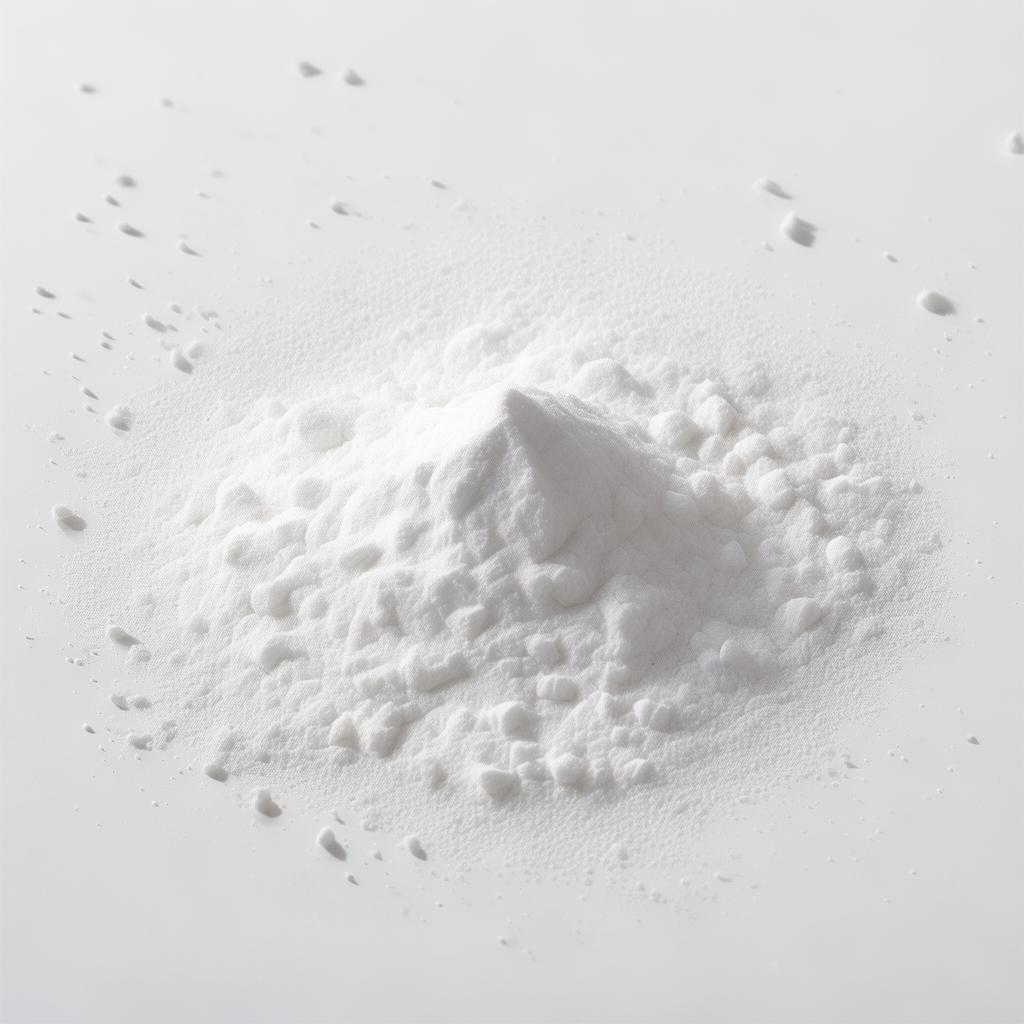
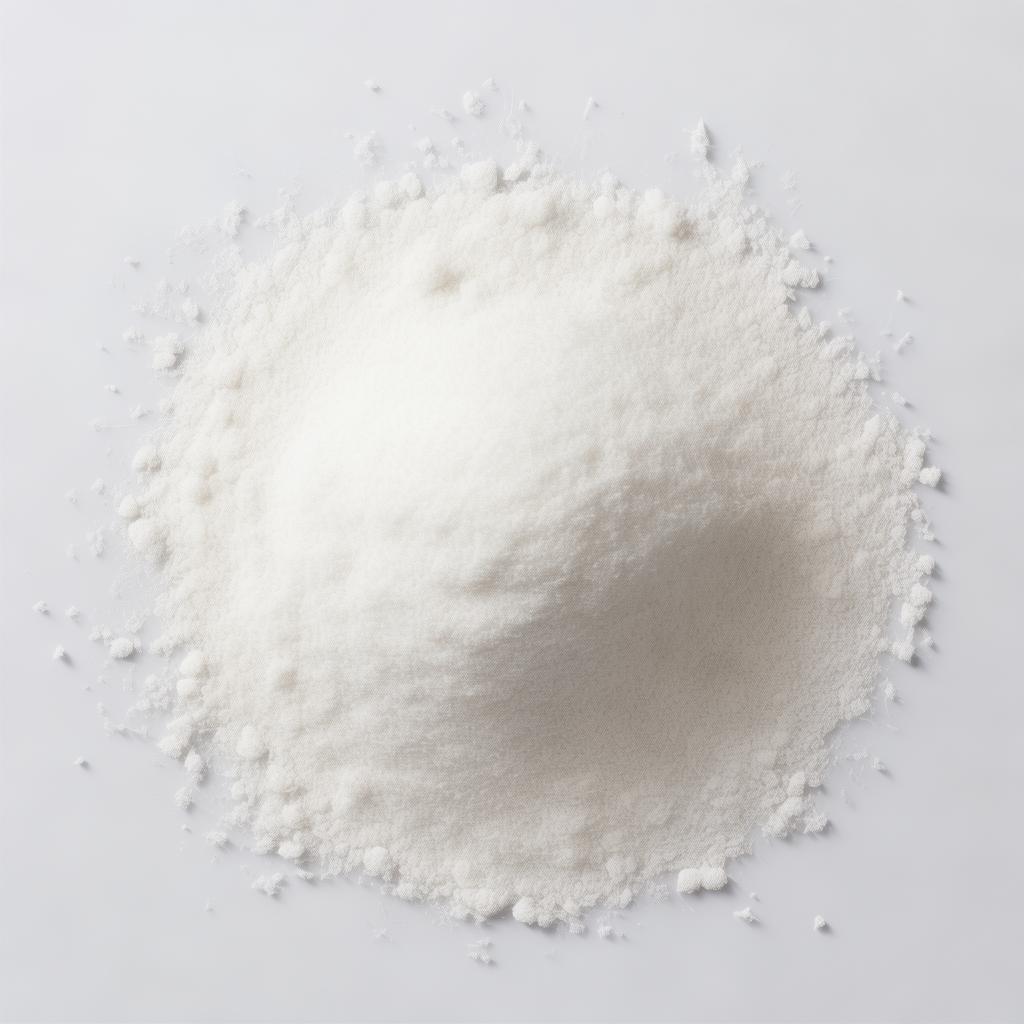
Cmc Cellulose
CMC Cellulose: Industrial-grade Carboxymethyl Cellulose Solutions for Global Procurement
Introduction to CMC Cellulose
Carboxymethyl cellulose (CMC) stands as a cornerstone chemical in the landscape of industrial cellulose derivatives. As a water-soluble polymer derived chiefly from natural cellulose sources, CMC plays an instrumental role across diverse manufacturing sectors, from paper production, textiles, food additives, to pharmaceuticals and personal care products.
For purchasing managers and procurement directors involved in sourcing bulk chemicals with consistent quality and reliable supply, understanding the nuanced features of CMC is crucial. Industrial-grade CMC requires optimal viscosity profiles, controlled degree of substitution (DS), and purity meeting ISO and often FDA or EU standards, depending on end-use. This ensures it performs predictably — whether as a thickener, binder, stabilizer, or film former.
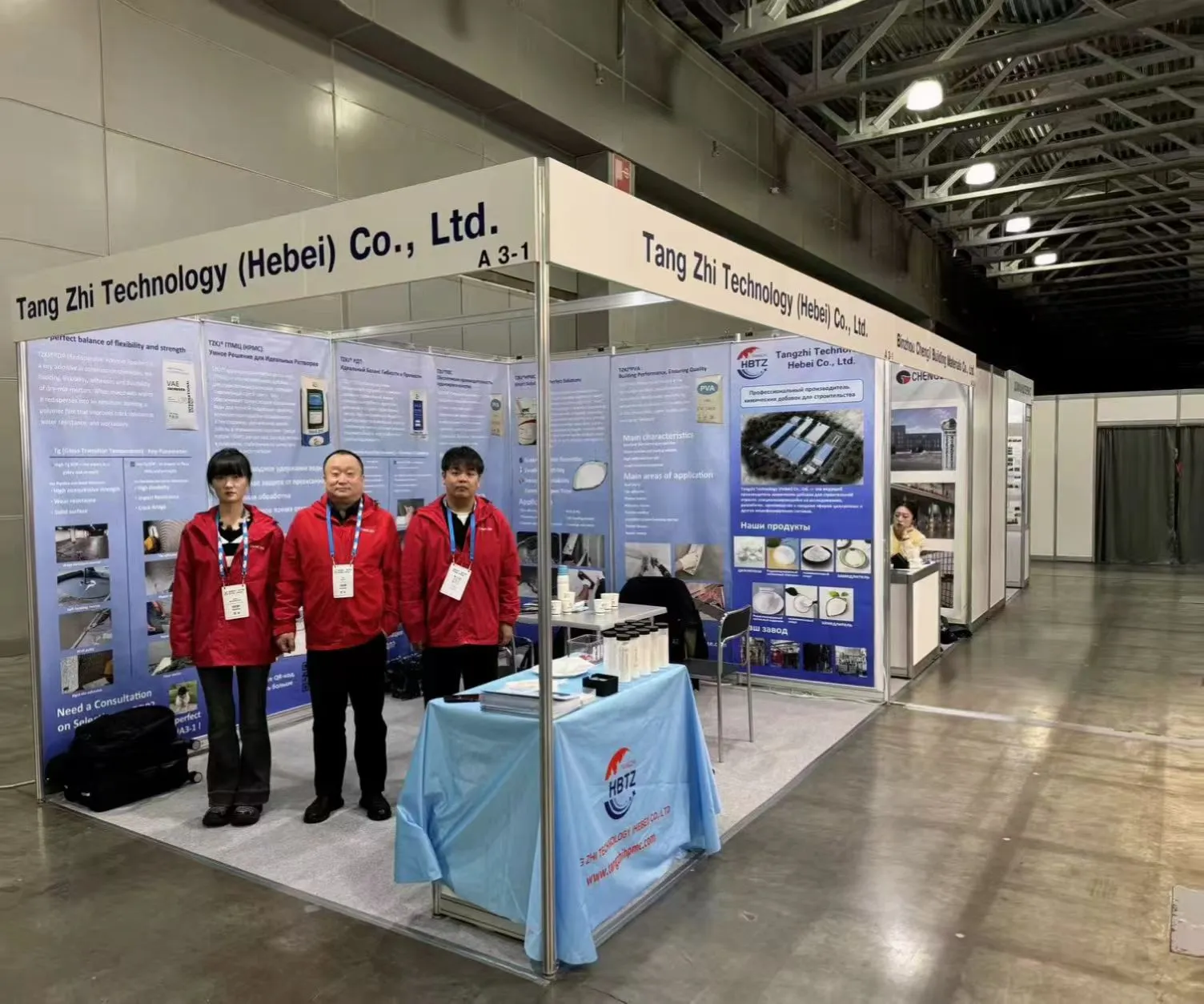
At TANG ZHI TECHNOLOGY (HeBei) CO., LTD, we embrace stringent manufacturing workflows and maintain advanced production lines capable of churning out over 40,000 tons annually of cellulose derivatives like CMC. Over time, we've noticed that buyers often overlook critical factors such as raw material sources, cross-contamination risks, or even logistics finesse, which impact order fulfillment and product efficacy.
Beyond mere technical specs, the procurement journey wades through considerations of lead times, container loading efficiencies, certificate verifications (including ISO 9001 or ROHS when applicable), and tailored OEM/ODM capabilities that align with project scale and compliance regimes globally. This industrial lens frames our approach to CMC supply—committing to transparency, batch traceability, and proactive customer support.
While many suppliers tend to commoditize CMC, experienced buyers know there's more beneath the surface: molecular weight distribution affects solubility rate; particle size affects suspension stability; and hydration time impacts operational throughput on the manufacturing floor. Our technical documentation and consultation emphasize these nuances, ensuring customers reduce costly trial runs or reformulations.
The evolving regulatory environment, especially relevant in North American and European markets, also influences compositional and packaging standards. For importers and cross-border traders, aligning with up-to-date documentation and certifications can avoid unexpected hold-ups at customs or delays in product registration, particularly when CMC becomes an ingredient in pharmaceutical excipients or food-grade formulations.
In short, understanding CMC cellulose in its full complexity—from raw material to application niche to procurement workflow—is paramount. This overview aims to equip supply chain decision-makers with rich, practical knowledge and mitigate common pitfalls encountered in wholesale purchasing and industrial utilization.
Key Industry Pain Points in CMC Supply
Sourcing cellulose derivatives consistently is a challenge familiar to many operations teams and chemical buyers. Common bottlenecks include:
- Fluctuating product viscosity leading to unpredictable batch quality.
- Delayed deliveries from factories lacking container loading optimization or impacted by seasonal upsets.
- Unclear certification trail that complicates compliance checks.
- OEM manufacturing misalignments where product grades do not meet specific application demands.
- Poor technical support post-sale, especially with installation or formulation queries.
- Variations in moisture content resulting in clumping or uneven dispersibility on site.
From an operational engineer’s perspective: a small inconsistency in CMC quality can cascade into hours of downtime or costly reformulations downstream. This is why vetting suppliers based on real factory output, production technology, and export logistics experience is non-negotiable.
Additionally, buyers juggling multiple supplier relations benefit from streamlined technical datasheets and frequent lab test certifications to validate batch-to-batch consistency. This transparency supports smoother procurement reviews and warehouse inventory management.
Technical Overview and Material Insights
Carboxymethyl cellulose chemically modifies cellulose through substitution reactions replacing hydroxyl groups with carboxymethyl groups. The precise degree of substitution (DS) defines its solubility and viscosity traits.
Key parameters:
- Degree of Substitution (DS): commonly ranges 0.4–0.9, impacting water retention and viscosity.
- Viscosity (mPa·s): typically between 50–3000 (2% solution, 25°C), tailored per use-case.
- pH Level: usually maintained between 6.5 and 8.0 for most industrial-grade CMCs.
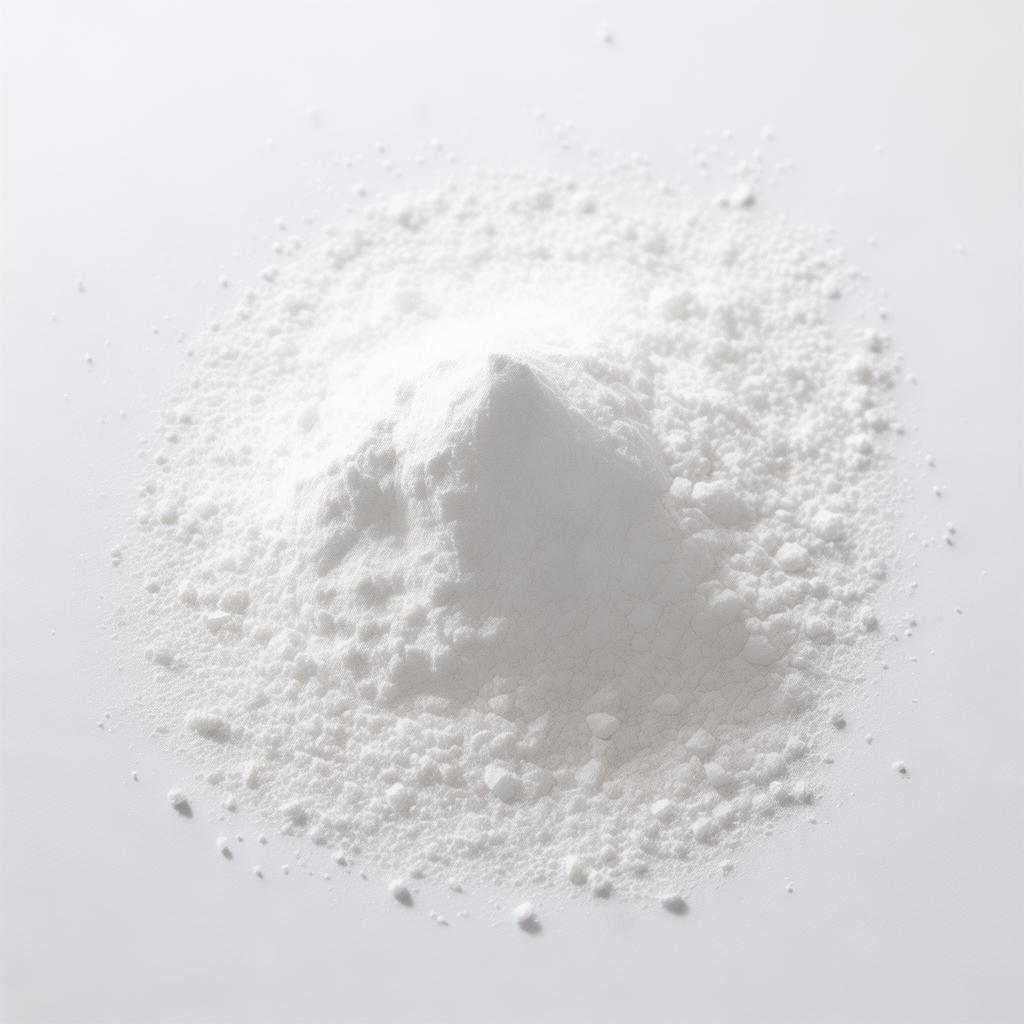
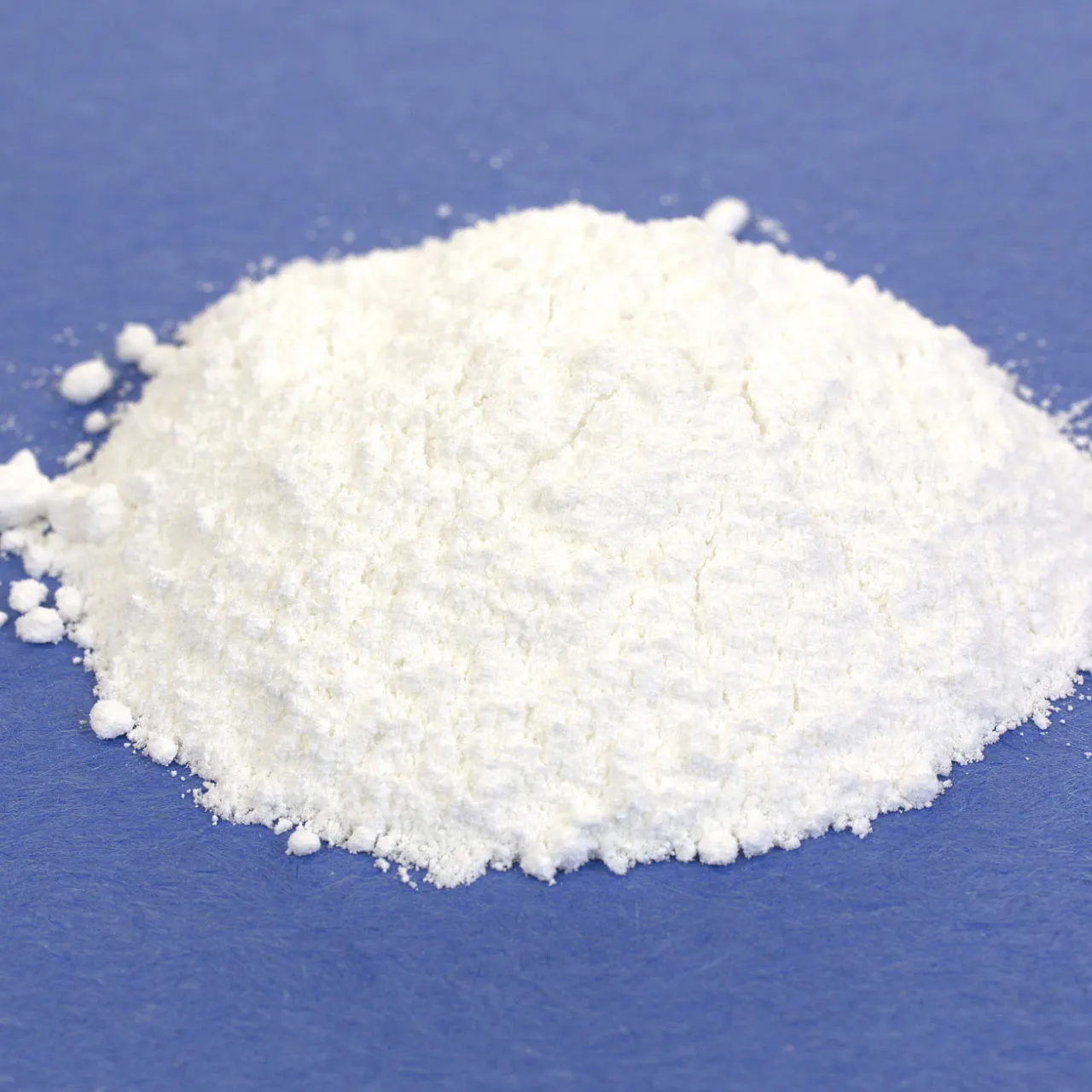
- Moisture content: controlled below 10% to prevent caking and maintain powder flowability.
- Purity: >99.5% cellulose derivatives with trace sodium salt to ensure reactivity and stability.
| Specification | Typical Range | Test Method |
|---|---|---|
| Degree of Substitution (DS) | 0.6 - 0.9 | ASTM D4603 |
| Viscosity (2% in water, 25°C) | 100 - 3000 mPa·s | Brookfield Viscometer |
| pH Value (1% solution) | 6.5 - 8.0 | ISO 976 |
| Moisture Content | ≤ 10% | ASTM D4442 |
cnf cellulose mhec cellulose cmc carboxymethyl cellulose
It's worth noting that the raw material source (wood pulp, cotton linters) affects the intrinsic polymer quality, influencing mechanical properties. Manufacturing equipment precision and reagent quality also determine consistency.
Hygroscopicity demands proper packaging and storage — commonly in multi-ply kraft paper bags with PE inner lining to avoid moisture ingress during shipment, ensuring shelf life stability for up to 12 months under dry conditions.
Typical Application Environments
CMC’s unique hydration and thickening properties make it a versatile candidate in various industrial fields:
- Paper & Board Manufacturing: improves fiber suspension, retention, and smoothness in coated paper productions.
- Paints & Coatings: used as a rheology modifier to stabilize pigments and adjust viscosity.
- Food Industry: acts as a stabilizer and dietary fiber in bakery products, dairy, and sauces, compliant with FDA regulations.
- Pharmaceuticals: serves as a binder in tablets, thickening agent in syrups, and lubricant in topical formulations.
- Textile Industry: used in sizing and finishing to improve yarn strength and fabric softness.
- Detergents & Personal Care: enhances texture and dispersibility in powders and liquids.
Each sector demands subtle differences in CMC physical attributes and purity level. For instance, pharmaceutical-grade CMC adheres to USP/NF standards and undergoes rigorous microbiological testing, which differs notably from industrial grades used in cement or drilling mud formulations.
Operationally, integration of CMC requires calibration in mixing equipment to account for hydration time and shear sensitivity. Sourcing batches with consistent dispersibility directly impacts throughput, particularly in continuous processes or automated dosing systems.
Procurement and Supplier Evaluation
Securing dependable CMC supply mandates a strategic approach:
- Factory Audit: Prioritize producers with ISO 9001 certification and cutting-edge continuous production lines. Our facility in Hebei integrates strict quality control checkpoints across raw input, reaction, and drying phases.
- Sample Testing: Before large volume orders, request technical datasheets and conduct in-house compatibility trials under actual process conditions.
- Logistics Coordination: Verify container loading plans and lead times, especially for USA-bound shipments via Pacific routes from Tianjin or Qingdao ports. Export experience mitigates customs clearance risks.
- OEM/ODM Flexibility: If formula adjustments or private labeling is needed, assess supplier’s R&D capability and minimum order quantities.
- After-sales Support: Engage providers offering engineering consultation to optimize application formulations and troubleshoot issues rapidly.
From our export director’s standpoint: tackling procurement challenges proactively reduces downtime and strengthens supply chain resilience, a must in volatile commodity markets.
Frequently Asked Questions
Lead time usually ranges from 25 to 40 days depending on order volume and current port conditions. Advance scheduling helps secure efficient shipping windows.
Proper storage in dry, ventilated areas preserves CMC powder flowability. Moisture exposure causes clumping and affects hydration, leading to inconsistent uses.
Yes, our OEM service tailors viscosity and DS to customer requirements, supporting varied industrial applications— from thickening in paints to stabilizing food formulations.
Our CMC grades comply with ISO 9001, CE, and can be produced to meet FDA or EU food additive standards upon request.
We offer pharmaceutical-grade CMC compliant with USP/NF criteria, produced under GMP guidelines with rigorous quality assurance.
Customer Reviews and Testimonials
“We transitioned to Tangzhi Technology’s CMC last year after facing inconsistent batches elsewhere. The improvement in viscosity stability cut our process adjustments by nearly half. Logistics was smooth, with direct container tracking and responsive support.”
- Michael R., Procurement Manager, Midwest Coatings Corp, USA
“Sourcing pharmaceutical-grade CMC in batch sizes that matched our demand was always challenging. Tangzhi’s OEM customization and supply chain reliability allowed us to meet our regulatory filing deadlines without a hitch.”
- Dr. Karen L., Formulation Chemist, NewAge Pharma, Canada
“Their export team coordinated well on container consolidation for our multiple chemical orders, saving shipping costs. The technical documents provided upfront helped our operations team integrate the CMC seamlessly.”
- Jorge M., Supply Chain Supervisor, Texchem Industries, Mexico
Ready to Optimize Your CMC Procurement?
Contact TANG ZHI TECHNOLOGY (HeBei) CO., LTD to discuss customized CMC solutions and receive competitive factory pricing.
Phone: +86-15032625168 | Whatsapp: +86 15032625168
Address: Room 2308, Dongsheng Plaza 2, No. 508 Zhongshan East Road, Chang’an District, Shijiazhuang, Hebei, China