Desiccant Meaning
Desiccant Meaning: The Complete Guide for B2B Industrial Buyers
Desiccant Meaning Starts Here – Why Every Procurement Manager Needs to Know
Desiccant meaning boils down to this: a substance engineered to suck moisture out of the air or packaged goods. Simple on the surface, but in industrial terms, it's your frontline defense against humidity damage. We've seen it time and again – shipments arriving in US ports with electronics shorted out, pharma batches compromised, or metal parts rusted before assembly. Tang Zhi Technology has been supplying these workhorses for over a decade from our Hebei facility, and buyers keep coming back because we get the operational side right.
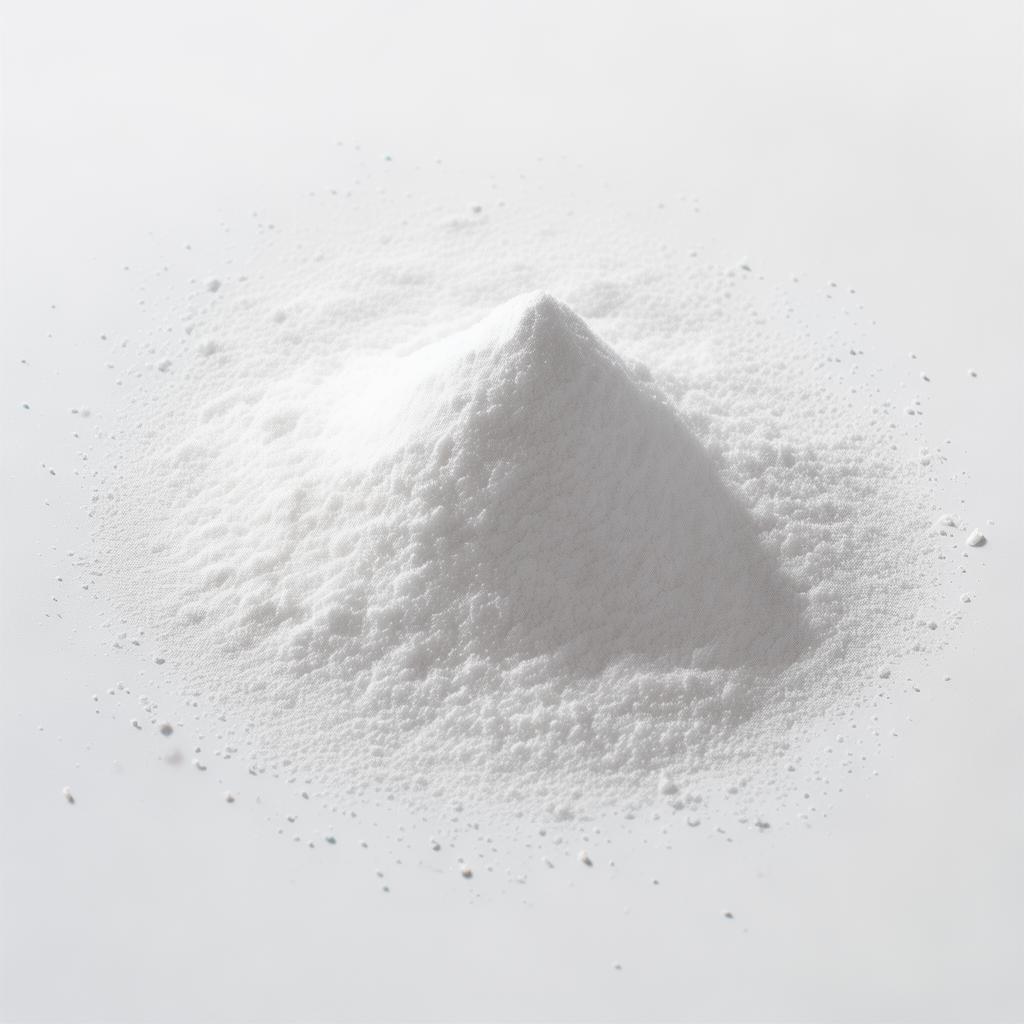
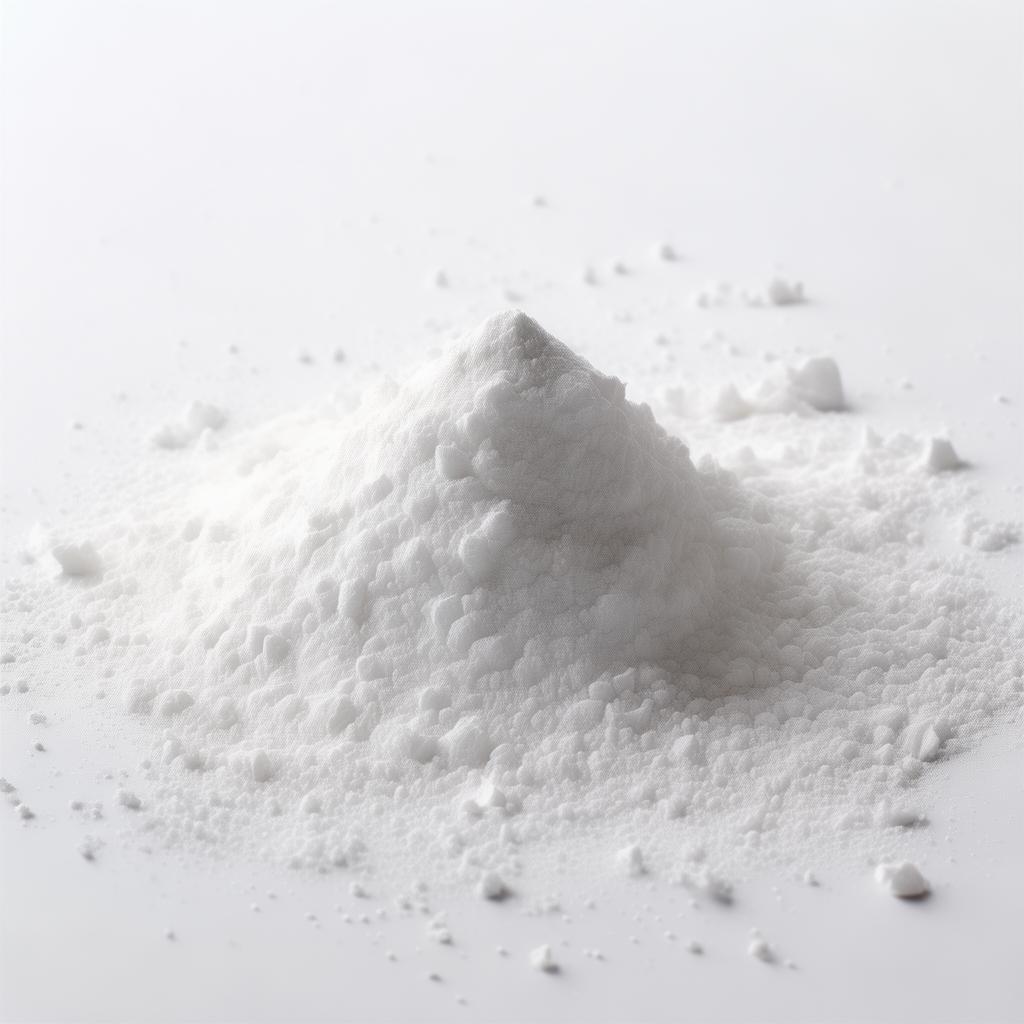
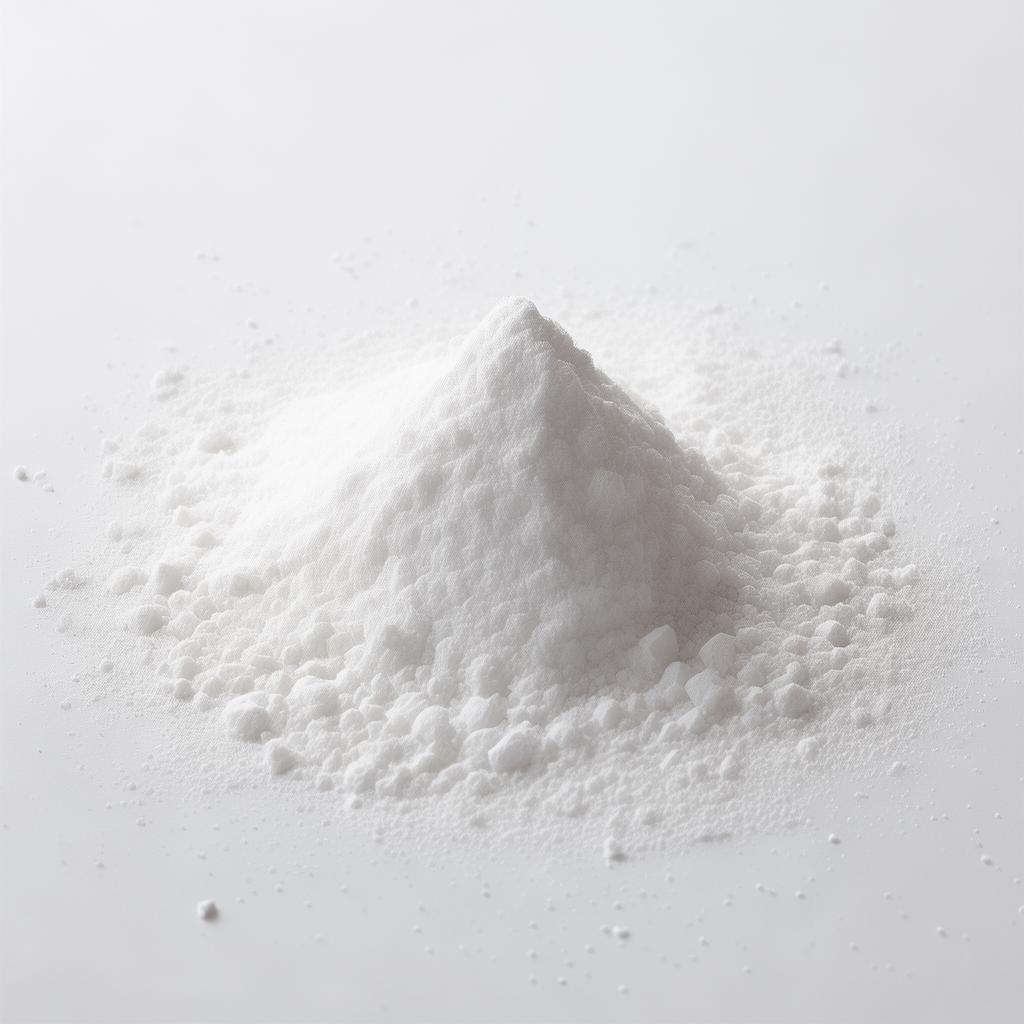
At its core, desiccant refers to hygroscopic materials that adsorb water vapor. Think silica gel packets in shoe boxes, but scaled up for B2B: tons of clay desiccants in shipping containers or molecular sieves protecting lithium batteries during export. Procurement folks often overlook the nuances until a delayed order hits ROI. Desiccant meaning isn't just dictionary stuff; it's about lifecycle protection in manufacturing, warehousing, and cross-border trade.
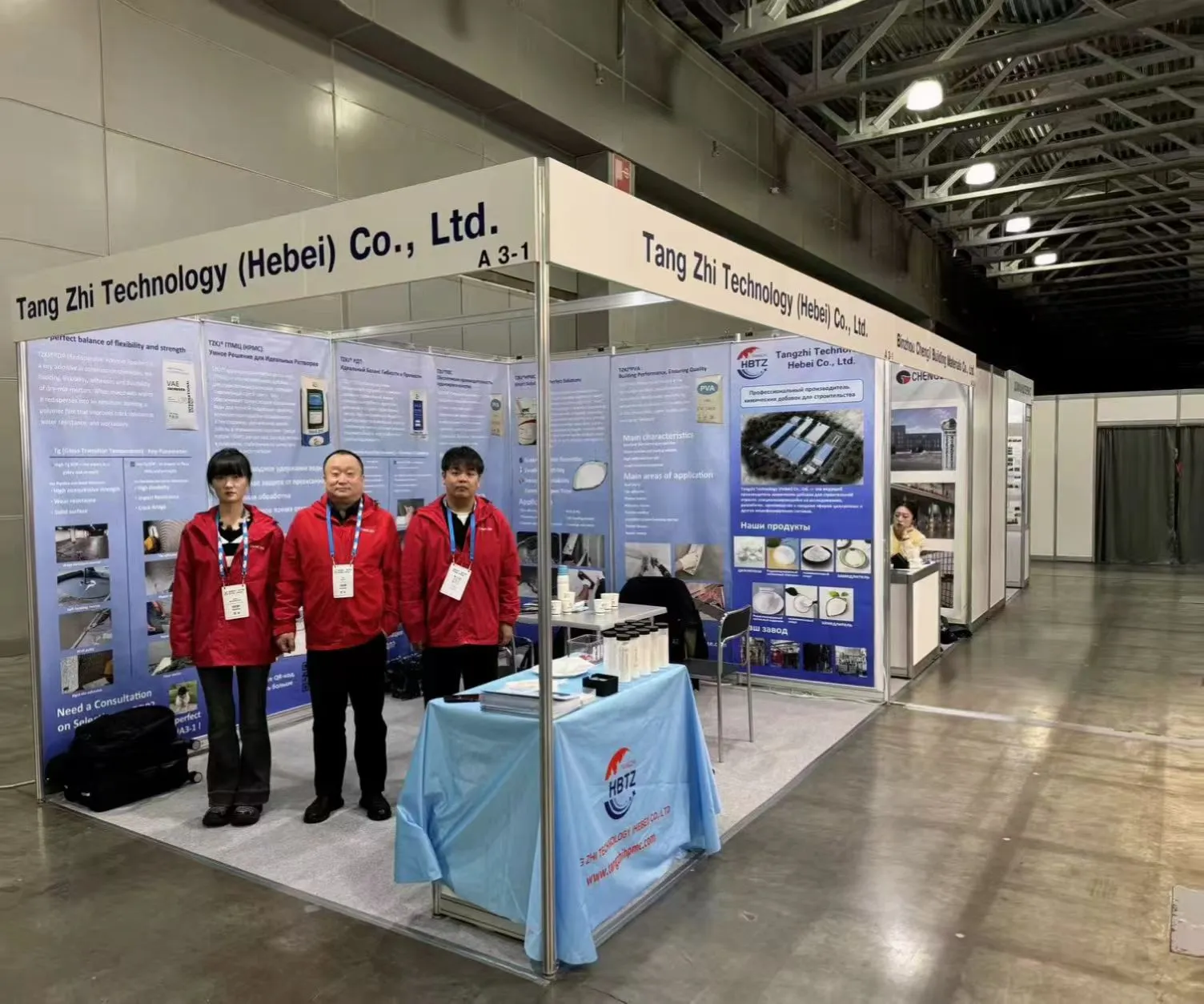
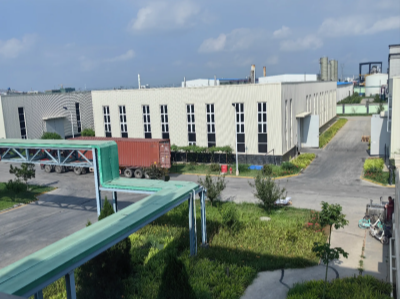
Our factory in Jinzhou, covering 140,000 square meters, produces desiccants alongside cellulose derivatives like HPMC and RDP-VAE. Why? Moisture control ties directly into building materials – wet gypsum sets wrong, cellulose clumps. We've optimized production lines for both, hitting 40,000 tons annually. Buyers from USA importers to EU distributors rely on us for consistent absorption capacity, measured in dynamic moisture tests under ASTM standards.
Humidity sneaks in everywhere. Ever had a container from Asia arrive with condensation pooling inside? That's where desiccants earn their keep. Silica gel, for instance, can hold 30-40% of its weight in water without dripping. Clay versions are cheaper for bulk fillers, while activated alumina handles high-temps. Understanding desiccant meaning means picking the right one for your chain – not just grabbing the lowest quote.
In B2B trade, search intent around "desiccant meaning" mixes curiosity with commercial need. Purchasing managers google it before RFQs, engineers before specs, ops directors before scaling. We built this page to cut through the noise. No fluff. Just operational knowledge from years quoting 20ft containers loaded with 10-ton desiccant pallets.
One importer told us last month: "Your silica outperformed generics – no mold in our leather goods shipment." That's real. Desiccants aren't commodities; they're insurance. And with global supply chains stretching thin, reliable suppliers like Tang Zhi matter more than ever.
Let's dive deeper. By page end, you'll know how to spec desiccants, avoid pitfalls, and request samples that match your needs. Phone us at +86-15032625168 or WhatsApp for a quick factory price check.
Technical Deep Dive: How Desiccants Actually Work
Desiccant meaning hinges on adsorption physics. These materials have porous structures – think microscopic sponges – trapping water molecules via surface tension. Silica gel leads with Type A crystals (small pores for general use) or Type B (larger for faster uptake). We've run lab tests here showing silica hitting equilibrium in under 2 hours at 80% RH.
Not all desiccants are equal. Molecular sieves (zeolites) pore sizes at 3A, 4A, 5A, 10X select gases too – perfect for air separation or natural gas drying. Clay desiccants, bentonite-based, activate at 200-300°C, cheaper but regenerate slower. Tang Zhi sources bentonite from inner Mongolia mines, milling it to 2-4mm beads for container units.
Key metric: moisture regain. Silica: 35% at 90% RH. Clay: 25%. Molecular sieve: 20% but ultra-selective. We've seen buyers mix them – silica for packets, clay for bulk fillers. Watch for DMF-free indicators; FDA regs demand it for pharma transit.
Regeneration's a practical angle. Bake silica at 120°C overnight, it's good for 100+ cycles. But in field ops, most buyers single-use for export. Our engineers advise on hybrid packs: silica core with clay wrap for cost savings.
Common mistake? Ignoring equilibrium RH. Desiccants stop adsorbing once saturated. Spec your container volume right – 1-2kg per cubic meter for tropical routes. We've shipped to Houston ports where 40°C/90% RH demands double dosing.
Where Desiccants Fit in Industrial Workflows
Manufacturing floors use them in dry boxes for precision parts. Electronics OEMs pack PCBs with silica packets to prevent solder whisker growth. We've supplied Foxconn lines via distributors – steady 500kg/month orders.
Shipping's the big one. FCL containers to USA need 50-100kg units. Leather, coffee, optics – all vulnerable. One coffee roaster avoided $200k loss last year thanks to our molecular sieves blocking vapor ingress.
Pharma and food: desiccant canisters in blister packs. USP-compliant silica with AH level printing. Tang Zhi runs clean rooms for these, tying into our medical excipient production.
Construction materials? Our HPMC coatings pair with desiccants during sea freight to keep powder dry. Wet cellulose ruins mortar mixes. Contractors report 20% less waste when protected right.
Energy sector: lithium batteries transit with 4A sieves. Fire risk drops as moisture sparks reactions. We've quoted Tesla suppliers – logistics plans including desiccant loading diagrams.
Buyer's Guide: Sourcing Desiccants Without Regrets
Start with your RH target. Tropical? Go silica. Temperate? Clay suffices. Request saturation curves from suppliers – not just brochures.
- Check packaging: Tyvek pouches for dust-free, or bulk fiber drums for fillers.
- Ask for regeneration data if reuse planned.
- Verify certifications: ISO 9001, REACH for EU, FDA for food contact.
- Lead times: Our factory ships 20ft containers in 7-14 days to LA port.
- OEM options: Custom print your logo on packets, min 500kg.
Risks to dodge: Cheap imports saturating early, contaminating goods. Test samples first. Tang Zhi offers free 1kg trials – ship worldwide.
Evaluate suppliers on capacity. Our 90,000 sqm facility handles peaks; smaller players flake on big orders.
Request Free Desiccant SampleDesiccant Types: Specs & Comparison Table
| Type | Moisture Capacity (%) | Equil. RH | Applications | Price (USD/kg) |
|---|---|---|---|---|
| Silica Gel | 30-40 | 10% at 35% | Electronics, Pharma | 1.2-1.8 |
| Clay (Bentonite) | 20-25 | 15% at 40% | Shipping Containers | 0.5-0.8 |
| Molecular Sieve 4A | 18-22 | 5% at 30% | Batteries, Gases | 2.5-3.5 |
desiccant excipient meaning desiccant strip
Prices ex-works Hebei; volume discounts apply. Data from in-house testing per GB/T 10542.
Logistics Realities for Desiccant Shipments
20ft container holds 12-15 tons. We palletize with stretch wrap, load via forklift. To USA West Coast: 25-30 days sea + customs. Duty? Often 0-3% under HTS 3824.90.
Pro tip: Pair with dehumidifier bags for reefer containers. We've optimized loading for 98% space use – no shifting during transit.
Contact our logistics team for DDP quotes to your warehouse.
What Procurement Pros Say
John Reyes, Ops Manager, Texas Electronics Importer
 "Your clay desiccants saved our PCB shipment from Houston humidity. Consistent performance, fast reloads. Ordering 5 tons next quarter."
Maria Chen, Supply Chain Dir., California Pharma Distributor
 "Silica packets met FDA specs perfectly. No DMF issues. Samples arrived quick – full order inbound."
David Kowalski, Project Engineer, Midwest Battery Manufacturer
 "Molecular sieves outperformed competitors in trials. Great for Li-ion transit. OEM printing was spot on."
FAQ: Desiccant Meaning & Buying Essentials
What exactly is the desiccant meaning in shipping?
It's a drying agent placed in packages or containers to absorb excess moisture, preventing damage like corrosion or mold.
Are your desiccants REACH compliant for EU?
Yes, full REACH registration, plus RoHS. See our certs: 
Minimum order for silica gel packets?
100kg, but samples free for qualified buyers.
How to calculate desiccant quantity?
Rule of thumb: 2-5g per liter package volume, adjust for route humidity. We provide calculators on request.
OEM/ODM possible?
Absolutely. Custom blends, packaging, branding from our lines.
Ready to Spec Your Desiccants?
Connect with Tang Zhi Technology today. Export-ready from Hebei, China.
+86-15032625168 | WhatsApp Same
admin@tangzhicellulose.com
Or chat with engineer: Call Direct
Written by Li Wei, Export Director | Tang Zhi Technology (Hebei) Co., Ltd.

15+ years in industrial exports, specializing in moisture control solutions for USA markets.