Grade Of Hpmc
Grades of HPMC: Picking the Right One for Your Project
Insights from factory floors to global supply chains
When you're sourcing hydroxypropyl methylcellulose—HPMC—for mortar additives, pharma coatings, or food thickeners, the grade makes all the difference. One slip in selection, and you're dealing with batch failures or rework costs.
We've shipped tons of this material out of our Hebei facility over the years. Procurement teams call us because they need reliability, not hype. Grades aren't just labels; they're tuned for viscosity, substitution levels, and purity that match exact end-uses.
Take a construction project in Texas. A buyer grabbed industrial HPMC rated too low on hydroxypropyl content. The tile adhesive lost water retention overnight. Simple mismatch. Happens more than you'd think when specs get overlooked in rush orders.
Our lines in Jinzhou crank out over 40,000 tons annually, spanning construction-grade HPMC at 100,000 mPa·s to pharma-grade E5 at under 5,000. Each grade ties back to cellulose ether chemistry—partial etherification of cotton linter or wood pulp with methyl chloride and propylene oxide.
The methoxyl group (DS 1.1-2.0) drives solubility and film-forming. Hydroxypropyl (MS 0.1-0.3) boosts hydration and gel temp. But grades diverge here: industrial skips heavy purification, pharma hits USP/EP microbial limits, food clears E464.
Procurement directors scanning Alibaba or ThomasNet often miss this. They chase price per kilo without drilling into substitution degrees or viscosity curves. We've seen importers pay 20% more later for reformulations.
In the US market, where ASTM C270 for masonry cement rules, construction HPMC needs 50,000-200,000 cps to hold slump and bond. Pharma buyers demand K100M for sustained release tabs, holding 80,000-120,000 cps at 2% solution.
Our Tang Zhi team tests every lot—Brookfield viscometer at 20°C, 2% in water. Gelation points from 58-64°C for most grades. This isn't lab fluff; it's what keeps your drywall compounds from cracking in humid Florida warehouses.
Short story from last quarter: A Midwest distributor mixed low-viscosity HPMC into gypsum plaster. Finish sagged during troweling. Switched to our 80,000 cps grade, problem solved. Lead time? 15 days FOB Tianjin.
Grades cluster into buckets. Industrial for putties and paints. Building for renders and grouts. Pharma/food for precise dosing. OEMs blend custom—say, dual-substitution for better cold-water dispersibility.
Logistics bite too. High-vis grades gel faster, pack denser in 25kg bags. Container loads hit 26 tons without bridging. We've optimized palletizing for 40ft boxes—1,040 bags straight.
If you're evaluating suppliers, probe their polymerization controls. Inconsistent etherification leads to lot variability. Our autoclave reactors run 120°C, 2.5 bar, yielding tight polydispersity.
US importers favor pharma-grade HPMC E15M for opadry films—transparency and moisture barrier without tack. Cost? Around $4.5-6/kg landed, depending on volume.
Enough background. Let's break down the grades properly. This guide pulls from our production logs and client feedback, not some generic template.
Table of Contents
1. HPMC Grade Classifications: Beyond the Basics
Factory managers classify HPMC by end-use first. Construction grades dominate—about 70% of output. They tolerate impurities, prioritize thickening at 0.2-0.5% dosage.
Pharma grades? Tight specs. Microbial count under 100 CFU/g, heavy metals <10ppm. Substitution: 28-30% methoxyl, 7-12% hydroxypropyl.
Food grades mirror pharma but add E464 compliance. No yellowing in sterilization.
Specialty grades emerge too. Slow-dissolve for detergents. High-gel for oil drilling muds.
Our nomenclature? TZ-HPMC A (industrial, 5,000-50,000 cps), B (construction, 50k+), C (pharma/food). But buyers reference Dow/Wolff codes: E, F, J, K series.
E grades: Low viscosity pharma, E5 at 3-5k cps. K grades: Sustained release, K4M 3k-5.5k at 2%, but scales nonlinear.
Watch particle size too. 100-200 mesh for dispersibility. Coarser grinds clump in mixers.
2. Viscosity Breakdown: The Core Spec
Viscosity defines usability. Measured at 20°C, 2% aqueous. Low-vis (under 50k) for sprays. High-vis (100k+) for no-slump mortars.
Curve matters. Shear-thinning pseudoplastic behavior. Mixes easy, holds firm.
| Grade Type | Viscosity Range (mPa·s) | Typical Use |
|---|---|---|
| Low (E3-E15) | 2.5-50,000 | Pharma coatings, food gels |
| Medium (E50-K100) | 50,000-100,000 | Tile adhesives, plasters |
| High (K15M+) | 100,000-200,000+ | Masonry, gap fillers |
Pro tip: Test in your mixer. Lab numbers shift with salts or pH.
3. Applications by Grade
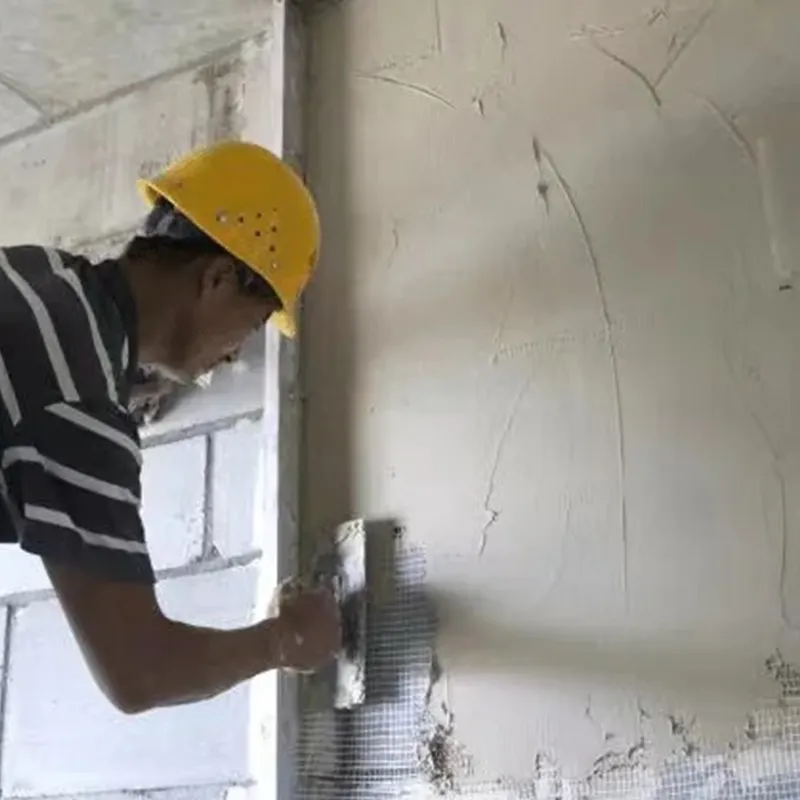
- Construction Industrial (50k-150k cps): Drymix mortars. Improves yield up to 30% in some formulas. Water demand drops, open time extends.
- Pharma (E5-K4M): Tablet matrices. Swells 4x in gastric sim. Controls release 8-24hrs.
- Food (E15-E64): Ice cream stabilizers. Prevents syneresis in frozen storage.
- Specialty: Paints (thixotropy), detergents (anti-redeposition).
Contractors in California swear by 100k cps for EIFS. Holds insulation boards without sag.
4. Buyer Guide: Selecting Your HPMC Grade
Start with dosage. 0.1-0.3% typical. High dosage risks over-thickening.
Match climate. Hot/dry? Higher hydroxypropyl for faster hydration.
Risk check: Ash content <5%, dry loss <10%. Moisture <8% for shelf life.
Quick Checklist:
- Viscosity fits rheology?
- Purity meets regs (USP/EP/FCC)?
- Appearance: white/off-white powder, no lumps?
- Sample test in your batch?
Avoid lowball quotes. Cheap grades often vary 20% lot-to-lot.
Request TDS + COA upfront. Our portal delivers within hours.
5. Material Comparison: HPMC vs. Alternatives
| Property | HPMC | HEC | MHEC |
|---|---|---|---|
| Water Retention | Excellent (95%+) | Good | Very Good |
| Salt Tolerance | High | Medium | High |
| Gel Strength | Strong (thermoreversible) | Weak | Moderate |
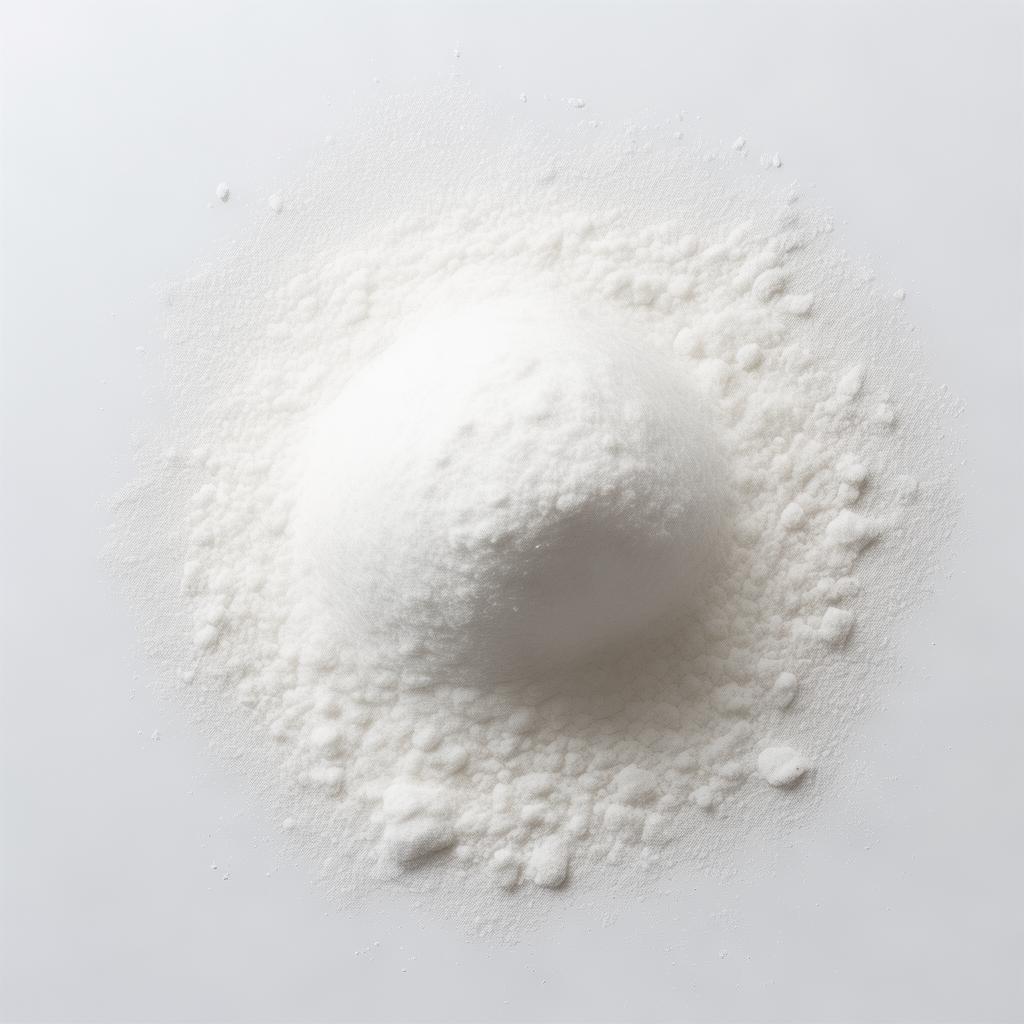
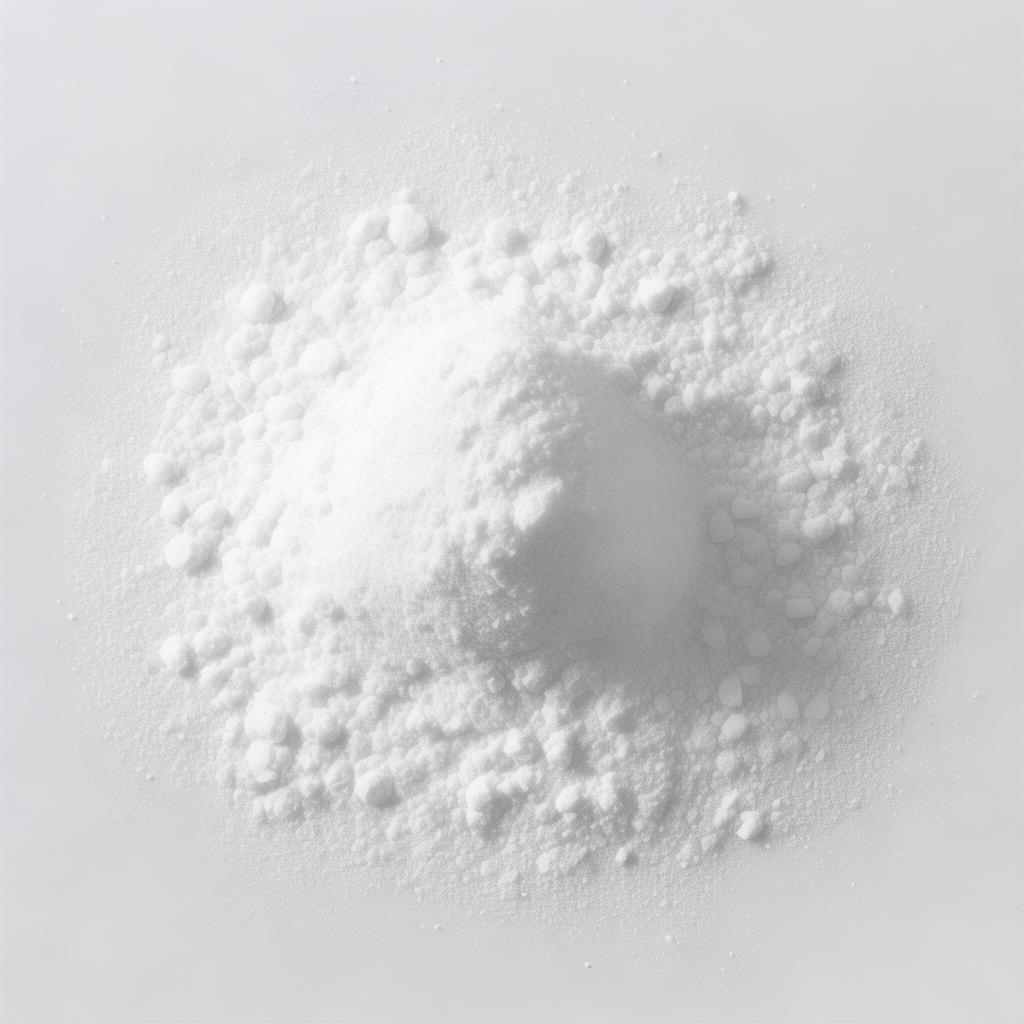
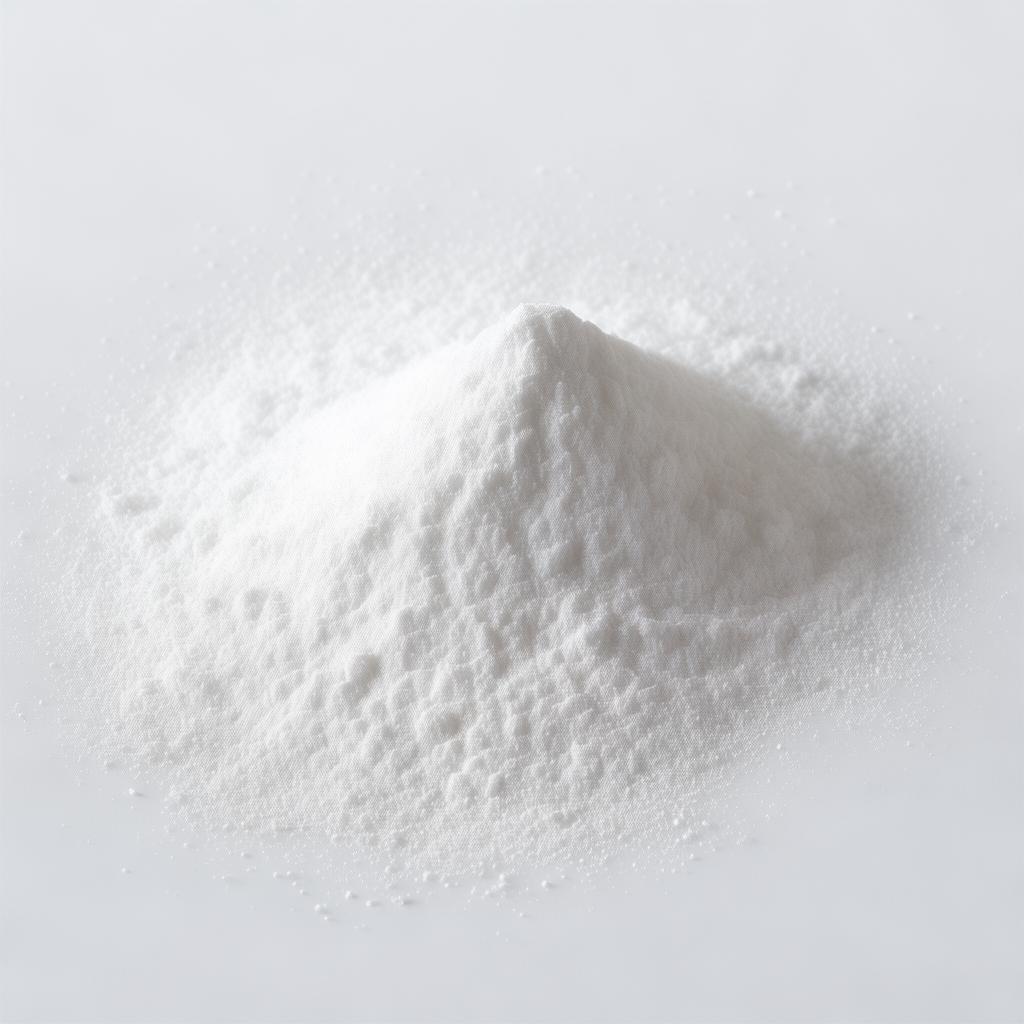
hpmc grade hpmc as grade different grade of hpmc
HPMC wins on versatility. HEC cheaper but less stable in mortars.
6. Tang Zhi Factory Strengths
140,000 sqm site in Jinzhou, Hebei. 90,000 sqm buildings. Automated lines for HPMC, MHEC, RDP.
Certifications: ISO9001, ISO14001, REACH, Kosher/Halal. [Cert: cert/iso.png] [Cert: cert/reach.png]
Export to 50+ countries. US clients get FDA-compliant pharma grades.
Lead times: Stock 7 days, custom 20-25. Min order 1 ton.
OEM/ODM? Full service. Private label your blends.
Our edge: In-house R&D lab. Tweaks viscosity curves per client formula.
7. Procurement Tips & Common Risks
Risk 1: Off-spec lots. Insist on third-party testing—SGS or Intertek.
Risk 2: Storage mishaps. Keep under 40°C, dry. Bags last 2 years.
Logistics: FCL from Tianjin/Xingang. Duties ~3.7% US. Incoterms DAP popular.
Negotiate samples free for 500g trials. Scale to pallets.
Warning: Avoid brokers. Direct factory cuts 15-20% markup.
Talk to our engineers before committing.
8. What Buyers Say
Mark T., Procurement Mgr, Texas Drymix Co.
"Switched to Tang Zhi 100k HPMC after three bad batches elsewhere. Mortar workability spot-on. Delivery as promised, even during port delays."
Sarah L., Formulator, Midwest Pharma
"E15M grade met USP every test. Dissolution profile perfect for our capsules. Responsive on tweaks."
Carlos R., Ops Director, Florida Contractor
"High-vis for grouts saved us rework. Bags arrived dry, no caking. Pricing beat competitors."
Anna K., Importer, California
"Food grade HPMC stable in emulsions. OEM labeling done quick. Recommended."
9. Buyer FAQs
What's the difference between construction and pharma HPMC grades?
Construction tolerates impurities, focuses on rheology. Pharma demands low microbes/heavies, tighter substitution.
How do I measure HPMC grade viscosity?
Brookfield LV, spindle 4, 20rpm, 20°C, 2% soln. Curves at 5-20rpm for non-Newtonian.
Minimum order for samples?
500g free. Test it yourself.
Lead time to US?
Stock: 10-15 days door. Custom: 25-30.
OEM possible?
Yes. Specs, packaging your way.
Ready for Reliable HPMC Grades?
Request specs, samples, or factory pricing today.
Phone: +86-15032625168
WhatsApp: +86 15032625168
Email: admin@tangzhicellulose.com
Addr: Room 2308, Dongsheng Plaza 2, No. 508 Zhongshan East Road, Chang’an District, Shijiazhuang, Hebei, China
Get Your Free Sample & Quote
By Li Wei, Export Director at Tang Zhi Technology (Hebei) Co., Ltd.
15+ years in cellulose ethers. [Author avatar: author/3.png]