A Practical Guide for Purchasing Managers, Technical Engineers, and Supply Chain Professionals Selecting the right cellulose ether derivative—HEC (Hydroxyethyl Cellulose) or HPMC (Hydroxypropyl Methylcellulose)—can be a nuanced decision for procurement managers. Both materials play
HEC vs HPMC: In-Depth Comparison for Industrial Procurement and Application
A Practical Guide for Purchasing Managers, Technical Engineers, and Supply Chain Professionals
Industry Pain Points and Procurement Challenges
Selecting the right cellulose ether derivative—HEC (Hydroxyethyl Cellulose) or HPMC (Hydroxypropyl Methylcellulose)—can be a nuanced decision for procurement managers. Both materials play critical roles in construction, coatings, adhesives, and pharmaceuticals. Yet, procurement missteps often stem from incomplete understanding of their functional distinctions and supply chain nuances.
Common pain points include inconsistent product quality due to fluctuating raw material sources, delayed deliveries caused by container loading inefficiencies, and sometimes, improper material choice leading to formulation instability in end products. Additionally, the price volatility of cellulose ethers, impacted by seasonal availability and regulatory changes, requires strategic sourcing and flexible supplier relationships.
Beyond material specs, many buyers overlook vital operational aspects like installation pacing or long-term maintenance needs. For instance, HEC may exhibit superior freeze-thaw stability but lesser water retention compared to HPMC, impacting project timelines and cost forecasts. Understanding these subtleties before finalizing orders avoids costly rework or product failures down the line.
Practical insight: Always validate cellulose ether batches with your lab alongside plant trials for durability and performance consistency before scaling procurement.
Material Overview: HEC & HPMC Technical Breakdown
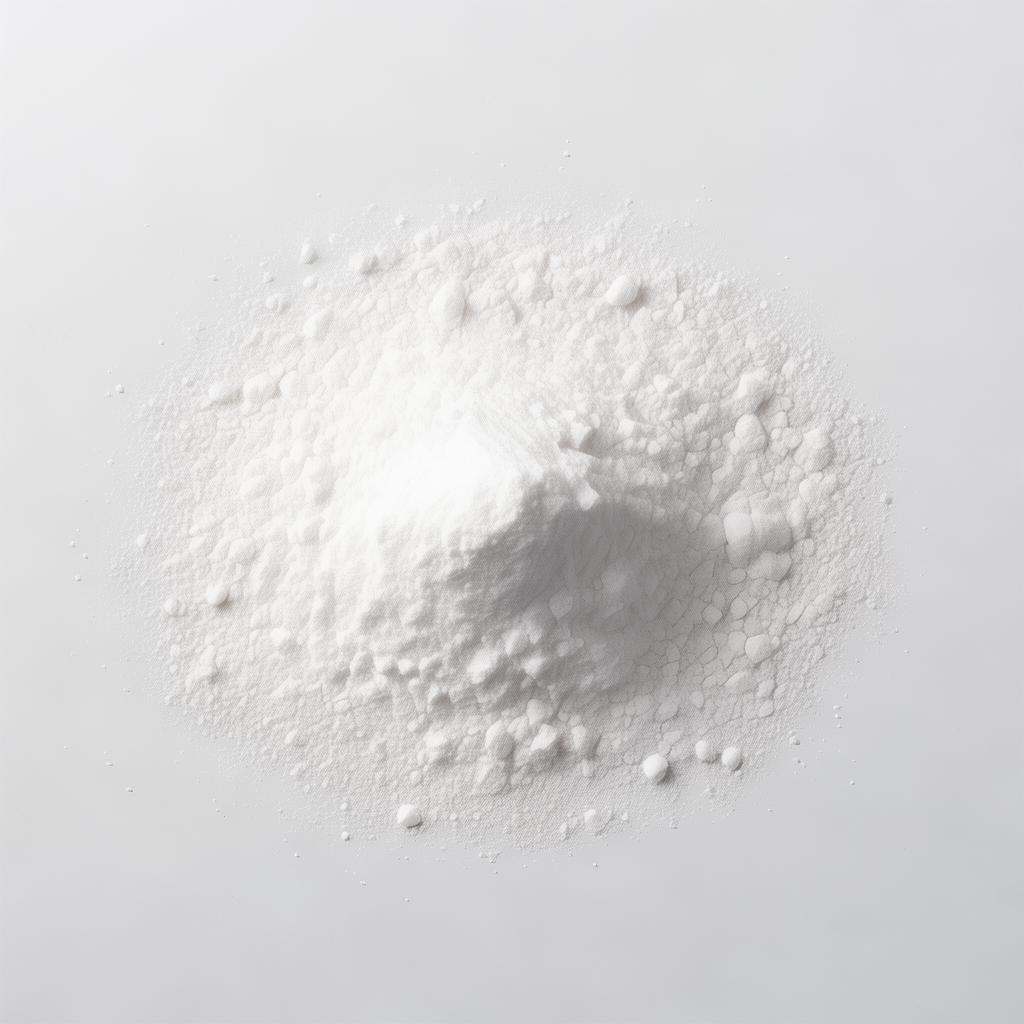
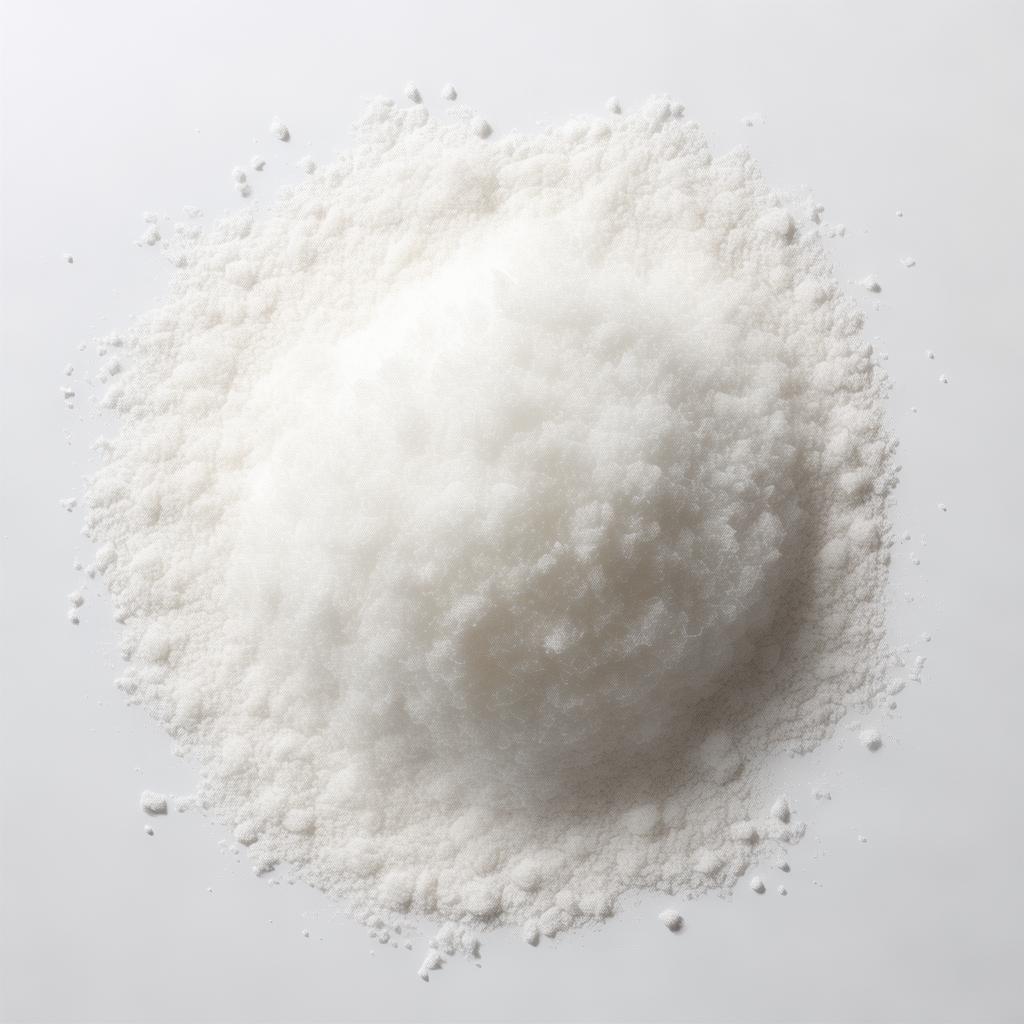
From a chemical standpoint, both HEC and HPMC derive from cellulose, modified through etherification to tailor their solubility and viscosity profiles. The key difference lies in their substituents: HEC contains hydroxyethyl groups, while HPMC has both hydroxypropyl and methyl groups. This dual substitution in HPMC enhances hydrophobicity, making it more compatible with diverse solvents and better film-forming capabilities.
HEC typically features:
Excellent water solubility with moderate viscosity range
Good thickening and binding properties
Superior freeze-thaw stability for cold climate applications
Compatibility with alkaline systems
Widely applied in paints, drilling fluids, and adhesives
Meanwhile, HPMC offers:
Enhanced water retention and film forming quality
Better thermal gelation behavior at elevated temperatures
Improved resistance to microbial degradation
Suitable for pharmaceutical excipients and cementitious products
Applications also include tile adhesives, plasters, and sealants
The production workflows also differ. HPMC manufacturing demands meticulously controlled methylation and hydroxypropylation stages to meet ISO 9001-certified quality benchmarks, reflected in batch consistency and molecular weight distribution. HEC processes are relatively simpler but require precise hydroxyethyl substitution for uniform performance.
Tangzhi Technology’s automated cellulose ether production lines ensuring consistent quality.
HEC vs HPMC: Detailed Comparison Table
Feature
HEC (Hydroxyethyl Cellulose)
HPMC (Hydroxypropyl Methylcellulose)
Chemical Composition
Cellulose + Hydroxyethyl Groups
Cellulose + Hydroxypropyl & Methyl Groups
Water Solubility
Excellent
Excellent
Viscosity Range
20-200,000 mPa·s (varies by grade)
50-250,000 mPa·s (varies by grade)
Thermal Gelation
Low
Distinct gelation at 70-80°C
Freeze-Thaw Stability
Good
Moderate
Water Retention
Moderate
High
Typical Applications
Paints, drilling fluids, adhesives, cosmetics
Pharmaceuticals, construction mortars, tile adhesives
Regulatory Compliance
ISO 9001, FDA-approved grades available
ISO 9001, CE, FDA (for pharmaceutical grade)
Price Level
Generally lower
Moderately higher due to additional chemical processing
Note: Viscosity ranges depend heavily on substitution rates and molecular weight, customization is often needed based on application.
Common Application Scenarios & Suitability
Understanding the environments where HEC and HPMC perform best can prevent costly mismatches during product formulation.
Construction Industry: HPMC’s superior water retention and thermal gelling make it ideal for tile adhesives, cement, and gypsum plasters where moisture control is crucial.
Paints & Coatings: HEC’s compatibility with alkaline systems delivers improved viscosity control, easier brush application, and stability in exterior paints.
Pharmaceuticals: HPMC, especially pharmaceutical grades compliant with USP and FDA standards, serves as a binder and controlled-release excipient in tablets.
Cosmetics & Personal Care: HEC is favored for gels, lotions, and shampoos because of its non-ionic behavior and stable thickening effects.
Oil & Drilling Fluids: HEC enhances viscosity and suspension properties across temperature variations common in well drilling environments.
Operational note: Mixing temperature, pH level, and ionic strength profoundly affect performance—consult technical datasheets and conduct pilot tests.
Installation and Maintenance Considerations
Procurement specialists often overlook installation nuances that impact project timing and cost-efficiency. For example, while HPMC’s thermal gelation improves adhesion in warm climates, it may require more careful mixing protocols at the factory or jobsite.
Conversely, HEC tends to dissolve faster but may be sensitive to hard water conditions, impacting the final viscosity unless water softeners or chelants are used. Maintenance of product consistency depends largely on stable storage away from humidity and UV exposure.
Mixing: Use slow-speed stirring initially to avoid clumps; both products require hydration time ranging from 10 to 30 minutes.
Storage: Store powders in sealed, moisture-free bags; typical shelf life is around 12 months under recommended conditions.
Application environment: Avoid high alkalinity exposure for HEC-based formulations; HPMC is more tolerant but may lose viscosity under extended UV exposure.
Cleaning: Residual cellulose ether can clog pumps; flush equipment regularly during production runs.
Engineer’s tip: “Small changes in batch viscosity often reflect minor substitution variation. Having robust QA from the supplier reduces onsite troubleshooting.”
Logistics, Procurement Tips & Supplier Selection
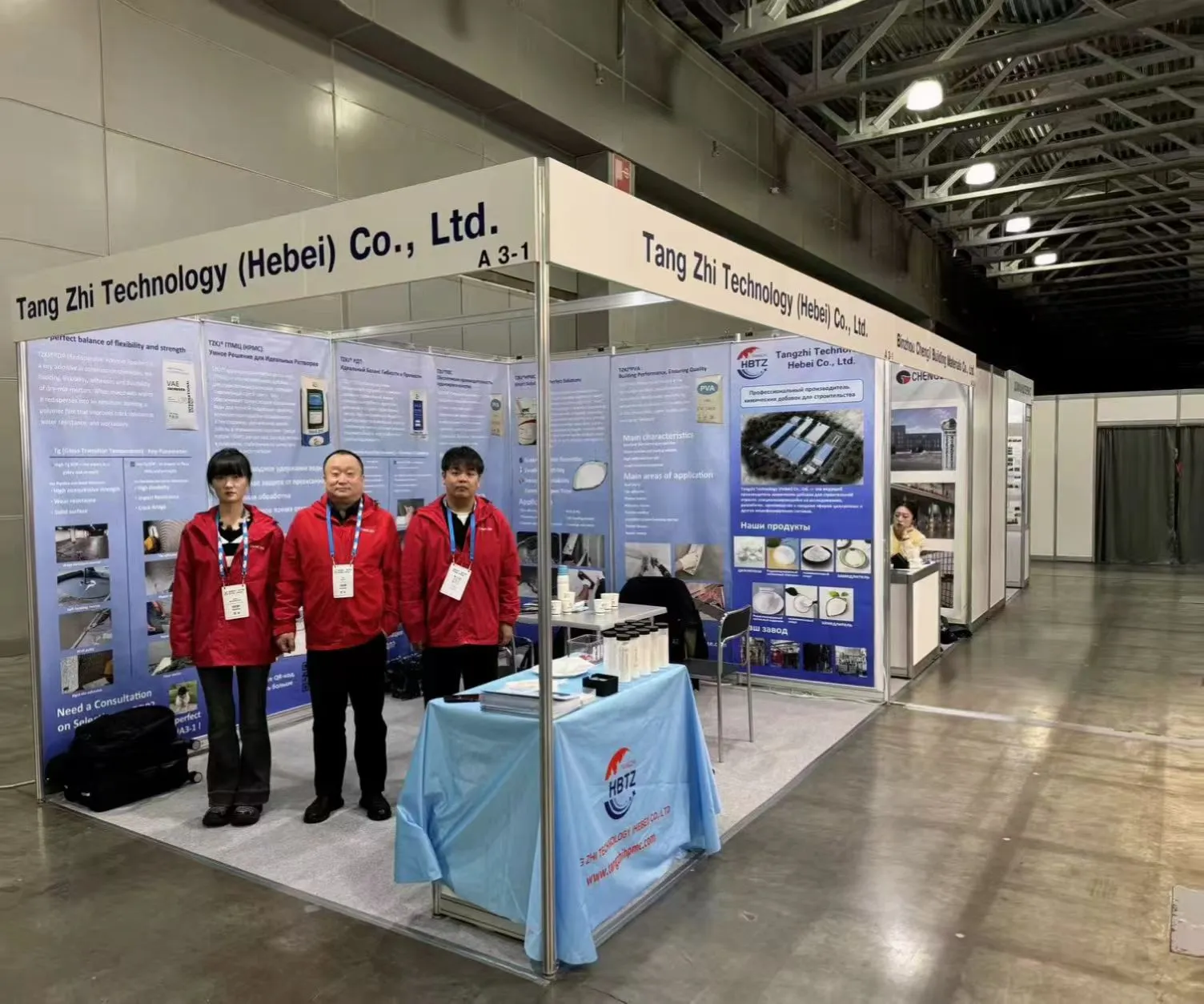
In international B2B trade, the sourcing of HEC and HPMC is tightly linked to supply chain control and documentation accuracy. Tangzhi Technology (Hebei) Co., Ltd., for example, delivers ISO 9001-certified cellulose ethers with proven production capacity exceeding 40,000 tons annually, ensuring stable lead times.
When assessing suppliers, consider:
- Certification & Compliance: Ask for ISO, CE, and FDA certificates, particularly for pharmaceutical or cosmetic-grade HPMC.
- OEM & Customization Options: Verify if they provide tailor-made grades to fit your viscosity and substitution demands.
- Packaging and Loading: Efficient packaging can save container space, reduce shipping damage risk, and lower freight cost.
- Export and Documentation Experience: Seamless customs clearance relies on accurate HS codes and compliance with regional import regulations.
- After-sales Support: Technical assistance and quick response times are critical for resolving formulation queries.
Logistics-wise, cellulose ethers are shipped as dry powders in 25kg or 30kg bags, stacked efficiently for container loading. Moisture ingress during transit can be a concern, so confirm that desiccants and waterproof outer packaging are part of the supply chain protocol.
Frequently Asked Questions (FAQs)
Q1: Can HEC and HPMC be used interchangeably?
Technically, no. Their chemical structures impart fundamentally different properties affecting viscosity, water retention, and thermal behavior. Selecting the right type depends on your specific application requirements.
Q2: How do substitution degrees affect product performance?
Higher substitution generally increases solubility and viscosity but may reduce thermal stability. Batch-to-batch consistency and specification alignment are crucial for predictable formulation results.
Q3: What are typical delivery timelines for bulk cellulose ethers?
Depending on origin and logistics, lead times range from 3 to 6 weeks including production and shipping. Tangzhi Technology maintains a buffer stock to accelerate fulfillment for regular buyers.
Q4: Are OEM or private label options available?
Yes, many suppliers including Tangzhi Technology offer OEM/ODM services with flexible packaging and formulation tailoring to satisfy brand or regulatory needs.
Q5: How should I store these materials onsite?
Store in a cool, dry place away from direct sunlight. Avoid moisture exposure as it can cause lumping and reduce effectiveness. Once opened, reseal packaging promptly.
Customer Reviews & Real-World Feedback
Michael S., Procurement Director, Midwest Coatings Inc.
“Switching to Tangzhi’s HEC improved our paint formulation stability, reducing settling issues noticed with previous suppliers. Lead times also tightened, supporting our seasonal project peaks.”
A Practical Guide for Purchasing Managers, Technical Engineers, and Supply Chain Professionals Selecting the right cellulose ether derivative—HEC (Hydroxyethyl Cellulose) or HPMC (Hydroxypropyl Methylcellulose)—can be a nuanced decision for procurement managers. Both materials play
If you are interested in our products, you can choose to leave your information here, and we will be in touch with you shortly.