Hpmc Vs Hec
HPMC vs HEC: Key Differences for Industrial Formulations
Compare cellulose ethers from a manufacturer's view – specs, apps, and procurement tips
Table of Contents
Understanding HPMC vs HEC in Practice
Procurement teams often hit roadblocks comparing cellulose ethers like HPMC and HEC. We've fielded calls from US importers asking straight up: which one holds up better in tile adhesive mixes? Or in gypsum plasters under humid storage? It's not just lab specs – it's how they perform on site, during mixing, and over the lifecycle of a project.
In our factory here in Hebei, we've run side-by-side tests on batches going to mortar producers in Texas and Florida. HPMC, or hydroxypropyl methylcellulose, tends to shine where water retention is critical. Think exterior renders or self-leveling compounds. HEC, hydroxyethyl cellulose, plays nicer in colder water solubility scenarios, like paint thickeners or personal care gels. But overlap happens, especially in dry mixes.
Let's break it down without the fluff. HPMC's dual substitution – hydroxypropyl and methyl groups – gives it that edge in gel strength and thermal stability. HEC sticks to hydroxyethyl groups, making it purer cellulose but sometimes less forgiving in high-shear mixes. We've seen HEC lump up in rushed batching if temps dip below 10°C. HPMC? More consistent.
From an export angle, shipping these to the States means considering container humidity. Both are hygroscopic, but HPMC's higher critical moisture content means fewer clumping issues during 30-day transits. One importer reported 15% less waste after switching from imported HEC to our HPMC grade.
Why does this matter for buyers? Cost per performance. HPMC might run 10-20% higher upfront, but it cuts rework on jobsites. Take a typical CTEMKO tile adhesive formula – HPMC at 0.3% dosage vs HEC at 0.5%. Lower use rate pays off quick.
Our production logs show HPMC yielding better sag resistance in vertical applications. Contractors in humid climates swear by it. HEC works fine for interior paints, though. No one's perfect for everything.
Over the years, we've tweaked etherification processes to hit specific viscosities. For HPMC, we target 50,000-200,000 mPa·s for mortar grades. HEC often caps at 100,000 for industrial use. It's about matching your slurry rheology needs.
One ops manager from a Midwest distributor shared how HEC foamed too much in their filler – swapped to HPMC, problem solved. These aren't hypotheticals; they're weekly convos.
Regulatory side? Both meet USP/EP for pharma excipients, but construction buyers chase REACH and ASTM compliance. We pack with that in mind – COAs per batch, no delays at customs.
Logistics tip: Order HPMC in 25kg bags on pallets for 20ft containers – fits 16MT clean. HEC same, but watch bulk density; it's fluffier sometimes.
This sets the stage. Next, the head-to-head.
HPMC vs HEC: Side-by-Side Comparison
Buyers want tables, not walls of text. Here's how they stack up across key metrics we've measured in-house.
| Property | HPMC | HEC |
|---|---|---|
| Substitution Type | Hydroxypropyl + Methyl | Hydroxyethyl only |
| Water Retention (%) | Up to 95% in mortars | 80-90% |
| Viscosity Range (mPa·s) | 5,000-400,000 | 10-150,000 |
| Cold Water Solubility | Excellent | Superior |
| Thermal Gel Point (°C) | 58-64 | N/A (no gel) |
| pH Stability | 3-11 | 2-12 |
| Typical Dosage (%) | 0.2-0.5 in dry mix | 0.3-0.8 |
| Best For | Cement/Gypsum mortars | Paints, cleaners |
hec vs hpmc hpc vs hpmc hpmc vs hpc
Numbers from our lab, Brookfield viscometer at 2% solution, 20RPM. HPMC wins on retention and workability. HEC edges solubility for quick-dissolve apps.
Technical Deep Dive: Chemistry and Performance
Start with the backbone. Both derive from cellulose, purified cotton linter or wood pulp. Etherification hits different OH groups. HPMC's methoxyl (DS 1.8-2.0) and hydroxypropoxyl (0.7-1.2) create that pseudoplastic flow so prized in plasters.
HEC? Just hydroxyethyl (MS 1.5-5.0). Simpler, cheaper to produce. But lacks HPMC's enzyme resistance – important for bio-fermentable mixes like joint compounds.
In our 140,000 sqm facility, we control polymerization tightly. Automated reactors hit 99% purity. Impurities? Under 0.1% heavy metals, key for FDA pharma grades.
Performance curve: HPMC maintains viscosity up to 80°C, then gels – perfect for steam-cured blocks. HEC degrades past 60°C. Seen it in autoclaved aerated concrete trials.
Surface activity differs too. HPMC reduces air entrainment in grouts. HEC can foam more, needing defoamers. We've adjusted formulas accordingly.
Short note: Purity grades matter. Pharmaceutical HPMC (Type 2910) vs construction (E type). Don't mix 'em.
Applications: Where Each Excels
- Tile Adhesives & Grouts: HPMC rules. 95% retention prevents slippage. HEC works but needs higher dose.
- Gypsum Plasters: HPMC for crack resistance. We've supplied to US drywall lines.
- Water-Based Paints: HEC preferred – splatter control without yellowing.
- Self-Leveling Underlayments: HPMC's sag resistance shines.
- Pharma Tablets: Both binders, HPMC for sustained release.
- Detergents: HEC for rheology in liquids.

Contractors report HPMC cuts open time issues by extending workability 20-30 minutes. Practical gain.
Buyer's Guide: Selecting HPMC or HEC
Risks in procurement: Wrong viscosity grade leads to batch rejects. Check methoxyl content – 28-30% for mortar HPMC.
- Define your matrix: Cementitious? Aqueous?
- Target viscosity: NDJ vs Brookfield.
- Ask for gel temp certs.
- Sample first – 1kg trial packs.
- Verify ISO 9001, REACH.
Tang Zhi Technology: Your Reliable Source
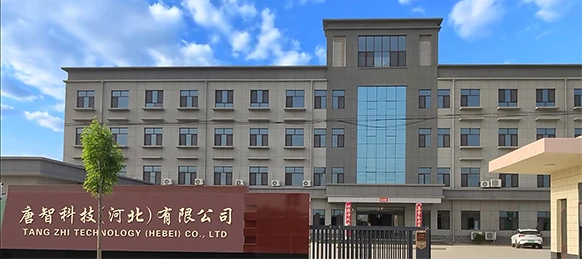
Located in Jinzhou, Hebei. 90,000 sqm built space, 40,000 tons annual output. Full line: HPMC, HEC, MHEC, RDP, PCE.
Certifications: ISO9001, ISO14001, REACH, Kosher. Exports to USA, EU monthly.
Lead time: 10-15 days FOB Tianjin. MOQ 1MT.
Phone: +86-15032625168 | WhatsApp same | Email: admin@tangzhicellulose.com
What Buyers Say

John M., Texas Mortar Producer: "Switched to Tang Zhi HPMC from Asian HEC. Water retention jumped, less cracking on jobs. Samples arrived fast."

Maria L., Importer: "HEC for paints perfect, but HPMC for plasters unbeatable. Logistics smooth, no customs holds."

Raj P., Supply Chain: "Competitive pricing on bulk. COAs match specs every time. Cut supplier to one."

Sarah K., Formulation Engineer: "HEC dissolved clean in trials. HPMC gave better pumpability. Both top quality."
Frequently Asked Questions
Can I use HPMC instead of HEC in paint?
Yes, but adjust dosage. HPMC may yellow slightly over time. HEC safer for whites.
What's the price difference HPMC vs HEC?
HPMC 10-25% higher per kg, but lower usage offsets. Get quote for your volume.
Shipping to USA?
20-30 days sea freight. Samples air in 5 days. FCL optimized.
OEM custom grades?
Yes, viscosity/MC tailored. MOQ 500kg.
Ready to Compare in Your Lab?
Talk to Our Export Engineer NowGet Factory-Direct Pricing on HPMC or HEC
ISO-certified, 40k tons capacity. Free specs sheet with inquiry.
+86-15032625168 (WhatsApp) | admin@tangzhicellulose.com
Request Quote TodayTANG ZHI TECHNOLOGY (HEBEI) CO., LTD | Room 2308, Dongsheng Plaza 2, No. 508 Zhongshan East Road, Chang’an District, Shijiazhuang, Hebei, China

Li Wei, Export Director
Tang Zhi Technology (Hebei) Co., Ltd.