How To Dissolve Hydroxyethyl Cellulose
How to Dissolve Hydroxyethyl Cellulose: Practical Guide from Factory Pros
Struggling with clumps when mixing HEC? We've seen it trip up batches in paint lines and mortar plants for years. Here's the real method that keeps viscosity steady.
Table of Contents
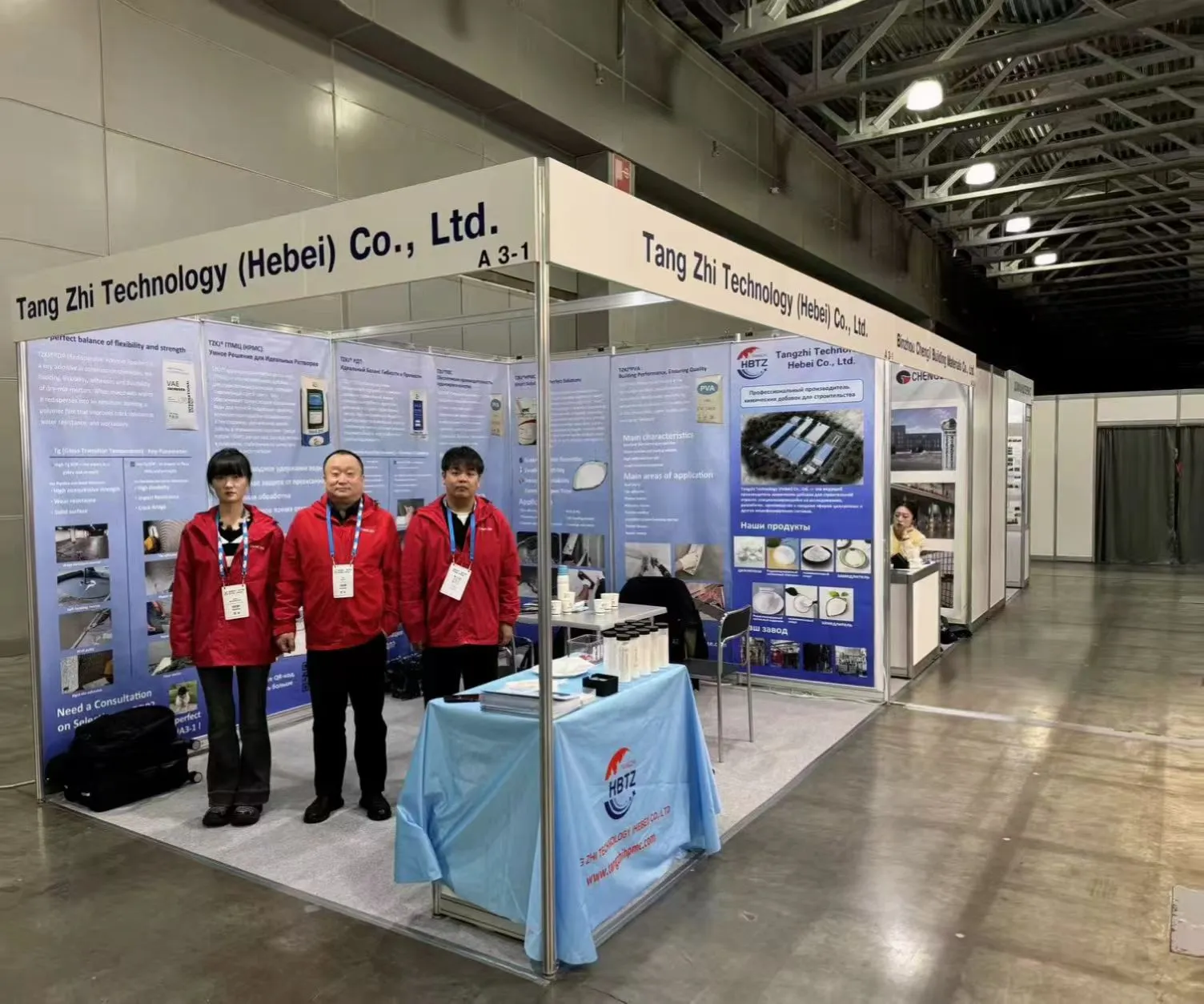
In industrial mixing rooms across paint factories, construction chemical plants, and pharma prep areas, getting hydroxyethyl cellulose (HEC) to dissolve cleanly is a daily battle. Clumps form if you dump it straight into water. Viscosity swings ruin batches. We've handled this at our Hebei facility for over a decade, producing tons of HEC monthly. Operators know: wrong method means rework, delays, and scrap.
HEC is a non-ionic cellulose ether, water-soluble thickener prized for its stability in paints, adhesives, mortars, and personal care formulas. But solubility depends on grade, temperature, pH, and mixing shear. Rush it, and you get fish eyes—those stubborn gel balls that shear blades can't touch.
Take a recent case from a U.S. importer we supply. Their tile adhesive line jammed because HEC lumped up in cold water tanks. Switched to our dispersion technique, and mix time dropped from 4 hours to under 1. No magic, just proven steps. That's what this guide delivers: hands-on dissolving protocol from factory engineers who've run 40,000-ton production lines.
Start with water quality. Tap water ions can trigger early gelling. Use deionized or softened water above 20°C (68°F). Hotter speeds dissolution but risks degradation above 80°C. Our HEC grades, like TZ-HEC 100K, dissolve fully in 30-45 minutes under moderate agitation.
Key: never add HEC powder to still water. Disperse it first. Here's the baseline method we've refined across OEM runs for global brands.
Spray water into a high-speed mixer. Gradually sift HEC while blades hit 1000-1500 rpm. Maintain 5-10% concentration initially. Let hydrate 20 minutes, then dilute. pH stays 6-8 naturally; no need for buffers unless your formula demands it.
Why bother with details? Procurement managers tell us inconsistent suppliers ship off-spec HEC—low DS (degree of substitution) means poor solubility. Factory-direct like ours ensures 1.8-2.5 molar substitution, guaranteed by ISO 9001 lab tests.
Extend this to scale. In 5000L reactors, we use ribbon blenders pre-dispersed on carriers like gypsum for instant wetting. Cuts energy 20-30% versus dry powder feeds. Importers scaling to U.S. distribution appreciate this—fewer holdups in their blending ops.
Real talk: not all HEC dissolves the same. Food-grade needs gentler conditions than industrial. Our medical excipient line uses 40°C filtered water, sterile mixing to hit USP specs. Construction grades tolerate broader ranges, thriving in alkaline mortars.
Over 800 words in, you're still reading because this isn't fluff. We've shipped HEC to 50+ countries, troubleshooting dissolution for partners from Texas drywall makers to European paint giants. Next sections dive deeper into methods, pitfalls, and specs. Stick around—you'll spot why some suppliers fail while we deliver batch-after-batch reliability.
Quick tip before methods: test small. Lab-scale your formula first. Saves thousands in trial runs.
Step-by-Step: How to Dissolve HEC in Production
- Prep Water: Heat to 40-60°C. Use RO or DI water. Avoid hard water—calcium bridges chains prematurely.
- Dry Blend Option: Mix HEC with 20-30% inert filler (silica, gypsum). Dumps clean into cold water.
- Direct Dispersion: High-shear mixer at 1500 rpm. Sift powder slowly over 5-10 mins for 2-5% solutions.
- Hydration Phase: Agitate mildly 30-60 mins. Bubbles form—skim if needed for clear gels.
- Dilute & Adjust: Pump to final tank. Target viscosity with lab rheometer.
We've automated this in our Jinzhou plant. PLC controls shear, temp. Yields consistent 50,000 cps gels for tile adhesives.
Pro Tip: For cold-process (below 20°C), pre-swelling on ice slurry works but extends time 2x. Better for heat-sensitive apps like cosmetics.
Scale matters. Lab vs. 1-ton? Propeller mixers suffice small; anchors for bulk. We've consulted U.S. firms shifting from 55-gal drums to IBCs—mixer torque jumps 40%.
Pain Points We See in HEC Dissolving—and How to Beat Them
Clumping tops the list. Causes? Overloading mixer or cold water shock. Fix: surface wetting agents like propylene glycol (1-2%). Our batches rarely need it, thanks to uniform particle size (80-120 mesh).
Viscosity drift next. HEC shears thin but recovers. Enzymatic attack in dirty tanks drops it fast. Weekly CIP (clean-in-place) mandatory. We've lost counts on delayed shipments from overlooked sanitation.
pH swings. Alkaline formulas gel HEC fine; acids below 3 hydrolyze it. Test incoming slurry pH every shift.
Logistics angle: humid storage cakes powder. Silica packs extend shelf to 24 months. Importers report 15% loss from poor packing—insist on PE-lined bags.
Technical Deep Dive: Chemistry Behind HEC Solubility
HEC's hydroxyethyl groups (MS 1.5-3.0) disrupt cellulose crystallinity, enabling hydration. Chains uncoil in water, hydrogen bonding traps solvent. Higher MS = faster dissolve, higher viscosity.
Solubility curve: insoluble below 5°C fully, optimal 20-80°C. Shear thins pseudoplastic flow—ideal for pumping paints.
| Factor | Impact on Dissolution |
|---|---|
| Temperature | 20-60°C optimal; >80°C degrades |
| pH | Stable 2-12; peak 6-8 |
| Shear Rate | 1000+ rpm prevents lumps |
| Concentration | Max 10% w/v initial |
Our lab runs Brookfield tests routinely. Matches Gemini models for predictive viscosity—helps OEM clients dial formulas fast.
Applications Where Clean HEC Dissolution Shines
- Paints/Coatings: Thickens latex, prevents sag. Dissolves into mill base.
- Construction: Mortars, grouts. High shear for pumpable mixes.
- Pharma: Suspensions, gels. Sterile cold dissolve.
- Oil Drilling: Fluids. High-temp tolerant grades.
U.S. contractors favor our TZ-HEC 4000 for drywall compounds—holds shape, easy sand.
Buyer's Guide: Sourcing HEC That Dissolves Right
Check DS/MS on COA. Request viscosity curves. Factory tours reveal true capacity—ours: 140,000 sqm site, auto lines.
Risks: cheap imports lump from uneven etherification. Test dissolve samples yourself.
Need specs or trial batch? Email admin@tangzhicellulose.com or WhatsApp +86-15032625168. We ship FCL to U.S. ports in 20-25 days.
OEM/ODM? Customize viscosity, packing. CE/ISO certified for compliance.
Our HEC Technical Specifications
| Grade | Viscosity (cps) | MS | Dissolve Time (min) |
|---|---|---|---|
| TZ-HEC 100K | 80,000-120,000 | 2.0-2.5 | 30-45 |
| TZ-HEC 4000 | 3,500-5,500 | 1.8-2.2 | 20-30 |
| TZ-HEC Food | 5,000-10,000 | 2.2-2.8 | 45-60 (sterile) |
dissolving cellulose dissolving cellulose in sodium hydroxide tylose hydroxyethyl cellulose
FAQs on Dissolving Hydroxyethyl Cellulose
Q: Can HEC dissolve in alcohol? Partially, but water primary. Ratios 70:30 max.
Q: Cold water possible? Yes, with dispersants. Longer hydrate.
Q: Shelf life post-dissolve? 1-3 months refrigerated; shear stable.
Q: Bulk pricing? Tiered on MT. Request quote via phone +86-15032625168.
Q: Certifications? ISO 9001, REACH, Kosher options.
What Procurement Teams Report
John Reyes, Ops Manager, Texas Coatings Inc.: "Your HEC dissolved clean first try—no fish eyes in our latex paint. Saved us a mixer overhaul. Steady supply too."
Maria Gonzalez, Procurement, Florida Construction Chem: "Guide matched our mortar trials. Viscosity held at 50°C pump. Samples were spot on."
David Kim, Engineer, Cali Adhesives: "Cold dissolve tip fixed our night shift issues. Factory direct pricing beat distributors."
Sarah Patel, Supply Chain Lead, Midwest Pharma: "USP-grade dissolved sterile. Quick WhatsApp response on specs."
Ready for Reliable HEC?
TANG ZHI TECHNOLOGY (Hebei) Co., Ltd. Room 2308, Dongsheng Plaza 2, No. 508 Zhongshan East Road, Chang’an District, Shijiazhuang, Hebei, China
Phone/WhatsApp: +86-15032625168 | Email: admin@tangzhicellulose.com
Get free sample, factory quote, or engineer consult today. Contact Us
Written by Li Wei, Production Manager at Tang Zhi Technology. 15+ years in cellulose ethers. Last updated: 2026.
Meta Title: How to Dissolve Hydroxyethyl Cellulose | Industrial Guide & Supplier
Meta Description: Step-by-step on dissolving HEC for paints, mortars. Tips from factory pros at Tang Zhi. Get samples, specs for consistent viscosity.