Dissolving Cellulose In Sodium Hydroxide
Dissolving Cellulose in Sodium Hydroxide: Proven Industrial Processes for Reliable Production
Expert guidance from TANG ZHI TECHNOLOGY (Hebei) Co., Ltd. – your partner in cellulose derivatives for global manufacturing.
Meta Title: Dissolving Cellulose in Sodium Hydroxide | Industrial Guide & Supplier - Tang Zhi Technology
Meta Description: Learn proven methods for dissolving cellulose in NaOH for CMC, HPMC production. Hebei factory offers bulk cellulose ethers, OEM solutions, fast shipping to USA. Get specs & quotes today.
The Critical Role of Cellulose Alkalization in Modern Manufacturing
Cellulose from wood pulp or cotton linters doesn't just mix into sodium hydroxide solution overnight. We've seen batches fail because operators overlooked pulp viscosity or NaOH concentration. At our Hebei facility, we've dialed in the process over years of trial and production runs.
This isn't lab theory. It's what keeps textile viscose lines running, CMC thickeners stable in detergents, and HPMC mortars from cracking on construction sites. Procurement managers call us when their current suppliers deliver inconsistent swelling – that uneven dissolution leads to gel blocks or poor etherification yields.
Picture a Midwest US paint formulator scrambling for summer production. Their cellulose derivative supplier shipped powder with undissolved fibers, ruining rheology. They switched to us after one test batch. That's the edge reliable alkalization gives.
Our 140,000 sqm factory handles over 40,000 tons annually of derivatives like CMC, HPMC, and MHEC. All start with precise dissolution in caustic soda. NaOH concentration typically runs 17-20% for cotton linters, but we adjust for dissolving pulp grades too.
how to dissolve hydroxyethyl cellulose dissolving cellulose sodium hydroxymethyl cellulose
Short story: skip the risks. Talk to our process engineer today for tailored advice or bulk quotes.
Over the next sections, we'll break down the mechanics, pitfalls we've fixed, and why importers trust our output. No fluff – just what works in the field.
Common Procurement Pitfalls When Sourcing Alkalized Cellulose Derivatives
Buyers often chase the lowest NaOH-processed cellulose price, then face downtime. We've consulted on lines where poor dissolution caused 20-30% yield loss. Fibers don't swell uniformly if the pulp's DP (degree of polymerization) mismatches the caustic.
Another headache: regional supply chains. European importers report delays from inconsistent Chinese pulp quality. Our Shijiazhuang base sources vetted linters directly, testing Mercerization index before alkalization.
Logistics bites too. Bulk CMC powder absorbs moisture en route if not packed right. We've had US clients reject containers because of clumping from improper dissolution residues.
- Overly aggressive stirring shreds fibers prematurely.
- Too cold temperatures (below 15°C) leave cellulose insoluble chunks.
- Uncertified NaOH introduces iron contaminants, yellowing final product.
Procurement tip: demand viscosity curves from your supplier post-dissolution. It's the real test of quality.
Mastering the Dissolution Process: From Pulp to Swollen Alkali Cellulose
Start with purified cellulose sheets or powder. We shred to 5-10mm for even exposure. NaOH liquor at 18% concentration, 30-40g/L, hits the vat at 10-20°C. Agitation is key – low shear propellers prevent fibrillation.
Steeping time? 45-90 minutes typically. Monitor the press liquor for alpha cellulose recovery above 90%. We've optimized to squeeze out excess caustic, hitting 30% dry alkali cellulose content reliably.
Xanthation follows for viscose, but for CMC like ours, it's straight to carboxymethylation. The swollen sheet's openness ensures uniform reaction sites. Poor dissolution here? You get substitution degrees below 0.7 DS, useless for pharma grades.
| Parameter | Standard Range | Our Factory Spec |
|---|---|---|
| NaOH Conc. | 17-20% | 18.5% ±0.5% |
| Temp. | 10-25°C | 18°C controlled |
| Steep Time | 60 min avg. | 55 min optimized |
| Swelling Ratio | 1.3-1.5 | 1.45 consistent |
This table reflects real production data. Yields up? Absolutely, because dissolution is locked in.
One caveat: high DP pulps (1200+) need pre-treatment. We run enzymatic softening if specs demand it. Importers, ask for your pulp analysis upfront.
Want process schematics? Request free PDF guide via email: admin@tangzhicellulose.com.
Tailored Cellulose Ether Solutions Post-Dissolution
Once dissolved, we etherify into CMC for food thickeners, HPMC for dry mixes, MHEC for paints. Each grade optimized for end-use viscosity.
CMC Grades We Produce: Sodium carboxymethyl cellulose from low-viscosity (paint) to high (toothpaste).
- DS 0.7-1.2
- Viscosity 50-50,000 cps
- Pharma/Food certified
Compared to competitors, our dissolution uniformity means tighter batch specs. No more reformulation headaches for your R&D.
For OEM buyers: custom alkalization services available. Send your pulp, we process and ship derivative.
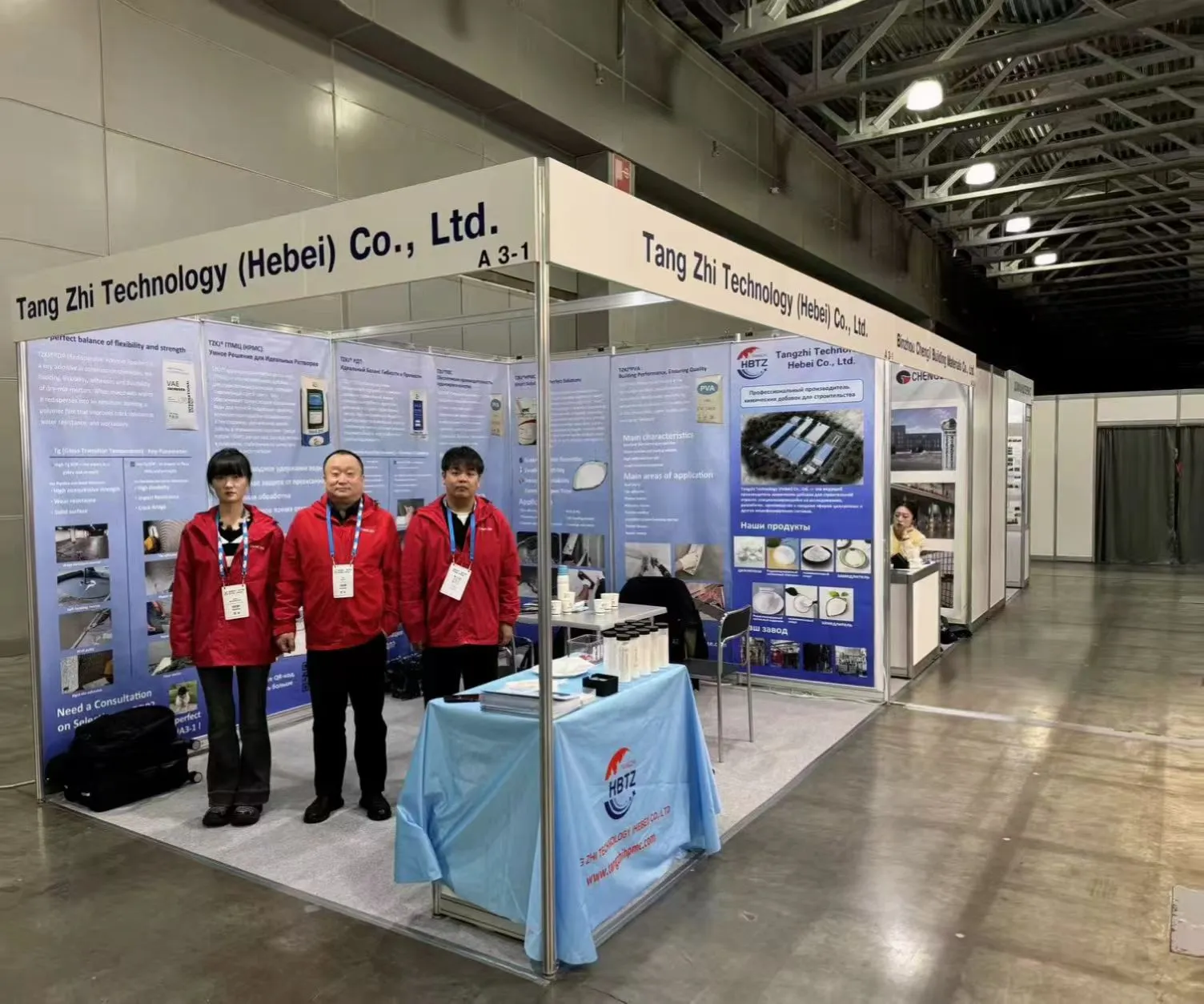
Inside Our Hebei Factory: Scale Meets Precision
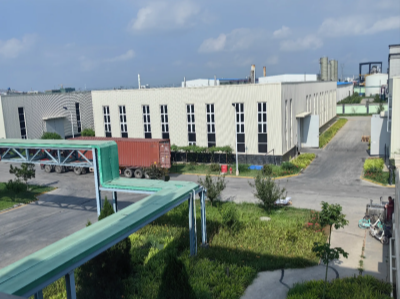
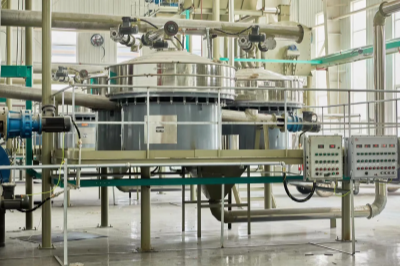
Jinzhou site, 90,000 sqm buildings. 10 alkalization vats, continuous press lines. World-class centrifuges handle 5 tons/hour per unit.
Certifications: ISO 9001, Kosher, Halal.  No shortcuts on NaOH purity – battery-grade only.
Export track: 60% to USA/EU. Lead times 15-25 days FOB Tianjin.
Factory tours? Virtual ones for starters. Schedule via WhatsApp: +86-15032625168.
Where Dissolved Cellulose Shines in Industry
Detergents: CMC suspends particulates post-NaOH activation.
Construction: HPMC water retention from stable gels. Pharma: Binder grades, clean dissolution ensures no grits.Case: Texas contractor cut mortar slumping by switching our HPMC. Dissolution quality showed in spreadability tests.
Streamlined Global Logistics for Bulk Orders
20' containers: 18-22MT CMC powder. Silica anti-caking standard. LCL to LA/NY ports 25 days.
Duties? We provide HTS codes, COA for US customs. No hidden fees.
Get your shipping plan: Quote request form on contact page.
FAQs from Procurement Pros
Q: What's the best NaOH for cellulose dissolution?
A: 99% flakes, low carbonate. We test incoming lots.
Q: Can you handle non-standard pulps?
A: Yes, send sample for trial dissolution.
Q: MOQ for CMC?
A: 1MT trials, 20MT full container.
Q: Shelf life post-dissolution processing?
A: 24 months if stored dry below 60% RH.
More? Email us.
Feedback from US Importers & Managers
 Mark T., Procurement Dir., Ohio Coatings Firm
"Your CMC dissolves cleaner than our old EU source. No fiber specks in viscosity builds. Switched full line."
 Lena K., Ops Mgr., Texas Detergent Plant
"Fast alkalization specs helped our trials. Delivery on time, pricing beat Shanghai quotes."
 Raj P., Supply Chain, Florida Importer
"Handled our high-vis HPMC needs perfectly. Logistics smooth to Miami."
 Carlos M., Engineer, Cali Paper Mill
"Dissolution guide was spot-on. Reduced our NaOH waste by tweaking temps."
Ready to Optimize Your Cellulose Processing?
Get factory-direct pricing, samples, or engineer consult. Zero obligation.
+86-15032625168 (WhatsApp) | admin@tangzhicellulose.com
Start Inquiry Now
By Li Wei, Production Manager at TANG ZHI TECHNOLOGY (Hebei) Co., Ltd.

15+ years in cellulose ether manufacturing. Room 2308, Dongsheng Plaza 2, No. 508 Zhongshan East Road, Chang’an District, Shijiazhuang, Hebei, China.