By Liam Chen , Industrial Engineer & Export Director In industrial manufacturing and commercial-grade building materials, hydroxypropyl methylcellulose (HPMC) remains a cornerstone additive, sought for its rheological control, film forming, and water retention capabilities.
HPMC 2910 vs 2208: An In-Depth Industrial Comparison for Procurement and Application
By Liam Chen, Industrial Engineer & Export Director
Industry Overview & Market Realities
In industrial manufacturing and commercial-grade building materials, hydroxypropyl methylcellulose (HPMC) remains a cornerstone additive, sought for its rheological control, film forming, and water retention capabilities. Among the diverse HPMC grades, 2910 and 2208 stand out, yet their distinctions often trip up purchasing managers and technical engineers alike—choosing the right grade affects everything from productivity to product stability.
Both 2910 and 2208 are derived via etherification of cellulose, but their substitution patterns and viscosity profiles influence how they perform in adhesives, gypsum board, tile adhesives, and other cementitious materials. The US and broader English-speaking markets increasingly demand suppliers who understand not just specs but real-world application performance, regulatory compliance, and supply chain reliability.
This analysis unpacks why these two HPMC grades are not interchangeable, sheds light on typical procurement pitfalls, and offers operational insights directly relevant to importers, project contractors, and OEM factories. It’s a hard truth that poorly matched HPMC grades can lead to production bottlenecks or unsatisfactory consistency in final products, impacting client satisfaction and cost control.
Expect buyer-oriented commentary focused on: material chemistry, certification standards, logistics impact, and installation constraints. This is not a generic product sheet — it’s a pragmatic guide from the factory floor to your procurement desk.
Technical Deep Dive: HPMC 2910 vs 2208
Understanding the distinction begins with substitution degree. HPMC 2910 typically features a methoxy substitution of approximately 29% and hydroxypropyl substitution around 10%, whereas 2208 grades have about 22% methoxy and 8% hydroxypropyl groups. This chemical difference directly impacts solubility, viscosity, and gelation behavior.
Viscosity Variance: 2910 is engineered to offer higher viscosity profiles in aqueous solutions, delivering superior thickening in tile adhesives and gypsum compounds. 2208, conversely, excels where mid-range viscosity is needed, ensuring easier mixing and flow without sacrificing water retention.
When it comes to thermal stability, industrial tests reveal 2910 holds better cohesiveness under elevated temperatures, which matters when production involves curing at high temps. For example, precast concrete panels often benefit from 2910’s stability.
However, 2208’s lower substitution allows faster dissolution rates, favored in applications requiring quicker set times. This nuance can be the deciding factor on tight project schedules.
Both grades comply with ISO 9001 manufacturing protocols and often come with customer-requested CE certification for European and North American export compliance. Confirm latest batch certificates, especially for FDA/ROHS if your application intersects with food-grade or strict environmental regulations.
Note: Subtle differences in purity and particle size distribution often depend on your supplier’s quality control. Make sure your supply chain partner can provide certificates of analysis (CoA) and third-party testing reports.
Procurement and Supplier Selection Tips
Procuring the right HPMC grade demands more than quoting the lowest price. Several recurring issues include unexpected viscosity deviations on-site, inconsistent batch quality, and delays due to incomplete export documentation.
Mitigate risks by:
Requesting samples for pilot testing under your specific mixing and curing conditions.
Verifying supplier compliance with ISO 9001, CE, and local import regulations.
Evaluating producer’s export experience to understand lead times, packaging robustness, and container loading efficiency.
Prefer suppliers offering OEM/ODM services if customization or blending is needed.
Analyzing product certificates and technical data sheets closely — viscosity curves, particle size, loss on drying (LOD), and substitution rates matter.
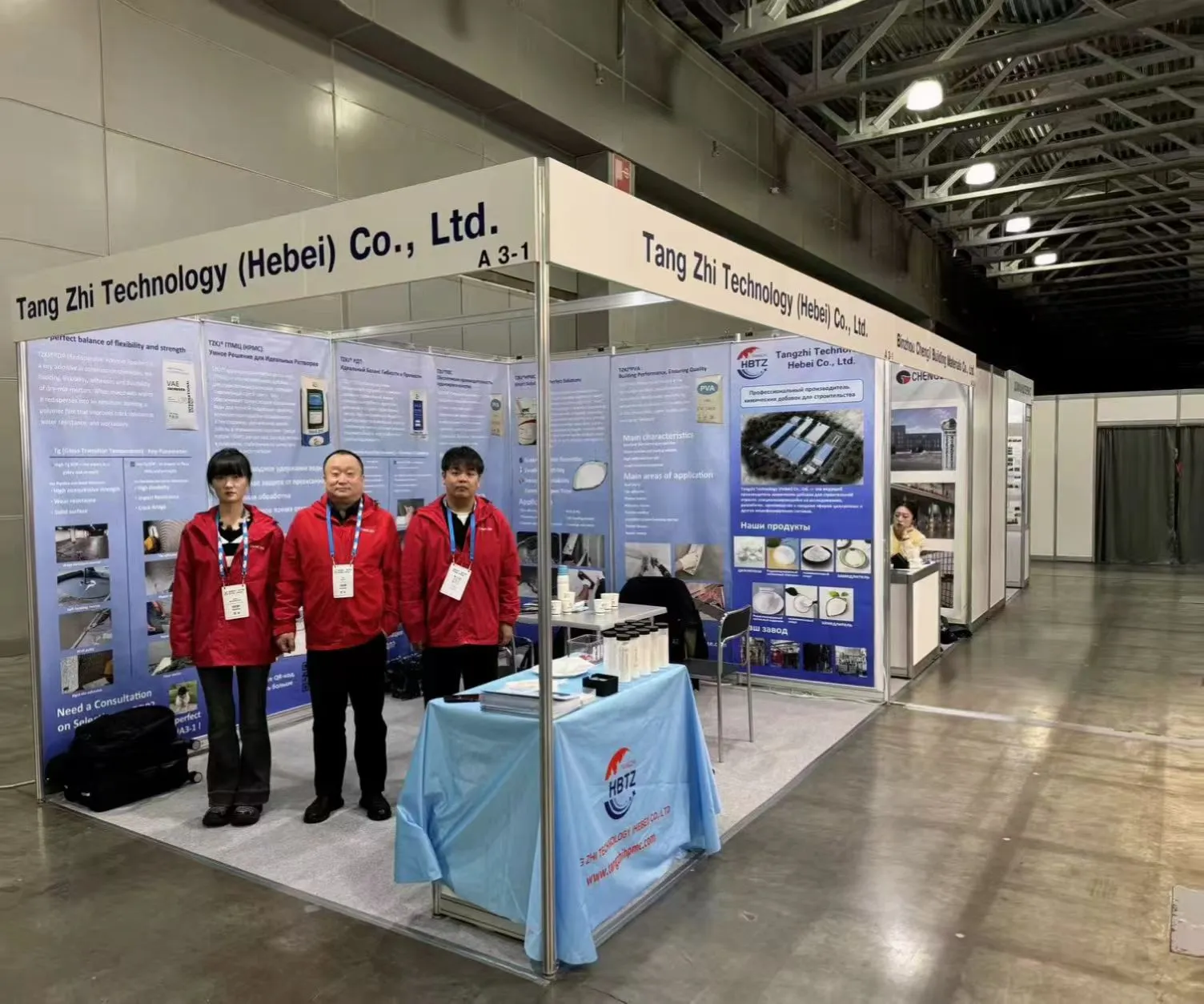
For US buyers especially, shipping timelines can be tricky. Look for suppliers based near major export hubs with streamlined customs clearance processes. Tangzhi Technology (Hebei) Co., Ltd., for instance, operates sophisticated automation in Jinzhou with consistent 20-40 day shipping windows to the USA, including consolidated container loading strategies.
Application Scenarios and Operational Insights
HPMC 2910 finds heavy use in products where higher viscosity retention is critical — this means tile adhesives designed for vertical and overhead applications, exterior insulation finishing systems (EIFS), and fiber cement boards. Its superior water retention also supports smooth application and adhesion in dry conditions.
Conversely, HPMC 2208 often suits gypsum-based plasters, joint compounds, and injection molding processes where moderate thickening suffices but faster dissolution shortens overall cycle time.
Keep in mind:
Adjust dosage rates carefully; overuse may lead to gelling or poor flow properties.
Storage under controlled humidity prevents caking — both grades are hygroscopic.
Compatibility with other additives like RDP-VAE and PCE supplements influences final product performance.
Experienced technical managers often recommend collaborative trials involving your product formulation experts and supplier engineers to fine-tune blends.
Logistics, Installation, and Handling Considerations
When ordering HPMC at scale for international projects, packaging matters. Tangzhi Technology offers HPMC 2910 and 2208 in 25kg kraft paper bags with inner PE liner, optimized for container stacking and moisture protection.
Key points exporters and importers should note:
Custom packaging can reduce breakage during sea freight but may incur longer lead times.
Wet/dry cycles during transport can affect powder flow, necessitating re-screening before production.
On-site storage must avoid extreme temperatures; recommended 15-25°C with relative humidity below 60%.
Installation crews should receive supplier-provided handling instructions to reduce contamination risks.
Delays inflating project costs often stem from underestimating customs inspections on chemical additives. Suppliers with global export experience usually assist with clear documentation, including Safety Data Sheets (SDS) compliant with OSHA guidelines.
Technical Specifications Table
Property
HPMC 2910
HPMC 2208
Methoxy Substitution (%)
28-30
21-23
Hydroxypropyl Substitution (%)
9-11
7-9
Viscosity (2% solution, mPa·s)
2000-3000
1000-1500
pH (1% solution)
5.0-8.0
5.0-8.0
Loss on Drying (%)
5-7
5-7
Ash Content (%)
<1
<1
Appearance
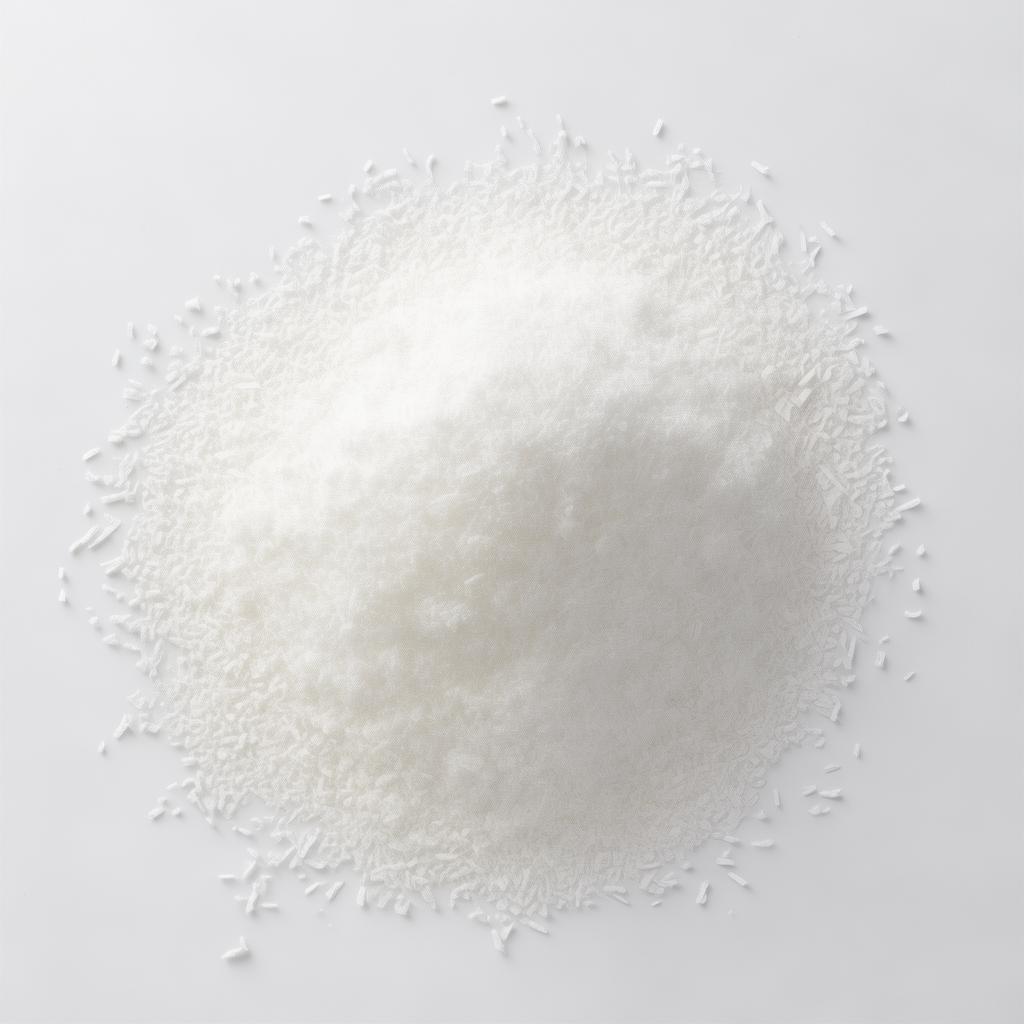
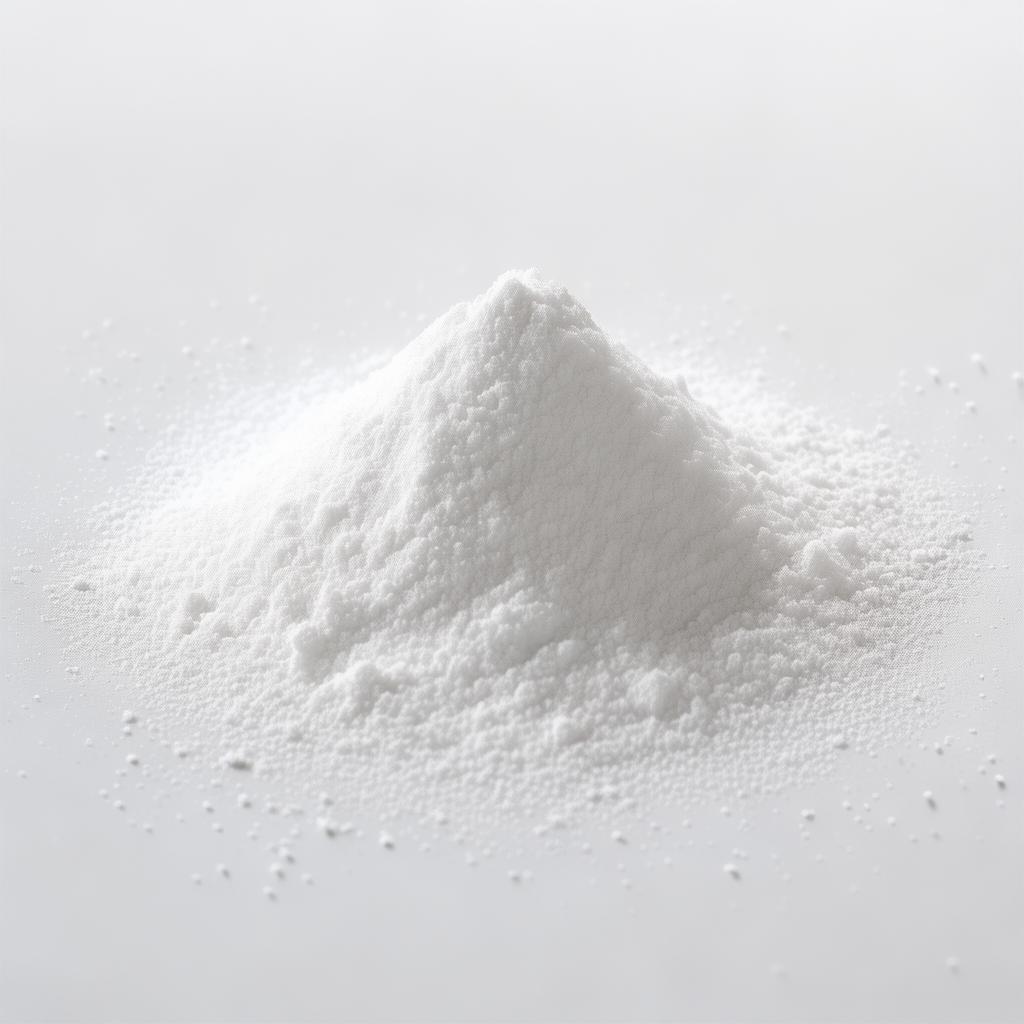
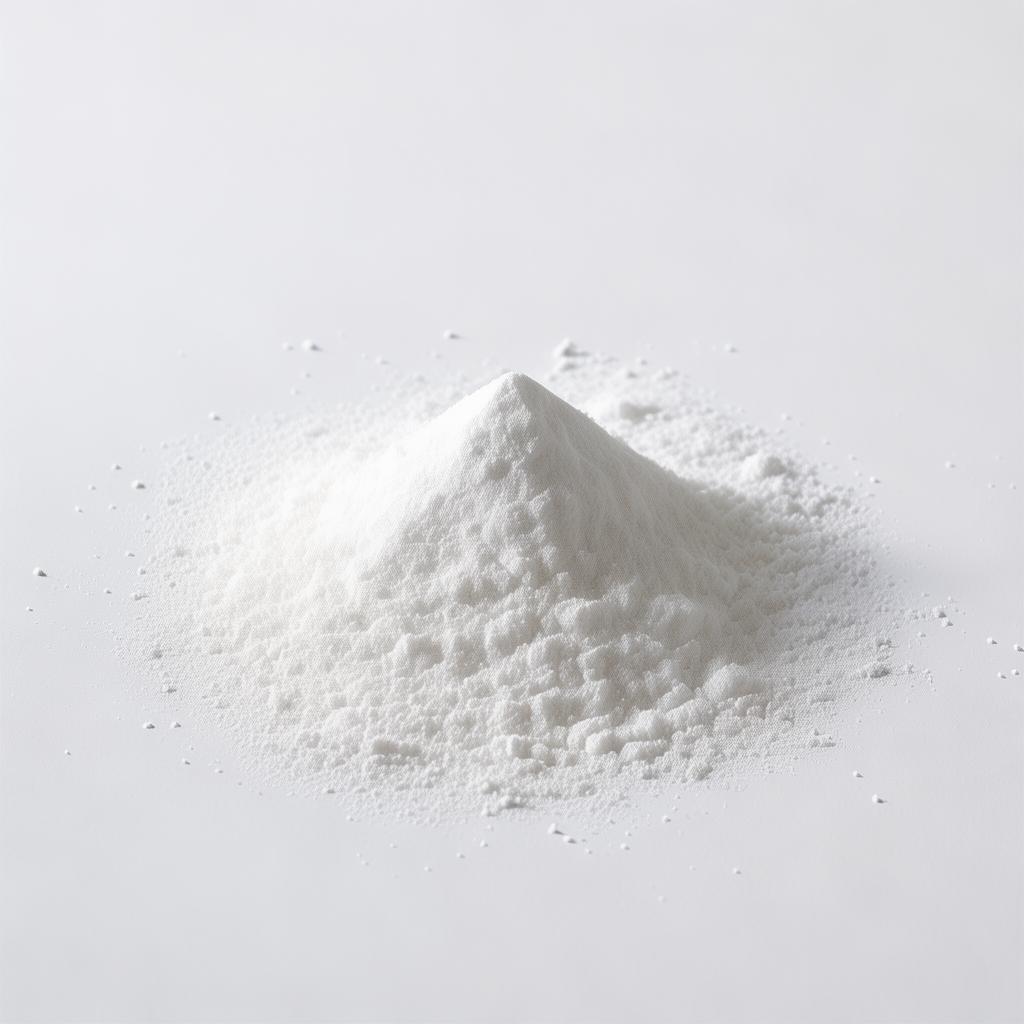
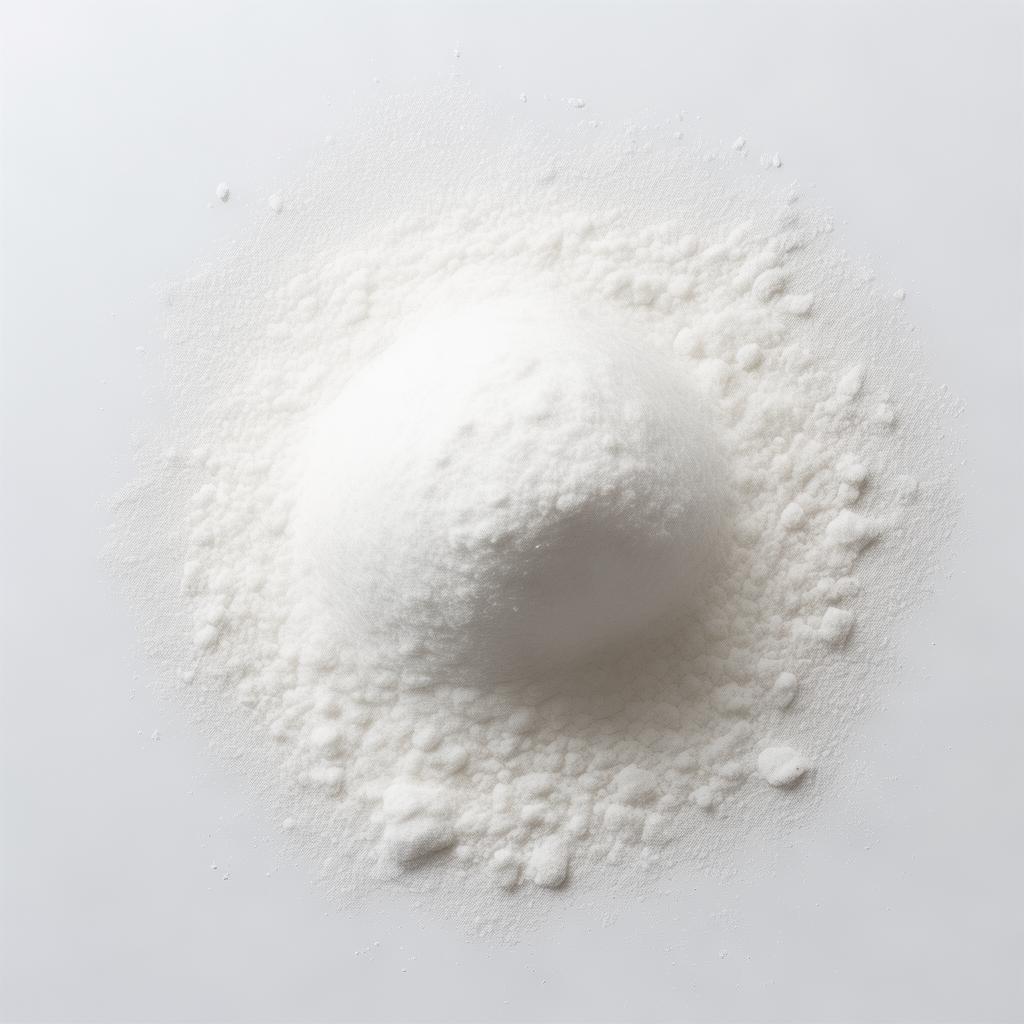
Off-white powder
Off-white powder
Buyer FAQs
Q1: Can I substitute HPMC 2208 for 2910 in all applications?
No. Though chemically related, 2208 has lower viscosity and slightly different hydration properties. Substitution may impact water retention and setting times, affecting product performance. Pilot testing is recommended.
Q2: What is the typical lead time for bulk orders?
For standard orders, Tangzhi Technology typically offers 15-25 days production plus 20-40 days shipping to the USA, depending on container availability and customs clearance.
Q3: Are OEM formulations available for special viscosity requirements?
Yes. OEM/ODM customization is a core capability, allowing clients to tailor substitution degrees and particle sizes to specific applications and regional compliance needs.
Q4: How should I store HPMC to maintain quality?
Store in a cool, dry place with humidity below 60%. Avoid prolonged exposure to moisture or temperature extremes to prevent caking or quality degradation.
Q5: Does the product comply with FDA or environmental standards?
Tangzhi Technology can provide certifications such as FDA, ROHS, and CE upon request, depending on product grade and customer application.
Customer Reviews & Case Insights
“Switching from 2208 to 2910 improved our tile adhesive’s sag resistance — installation is noticeably smoother on vertical surfaces, and coverage is more consistent. Tangzhi's support team was responsive throughout the trial.”
– Michael R., Procurement Manager, HomeBuild Corp (Atlanta, GA)
By Liam Chen , Industrial Engineer & Export Director In industrial manufacturing and commercial-grade building materials, hydroxypropyl methylcellulose (HPMC) remains a cornerstone additive, sought for its rheological control, film forming, and water retention capabilities.
If you are interested in our products, you can choose to leave your information here, and we will be in touch with you shortly.