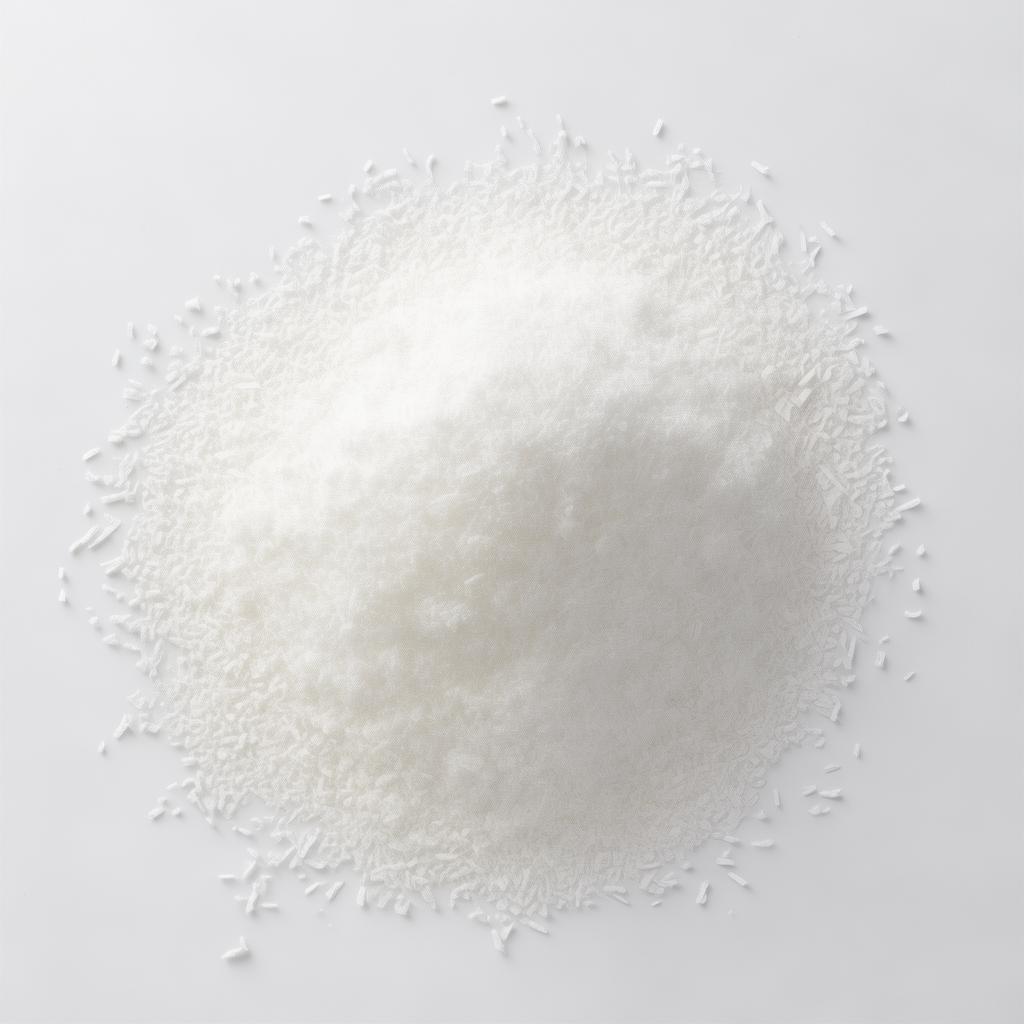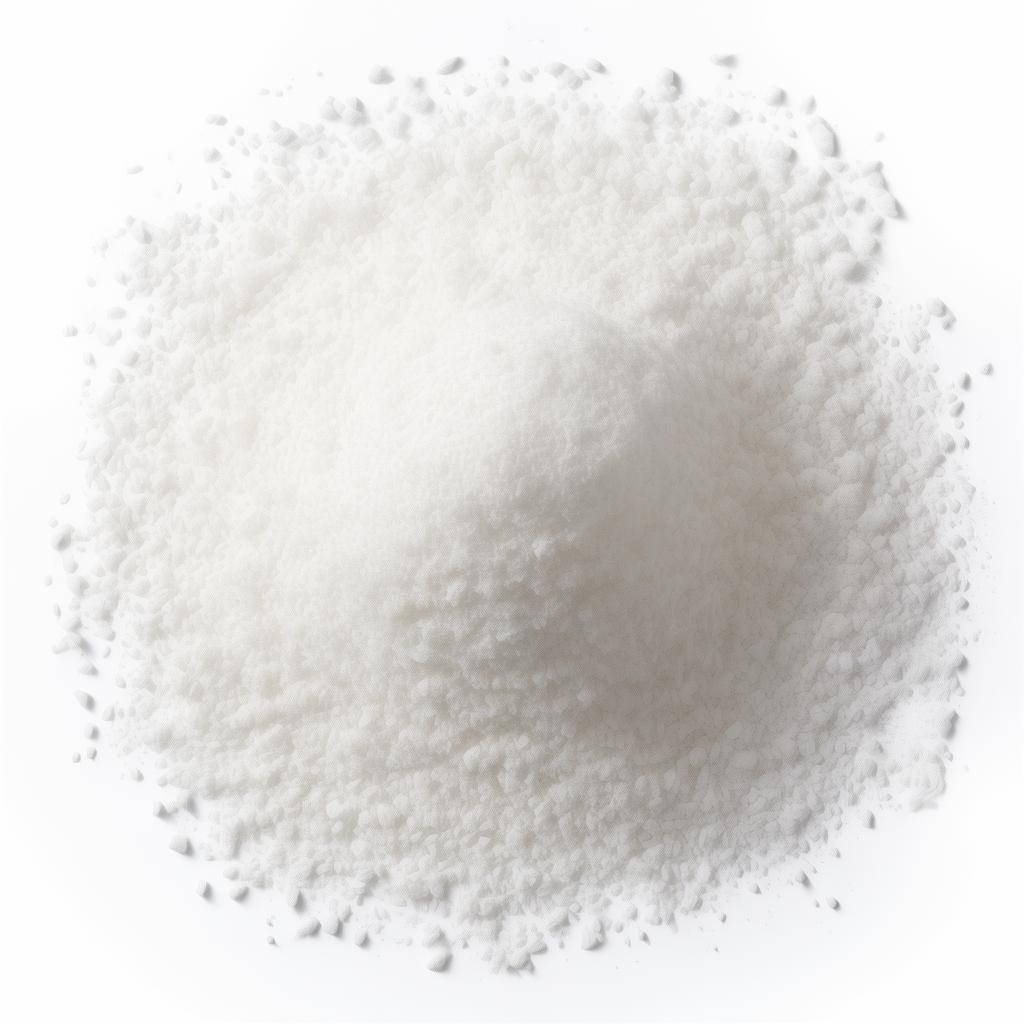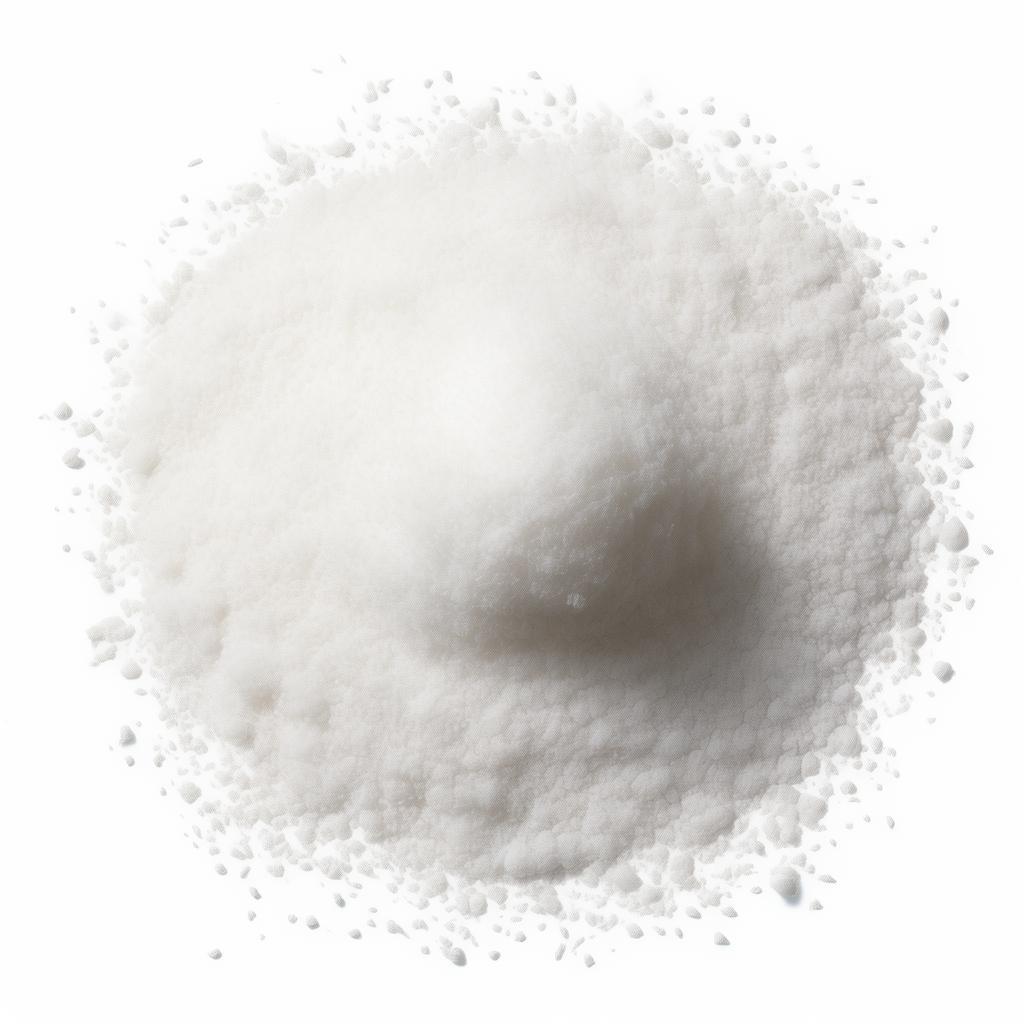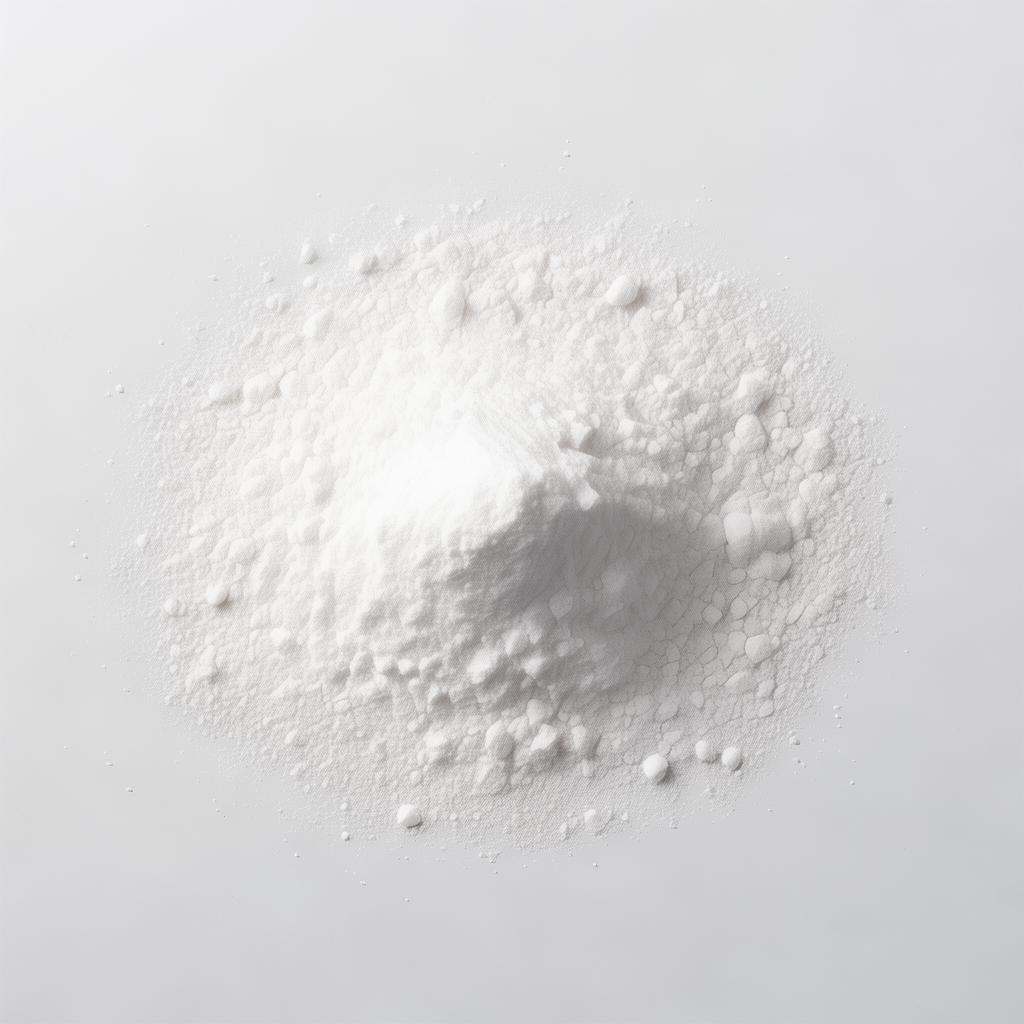
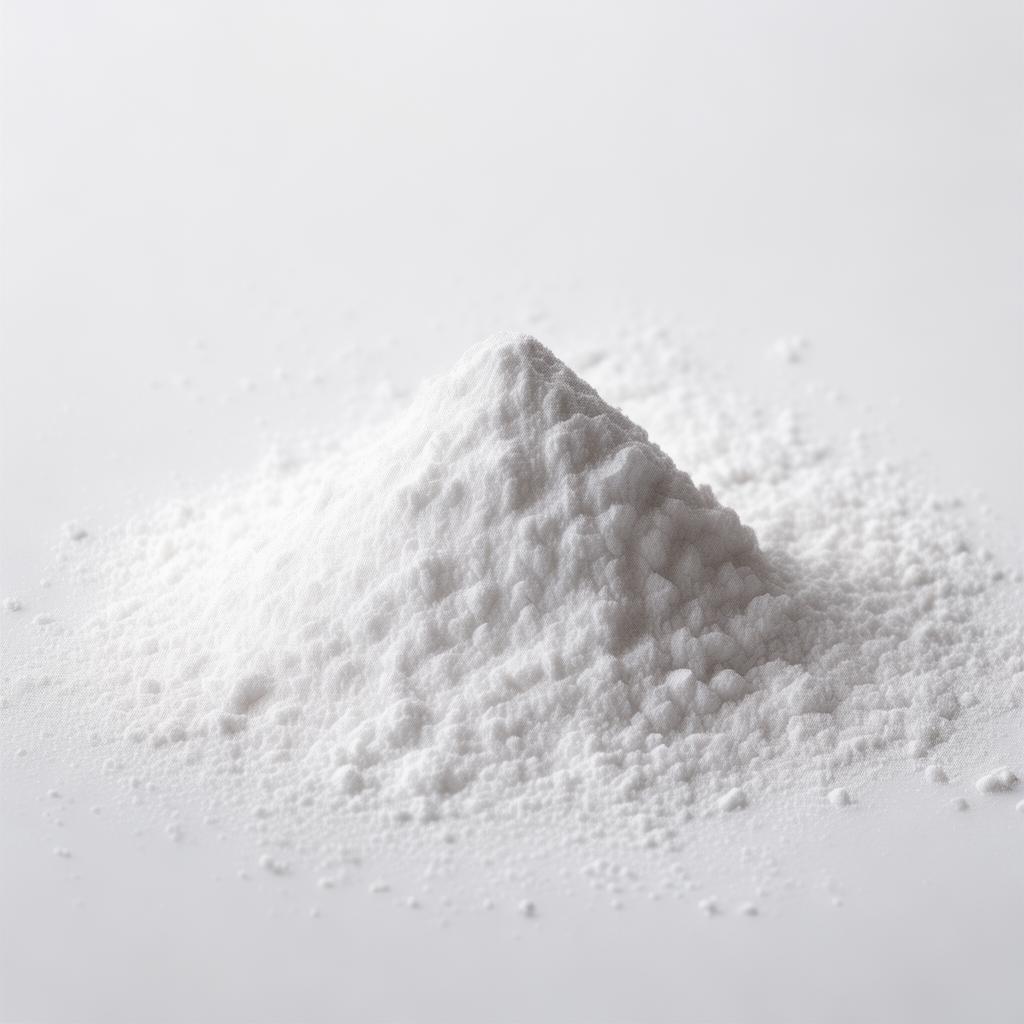
Hpmc Density
HPMC Density: Bulk, Tapped, and True Density Specs for Reliable Sourcing
Get precise HPMC density data from a proven cellulose exporter. Ideal densities for mortars, coatings, pharma fills, and more. Factory-direct pricing starts here.
Export specialists | 40,000+ tons annual capacity | Jinzhou, Hebei
Table of Contents
- What Drives HPMC Density?
- Market Shifts in Cellulose Density Specs
- Key Features of Our HPMC Grades by Density
- Real-World Applications Tied to Density
- Procurement Guide: Specifying HPMC Density
- Technical Specs Table
- Packaging & Logistics for Density Control
- Our Factory Edge on Density Consistency
- What Buyers Say
- FAQs
What Exactly is HPMC Density – And Why Does It Matter in Your Supply Chain?
Procurement teams chasing the right HPMC grade often zero in on density first. It's not just a number on a spec sheet. Bulk density tells you how much powder fits in a bag or silo before it compacts. Tapped density shows what happens after vibration – critical for automated dosing in mortar mixers or tablet presses.
Take a typical dry-mix plant operator. They load HPMC into a 1-ton IBC. If the bulk density is too low, say under 0.35 g/cm³, you're wasting headspace and paying extra freight. Too high, over 0.55 g/cm³, and flow stops in hoppers. We've seen importers in the US swap suppliers three times because density varied batch-to-batch, throwing off water retention in tile adhesives.
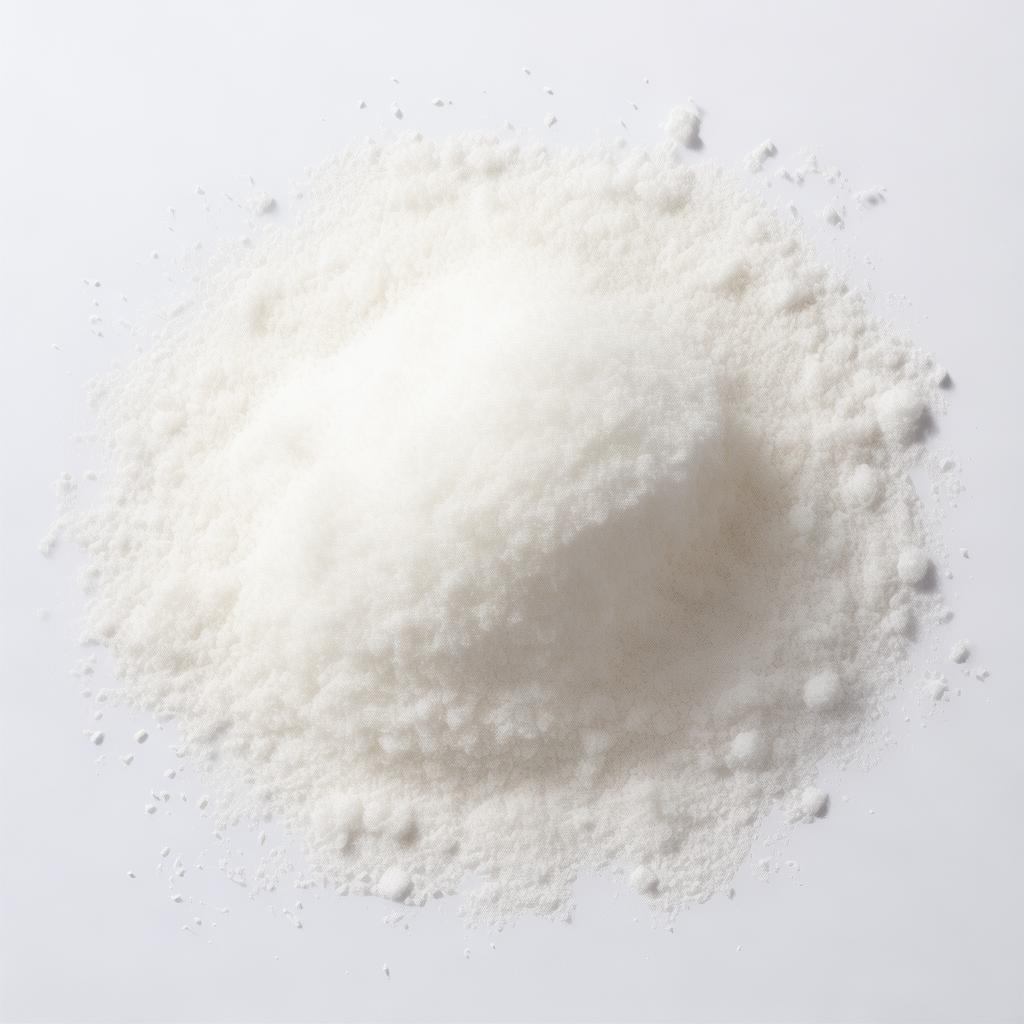
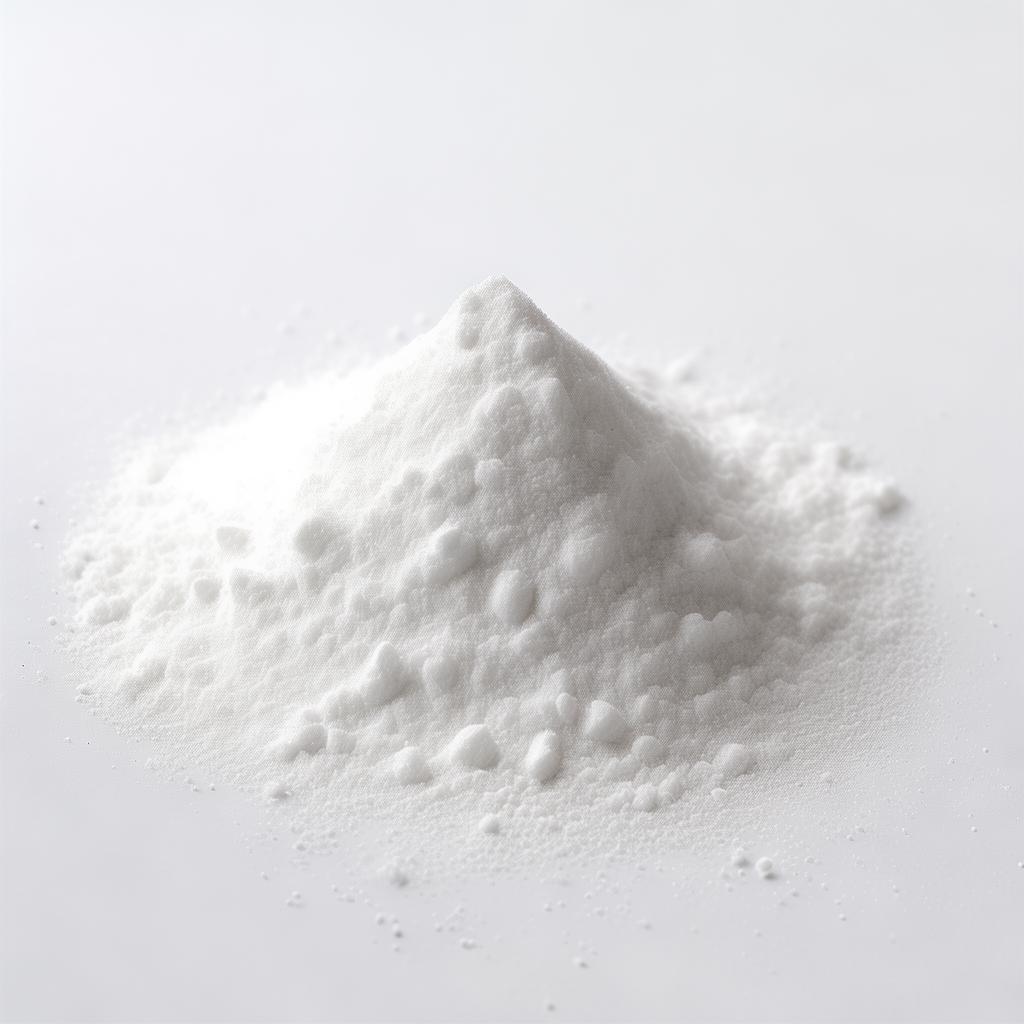
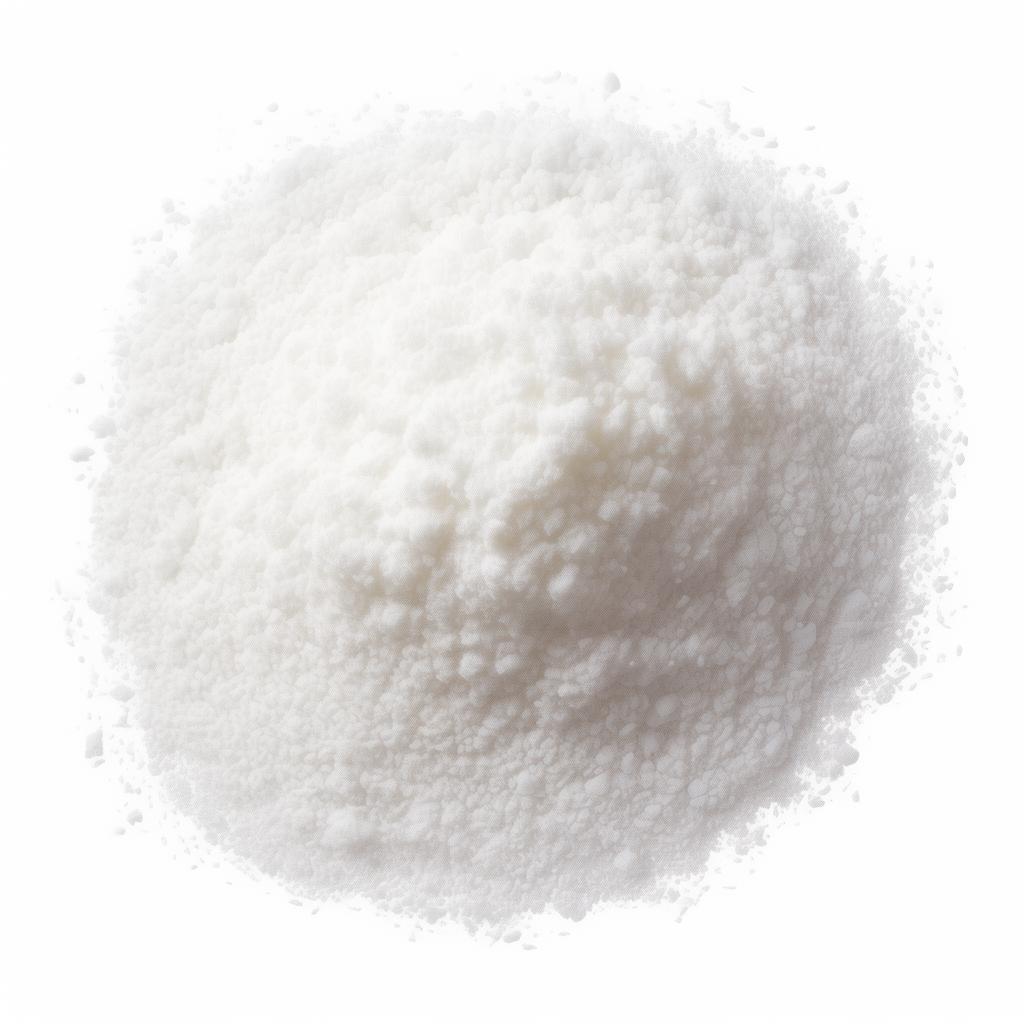
HPMC – hydroxypropyl methylcellulose – starts as purified cotton or wood pulp, etherified with methyl and hydroxypropyl groups. That process locks in a true density around 1.3-1.5 g/cm³. But what buyers measure is apparent density: bulk (loose pour) or tapped (post-100 taps). Ours consistently hits 0.40-0.50 g/cm³ bulk across grades like TZ-H6 to TZ-H15.
Why the range? Particle size distribution. Finer particles pack tighter. Methoxy content tweaks it too – higher DS means denser. We've run trials where shifting from 19% to 22% methoxy bumped bulk density by 0.05 g/cm³. Small change, but it adds up in 20-ton containers.
In pharma, density governs capsule fills. Too fluffy, and you get air pockets; too dense, overfill risks. Construction folks worry about slump control in renders. One Midwest contractor told us their old supplier's HPMC floated in wet mixes because density was erratic. Switched to ours – problem solved.
Standards help. ASTM D1895 for bulk density testing. We follow USP/NF methods too, with in-house labs verifying every lot. No guesswork. Density isn't static either. Humidity swings can shift it 5-10%. Store bags off the floor, away from walls. Simple, but overlooked.
Over 15 years exporting to North America, we've dialed in densities for specific intents. For gypsum plasters, aim 0.42-0.48 g/cm³. Paints? Lighter at 0.38 g/cm³. It starts with your formula. Tell us your target viscosity and we'd spec the density match.
This isn't theory. Our Jinzhou plant runs three-shift production on automated lines. Spray-drying controls particle morphology, holding density tolerances within 3%. Competitors cut corners on drying – you get fluffy lots that cake later.
Bottom line: density drives cost per cubic meter of finished product. Get it right, cut logistics overhead by 10-15% on volume alone. We've crunched the numbers for dozens of importers. Ready to run yours?
Send your density requirements – free analysis.Let's drill deeper. Particle engineering isn't magic. It starts with reactor controls. Alkalization step swells cellulose fibers. Then propylene oxide and methyl chloride react at 70-90°C. Washing, drying – each influences void spaces between particles. Our process yields uniform spheres, not irregular flakes that trap air.
Testing routine: Pour 100g into a graduated cylinder. Weigh volume for bulk. Tap 1250 times per USP. Record tapped. Repeat x3. Average out. We've got charts from 2026 batches showing <2% variation lot-to-lot. That's reliability US buyers demand for REACH compliance.
One more angle: flowability ties to density. Hausner ratio (tapped/bulk) under 1.25 means free-flowing. Ours hits 1.18 average. No bridging in screws. Saves you downtime.
Market Trends Pushing HPMC Density Optimization
Cellulose demand spiked 8% last year in dry mixes alone. US construction rebound means tighter specs. Buyers want denser HPMC to maximize truckloads – FTL rates are brutal now.
Pharma side, capsule automation favors 0.45 g/cm³ tapped. Excipients market grows, but supply chains snag on consistency. China exports dominate 70% share, but tariffs hit fluffy grades harder due to volume waste.
We've tracked it. Post-2022, orders specify "0.40-0.50 bulk" more. Sustainability angle too – denser powder means less packaging per ton.
Trend to custom densities. OEMs ask for 0.55 g/cm³ for high-fill renders. We blend grades for that. Not off-the-shelf fluff.
Features of Tang Zhi HPMC by Density Profile
- Consistent Bulk Density: 0.40-0.50 g/cm³ standard. Predictable silo fills.
- Low Hausner Ratio: Excellent flow, even in humid ports.
- Tailored Particle Size: D50 80-120µm for optimal packing.
- Humidity Stability: <5% shift at 60% RH.
- Custom Blends: Hit your exact density target.
Short note from the floor: Operators prefer our HPMC. Pours clean, no dust clouds.
Talk specs with our engineer?Applications Where HPMC Density Delivers
In tile adhesives, density ensures even thickening without lumps. 0.45 g/cm³ works best – matches sand volume.
Gypsum plasters: Lighter density aids pumpability. Our TZ-H5 at 0.38 g/cm³ cuts energy draw 12% per batch, per user feedback.
Pharma: Sustained release matrices. Precise density for uniform die fills.
Coatings: Denser grades suspend pigments longer.
One importer in Texas uses ours for EIFS – density holds insulation boards firm.
Buyer's Guide to Spec'ing HPMC Density
Ask for COA with density data. Demand 3-lot averages. Test samples yourself – rent a tap densitometer if needed.
Red flags: Suppliers dodging tapped values. Or densities over 0.60 – likely contaminated.
Calculate your need: Target bulk = (tonnage / silos) x factor. We do this free.
OEM tip: For private label, lock density in contract. Saves reformulations.
| Density Metric | Why Spec It? | Our Range |
|---|---|---|
| Bulk | Packaging efficiency | 0.40-0.50 g/cm³ |
| Tapped | Dosing accuracy | 0.50-0.60 g/cm³ |
| True | Formulation base | 1.35-1.45 g/cm³ |
| Hausner | Flow index | 1.15-1.25 |
hpmc ph hpmc tg hpmc excipient
Get full COA samples.Full Technical Specs: HPMC Density by Grade
| Grade | Viscosity (mPa.s) | Bulk Density (g/cm³) | Tapped (g/cm³) | Applications |
|---|---|---|---|---|
| TZ-H6 | 5,000-9,000 | 0.42 | 0.52 | Gypsum, plasters |
| TZ-H8 | 8,000-12,000 | 0.45 | 0.55 | Tile adhesives |
| TZ-H15 | 12,000-18,000 | 0.48 | 0.58 | Paints, pharma |
ISO-tested. Halal/Kosher options.
Logistics: Shipping HPMC with Density in Mind
25kg multiwall bags on 1.25-ton pallets. 20FCL holds 16 tons. Density consistency means full loads – no air freight surprises.
Lead time: 10-15 days to US West Coast. FOB Tianjin. We handle fumigation certs.
Pro tip: Specify palletized for density protection. Avoid bag splits in transit.
Custom pack: Jumbo 500kg bags for dense grades.
Request shipping quote.Factory Capabilities Behind Density Control
140,000 sqm site. Automated spray dryers ensure particle uniformity. 40,000 tons/year HPMC alone. ISO 9001, REACH registered.
Lab on-site: Density, viscosity, purity. Export to 50+ countries. OEM/ODM for US brands.
Experience: 20+ years. Handled density tweaks for Dow, BASF specs.
"Seen too many deals fail on density mismatches. Our process fixes that. Call me direct."
Buyer Feedback on Our HPMC Density
Mike R., Procurement Mgr, Texas Dry Mix Plant: "Density spot-on at 0.46 bulk. No more hopper clogs. Switched fully after trial."
Sarah L., Ops Director, Florida Coatings: "Tapped density consistent. Saved 8% on bag count per ton."
John K., Pharma Importer, California: "USP compliant density. Capsule fills perfect now."
Carlos M., Contractor, Midwest USA: "Denser than Asian competitors. Better value per container."
Frequently Asked Questions on HPMC Density
What is standard HPMC bulk density?
0.40-0.50 g/cm³ for construction grades. Varies by viscosity.
How does density affect mortar performance?
Higher density improves water demand control, reduces segregation.
Can you customize HPMC density?
Yes, via particle size adjustment. MOQ 5 tons.
Storage tips for density stability?
Cool, dry, sealed bags. Use within 24 months.
Difference bulk vs tapped density?
Bulk is loose; tapped after settling. Ratio indicates flow.
Ready for Density-Matched HPMC?
Request free samples, COA, or factory pricing. OEM welcome.
- Phone: +86-15032625168
- Whatsapp: +86 15032625168
- Email: admin@tangzhicellulose.com
- Addr: Room 2308, Dongsheng Plaza 2, No. 508 Zhongshan East Road, Chang’an District, Shijiazhuang, Hebei, China
- Full Contact Page
Certifications: ISO 9001 | REACH | Kosher | Halal