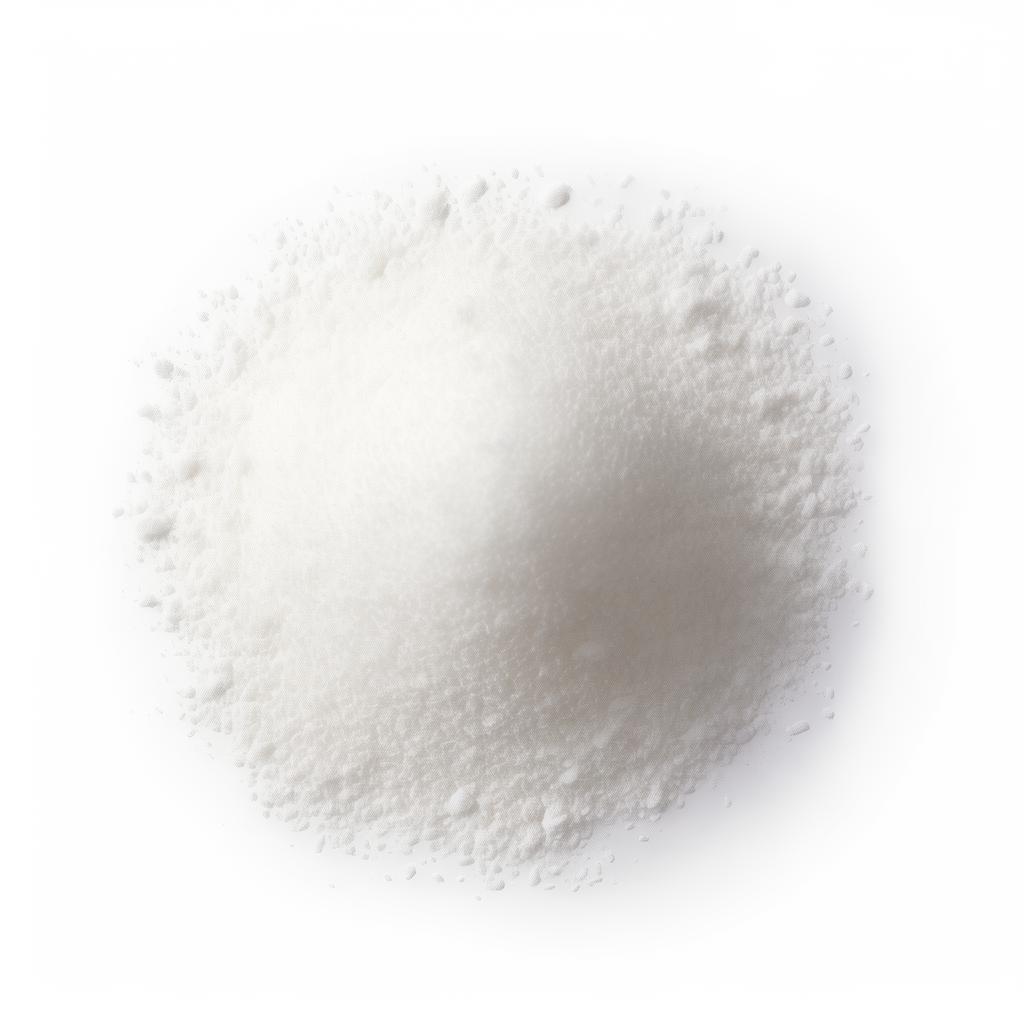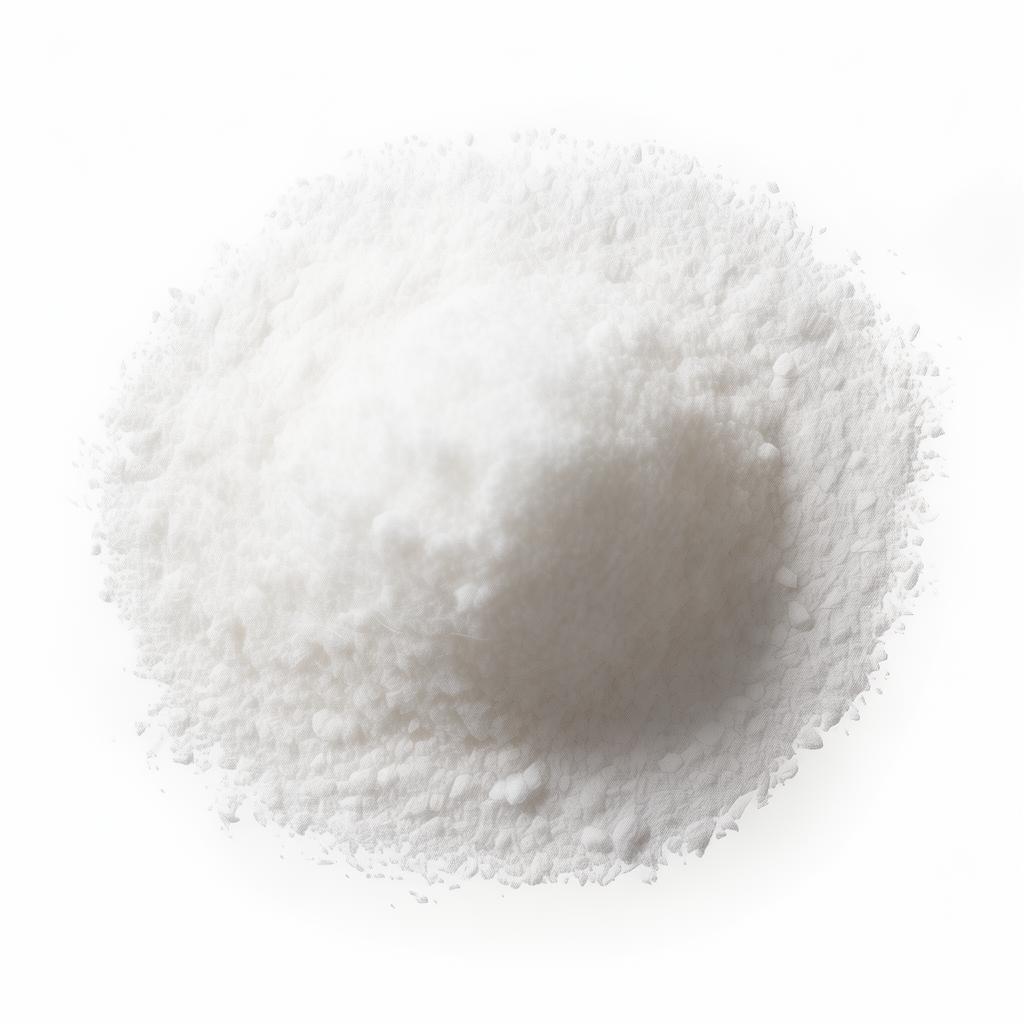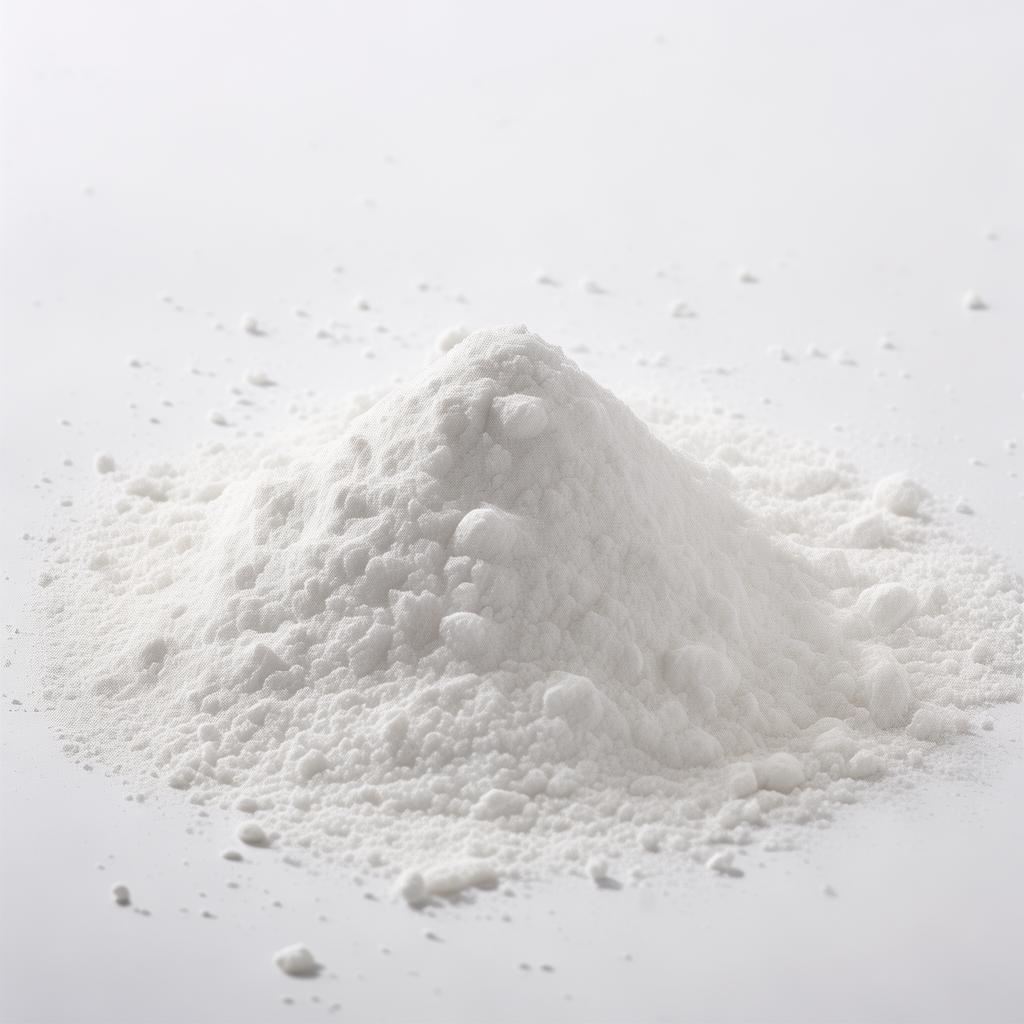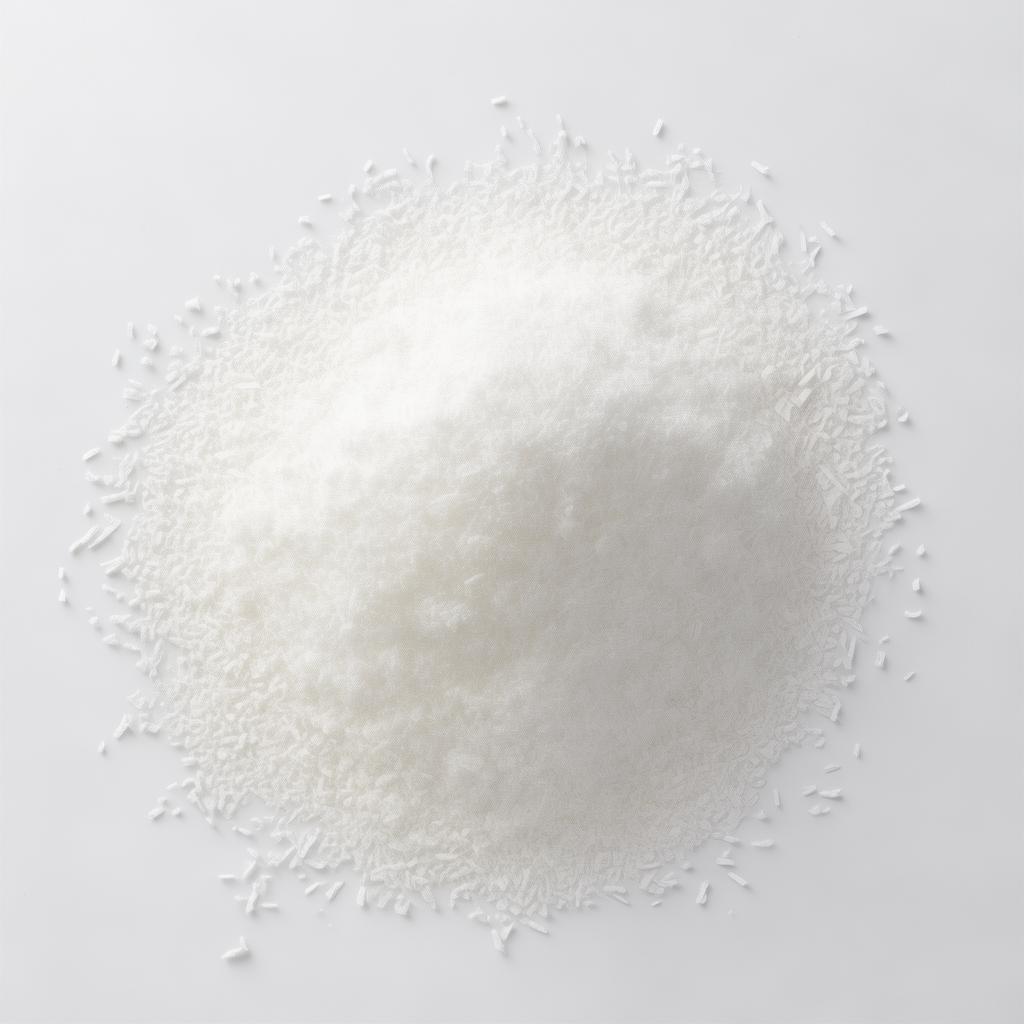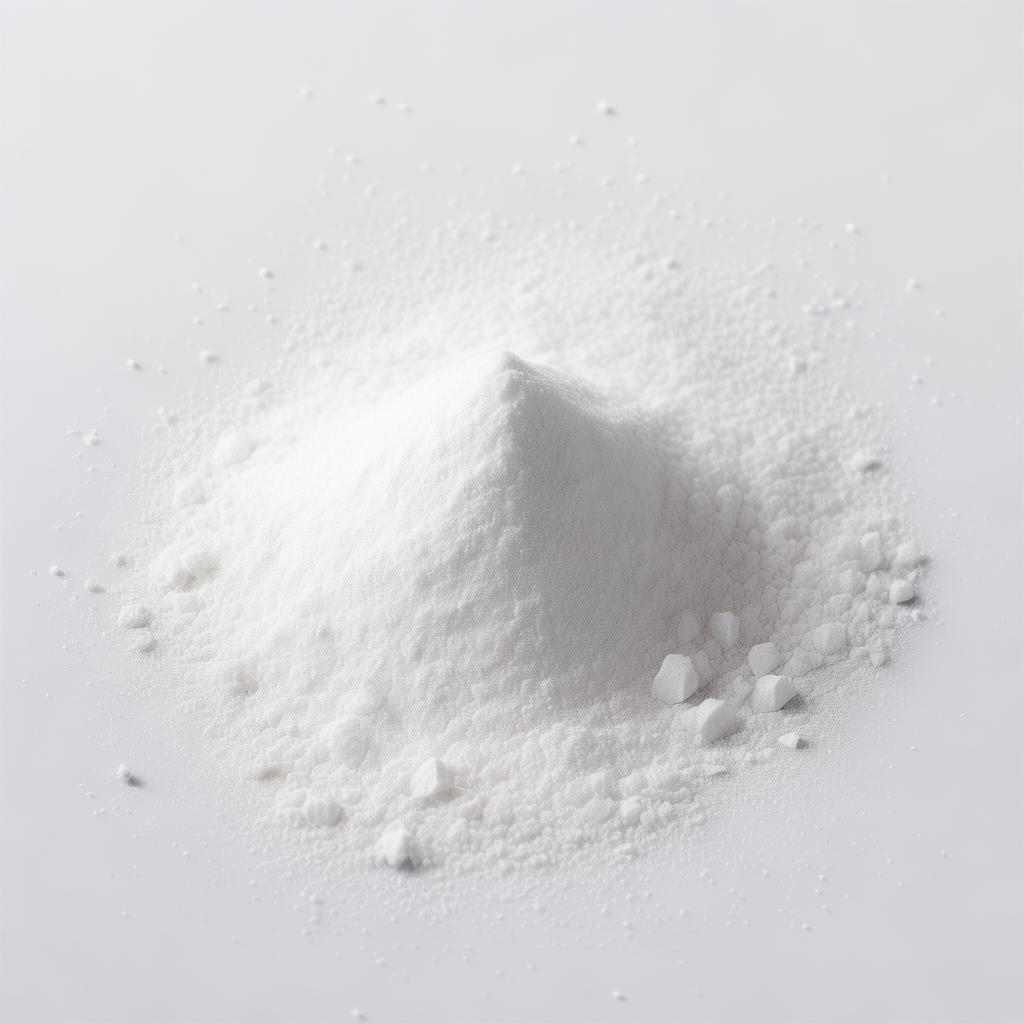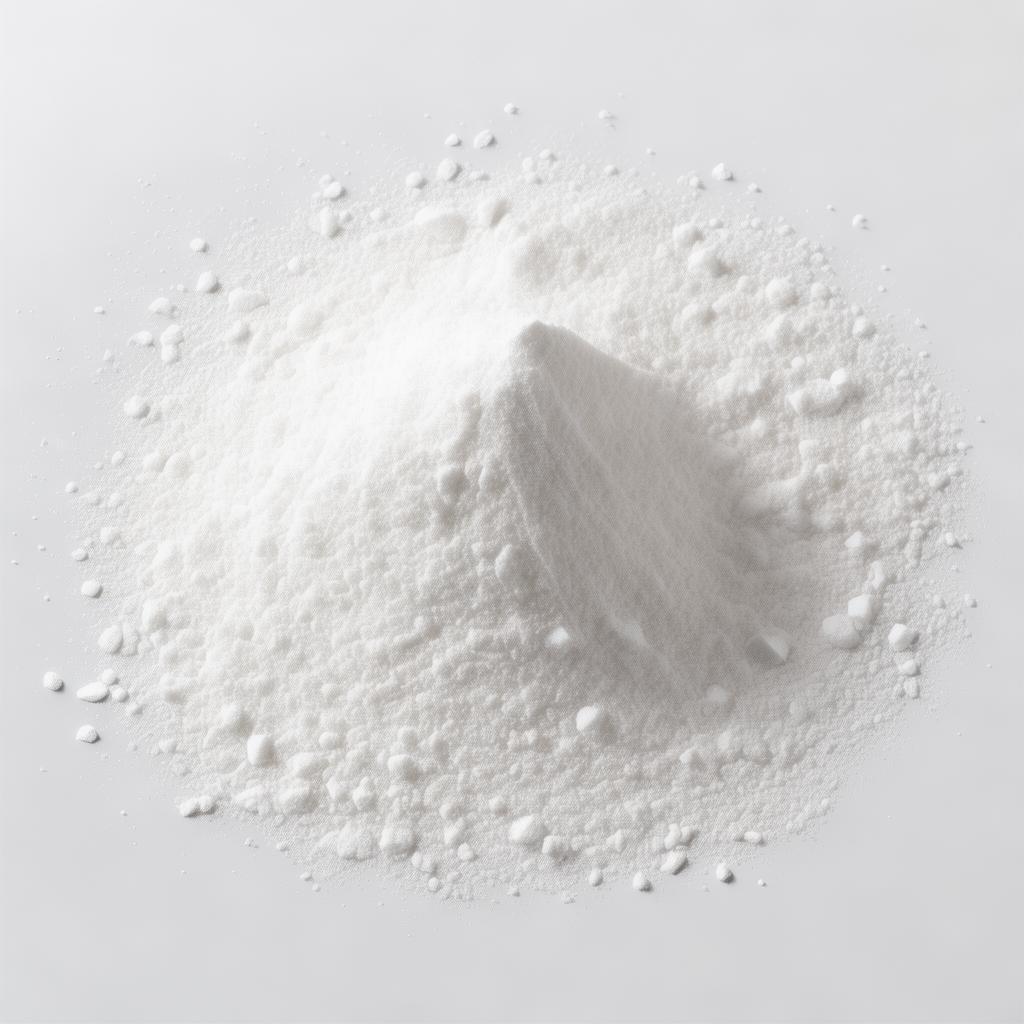
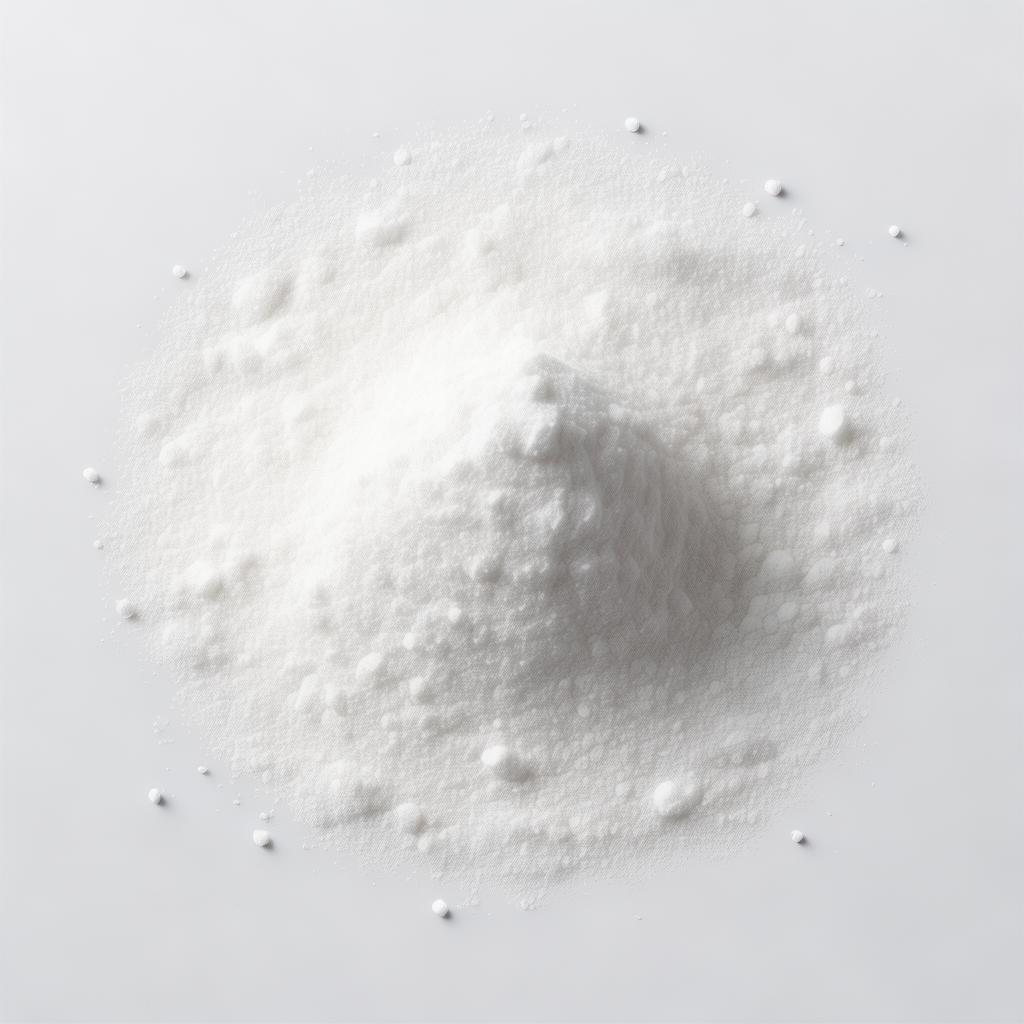
Hpmc For Putty Powder
HPMC for Putty Powder: Reliable Thickener from Factory Direct
Sourcing the right HPMC grade keeps your putty powder stable on trowels, reduces cracking in humid jobsites, and cuts rework costs for contractors. We've shipped tons to US importers handling interior skim coats and exterior wall fillers.
Putty powder mixes aren't forgiving. Get the viscosity wrong, and you're dealing with sagging walls or powder that dries too fast. Over 15 years exporting cellulose ethers, we've fine-tuned HPMC formulations specifically for putty—balancing water retention, adhesion, and pumpability.
Table of Contents
- Common Pain Points in Putty Production
- What Makes HPMC Essential for Putty Powder
- Key Technical Specifications
- Why Our HPMC Outperforms Standard Grades
- Real-World Applications in Wall Putty
- Procurement Guide: Selecting HPMC Suppliers
- Our Manufacturing Capabilities
- Shipping and Logistics to USA
- What Importers Say
- Frequently Asked Questions
- Get Factory Pricing
Pain Points Importers Face with Putty Powder Formulas
Procurement managers know the drill. A batch of putty powder that works fine in the lab turns runny on site. Or it cracks as it cures, forcing costly sand-downs. We've heard it from US distributors: inconsistent thickening leads to callbacks, and nobody wants that liability.
HPMC solves this, but cheap grades from unverified sources flake under heat or lose body in high-humidity mixes. Contractors in Florida or Texas report better results with our mid-viscosity options—holds shape without excessive shrinkage.
- Water separation in storage tanks
- Poor trowel application on vertical surfaces
- Quick drying in summer jobs, rework in winter
- Compatibility issues with gypsum or lime bases
Skip these headaches. Request our putty-specific sample pack—tests viscosity right out of the drum.
Deep Dive: HPMC's Role in Putty Powder Stability
Hydroxypropyl methylcellulose—HPMC to everyone in the trade—isn't just a filler. It's the backbone for putty powders. Derived from refined cotton cellulose, it's etherified with methyl and hydroxypropyl groups for precise control over rheology. In putty, it hydrates slowly, binding water to prevent settling while keeping the mix workable.
Think about a typical interior putty: 60-70% gypsum, fillers like calcium carbonate, and 0.3-0.5% HPMC. That small dose boosts open time from 20 minutes to over an hour. We've optimized grades for both water-based interior putties and cementitious exterior ones. No more mix that slumps off drywall edges.
Production-wise, our Jinzhou facility uses automated etherification lines. Purity hits 99.5% cellulose content, with hydroxypropyl at 7-12% for better dissolution. This matters when you're blending for OEM clients—consistent particle size under 100 mesh avoids lumps.
One importer shared: switched to our HPMC after low-grade imports caused batch failures. Now their skim coat sells steady in hardware chains.
Technically, HPMC's gel temperature (58-64°C) suits ambient curing. It thickens pseudoplastically—thins under shear for easy spreading, then firms up. Ideal for pneumatic spraying or hand-troweling.
In humid climates like Southeast US, higher substitution degrees retain moisture longer. We've shipped grades with 20,000-100,000 cps viscosity tailored for these conditions. Early hydration prevents efflorescence in lime-gypsum blends.
Logistically, drums stack 20 per pallet, 16MT per 20ft container. Lead time? 7-10 days post-order for stock grades. No minimums under 1 ton for trials.
This isn't theory. Our engineers have visited US putty plants, tweaking formulations on-site. Result: 15-20% less material waste reported by partners.
Curious about ash content or pH? Both critical for long shelf life. Ours: 1-3% loss on drying, pH 5.0-8.0. Matches ASTM C1184 for cellulose thickeners.
Putty makers also watch for microbial resistance. Our non-ionic HPMC resists bacteria better than HEMC alternatives in alkaline mixes. Practical tip: store below 30°C, away from direct sun—extends usability past 18 months.
Comparing to native cellulose? HPMC dissolves fully in cold water, no cooking needed. Saves labor in batch plants. For export, we include MSDS compliant with REACH and TSCA regs.
Bottom line: right HPMC cuts your formulation trials. We've got data sheets ready—email for viscosity curves.
Technical Specifications Table for Putty Powder HPMC
Here's our standard grades. All pharma/food grade available, but construction optimized for cost.
| Grade | Viscosity (cps) | Methoxyl (%) | Hydroxypropyl (%) | pH | Applications |
|---|---|---|---|---|---|
| TZ-HPMC 60K | 50,000-70,000 | 28-30 | 7-12 | 5.0-7.5 | Interior skim coat |
| TZ-HPMC 100K | 80,000-120,000 | 28-30 | 7-12 | 5.5-8.0 | Exterior putty |
| TZ-HPMC 200K | 150,000-250,000 | 18-24 | 4-12 | 6.0-8.0 | High-build plasters |
Custom viscosities on request. Tested per Brookfield LV 2% solution at 20rpm, 20°C.
Advantages Our HPMC Brings to Putty Formulas
Standard cellulose thickeners sag under load. Ours? Proven sag resistance up to 3mm thickness. Distributors note fewer complaints from end-users.
- Better water demand control—less bleed-out in pumps
- Improved crack bridging over minor substrate flaws
- UV stable for exterior exposure
- Low air entrainment, smoother finishes
Vs. competitors: lower gel strength means easier mixing, but holds better. Contractors save 10-15 minutes per 100m² application.
Warning: avoid over-dosage above 0.6%. Leads to stringiness. Our tech support guides dosing trials.
Applications: From Drywall Putty to Masonry Fills
Interior wall putty: pairs with gypsum for smooth skim coats. Exterior: boosts adhesion in cement-lime mixes against weather.
Case: Texas importer for home centers. Their formula with TZ-HPMC 100K cut curing cracks by half in rainy seasons.
- Pre-mixed putty tubs
- Powder for site-mixing
- Anti-crack plasters
- Texture finishes
Installation note: premix dry, add water gradually. Full hydration in 30 minutes at 20°C.
Buyer Guide: How to Vet HPMC Suppliers
Risks abound. Low methoxyl means poor dispersion. Check substitution degrees, not just price.
- Request 2kg sample with COA
- Test viscosity stability after 24hr
- Verify REACH/TSCA compliance
- Ask production scale—under 10k tons/year signals inconsistency
Our edge: 40k tons capacity, exports to 50+ countries. No supply disruptions.
Ready to test? WhatsApp +86-15032625168 for specs.
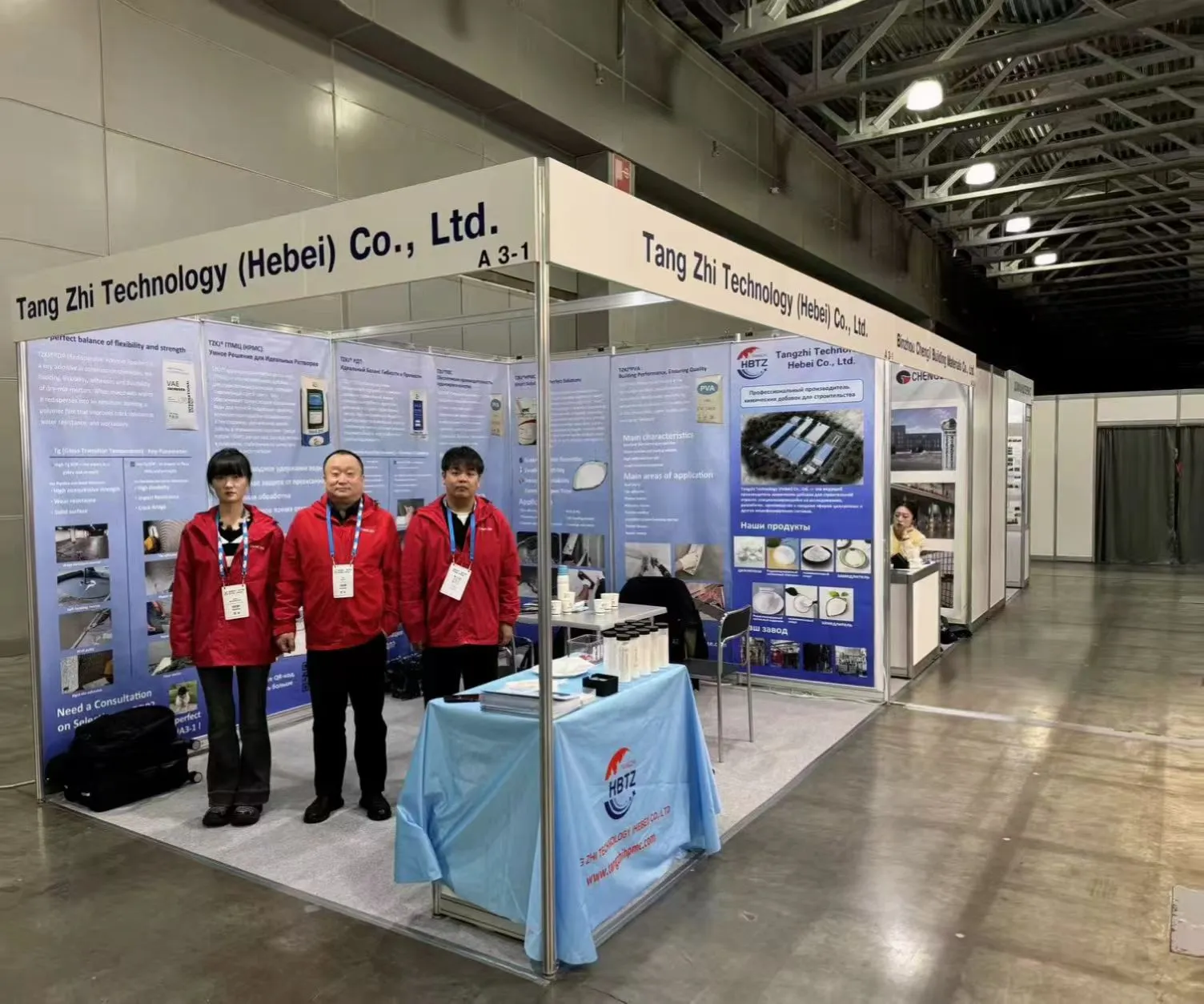
Tang Zhi Technology: 140,000㎡ Factory Strength
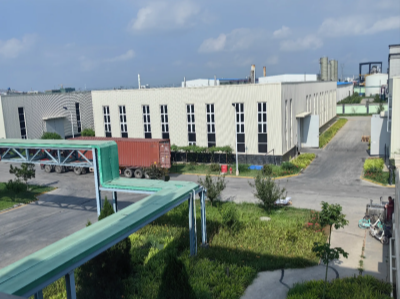
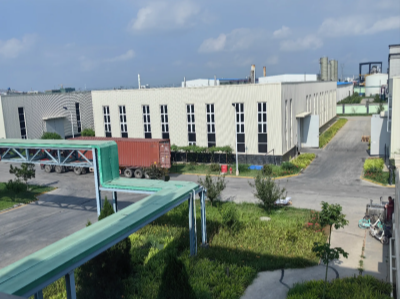
Located in Jinzhou, Hebei. 90,000㎡ buildings, automated lines for HPMC, MHEC, RDP. Annual 40k tons.

Certifications: 
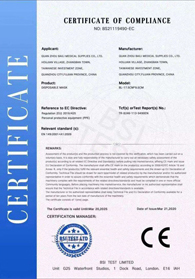 Halal/Kosher too.
OEM/ODM: label your brand. Min 500kg.
Logistics: Door-to-Door to USA Ports
20ft FCL: 16MT HPMC (320 drums). LAX/NY arrival 25-30 days. Duty? HS 3912.39, check your tariff.
Air freight samples: 3-5 days DHL. Track via our portal.
Tip: consolidate with RDP for full load savings.
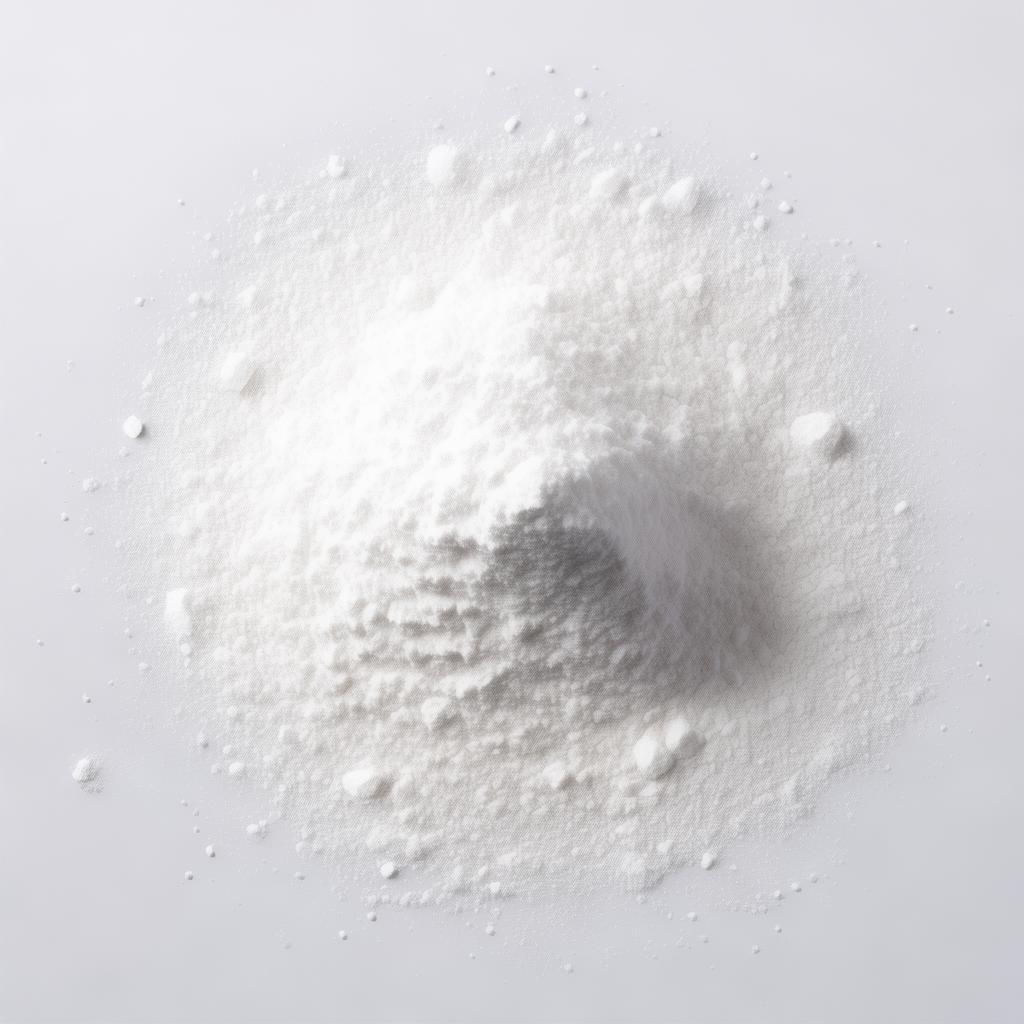
hpmc powder hpmc powder factory hpmc for wall putty
Feedback from US Importers

John M., Texas Distributor: "TZ HPMC fixed our sagging issue in exterior putty. Contractors love the spreadability. Repeat orders monthly."

Maria R., Florida Importer: "Competitive pricing, fast samples. Viscosity holds through humid storage—big win."

David K., California Blender: "OEM runs flawless. COAs match every drum."
FAQs on HPMC for Putty Powder
Q: What's the ideal dosage?
A: 0.2-0.5% for most gypsum putties. Lab test for your formula.
Q: Shelf life?
A: 24 months unopened. Store dry.
Q: Can it replace RDP?
A: Complements RDP for flexibility. We supply both.
Q: Free samples?
A: Yes, up to 2kg. Cover courier.
Q: MOQ?
A: 1MT trial, 16MT FCL standard.
Talk to Our Export Team
Get putty-optimized HPMC pricing, samples, or OEM quote.
Phone/WhatsApp: +86-15032625168
Email: admin@tangzhicellulose.com
Addr: Room 2308, Dongsheng Plaza 2, No. 508 Zhongshan East Road, Chang’an District, Shijiazhuang, Hebei, China
Written by Li Wei, Export Director at Tang Zhi Technology

15+ years in cellulose exports. Ex-engineer, now handling USA accounts.