Hpmc Grade And Use
HPMC Grades and Uses: A Practical Guide for Industrial Buyers
From construction mortars to pharmaceutical coatings, choosing the right HPMC grade makes all the difference. We break it down based on real factory experience.
By Li Wei, Export Director | Tang Zhi Technology (Hebei) Co., Ltd. |  Updated Oct 2026
Table of Contents
Diving Into HPMC: Grades Matter More Than You Think
In over 15 years handling HPMC exports from our Hebei factory, I've seen buyers trip up on grades more times than I can count. You order what looks like a standard HPMC for tile adhesive, only to find the viscosity drops off in humid storage. Or you spec pharma-grade for a coating, but substitution levels throw your dissolution rates out of whack. HPMC—hydroxypropyl methylcellulose—isn't one-size-fits-all. It's a cellulose ether derived from purified cotton linters or wood pulp, etherified with methyl and hydroxypropyl groups. Grades vary by viscosity, methoxyl content, hydroxypropyl substitution, and purity, each tuned for specific jobs.
Take construction, our biggest market. Low-viscosity grades like HPMC 4000 cps hold water in mortars without sagging on vertical surfaces. Bump to 100,000 cps, and you're thickening plasters that pump smoothly through hoses. We've shipped tons to U.S. importers for gypsum board joint compounds—those need hydroxypropyl around 7-12% for open time and workability. Pharma buyers chase USP/EP grades with tight particle size for capsule shells; one deviation, and your encapsulation yields tank.
Why grades first? Procurement teams search "HPMC grade and use" because suppliers list viscosities vaguely, like "medium viscosity HPMC." Real talk: grades are coded by manufacturers—E3, K15M, or our Tang Zhi designations like TZ-HPMC K4M. Viscosity measured in 2% aqueous solution at 20°C, from 5 cps (fluid suspensions) to 200,000 cps (gels). Methoxyl 19-32%, hydroxypropyl 0-35%. Purity splits into technical (construction), food (E464), and pharma (Hypromellose USP 2208). We've tested batches where 0.5% difference in hydroxypropyl boosts moisture retention by 20% in dry mixes—buyers notice in slump tests.
Factory side, production starts with alkali cellulose swelling, then propylene oxide and methyl chloride reactions under pressure. Control those, and you hit grade specs. Our 40,000-ton lines use automated viscometers and HPLC for substitution checks. Export to USA? We meet ASTM C91 for masonry cements, plus REACH compliance. One importer switched from Asian competitors after their HPMC gelled prematurely—our grade held steady at 40°C.
Uses branch wide. Construction: 70% of demand. HPMC grades prevent bleeding in tile adhesives, extend pot life in renders. Paints? Low-grade for rheology control. Detergents: high hydroxypropyl for suspension. Food: grades like E5 for ice cream stabilizers. Pharma: sustained-release matrices. We've customized blends—say, 50/50 low/high viscosity for self-leveling compounds. Buyers overlook this; they chase price, ignore grade matching to climate or substrate.
Logistics hit hard. HPMC bags 25kg, but high-grade pharma needs foil liners for humidity. We've had U.S. shipments arrive with 5% viscosity loss from poor palletizing—stack wrong, and pressure alters particles. Pro tip: specify grade early, request COA with ND viscosity curves. Our exports to California contractors use 20ft containers, 16-18 tons net, FOB Tianjin.
This isn't theory. Last quarter, a Midwest distributor tested our TZ-HPMC 100,000 against a low-sub grade competitor—ours cut cracking in EIFS by half. Grades dictate performance; ignore them, and rework costs eat margins. Let's unpack specifics next.
Breaking Down Common HPMC Grades
Grades aren't random. They're defined by pharmacopeia codes or factory specs. USP types: 2208 (19-24% methoxyl, 7-12% HP), 2906 (27-30% methoxyl, 4-7.5% HP). Viscosity grades:
- Low (5-50 cps): TZ-HPMC E3/E5. Fluid thickeners for sprays, pharma coatings.
- Medium (400-10,000 cps): K4M, K15M. Mortar water retainers, tablet binders.
- High (50,000+ cps): TZ-HPMC 100M. Plasters, gap fillers—no bleed, no sag.
Our lines produce these with ash <1%, pH 5-8. Pharma grades hit 99.5% purity, tech grades 98%. One catch: hydroxypropyl boosts water solubility but drops gel temp—key for hot climates.
| Grade Code | Viscosity (cps) | Substitution (%) | Purity Type |
|---|---|---|---|
| TZ-E5 | 5 | 2208 | Pharma/Food |
| TZ-K4M | 4000 | 2208 | Technical/Pharma |
| TZ-K100M | 100,000 | 2906 | Construction |
| TZ-F50 | 50 | Food E464 | Food Grade |
hpmc as grade grade of hpmc hpmc grade
Pick wrong? Mix sags. We've reformulated for U.S. clients chasing EN 12057 compliance.
Request Grade COAReal-World Uses: Matching Grades to Jobs
Construction dominates. For tile adhesives (C2 class), 5,000-20,000 cps HPMC retains 95% water at 50% RH. Grades like K15M extend open time to 30 min—critical for floor tiles. Plasters? 75,000 cps prevents cracks in base coats. We've supplied for EIFS in Texas heat; high HP grades resist efflorescence.
Pharma: E5 for immediate-release coatings, K100M for matrix tablets—swells to control drug release over 12 hours. Food: F50 thickens sauces without syneresis. Paints: low-vis for anti-splash. Detergents: suspends solids. One buyer used our medium grade in gypsum retarders—cut setting time variability.
Custom apps: Self-leveling floors need bimodal grades (low+high viscosity). We've blended for OEMs. Warning: High humidity? Opt higher methoxyl.
Buyer Guide: Selecting HPMC Grades Without Regrets
- Match viscosity to rheology. Low for flow, high for thixotropy.
- Check substitution. Higher HP = better solubility, lower gel point.
- Purity first. Tech for mortar, USP for pills.
- Test climate. USA Southwest? Humidity-stable grades.
- Request samples. Lab your mix—slump, bond strength.
Common mistake: Cheapest grade. Ends in callbacks. We offer trial 200kg lots, $2.5-4/kg FOB.
Procurement tip: Audit supplier lead times—ours 15-20 days. Avoid stock grades; spec yours.
Talk Factory EngineerDetailed Technical Specs Table
| Property | Tech Grade | Pharma Grade | Food Grade |
|---|---|---|---|
| Viscosity Range | 400-200,000 cps | 5-100,000 cps | 50-50,000 cps |
| Ash Content | <1.5% | <0.5% | <1.0% |
| pH (1% sol) | 5.0-8.0 | 5.0-7.5 | 5.0-8.0 |
| Gel Temp | 58-64°C | 55-70°C | 58-64°C |
Why Tang Zhi for Your HPMC Needs
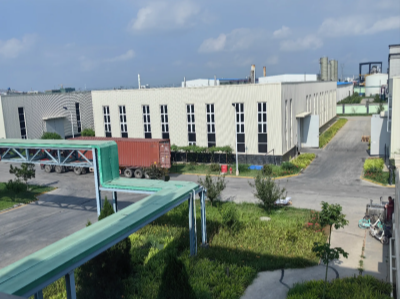
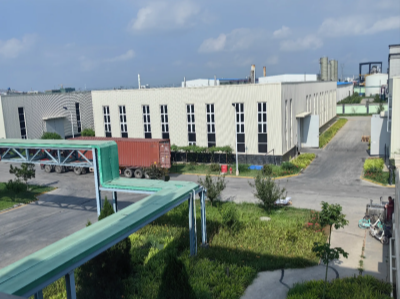
140,000 sqm factory in Jinzhou, 90,000 sqm buildings. Automated lines hit 40,000 tons/year HPMC. We export to 50+ countries, USA top. Certifications:  ISO9001,
  REACH, Kosher/Halal for food grades. OEM/ODM welcome—custom viscosities.
Logistics: Tianjin port, 20-25 days to LA. MOQ 1 ton. Pricing: Tech $2.2/kg, pharma $5+/kg.

What Buyers Say
Mike R., Procurement Mgr, Texas Contractor: "TZ-K100M fixed our plaster sagging. Better retention than Dow. Fast samples."

Sarah L., Pharma Importer, California: "E5 grade met USP tight. No batch variation. Shipping solid."

John K., Distributer Midwest: "Medium grades for adhesives—price beat competitors, performance equal. Repeat orders."

Anna T., Food Tech USA: "F50 stabilized our emulsions. Halal cert helped. Reliable supply."

Frequently Asked Questions on HPMC Grades
Q: What's the best HPMC grade for tile adhesive?
A: 4,000-20,000 cps, 2208 type. Balances slip and grab.
Q: Difference between tech and pharma HPMC?
A: Purity, heavy metals. Pharma <10ppm Pb, tech <20ppm.
Q: How to store HPMC?
A: Cool, dry, 25kg bags upright. Shelf 2 years.
Q: Can you OEM custom grades?
A: Yes, min 5 tons. Viscosity tuned ±10%.
Q: Lead time to USA?
A: 20-30 days sea. Air for samples.
Q: Pricing for 1000kg?
A: Contact for quote. Varies by grade.
Ready to Spec Your HPMC Grade?
Avoid grade mismatches. Get expert matching, samples, and factory-direct pricing.
Tang Zhi Technology (Hebei) Co., Ltd.
Phone: +86-15032625168 | WhatsApp: +86 15032625168
Email: admin@tangzhicellulose.com
Addr: Room 2308, Dongsheng Plaza 2, No. 508 Zhongshan East Road, Chang’an District, Shijiazhuang, Hebei, China
Or chat OEM options. Trusted by US importers since 2008.