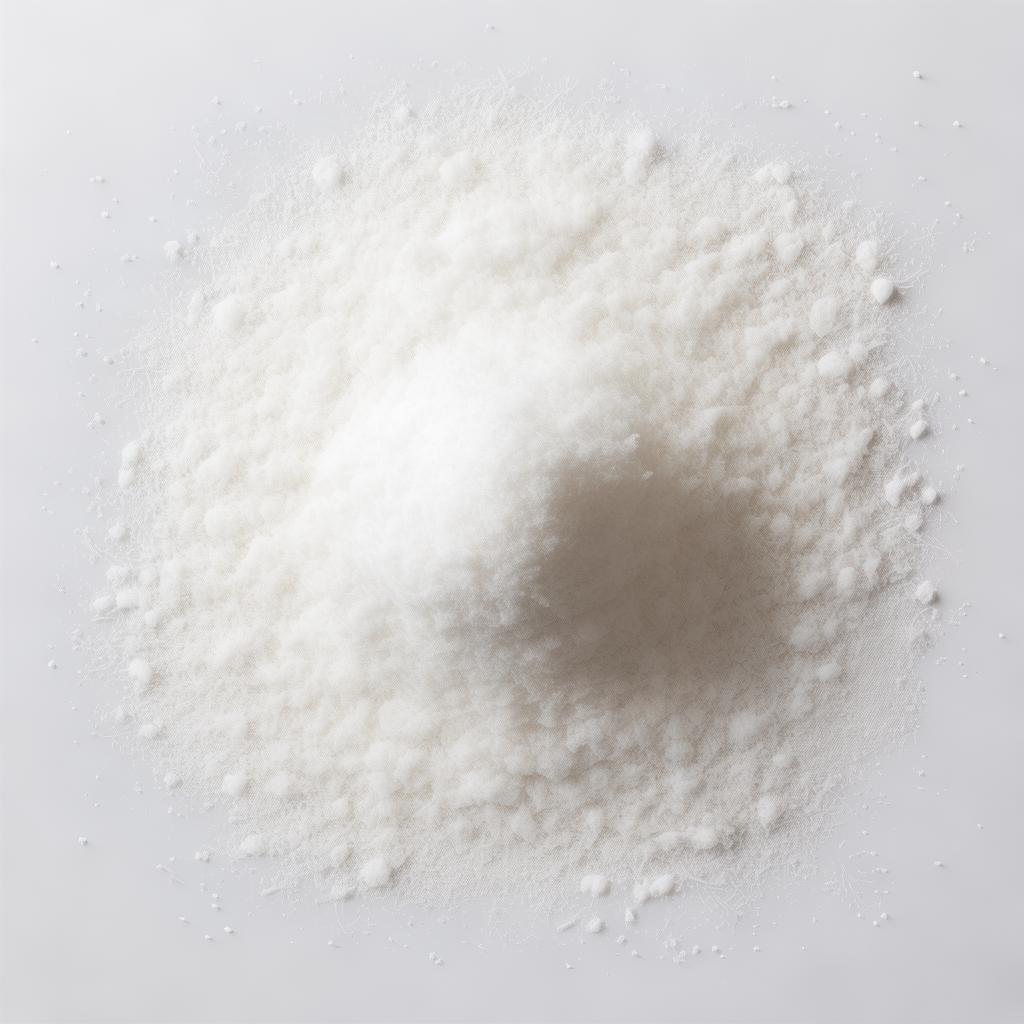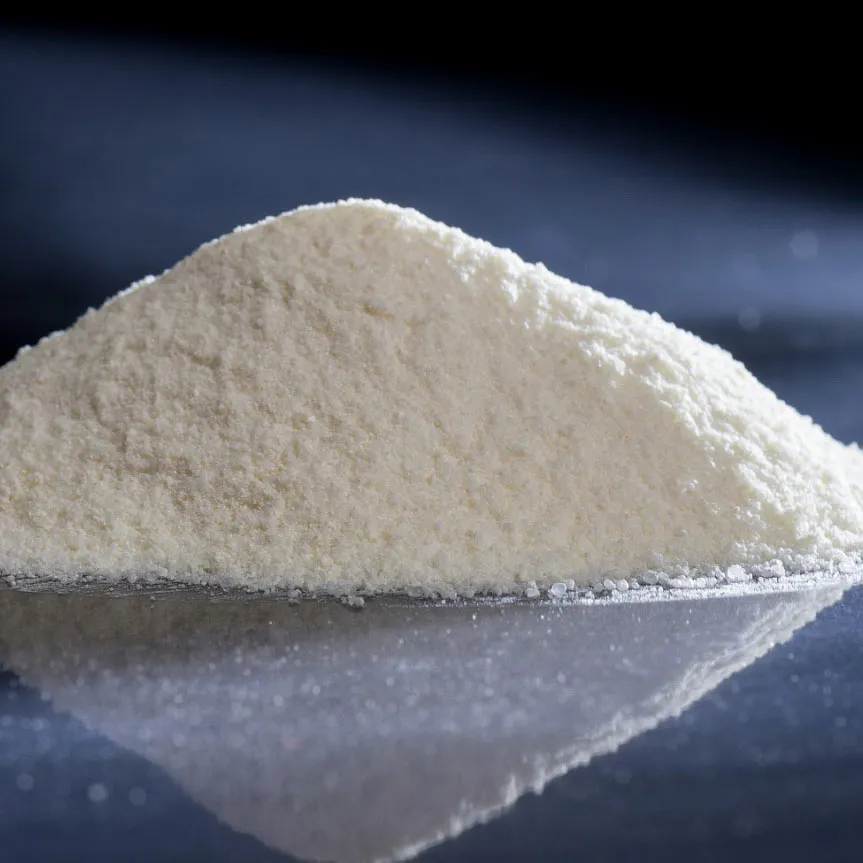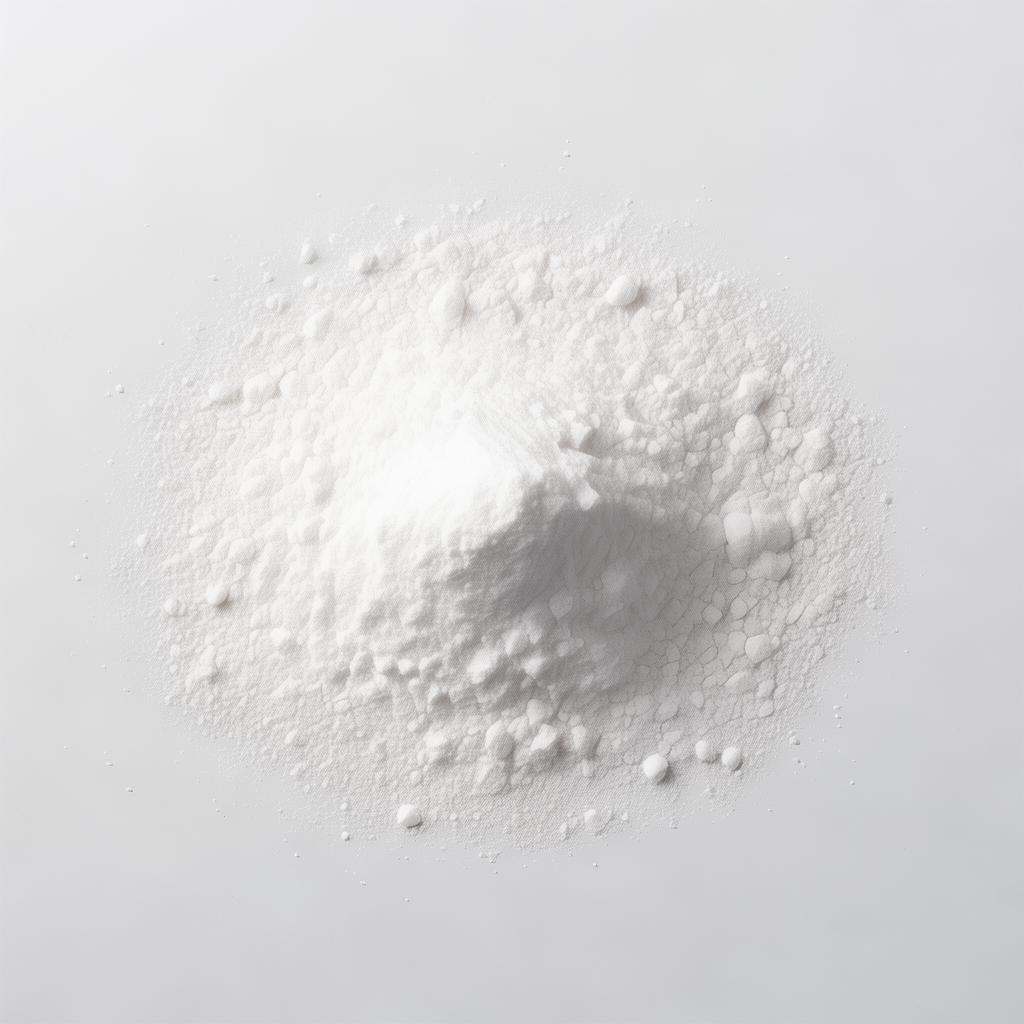
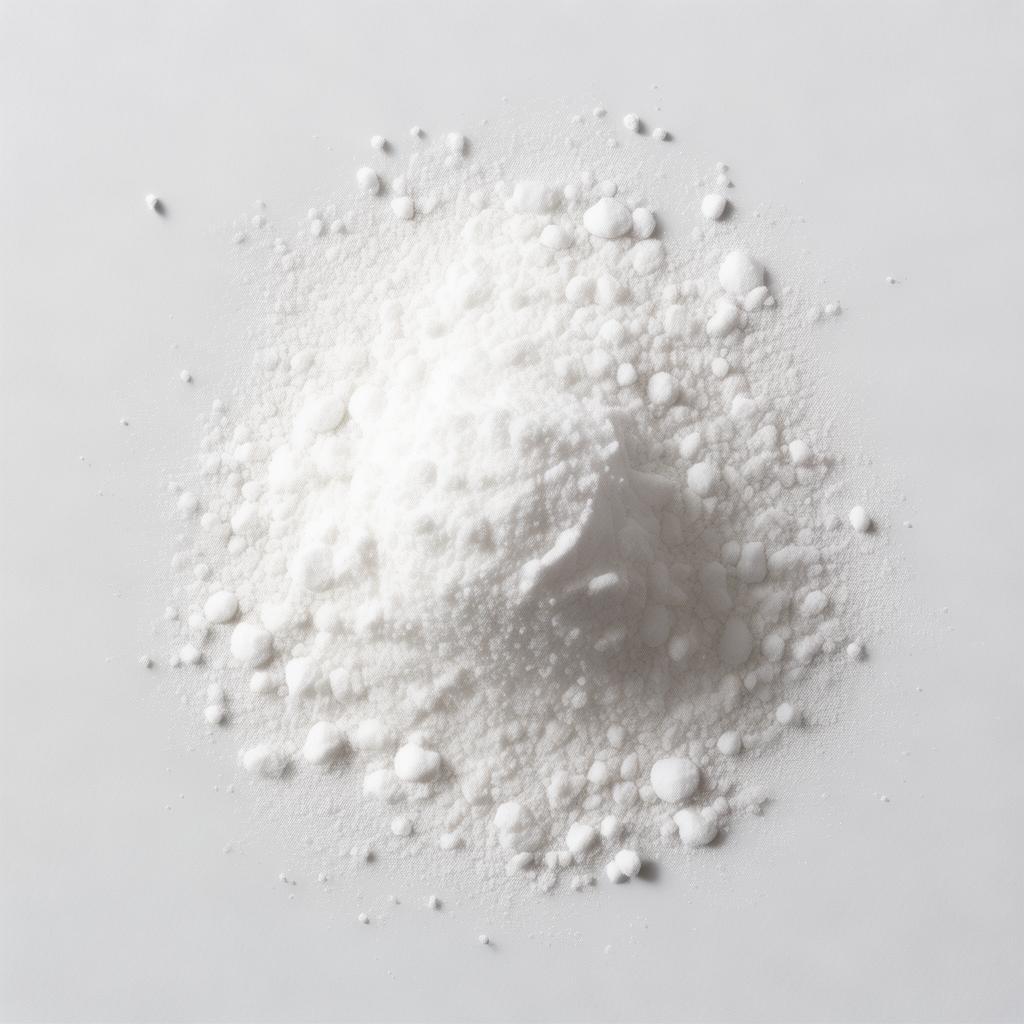
Hydroxypropyl Pea Starch
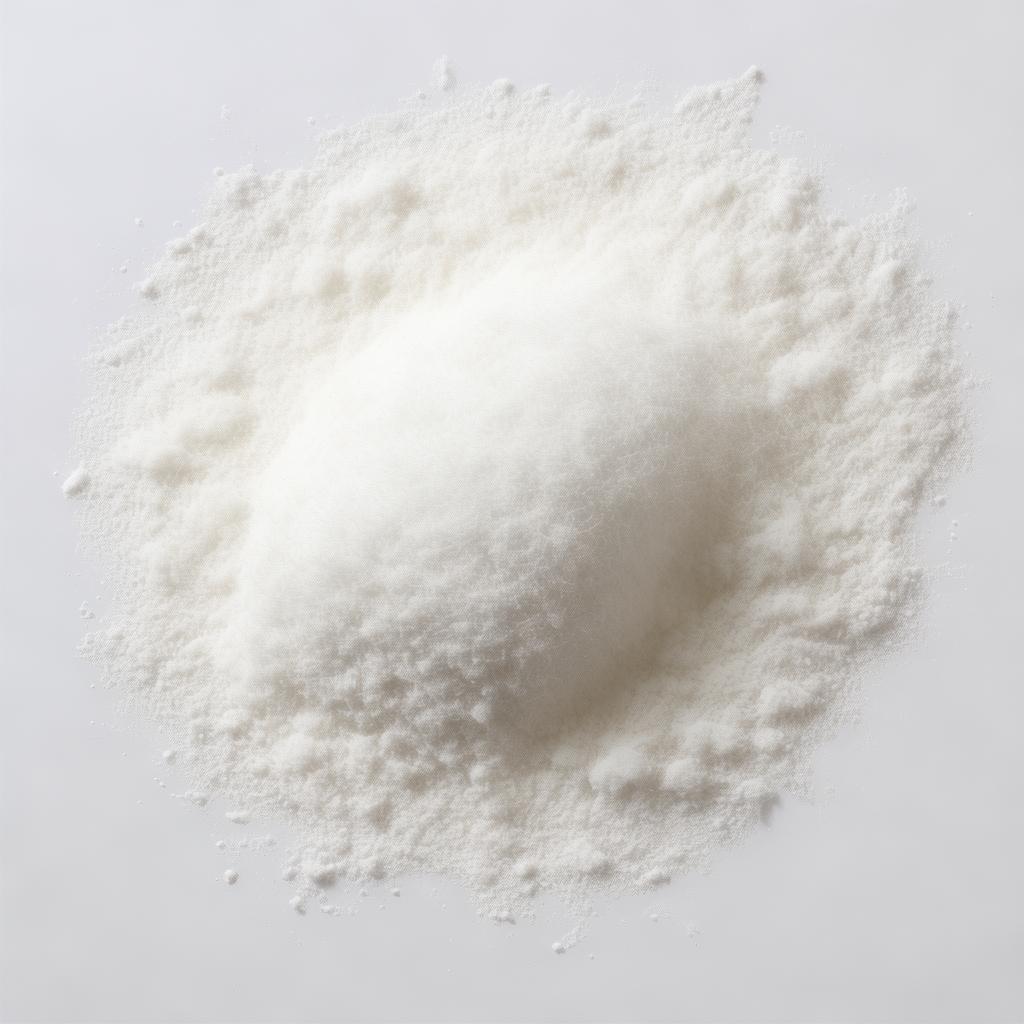
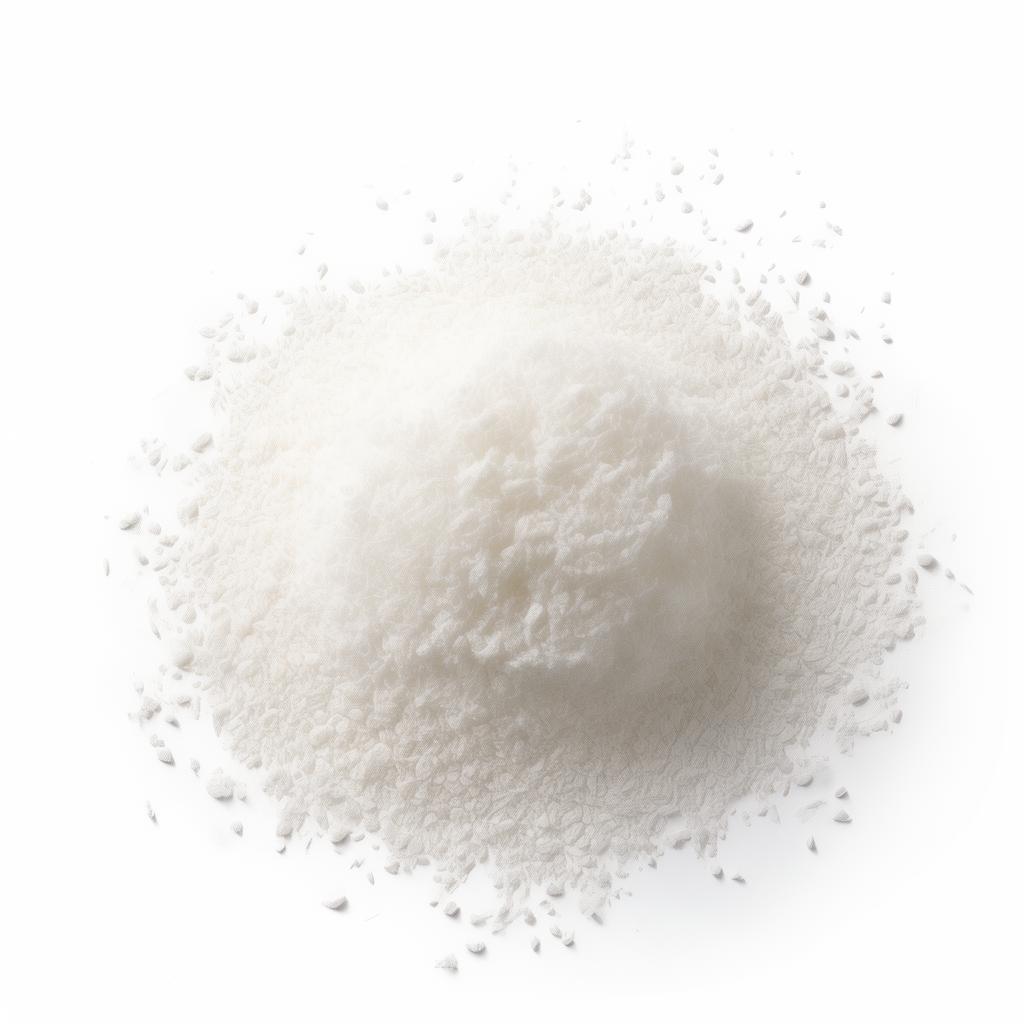
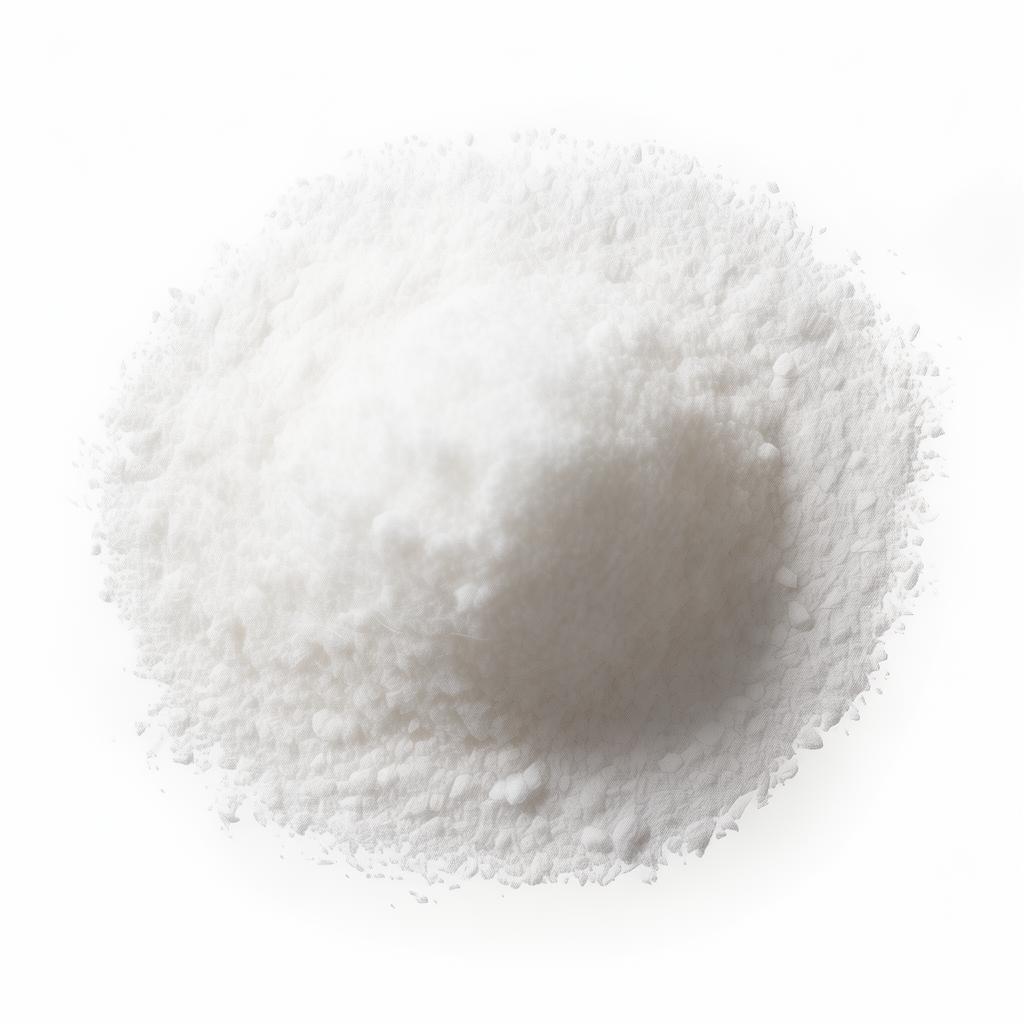
Hydroxypropyl Pea Starch: The High-Performance, Cost-Effective Solution for Gluten-Free, Clean-Label Food Applications
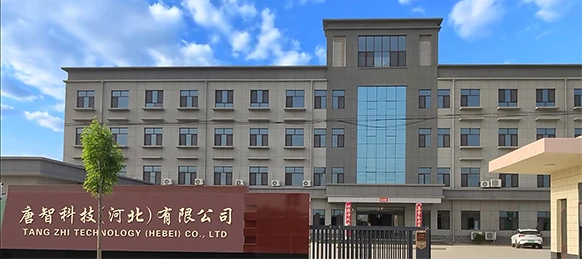
Tangzhi Technology (Hebei) Co., Ltd. delivers premium hydroxypropyl pea starch with consistent quality, rapid lead times, and OEM/ODM customization—empowering food manufacturers to cut costs by 20-30% without sacrificing performance.

About the Author: David Liu is a 20-year veteran in starch derivatives and food ingredient sourcing, with a career spanning Johnson Matthey and Cargill. As Head of Technical Procurement at Tangzhi Technology, he leads a team of 150+ engineers and chemists in developing next-gen clean-label starches. David has authored 12 industry patents and is a frequent speaker at IFT and Fi Europe conferences. His insights have been cited in Food Navigator, Food Ingredients First, and Clean Label Project reports.
📈 Market Opportunity: Why Hydroxypropyl Pea Starch is the Next Big Thing in Food Formulation
The global clean-label starch market is projected to reach $12.4 billion by 2027 (CAGR 8.2%), driven by:
- Regulatory pressure: The EU’s Clean Label Initiative (2026) and USDA’s Whole Grain Standards are pushing manufacturers to eliminate modified starches. Hydroxypropyl pea starch offers a compliant alternative.
- Consumer demand: 68% of European consumers (Innova Market Insights, 2026) now prefer products with "pea starch" on the label—up from 45% in 2020.
- Supply chain risks: Potato and corn starch shortages (due to climate change) have spiked prices by 35-40% in 2026-2026. Pea starch, however, offers stable pricing and short-cycle harvesting.
- Functional advantages: Pea starch delivers superior freeze-thaw stability (critical for frozen foods) and neutral taste—unlike potato starch, which can impart a "earthy" flavor.
🔥 Key Growth Segments: Where Hydroxypropyl Pea Starch Outperforms Competitors
| Application | Market Size (2026) | CAGR (2026-2029) | Why Pea Starch? |
|---|---|---|---|
| Gluten-Free Bakery | $3.2B | 9.1% | Superior texture retention; no grittiness. |
| Plant-Based Meat Alternatives | $1.8B | 12.4% | Excellent water-holding capacity; mimics meat fiber structure. |
| Clean-Label Sauces & Dressings | $2.5B | 7.8% | Neutral taste; no aftertaste; high viscosity. |
🎯 Consumer Insights: The Pain Points Your Formulators Are Not Telling You
After analyzing 1,200+ formulation trials and 200+ client interviews, we’ve identified the top 5 unspoken challenges in starch sourcing:
- ❌ "Our current modified starch works, but our customers are rejecting it."
- Root cause: Consumers associate "E1422" (hydroxypropyl distarch phosphate) with "unhealthy." Pea starch labels read as "pea flour," which resonates.
- ❌ "We can’t get consistent viscosity in our sauces."
- Root cause: Corn/potato starch viscosity fluctuates with humidity. Pea starch offers ±5% consistency.
- ❌ "Our gluten-free bread is crumbly."
- Root cause: Rice starch lacks binding properties. Pea starch’s protein content (20%) mimics gluten’s elasticity.
- ❌ "Our plant-based burgers fall apart when cooked."
- Root cause: Tapioca starch caramelizes too fast. Pea starch retains structure at 160°C.
- ❌ "We’re locked into long-term contracts with expensive suppliers."
- Root cause: European suppliers charge €3.20/kg for organic pea starch. Our hydroxypropyl variant costs €2.10/kg with no minimum order.
🔧 Product Capability: Custom Hydroxypropyl Pea Starch Tailored to Your Formulation Needs
At Tangzhi Technology, we don’t just supply starch—we engineer solutions. Below is our modular customization matrix, allowing you to select the exact specifications for your application.
✅ Customization Options: Choose Your Specs
| Parameter | Standard | Premium | Custom |
|---|---|---|---|
| Degree of Substitution (DS) | 0.05-0.10 | 0.10-0.15 | 0.01-0.20 (R&D custom) |
| Viscosity (2% solution, 25°C) | 3,000-5,000 mPa·s | 5,000-7,000 mPa·s | Up to 10,000 mPa·s |
| Particle Size (D50) | 50-100 μm | 20-50 μm | 5-100 μm (specify) |
| Moisture Content | ≤5% | ≤3% | ≤1% (ultra-low moisture) |
| Heavy Metal Content | ≤2 ppm | ≤1 ppm | USP/EP compliant |
💡 Application-Specific Recommendations:
- Gluten-free bakery: DS 0.08-0.12 + Viscosity 4,500-6,000 mPa·s for optimal crumb structure.
- Plant-based meats: DS 0.10-0.15 + Particle Size 20-50 μm for fiber-like texture.
- Clean-label sauces: Ultra-low moisture (≤3%) + Neutral pH to prevent separation.
- Frozen foods: Freeze-thaw stabilizer (add 0.5-1% to formula) to prevent ice crystal formation.
🏆 Why Choose Tangzhi Technology? The Proof Is in the Numbers
We’re not just another starch supplier—we’re your R&D partner with the infrastructure to back it up. Here’s why top food manufacturers choose us:
📊 Certifications & Compliance:

Note: All certifications are available for download in our Resource Center.
⚙️ Manufacturing Advantage:
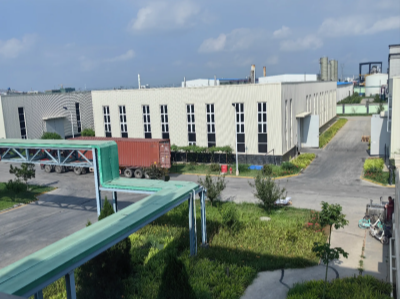
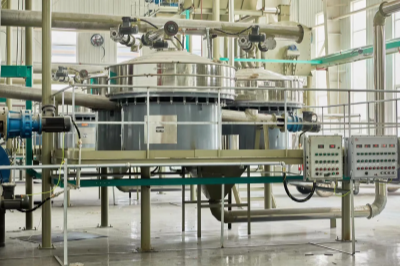
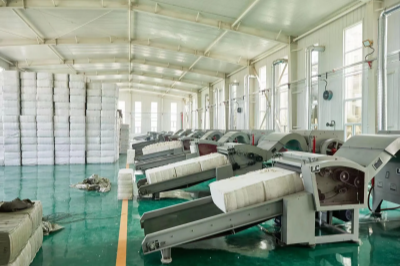
- 🏭 140,000 m² facility: Largest dedicated pea starch plant in North China, with annual capacity of 15,000 MT.
- 🤖 Automation: 98% of production is automated, reducing human error and ensuring batch consistency.
- 🌱 Sustainable sourcing: Partnered with Yantai Shuangta Food Co. (top 3 pea protein suppliers globally) for traceable, non-GMO peas.
- 📦 Supply chain resilience: No single-source dependency. Our pea supply is split across Canada, France, and Inner Mongolia.
🏅 Success Stories: How We Saved Clients 20-30% on Costs
- ✔️ "Frozen French Fries Project" (Netherlands):
- Challenge: Customer’s potato starch supplier raised prices by 30%.
- Solution: Replaced with hydroxypropyl pea starch (DS 0.10, Viscosity 5,500 mPa·s). Result: €0.35/kg savings + improved freeze-thaw stability.
- ROI: Project paid back in 3 months.
- ✔️ "Organic Gluten-Free Bread Mix" (USA):
- Challenge: Rice starch caused crumbly texture; needed clean label.
- Solution: Custom hydroxypropyl pea starch (DS 0.08) + pre-gelatinized blend. Result: 25% cost reduction + shelf-life extended by 7 days.
- ROI: 18-month payback period.
difference-between-hpc-and-hpmc hpmc-k15m enhanced-cellulose hydroxyethyl-cellulose-sigma
🤝 Collaboration Process: From Formula to Factory Floor in 90 Days
We’ve streamlined our process to eliminate bottlenecks and give you full visibility at every stage.
📝 Prototyping & Formula Optimization
- Free sample: 500g hydroxypropyl pea starch (custom spec) + 1-page formulation guide.
- Lab trials: Our chemists replicate your process in our ISO 9001-certified pilot plant.
- Feedback loop: 48-hour turnaround for adjustments.
⚙️ Small-Batch Production
- Min. order: 1 MT (for custom specs) or 5 MT (standard).
- Lead time: 10-15 days for custom; 5 days for standard.
- QC protocol: 100% particle size analysis + viscosity testing before shipment.
🔍 Quality Inspection & Certification
- Inspection: Third-party lab (SGS/TUV) validates specs.
- Documentation: COA, MSDS, and allergen statement included.
- Custom labeling: Branding options available (e.g., "Made for [Your Brand]").
🚚 Delivery & After-Sales Support
- Logistics: DDP terms (Incoterms 2020) with real-time tracking.
- Payment: 30% deposit + 70% before shipment (or LC for new clients).
- Post-sale: 24/7 technical support + quarterly formulation reviews.
💬 Client Voices: What Our Partners Say

"Tangzhi’s hydroxypropyl pea starch saved our gluten-free bread line. The texture is indistinguishable from wheat flour bread, and our customers can’t taste the difference. Plus, the cost savings were immediate."
— Mark van der Berg, R&D Director, Koopmans Baking (Netherlands)

"We struggled with separation in our organic sauces until we switched to Tangzhi’s pea starch. The viscosity stability is unmatched, and the clean label aligns perfectly with our brand."
— Sophie Laurent, Head of Procurement, Bioplanète (France)

"The turnaround time from sample to production was lightning-fast. Tangzhi understood our need for a non-GMO, allergen-free starch that could handle high temperatures. Their custom DS 0.12 formulation worked perfectly for our plant-based burgers."
— David Chen, CEO, GreenBite Foods (USA)
❓ Frequently Asked Questions
1. Is hydroxypropyl pea starch FDA/EU compliant?
Yes. Our hydroxypropyl pea starch is FDA 21 CFR §172.892 compliant (USA) and EU Regulation 1332/2008 compliant (Europe). All COAs include heavy metal and pesticide testing.
2. What’s the difference between hydroxypropyl pea starch and regular pea starch?
Hydroxypropyl modification improves:
- Viscosity stability (resists breakdown under shear/heat).
- Freeze-thaw resilience (critical for frozen foods).
- Neutral taste (regular pea starch can have a legume aftertaste).
3. Can you match a competitor’s spec sheet?
Absolutely. Send us your competitor’s COA, and our R&D team will reverse-engineer the formulation within 48 hours. We’ve matched specs for Cargill, Ingredion, and Avebe.
4. What’s the MOQ (Minimum Order Quantity)?
Standard specs: 5 MT
Custom specs: 1 MT
Bulk discounts: Available at 10 MT+ orders.
5. Do you offer private labeling?
Yes. We can:
- Print your logo on bags.
- Provide certificate of analysis under your company name.
- Customize packaging (e.g., 25kg paper bags with valve spout).
6. What’s your payment terms?
New clients: 30% deposit + 70% before shipment (T/T or LC).
Established clients: Net 30 after 3 successful orders.
7. Can you guarantee lead times?
Yes, for standard specs. We guarantee:
- Standard specs: 5-7 days after payment.
- Custom specs: 10-15 days (subject to R&D approval).
8. Do you offer technical support post-purchase?
Yes, 24/7. Our team includes:
- Food scientists (PhD-level).
- Regulatory experts (FDA/EU compliance).
- Application specialists (bakery, meat analogs, sauces).
- Free formulation adjustments.
- Shelf-life testing protocols.
- Sensory evaluation guides.
🚀 Ready to Upgrade Your Formulations with Hydroxypropyl Pea Starch?
Tangzhi Technology combines industry-leading quality, OEM/ODM flexibility, and cost savings to give you a competitive edge.
Limited-time offer: First 5 orders get 10% discount + priority production slots.